Chef Frank Japanese Cuisine
Chef Frank Japanese Cuisine operates out of Sacramento's North Natomas corridor at 2281 Del Paso Road, bringing Japanese culinary tradition to a part of the city better known for residential growth than restaurant density. The format and price positioning place it within Sacramento's expanding cohort of neighborhood-anchored Japanese dining, away from the downtown concentration where most of the city's reviewed Japanese options cluster.
 Discover on Pearl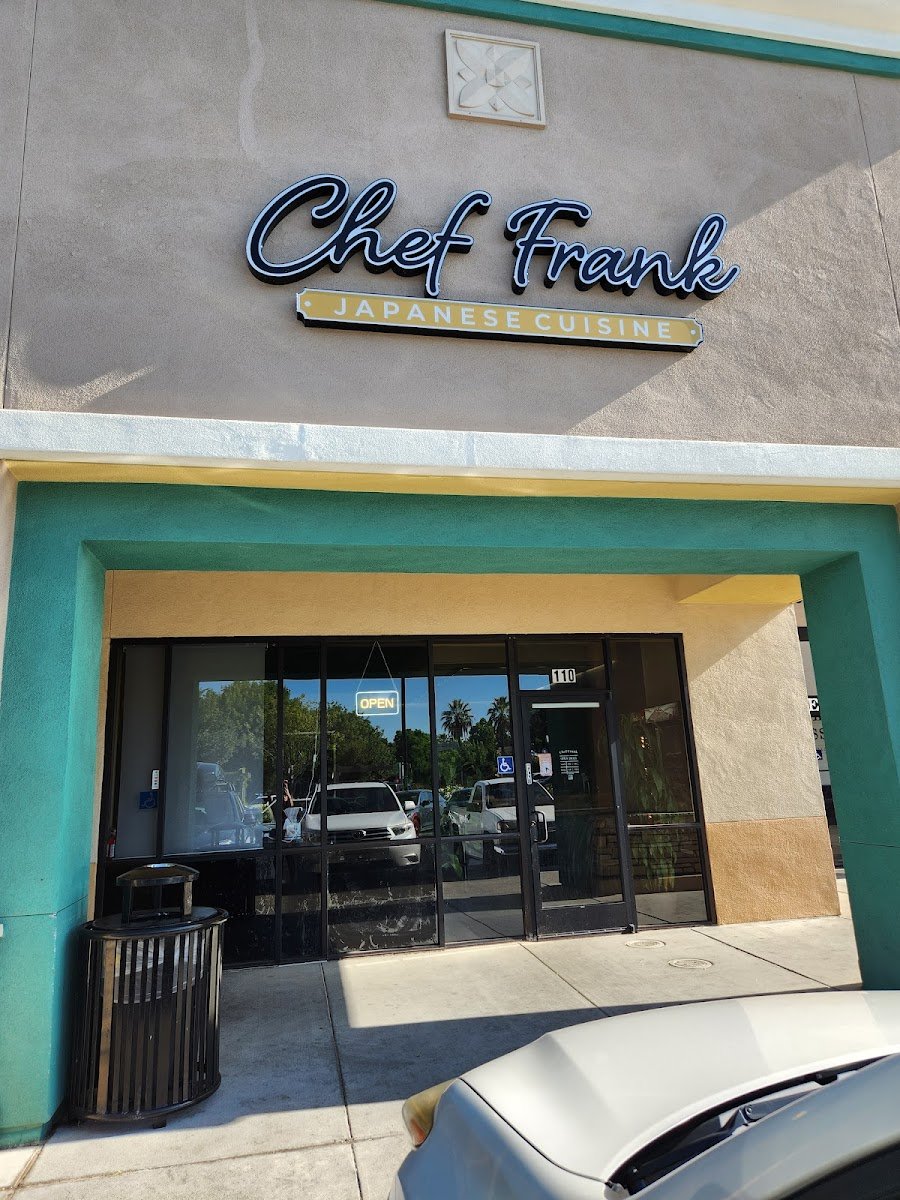
Japanese Dining Beyond Downtown Sacramento
Sacramento's Japanese restaurant scene has historically concentrated in the urban core and midtown grid, where foot traffic and food-media attention create a self-reinforcing cluster. North Natomas sits well outside that gravity, a planned district of newer construction where restaurant options have tended to follow residential density rather than culinary ambition. Chef Frank Japanese Cuisine at 2281 Del Paso Road occupies that gap: a Japanese restaurant serving a neighborhood that has grown faster than its dining infrastructure. That positioning matters more than it might appear, because it shapes everything from who walks through the door to what the kitchen needs to deliver to earn repeat visits from a local, rather than destination-seeking, clientele.
Japanese cuisine in American suburban contexts carries a specific challenge. The tradition itself spans enormous range, from the hyperspecialized counter formats of kaiseki and omakase to the broad accessibility of izakaya and Japanese-American fusion. In neighborhoods without a concentrated dining culture, restaurants that anchor around Japanese cooking tend to serve as translators of the tradition, making it approachable without hollowing it out. The leading examples of this format across California hold the cuisine's structural integrity, sourcing and technique intact, while building menus that don't demand prior fluency from the diner. Whether Chef Frank lands firmly in that category depends on specifics not yet in the public record, but the address and name signal an owner-operator model more common to this kind of neighborhood anchoring than a corporate or franchise approach.
The Cultural Weight Japanese Cuisine Carries in California
California's relationship with Japanese food culture runs deeper than most American states. The state held one of the largest Japanese-American populations before World War II, and the culinary traditions that survived and evolved through that history are now woven into California's broader food identity. Sacramento itself sits in a region with significant Japanese-American agricultural history in the Sacramento Valley, a context that gives Japanese dining in the area more cultural depth than the food category alone might suggest.
That history surfaces differently in different parts of the city. Downtown and midtown Sacramento have seen Japanese concepts arrive in more recent waves, often oriented toward contemporary formats like hand roll bars, ramen counters, and omakase seats. North Natomas, developing later and differently, represents a newer layer of the city's growth, and Japanese restaurants that open there do so without the inherited foot traffic or existing scene that downtown venues can rely on. The result is a restaurant that must generate its own gravity, which in practice means building a regular clientele rather than capturing transient dining traffic.
For context on how Japanese-inflected bar and dining programming operates in other American cities, venues like Kumiko in Chicago demonstrate how Japanese aesthetic and ingredient frameworks can anchor a full drinking and dining program. On the West Coast, ABV in San Francisco shows how Japanese influence threads into the craft cocktail format. These are different expressions of the same cultural current that runs through Japanese dining in California, each adapted to its own city and clientele.
What North Natomas Means for the Dining Experience
The Del Paso Road address, suite 110, points to a strip-center or mixed-use retail format typical of North Natomas commercial corridors. That physical context is worth naming because it directly affects the experience. Strip-center Japanese restaurants in California's suburban neighborhoods have a track record of punching well above their setting: the format places almost all emphasis on what arrives at the table rather than on architectural atmosphere or destination-neighborhood cachet. The lack of a high-design room actually clarifies the proposition. You are there for the food.
Sacramento's dining scene has matured enough that neighborhood-level Japanese restaurants now face meaningful comparison pressure. Venues like Akebono and the food programming at spots like Alaro Craft Brewery, Restaurant & Cocktail Bar represent different points on Sacramento's expanding dining range. Italian programming at Allora and more casual formats like Bawk! by Urban Roots fill out the mid-range category across neighborhoods. Chef Frank operates in a different culinary register from all of these, but they collectively reflect a city where the expectation for neighborhood dining quality has risen substantially over the past decade.
For readers building a broader Sacramento itinerary, our full Sacramento restaurants guide maps the city's dining by neighborhood and category, with context on where each area sits relative to the whole.
Planning a Visit
Given the North Natomas location, arriving by car is the practical default. The address at 2281 Del Paso Road with suite designation suggests parking is available on-site, consistent with most North Natomas commercial developments. Phone and website details are not currently in the EP Club database, so confirming hours and booking availability directly with the restaurant is advisable before making the trip from other parts of Sacramento. The absence of online booking infrastructure, if confirmed, would place Chef Frank in the walk-in or phone-reservation tier common to owner-operated neighborhood Japanese restaurants, which typically means earlier arrival or a call ahead carries more weight than a third-party booking platform.
Price range data is not yet available in our records. Neighborhood Japanese restaurants in California's suburban strip-center format typically operate in the mid-range bracket, but without confirmed figures, that framing should be treated as contextual rather than definitive. For dining programs with similar positioning in other American cities, Bar Leather Apron in Honolulu, Jewel of the South in New Orleans, Julep in Houston, Superbueno in New York City, and The Parlour in Frankfurt on the Main each illustrate how focused, owner-operator formats build sustained recognition outside traditional dining districts.
Frequently Asked Questions
Budget and Context
A quick snapshot of similar venues for side-by-side context.
Need a Table?
Our members enjoy priority alerts and concierge-led booking support for the world's most difficult bars and lounges.
Get Exclusive Access