Kinjo Hand Roll Bar
On 16th Street in Sacramento's grid of mid-century storefronts and newer food-and-drink openings, Kinjo Hand Roll Bar brings a focused, counter-driven format to the city's Japanese dining scene. The hand roll bar concept strips the omakase ceremony down to its most tactile element: seaweed, rice, and filling, assembled and handed across immediately. A direct, unhurried place to eat well without a long-form tasting commitment.
Pearl is the En Primeur Club membership app — saves, bookings, and concierge access live there. Same editors, same standards.
- Address
- 2026 16th St, Sacramento, CA 95818
- Phone
- +1 916 750 7701
- Website
- kinjohandrollbar.com
- Directions
- Get directions
 Saves & bookings on Pearl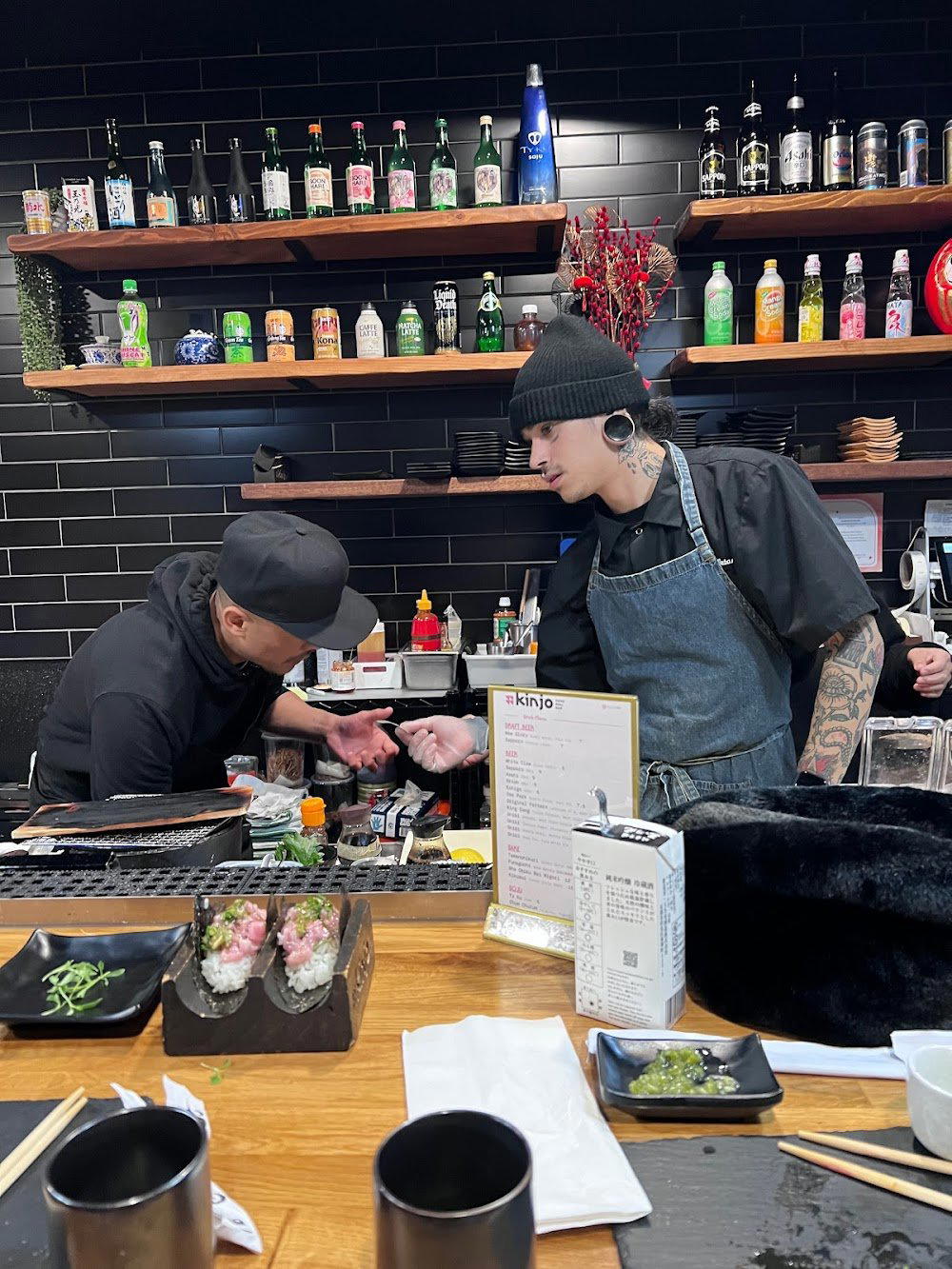
The Counter as Concept: Hand Roll Bars and Where Sacramento Fits
The hand roll bar format has a clear lineage. It emerged from the idea that one technically demanding moment in a sushi meal, the hand roll, or temaki, is also the perishable. Nori loses its crispness within seconds of contact with warm rice and moist filling. The only logical solution is a counter where the roll is assembled directly in front of you and passed across before condensation has a chance to soften the seaweed. What reads as a casual format is, in practice, a discipline problem solved architecturally.
Sacramento's food scene has spent the better part of a decade shedding its reputation as a secondary market. The city's position inside California's agricultural corridor has allowed a cohort of ingredient-forward venues to operate with sourcing advantages. Japanese dining in Sacramento has followed that pattern, with focused formats that emphasize product quality over theatrical ceremony. Kinjo Hand Roll Bar at 2026 16th St sits inside that shift.
The Physical Logic of the Space
Hand roll bars are, by design, counter-centric. The format demands proximity: the chef's hands, the sheet of nori, the assembled roll, and the guest's hand form a short, uninterrupted chain. Spaces that work well in this format tend to be narrow, deliberate, and stripped of the ambient clutter that pulls attention away from what's happening directly in front of you. Lighting in this context is functional before it's atmospheric, you're meant to see the product clearly. The 16th Street address places Kinjo in a Sacramento corridor with a mix of long-standing institutions and newer arrivals.
The hand roll counter's physical intimacy changes the social register of the meal. It is not a long-form tasting format. It is not a sharing-plates-and-bottles arrangement. The counter seats guests close enough to watch technique without the formality that word implies. For a city where the dominant Japanese formats have historically leaned toward larger sit-down restaurants, a dedicated hand roll counter represents a meaningful format shift, one that rewards attentiveness and moves at the pace of assembly rather than service rhythms.
Hand Roll Bars in the Broader American Japanese Scene
The hand roll bar format gained serious traction in American cities over the past decade, initially in New York and Los Angeles before spreading to second-tier markets. The appeal for operators is focus: a restricted format allows sourcing energy to concentrate on a smaller number of components, and counter seating keeps the room turning efficiently. The appeal for guests is immediacy, the format removes the pacing anxieties of omakase and the decision fatigue of a large menu. You sit, rolls come across, and the quality of the rice and nori tells you almost immediately what register the kitchen is operating at.
Across the country, venues focused on Japanese drinking and dining culture have developed distinct identities within their cities. Kumiko in Chicago operates at the intersection of Japanese spirits and hospitality precision. Bar Leather Apron in Honolulu brings a Japanese-influenced cocktail sensibility to a Pacific context. In Sacramento, the hand roll bar format positions Kinjo at a different point in that spectrum, food-forward rather than drink-led, counter-driven rather than lounge-paced.
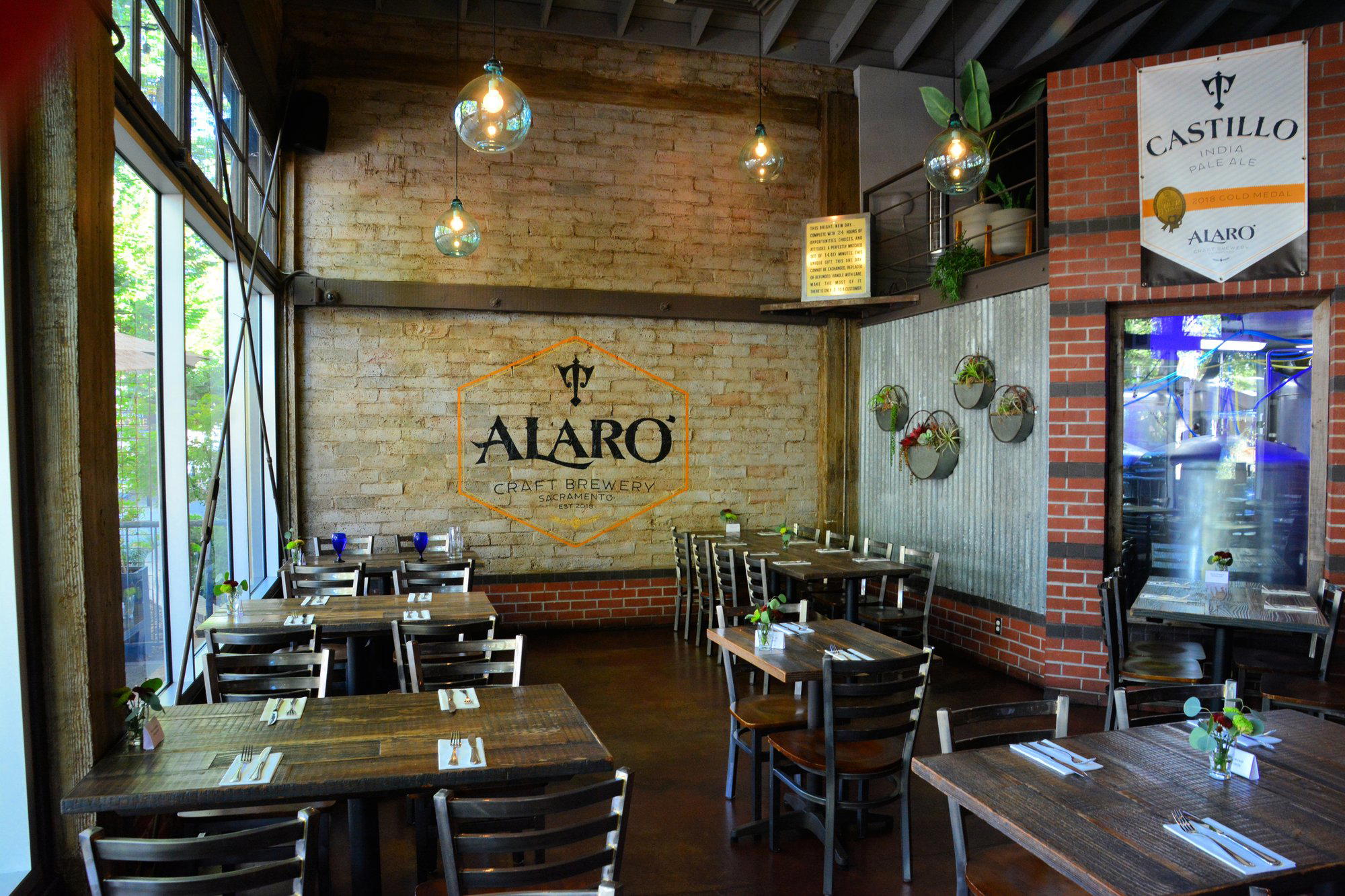
Sacramento's broader bar and dining scene provides useful context for where a focused format venue like Kinjo sits. Akebono and Allora represent different registers of the city's hospitality offer, while venues like Bawk! by Urban Roots and Alaro Craft Brewery, Restaurant and Cocktail Bar reflect the city's appetite for focused, format-driven concepts. Kinjo's hand roll counter belongs to the same generational wave, venues that do one thing with enough seriousness that the format itself becomes the draw.
Reading the Format: What a Hand Roll Bar Signals About Quality
In any hand roll bar, the rice is one honest indicator of kitchen standards. Temperature, seasoning, and texture cannot be disguised by sauce or garnish. The nori's behavior in the first few seconds after the roll is assembled tells you whether it was stored correctly and whether the rolling happened at the right moment. These are not subtle distinctions, they are immediately legible to anyone paying attention.
The restriction of format also concentrates editorial attention. There are no complex plating decisions, no sauce architectures, no tableside theatrics to evaluate. The craft is in the sourcing, the rice preparation, and the timing of assembly. Venues that commit to this format are, in effect, committing to transparency. Kinjo's position on 16th Street, in a Sacramento neighborhood that rewards exactly this kind of focused operation, makes the format appropriate to its context.
Kinjo, with its counter-only hand roll focus, occupies a distinct slot in Sacramento's Japanese dining scene.
Planning a Visit
Kinjo Hand Roll Bar is at 2026 16th St, Sacramento, CA 95818. The 16th Street location is accessible from central Sacramento and sits within a walkable stretch of the city's restaurant corridor. As with most counter-format venues, arrival timing matters more than reservation logistics, and the turnover pace of a hand roll counter means peak hours fill quickly.
Cuisine and Credentials
Comparable venues nearby, for context on price, style, and recognition.
| Venue | Cuisine | Price | Notes |
|---|---|---|---|
| Kinjo Hand Roll BarThis venue — the venue you are viewing | sake_bar | $$ | Not listed |
| Sampino’s Kitchen at Joe Marty’s | sports_bar | $$ | Richmond Grove |
| Magpie Café | cocktail_bar | $$ | Richmond Grove |
| Old Ironsides | dive_bar | $ | Richmond Grove |
| Hana Tsubaki Restaurant | sake_bar | $$ | East Sacramento |
| WeDaShii | lounge | $$ | Mansion Flats |
Continue exploring
More in Sacramento
Bars in Sacramento
Browse all →
Restaurants in Sacramento
Browse all →
Hotels in Sacramento
Browse all →

At a Glance
- Trendy
- Modern
- Intimate
- Date Night
- Casual Hangout
- Standalone
- Counter Only
- Sake
Current opening hours
- Monday
- 5–9 PM
- Tuesday
- 5–9 PM
- Wednesday
- 5–9 PM
- Thursday
- 5–9 PM
- Friday
- 5–10 PM
- Saturday
- 5–10 PM
- Sunday
- 5–9 PM
Hours can change for holidays and private events. Last verified .
Modern Cali-Japanese dining experience in a casual yet refined setting.