Caribbean Sushi
Caribbean Sushi on South Elm Place brings an unexpected pairing to Broken Arrow's dining scene, merging the rice-forward precision of Japanese-style preparation with the bold, tropical-inflected flavors of Caribbean cooking. The result is a concept that sits outside the standard suburban sushi template, offering a distinctive read on fusion cuisine in a market that rarely experiments at this register.

Pearl is the En Primeur Club membership app — saves, bookings, and concierge access live there. Same editors, same standards.
- Address
- 3708 S Elm Pl, Broken Arrow, OK 74011
- Phone
- (918) 286-1306
- Hours
- Mon 4:30–8 PMTue–Fri 11 AM–2:30 PM, 4:30–8 PMSat 12–8 PMSun Closed
- Website
- caribbeansushi.com
- Directions
- Get directions
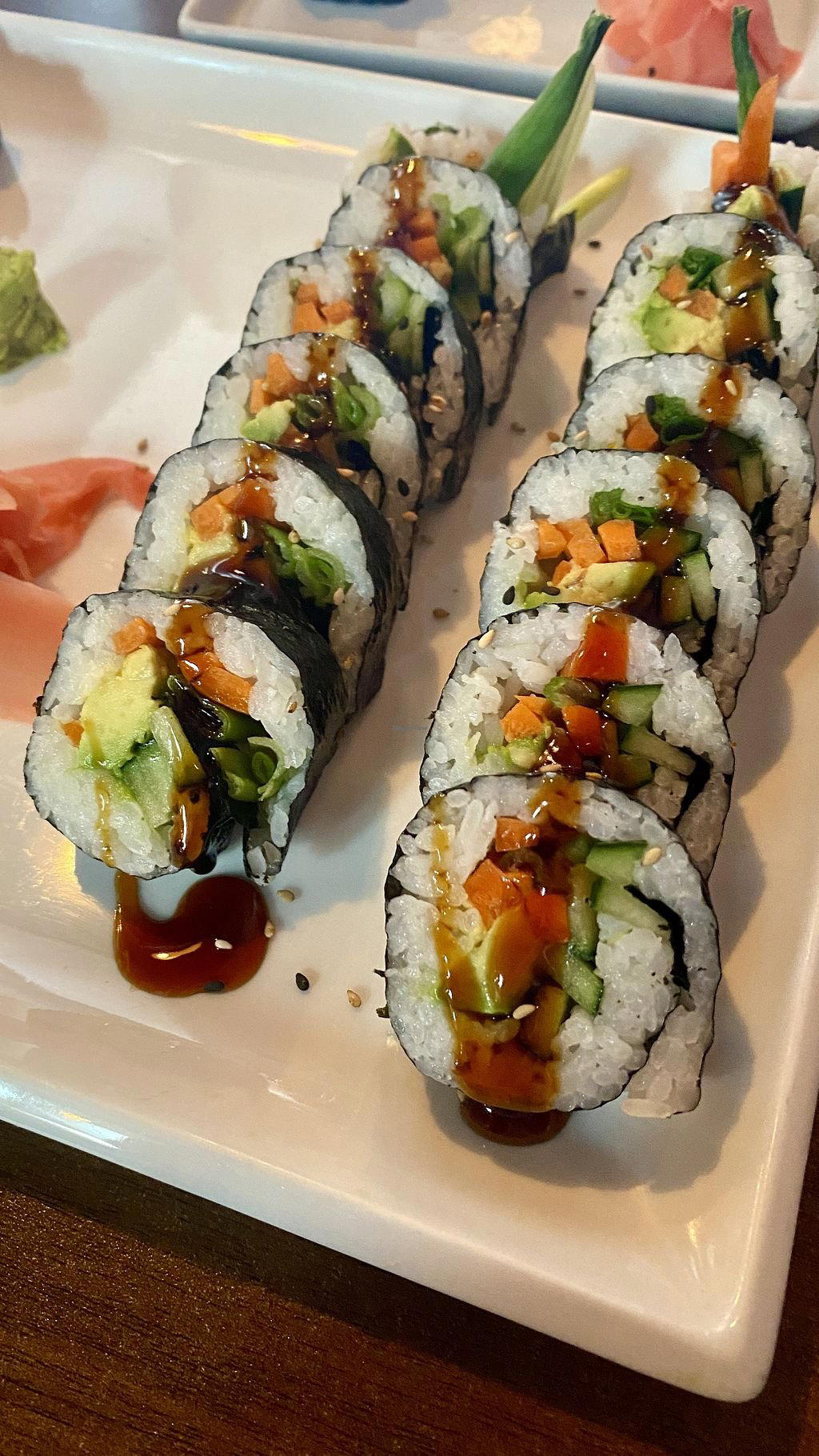
Where the Gulf Meets the Pacific in Suburban Oklahoma
Broken Arrow does not have the cocktail density of a major metro, and that relative scarcity makes the rooms that do invest in a considered drinks program worth paying attention to. On South Elm Place, Caribbean Sushi occupies a position that reads, from the outside, as a neighborhood dining address. What pulls you in is the conceptual tension the name announces: a fusion format that borrows from two culinary traditions that almost never share a room. That combination, Caribbean flavors mapped onto the structural logic of Japanese sushi, produces a dining and drinking experience calibrated differently from anything else in the Broken Arrow market.
The address at 3708 S Elm Pl places it in a commercial corridor that functions as one of Broken Arrow's everyday retail and dining strips. There is no theatrical arrival sequence here, no valet line or curated entry foyer. What the setting offers instead is the slightly conspiratorial pleasure of finding something conceptually ambitious in a location that makes no promises. That contrast between the modest physical context and the menu's ambition is, in its own way, the atmosphere.
The Fusion Register: What Caribbean-Japanese Actually Means on a Menu
American fusion cuisine has an uneven track record. At its worst, it amounts to theme dressing layered on familiar formats. At its more considered end, it operates as genuine culinary argument: a claim that two traditions share enough structural logic, overlapping ingredients, or complementary flavor registers to produce something coherent rather than arbitrary. The Caribbean-sushi pairing makes a specific kind of sense. Both traditions center fresh fish, work with rice as a structural element, and use acid, heat, and alliums to cut richness. Where Japanese sushi technique reaches for restraint and precision, Caribbean cooking pushes toward bolder spice profiles, tropical fruit acidity, and fermented pepper heat. Layering those registers produces combinations that can work with the original format rather than against it.
This is the same logic that has driven cocktail programs at places like Bar Leather Apron in Honolulu, where Pacific-regional ingredients are handled with a precision more associated with European technique, or Jewel of the South in New Orleans, where historical cocktail traditions are reassembled through a contemporary craft lens. The thread connecting those programs to a concept like Caribbean Sushi is the same: a willingness to take a creative premise seriously and execute it with enough discipline that the result feels like a position, not a gimmick.
Drinks in the Room: Reading the Bar Through the Concept
A Caribbean-inflected concept in a market like Broken Arrow raises a direct question for any serious drinker: does the bar match the kitchen's ambition? Fusion food concepts that invest in their flavor premise often extend that logic to the drink menu, using rum-based formats, tropical fruit modifiers, and spice-driven infusions to create a cocktail program that reads as an extension of the kitchen rather than a generic afterthought.
The broader American bar scene has moved decisively toward programs built around specific creative premises. Kumiko in Chicago operates around Japanese whisky and culinary precision. Julep in Houston draws its identity from Southern spirits traditions. Superbueno in New York City anchors its program in Latin American flavor logic. ABV in San Francisco built its reputation around technique-forward high-proof formats. What these programs share is conceptual coherence: the drinks make an argument that aligns with the room's broader identity.
A Caribbean-Japanese kitchen concept creates natural material for a bar program built around rum's many regional expressions, fruit-forward modifiers, and the kind of aromatic complexity that tropical spice profiles generate. Aged Caribbean rums carry flavors, including molasses depth, dried fruit, and baking spice, that function as useful bridges between the sweetness of tropical fruit preparations and the umami register of Japanese-influenced fish cookery. Whether the bar at Caribbean Sushi has moved in that direction is information leading gathered on arrival, but the concept creates a ready-made brief for a drinks list worth taking seriously.
For comparison, programs like Bar Kaiju in Miami and Allegory in Washington, D.C. demonstrate what happens when a bar room commits fully to a thematic and technical premise. The distance between a novelty concept and a credible program almost always comes down to whether the drinks have been thought through with the same rigor as the food.
Broken Arrow's Dining Context
Broken Arrow sits within the Tulsa metropolitan area, functioning as a suburb that has developed enough dining infrastructure to sustain a range of independent restaurant concepts alongside the standard national chain presence. The city has not produced a cluster of nationally recognized food destinations, but that absence cuts both ways. It keeps rents accessible for independent operators willing to take creative risk, and it means that a concept with genuine ambition faces less competitive pressure than it would in a market like Dallas or Oklahoma City.
For a broader map of where Caribbean Sushi sits relative to Broken Arrow's other options, our full Broken Arrow restaurants guide provides context across categories and price tiers. Within the immediate area, Rustic Chophouse represents the steakhouse-and-bar format that anchors much of Broken Arrow's sit-down dining, a useful point of comparison for understanding where a fusion concept like Caribbean Sushi is positioning itself against local convention.
Further afield, bar programs with comparable creative premises include Bitter & Twisted in Phoenix, which operates one of the more technically serious cocktail programs in the American Southwest, and The Parlour in Frankfurt on the Main, a European example of the kind of focused creative bar format that the American market continues to develop. Those references mark the outer range of what a committed concept can achieve; Caribbean Sushi's position in that spectrum depends on the execution you find on the night.
Planning Your Visit
Caribbean Sushi is located at 3708 S Elm Pl, Broken Arrow, OK 74011. As with any independent concept operating outside the urban core, it is worth confirming current hours and booking availability directly before visiting, as hours and policies at independent restaurants in suburban markets can shift without wide notice. The South Elm Place location is accessible by car from central Broken Arrow and from the Tulsa metro area without significant travel time. Given the concept's specificity, arriving with questions about the menu's creative logic is a reasonable approach: the staff at fusion-forward independents typically have a clearer view of what the kitchen is attempting than a menu card alone conveys.
Comparison Snapshot
Comparable venues nearby, for context on price, style, and recognition.
| Venue | Cuisine | Price | Notes |
|---|---|---|---|
| Caribbean SushiThis venue — the venue you are viewing | Bar | $10–20 | Not listed |
| Rustic Chophouse | lounge | Not listed | Rose District |
| Albert G's Bar-B-Q | sports_bar | $20–30 | Blue Dome District |
| Iguana Mexican Grill | pub | $20–30 | Automobile Alley |
| Bar Arbolada | cocktail_bar | $20–30 | Downtown/Arts District |
Continue exploring
More in Broken Arrow
Bars in Broken Arrow
Browse all →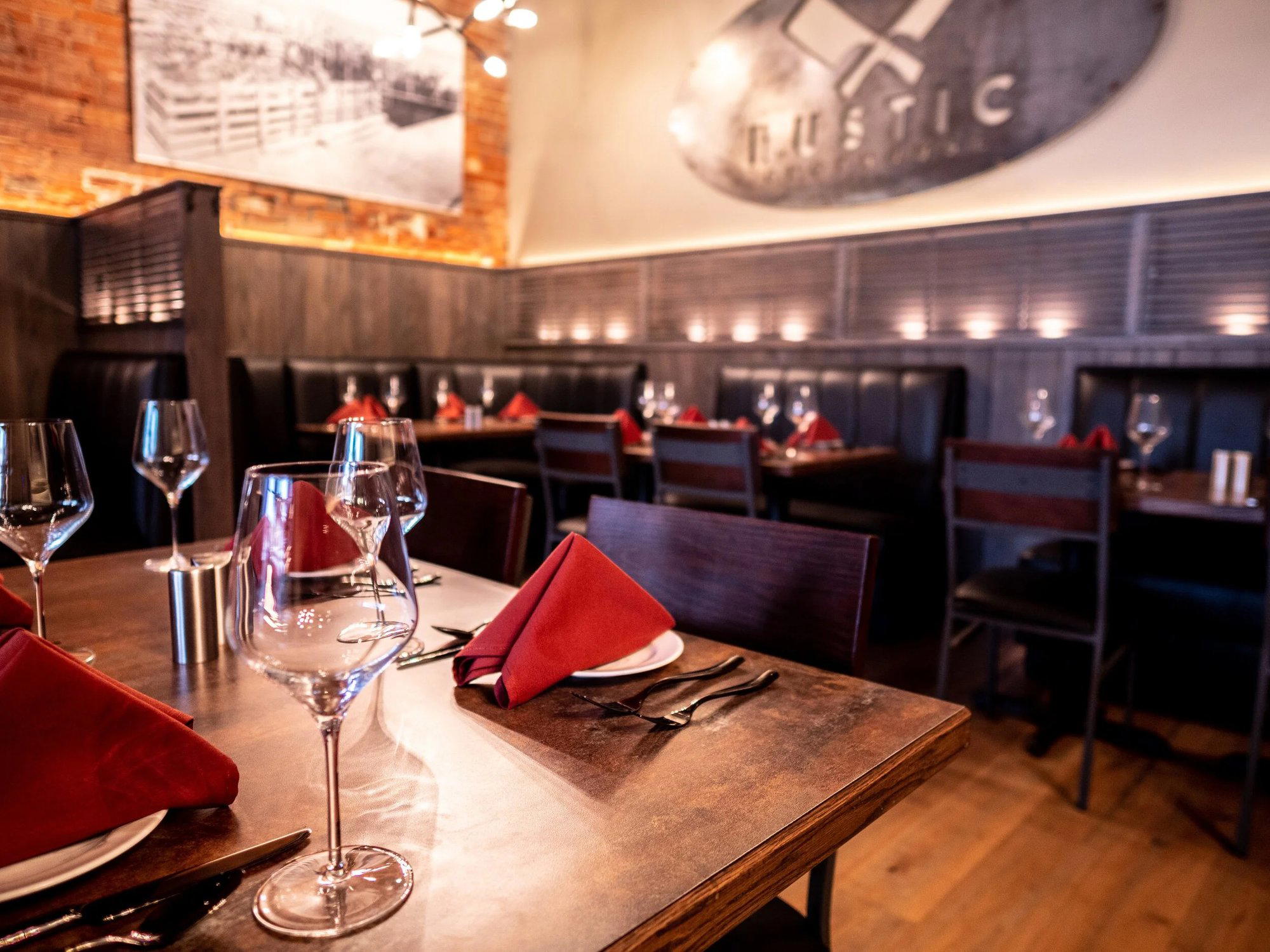
Restaurants in Broken Arrow
Browse all →
Hotels in Broken Arrow
Browse all →
Details
- Trendy
- Cozy
- Casual Hangout
Current opening hours
- Monday
- 4:30–8 PM
- Tuesday
- 11 AM–2:30 PM, 4:30–8 PM
- Wednesday
- 11 AM–2:30 PM, 4:30–8 PM
- Thursday
- 11 AM–2:30 PM, 4:30–8 PM
- Friday
- 11 AM–2:30 PM, 4:30–8 PM
- Saturday
- 12–8 PM
- Sunday
- Closed
Hours can change for holidays and private events. Last verified .