



World's 50 Best #42 · Pinnacle Guide 1 Pin · Top 500 Bars Best Bars #84
A taqueria on Rue de Saintonge that conceals one of Paris's most decorated cocktail bars behind an unmarked interior door. Candelaria built its reputation on Mexican spirits and inventive mixing, earning a place inside the World's 50 Best Bars top 20 across multiple consecutive years.

Pearl is the En Primeur Club membership app — saves, bookings, and concierge access live there. Same editors, same standards.
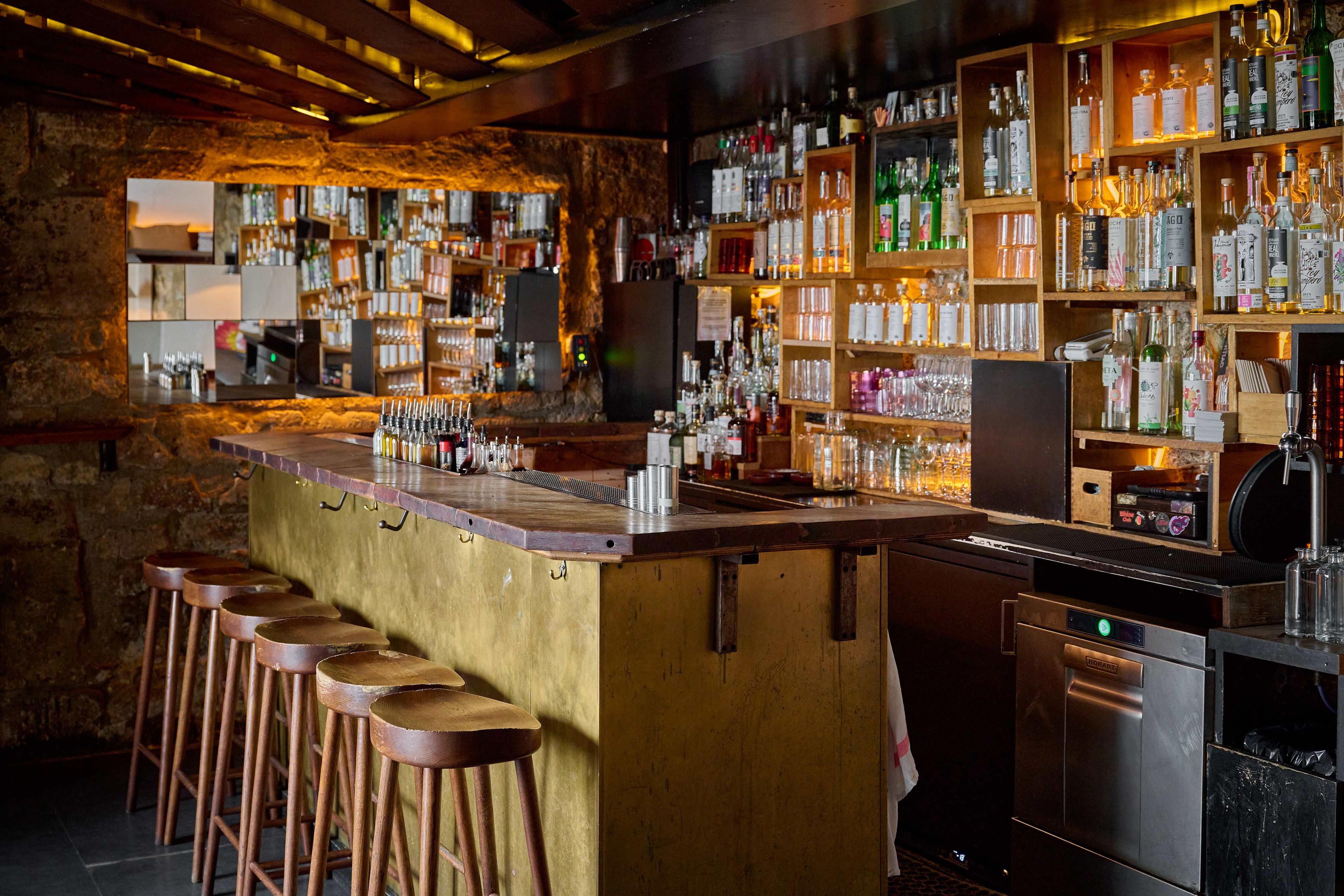
The Bar Behind the Taqueria: How Candelaria Redefined the Paris Cocktail Scene
Rue de Saintonge in the 3rd arrondissement gives little away. The stretch runs through the Haut Marais between the vintage clothing shops and the quiet residential blocks that make this corner of Paris feel less performed than the streets closer to the Pompidou. At number 52, a taqueria operates in plain sight. What most people walking past do not register is the unmarked door inside it, and what lies behind that door has spent more than a decade reshaping how Paris understands serious cocktail culture.
Candelaria's format — a functioning Mexican restaurant whose back wall conceals a dedicated cocktail bar — arrived in Paris at a moment when the city's bar scene was still largely organised around hotel lounges and brasserie terraces. The speakeasy model was already circulating in New York and London, but Candelaria applied it with a specificity that set it apart from the theatrical hidden-door gimmicks that followed: the taqueria was real, the food was taken seriously, and the bar program behind the door was built around Mexican spirits at a time when mezcal barely registered on French wine-and-spirits menus.
A Trajectory Measured in Rankings
The clearest way to read Candelaria's evolution is through its World's 50 Best Bars position over time. The bar entered the list at number 45 in 2012, climbed to number 9 in 2013, held a top-20 position every year through 2018, and appeared again on the Top 500 Bars list at number 84 in 2025. That arc tells a specific story. The early years represented a rapid rise driven by genuine novelty and program quality. The sustained top-20 presence through the mid-2010s confirmed that the format had real staying power beyond first-visit curiosity. The 2025 return, lower on the list but present, reflects what happens to a pioneering venue as its category matures: the bar it helped create now has more competitors, many of whom borrowed directly from what Candelaria established.
Compared to peers on the Paris bar circuit, that ranking history is unusual in its length. Danico, which occupies a different position in the Paris cocktail conversation with its Italian-inflected program, and Bar Nouveau operate at the contemporary end of the spectrum. Harry's Bar, by contrast, represents the city's older institutional strand, a place whose credibility comes from historical continuity rather than competitive ranking cycles. Candelaria sits between those two poles: born from a specific moment of innovation, now carrying the weight of its own history.
What the Format Actually Means
The double-venue structure at 52 Rue de Saintonge is not primarily a design trick. It functions as a genuine pacing device. Arriving at the taqueria, ordering food, and passing through to the bar produces a different kind of evening than walking directly into a dedicated cocktail room. The transition resets attention. By the time you are seated in the bar, the mode has shifted. That sequencing is rare in Paris, where most serious cocktail programs operate as standalone destinations, and it remains one of the reasons the experience does not feel interchangeable with what Buddha Bar or larger entertainment-led venues offer.
For a bar that operates in a format as specific as this one, that breadth of approval suggests the concept translates across different types of visitor, not just cocktail specialists.
Mexican Spirits in a French Context
Candelaria's program was built around mezcal and tequila at a moment when neither category had significant presence in Paris bar culture. That positioning mattered. French spirits literacy in the early 2010s was deep on cognac, Calvados, and Alsatian eau-de-vie, but the agave category was effectively unknown outside specialist circles. Building a bar program around those spirits was not simply a stylistic choice, it required educating a market, sourcing bottles that were not widely distributed in France, and persuading guests to trust recommendations in a category they had no reference point for.
The broader shift in European mezcal consumption that followed Candelaria's early years was not caused by any single venue, but Paris-based bars in the 2013–2016 window that were operating serious agave programs were working from a very short list of precedents. Candelaria was on that list first. For context on how that regional spread looks today, bars like Papa Doble in Montpellier and Bar Casa Bordeaux in Bordeaux represent how cocktail culture with a strong spirits focus has since moved into French provincial cities, a diffusion that Candelaria's Paris visibility helped accelerate.
The Marais Context
Location in the Haut Marais rather than Saint-Germain or the 1st arrondissement was a deliberate statement about audience. The 3rd arrondissement in the early 2010s was a working creative neighbourhood, not a luxury tourism corridor. Opening there placed Candelaria alongside galleries, small restaurants, and the emerging wine bar scene that would make the area one of Paris's most interesting drinking districts by the mid-2010s. That neighbourhood identity, less polished, more self-selecting, suited a bar that required some effort to find and some willingness to commit to a specific program.
For visitors planning a broader Paris evening, the Marais geography integrates well with venues across the city's bar spectrum. The Hemingway Bar at the Ritz represents the city's formal hotel bar tradition, while the cocktail-focused programs at places like Danico offer a cleaner contemporary alternative to the double-venue format. Internationally, bars operating at a similar intersection of cultural specificity and spirits depth include Bar Leather Apron in Honolulu, La Maison M. in Lyon, and Le Café de la Fontaine in La Turbie, each building programs around a defined regional or spirits identity rather than broad-appeal menus.
Planning Your Visit
| Venue | Format | Entry Approach | Spirits Focus | Awards Tier |
|---|---|---|---|---|
| Candelaria | Taqueria + concealed bar | Walk-in, no door signage | Mexican spirits, agave | World's 50 Best (multiple years) |
| Danico | Standalone cocktail bar | Walk-in / reservation | Classic and contemporary | Paris circuit recognition |
| Harry's Bar | Historic hotel-style bar | Walk-in | Classic American bar | Institutional / historical |
| Bar Nouveau | Contemporary bar | Walk-in / reservation | Modern European | Paris contemporary circuit |
| Buddha Bar | Large entertainment venue | Walk-in / reservation | Broad international | Brand recognition |
The address is 52 Rue de Saintonge, 75003 Paris. The bar is accessed through the taqueria, not via a separate street entrance. There is no external signage for the bar. Arriving earlier in the evening improves the chance of finding space; the bar operates in a relatively compact room and fills on weekends and Thursday evenings. For bars with comparable spirits depth in other French cities, Coté Vin in Toulouse and Au Brasseur in Strasbourg offer useful regional comparisons for visitors building itineraries across France.
Similar Picks
Comparable venues nearby, for context on price, style, and recognition.
| Venue | Cuisine | Price | Awards | Notes |
|---|---|---|---|---|
| CandelariaThis venue (the venue you are viewing) | Mexican-Cocktails | $20–30 | World's 50 Best #42 · Pinnacle Guide 1 Pin | Not listed |
| Harry's Bar | cocktail_bar | $30–50 | World's 50 Best #27 · Top 500 Bars Best Bars #60 | Gaillon |
| Bar Nouveau | cocktail_bar | $30–50 | World's 50 Best #5 · Top 500 Bars Best Bars #18 | Marais (3rd Arrondissement) |
| Danico | cocktail_bar | $20–30 | World's 50 Best #19 · Top 500 Bars Best Bars #17 | Galerie Vivienne |
| Buddha Bar | lounge | $100–150 | World's 50 Best #20 | Faubourg Saint-Honoré |
| The Cambridge Public House | pub | $20–30 | World's 50 Best #7 · Pinnacle Guide 2 Pins | Le Marais |
Recognition history
Dated appearances from independent guides and award organizations, with the underlying list record or original source where available.
World's 50 Best Bars #42
World's 50 Best
Opinionated About Dining Casual in Europe Recommended
Opinionated About Dining
Pinnacle Guide 1 Pin
Pinnacle Guide
Top 500 Bars Best Bars #84
Top 500 Bars
Full recognition history (13 entries)
Opinionated About Dining Casual in Europe Ranked #338
Opinionated About Dining
Opinionated About Dining Casual in Europe Ranked #330
Opinionated About Dining
Opinionated About Dining Casual in Europe Highly Recommended
Opinionated About Dining
World's 50 Best Bars #19
World's 50 Best
World's 50 Best Bars #17
World's 50 Best
World's 50 Best Bars #12
World's 50 Best
World's 50 Best Bars #17
World's 50 Best
World's 50 Best Bars #9
World's 50 Best
World's 50 Best Bars #45
World's 50 Best
Candelaria
Featured Guides
Continue exploring
More in Paris
Bars in Paris
All bars in Paris →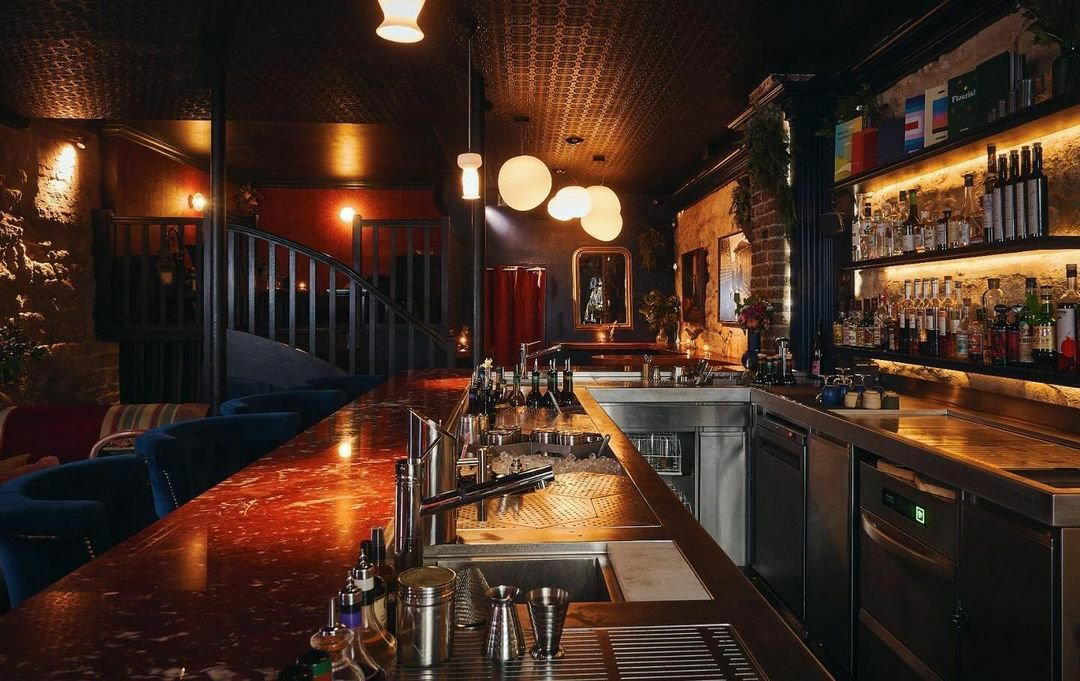
Restaurants in Paris
All restaurants in Paris →



Candelaria
The drinks
- Craft cocktails
- Mezcal
- Tequila
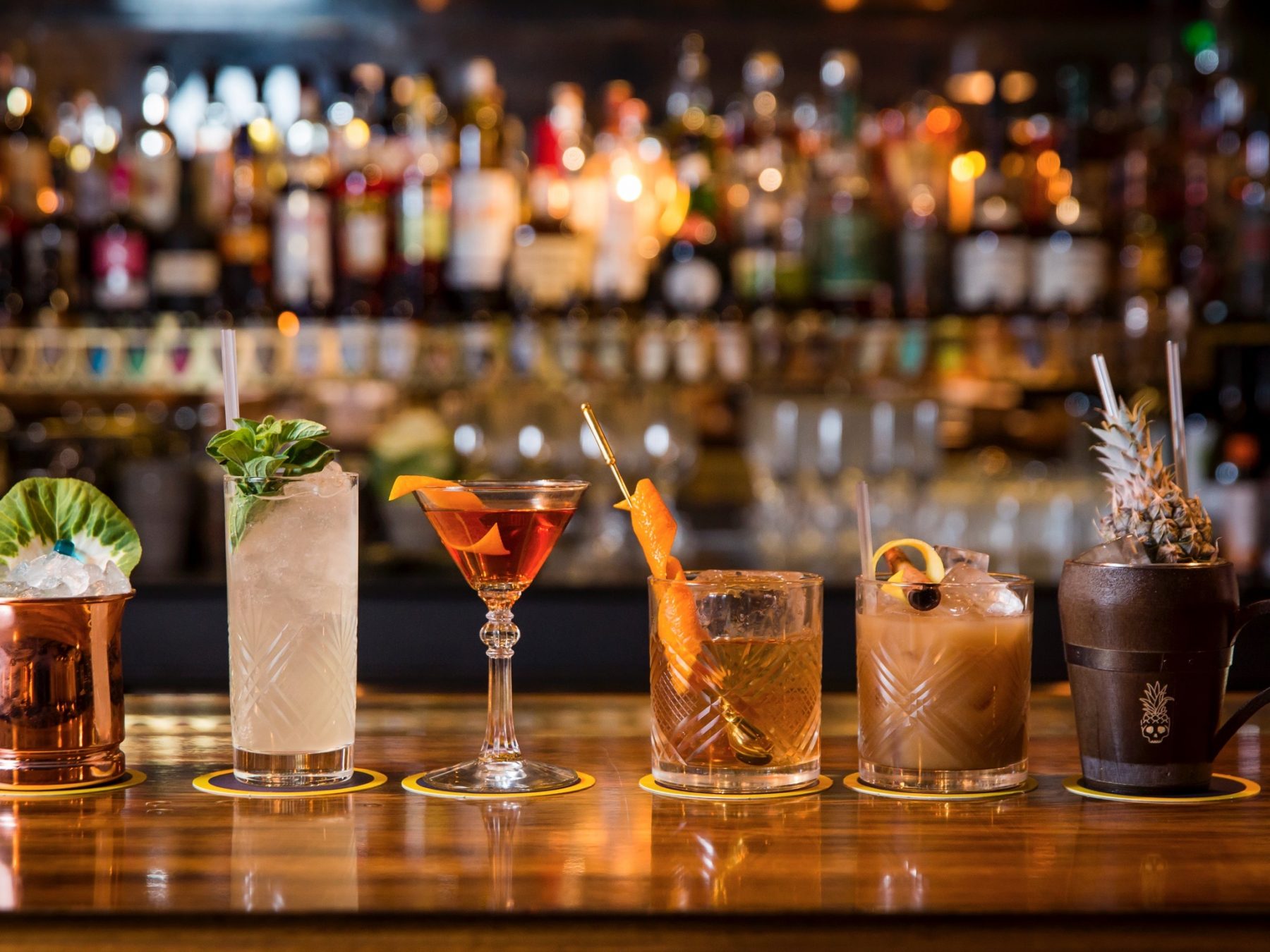
Signature drinks: La Guêpe Verte, Oaxacan Old Fashioned, Pensa en Mi.
Details
- Romantic
- Cozy
- Trendy
- Intimate
- Date Night
- Late Night
- Casual Hangout
- Speakeasy
- Seated Bar
- Lounge Seating
- Booth Seating
- Craft Cocktails
- Tequila
- Mezcal
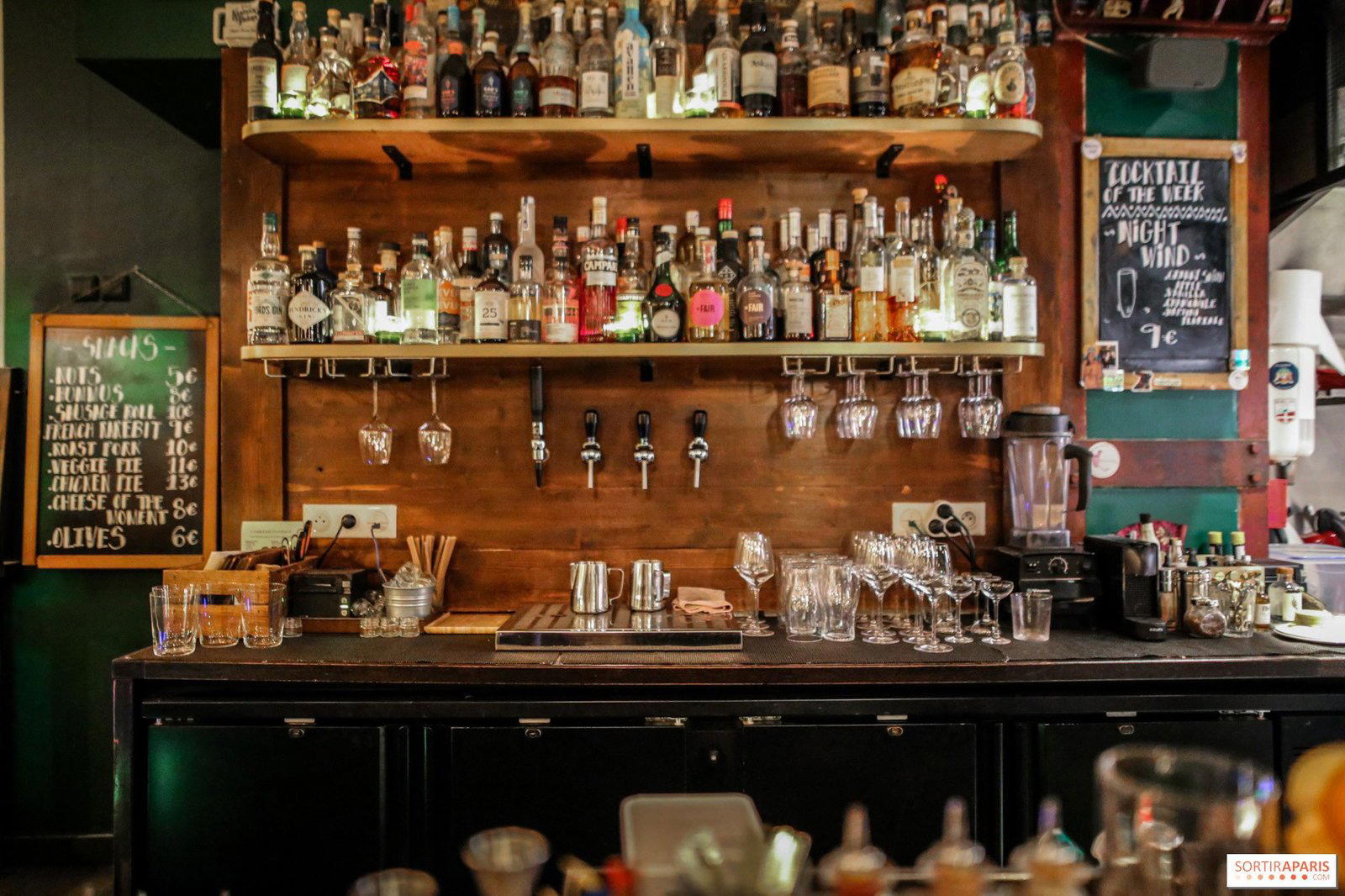
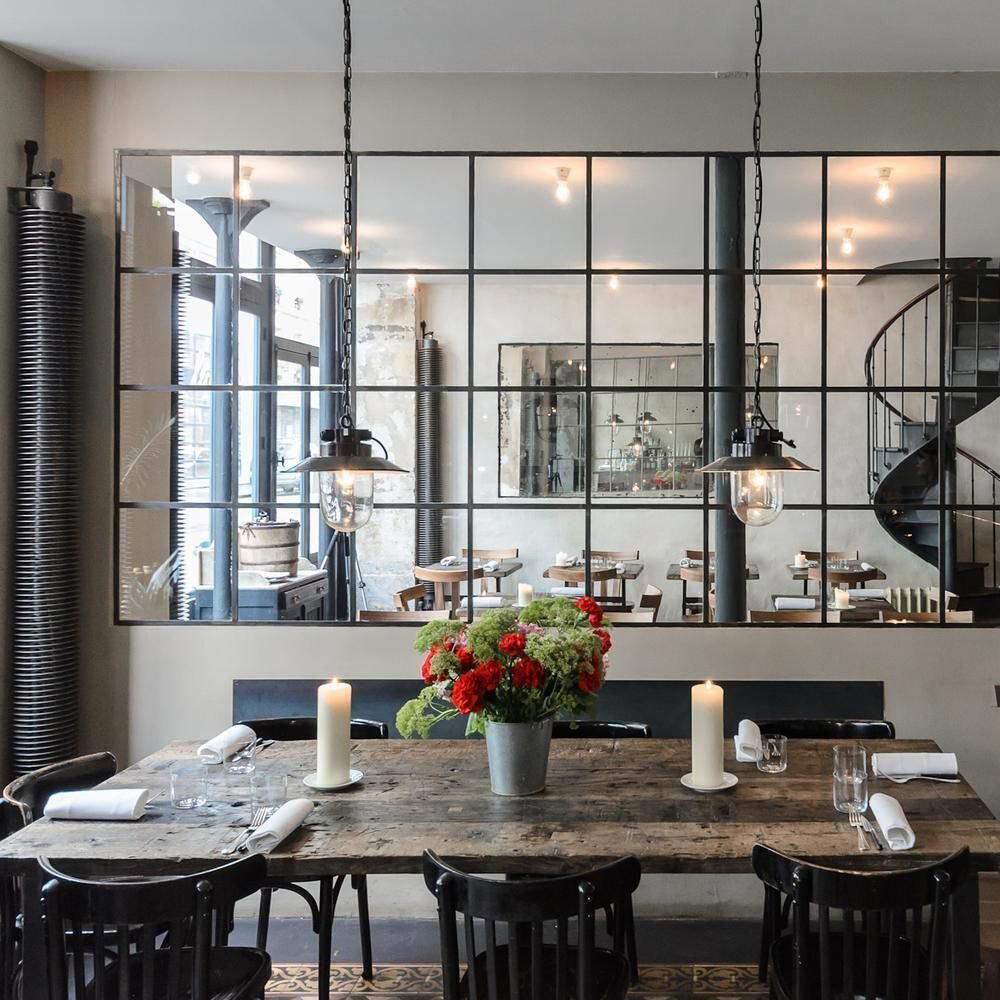
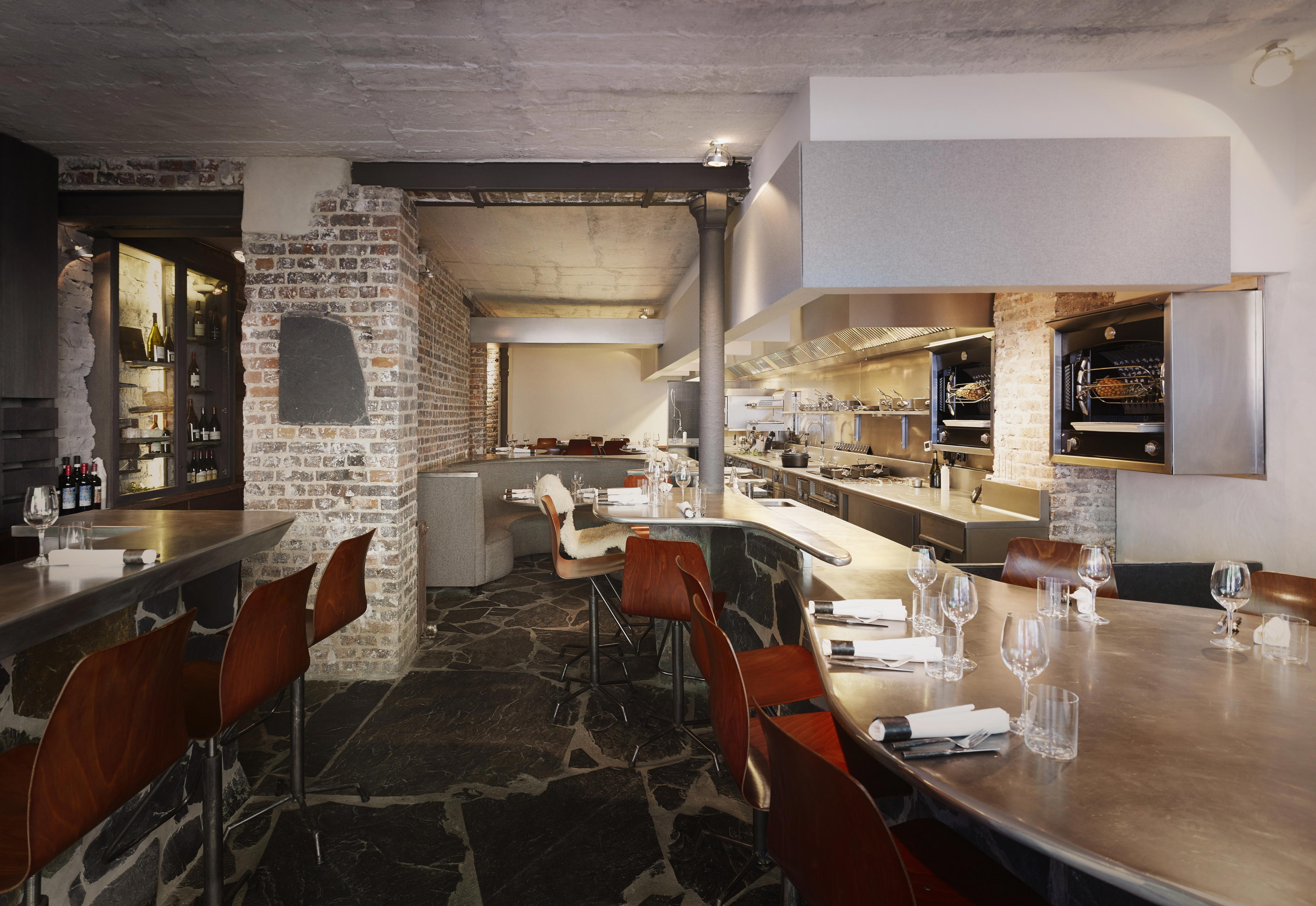
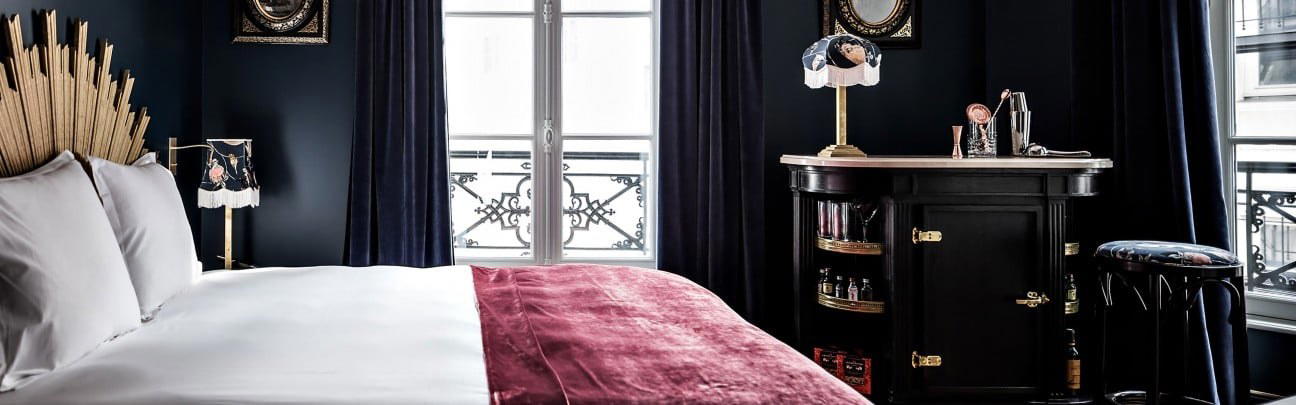
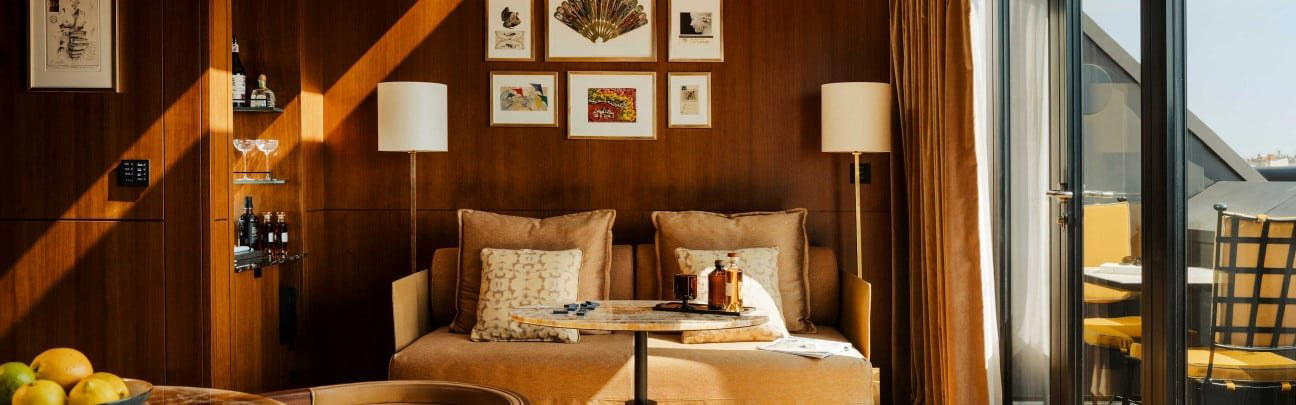
Dimly lit with candles, cozy banquettes, rustic stone walls, and a lively, energetic atmosphere.