Café Momo
Café Momo sits on Hanover Street in Manchester, New Hampshire, occupying a corner of the city's dining scene where South Asian and Himalayan culinary traditions hold ground. The address places it within reach of downtown Manchester's mixed residential and commercial stretch, making it a practical destination for those curious about the region's less-documented restaurant options.

Pearl is the En Primeur Club membership app — saves, bookings, and concierge access live there. Same editors, same standards.
- Address
- 1065 Hanover St, Manchester, NH 03104
- Phone
- (603) 623-3733
- Website
- thecafemomo.com
- Directions
- Get directions
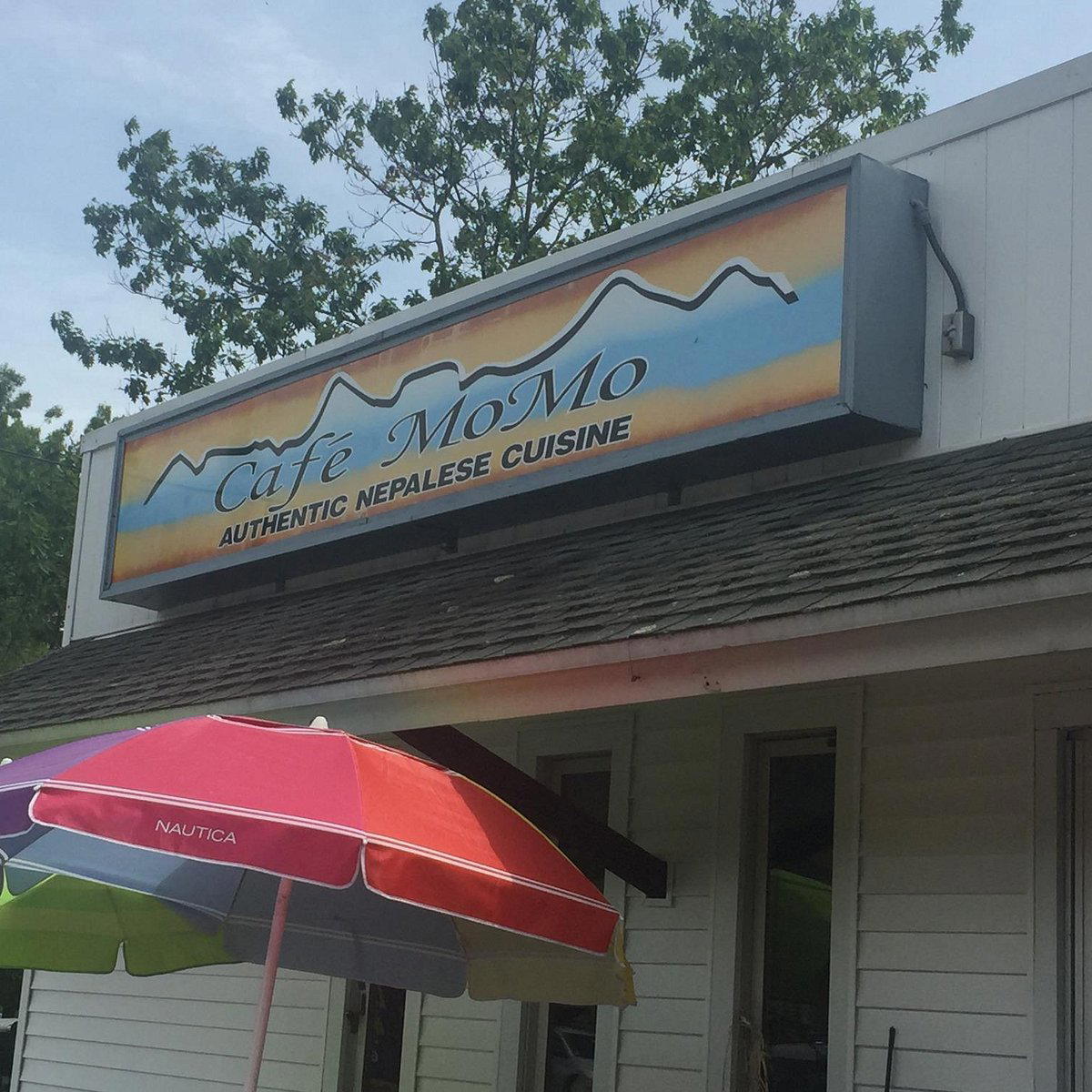
Hanover Street and the Himalayan Presence in New England Dining
Manchester, New Hampshire's restaurant scene has expanded steadily over the past decade, absorbing immigrant-led kitchens that rarely attract the editorial attention their food warrants. The city's Hanover Street corridor, running through a densely populated residential neighbourhood, has become one of the more reliable addresses for this kind of cooking. Café Momo, at 1065 Hanover St, sits in that context: a South Asian and Himalayan-inflected spot in a mid-sized New England city where the dining conversation is still largely shaped by pizza, pubs, and New American formats.
Himalayan cuisine as a category occupies an interesting position in American dining. Rooted in the foodways of Nepal, Tibet, and the surrounding mountain regions, it carries distinct influences from both the Indian subcontinent and central Asian traditions, without reducing neatly to either. The momo itself, the steamed or fried dumpling that gives this café its name, sits at the centre of that identity. Across the Himalayan diaspora in the United States, the momo has become something of a signature, the way pho anchors Vietnamese dining rooms or the taco defines certain Mexican neighbourhoods. When a restaurant names itself after the dish, it signals a deliberate act of cultural positioning.
The Cultural Weight of the Momo
The momo's origins are debated among food historians, but its route into mainstream American awareness has followed the Nepali diaspora, which has settled in cities from New York to smaller urban centres like Manchester. New Hampshire has one of the more established Nepali communities in the Northeast, and the food that community cooks at home and serves in small restaurants reflects that settlement pattern. These are not fusion interpretations: they are largely direct transmissions of a cooking tradition shaped by altitude, seasonality, and the logistics of mountain agriculture.
Steamed dumplings filled with spiced meat or vegetables, served alongside a tomato-based dipping sauce (achar), represent the accessible entry point. But the broader menu vocabulary of Himalayan restaurants typically extends to dal bhat (the foundational lentil and rice plate), thukpa (noodle soups built for cold climates), and various curry preparations that diverge from their Indian counterparts in spice profile and technique. This is a cuisine where the cooking environment, historically high altitude with limited ingredient variety, shaped both method and flavour in ways that remain legible on the plate.
In a city like Manchester, where South Asian food has historically meant subcontinental Indian, the presence of a Himalayan-focused restaurant fills a gap that larger cities addressed years ago. For the EP Club reader accustomed to tracking similar shifts in places like New York or Chicago, the dynamic here is familiar: a diaspora kitchen serving a community's actual food, gradually finding a broader audience as the city's dining curiosity grows.
Placing Café Momo in Manchester's Wider Scene
Manchester's restaurant community is smaller and less stratified than the UK city that shares its name. There is no equivalent of the dense competitive field you find at Schofield's in the British Manchester, where every bar and restaurant operates within a highly documented and ranked ecosystem. New Hampshire's Manchester operates differently: the dining conversation is less mediated by awards and press, which means individual restaurants carry their neighbourhood more quietly, and the research required to find genuinely interesting spots is correspondingly greater.
Within that context, Café Momo occupies the kind of position that specialist cuisine restaurants often hold in mid-tier American cities: a reliable address for a specific tradition, serving a community first and curious outsiders second. That ordering matters. Restaurants in this category tend to operate with greater consistency precisely because they are not calibrating to a generic dining-out audience. The food is being cooked for people who grew up with it, which is a form of quality control that no award replaces.
For context on how similar operations function elsewhere, it is worth noting that Himalayan and South Asian-adjacent restaurants in larger American cities have begun attracting more serious critical attention. The kind of programme-depth and beverage ambition you find at places like Kumiko in Chicago or Jewel of the South in New Orleans reflects a broader shift toward taking diaspora-adjacent and regionally specific formats seriously. Manchester, NH is not yet in that critical conversation, but the underlying logic applies: cuisine with cultural specificity and a community anchor tends to hold up better over time than trend-driven concepts.
What to Understand Before You Go
That absence of documentation is itself characteristic of this category of restaurant in this tier of American city. It does not reflect on food quality; it reflects on how culinary media has historically distributed its attention. Restaurants serving Himalayan cuisine in smaller New England cities rarely receive the same infrastructure of reviews, press listings, and booking platform integrations that similarly-skilled kitchens in Boston or New York accumulate automatically.
The practical implication is that visiting Café Momo requires the kind of direct engagement that has largely been displaced elsewhere: calling ahead, showing up during likely service hours, and accepting that the experience will be shaped more by the kitchen's own rhythm than by any pre-visit research. That dynamic is not a disadvantage for the right kind of traveller. It is, in fact, a reasonable description of how most of the world's most authentic food is accessed.
For those building a broader Manchester, NH itinerary, the city has a developing range of options worth pairing with a visit. The [Asian Yummy]() and Bar Shrimp addresses cover adjacent parts of the city's food range, while 900 Degrees Neapolitan Pizzeria represents the more established end of the casual dining spectrum. Our full Manchester restaurants guide maps the wider picture for those spending more than a day in the city.
Internationally, the EP Club tracks beverage and dining programmes in cities where the critical infrastructure is more developed. For bar-focused travel planning, the shortlists at Bar Leather Apron in Honolulu, Julep in Houston, Superbueno in New York City, ABV in San Francisco, and The Parlour in Frankfurt on the Main each represent a different tier and regional approach to serious drinks programming.
Price and Recognition
| Venue | Price | Awards |
|---|---|---|
| Café MomoThis venue — the venue you are viewing | Not listed | Not listed |
| Schofield's | $20–30 | World's 50 Best #95 · Top 500 Bars Best Bars #402 |
| Edinburgh Castle | $20–30 | The Good Food Guide GFG Good |
| Sexy Fish | $100–150 | Pinnacle Guide 1 Pin |
Continue exploring
More in Manchester
Bars in Manchester
Browse all →
Restaurants in Manchester
Browse all →
Hotels in Manchester
Browse all →
Details
- Cozy
- Intimate
- Casual Hangout
- Seated Bar
Cozy and intimate with a small dining room of only 4-5 tables, offering a low-profile address atmosphere.