Cafe Liquor
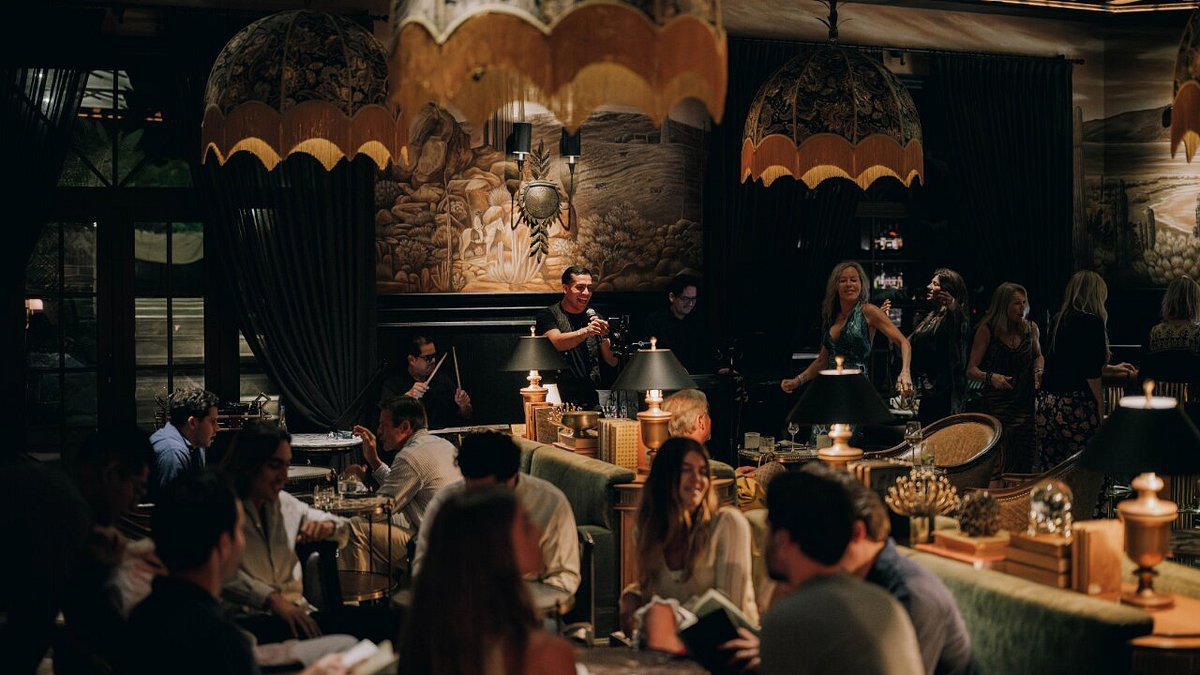
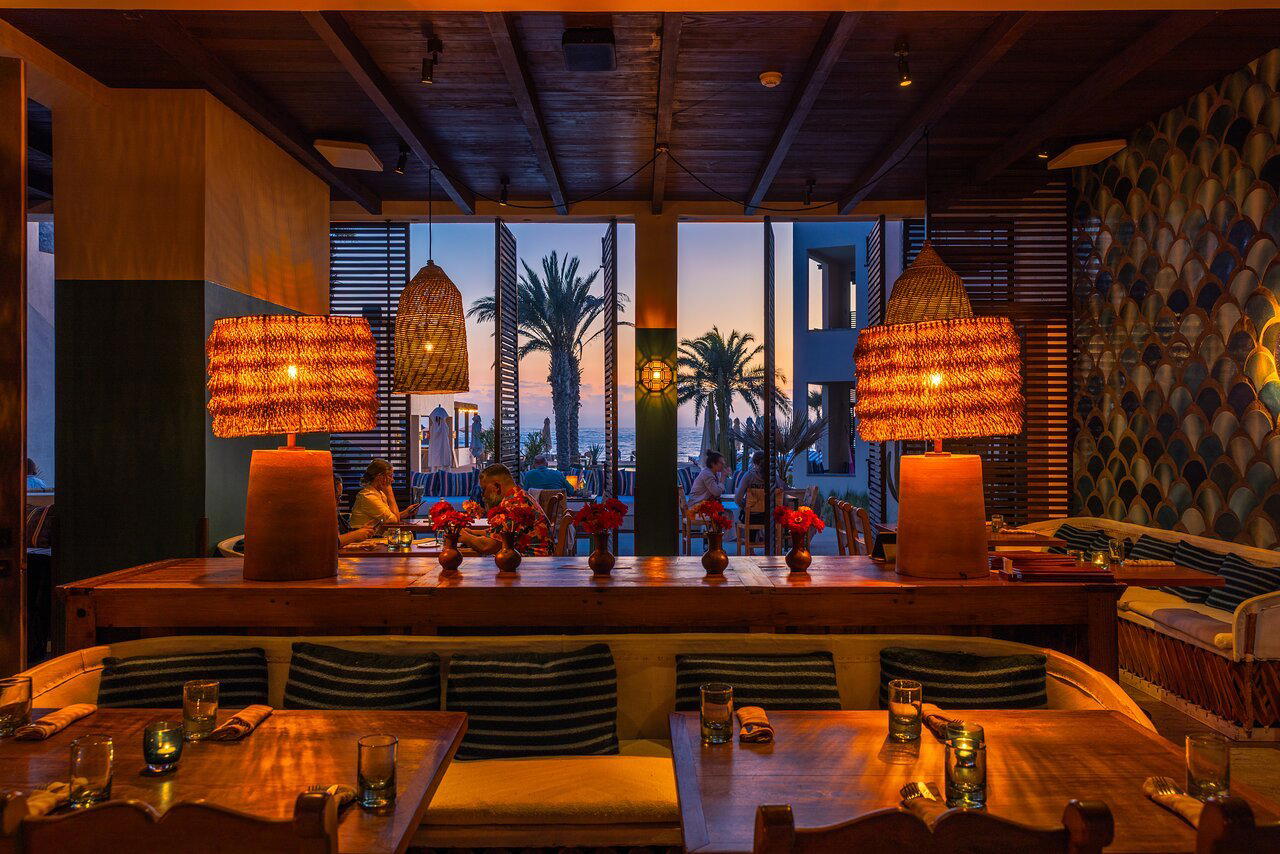
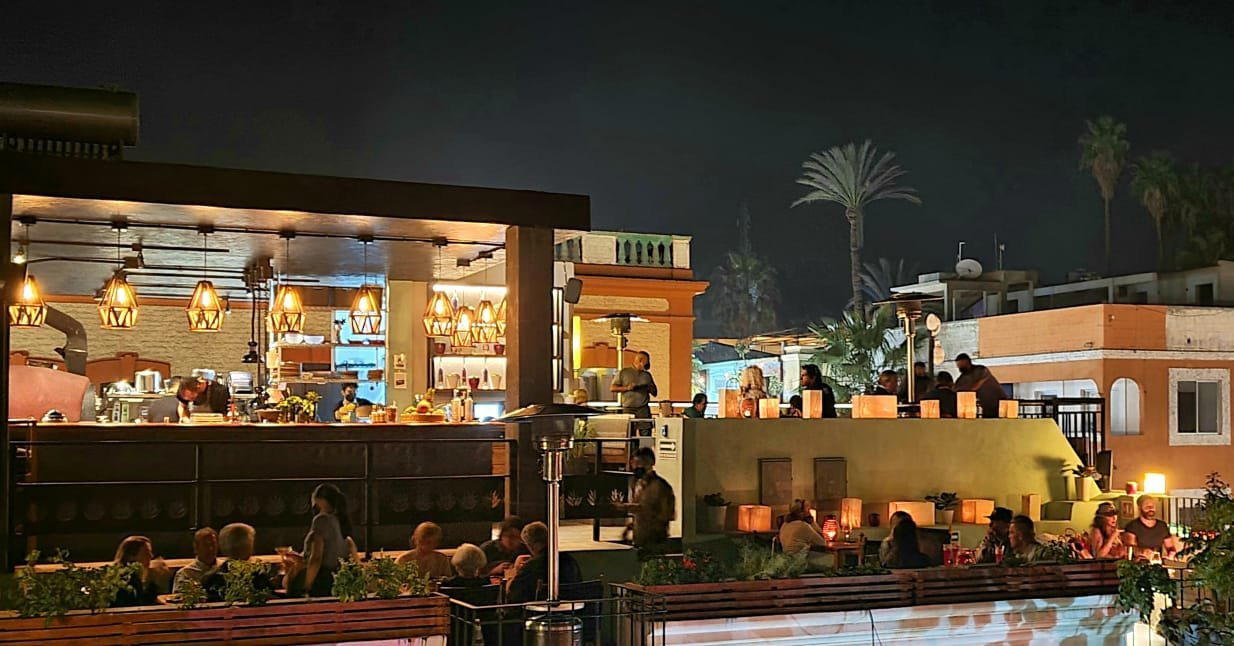
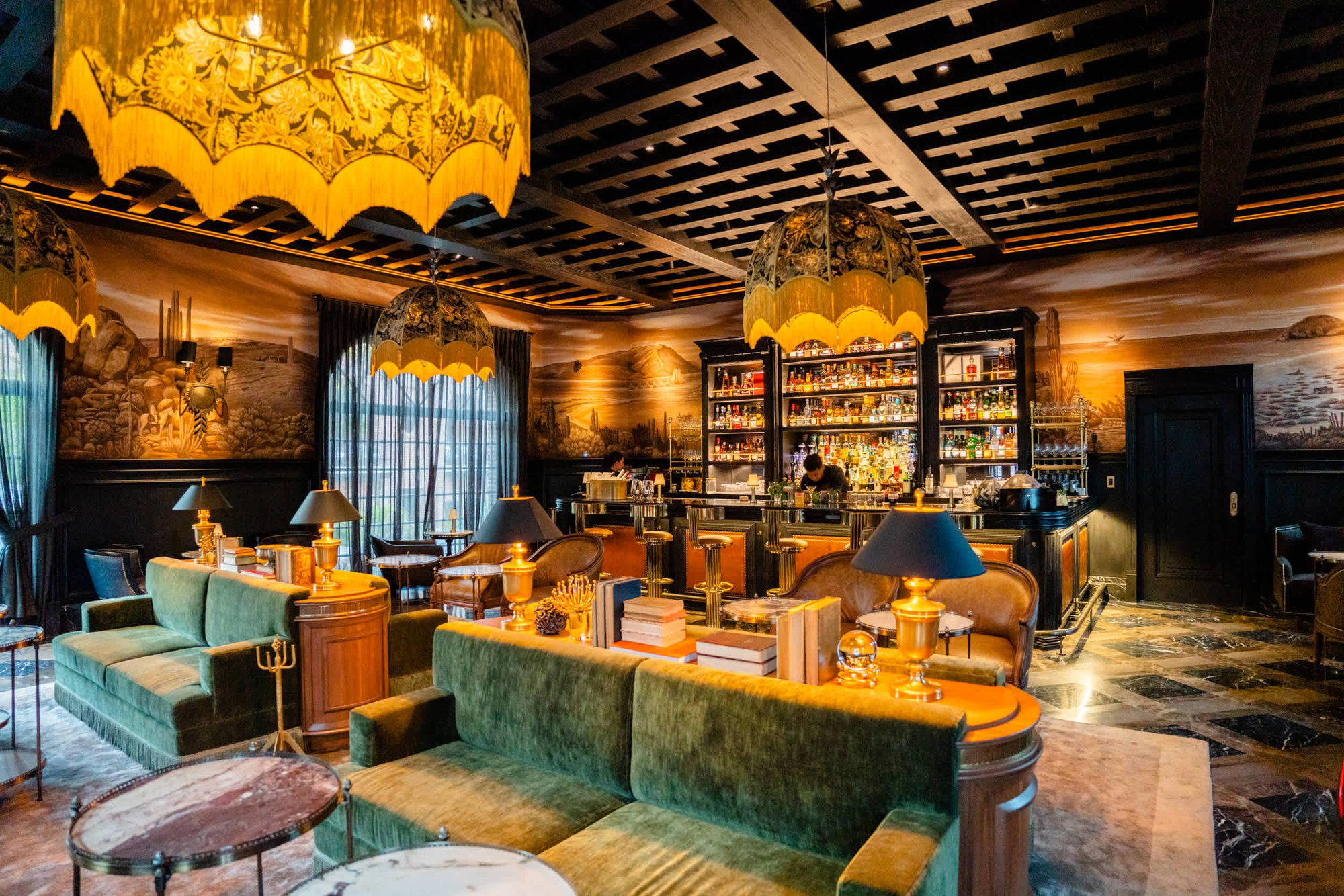
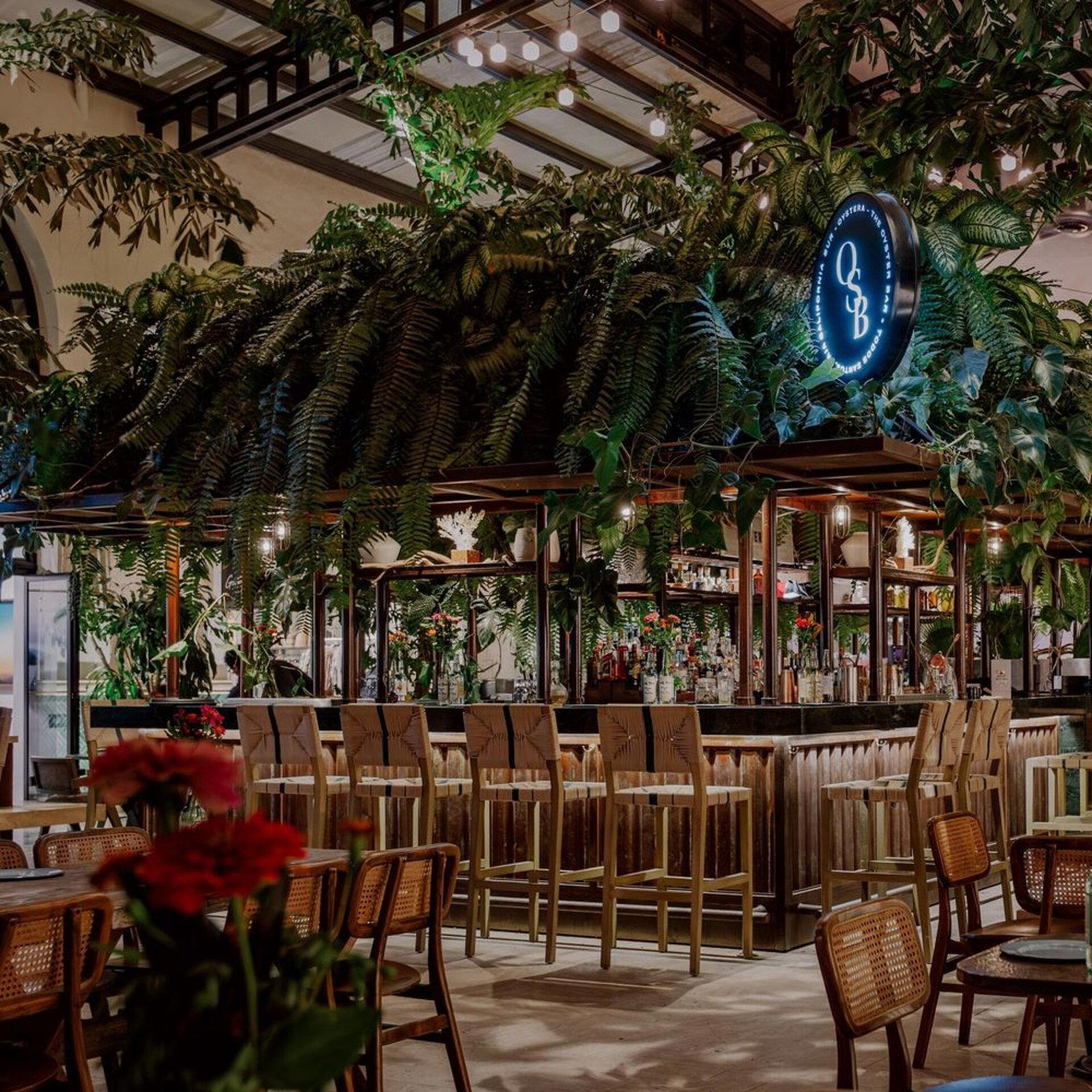
Cafe Liquor sits on Calle Benito Juárez in the colonial heart of Todos Santos, a Baja California Sur town that has quietly developed one of Mexico's more interesting small-town drinking scenes. The bar draws on the region's agave traditions and Pacific coastal character, occupying a position in Todos Santos that rewards visitors who look beyond the obvious tourist trail. For context on where it fits locally, see our full Todos Los Santos restaurants guide.
- Address
- C. Benito Juárez 23300, El Centro, 23300 Todos Santos, B.C.S., Mexico
- Phone
- +52 612 221 3500
- Directions
- Get directions
Drinking at the Edge of Baja: What the Todos Santos Bar Scene Looks Like Now
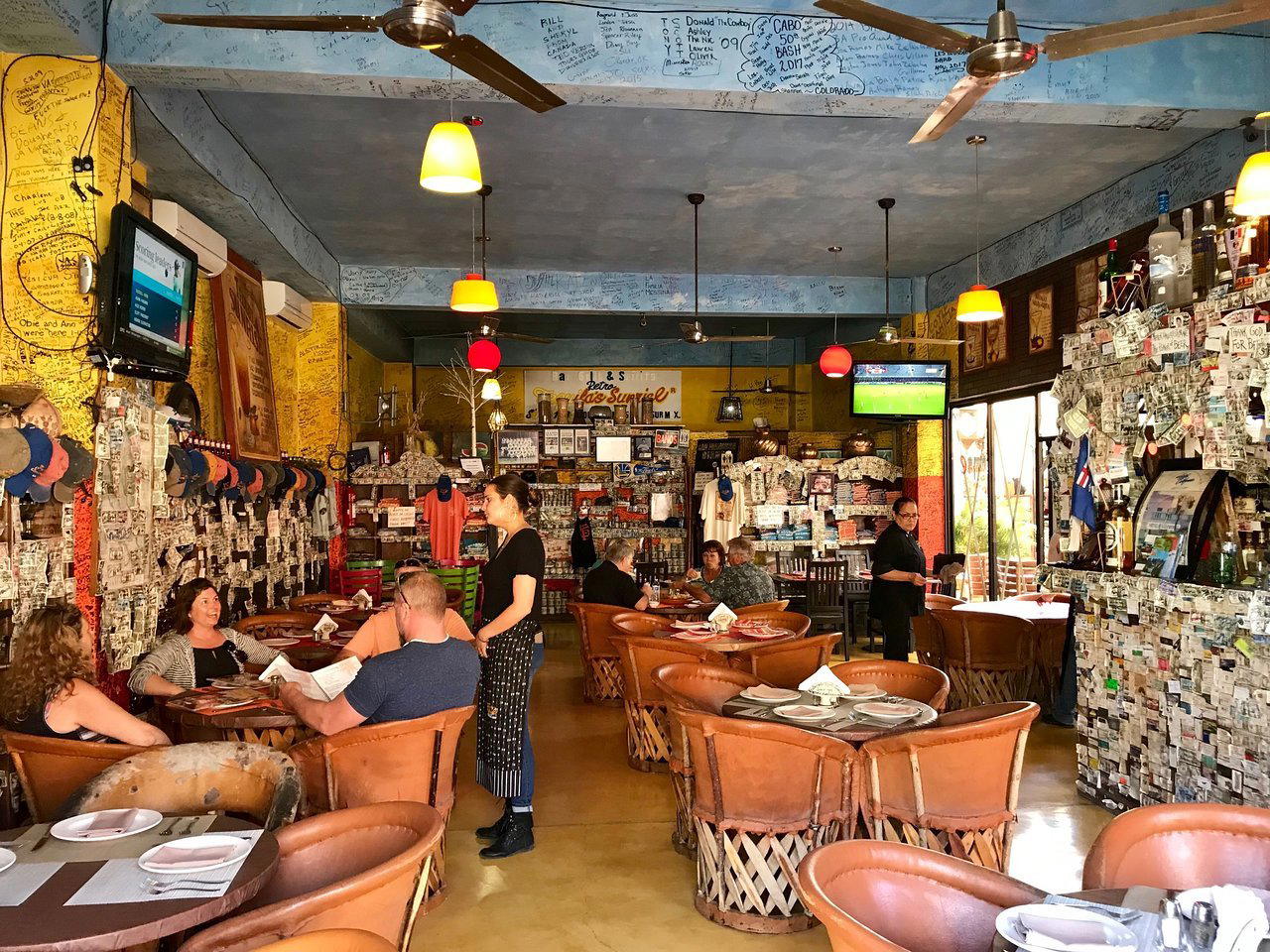
Todos Santos sits roughly an hour north of Los Cabos on the Pacific-facing side of the Baja California Sur peninsula, and its drinking culture reflects the town's particular tension: part working Mexican municipality, part magnet for artists, surfers, and design-conscious travellers from across North America. The result is a bar scene that runs smaller and more personal than anything in Los Cabos proper, with fewer large-format venues and more places where the drink in front of you says something considered about where you actually are. Cafe Liquor, addressed at Calle Benito Juárez 23300 in El Centro, occupies that central neighbourhood and benefits from the foot traffic and lingering pace that the historic district generates.
The El Centro location matters more than it might first appear. Todos Santos's historic core is compact enough that walking between its galleries, restaurants, and bars is the standard mode of an evening, and a bar on Benito Juárez sits at the intersection of that circuit. The colonial streetscape, low-slung buildings painted in ochre and terracotta, the sound of conversation spilling from open doorways, these are the ambient conditions that frame how drinks land here. Atmosphere at this latitude and in this kind of town is not manufactured; it accumulates from the architecture, the hour, and the salt-edged Pacific air drifting in from the coast a few kilometres west.
Agave Sovereignty: How Baja's Cocktail Bars Position Themselves
Across Mexico's more developed bar scenes, the past decade has produced a clear bifurcation. In cities like Mexico City and Guadalajara, technically ambitious programmes built around clarified spirits, fermentation-forward syrups, and precision dilution have become the dominant grammar of serious cocktail bars. Baltra Bar in Mexico City and El Gallo Altanero in Guadalajara sit firmly in that technical tier. In smaller destinations, the more prevalent model is a looser, terroir-led approach: agave spirits (mezcal, raicilla, sotol, and increasingly regional variants) served in ways that foreground provenance rather than technique. Baja has its own version of this, shaped by proximity to both the Pacific and the Sonoran agricultural belt, and by a tourist demographic that skews toward informed drinkers rather than volume-seeking visitors.
In that context, bars in Todos Santos generally read their audience well. The town's travellers are disproportionately the kind of people who already know the difference between a Espadin and an Arroqueño, who have eaten at Arca in Tulum or sought out Sabina Sabe in Oaxaca, and who bring that frame of reference with them on holiday. A bar that takes agave seriously here is not making a niche choice, it is meeting the room where the room already is.
The comparison set for a bar like Cafe Liquor is less the high-volume spectacle operations (see Coco Bongo in Cancun for that tier) and more the neighbourhood-anchored, drink-forward places that have emerged in Mexico's secondary cities and culturally resonant small towns. Bekeb in San Miguel de Allende operates in an analogous position in its own colonial-town context. The shared logic: a location that generates ambient desirability, a drinks programme anchored in Mexican spirit traditions, and a format that prioritises the quality of a single hour over the throughput of a large night.
The Cocktail Angle: What to Expect from a Todos Santos Programme
Without published menu data available at time of writing, the editorial read here is informed by category and context rather than verified specifics. Bars operating in this tier in Todos Santos typically anchor their cocktail lists around the agave categories most available in Baja: mezcal sourced from Oaxacan or Guerrero producers, tequila from Jalisco, and increasingly bacanora from Sonora, the closest major producing state to the peninsula. Citrus from Baja's own agricultural corridor and regional fruit and herb infusions are common building blocks, and the leading programmes use them to make drinks that taste geographically anchored rather than generically tropical.
For context on how the sharpest agave-focused programmes operate elsewhere in Mexico, La Capilla in Tequila remains the reference point for tradition-led service, while Zapote Bar in Playa del Carmen and Aruba Day Drink in Tijuana show how coastal and border-city contexts produce their own distinct inflections. Boulenc in Oaxaca City offers another model: a food-and-drink programme where the bar component is inseparable from the kitchen's identity. Internationally, the discipline of Bar Leather Apron in Honolulu represents what precision-focused bar programmes look like outside Mexico's own scene. Todos Santos has neither the population nor the bar density to sustain the kind of competitive pressure that sharpens programmes in those cities, which means the onus falls more on the individual venue to set its own standard.
Planning a Visit: Practical Notes
Todos Santos is most comfortably reached by driving north from Los Cabos International Airport, a journey of approximately 80 kilometres along Federal Highway 19 that takes between 60 and 90 minutes depending on traffic. The town's compact historic centre means parking near the Benito Juárez address is the logical approach, and most visitors to El Centro do their evenings on foot once settled. The tourist season runs roughly November through April, when Baja's climate is at its most temperate and the town's population of seasonal residents and travellers peaks; visiting outside that window produces a quieter, more local experience of the same places.
In Context: Similar Options
Comparable venues nearby, for context on price, style, and recognition.
| Venue | Cuisine | Price | Notes |
|---|---|---|---|
| Cafe LiquorThis venue — the venue you are viewing | cocktail_bar | $$ | Not listed |
| J&J La Casa del Habano Cabo | lounge | $$$ | Cabo San Lucas |
| Art and Beer | beer_bar | $$ | El Pescadero |
| Baja Brewing Company | beer_bar | $$ | 0300800010799 |
Continue exploring