
World's 50 Best #20
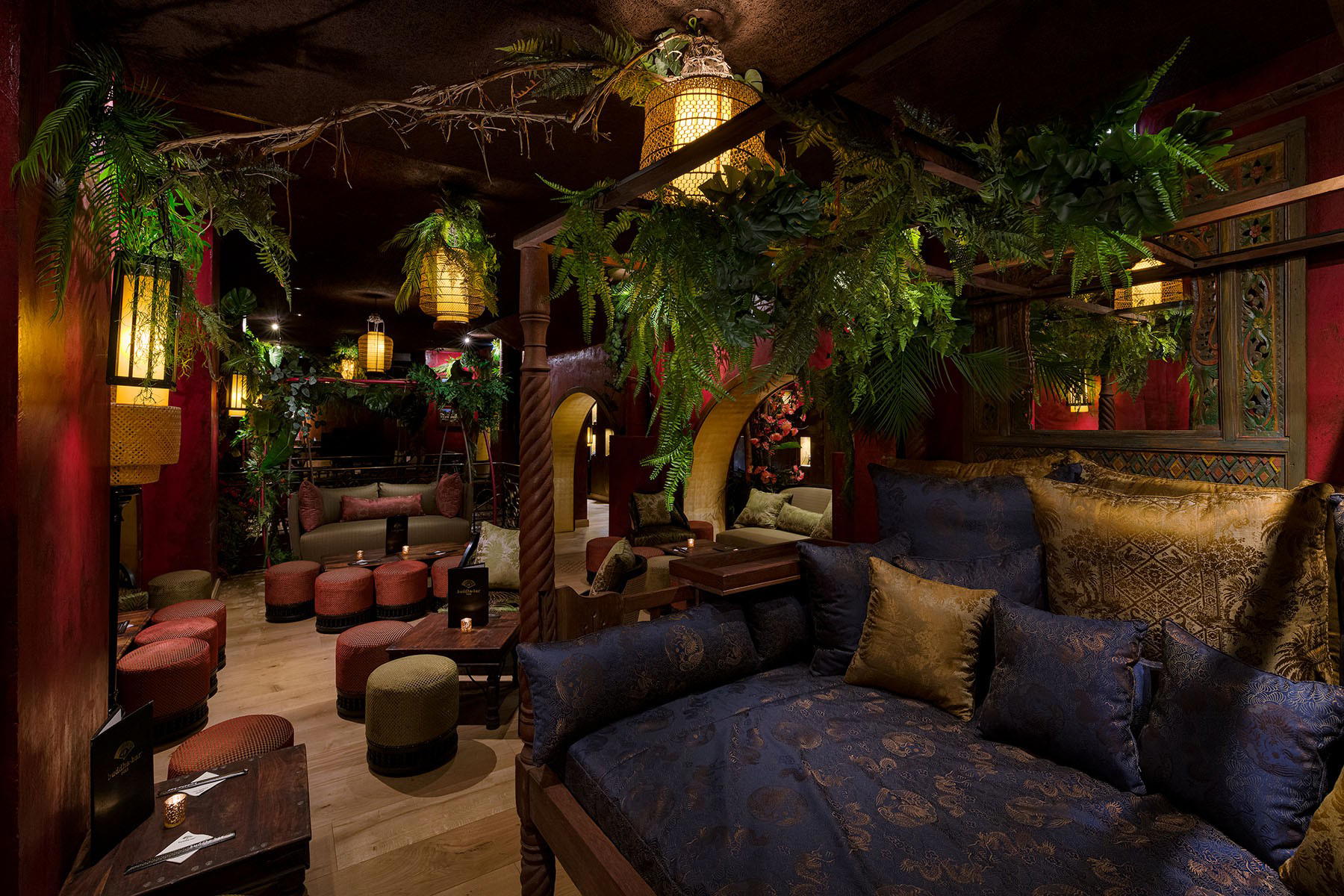
Once ranked third among the World's 50 Best Bars, Buddha Bar occupies a grand 8th arrondissement address on Rue Boissy d'Anglas with a scale and theatrical atmosphere that shaped a generation of Asian-influenced bar concepts across Europe.

Pearl is the En Primeur Club membership app, where members save venues, book tables and use the concierge.
Scale, Theatre, and the 8th Arrondissement
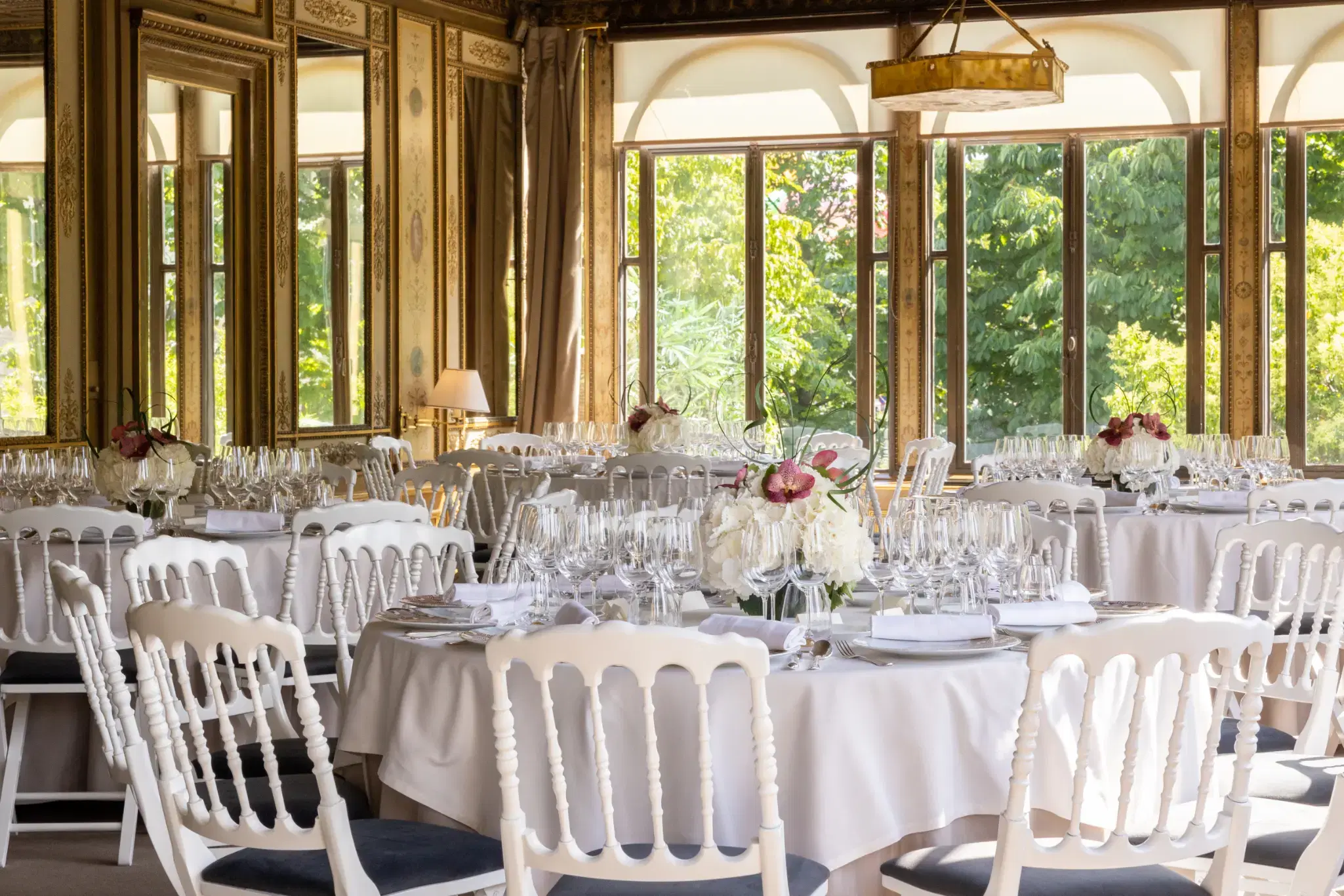
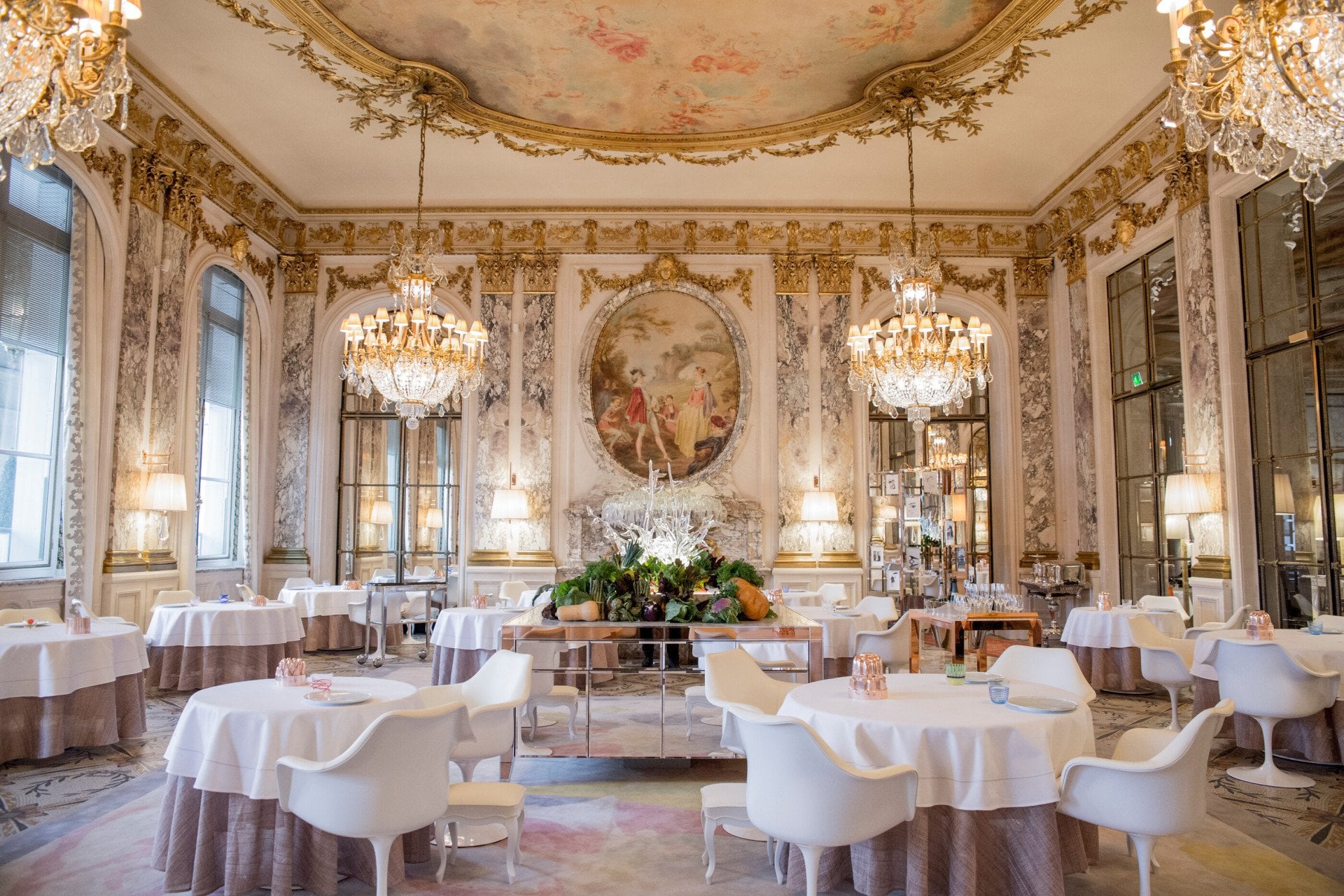
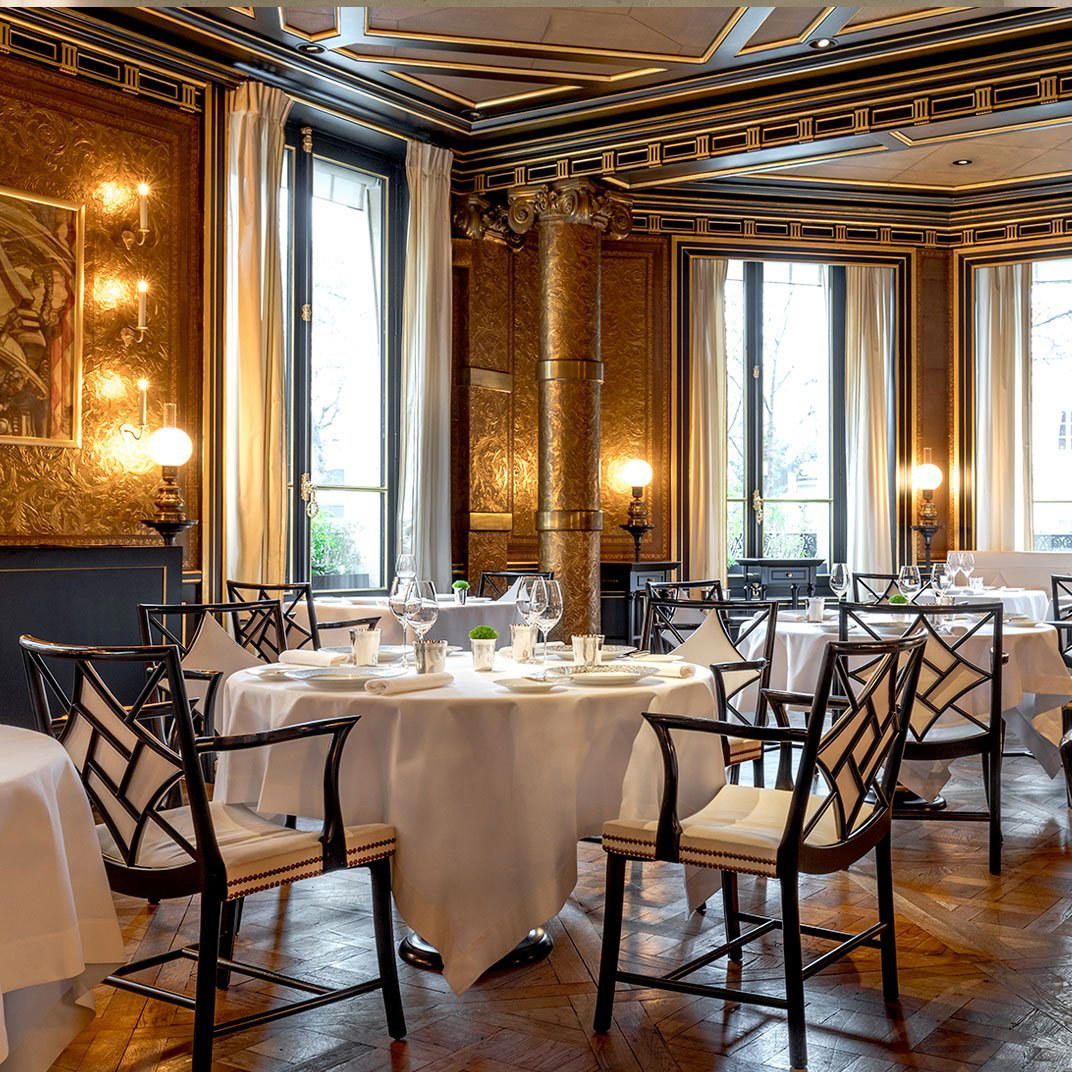
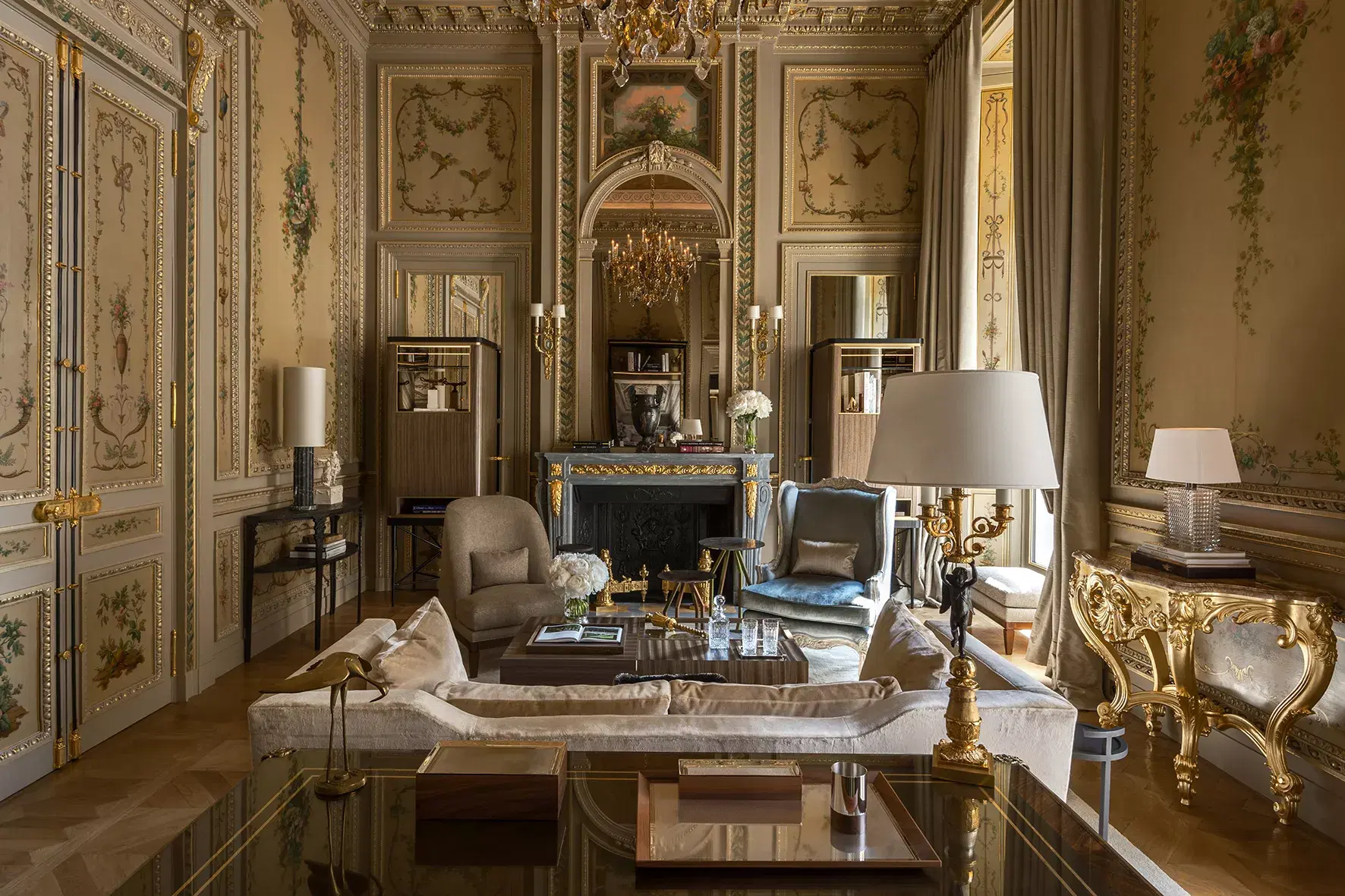
The 8th arrondissement has long been Paris's address for grand gestures, from Haussmann boulevards to luxury flagship stores and restaurants that trade as much on setting as on plate. Within that context, the bar venue at 8-12 Rue Boissy d'Anglas represents a particular strand of 2000s hospitality thinking: the belief that scale itself could be an editorial statement. High ceilings, layered lighting, and a commanding Buddha sculpture create a spatial experience that belongs to the category of theatrical hospitality rather than intimate craft-bar culture. It is a format that cities like London, Dubai, and New York eventually imported, but Paris was where it first found its footing in Europe.
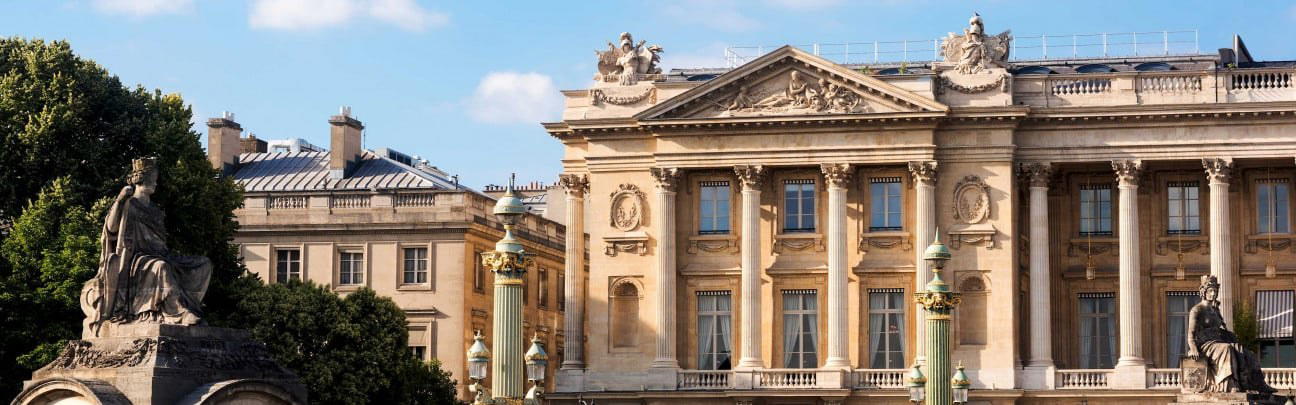
Walking in from Rue Boissy d'Anglas, the transition from Parisian street to interior spectacle is deliberate and sharp. The architecture does not ease you in, it reorients you. That kind of environmental commitment requires maintenance, both physical and conceptual, and it is precisely what has kept the address relevant.
Where It Sits in the Paris Bar Conversation
Paris's cocktail scene has fractured into distinct tiers over the past fifteen years. At one end, precise, low-capacity programmes, such as Danico and Candelaria, have built reputations on technical rigour and tight menus. At the other, large-format venues compete on atmosphere, global brand recognition, and the capacity to absorb a mixed crowd without losing a sense of occasion. Buddha Bar sits firmly in the second category, and its World's 50 Best Bars rankings, third in 2009 and twentieth in 2011, document a period when that large-scale aesthetic model was not just commercially successful but critically recognised.
That recognition has since migrated toward smaller, ingredient-focused programmes, which reflects a broader international shift rather than anything specific to this address. Harry's Bar on Rue Daunou occupies a different historical register entirely, a century-old institution whose identity is inseparable from literary mythology, while newer technically oriented venues like Bar Nouveau represent the current critical consensus around what serious cocktail work looks like. Buddha Bar's position is neither of those things. It operates in its own format category: high-volume, high-theatre, globally branded. Understanding that distinction matters before you arrive.
Across France more broadly, the bar scene spans a wide range of formats and scales. La Maison M. in Lyon, Coté Vin in Toulouse, and Bar Casa Bordeaux each illustrate the regional diversity that exists outside Paris, while Le Café de la Fontaine in La Turbie and Au Brasseur in Strasbourg show how provincial addresses can carry distinct identities entirely removed from capital-city posturing. For reference beyond France, Bar Leather Apron in Honolulu and Papa Doble in Montpellier are worth cross-referencing for contrasting approaches to serious cocktail programming in large-format versus specialist settings.
The Sustainability Dimension of Large-Format Venues
Large-format bar and restaurant venues generate a different set of operational pressures than their smaller counterparts, and sustainability is where that scale becomes most visible. A venue absorbing hundreds of covers per evening, as Buddha Bar's global template was designed to do, faces procurement, waste, and energy demands that a twelve-seat craft bar simply does not. The broader hospitality conversation around ethical sourcing, waste reduction, and energy efficiency has increasingly reached this tier of venue, partly driven by Paris's own municipal commitments and partly by a shift in what regulars across the 8th arrondissement expect from premium addresses.
The question of whether a theatrically scaled venue can also operate with genuine environmental discipline is one the hospitality industry has not fully resolved. The most credible answers tend to come from venues that have restructured procurement around seasonal and regional supply chains, reduced single-use materials across bar programmes, and published measurable commitments rather than broad-language pledges. For a venue at the scale of Buddha Bar's Paris address, those commitments would need to operate at a corresponding scale to be substantive, and they would be visible in choices as granular as glassware sourcing, spirits selection, and kitchen food waste protocols. Visitors with a specific interest in how a venue manages these questions should raise them directly before booking.
Four stars across that sample size reflects consistent delivery on the atmospheric promise, the space works as advertised, while also suggesting that the technical cocktail programme does not generate the five-star loyalty that more specialist bars tend to produce among their core audience. That is not a criticism; it is an accurate description of what the format prioritises.
For context, the World's 50 Best Bars rankings from 2009 to 2011 represent a different evaluation framework that weighted influence and format innovation alongside technical execution. A third-place finish in 2009 reflected the degree to which the Buddha Bar model had shaped how the global bar industry thought about large-scale Asian-influenced hospitality design. That influence is real and documented, even as the current critical consensus has moved toward smaller, more technically rigorous programmes.
Planning a Visit: Buddha Bar Paris Restaurant Reservations and Logistics
The address at 8-12 Rue Boissy d'Anglas places the venue a short walk from the Madeleine and Concorde metro stations, within a neighbourhood that operates at a premium price point across hotels, restaurants, and retail. Visitors combining the bar with dinner should note that the Buddha Bar format has always integrated a restaurant component alongside the bar programme, the two are operationally linked in a way that differs from venues where bar and kitchen are clearly separated functions. Buddha Bar Paris restaurant reservations are recommended for dinner service, particularly on weekends.
Dress expectations at this venue tend toward smart casual. The space itself sets a visual register that makes overdressing harder than underdressing.
| Venue | Format | Notable Recognition | Scale |
|---|---|---|---|
| Buddha Bar | Large-format, theatrical, Asian-influenced | World's 50 Best Bars #3 (2009) | High-volume |
| Harry's Bar | Classic American bar, historic | Century of operation, literary legacy | Mid-scale |
| Candelaria | Taqueria-fronted cocktail bar | Consistent critical recognition | Low-capacity |
| Danico | Precision cocktail programme | Industry-recognised technical programme | Low-capacity |
| Bar Nouveau | Contemporary cocktail focus | Current critical attention | Mid-scale |
For a broader view of where Buddha Bar sits within Paris's drinking and dining options, the EP Club Paris guide maps the full range of the city's bar and restaurant tiers.
Credentials Lens
Comparable venues nearby, for context on price, style, and recognition.
| Venue | Cuisine | Price | Awards | Notes |
|---|---|---|---|---|
| Buddha BarThis venue (the venue you are viewing) | lounge | $100–150 | World's 50 Best #20 | Not listed |
| Hemingway Bar | cocktail_bar | $30–50 | World's 50 Best #24 · Top 500 Bars Best Bars #373 | Place Vendôme |
| Bar Nouveau | cocktail_bar | $30–50 | World's 50 Best #5 · Top 500 Bars Best Bars #18 | Marais (3rd Arrondissement) |
| Harry's Bar | cocktail_bar | $30–50 | World's 50 Best #27 · Top 500 Bars Best Bars #60 | Gaillon |
| Le Syndicat | cocktail_bar | $10–20 | World's 50 Best #24 · Top 500 Bars Best Bars #173 | 10th Arr. |
| Candelaria | Mexican-Cocktails | $20–30 | World's 50 Best #42 · Pinnacle Guide 1 Pin | Le Marais |
Recognition history
Dated appearances from independent guides and award organizations, with the underlying list record or original source where available.
World's 50 Best Bars #20
World's 50 Best
Full recognition history (3 entries)
World's 50 Best Bars #43
World's 50 Best
World's 50 Best Bars #3
World's 50 Best
Continue exploring
More in Paris
Bars in Paris
All bars in Paris →
Restaurants in Paris
All restaurants in Paris →
Details
- Elegant
- Sophisticated
- Ornate
- Well Known
- Date Night
- Special Occasion
- Group Outing
- Design Destination
- Lounge Seating
- Booth Seating
- Classic Cocktails
Dimly lit with large chandeliers, enveloping house music, and a dense, lively atmosphere.