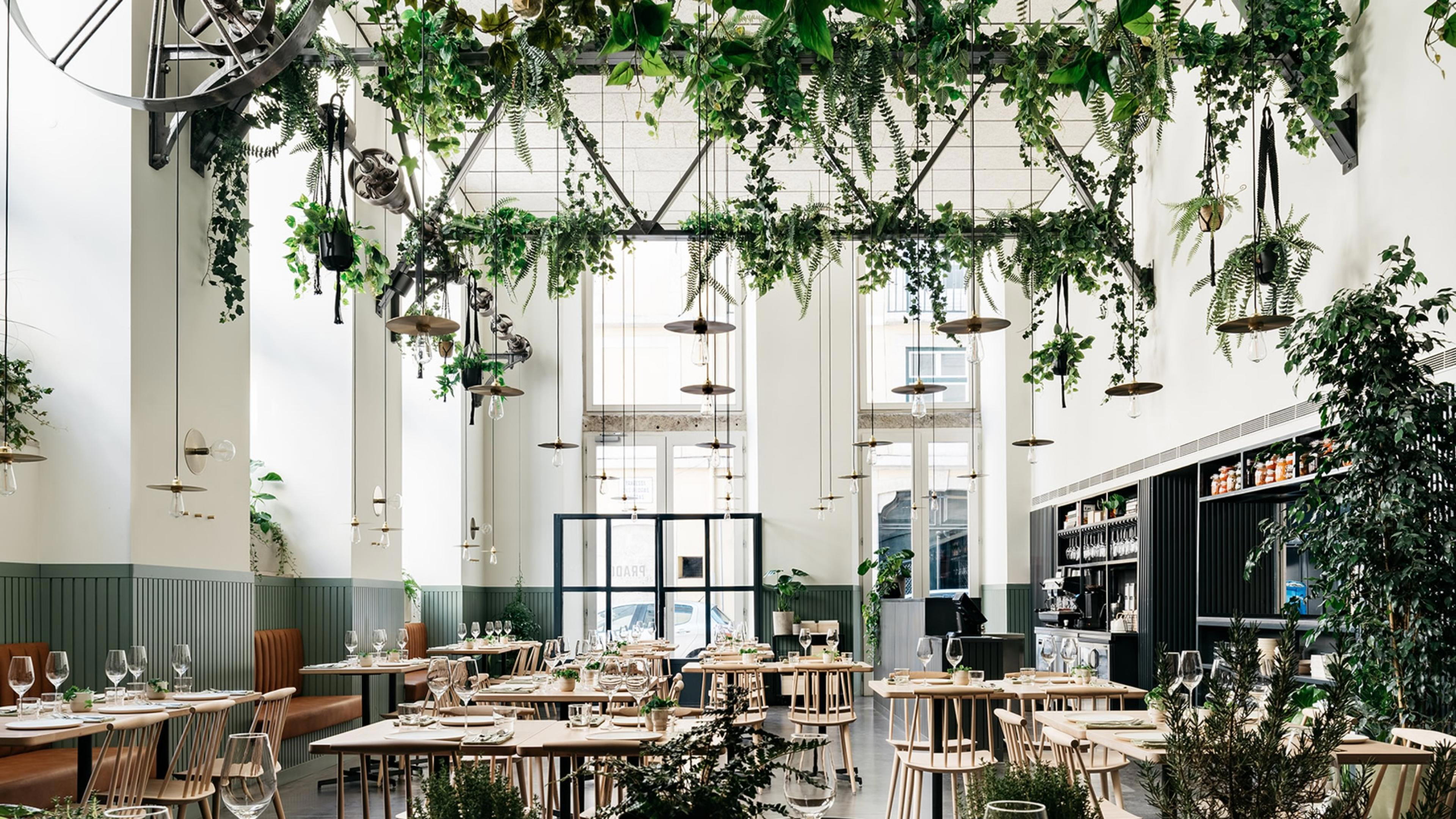
Boutique Taberna occupies a narrow side street in Lisbon's Mouraria quarter, where the city's oldest neighbourhood traditions intersect with a more considered approach to sourcing and waste. The format is compact and deliberate, placing it closer to the specialist taberna tier than the tourist-facing tascas that dominate the surrounding streets. For visitors who want Lisbon's tavern culture without its most compromised expressions, this address delivers.

Pearl is the En Primeur Club membership app — saves, bookings, and concierge access live there. Same editors, same standards.
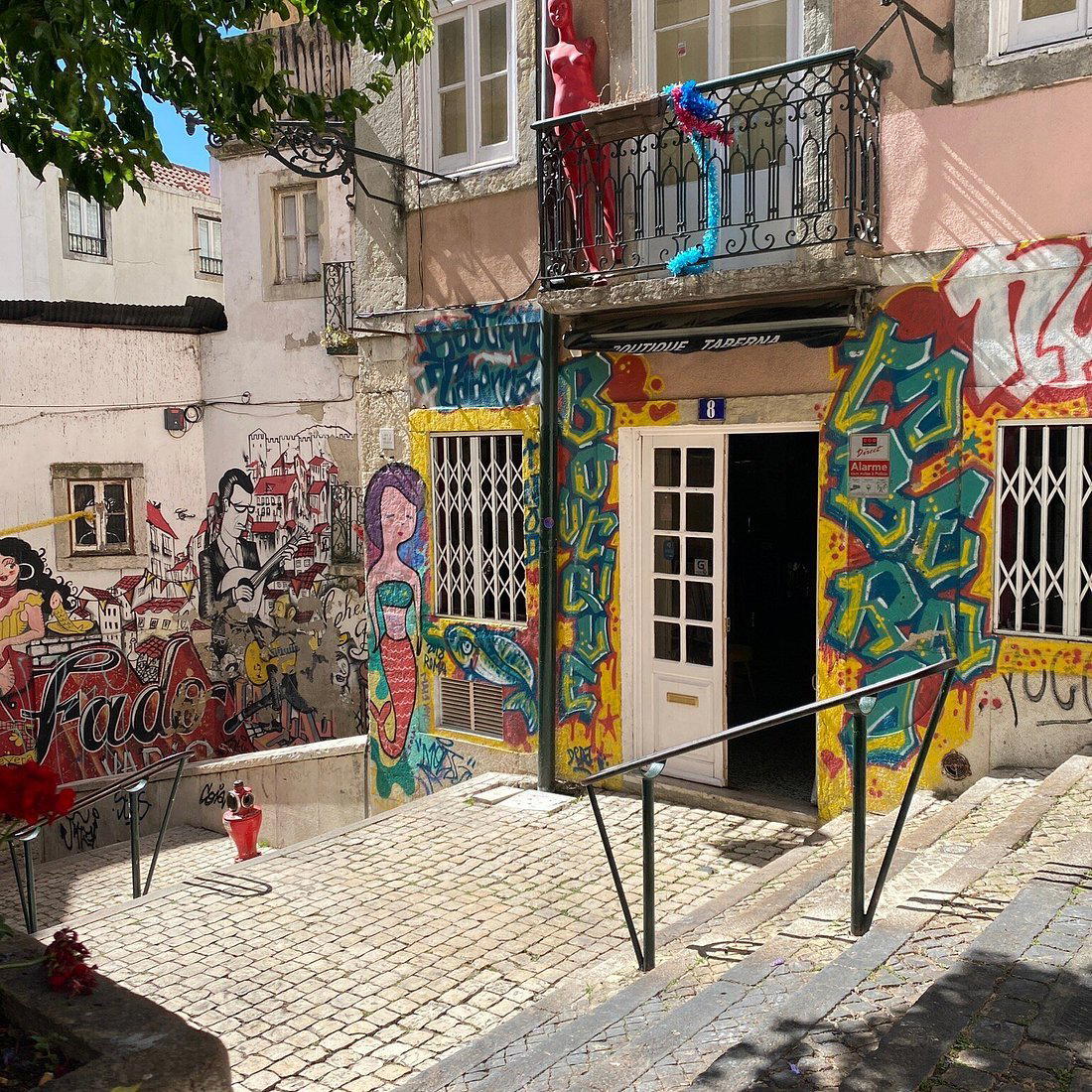
A Street That Resists the Main Road
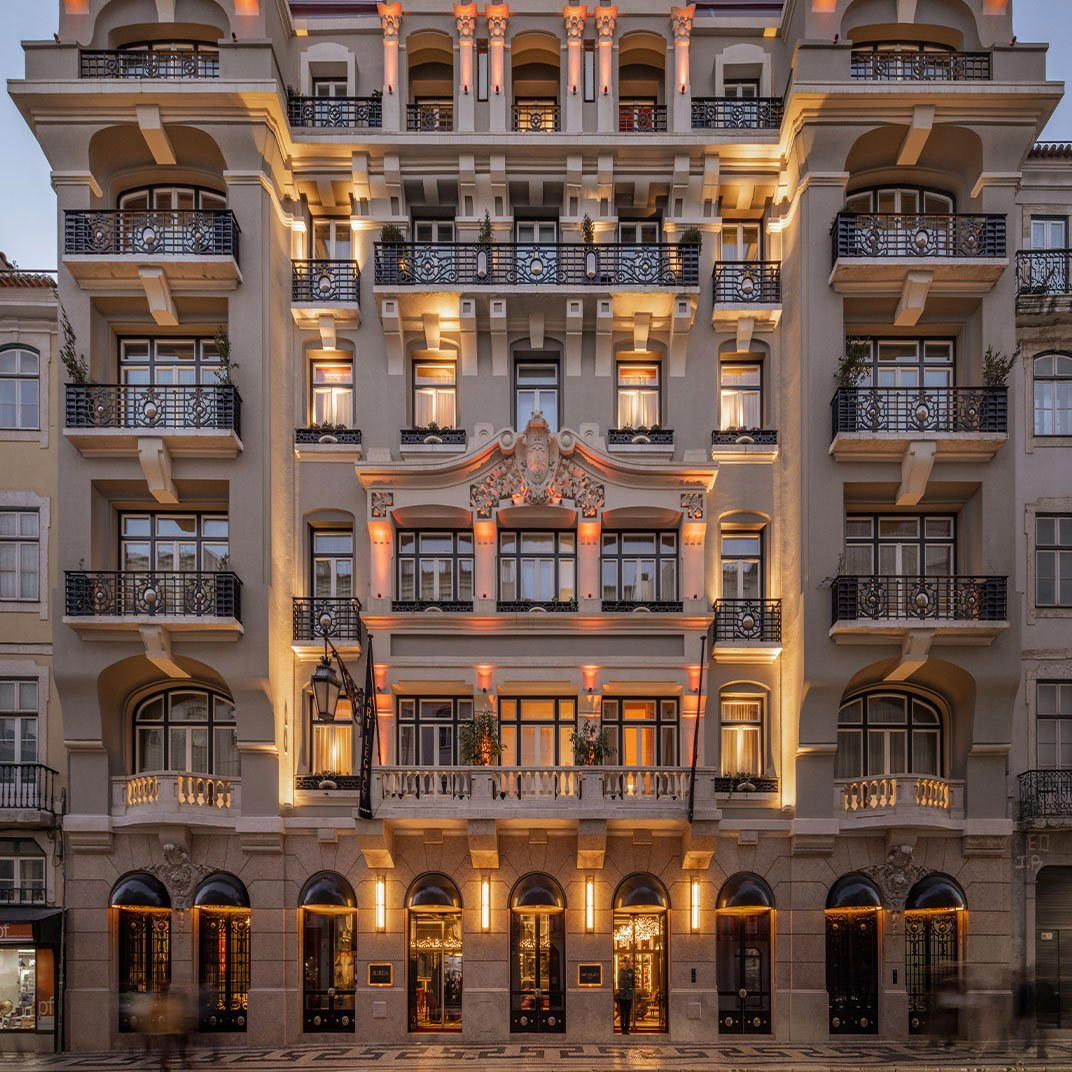
Escadinhas de São Cristóvão is the kind of address Lisbon regulars know by foot rather than by map. The stepped alley climbs through Mouraria, the city's oldest surviving neighbourhood and the district that absorbed Moorish settlement after the 12th-century Christian reconquest. This is not the Mouraria of gentrification marketing, which tends to focus on painted tiles and rooftop bars. The streets immediately around São Cristóvão retain a working-city density — small grocery traders, residents who have been here for generations, and tabernas that predate the current wave of interest in Portuguese wine. Boutique Taberna sits inside that context, and the address itself carries editorial weight before you step through the door.
The taberna format in Lisbon has a specific set of expectations attached to it: stone or tiled interiors, a wine list weighted toward the Alentejo and the Douro, small plates built around preserved or cured products, and a room that functions as much as a neighbourhood wine stop as a formal dining destination. That format has been subject to enormous pressure over the past decade, as tourism volume drove many operators toward simplified menus and inflated pricing. The venues that have held their character are now a distinct minority, and they tend to cluster in Mouraria and Alfama rather than in Bairro Alto or Chiado, where the commercial transformation has been more complete. For a broader picture of how these neighbourhoods compare across Lisbon's drinking and dining scene, our full Lisbon restaurants guide maps the distinctions.
Sustainability as Operational Logic, Not Branding
The more interesting shift happening inside Lisbon's smaller tabernas is less about menu design and more about supply chain discipline. Portugal's food culture has always maintained proximity to its sources — the weekly market, the single-region producer, the fisherman who supplies a specific dock, but that proximity was historically a matter of economics rather than ideology. What has changed in the past several years is that a subset of operators, particularly in the taberna and tasca tier, has formalised that proximity into something more deliberate: documented sourcing, reduced waste protocols, menus that rotate with seasonal availability rather than holding a fixed list year-round.
Boutique Taberna's positioning within Mouraria aligns it with that shift. The neighbourhood's relatively lower rents and its distance from the central tourist circuit have allowed a different kind of operator to take root here. The result, across several addresses in this part of the city, is a cluster of venues where the sustainability logic is embedded in operational decisions, what goes on the plate reflects what is available, and what is available changes. This is a different proposition from the larger contemporary Portuguese restaurants in Chiado or Santos that communicate environmental credentials through formal certification. It is quieter and more structural, and it tends to produce menus that are harder to predict but more honest about the city's actual seasonal rhythms.
Portugal's Atlantic coastline and its interior agricultural regions give Lisbon's tabernas a depth of raw material that few European capitals can match at the same price tier. Bacalhau in its various forms, cured meats from the Alentejo, petiscos built on local cheeses and pickled vegetables, wines from producers who don't export, these are the building blocks of the taberna tradition, and they carry an inherently low-footprint logic when sourced correctly. The distance between a producer in the Ribatejo and a Mouraria taberna is measured in tens of kilometres, not hundreds.
Positioning Against the Lisbon Taberna Tier
Lisbon's drinking and dining scene has stratified considerably since 2015. At the upper end, cocktail bars with formal programs and international recognition, among them Red Frog, which operates at a different price and format tier, have established the city's credentials with a global audience. Below that, the mid-range has bifurcated between tourist-optimised operations and a smaller group of neighbourhood-anchored venues that prioritise repeat local custom. Boutique Taberna occupies the latter category.
Comparison with other neighbourhood-scale venues elsewhere in Portugal clarifies the position. Venda Velha in Funchal operates with a similar logic of small-format, locally sourced product in a non-central address. Base Porto in Porto represents the northern city's version of the same neighbourhood-anchored taberna tradition. What connects these venues is not a shared aesthetic but a shared operational philosophy: tightly controlled sourcing, menus that bend to availability, and a room size that makes both quality control and waste reduction structurally easier to maintain than in a 100-cover operation.
Further along the Lisbon coast, venues like Bar do Guincho in Alcabideche and Bar e Duna da Cresmina in Cascais e Estoril work with a coastal sourcing logic that is geographically distinct but philosophically adjacent. The Estoril bar scene and addresses like Epicur Wine Boutique and Food in Faro reflect how the wine-forward small-plate format has spread across Portugal's regions without losing its local character. Even internationally, the format has parallels: Bar Leather Apron in Honolulu represents a similar specialist-tier, quality-anchored approach in a very different geography. Closer to Lisbon's own bar culture, A Cabreira and A Ginjinha represent the city's most compressed and historically rooted drinking formats, while A Marisqueira do Lis anchors the seafood end of the spectrum.
Planning Your Visit
Escadinhas de São Cristóvão 8 sits in Mouraria, a short walk from the Martim Moniz square and reachable on foot from Rossio in under fifteen minutes. The area is leading approached in the evening, when the neighbourhood's layered character is most legible, the Mouraria community uses these streets as much as visitors do, and the hour before dinner sees a particular density of local life that clarifies what kind of place this is. Given the address's compact nature and its neighbourhood clientele base, arriving without a reservation on a weekend evening carries risk. Direct contact via the venue's own channels, before visiting, is the sensible approach.
Just the Basics
| Venue | Price | Awards |
|---|---|---|
| Boutique TabernaThis venue — the venue you are viewing | Not listed | Not listed |
| Red Frog | $10–20 | World's 50 Best #94 · Falstaff Bar - 95 Falstaff Points |
| Black Sheep | $10–20 | Star Wine List |
| Boca D'uva | $30–50 | Star Wine List |
| Cinco Lounge | $20–30 | Top 500 Bars Best Bars #458 · Falstaff Bar - 94 Falstaff Points |
| Club des Châteaux | $30–50 | Star Wine List |
Continue exploring
More in Lisbon
Bars in Lisbon
All bars in Lisbon →
Restaurants in Lisbon
All restaurants in Lisbon →
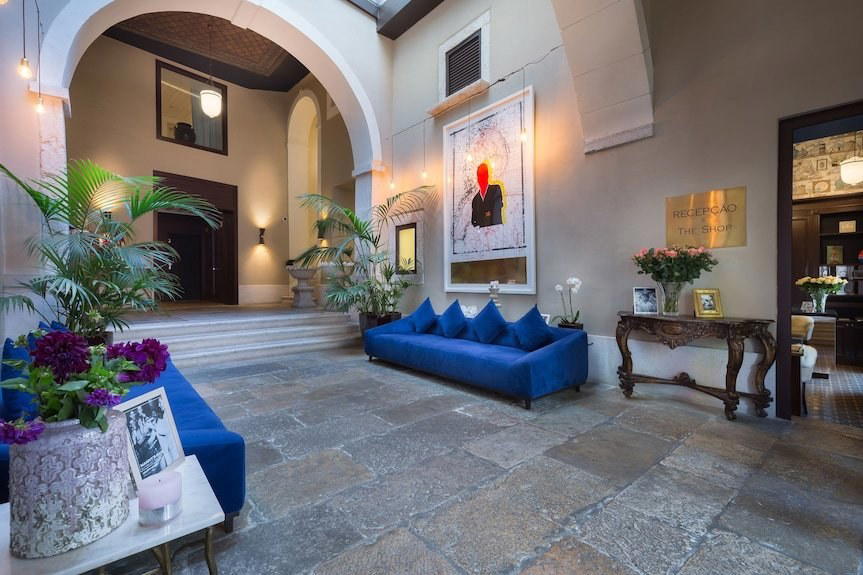
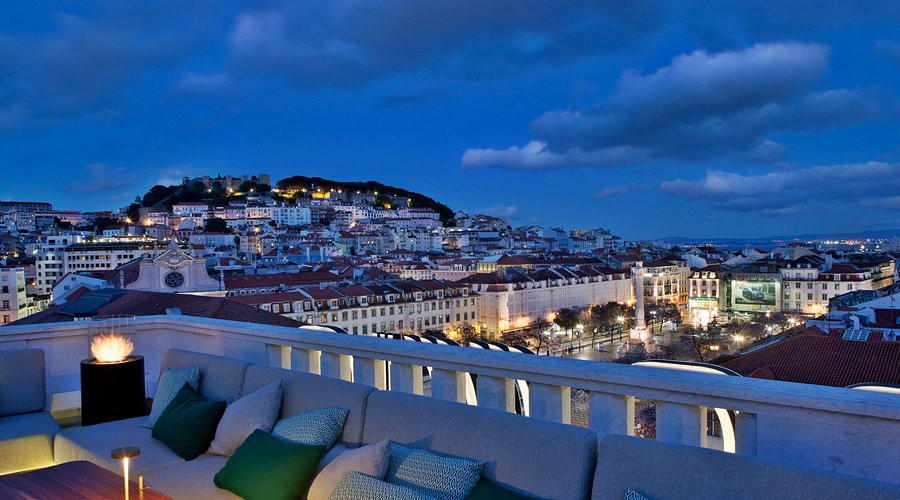
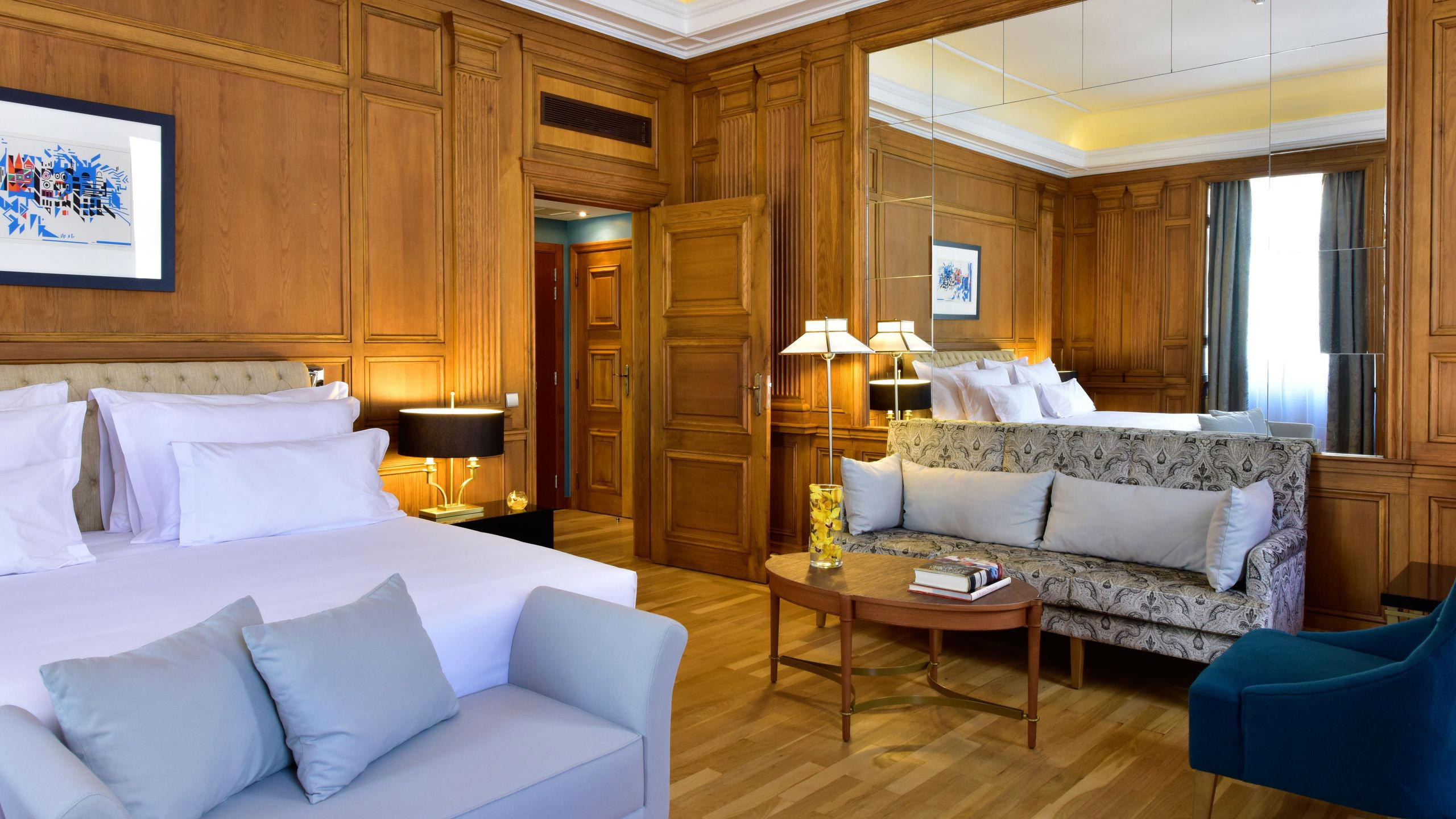
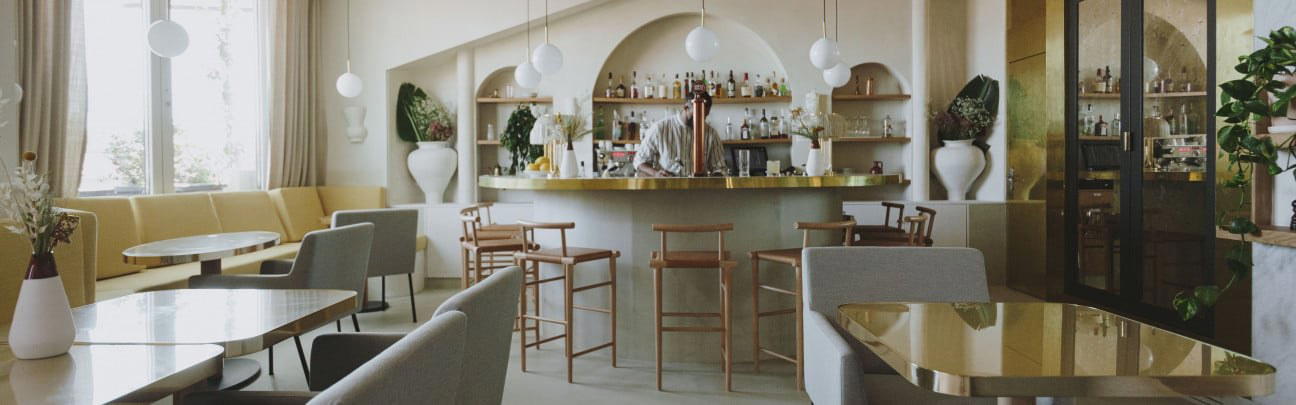

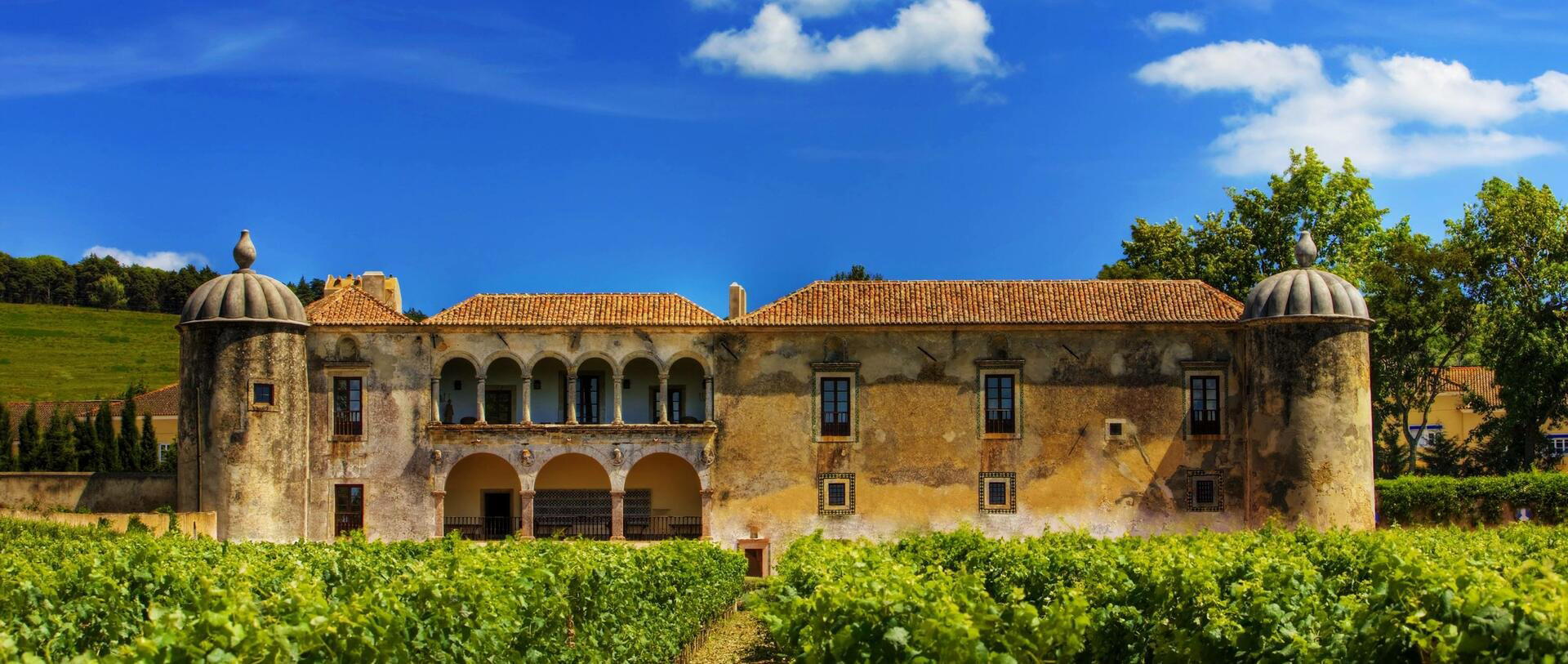
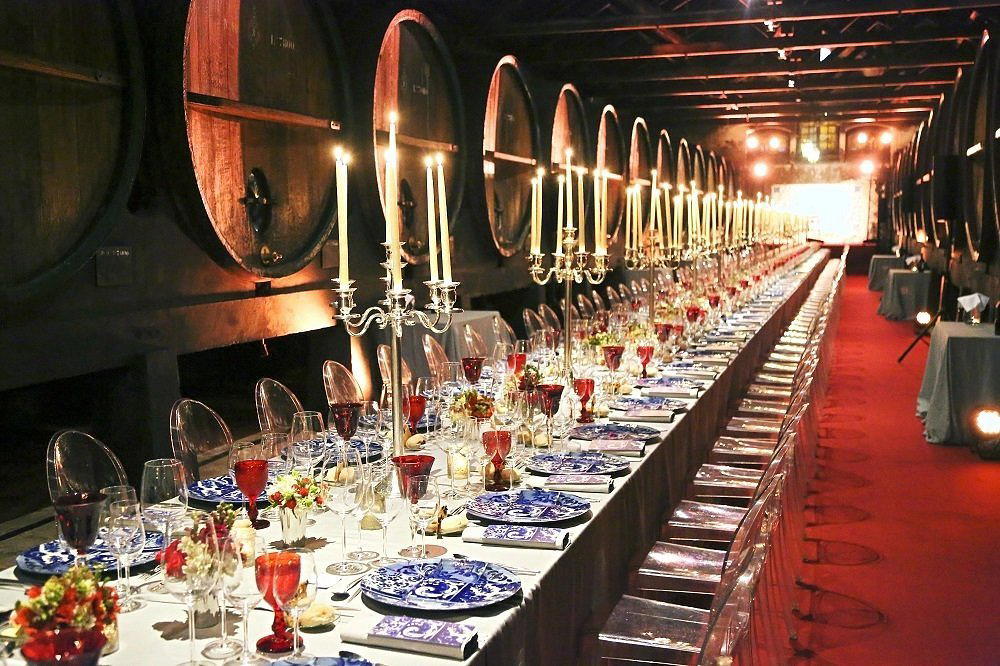
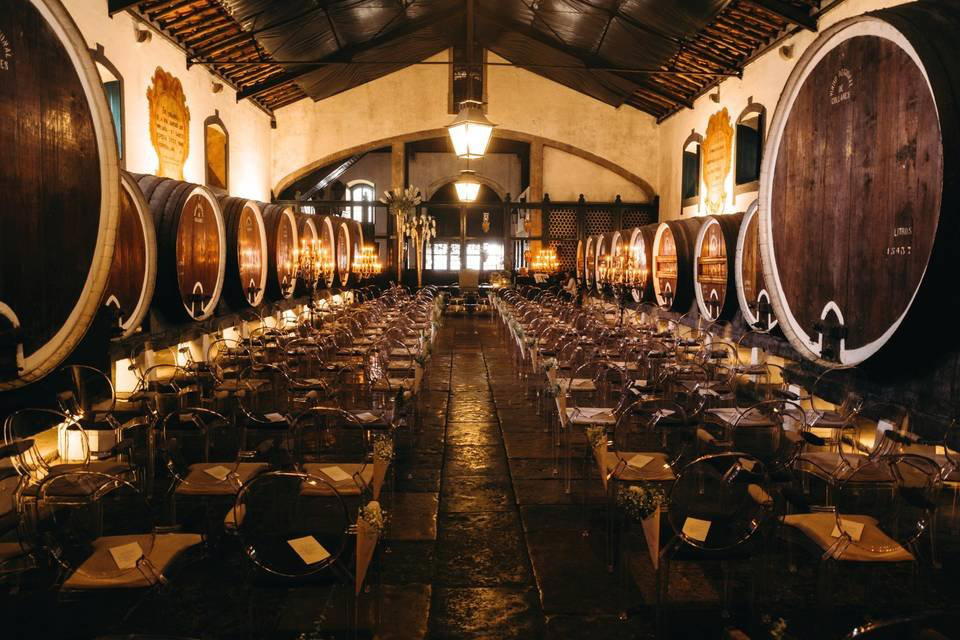
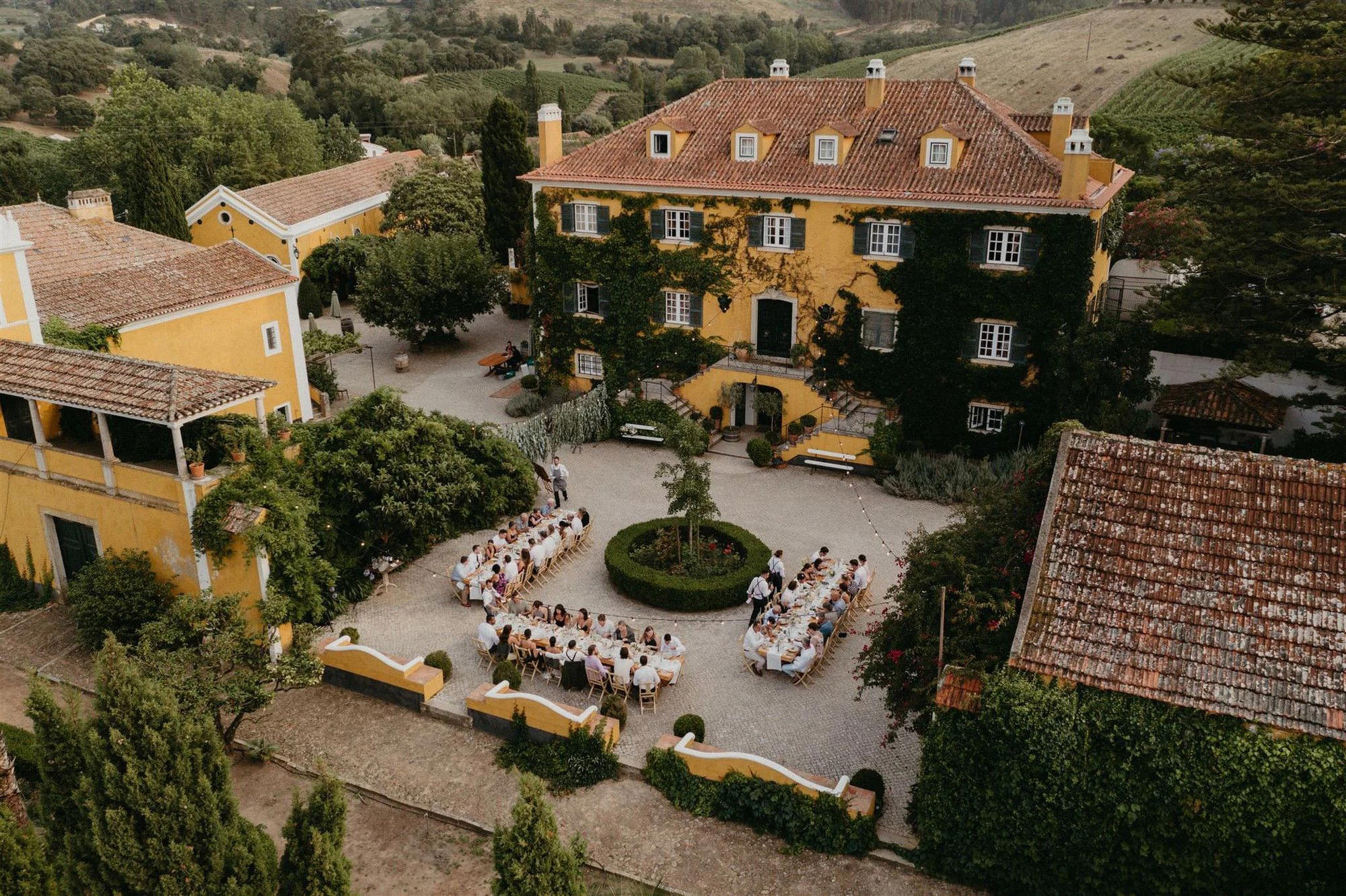
Boutique Taberna
The drinks
- Classic cocktails
Signature drinks: sangria.
Details
- Cozy
- Intimate
- Rustic
- Casual Hangout
- Late Night
- Live Music
- Courtyard
- Outdoor Terrace
- Classic Cocktails
- Street Scene
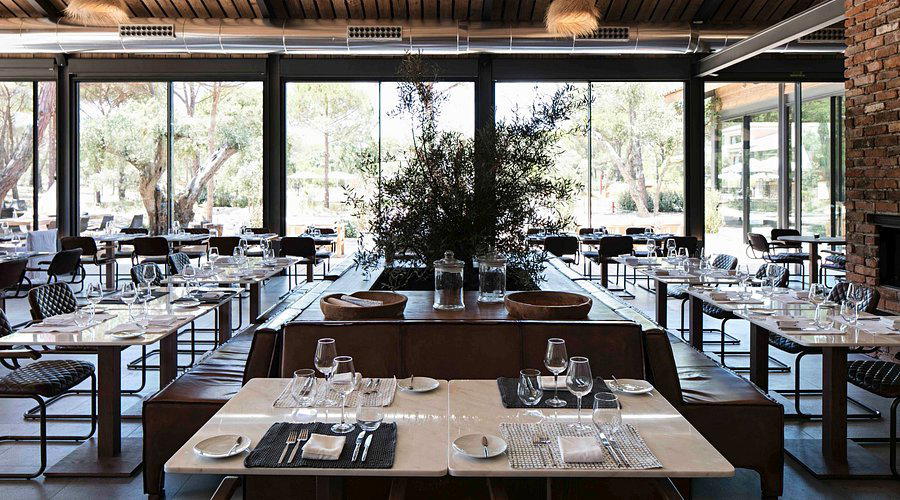
Cozy and lively with live music creating a bohemian, nostalgic atmosphere.