Boston Harbor Distillery
Boston Harbor Distillery occupies a converted 19th-century building on the Dorchester waterfront, producing spirits that draw on the port city's maritime and industrial heritage. The distillery sits within a growing cluster of craft producers reshaping Boston's drinking culture south of downtown, offering tastings and tours that position it closer to an education-led experience than a conventional bar program.
Pearl is the En Primeur Club membership app — saves, bookings, and concierge access live there. Same editors, same standards.
- Address
- 12R Ericsson St, Dorchester, MA 02122
- Phone
- +1 617 533 7001
- Website
- bostonharbordistillery.com
- Directions
- Get directions
 Saves & bookings on Pearl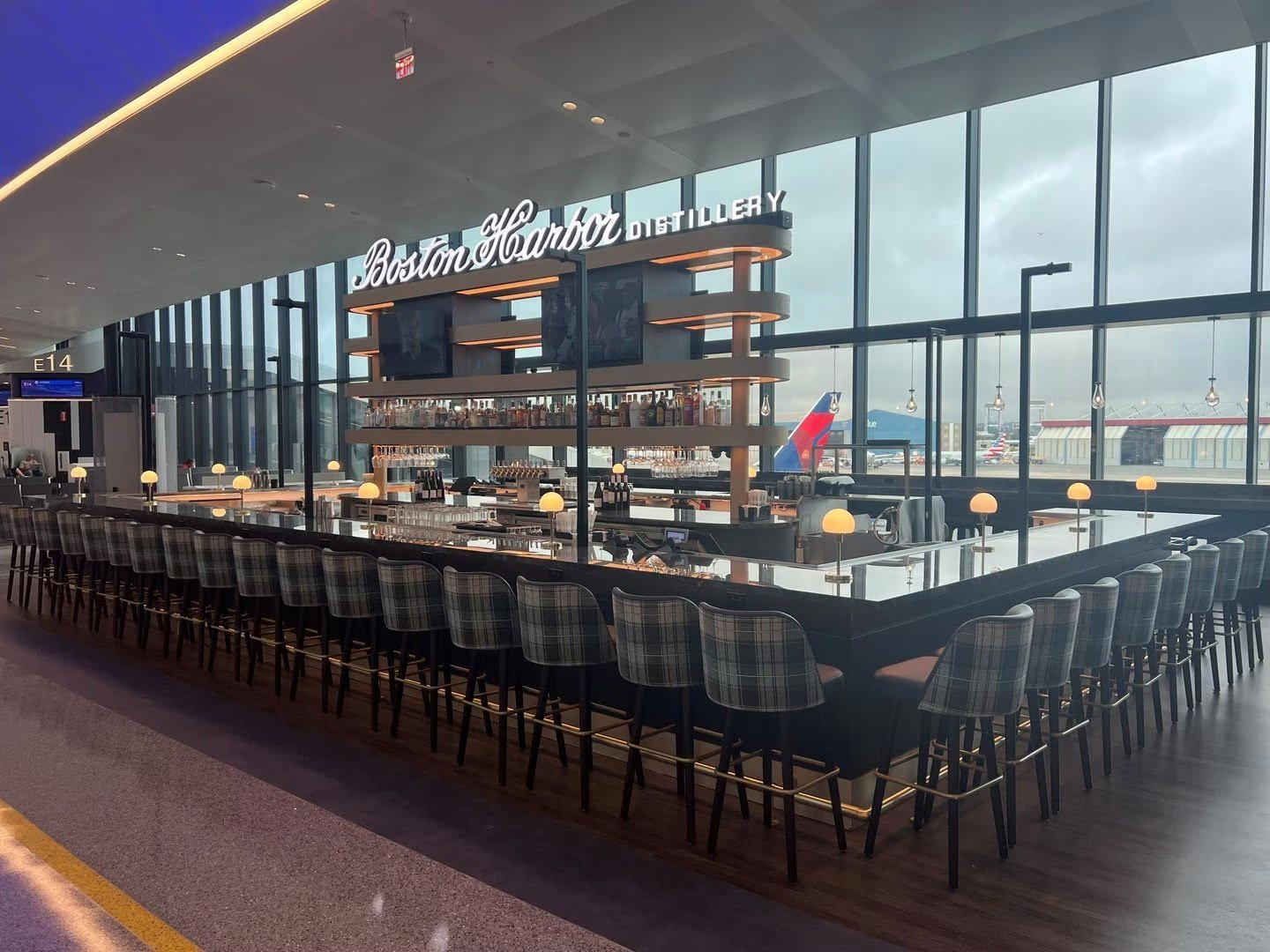
Where the Harbor Meets the Still
The approach to Boston Harbor Distillery sets the tone before you step inside. Ericsson Street in Dorchester runs close enough to the water that the air carries a faint industrial salinity, the kind that clings to old port neighborhoods that have traded cargo for creative industry. The building itself belongs to that transitional Boston, the one that repurposes maritime infrastructure rather than demolishing it. The distillery occupies a structure with genuine waterfront provenance, and that context matters: this is not a craft spirits operation dressed in nautical decor as a design conceit, but one whose physical address connects it to the actual working history of Boston Harbor.
American craft distilling has sorted itself into two broad camps over the past decade. One camp competes on volume and retail shelf space, producing approachable spirits with broad distribution. The other operates closer to the hospitality model, where the on-site experience, the pour, the setting, the conversation with the person behind the bar, is as much the product as the liquid itself. Boston Harbor Distillery sits firmly in the second camp. Dorchester, long overlooked by the city's dining and drinking press in favor of the South End or the Seaport, has developed its own serious food-and-drink infrastructure, and the distillery has been part of that shift.
The Craft Spirits Tier in Boston
Boston's cocktail culture has matured considerably. Bars like Equal Measure have built reputations on disciplined technical programs, while venues like Asta and Baleia have pushed the city's drinking culture toward a more considered, ingredient-led approach. Abe and Louie's holds a different position entirely, anchored in the classic steakhouse bar tradition. Within this range, a distillery with tasting room operations occupies a distinct category: the spirit itself is the point, not the cocktail program built around sourced bottles.
Across the United States, particularly interesting craft distilleries have moved beyond the standard whiskey-and-gin binary. Korean-American operations like NAMU Distilling Company have introduced soju and makgeolli-adjacent spirits to a cocktail bar audience. On the coasts and in Chicago, venues including Kumiko have demonstrated that a serious spirits program can carry a room on its own authority. What links these operations is a commitment to the production story as part of the hospitality experience. When you drink at a distillery, you are, in theory, closer to the source than anywhere else.
Drinking on the Water: The Sensory Case for Dorchester
There is a particular quality to drinking spirits in proximity to their production. The smell of fermentation, faint copper from the stills, the low mechanical hum of working equipment: these are not decorative flourishes but the actual environment of a distillery floor. Boston Harbor Distillery has the advantage of genuine industrial character rather than the constructed authenticity that newer craft operations sometimes manufacture. The harbor adjacency adds a layer that no amount of design budget can replicate: the light through industrial windows shifts with the weather off the water, and the neighborhood's working-port history is embedded in the building's bones.
For visitors who have spent time at destination distilleries in other American cities, such as those that have reshaped the hospitality character of Louisville's warehouse districts or the distillery corridors opening across the Pacific Northwest, Boston Harbor offers a comparable premise on the East Coast, within a city whose historical relationship with rum and maritime trade makes spirits production feel geographically appropriate rather than aspirational.
Comparable tasting room experiences at American craft operations suggest the format rewards visitors who arrive with some curiosity about production process. The distillery visit as a format differs from the cocktail bar visit: the pacing is different, the depth of conversation about the liquid is typically higher, and the range of what you can taste, from new make to aged expressions to experimental batches, tends to be broader than what a bar's back bar would carry from any single producer.
Boston in a Wider Spirits Context
The craft distillery tasting room format has proved durable in cities with strong local identity: Jewel of the South in New Orleans operates within a city where spirit heritage is part of the civic identity. Julep in Houston has built a program around American whiskey tradition. ABV in San Francisco and Bar Leather Apron in Honolulu demonstrate that the appetite for serious spirits programs exists across geographies and price tiers. Even internationally, operations like The Parlour in Frankfurt and Superbueno in New York City show how spirits-forward identities survive competitive cocktail markets by committing fully to a point of view.
Boston's claim on spirits history is legitimate. The city's colonial rum trade, its long-standing relationship with the Atlantic shipping routes that brought molasses north from the Caribbean, gives a harbor distillery a historical logic that a landlocked operation would have to manufacture. That history does not automatically translate into quality in the glass, but it supplies a framework for the kind of storytelling that makes a distillery visit more than a tasting room transaction.
Planning Your Visit
The bar is located at 12R Ericsson Street in Dorchester, a neighborhood most easily reached by car or rideshare from central Boston. The address sits close enough to the water that arriving in good weather makes the walk from parking worthwhile, particularly if the light is good off the harbor. Specific hours, booking requirements, and current tasting formats are best confirmed directly with the venue before visiting, as these details shift seasonally at distilleries of this scale. For a broader orientation to Boston's drinking and dining options across neighborhoods, our full Boston guide maps the city's scene across price tiers and formats.
At a Glance
Comparable venues nearby, for context on price, style, and recognition.
| Venue | Cuisine | Price | Notes |
|---|---|---|---|
| Boston Harbor DistilleryThis venue — the venue you are viewing | Not listed | $$ | Not listed |
| haley.henry | Not listed | $$ | Downtown Crossing, wine_bar |
| Milkweed | Not listed | $$ | Mission Hill, cocktail_bar |
| Bomb Bada | Not listed | $$ | Allston, cocktail_bar |
| Barcelona Wine Bar | Not listed | $$ | South End, wine_bar |
| Warren Tavern | Charlestown, pub | $$ | Not listed |
Continue exploring
More in Boston
Bars in Boston
Browse all →
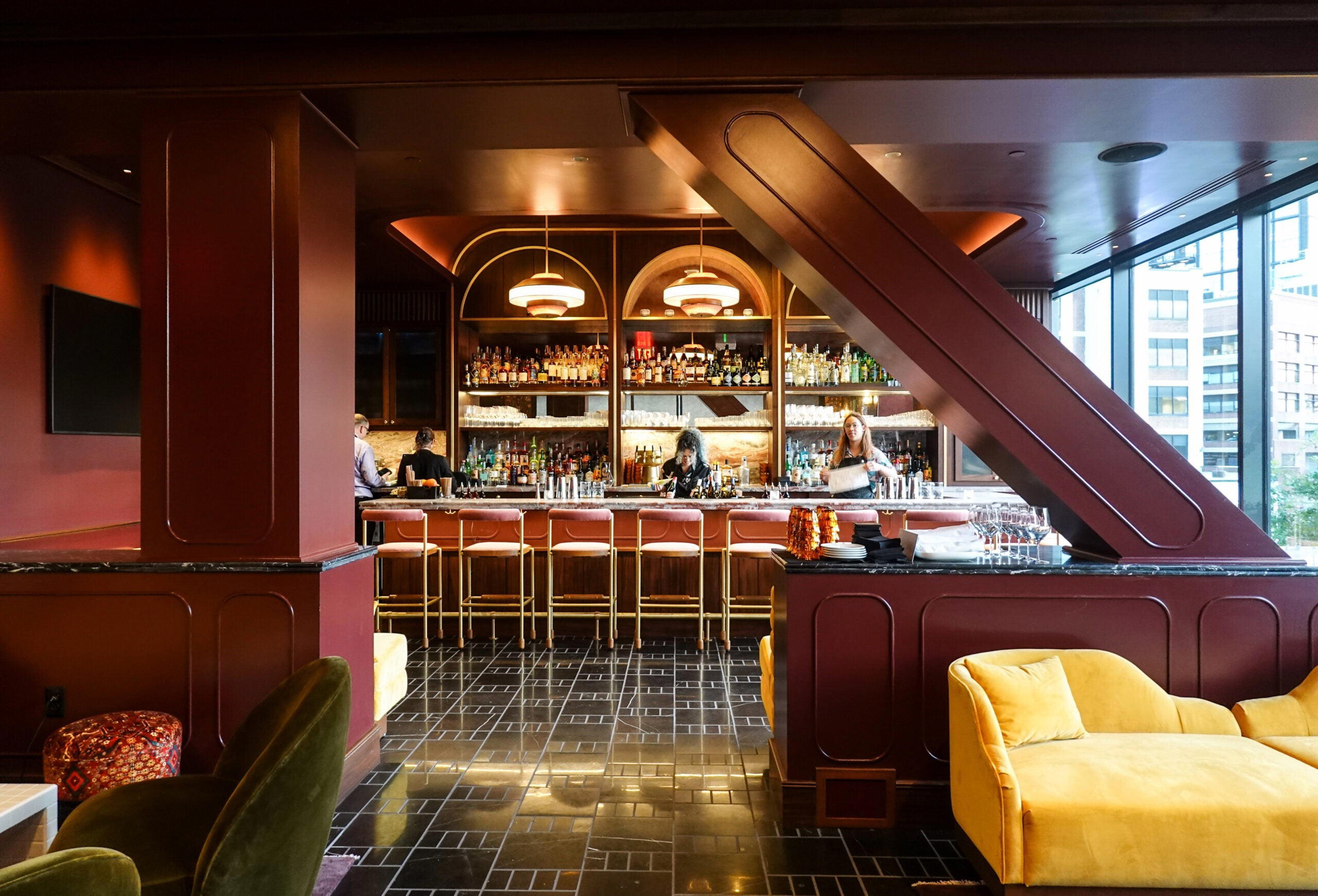
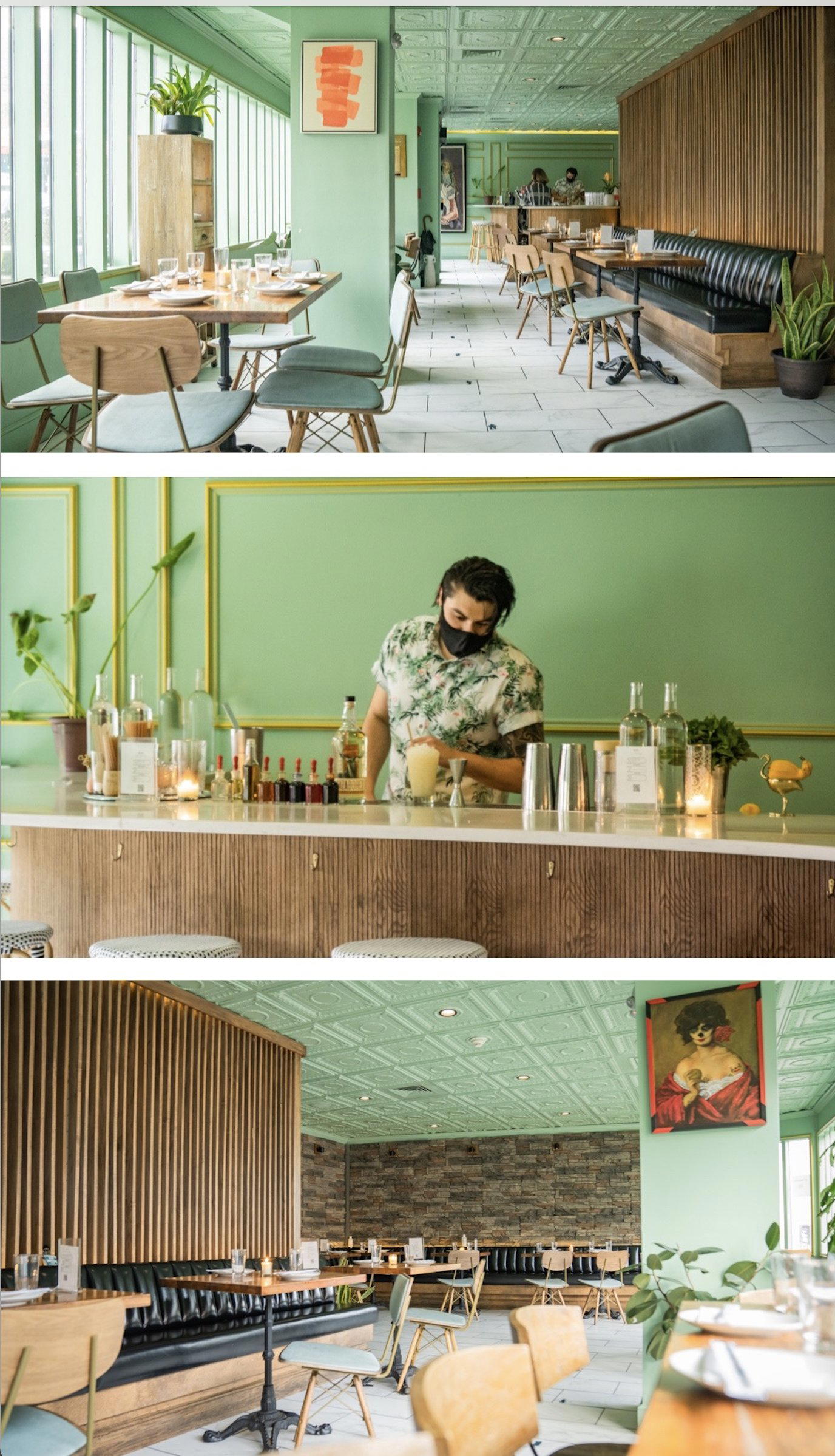
Restaurants in Boston
Browse all →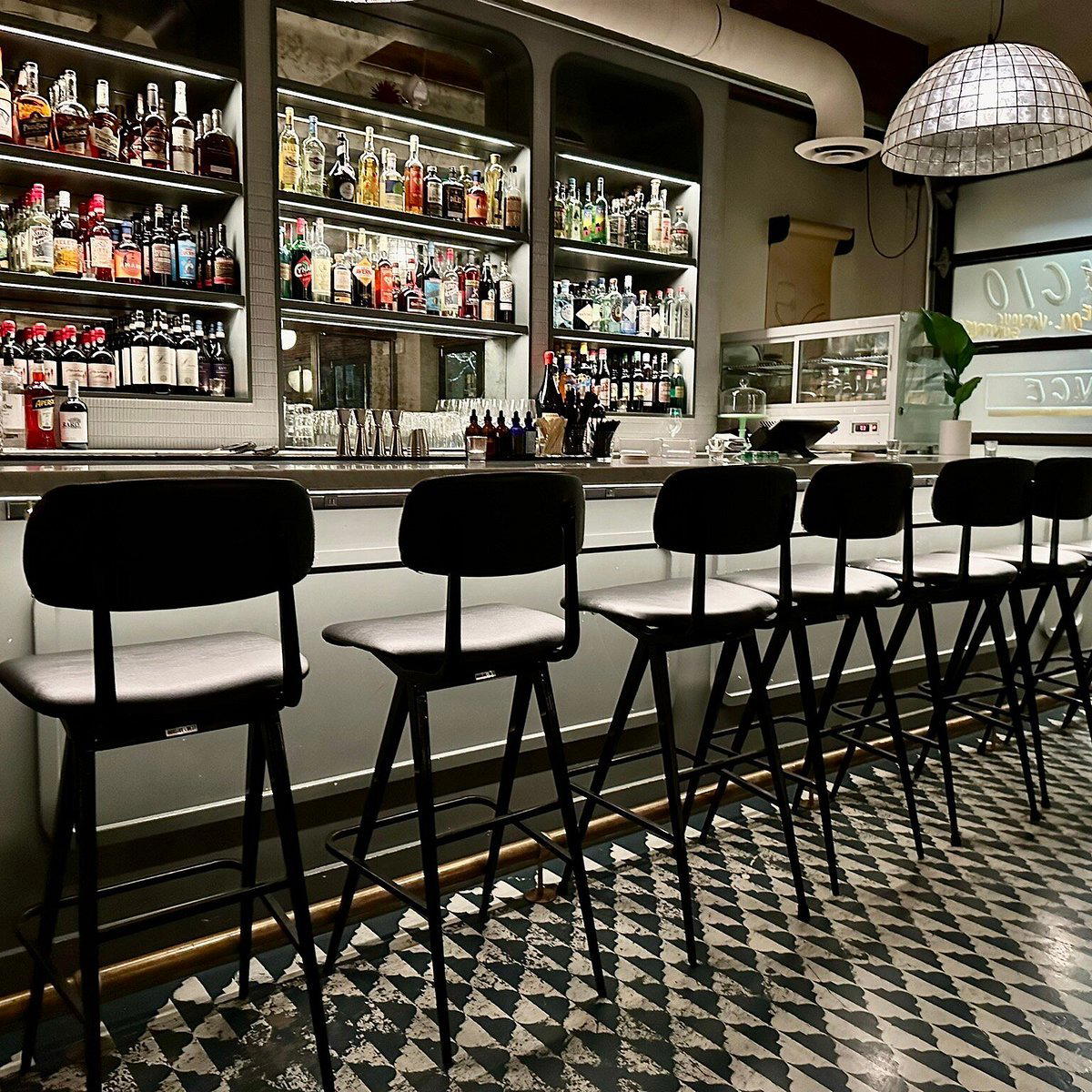
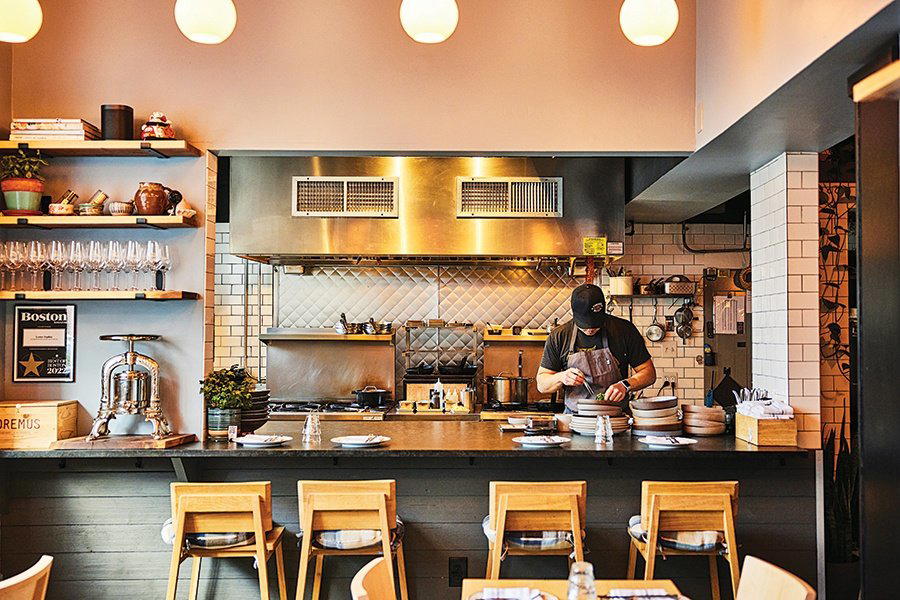
Hotels in Boston
Browse all →
Wineries in Boston
Browse all →
At a Glance
- Industrial
- Intimate
- Historic
- Group Outing
- Casual Hangout
- Waterfront
- Historic Building
- Live Music
- Seated Bar
- Lounge Seating
- Craft Cocktails
- Whiskey
- Rum
- Gin
- Waterfront
Current opening hours
- Monday
- 10 AM–4 PM
- Tuesday
- 10 AM–4 PM
- Wednesday
- 10 AM–4 PM
- Thursday
- 10 AM–4 PM
- Friday
- 10 AM–4 PM
- Saturday
- 3–8 PM
- Sunday
- Closed
Hours can change for holidays and private events. Last verified .
Industrial brick and beam architecture with comfortable seating, great acoustics, and a lively atmosphere during live music events.