BeVere Cocktail Bar sits inside an inner courtyard on Via Emilio Morosini in Trastevere, a useful address for drinkers who prefer Rome’s quieter cocktail rooms to street-facing aperitivo traffic. With no published awards, price range, phone, hours, or booking channel in the available record, it reads as a low-noise bar to verify before arrival rather than a credentials-led destination.
Pearl is the En Primeur Club membership app — saves, bookings, and concierge access live there. Same editors, same standards.
- Address
- Via Emilio Morosini, 27, 00153 Roma RM (Inner courtyard)
- Directions
- Get directions
 Saves & bookings on Pearl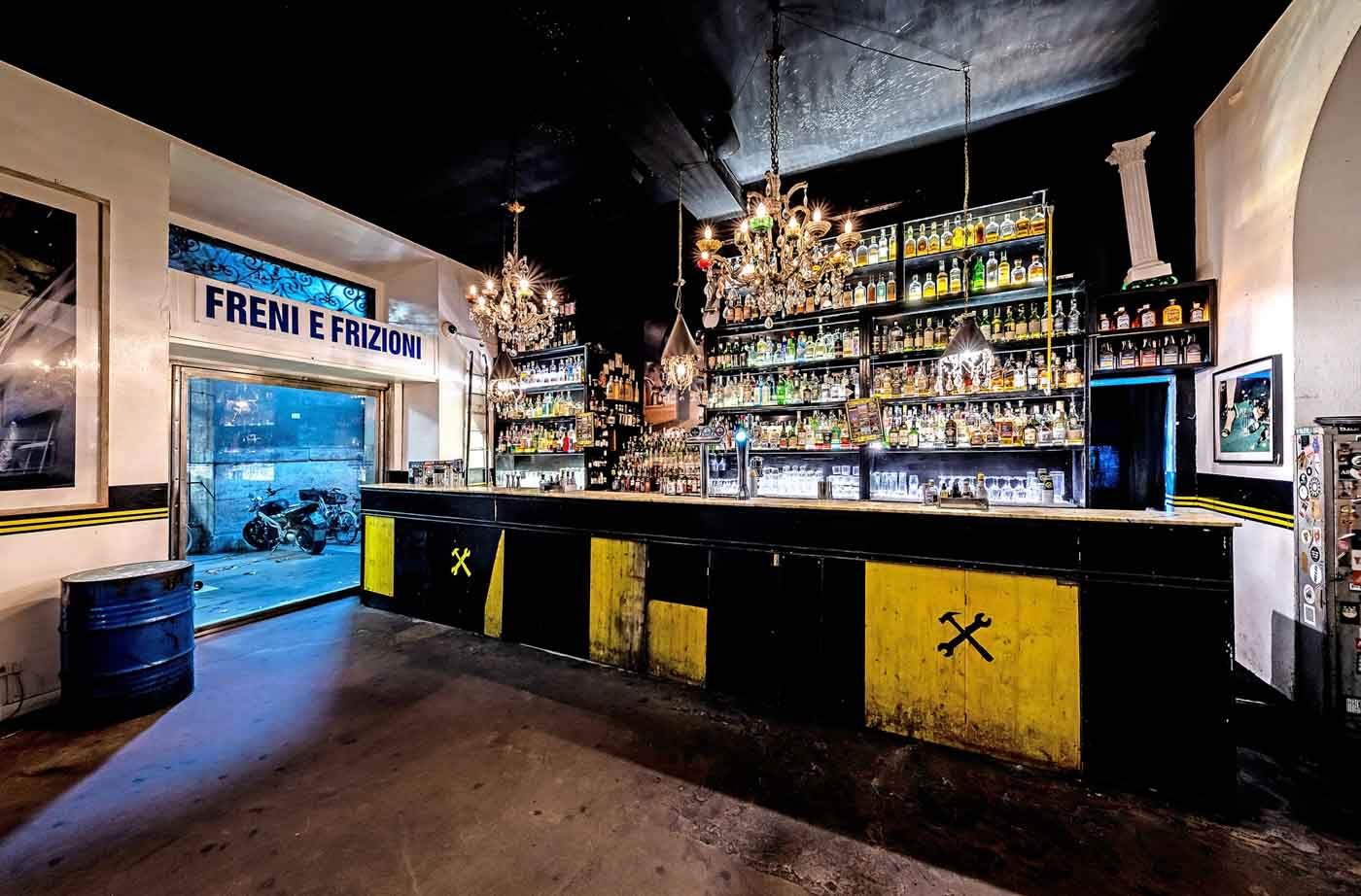
Via Emilio Morosini is not the Rome of grand hotel bars and polished lobby rituals. The approach is domestic, inward-looking, and scaled to Trastevere’s smaller streets: a door, an inner courtyard, then the sense that the night has stepped away from the district’s louder aperitivo current. BeVere Cocktail Bar belongs to that quieter Roman category where the address matters as much as the drinks list, because the room is reached through a threshold rather than announced from the pavement.
That matters in Rome. The city’s drinking culture is often described through two public habits, coffee by day and aperitivo by early evening, but the modern cocktail scene has grown in the spaces between them. Some bars trade on theatrical concealment, some on hotel polish, and some on the slower pleasures of a curated back bar. BeVere Cocktail Bar, recorded at Via Emilio Morosini, 27, 00153 Roma RM, with the note “Inner courtyard,” sits in that last, less extroverted lane.
Trastevere after aperitivo hour
Trastevere is not short on drinking addresses, but the district splits sharply after dark. Around the main pedestrian routes, bars feed on movement: groups grazing between spritzes, wine by the glass, and late plates. Away from that flow, the mood changes. Courtyard addresses and smaller side streets create a different tempo, closer to a private room than a public square. BeVere Cocktail Bar benefits from that geography because Via Emilio Morosini sits on the residential side of Trastevere’s nightlife map, close enough to the district’s energy without being defined by it.
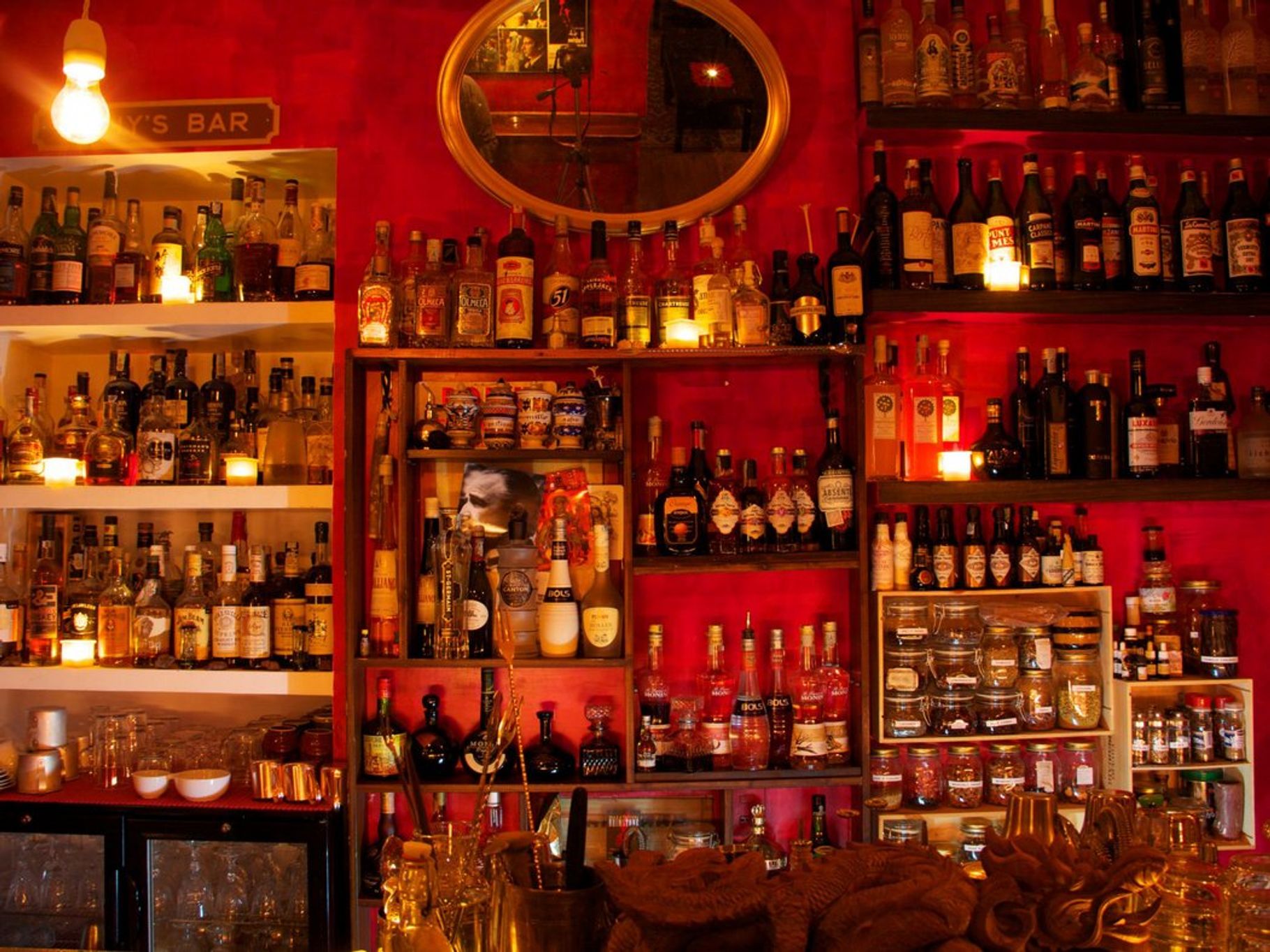
For a cocktail bar, that distinction is not cosmetic. A back bar needs time. Rare bottles, amari, vermouths, mezcal, whisky, rum, and vintage-leaning liqueurs do not read well in a room built for fast turnover and shouting over the street. Rome has enough high-energy counters for that. The more interesting question is whether a bar can make the collection feel legible: not as decoration, but as a working library. When an inner-courtyard address works, it gives the bartender and guest enough quiet to turn a spirits shelf into a conversation about style, age, origin, and substitution.
The spirits collection as a Roman argument
Rome’s cocktail culture has always had a strong relationship with bitter, herbal, and fortified drinking. Amaro after dinner, vermouth in aperitivo service, and digestivi at the end of a meal give the city a native vocabulary for bottles that sit outside the standard gin-vodka-rum-whisky grid. The current generation of Roman cocktail bars has expanded that vocabulary through imported agave spirits, independent bottlings, and Italian producers working beyond the familiar labels.
The useful editorial point is broader: a bar framed around spirits curation in Rome competes less by inventing theatrical drinks and more by making choices visible. A serious back bar should allow a guest to move from a familiar Negroni structure into a different bitter base, from a common rum profile into an aged or agricole expression, or from a default whisky sour into a conversation about grain, oak, and proof. In this style of bar, the collection is not a trophy wall. It is the engine of the evening.
That is the axis on which BeVere should be judged. Without published awards or menu data in the record, the test is practical and immediate: does the bottle range support precise recommendations, or does it merely fill shelves? Rome has learned the difference. Drinkers coming from the city’s better cocktail rooms now expect staff to explain why a spirit belongs in a drink rather than recite brand names.
How BeVere fits among Rome's cocktail rooms
Rome’s bar scene has several reference points, each with a different idea of what a serious drink should feel like. Drink Kong represents the city’s more design-forward, high-concept side, where atmosphere and menu architecture carry as much weight as classic technique. Jerry Thomas Speakeasy belongs to the hidden-door school that helped define the city’s modern cocktail era. Freni e Frizioni, also tied to Trastevere’s social rhythm, sits closer to the aperitivo-driven, crowd-facing model. Boeme adds another contemporary point of comparison for visitors mapping the city beyond hotel lounges.
Against that set, an inner-courtyard bar on Via Emilio Morosini suggests a smaller-scale proposition. The address does not carry the same public-facing signal as a major hotel, nor the immediate mythology of a speakeasy. That can be an advantage for the right drinker. Rome’s cocktail scene is mature enough that not every good evening needs a concept loudly attached to it. Some nights call for a room where the point is the pour, the bottle selection, and the exchange across the bar.
The absence of listed awards in the available record should be read plainly. That puts the bar in a different decision category from venues whose reputations are anchored by rankings. It becomes a neighbourhood and format choice rather than a trophy stop.
What the courtyard format changes
Rome’s architecture often hides the good part from the street. Courtyards, internal staircases, cloisters, and apartment-like thresholds are part of the city’s everyday grammar. For bars, that inward turn can create a more focused drinking environment, especially in Trastevere, where street noise quickly shapes the evening. An inner-courtyard address lowers the temperature before the first order is placed.
This format suits drinkers who want conversation with the bar rather than a room built around spectacle. It also affects timing. Early evening in Trastevere can be dominated by aperitivo traffic, while later hours bring heavier footfall through the district’s main lanes. The smart approach is to verify current opening details through current local listings or direct channels before planning a night around it.
Why bottle depth matters more than novelty
In cities with young cocktail scenes, novelty often arrives first: smoked glassware, elaborate garnishes, obscure techniques, long menu copy. Rome has moved past the need to prove that cocktails can be serious. The stronger bars now face a harder standard, consistency and judgment. A spirits-led program has to decide what deserves shelf space and what deserves to be poured.
Italian drinking culture gives that standard a particular edge. Bitter balance is not an imported fashion here; it is part of the everyday palate. A bar that works with amaro, vermouth, fortified wine, and darker aged spirits has less room for sloppy sweetness because the local frame already understands bitterness, herbs, and finish. That is why a curated back bar in Rome can be more interesting than a long list of signatures. The bottle range can connect Italian habits with global categories, but only if the staff can translate between them.
For travellers, this is where a bar like BeVere becomes useful. Rather than arriving with a demand for a specific drink, it makes more sense to arrive with a preference: bitter and dry, stirred and spirit-forward, citrus-led, low-alcohol, smoky, herbal, or after-dinner. That gives a spirits-focused bar room to show its judgment without requiring the guest to know the shelf in advance.
A note on food, chefs, and what is not listed
That absence matters. Readers looking for dinner planning should treat BeVere as a drinks address unless current venue information says otherwise.
For a fuller evening, Trastevere and the surrounding districts give plenty of ways to pair a cocktail stop with dinner, but the better planning move is to separate the decisions. Use Our full Rome restaurants guide for the meal, then place the bar before or after depending on appetite and timing. Rome rewards that discipline. A bar chosen for its back bar and a restaurant chosen for its kitchen usually make a cleaner night than forcing one venue to do both.
Comparisons beyond Rome
Italian cocktail culture is not moving in one direction. Milan has a sharper relationship with fashion, design, and late-night polish, seen in venues such as Moebius Milano in Milan. Florence often frames the drink through heritage, luxury retail, and hotel-adjacent elegance, a lane reflected by Gucci Giardino` in Florence. Rome’s better bars tend to feel more archaeological: layers of habit, neighbourhood, international technique, and local bitterness stacked rather than smoothed into a single brand language.
Outside Italy, the comparison changes again. Café La Trova in Miami shows how a bar can build identity through a strongly legible cultural drinking tradition. Rome’s spirits-led rooms are usually quieter about that process. They do not need to announce bitterness, aperitivo, or digestivi as concepts because those habits already exist in the city’s bloodstream. The stronger move is curation: choosing bottles that sharpen the tradition rather than flatten it for visitors.
Planning a night around BeVere
The confirmed practical details are limited but useful. The address is Via Emilio Morosini, 27, 00153 Roma RM, with access noted as an inner courtyard. That means BeVere Cocktail Bar should be treated as a verify-before-you-go address, especially for travellers with a tight schedule or anyone crossing the city specifically for drinks.
Trastevere is easiest to enjoy when the evening is not over-planned. The district works well as a walking area before or after dinner, and a courtyard bar fits naturally into that rhythm. If the night includes hotels, restaurants, or cultural stops across Rome, use Our full Rome hotels guide, Our full Rome experiences guide, and Our full Rome bars guide to keep the geography sensible. Wine-focused travellers can also cross-reference Our full Rome wineries guide, though the city’s wine and cocktail circuits serve different moods.
Who should choose it
BeVere is better suited to drinkers who value setting and bottle conversation over public recognition. With no awards or price tier listed, it is not the address to choose for a credentials-led itinerary. It is better read as a Trastevere cocktail stop for guests who like the idea of stepping off the street into a quieter courtyard environment and letting the spirits selection guide the order.
That makes it a narrower recommendation, but a useful one. Rome has enough bars built for first impressions. The more satisfying category is the room where the second drink is better than the first because the bartender has learned what the guest actually likes. A spirits-led bar earns its place through that progression.
Continue exploring
More in Rome
Bars in Rome
Browse all →
Restaurants in Rome
Browse all →
Hotels in Rome
Browse all →

At a Glance
- Lively
- Casual
- After Work
- Late Night
- Group Outing
- Casual Hangout
- Standalone
- Seated Bar
- Craft Cocktails
- Classic Cocktails
- Garden
Warm, welcoming, and lively late-night cocktail-bar atmosphere.
Know Before You Go
- Getting there
- Via Emilio Morosini, 27, 00153 Roma RM (Inner courtyard)