BARÚ Urbano
BARÚ Urbano occupies a corner of Brickell's dense cocktail circuit, where Latin American flavors and considered technique meet a room shaped by the energy of Miami's financial district after dark. The bar draws from a regional drinks tradition that places ingredients ahead of spectacle, making it a reference point in a neighborhood with plenty of both.
- Address
- 1001 S Miami Ave, Miami, FL 33130
- Directions
- Get directions
Brickell After Dark, and Where BARÚ Urbano Fits
Miami's Brickell corridor has become, over the past decade, one of the more contested stretches of bar real estate in South Florida. The neighborhood's density of hotel lobbies, rooftop terraces, and ground-floor cocktail rooms means the competition for attention is constant. Within that context, the bars that hold their ground tend to do so through a defined point of view rather than volume or spectacle. BARÚ Urbano, positioned at 1001 S Miami Ave, sits inside this dynamic and draws from a Latin American drinks tradition that Miami's cocktail scene has been absorbing and refining at an accelerating pace.
That tradition matters here. The shift across Miami's serious cocktail rooms in recent years has moved away from the rum-and-neon shorthand that once defined the city's bar identity toward something more considered: house-made syrups built from tropical produce, spirits sourced from Colombia, Peru, and the Caribbean, and a bartending approach where the ingredient list is the argument. BARÚ Urbano works within that framework, and its location in Brickell places it among a comparable set that includes particularly technically ambitious programs in the city.
The Cocktail Programme: Technique Anchored in Place
The organizing principle of the drinks program at the bar is Latin American ingredient logic applied with contemporary bar technique. This is a different proposition from the Cuban-inflected classics tradition that defines Café La Trova further north in Little Havana, and it sits at a remove from the playful, high-energy format of Mango's on Ocean Drive. The reference points here are more closely aligned with the generation of Latin American cocktail programs that have gained international recognition over the last several years.
Globally, that category has produced some notable benchmarks. Superbueno in New York City has built a following on the same intersection of Latin American produce and bar craft. In the Gulf South, Jewel of the South in New Orleans and Julep in Houston show how regional identity can anchor a serious drinks program without collapsing into theme. The better Latin American bar programs in Miami operate by similar rules: the cultural reference is structural, not decorative.
Within Miami specifically, the competitive tier the bar operates in requires a drinks program that holds up alongside technically rigorous operations like Broken Shaker, which has maintained consistent recognition from the international bar press since its opening at the Freehand. The baseline expectation in this tier involves house production, seasonal sourcing, and a menu that reads as a coherent argument rather than a collection of options.
The Room and the Crowd
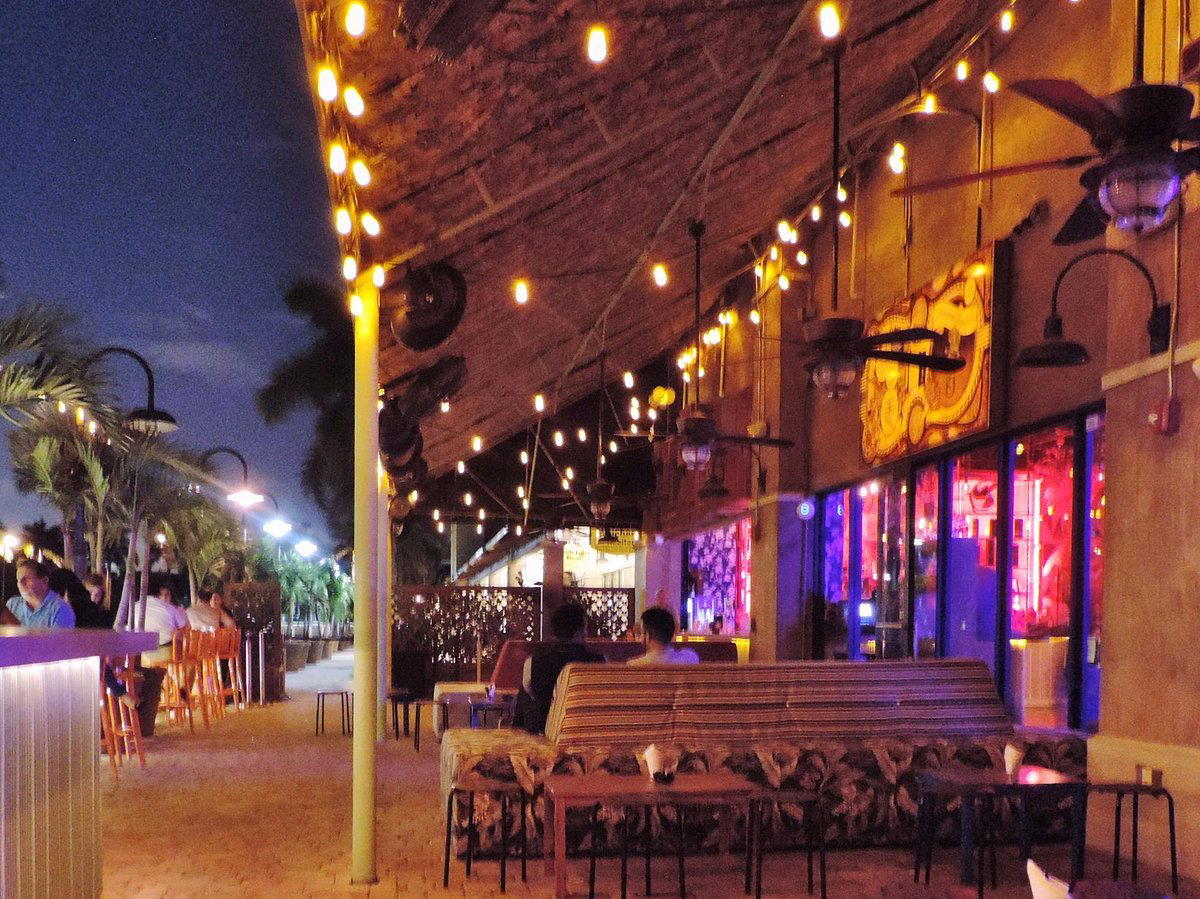
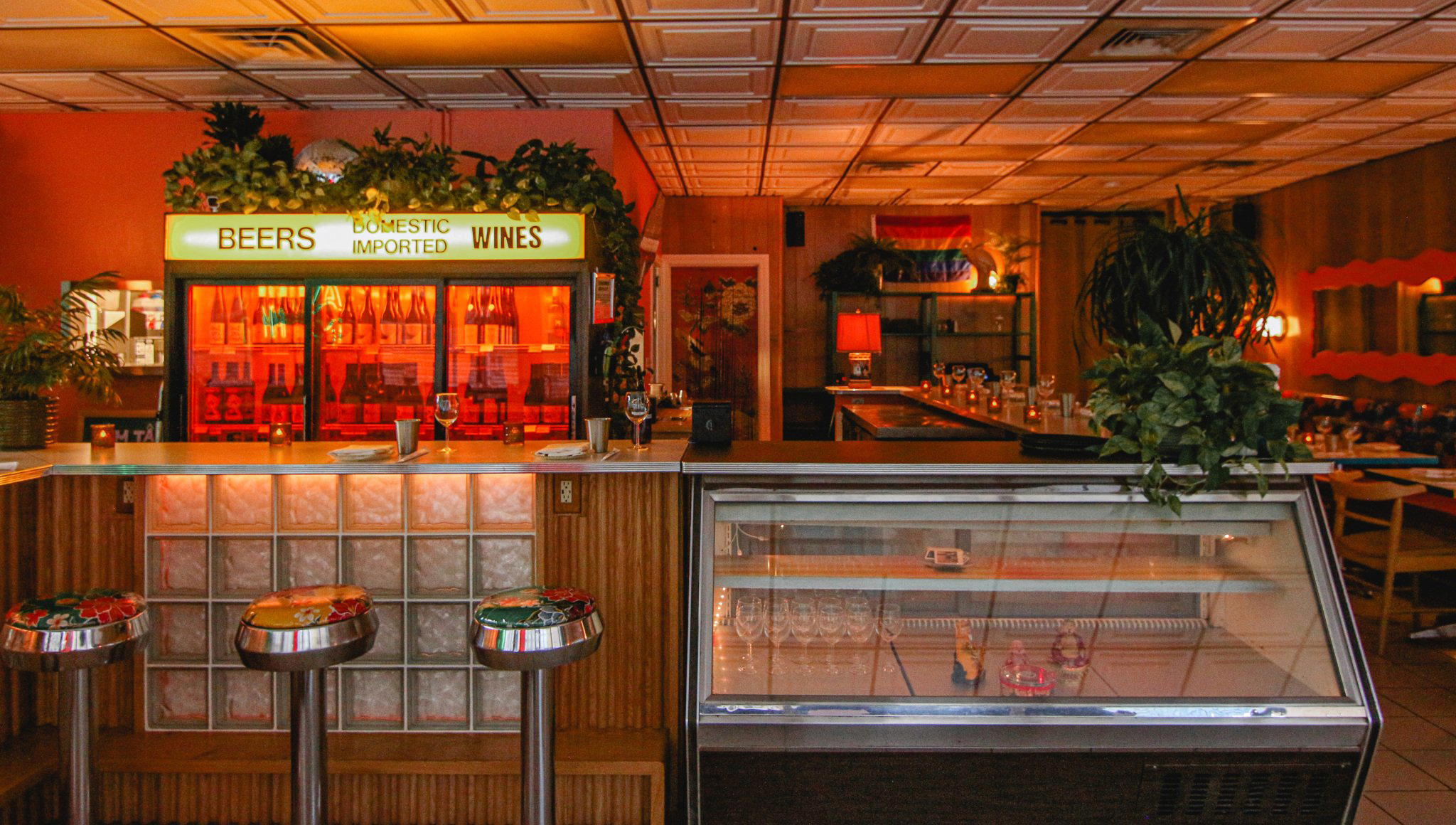
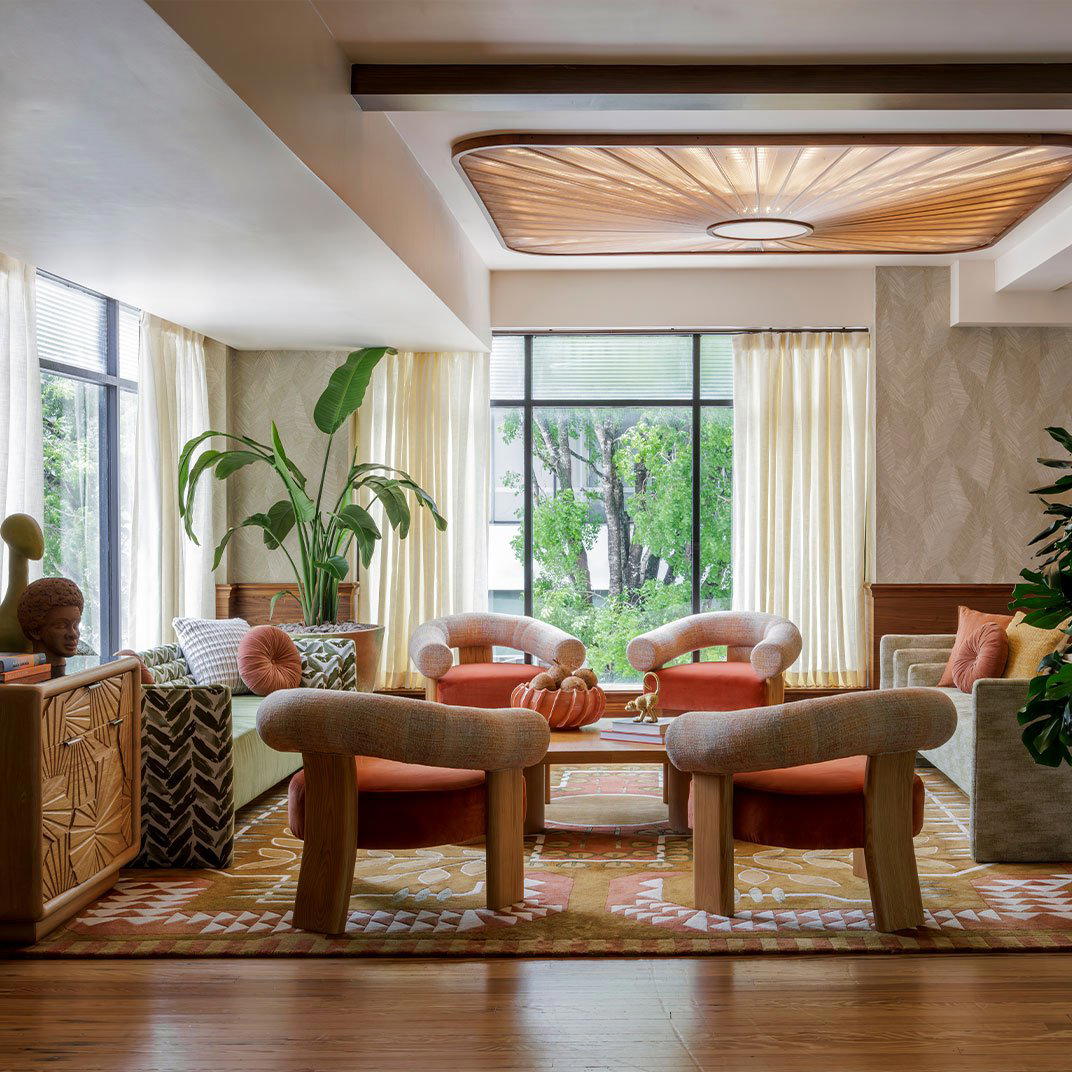
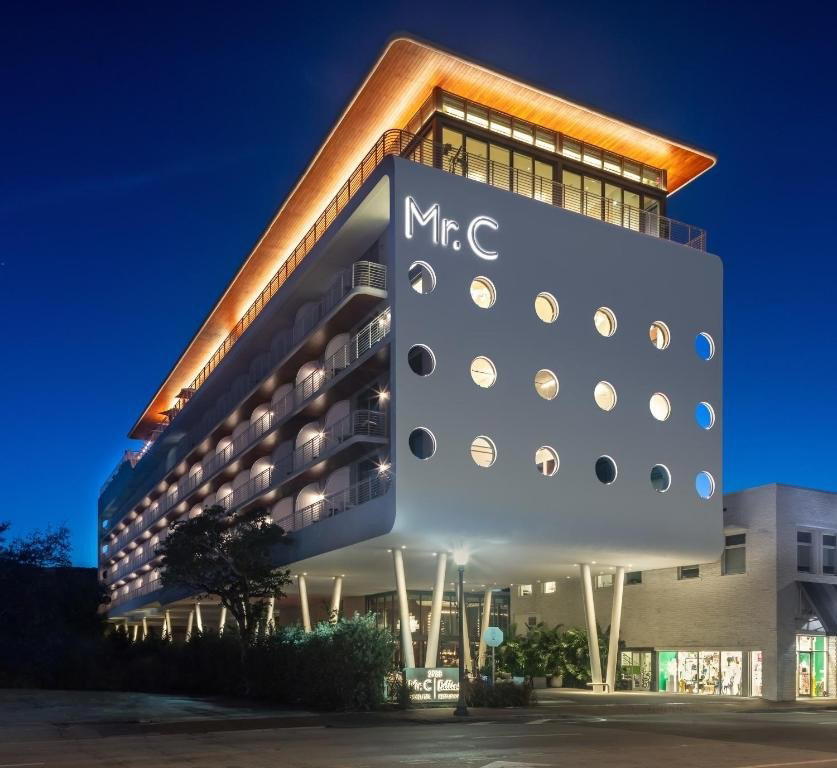
Approaching the venue from S Miami Ave, the surrounding context is unmistakably Brickell: glass towers, valet lines, the particular energy of a neighborhood where the workday ends sharply and transitions fast into evening. The bar itself occupies a ground-floor position that gives it street presence without the removed quality of a rooftop operation. Inside, the atmosphere reads as urban rather than resort, a distinction that matters in a city where the two categories frequently blur.
The crowd skews toward Brickell's professional demographic, the kind of room where business conversations and social evenings coexist without friction. This is consistent with how the neighborhood's better bars tend to function: accessible enough for a post-work drink, considered enough to hold a second or third round. The pacing of service in this format requires competence at both registers, moving efficiently for the early crowd and settling into a slower rhythm as the evening extends.
That dual-mode expectation separates Brickell's serious bars from purely destination operations. Compare the format to something like Kumiko in Chicago, where the deliberate, reservation-led format enforces a single pace, or Bar Leather Apron in Honolulu, where the intimate scale and focused menu set the terms clearly. Brickell bars, including the bar, operate under different constraints and serve a more varied use case.
Miami's Latin American Bar Moment
The broader context is worth stating plainly. Miami has always had a Latin American drinking culture, but the bar programs drawing serious attention now are doing something different from the mojito-and-ceviche template that served the city's hospitality industry for years. The current generation of operations is treating Latin American spirits and produce with the same systematic attention that craft cocktail culture applied to American whiskey or Japanese gin elsewhere.
Aguardiente, pisco, cachaça, and a range of regional amari are appearing in programs that understand how to deploy them technically, not just thematically. Miami's position as a commercial and cultural gateway to Latin America gives its bartenders access to ingredients and influences that bars in other American cities can only approximate. This structural advantage is showing up in the quality of programs across Brickell, Wynwood, and the Design District. Bar Kaiju represents a different angle on the same city moment, as does the broader EP Club picture of Miami's bar scene covered in our full Miami restaurants guide.
For comparison outside the Americas, the technical-meets-regional format has produced strong programs in Europe as well. The Parlour in Frankfurt on the Main and ABV in San Francisco both illustrate how a focused, ingredient-led program can define a bar's identity in a crowded market without relying on scale or spectacle. The operating principle translates across cities, and the bar is working within the same logic.
Planning Your Visit
The bar's address at 1001 S Miami Ave places it in the heart of Brickell, walkable from the Brickell City Centre and the Eighth Street metro station. For visitors staying outside the neighborhood, rideshare is the practical option given Brickell's parking constraints during evening hours. The bar's urban format and Brickell location suggest it absorbs walk-in traffic more readily during the week than on Friday and Saturday evenings, when the neighborhood's bar circuit runs at full capacity.
Comparable Venues
Comparable venues nearby, for context on price, style, and recognition.
| Venue | Cuisine | Price | Notes |
|---|---|---|---|
| BARÚ UrbanoThis venue — the venue you are viewing | cocktail_bar | $$$ | Not listed |
| Over Under | cocktail_bar | $$$ | Miami Jewelry District |
| Hoy Como Ayer | cocktail_bar | $$ | Little Havana |
| Presidente Bar Miami | cocktail_bar | $$$ | Wynwood Art District |
| Salumeria 104 - Midtown Miami | lounge | $$ | Edgewater |
| Lost Boy | pub | $$ | Miami Jewelry District |
At a Glance
- Lively
- Energetic
- Trendy
- Bohemian
- Group Outing
- After Work
- Casual Hangout
- Celebration
- Live Music
- Terrace
- Standalone
- Design Destination
- Seated Bar
- Lounge Seating
- Outdoor Terrace
- Craft Cocktails
- Tequila
- Classic Cocktails
- Street Scene
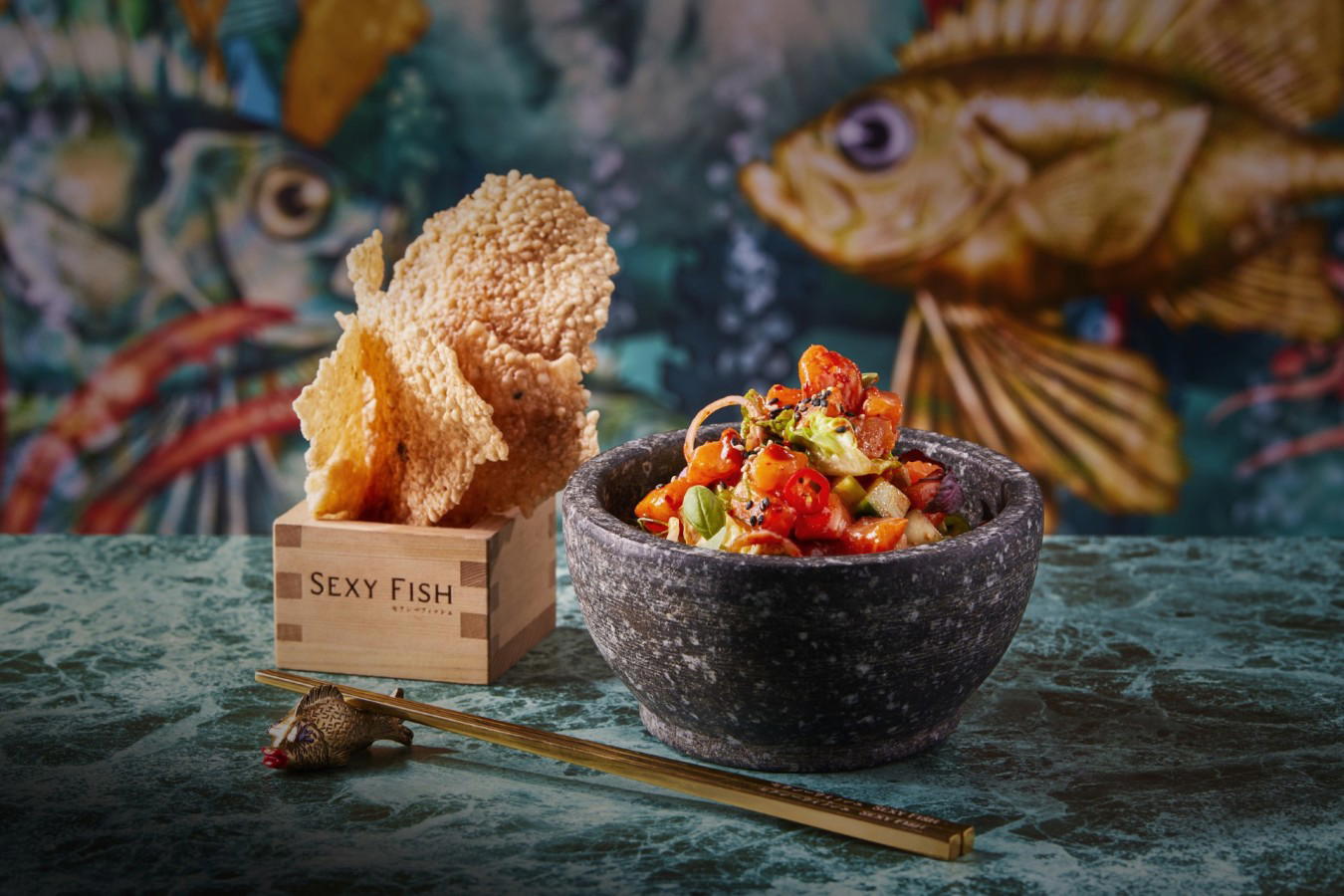
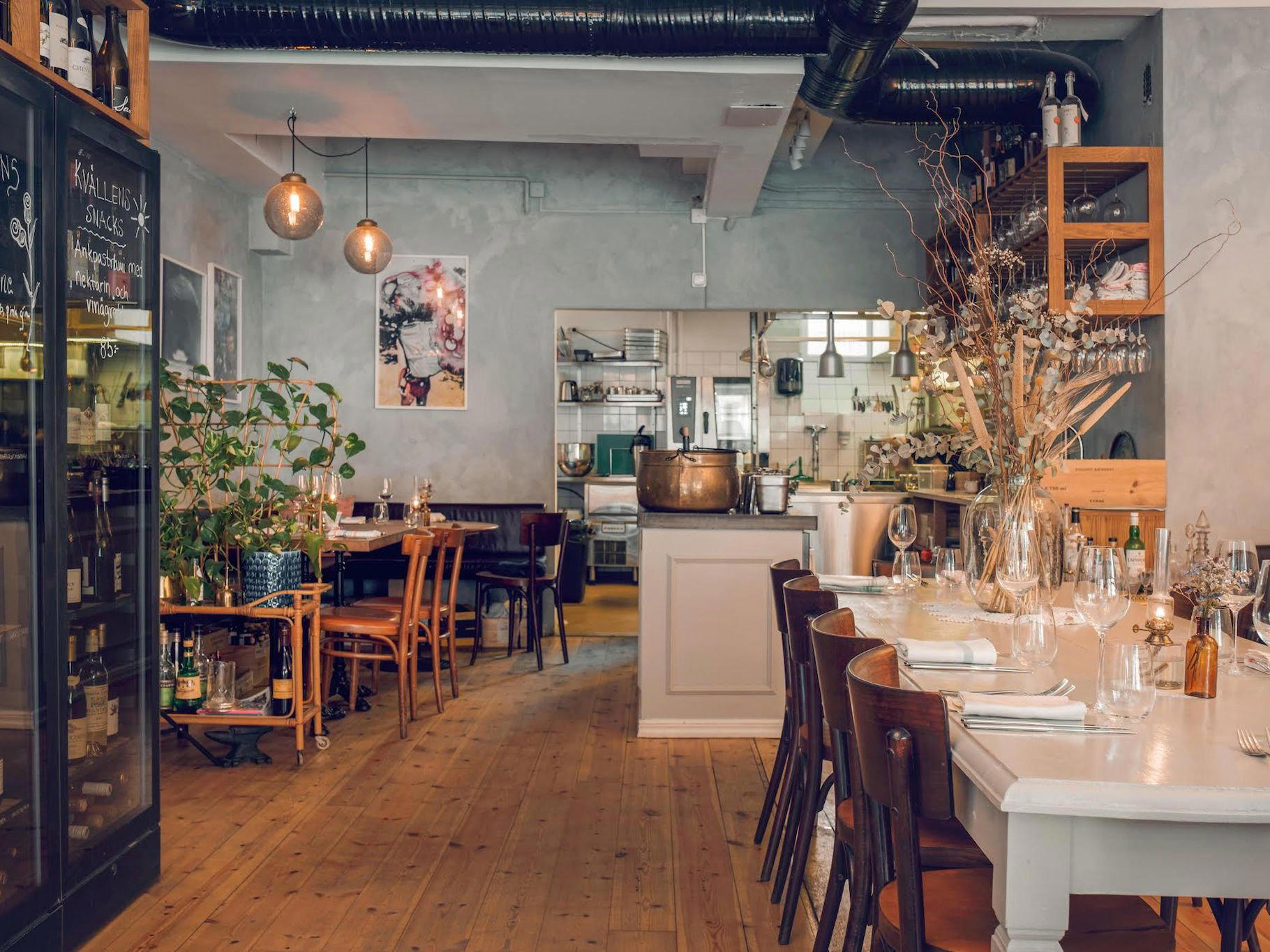
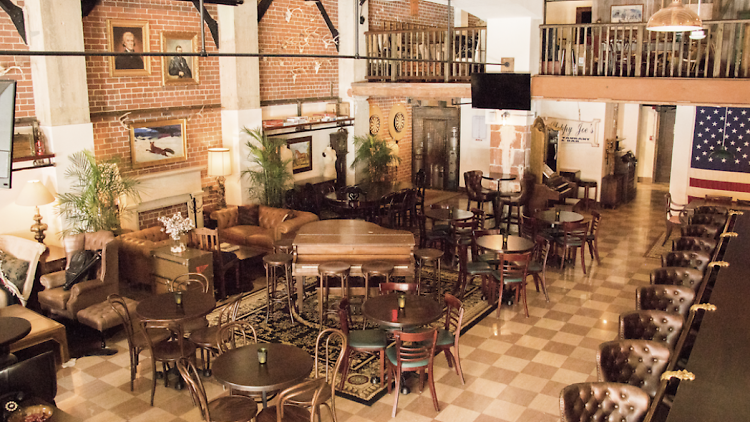
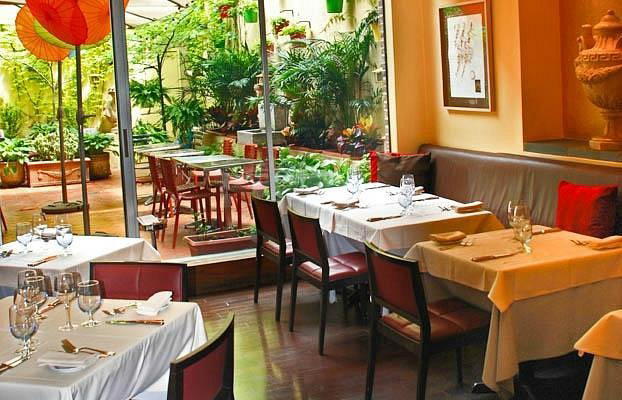
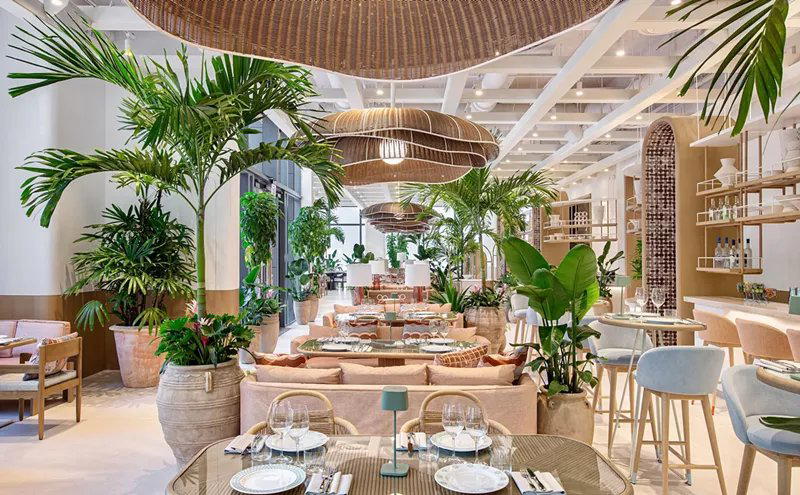
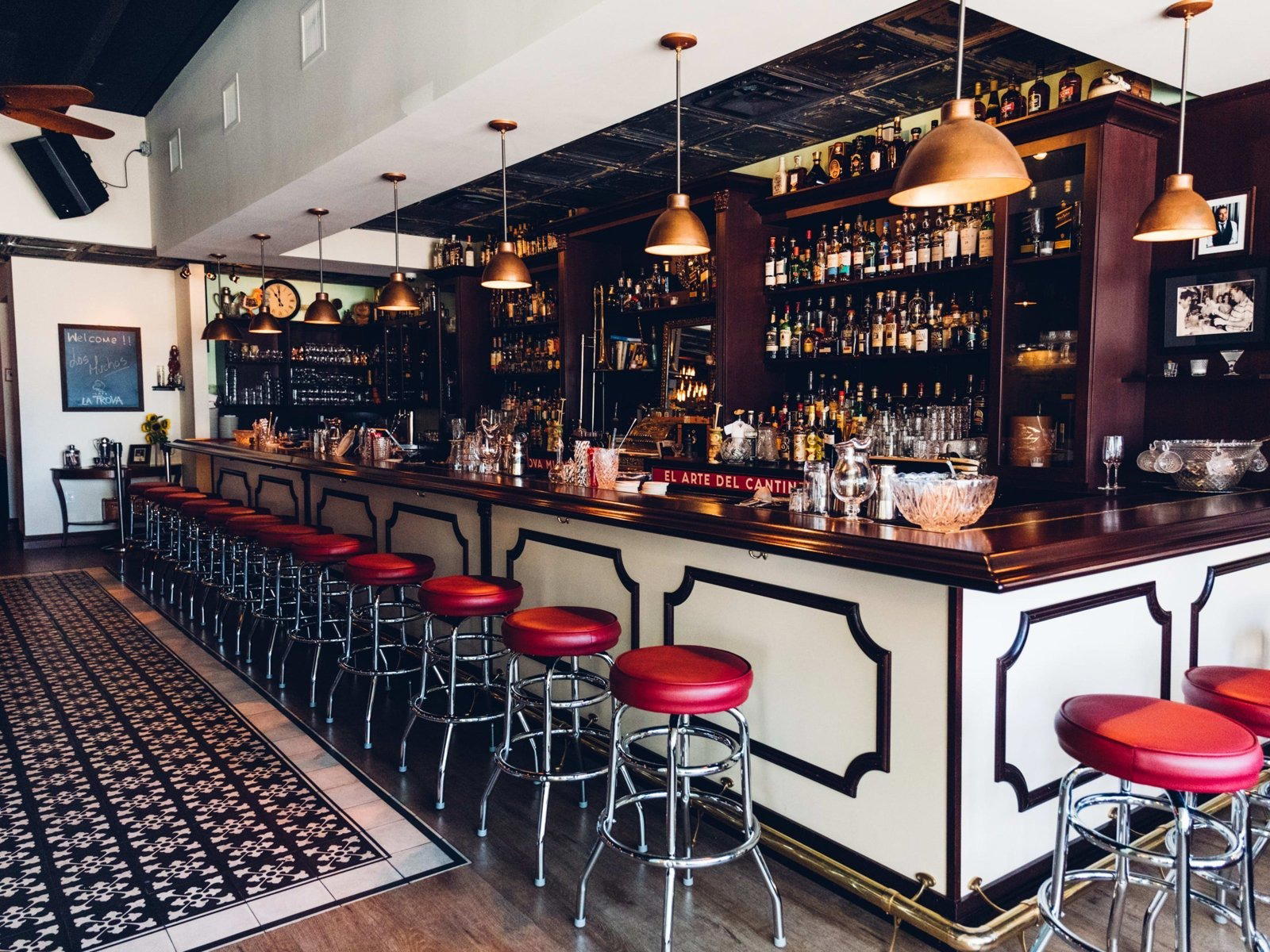
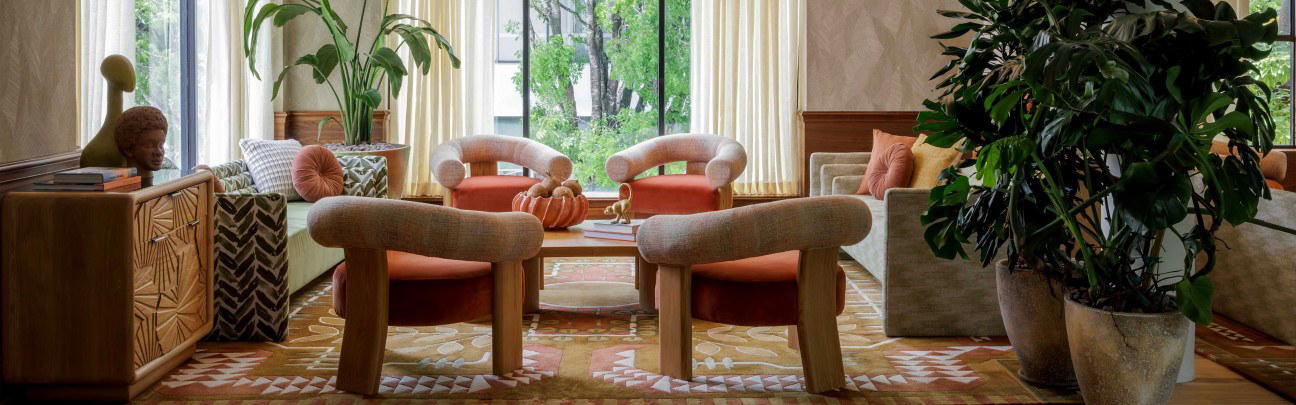
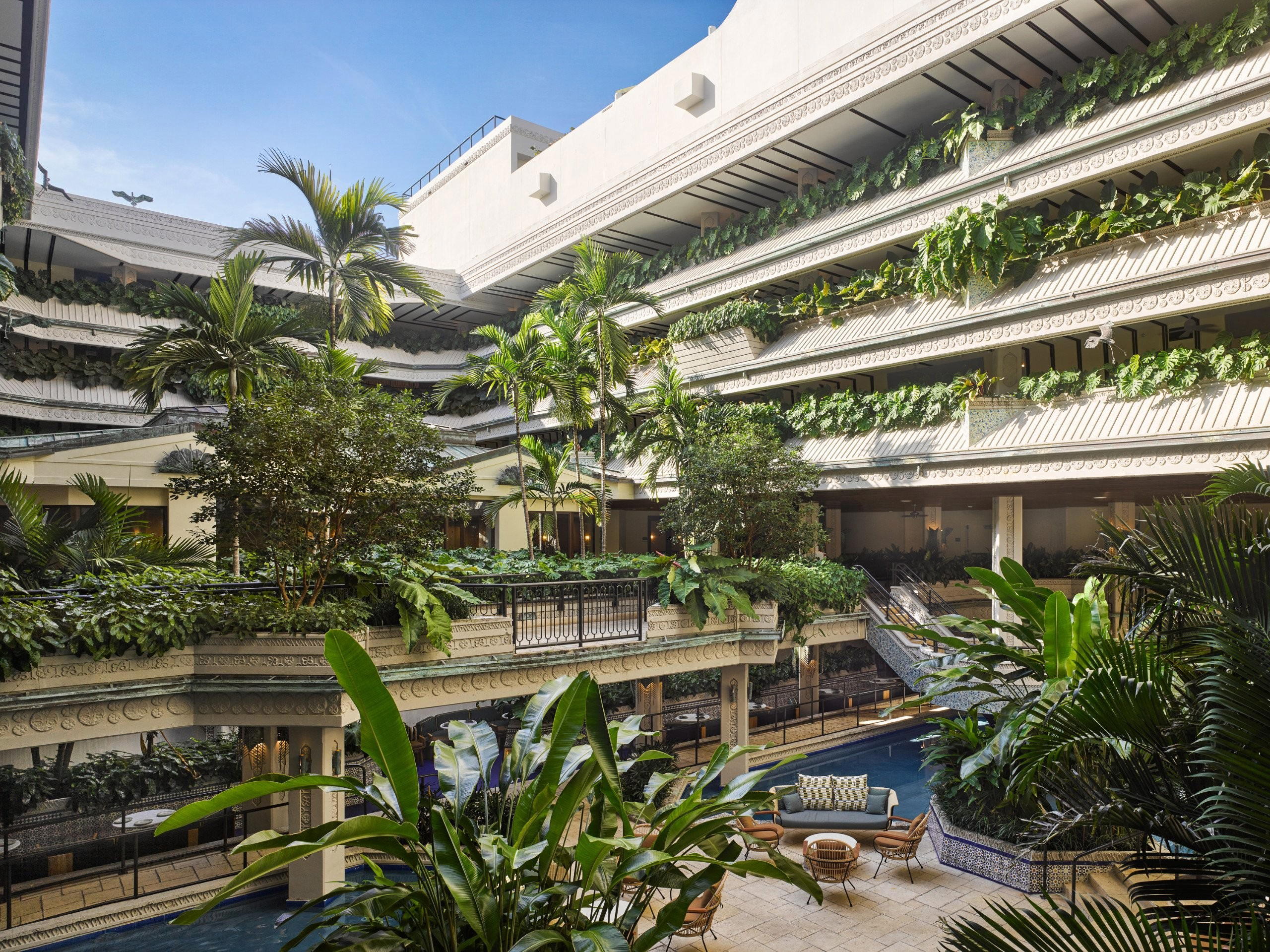
Hip, upbeat atmosphere with edgy tunes, colorful décor reflecting Latin and Caribbean influences, indoor and outdoor seating with a lodge-like aesthetic mixed with urban energy.