Bar Rossi sits at Gereonskloster 12 in Cologne, a central address that places it within the city’s compact after-dark circuit rather than a destination requiring a separate itinerary. With no published awards, chef details, price range, or house drink list in the record, the useful reading is contextual: treat it as a Cologne cocktail stop to assess alongside the city’s more visible bar names.
Pearl is the En Primeur Club membership app — saves, bookings, and concierge access live there. Same editors, same standards.
- Address
- Gereonskloster 12, 50670 Köln, Germany
- Phone
- +49 221 2785780
- Website
- qvest-hotel.com
- Directions
- Get directions
 Saves & bookings on Pearl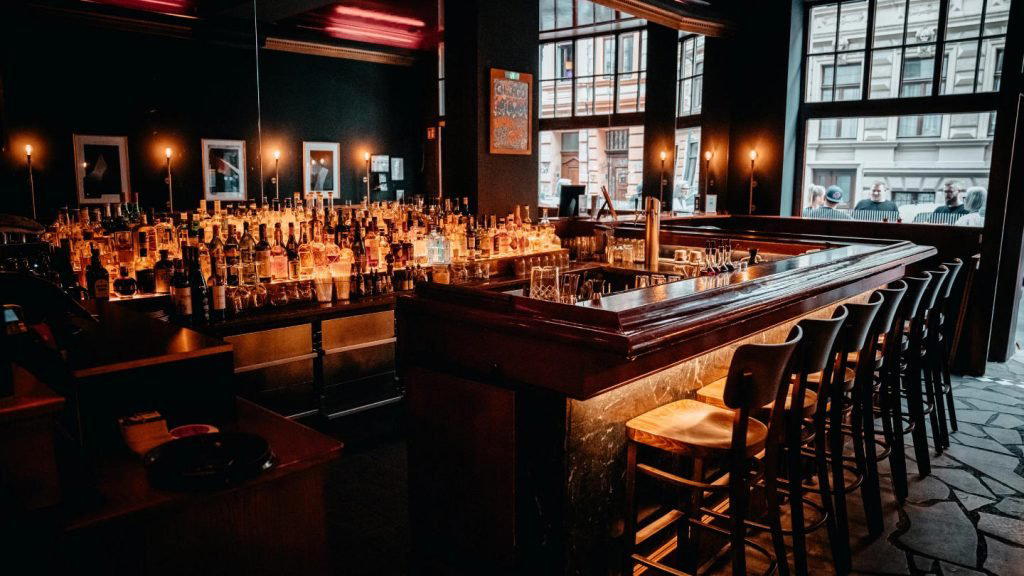
Gereonskloster after dark
Approaching Gereonskloster means entering a part of Cologne where the city’s Roman, ecclesiastical, and commercial layers sit close together. The address, Gereonskloster 12, places Bar Rossi near the old centre rather than in a peripheral nightlife strip, and that matters for how a bar functions here. Cologne drinking culture is often read through Kölsch houses, neighbourhood counters, and beer-garden sociability, but the city also has a quieter cocktail circuit that rewards short movements between districts rather than one long pilgrimage across town.
The more useful way to read Bar Rossi is not as a self-contained myth but as part of Cologne’s ongoing negotiation between beer-town habits and mixed-drink ambition. In cities with stronger cocktail branding, a bar can build its identity around a named head bartender, a signature serve, or a published award list. The point is to judge the room by format, location, pacing, and how it fits into a broader Cologne evening.
For travellers used to Berlin’s late, concept-heavy cocktail rooms or Frankfurt’s more corporate after-work drinking, Cologne reads differently. The city is more conversational, less theatrical, and shaped by the social grammar of the Veedel, the neighbourhood unit that makes drinking feel local even in central areas. A cocktail address here has to work against the gravitational pull of beer culture without pretending the city is somewhere else. That tension gives the scene its interest.
The cocktail question in a Kölsch city
Cologne’s bar identity starts with Kölsch: small glasses, fast replenishment, communal tables, and a style of service built around rhythm rather than ceremony. Cocktail bars in this context have a narrower field to occupy. They do not replace the brewhouse; they provide a second register for the evening. The city’s mixed-drink rooms tend to make sense before dinner, after dinner, or as a controlled detour from larger group drinking, not as the default social engine of the night.
That is why the cocktail programme angle is less about a list of named drinks and more about what kind of bar architecture a venue supports. A serious programme usually reveals itself through the balance between classics and house builds, the handling of aperitif-style drinks, glassware discipline, and whether the staff can guide without turning the exchange into a lecture. None of those specifics can be claimed from the available record for Bar Rossi.
For comparison within the city, Bar Botanik signals a more explicitly contemporary direction in Cologne’s bar conversation, while Bar Rix sits in the same urban bar category that rewards a shorter, targeted visit rather than an entire evening planned around a tasting format. Barracuda Bar - Köln gives another local reference point for readers mapping Cologne beyond the brewhouse circuit. The comparison is useful because the city’s cocktail quality is better assessed as a network of rooms than by a single venue acting as a flagship.
Awards can compress trust quickly: a Michelin star, a World’s 50 Best Bars citation, or a national bar award tells the reader how a venue is positioned beyond its immediate neighbourhood. Here, no such credential is available. The trust signal comes instead from address, category, and city context. That calls for a more cautious form of recommendation, one based on fit: use the bar when the evening calls for cocktails in central Cologne, and measure it against the city’s intimate room culture rather than against international destination bars with public rankings.
Atmosphere before mythology
Cologne rewards places that do not over-explain themselves. The city’s social code is direct, warm, and resistant to excessive performance. A bar on Gereonskloster has to sit within that code. The more persuasive version of a Cologne cocktail room is not a hidden-door fantasy but a space that lets a drink carry the conversation without demanding the full attention of the table.
That distinction matters because cocktail culture across Europe has spent years moving away from speakeasy cosplay. The stronger contemporary programmes tend to be more transparent: fewer props, more technical consistency, clearer menus, and staff who can steer between a Negroni drinker, a sour drinker, and someone looking for a lower-alcohol aperitif. Without a confirmed menu for Bar Rossi, it would be careless to describe house serves or techniques. The relevant critical frame is the demand placed on any Cologne cocktail address: it must be precise enough for drink-led guests and relaxed enough for a city that still treats the bar as a social room first.
That is also why timing matters. A central Cologne bar can serve several types of evening: the first drink before a restaurant booking, the second stop after a brewhouse, or a late conversation when a louder beer hall has done its job. The practical value of this location is flexibility. From the perspective of a traveller, the address reduces friction because it can be paired with dinner, hotel return routes, or a wider bar crawl without requiring a separate neighbourhood transfer.
Readers planning a fuller itinerary should treat the venue as one piece of a city edit. Our full Cologne restaurants guide helps anchor the food side of the evening, while Our full Cologne hotels guide is useful for choosing a base that keeps late-night movement simple. For drink-led planning, Our full Cologne bars guide gives the broader frame, including beer, cocktails, and neighbourhood bars that behave differently after dark.
How it compares beyond Cologne
Cologne’s cocktail scene is not trying to mimic Berlin, and that is an advantage. Berlin can stretch a bar into a full subculture, with long nights, high-concept rooms, and a crowd that tolerates experimentation as part of the city’s identity. Stagger Lee in Berlin belongs to a market where cocktail bars often carry a clearer destination identity. Cologne is more compact and more socially immediate; a bar has less room to hide behind concept.
Frankfurt offers another comparison. Its drinking culture is shaped by finance, hotels, trade fairs, and the after-work economy, which gives certain bars a polished, business-adjacent edge. The Parlour in Frankfurt on the Main sits inside that different metropolitan rhythm. Cologne’s central bars, by contrast, tend to be judged by how well they absorb mixed groups: locals, visitors, restaurant guests, and late-evening wanderers moving between neighbourhoods.
A transatlantic comparison sharpens the point. Café La Trova in Miami operates in a city where music, Cuban bar culture, and theatrical hospitality can be part of the core proposition. Cologne does not need that register. Its more convincing cocktail spaces usually work at a lower volume of self-presentation. The measure is not spectacle but whether the drink programme can hold attention in a city trained to drink simply and socially.
A venue without listed awards, public menu detail, or published price band in the record should not be sold as a trophy stop. It should be presented as a context-dependent choice: central, bar-focused, and relevant for travellers who want to test Cologne’s cocktail culture from inside the city rather than from a ranked list. That is a different kind of confidence, but a useful one.
Building an evening around the address
The address at Gereonskloster 12 makes the venue easy to place within a central Cologne plan. That is not a caveat buried in fine print; it is basic travel intelligence for independent bars, where hours can shift with staffing, holidays, and private events.
Price range is also not listed in the record, so assumptions would be poor editorial practice. In practical terms, travellers should treat it as a cocktail-bar stop rather than a beer-hall substitute. Mixed drinks in German city bars generally sit in a different spending category from Kölsch service, and the value question should be assessed against drink quality, pacing, and the usefulness of the room within the evening. A single well-placed cocktail before dinner can be better planning than forcing a long session in a room that does not match the night’s rhythm.
Cologne also rewards mixed itineraries. A visitor can build one evening around restaurants and cocktails, another around beer culture, and a third around slower neighbourhood drinking. Biergarten Rathenauplatz Veedelstreff shows the open-air, communal side of the city’s drinking life, a contrast that helps explain why cocktail bars here need to define their role carefully. For travellers extending the trip beyond drinking, Our full Cologne wineries guide and Our full Cologne experiences guide round out the city with wine and cultural planning rather than another late bar.
The planning stance should be disciplined: check hours, confirm whether walk-ins are practical, and keep the surrounding evening flexible. If dinner is fixed nearby, the bar works as a logical pre- or post-meal candidate. If the night is cocktail-led, it should be combined with at least one other Cologne bar to understand the city’s range. If the group is split between beer loyalists and mixed-drink drinkers, centrality becomes the advantage, because the evening can pivot without a long transfer.
Good travel writing is as much about restraint as description. The available record confirms the name, city, country, and address: Bar Rossi, Cologne, Germany, at Gereonskloster 12, 50670 Köln. It does not confirm cuisine type, bartender, chef, awards, price range, opening hours, booking method, phone number, website, seat count, dress code, or signature drinks. Those omissions set the boundaries for any responsible editorial assessment.
The absence of a listed chef is not especially meaningful for a bar unless food is central to the format, and no food programme is confirmed here. The absence of awards matters more, because cocktail bars increasingly use external recognition to signal technical seriousness to travellers. Without that layer, the venue should be read through local fit rather than status. That does not diminish its usefulness; it simply places the emphasis on when and why to go.
Cologne’s cocktail reader should therefore arrive with the right expectations. This is not presented here as a ranked global bar or a chef-driven dining room. It is a central Cologne bar address to consider in relation to the city’s drinking habits, especially for travellers who want a mixed drink without leaving the compact centre. The editorial recommendation is conditional and practical: use it when location, conversation, and a cocktail format are the priorities, then let the rest of the evening remain loose.
Continue exploring
More in Cologne
Bars in Cologne
Browse all →

Restaurants in Cologne
Browse all →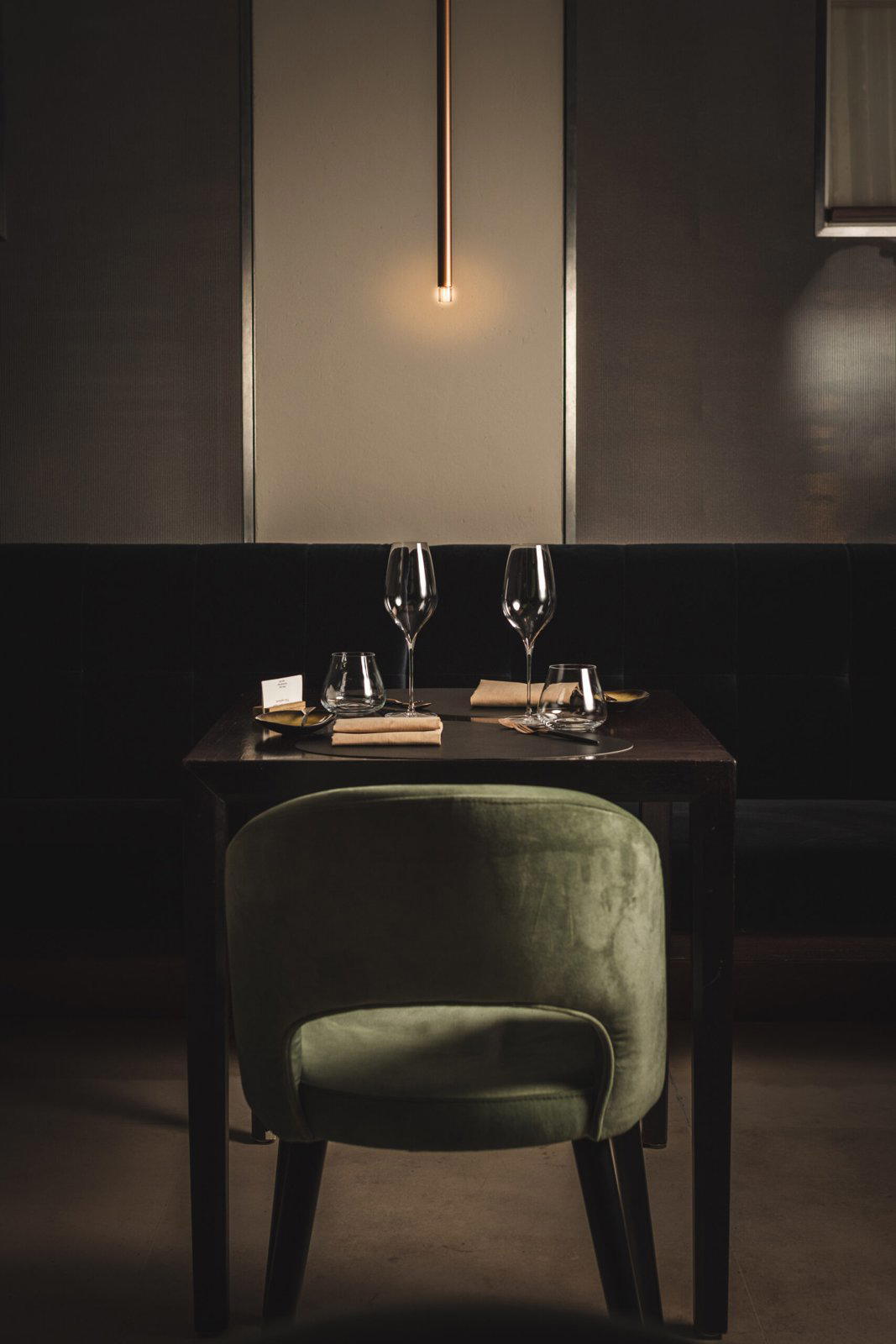
Hotels in Cologne
Browse all →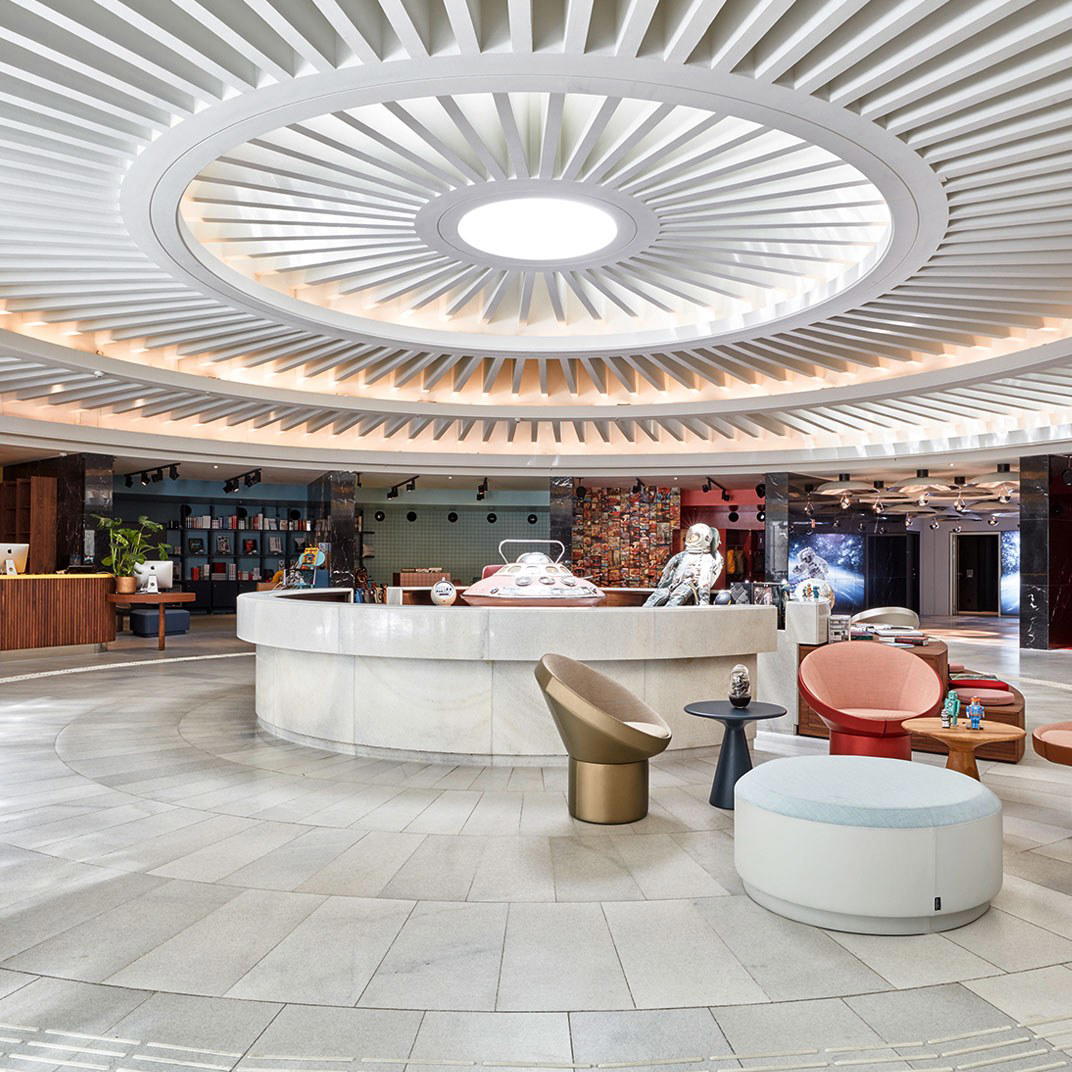

At a Glance
- Elegant
- Classic
- Intimate
- Sophisticated
- Date Night
- After Work
- Casual Hangout
- Solo
- Hotel Bar
- Design Destination
- Seated Bar
- Lounge Seating
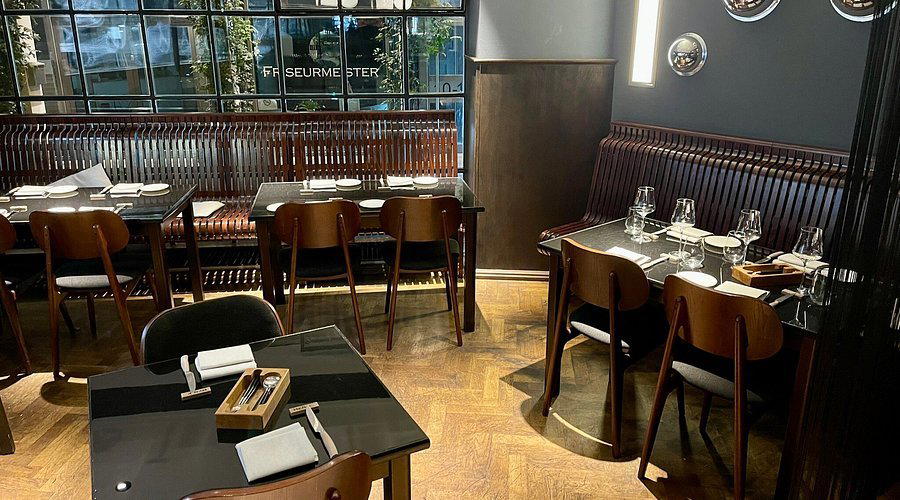
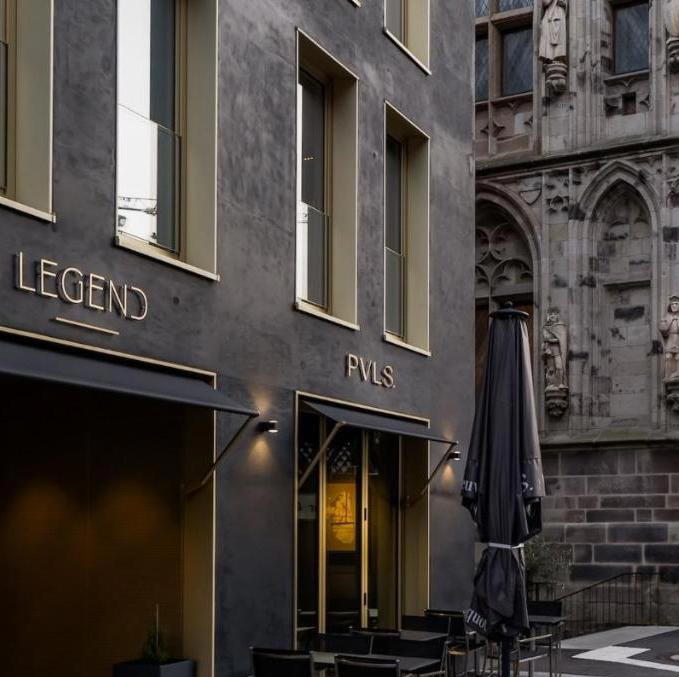
Bar Rossi sits within the design-forward Qvest Hotel and offers a quiet, elegant atmosphere with classic bar styling, soft lighting, and an intimate feel suited to relaxed evening drinks rather than loud nightlife.
Know Before You Go
- Getting there
- Gereonskloster 12, 50670 Köln, Germany