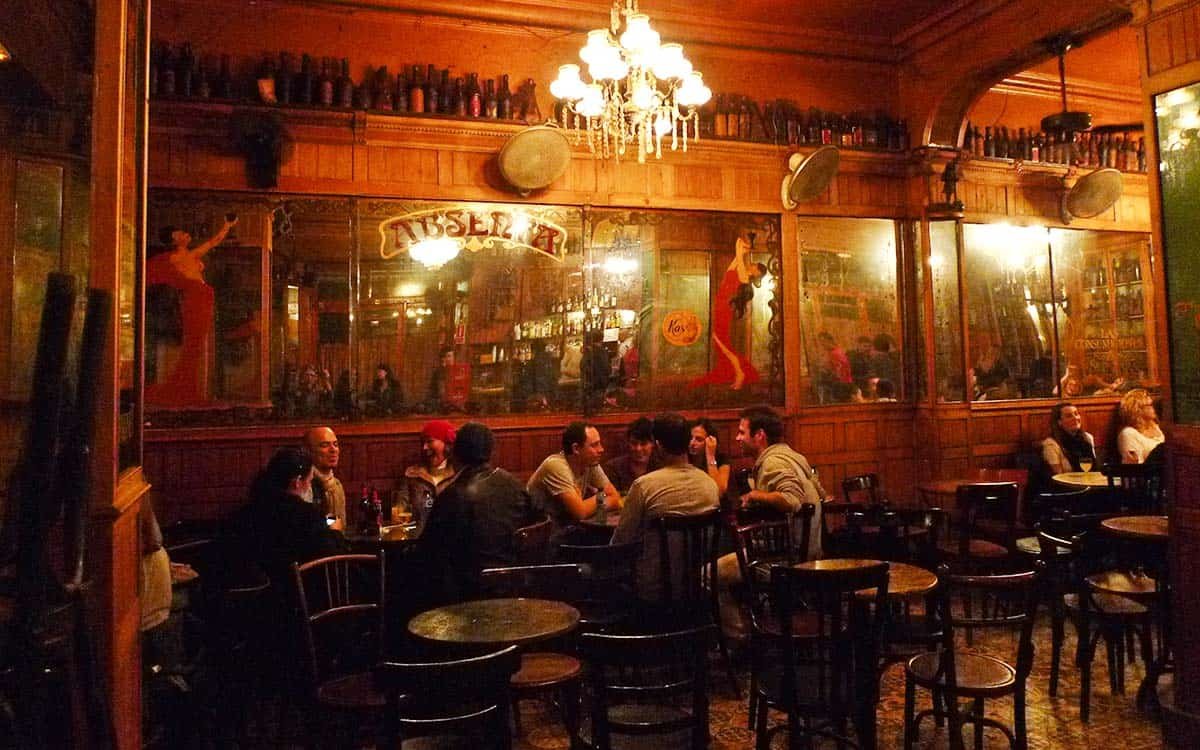
Bar Marsella on Carrer de Sant Pau has been pouring absinthe in the Raval since 1820, making it one of the oldest continuously operating bars in Barcelona. The bottles lining its shelves have gathered decades of dust — literally — and the interior looks almost identical to period photographs. It is a bar that drinks seriously, without performance or pretence.

Pearl is the En Primeur Club membership app — saves, bookings, and concierge access live there. Same editors, same standards.
Two Centuries in the Raval
Barcelona's El Raval district has cycled through artists, immigrants, reformers, and tourists over two centuries, and its architectural memory is uneven. Bar Marsella, on Carrer de Sant Pau, is one of the few physical constants. The bar opened in 1820 and has operated from the same narrow room ever since. What keeps it relevant is that the room is still doing what it was built to do: pour strong drinks in a space that has accumulated, rather than curated, its own atmosphere.
Approaching the bar from the street, the context matters. Sant Pau sits in the older, less polished section of the Raval, a neighbourhood that Barcelona's more design-conscious drinking scene has largely bypassed. There are no cocktail menus printed on reclaimed wood here, no neon installations, no QR codes at the table. The facade offers little announcement. Inside, the walls carry bottles that have not been moved in years — some with labels that have faded past readability — and the mirrors behind the bar reflect a room that seems to exist slightly out of sequence with the street outside.
What the Room Teaches Before the First Drink
Bars that carry this kind of age generally fall into one of two categories: those that have been renovated into a facsimile of themselves, and those that have simply continued. Bar Marsella belongs to the second category. The dust on certain bottles is not decorative; it is the result of bottles that are never touched. The absinthe bottles on the upper shelves, some of which appear to predate the current generation of ownership, function as a kind of physical archive.
This matters to how the space reads before you order anything. Spain's older bar culture, particularly in Catalonia, has a tradition of treating the bar itself as a social institution rather than a hospitality product. The positioning of Bar Marsella within that tradition is less about service philosophy and more about accumulated fact. That lack of performance is, in itself, a position, and one that sits in deliberate contrast to Barcelona's newer cocktail bars, where concept and presentation are the primary currency.
For comparison, Boadas, which opened in 1933 on La Rambla, represents a different kind of historical bar, one that built its reputation on precise, Cuban-influenced technique. Dry Martini operates with formalized service and an explicitly technical program. Dr. Stravinsky and Foco represent the contemporary Barcelona bar scene at its most considered. Bar Marsella answers none of those briefs.
The Drink as Focal Point
The drink most associated with Bar Marsella is absinthe. This is not incidental. Absinthe was the drink of the Raval's bohemian period, the era when the neighbourhood housed artists and writers who found in the spirit a combination of cheapness, potency, and myth. Bar Marsella served that clientele, and the absinthe has remained the house signature across every subsequent decade. The way it is typically served follows a traditional preparation: the spirit poured over a sugar cube dissolved with water, producing the characteristic louche as the anise compounds precipitate out of solution.
This preparation has a narrative arc of its own. The drink changes as you watch it, which gives it a sequencing quality unusual for a bar order. You are not handed a finished product; you participate in a small process. That quality makes absinthe, at Bar Marsella specifically, feel less like a cocktail selection and more like a ritual with observable stages.
Other spirits are available. The bar is not exclusively an absinthe house. But the absinthe is what most visitors come for and what the room, with its evident age and the accumulated evidence of its own past, frames most coherently.
The Broader Spanish Bar Tradition
Spain's bar culture accommodates an unusual breadth, from the formal hotel bar to the neighbourhood taberna to the late-night specialist. Bars operating since the nineteenth century exist in a few Spanish cities, and they share certain characteristics: continuity of ownership or management, resistance to renovation, and a local clientele that predates any tourist interest. Angelita in Madrid represents a different point on that spectrum, one that has updated its offer considerably. Across the region, bars like Bar Sal Gorda in Seville, Bar Gallardo in Granada, and Garito Cafe in Palma de Mallorca each carry local tradition in different formats, as do La Margarete in Ciutadella and Garden Bar in Calvia. For a very different register, Bar Leather Apron in Honolulu illustrates how the serious bar concept travels across entirely different cultural contexts. Bar Marsella sits at one extreme of the Spanish spectrum: maximum continuity, minimum intervention.
Planning a Visit
Bar Marsella does not operate standard tourist-bar hours. The bar is known for keeping irregular schedules, so confirming opening times before visiting is advisable. The address, Carrer de Sant Pau 65 in Ciutat Vella, is direct to reach on foot from the Liceu metro station on Line 3, a walk of a few minutes through the Raval. No reservation is required; the bar operates on a first-come basis, and its capacity is limited by the size of the room. Given the combination of tourist interest and limited space, arriving earlier in the evening tends to produce a less crowded experience. Dress expectations are informal.
Where the Accolades Land
Comparable venues nearby, for context on price, style, and recognition.
| Venue | Cuisine | Price | Awards | Notes |
|---|---|---|---|---|
| Bar MarsellaThis venue — the venue you are viewing | dive_bar | $10–20 | Not listed | Not listed |
| La Confitería | cocktail_bar | $20–30 | Not listed | el Raval |
| Caelum | lounge | $10–20 | Not listed | Barri Gotic |
| Mariposa Negra | cocktail_bar | $20–30 | Not listed | El Born |
| L'Ànima del Vi | wine_bar | $20–30 | Star Wine List · Falstaff Wine Bar - 92 Falstaff Points | Sant Pere, Santa Caterina i la Ribera |
| La Pepita | cocktail_bar | $20–30 | Not listed | la Vila de Gracia |
Continue exploring
More in Barcelona
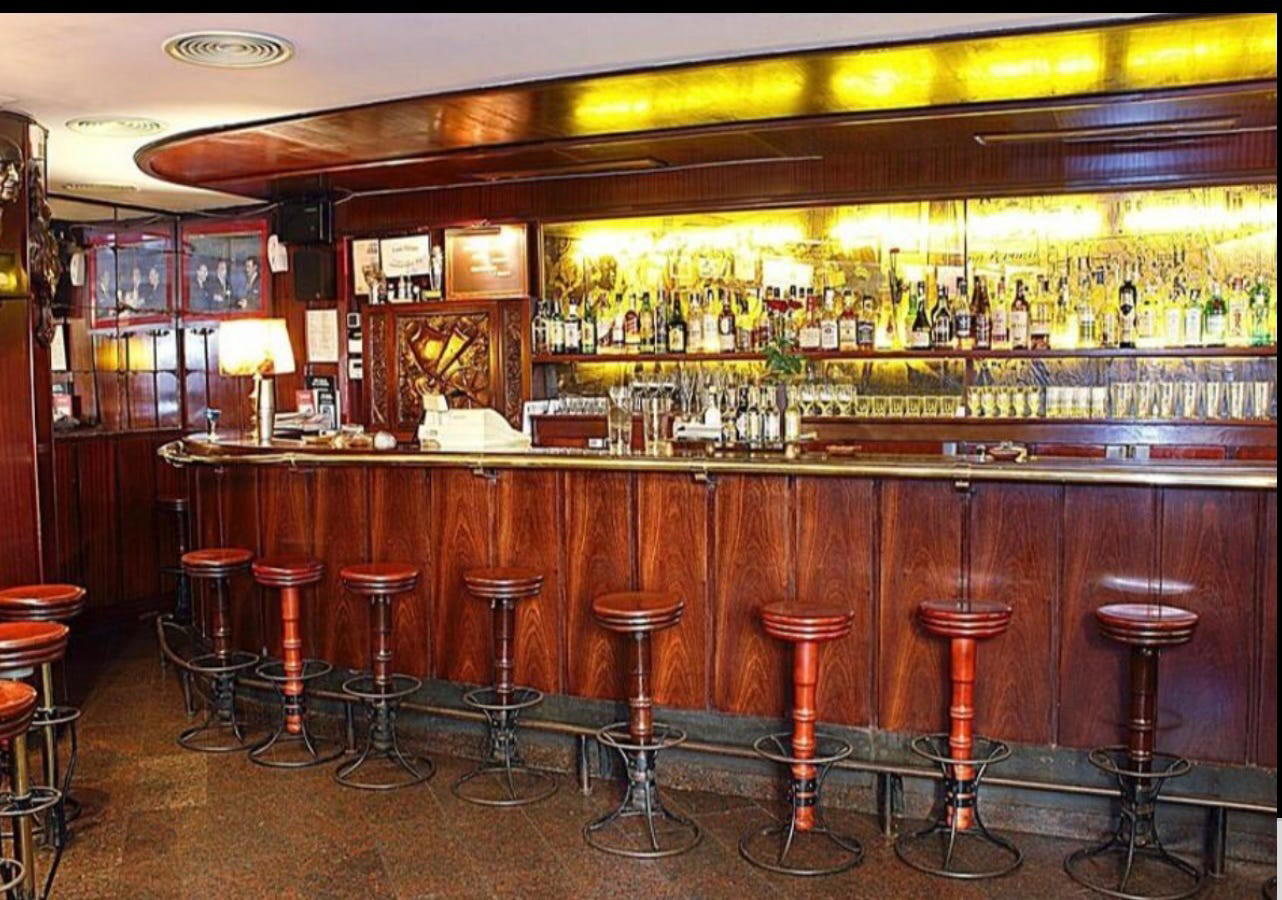
Bars in Barcelona
All bars in Barcelona →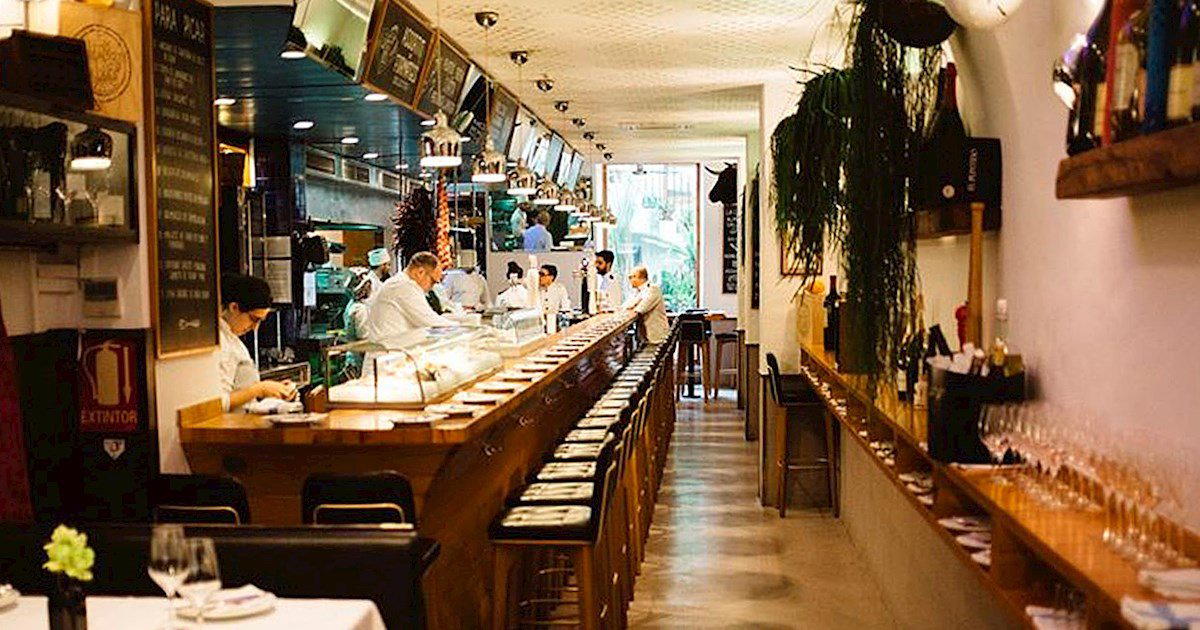
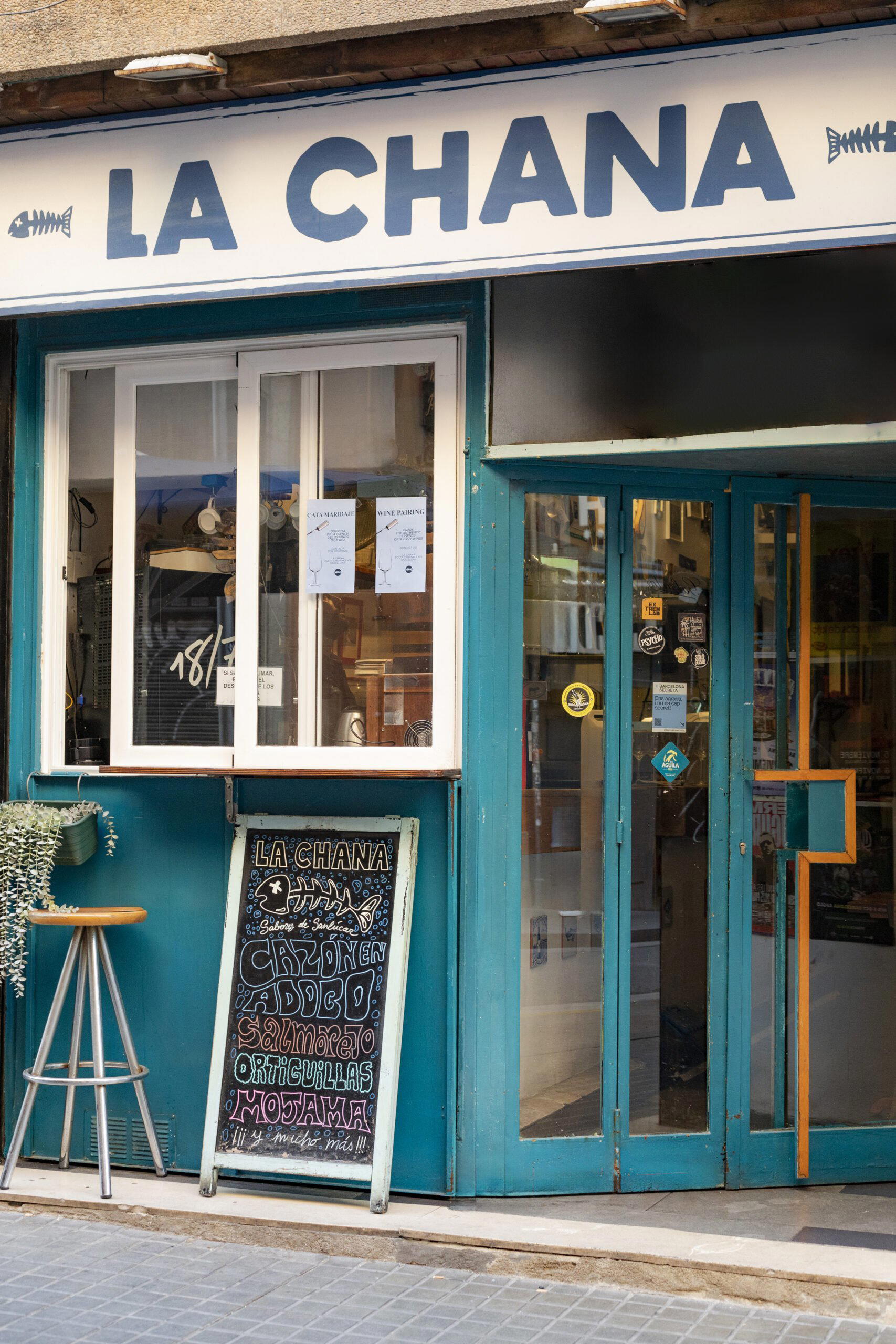
Restaurants in Barcelona
All restaurants in Barcelona →
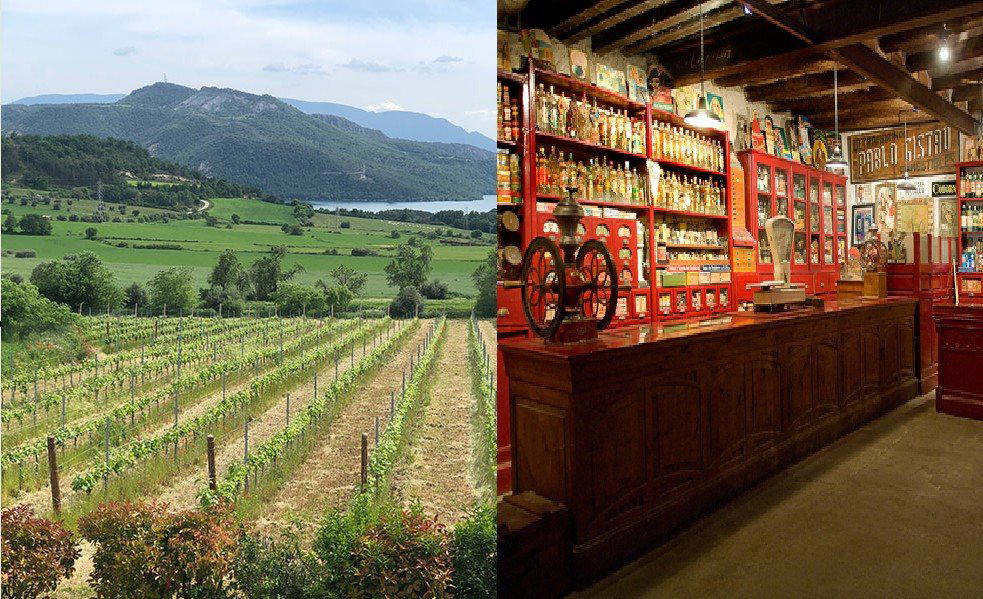

Bar Marsella
The drinks
- Classic cocktails
Signature drinks: absinthe.
Details
- Classic
- Well Known
- Bohemian
- Late Night
- Casual Hangout
- Historic Building
- Seated Bar
- Classic Cocktails
Current opening hours
- Monday
- 6 PM–12 AM
- Tuesday
- 5 PM–12 AM
- Wednesday
- 5 PM–12 AM
- Thursday
- 5 PM–12 AM
- Friday
- 5 PM–2 AM
- Saturday
- 5 PM–2 AM
- Sunday
- 5 PM–12 AM
Hours can change for holidays and private events. Last verified .
Faded grandeur with flaking paint, dusty bottles, marble bar, antique chandeliers, and peeling walls evoking authentic bohemian history.