Bar Magritte belongs to central Brussels’ polished cocktail circuit, where hotel-adjacent addresses and art-reference interiors compete with the city’s older beer-café grammar.
Pearl is the En Primeur Club membership app — saves, bookings, and concierge access live there. Same editors, same standards.
- Address
- Rue de l'Amigo 1, 1000 Bruxelles, Belgium
- Phone
- +32 2 547 47 19
- Website
- roccofortehotels.com
- Directions
- Get directions
 Saves & bookings on Pearl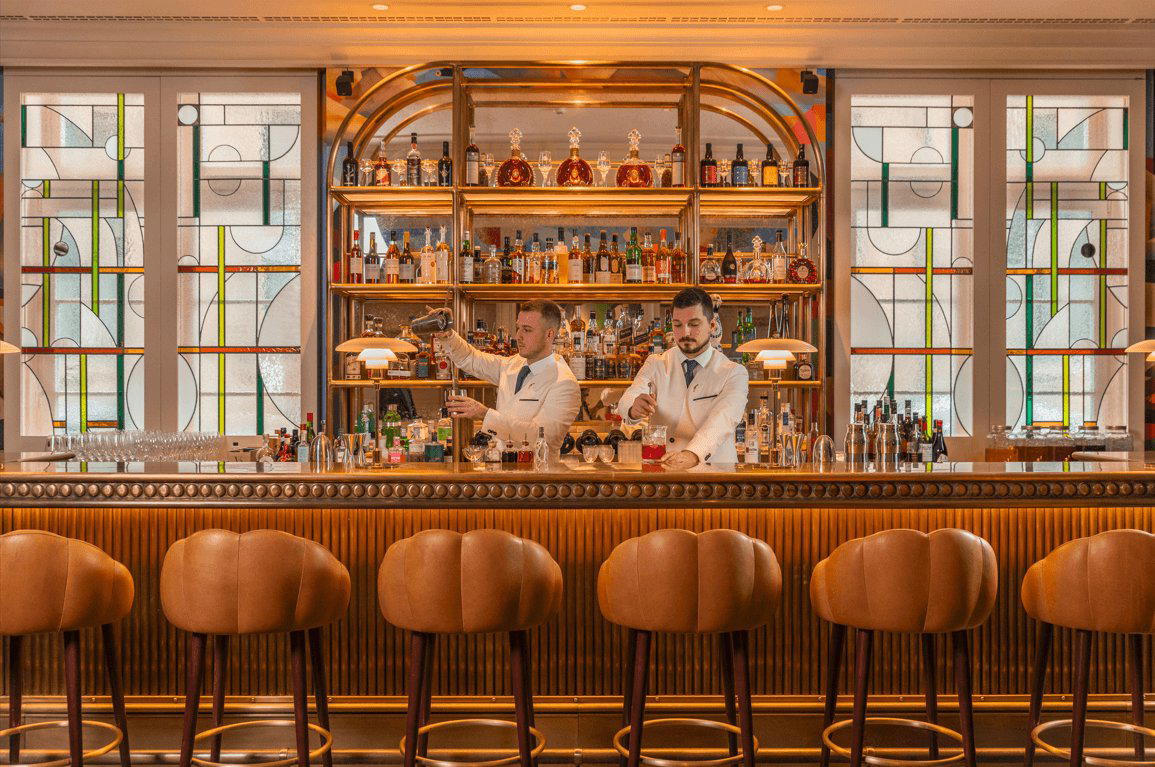
Where Brussels cocktail culture changes register
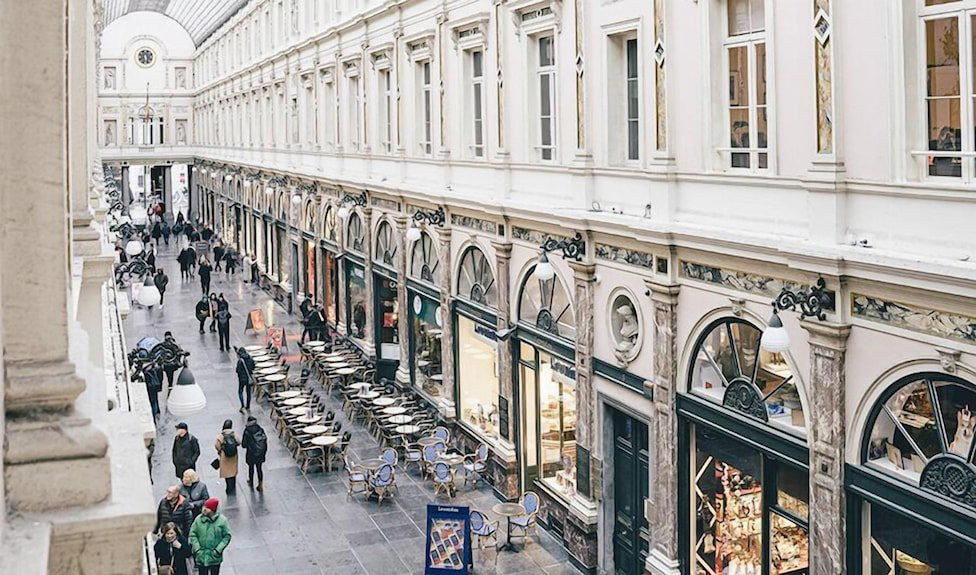
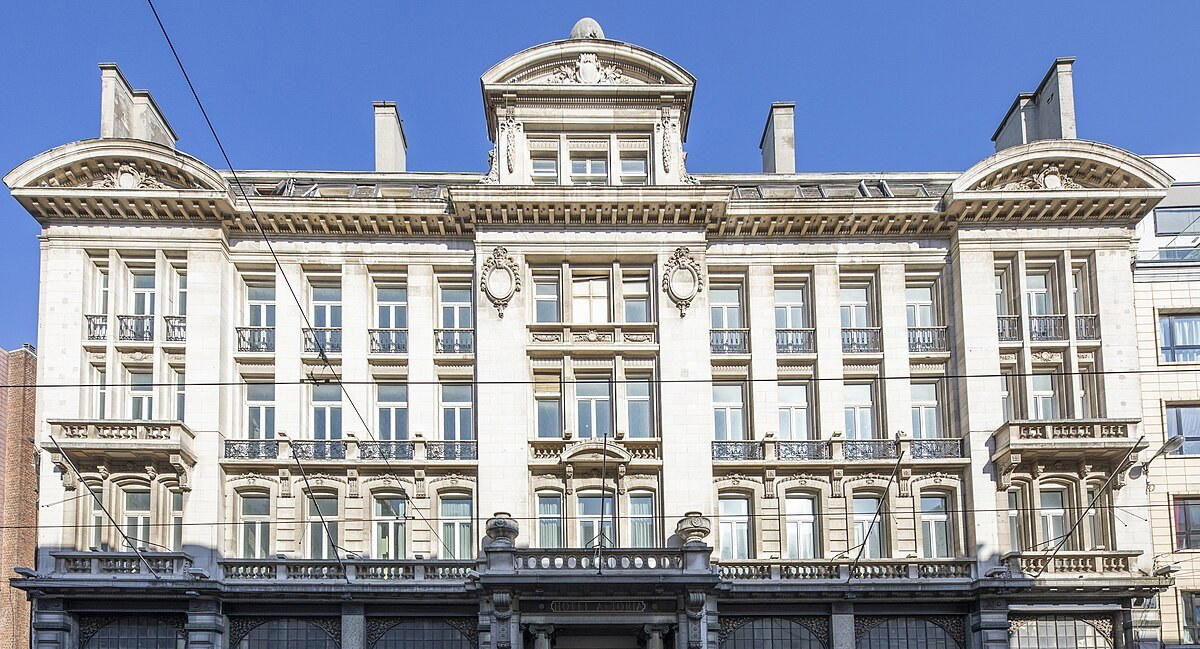
Approaching Rue de l'Amigo, the texture of Brussels shifts from commuter city to ceremonial centre: stone façades, narrow streets, hotel entrances, gallery windows and the quick compression of foot traffic around the old core. A bar in this part of the city has to work against two powerful expectations. One is the postcard Brussels of lambic, Trappist lists and brown cafés. The other is the international hotel-bar model, where polished lighting, measured service and a composed room tell guests they have crossed from the street into a slower evening. Bar Magritte sits inside that second conversation, at Rue de l'Amigo 1, 1000 Bruxelles, Belgium, and its usefulness for a traveller is less about novelty than calibration: this is the kind of address that helps define how Brussels handles the modern cocktail hour in a city better known abroad for beer.
Brussels has never lacked serious drinking culture, but its global reputation has long been weighted toward fermentation rather than mixology. Lambic, gueuze and strong abbey-style beers built a vocabulary of acidity, bitterness, cellar funk and patience long before cocktail bars began borrowing those same words. The contemporary cocktail programme in Brussels therefore carries a different burden from one in London or New York. It has to justify itself in a city where the default drink culture already has depth. The sharper bars do that by offering a change of tempo rather than trying to outshout beer tradition: fewer labels to scan, more attention to balance, glassware, ice, dilution and pacing.
That context matters because public venue data for Bar Magritte is limited. There are no database-listed awards, chef, price range, hours, seat count, phone number or booking method. In practical terms, that absence should shape expectations. This is not a page that can credibly promise a named signature drink, a precise spend, a dress code or a reservation policy. What can be said with confidence is that the address places it in central Brussels, where bars function as part of a wider evening route: aperitif before dinner, late drink after a restaurant, or a composed pause between museum hours and a long walk through the historic centre.
The cocktail programme as Brussels counterpoint
The useful way to read a Brussels cocktail bar is through contrast. Beer cafés ask the guest to choose lineage: brewery, region, fermentation method, glass shape. Wine bars ask for grape, appellation, producer and bottle age. A cocktail programme asks for structure: spirit base, acidity, sweetness, bitterness, aromatics and temperature. That makes the bar format particularly valuable in a city where the drinking map can otherwise lean heavily on heritage. The question is not whether cocktails replace Belgian beer culture. They do not. The question is whether a cocktail room can offer the same seriousness with a different grammar.
Bar Magritte’s name inevitably signals an art-literate atmosphere, but the safer editorial point is broader than décor. Brussels has a long habit of mixing surrealism, bureaucratic formality and café life without making a fuss about the combination. In that setting, a cocktail programme can feel less like imported nightlife and more like another local method for staging the evening. The strongest versions of this format tend to avoid menu sprawl. They are built around readable drinks, disciplined technique and a room that understands pacing. Without verified menu details, the right expectation is not a list of named serves but a style of decision-making: ask whether the house is working classic, seasonal, clarified, low-ABV, aperitif-led or spirit-forward, then order within that framework.
There is a practical reason to think this way. Brussels visitors often arrive with a beer list in mind and leave cocktail choices until late, when appetite and attention are already tired. A better strategy is to use the cocktail bar earlier in the evening, before the heavier Belgian meal or after a lighter restaurant table. Central addresses have a logistical advantage here: they can absorb a half-hour drink without turning the night into a taxi-led itinerary. In a compact historic core, that matters more than another adjective attached to the room.
How it compares with Brussels wine bars and heritage cafés
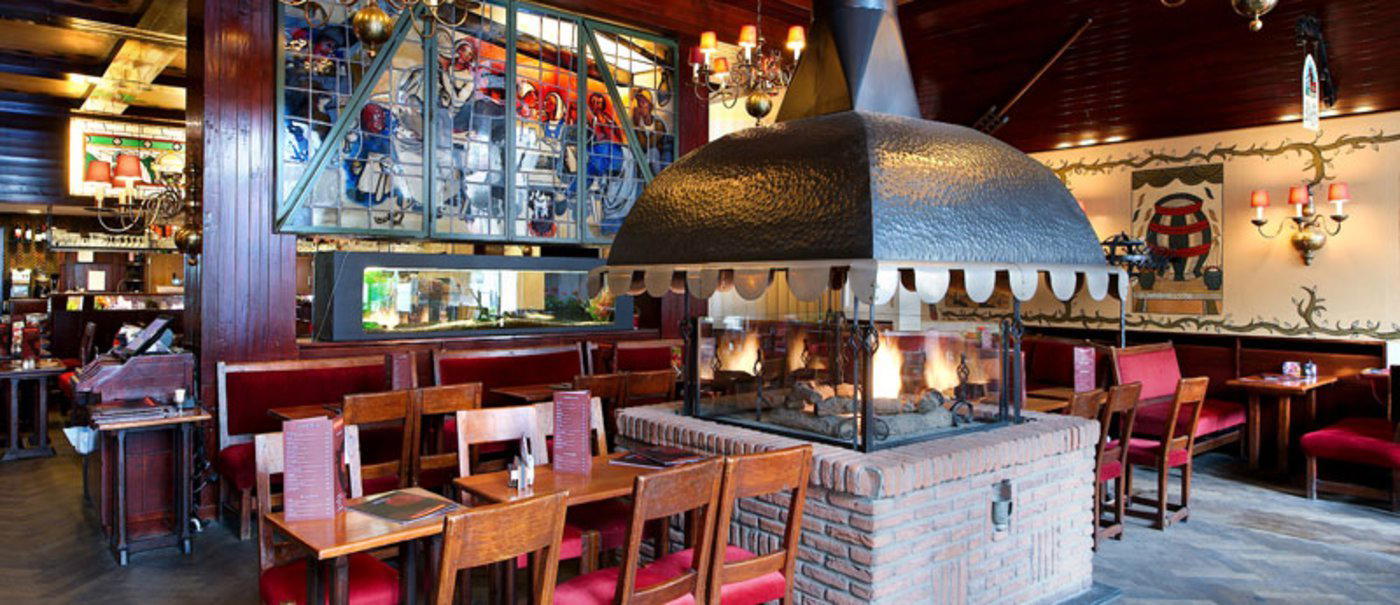
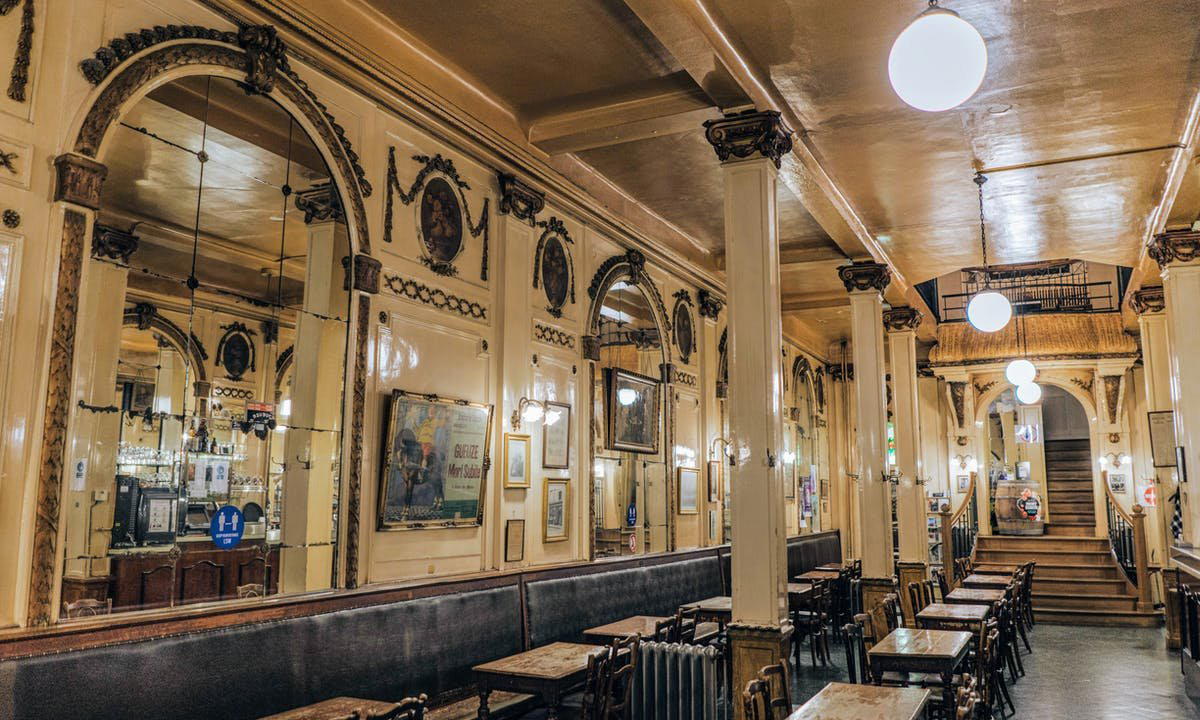
Brussels drinking is not a single category. It breaks into several overlapping traditions, each with its own rhythm. Wine bars such as Bab's wine to share, Fermento Wine Bar, Le Wine Bar des Marolles and Oeno TK pull the evening toward bottles, producers and conversation around food. Heritage cafés, including À La Mort Subite in Pl De Brouckere, preserve another code entirely: high-ceilinged rooms, traditional beer orders, a pace shaped by locals and visitors sharing the same public space. A cocktail bar in the historic centre occupies a third lane. It is more controlled than the beer hall, less producer-driven than the wine bar, and usually more dependent on the bartender’s ability to translate preference quickly.
That comparison is useful for deciding where Bar Magritte fits into a Brussels night. If the point is Belgian beer history, a heritage café answers more directly. If the point is natural wine, bottle depth and small plates, the city’s wine bars have the advantage. If the point is a quieter, more composed drink in the centre, the cocktail format becomes the stronger choice. This is where scene context does the work that missing venue data cannot. A central Brussels cocktail bar is not competing only with other cocktail rooms; it is competing with the city’s entire aperitif culture.
Travellers who use cocktail bars as a way to read cities will recognize a familiar split: New York and Miami often turn cocktail culture into performance and service choreography, while Belgian and northern European rooms can feel more restrained, with less theatricality and more emphasis on the drink as an object. For a useful international comparison, Café La Trova in Miami represents a louder, music-led model of bar culture. Brussels tends to reward a lower register. The room matters, but the city rarely needs a bar to announce itself at full volume.
What the name suggests, and what it should not be made to carry
René Magritte remains one of Belgium’s great cultural references, and any bar using that name enters a loaded field of expectation: wit, inversion, restraint, the friction between ordinary objects and strange meanings. For travel writing, that is tempting material, but it is also where lazy bar copy often goes wrong. A name is not proof of a programme.
The more useful observation is that Brussels gives such a reference a natural home. The city’s surrealist inheritance is not sealed inside museums; it sits beside European bureaucracy, comic-strip murals, brasseries, royal architecture and everyday commuter life. A cocktail bar trading on the Magritte signal can therefore feel locally legible without needing to stage a museum set. The editorial test is simple: does the bar use that cultural reference to sharpen the evening, or does it lean on the name as decoration? Since public data does not answer that, the reader should treat the reference as atmosphere rather than credential.
This distinction matters in premium travel. Awards, ratings, named bartenders and published menus give a writer hard footing. Bar Magritte is valuable as a central Brussels cocktail address to consider when the plan calls for a polished drink, not as an evidence-heavy destination built on published accolades. That is not a criticism. It is a way to place the bar accurately, especially in a city where older drinking institutions often carry deeper public documentation than newer cocktail rooms.
Planning a Brussels evening around the bar
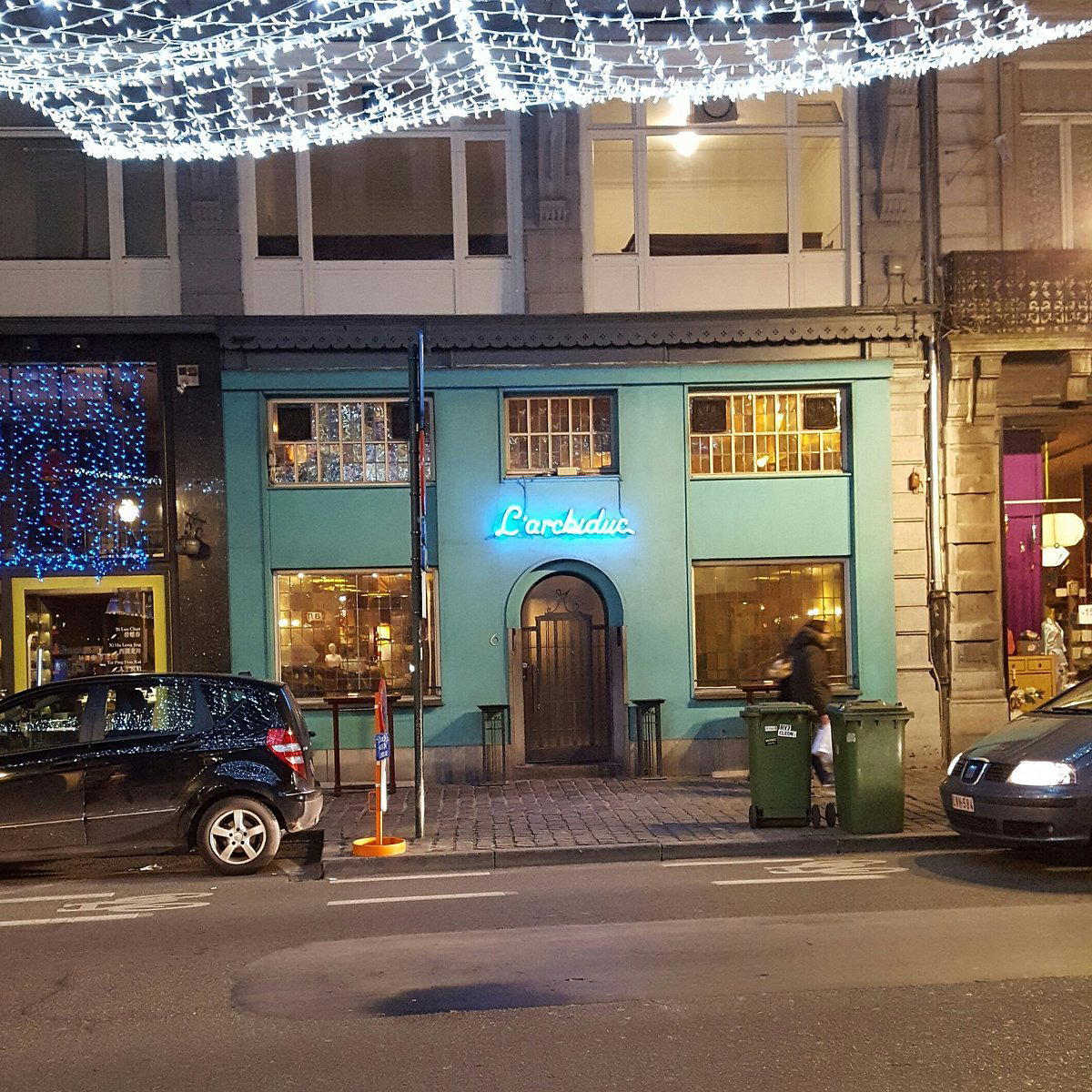
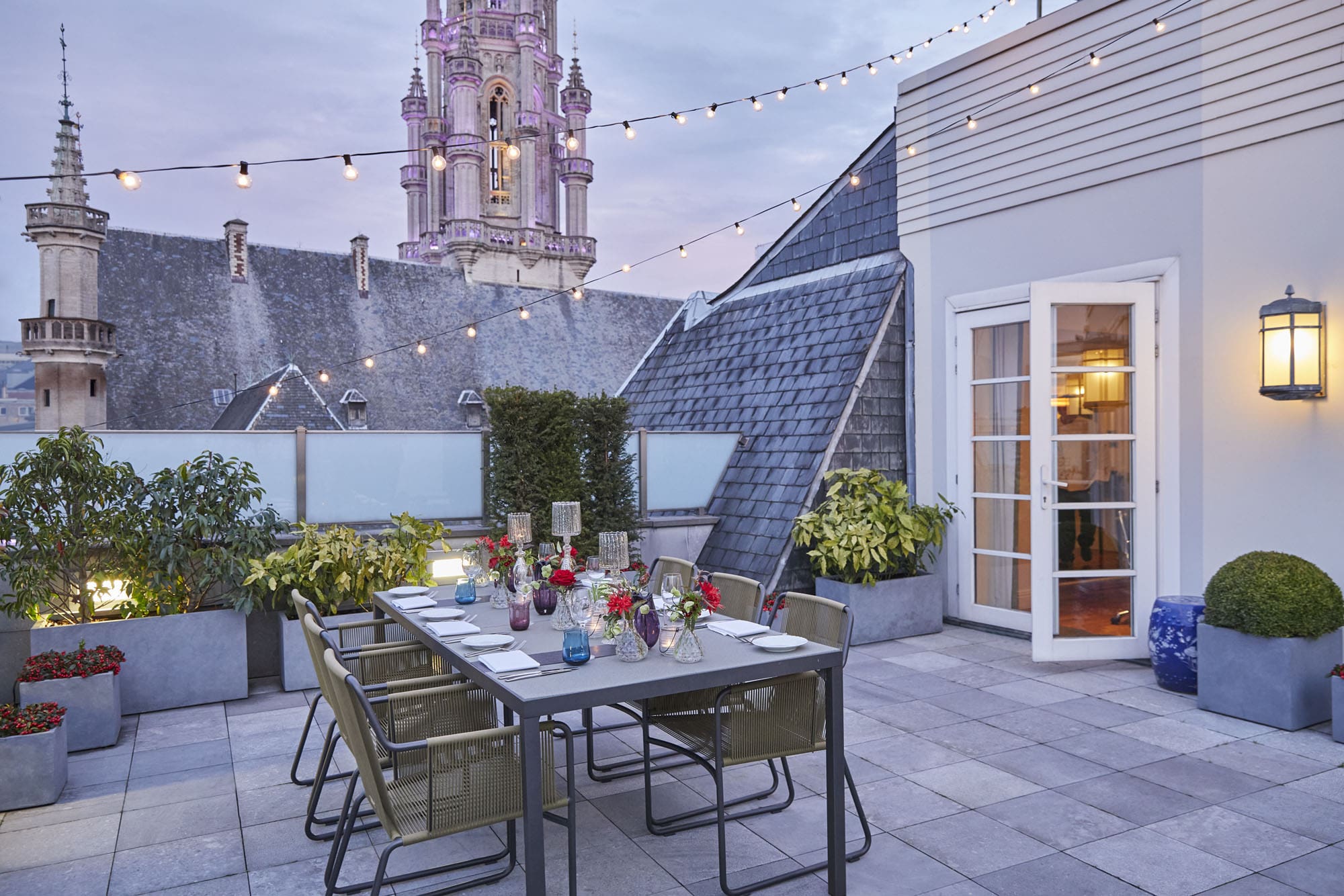
The address, Rue de l'Amigo 1, puts the bar in the historic centre of Brussels, a zone where walking routes, restaurant reservations and hotel returns often overlap. Use it as a pre-dinner or post-dinner option rather than the single fixed anchor of the night unless direct confirmation is available through the venue or host property. In Brussels, that approach usually produces a better evening anyway: the city works well in sequences, with an aperitif, dinner, beer or wine stop, and a final walk through the centre rather than one long sit in a single room.
Pricing is also not published in the available record. Central cocktail bars in European capitals often sit above casual beer-café spend, but no exact figure should be assumed here. The better planning rule is categorical: expect cocktail-bar pricing rather than café pricing, and decide whether the occasion calls for that level of formality. For travellers comparing options, Our full Brussels bars guide is the natural starting point. For a wider evening, pair the bar search with Our full Brussels restaurants guide and Our full Brussels hotels guide, then decide whether the drink comes before dinner or after check-in.
The city’s broader EP Club map also helps sharpen the decision. Our full Brussels wineries guide is useful for readers thinking in wine terms, while Our full Brussels experiences guide can turn a bar stop into part of a cultural evening rather than a standalone errand. Belgium beyond Brussels adds another comparison point: Robijn Wine&Food in Genk belongs to a different drinking pattern, more regional and food-linked than central-capital cocktail culture. Seeing those options side by side makes the Brussels choice clearer.
Critical read: when this address makes sense
Bar Magritte makes the strongest sense for travellers who want a controlled cocktail environment in central Brussels rather than a maximal beer list or a bottle-led wine evening. Its address is the hard data point; the absence of published awards, pricing and menu specifics is equally important. That means the bar should be approached as a mood and format decision, not as a trophy reservation. In a city crowded with historically grounded drinking traditions, that is enough of a role when the evening calls for polish, quiet and a drink built to order.
The more demanding reader should judge it against three criteria. First, does the bar translate preferences with precision rather than pushing a vague house recommendation? Second, does the room feel anchored in Brussels rather than any international luxury template? Third, does the drink programme offer enough technique to justify choosing cocktails over the city’s beer and wine alternatives? Those are the right questions because they place the venue within the city’s drinking culture rather than treating it as a self-contained object.
For EP Club readers, the practical verdict is measured. This is a central Brussels cocktail address to keep in the plan when location, atmosphere and a more composed pace matter. It is not the documented choice for award-chasers, because no such recognition appears in the available record. It is not the choice for readers seeking a named chef or published food programme, because none is listed. Its value lies in how it diversifies a Brussels evening, especially for those who have already given beer and wine their proper place.
At a Glance
- Sophisticated
- Elegant
- Classic
- Intimate
- Whimsical
- Date Night
- After Work
- Special Occasion
- Casual Hangout
- Hotel Bar
- Design Destination
- Standalone
- Seated Bar
- Lounge Seating
- Classic Cocktails
- Craft Cocktails
- Street Scene
Current opening hours
- Monday
- 10:30 AM–12 AM
- Tuesday
- 10:30 AM–12 AM
- Wednesday
- 10:30 AM–12 AM
- Thursday
- 10:30 AM–1 AM
- Friday
- 10:30 AM–1 AM
- Saturday
- 11 AM–1 AM
- Sunday
- 11 AM–12 AM
Hours can change for holidays and private events. Last verified .
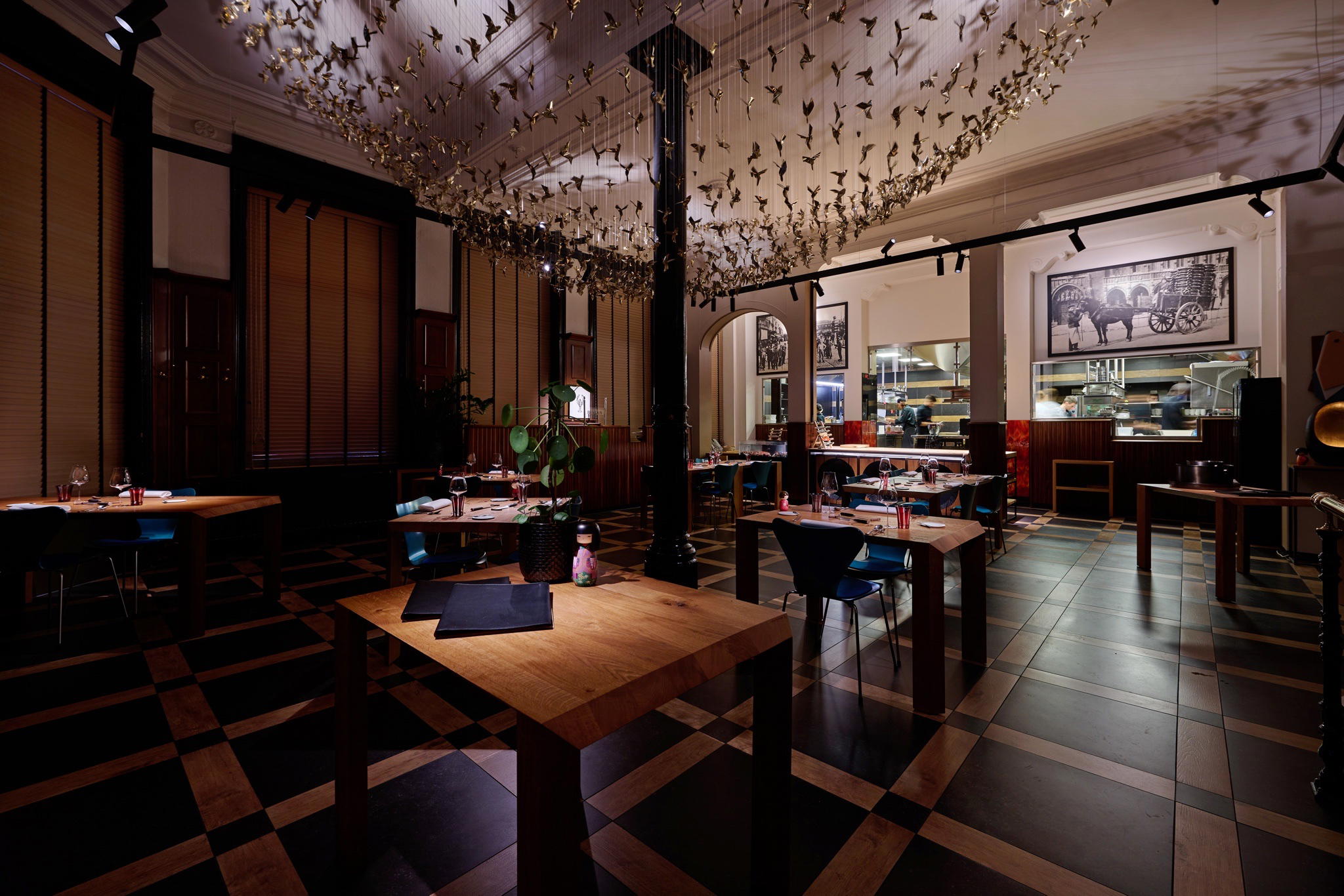
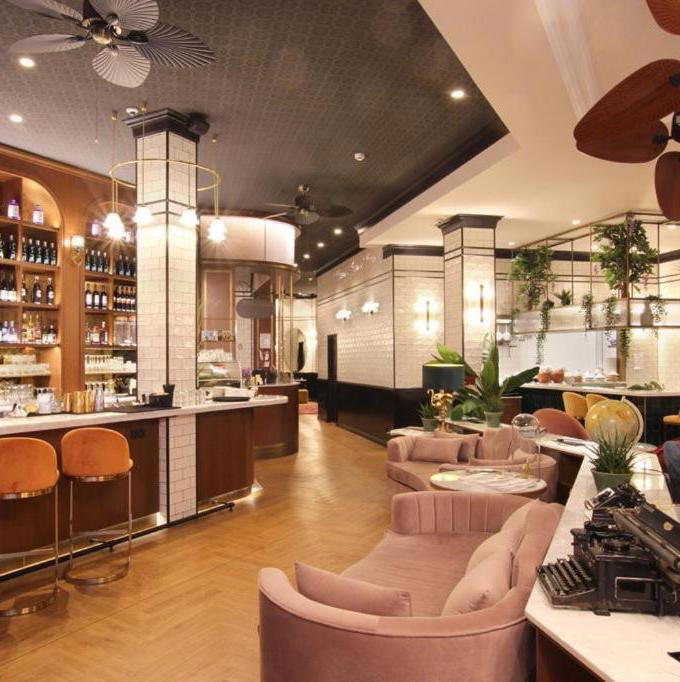
Refined and atmospheric, with candlelit conversation, a polished bar setting, and an artistic, whimsical touch inspired by Magritte.