Sakana Omakase Sushi
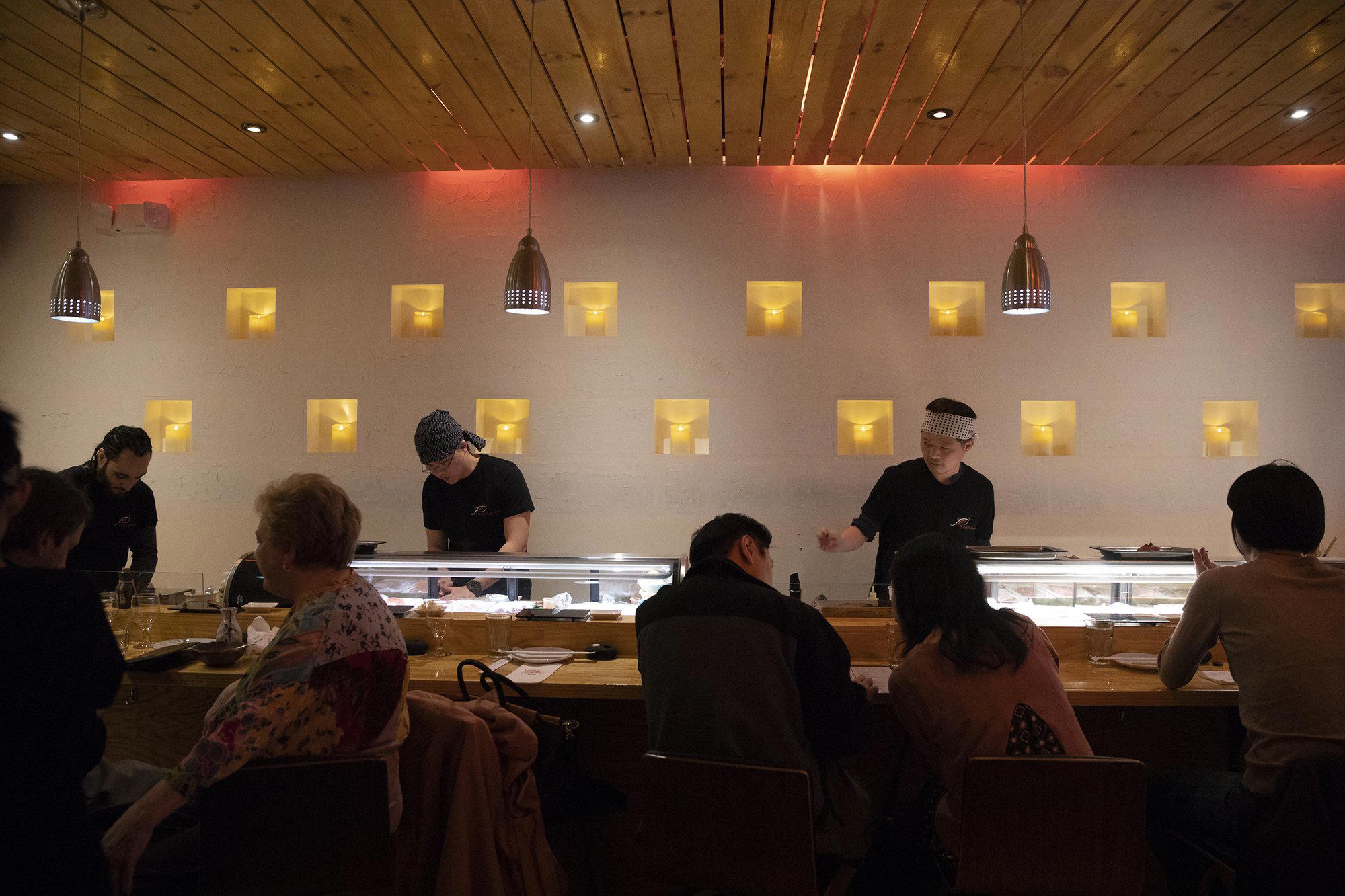
Sakana Omakase Sushi sits on South 2nd Street in Philadelphia's Queen Village, offering an omakase format in a city where counter-based Japanese dining has steadily moved upmarket. The address places it within reach of the neighborhood's compact dining corridor, and the omakase structure means booking discipline matters as much as the food itself. Plan ahead and arrive with no fixed agenda for the evening.

Pearl is the En Primeur Club membership app — saves, bookings, and concierge access live there. Same editors, same standards.
- Address
- 616 S 2nd St, Philadelphia, PA 19147
- Phone
- (215) 922-2149
- Hours
- Mon ClosedTue–Thu 6–11 PMFri–Sat 5:30–11:30 PMSun Closed
- Website
- phillysakana.com
- Directions
- Get directions
- Booking
- Book on Resy
Booking an Omakase in Philadelphia: What the Format Demands
Omakase dining in the United States has settled into a recognizable tier structure over the past decade. At the lower end, you find abbreviated formats running eight to twelve courses with moderate price points and walk-in availability. At the upper end, counters like those in New York's Midtown and Los Angeles's West Hollywood run multi-hour services at prices that rival the airfare to Tokyo, with waitlists measured in months rather than days. Philadelphia sits somewhere between those poles, and Sakana Omakase Sushi at 616 S 2nd St represents the city's engagement with the format at a counter-service level, where the chef-to-guest ratio is tight and the evening runs on the kitchen's schedule, not the diner's.
The omakase format is, by design, not for the impatient. You surrender the menu decision entirely. There is no ordering, no substitution request that the format easily accommodates, and no rushing through a course to make a curtain. For Philadelphia diners accustomed to the more flexible a la carte restaurants that define the city's South Street and Passyunk corridors, this represents a meaningful shift in how an evening gets structured. The reward is a coherent progression through seasonal fish, and an interaction with the counter that no table-service restaurant can replicate.
Queen Village and the Address
South 2nd Street in Queen Village sits close enough to the South Street corridor to benefit from pedestrian density, but the block itself has a quieter register than the main strip. Philadelphia's omakase options are not heavily concentrated in any single neighborhood, which means diners traveling specifically for Sakana are likely coming from across the city or from out of town rather than making it a spontaneous addition to a walking itinerary. That geography matters for logistics: parking on residential streets in this part of South Philly can be competitive on weekend evenings, and the nearest transit options require a short walk from the nearest SEPTA stops.
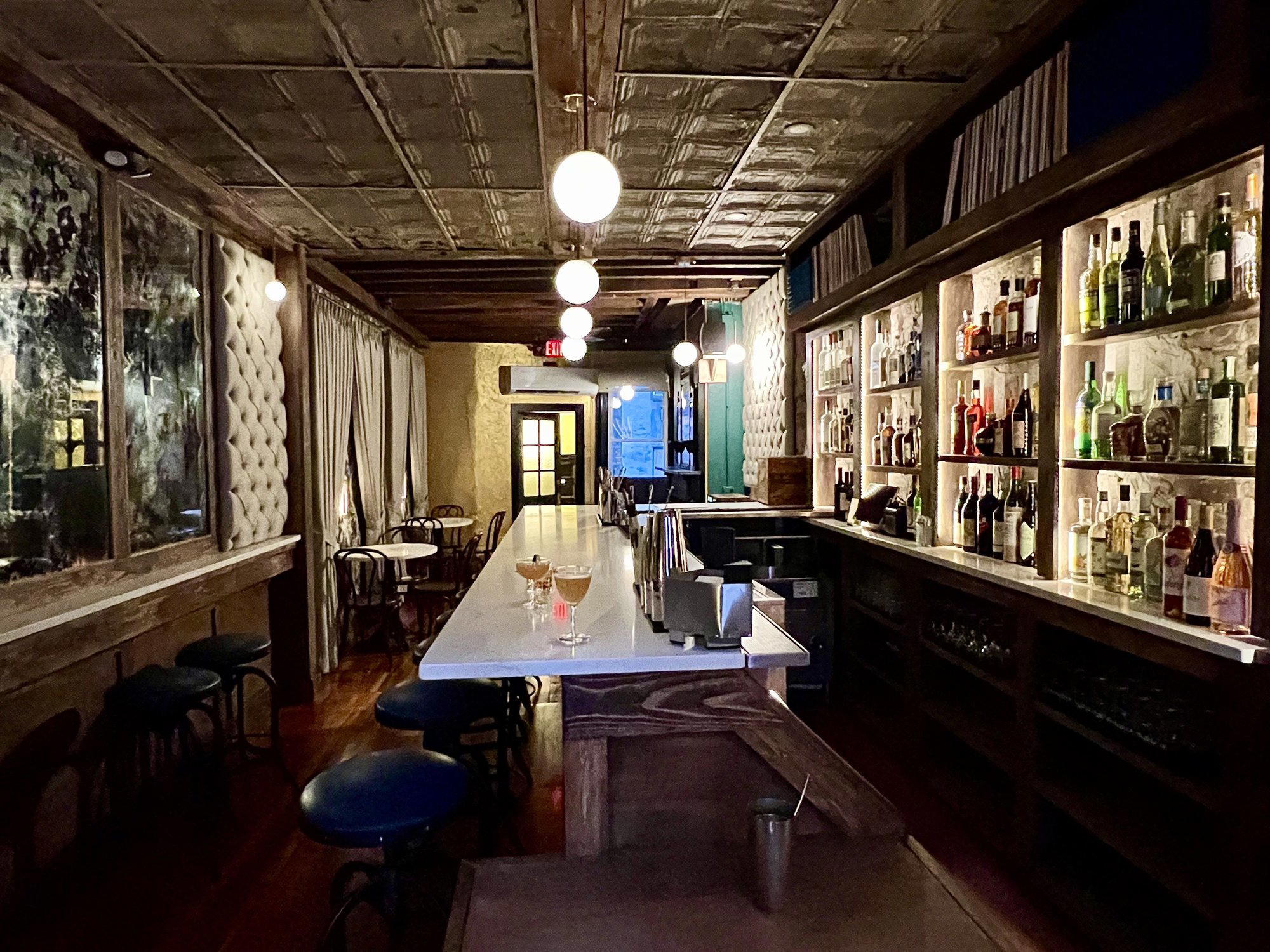
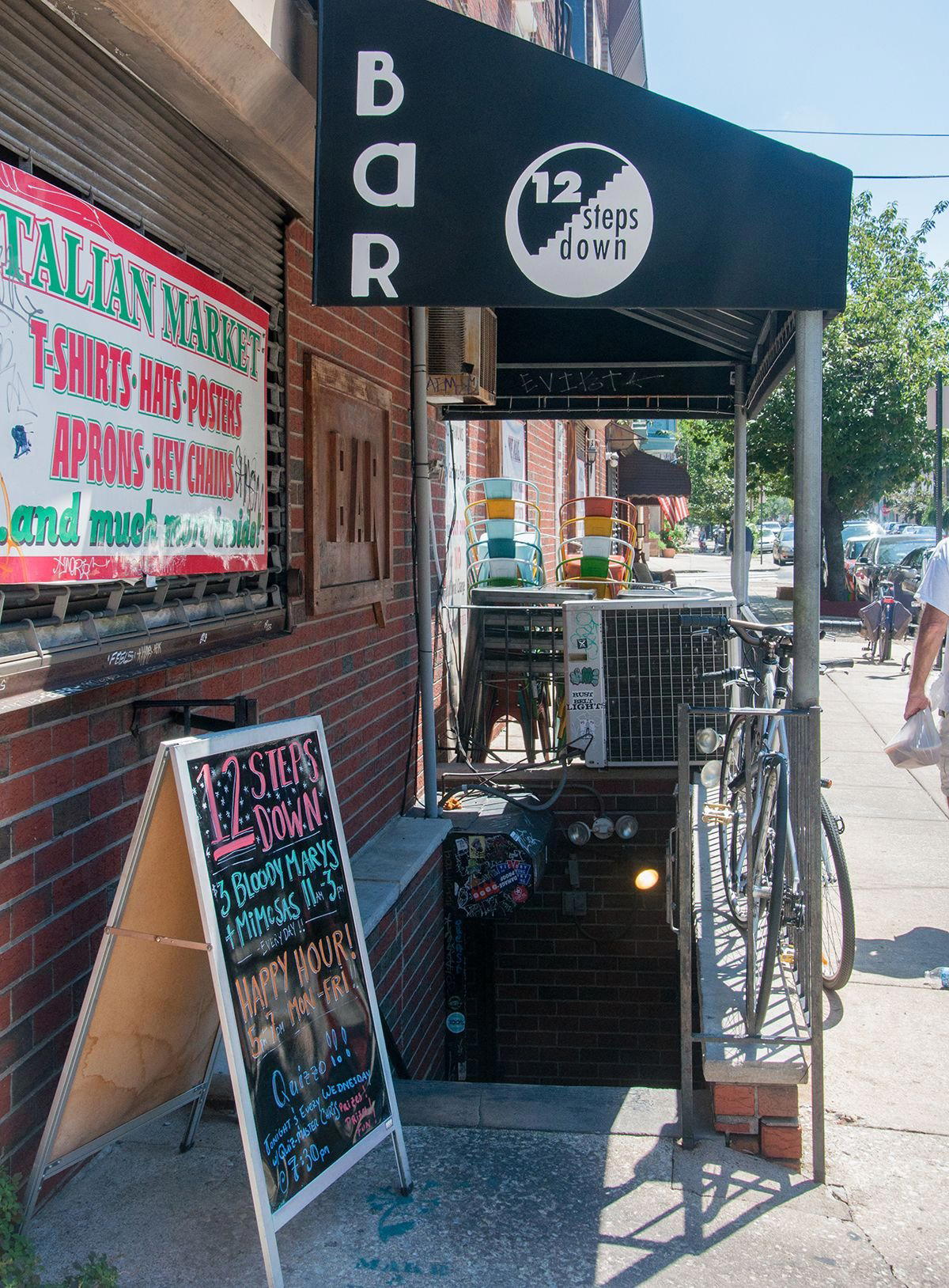
The surrounding neighborhood also has its own bar and dining ecosystem worth mapping. 12 Steps Down and 1501 Passyunk Ave represent two different registers of Philadelphia bar culture within reasonable distance, useful for a pre-dinner drink or a post-omakase close. 48 Record Bar offers a different tempo if you want to decompress after a long counter meal. For those specifically interested in Philadelphia's sushi scene beyond the omakase format, 637 Philly Sushi Club occupies a different point on the spectrum.
The Planning Logic for Omakase
Across the United States, the operational pattern for omakase counters has converged around a few constants: advance booking is mandatory, deposits are increasingly common to hold seats, and same-week availability at desirable counters is rare on weekends. This is the booking environment Sakana operates within. Philadelphia's dining culture has historically been less reservation-intensive than New York or San Francisco, but the omakase format imports its own booking norms regardless of city, because the economics of a small counter with one or two seatings per evening require committed guests, not casual walk-ins.
For comparison, counters operating at similar scales in other cities, whether Kumiko in Chicago with its Japanese-inflected cocktail and food program or the more cocktail-forward operations like Bar Leather Apron in Honolulu, all share this advance-planning requirement at the premium end of their respective markets. The discipline required to secure a seat is part of what defines the format's perceived value.
Practically: if you are visiting Philadelphia and want to include Sakana in an itinerary, treat the reservation as the anchor point around which the rest of the evening gets built, not as one of several options you might rotate through depending on mood. The format does not accommodate late arrivals well, and a counter meal of any seriousness typically runs two hours or more once you factor in the pace of fish preparation and the social rhythm of counter seating.
Philadelphia's Sushi Context
Philadelphia is not a city that has historically positioned itself as a sushi destination in the way that New York, Los Angeles, or even Chicago have. The city's culinary identity leans toward the Italian-American traditions of South Philly, the sandwich culture that extends from Pat's and Geno's into more refined interpretations, and a craft bar scene that has produced some technically accomplished cocktail programs. The sushi and Japanese dining tier in Philadelphia has been growing, but it remains a smaller part of the overall dining conversation compared to those coastal markets.
That context makes Sakana's format choice interesting. Omakase is the format most demanding of both operator commitment and diner engagement. For the diner, that translates to a more specialized evening than most Philadelphia nights out, and a different set of expectations about what the meal will cost and how long it will take.
The broader national movement toward small-format Japanese dining has also created new reference points for diners across the country. Programs like Jewel of the South in New Orleans or technically precise bar operations such as Superbueno in New York City, Julep in Houston, and ABV in San Francisco have collectively raised the baseline expectation for what specialist formats deliver. Even internationally, venues like The Parlour in Frankfurt demonstrate how specialist counter formats travel across markets. Philadelphia diners with exposure to any of these programs will arrive at Sakana with a calibrated set of expectations about pacing, precision, and the seasonal logic that governs what appears on the counter.
For broader orientation across the city's dining options, the EP Club Philadelphia guide maps the full range of what the city offers across categories and price points.
Know Before You Go
Planning Details
- Address: 616 S 2nd St, Philadelphia, PA 19147
- Format: Omakase counter service
- Timing: Allow a minimum of two hours for the full counter experience
- Getting there: Street parking on surrounding residential blocks; nearest SEPTA stops require a short walk
- Website / Phone: Contact details not listed; search current booking platforms for availability
Cuisine and Credentials
| Venue | Cuisine | Price | Awards |
|---|---|---|---|
| Sakana Omakase SushiThis venue — the venue you are viewing | This venue | $100–150 | Not listed |
| Next of Kin | Cocktails, bar snacks | $20–30 | Not listed |
| Sacred Vice Brewing – Berks (taproom) | Brewery taproom; beer-focused, vinyl music selection | $20–30 | Not listed |
| Tria | Not listed | $30–50 | Star Wine List |
| Irwin's | Not listed | $50–100 | Esquire Best New Restaurants #11 |
Continue exploring
More in Philadelphia
Bars in Philadelphia
Browse all →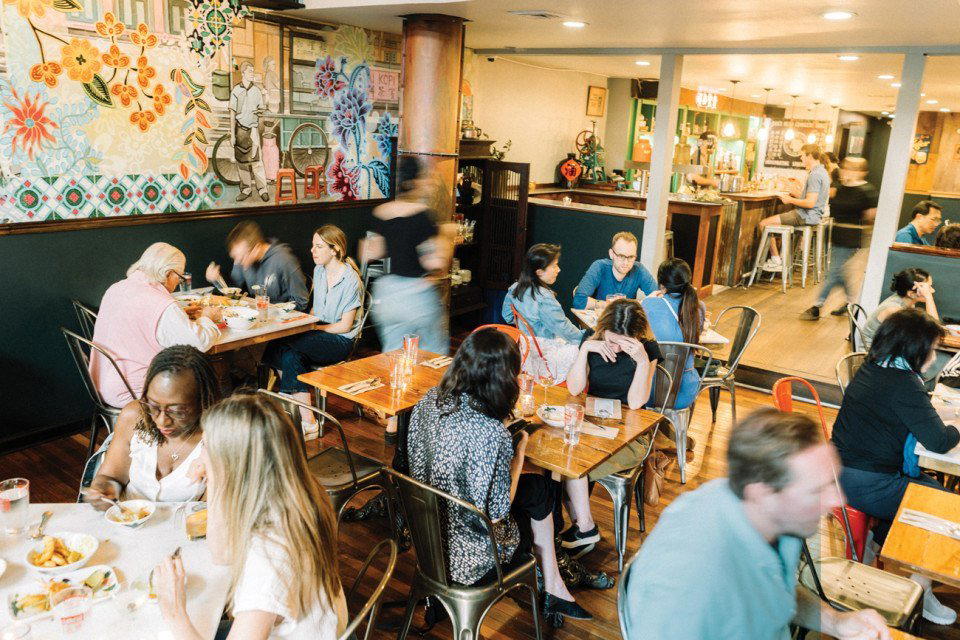
Restaurants in Philadelphia
Browse all →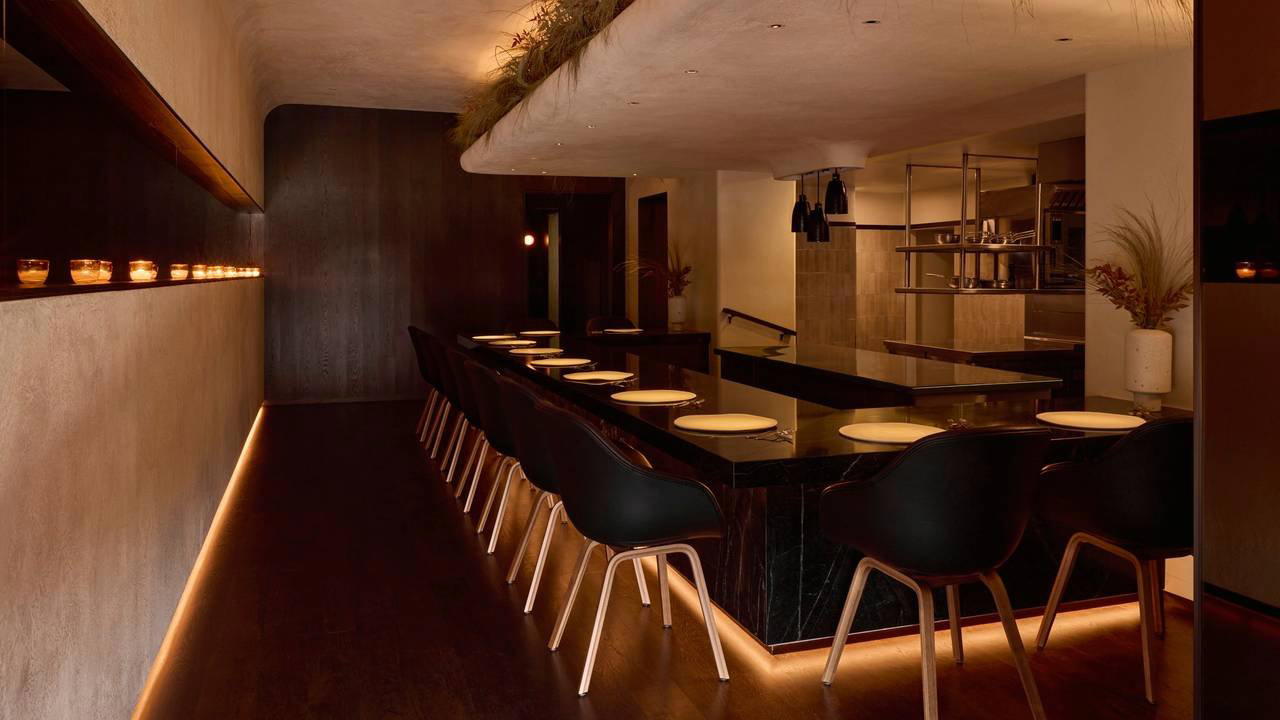
Details
- Intimate
- Minimalist
- Sophisticated
- Quiet
- Special Occasion
- Date Night
- Celebration
- Standalone
- Counter Only
- Seated Bar
- Sake
- Craft Beer
Current opening hours
- Monday
- Closed
- Tuesday
- 6–11 PM
- Wednesday
- 6–11 PM
- Thursday
- 6–11 PM
- Friday
- 5:30–11:30 PM
- Saturday
- 5:30–11:30 PM
- Sunday
- Closed
Hours can change for holidays and private events. Last verified .
Minimalist space with faux candle wall lighting and whimsical electronic flute music creating a spa-like, serene Japanese atmosphere; intimate 12-seat counter with overflow tables.