Bar Des Pres
Bar Des Pres sits inside London’s crowded premium drinking conversation, where restaurant-led bars, hotel lounges and technical cocktail rooms compete for the same evening. With little public database detail available here on price, hours, awards or booking channels, the sensible read is contextual: treat it as a London bar to plan deliberately, then compare it against the city’s stronger-documented cocktail addresses before committing a night.
 Discover on Pearl
Pearl is the En Primeur Club membership app — saves, bookings, and concierge access live there. Same editors, same standards.
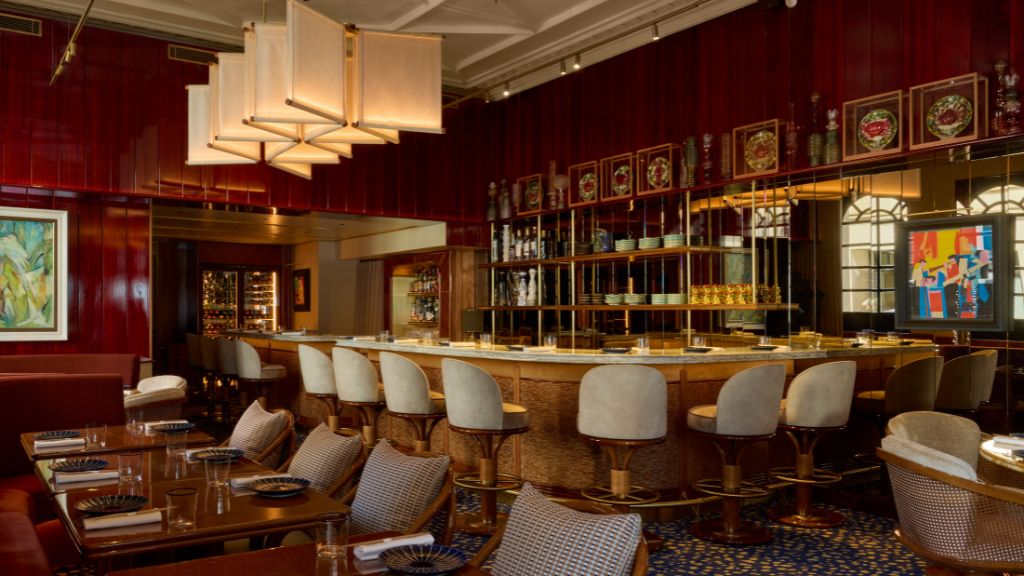
London drinking, viewed from the room first
Approaching a serious London bar rarely starts with spectacle. The city’s stronger drinking rooms tend to announce themselves through restraint: a controlled threshold, a change in lighting, a tighter sound level, a room arranged to slow the pace of conversation. That matters because London’s cocktail culture has moved well beyond the old binary of hotel bar polish versus basement speakeasy theatre. The current scene is more fragmented and more interesting. Restaurant-adjacent bars borrow the cadence of dinner service, independent cocktail rooms lean into technique, and neighbourhood counters use a narrower list to build loyalty rather than scale.
Bar Des Pres belongs in that conversation as a London bar rather than as a fully documented destination in this database. The record available here does not list awards, price range, chef, cuisine type, address, hours, phone number, website, seat count or booking method. That absence changes the editorial task. Instead of pretending certainty, the useful reading is comparative: how should a visitor assess a premium London bar when the public-facing data is incomplete, and what does the city’s cocktail culture teach about the likely decision points?
London rewards drinkers who think in categories. A hotel bar may give service infrastructure, late-evening reliability and a room built for international traffic. A small independent bar may give a tighter drinks identity and a stronger sense of the team behind the counter. A restaurant-linked bar can be more social, more food-aware and more sensitive to the rhythm of an evening. In that last category, the cocktail is rarely isolated from the table. It has to work before dinner, after dinner, or beside food, which pushes the programme toward balance, timing and drinkability rather than technical exhibition for its own sake.
The cocktail programme as a London test
The useful question is not whether a bar has a long list. London has enough places capable of printing a dense menu. The sharper test is whether the programme has a point of view that survives the first round. Contemporary cocktail bars in the city tend to signal seriousness in three ways: a concise house list with clear structure, staff who can explain modifications without turning the exchange into a lecture, and enough non-alcoholic or lower-ABV thinking to accommodate how people now drink across a full evening.
That is where Bar Des Pres should be judged. With no database detail naming signature drinks, ingredients or technique, no responsible editorial account can describe a clarified serve, a house martini variation or a specific garnish. What can be said is that London’s higher-expectation bar audience now reads those details quickly. A menu that leans too heavily on vague luxury cues feels dated. A list that uses technique but fails to produce a drink one wants to finish feels academic. The stronger programmes in the city make the technique disappear into pace, temperature, glassware and the logic of the order.
For context, 69 Colebrooke Row remains a useful London reference point because its reputation has long been tied to a laboratory-minded approach to flavour rather than a generic lounge formula. A Bar with Shapes For a Name represents another strand: modern, design-conscious, and built around a sharper visual and conceptual identity. Academy and Amaro show how broad the city’s bar field has become, from polished cocktail discipline to smaller rooms where the list carries the personality. These comparisons matter because a London bar is no longer competing only against its neighbours; it competes against a citywide map of drinkers who know how to move across zones for a specific style of night.
Why London's premium bars are harder to read from the outside
London has a particular problem for travellers: the city’s premium bars do not share a single signalling system. Michelin stars help diners understand restaurant tiers, hotel brands help travellers understand service expectations, and wine regions often carry inherited prestige. Bars are messier. Awards may matter, but many excellent rooms are more influential among bartenders than among casual visitors. Some venues trade on neighbourhood loyalty. Others sit inside restaurants or hotels where the bar programme is only part of the larger proposition. Without listed awards or ratings in the database, Bar Des Pres cannot be placed through credential alone.
That does not make the bar irrelevant; it means the reader has to use London logic. Look at the purpose of the evening. If the plan is a drink before a restaurant booking, a bar with a composed room and an efficient list is often preferable to a acclaimed technical counter that demands full attention. If the night is built around cocktails, then programme depth, staff fluency and seating comfort matter more than proximity. If the group includes mixed drinking habits, the lower-ABV and non-alcoholic structure becomes a serious measure of hospitality, not an afterthought.
This is also where price ambiguity matters. The database does not provide a price range for Bar Des Pres, and London cocktail pricing varies sharply by area, room type and service model. A visitor should therefore avoid treating it as interchangeable with a casual pub or a late-night hotel lounge. In London, the difference between a quick drink and a premium cocktail evening is not only the bill; it is the booking pressure, the pace of the room and the expectation that a seat may be held for a defined window. Those factors shape whether the bar works for a spontaneous stop or needs planning around dinner.
Restaurant energy versus cocktail-room focus
The city’s restaurant-led drinking culture has become more confident. A decade ago, many dining rooms treated cocktails as a prelude, often outsourced in spirit if not in staffing: a short list, a safe sour, a house spritz, a martini for the room. London’s better contemporary restaurant bars have tightened that relationship. Drinks now carry the same expectation of internal logic as the food menu, even when the bar is not the headline. That means fewer ornamental flourishes and more attention to acidity, dilution, salt, bitterness and how the first drink sets up the meal.
Bar Des Pres should be read through that lens unless stronger venue-specific data says otherwise. Its London setting places it among drinkers who can compare a restaurant bar with a dedicated cocktail counter on the same night. That audience is not impressed by a list that merely names premium spirits. It expects a reason for the build. A highball should have snap. A stirred drink should arrive at the right temperature. A sour should not taste like a formula copied from a training manual. These are general standards, not claims about a specific drink, but they are the standards by which a London bar in this tier gets judged.
The competitive set reaches beyond London as well. Schofield's in Manchester demonstrates how UK cocktail culture has become less London-dependent, with regional bars shaping national expectations around service and classic technique. Across the Atlantic, Bar Kismet in Halifax shows how a smaller city can pair serious drinks with a strong food identity, while Café La Trova in Miami offers a different model: live energy, Cuban influence and a bar programme tied to cultural performance. London drinkers, especially travelling drinkers, increasingly carry these references with them. A bar has to justify its mood as much as its menu.
How to place Bar Des Pres in a London night
The right use case is likely the deciding factor. For a first drink, the bar needs to offer a controlled landing: enough atmosphere to shift the day into evening, enough speed to keep dinner intact, and enough range to handle different palates. For a later drink, the room has to carry conversation without relying on volume or novelty. For a full cocktail-led evening, the list has to reveal depth over successive rounds. Because the database does not confirm hours, booking rules or address, the planning burden sits with the traveller rather than the listing.
That caution is not pedantic. London’s geography can punish loose planning. Moving between neighbourhoods at peak evening hours can take longer than expected, and the city’s stronger bars may fill early on Thursday through Saturday. Without confirmed booking information for Bar Des Pres in the available record, the sensible move is to verify current opening times and reservation channels directly through live venue sources before arranging the rest of the evening. If the bar is being paired with dinner, leave enough slack for transport and seating delays rather than treating the drink as a ten-minute add-on.
Readers building a wider London itinerary should use category guides rather than single-name momentum. Our full London bars guide is the natural comparison point for cocktail rooms and late-evening addresses. Dining plans belong with Our full London restaurants guide, especially when the bar is part of a broader night around food. For travellers tying drinks to where they sleep, Our full London hotels guide helps separate hotel-bar convenience from destination drinking. London also rewards cross-category planning, so Our full London experiences guide and Our full London wineries guide can be useful for visitors treating the city as a full cultural schedule rather than a sequence of meals.
What the lack of listed awards tells the reader
Awards are not the only measure of a bar, but they are useful shorthand when a traveller has limited nights. The current database record lists no awards for Bar Des Pres, so no Michelin, 50 Best, Spirited Awards or other formal recognition should be inferred here. That absence should be read neutrally. It may mean the venue has not been assessed in the sources tracked by the database, or it may mean the bar operates outside the award-driven cocktail circuit. In either case, editorial confidence must come from context and verified planning rather than borrowed prestige.
London has plenty of rooms that work well without trophy language. Some are valuable because they sit in the right neighbourhood for a pre-dinner drink. Some are useful because the room is calmer than the bars with louder reputations. Some earn repeat custom through consistency rather than awards momentum.
Planning notes for Bar Des Pres
Plan Bar Des Pres as a London bar with incomplete public data in this record. The city is dense with alternatives, and that makes verification part of good taste rather than administrative fuss. Check current hours, address, reservation options and pricing through direct venue channels before setting a schedule. If the evening includes dinner, place the bar before or after the meal based on appetite and travel time rather than assuming it can absorb any slot. If the night is cocktail-led, compare it with specialist London rooms and decide whether the appeal is the room, the drinks programme, the location or the convenience within a wider plan.
The stronger editorial position is cautious but not dismissive. Bar Des Pres sits in a city where cocktail standards are high, where drinkers can compare across neighbourhoods, and where a bar’s value depends on how well it handles the occasion. With no listed awards, price range or booking method in the database, it should not be sold on unsupported claims. It should be approached as a candidate for a composed London drinking stop, then tested against the practical facts available on the day.
How It Compares
Comparable venues nearby, for context on price, style, and recognition.
| Venue | Cuisine | Price | Awards | Notes |
|---|---|---|---|---|
| Bar Des PresThis venue — the venue you are viewing | cocktail_bar | $$$$ | , | |
| Blue Bar | cocktail_bar | $$$$ | , | Belgravia |
| Esmeralda’s Mayfair | lounge | $$$$ | , | Mayfair |
| Amaya Grill and Bar | lounge | $$$ | , | Belgravia |
| Goodbye Horses | wine_bar | $$$ | , | East Canonbury |
| 107 Wine Bar | wine_bar | $$$ | , | Lower Clapton |
Continue exploring
More in London
Bars in London
Browse all →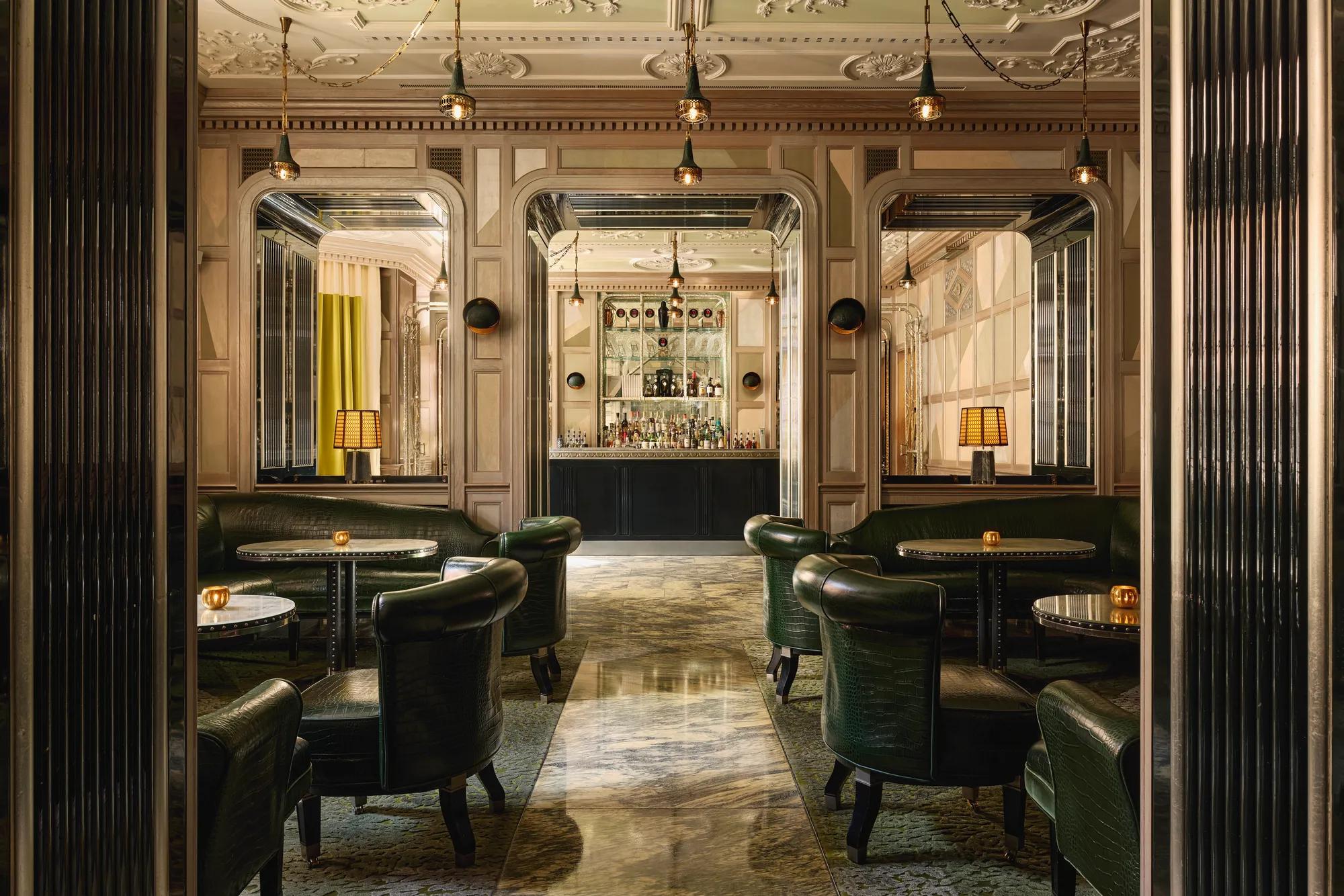
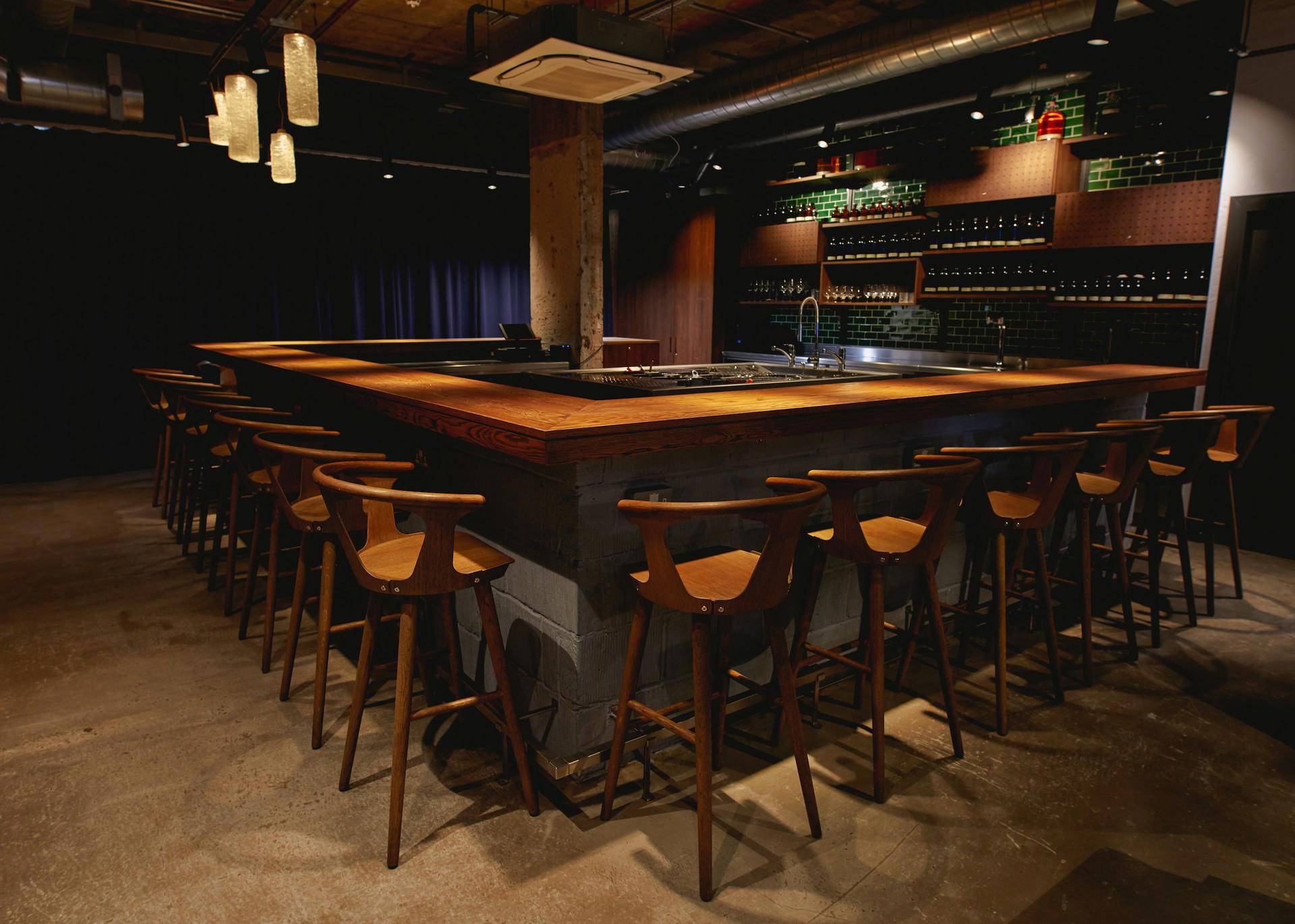
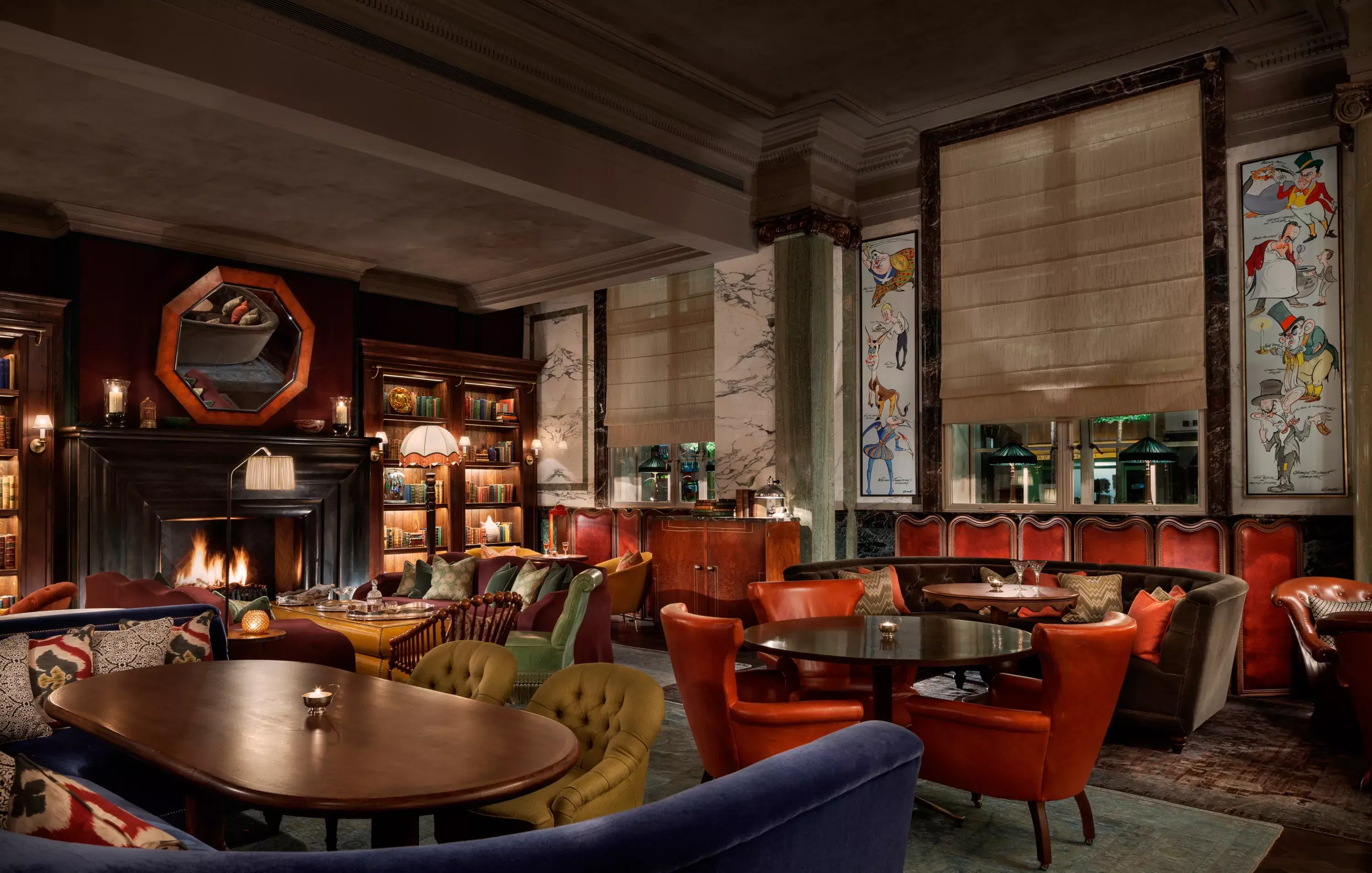

Restaurants in London
Browse all →
Hotels in London
Browse all →
Wineries in London
Browse all →
At a Glance
- Sophisticated
- Elegant
- Trendy
- Lively
- Intimate
- Date Night
- After Work
- Late Night
- Celebration
- Special Occasion
- Group Outing
- Standalone
- Design Destination
- Seated Bar
- Booth Seating
- Lounge Seating
- Private Rooms
- Craft Cocktails
- Conventional Wine
- Sake
- Zero Proof
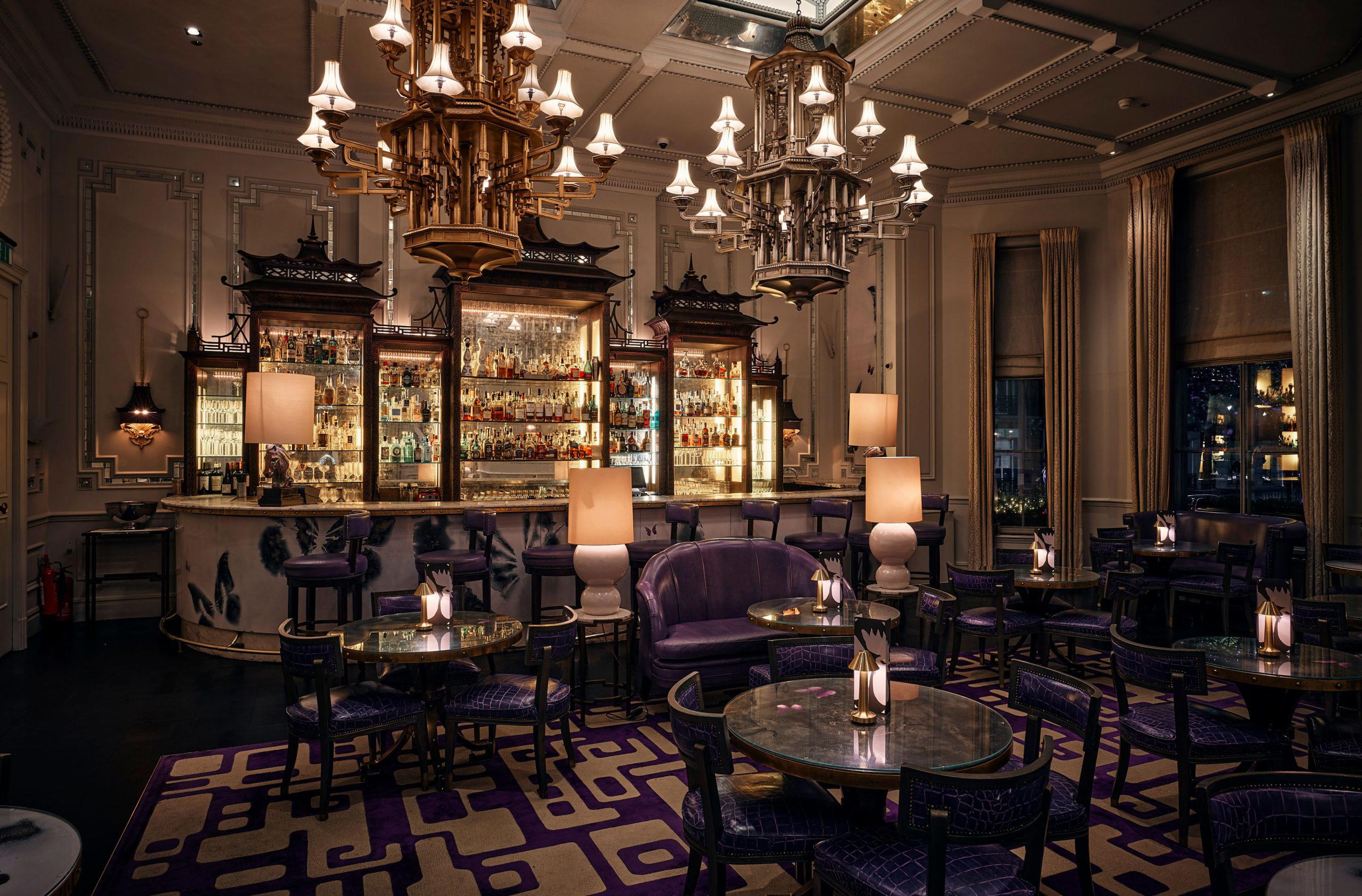
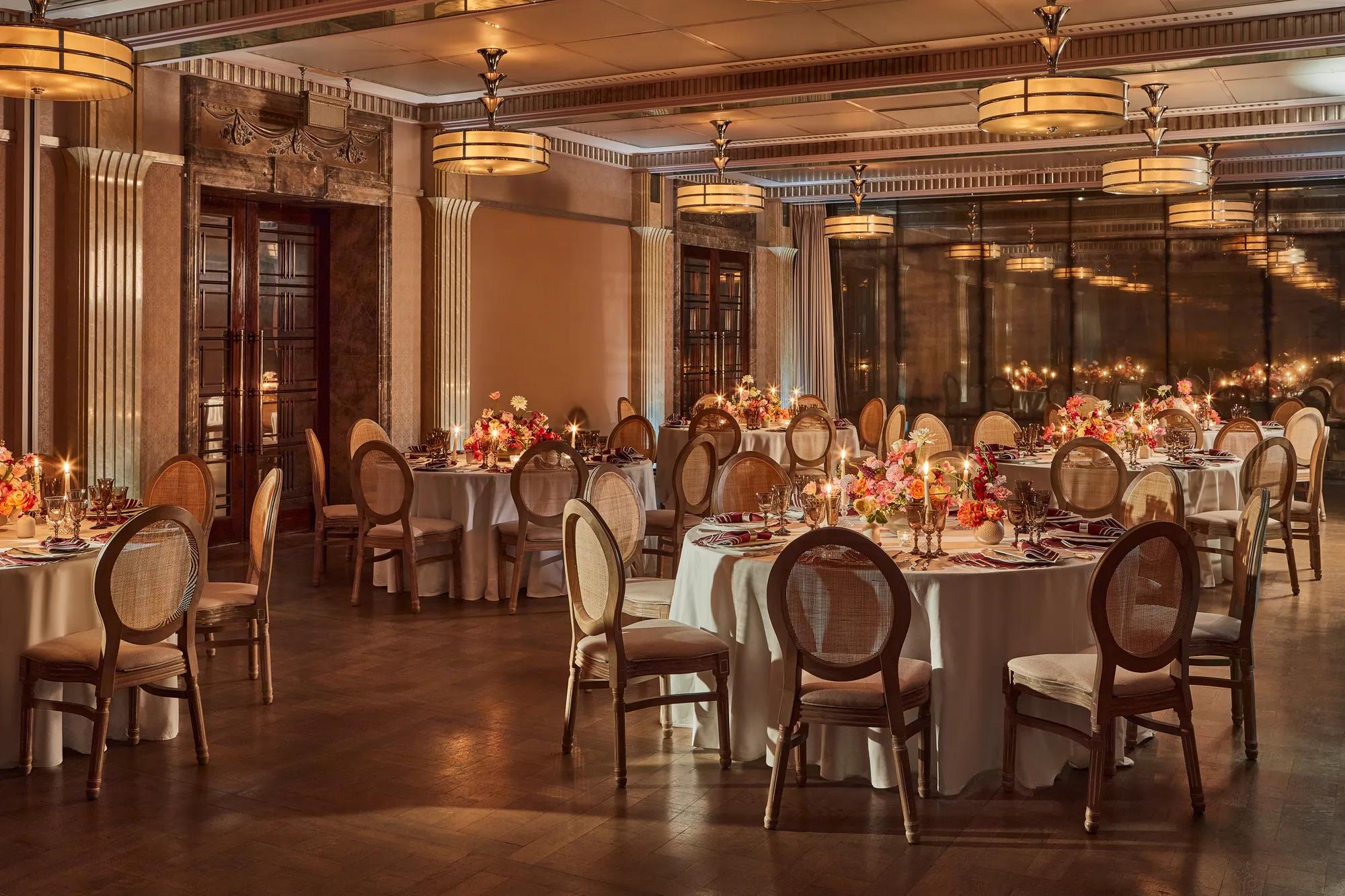
Low, moody lighting with a chic, cosmopolitan feel; marble counters, velvet seating and a buzzy yet polished atmosphere that feels both intimate and high-energy.