Bar Claes
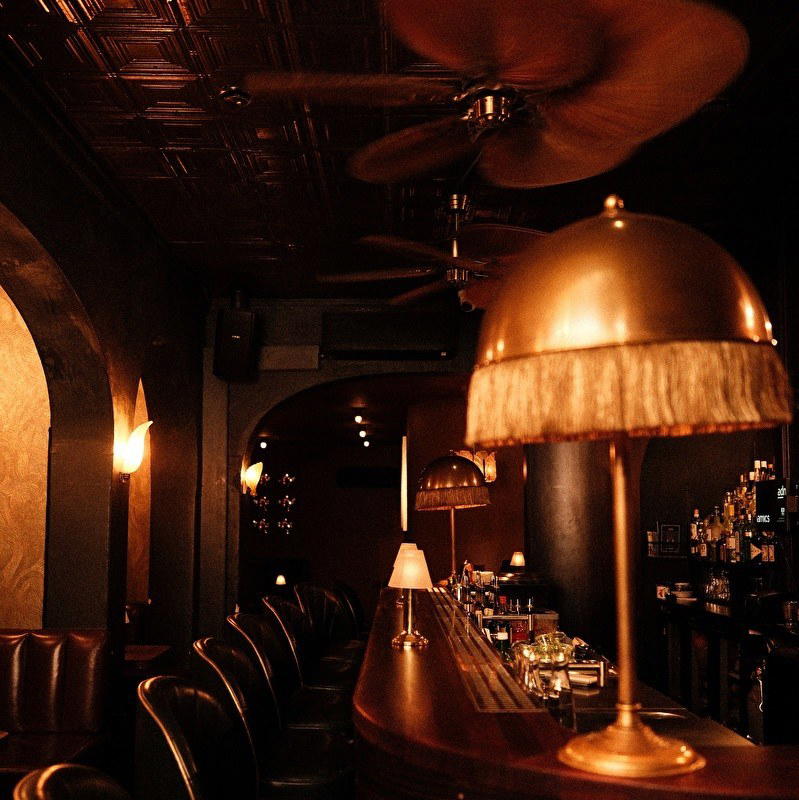
Bar Claes sits on Stadhouderskade in Amsterdam, placing it in the city’s hotel-and-museum corridor rather than the canal-ring speakeasy circuit.
Pearl is the En Primeur Club membership app — saves, bookings, and concierge access live there. Same editors, same standards.
- Address
- Stadhouderskade 25, 1071 ZD Amsterdam, Netherlands
- Phone
- +31 20 710 7277
- Website
- parkcentraal.com
- Directions
- Get directions
 Saves & bookings on Pearl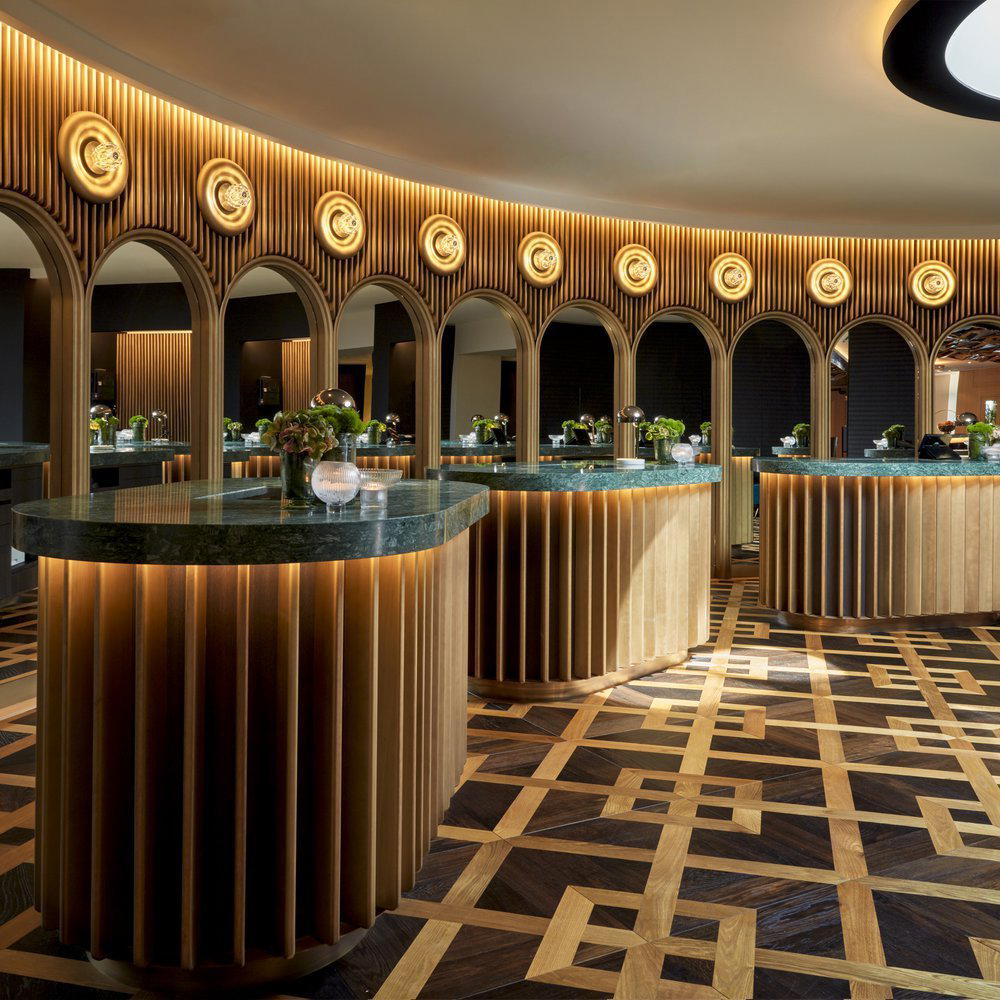
First read: Stadhouderskade, not the back-alley cocktail script
Stadhouderskade gives a bar a different opening sentence from the old-centre lanes. This is Amsterdam’s broad, formal edge: traffic, water, museum-bound footfall, hotel doors, and the steady movement between De Pijp, the Museum Quarter, and the canal belt. Bar Claes sits at Stadhouderskade 25, 1071 ZD Amsterdam, Netherlands, an address that places it in a corridor where a drink can function as a pre-dinner stop, a post-museum pause, or a late-evening reset after crossing town. That matters because Amsterdam drinking culture is not a single style. The city has hidden-door cocktail rooms, high-volume terraces, brown cafés, natural-wine counters, and newer bars built around narrower curatorial choices. The address alone suggests a bar judged less by neighbourhood mythology and more by how well it handles a mixed audience moving through a central, high-traffic part of the city.
The useful lens here is the back bar. In contemporary cocktail cities, the serious conversation has shifted from theatrical entrances to stock discipline: which spirits are carried, how deep the category runs, whether the bottles support classics as well as original builds, and whether the room can explain a mezcal, genever, rum, or amaro choice without turning the exchange into a lecture. Amsterdam is particularly good terrain for that shift because Dutch drinking history already has genever, beer cafés, colonial-era trade routes, and a strong import culture in the background. A bar on Stadhouderskade has to translate that heritage for locals, hotel guests, and visitors who may not arrive with the same reference points.
The spirits-collection question
For a spirits-led bar, the collection is not decoration. It is infrastructure. A deep back bar lets a bartender steer between familiar cocktails and category-specific pours; a shallow one forces every conversation back toward the same short list. The public database for Bar Claes does not list a cuisine type, house cocktail, bartender, awards, price range, seat count, or signature bottle program, so claims about rare labels or specific pours would be irresponsible. The editorial point is narrower and more useful: this is the kind of Amsterdam address where the reader should look at the shelves before looking at social-media shorthand. If the room is organized around serious bottle curation, the evidence will be visible in category breadth, vintage or limited releases, Dutch spirits, and whether non-obvious bottles are being used with purpose rather than displayed as trophies.
Amsterdam’s cocktail map gives that comparison teeth. Door 74 belongs to the city’s reservation-era speakeasy tradition, where scarcity and controlled entry shaped the experience. Tales & Spirits sits closer to the polished cocktail-and-food room, where format and service rhythm carry the evening. Advocatuur points toward a more specific Dutch reference, with advocaat as a cultural anchor rather than a generic international bar language. Against that field, Bar Claes is better approached as part of the question now facing Amsterdam bars: does the room have a point of view in the glass, or does it simply occupy a good address?
Where Amsterdam’s bar culture is moving
Amsterdam has never lacked places to drink, but the premium end has become more segmented. Some rooms sell secrecy. Some sell terrace energy. Some sell the precision of a short cocktail list. Others lean into wine, aperitivo, or spirits education. The more interesting split is between bars that treat the bottle list as inventory and bars that treat it as editorial selection. In the latter model, a guest can learn why a specific vermouth changes a Martini, why Dutch genever is not just historical trivia, or why a rum list needs agricole, molasses-based, and aged styles to say anything meaningful.
That broader movement helps explain why a sparse public record is not automatically a weakness. In the absence of those signals, the reader should use more practical tests: how the staff discusses base spirits, whether the menu is arranged by flavour, technique, origin, or classic families, and whether the bar can make a persuasive drink without pushing every guest toward the same house serve. This is not romantic mystery. It is a method for reading a bar when the published data is thin.
How to place it against Amsterdam alternatives
A bar near Stadhouderskade has a different job from a bar built for a whole-night destination. The location suits a flexible format: one serious drink before dinner, a two-round conversation after a museum visit, or a controlled stop before crossing into De Pijp. For a broader night out, the comparison set changes. Amsterdam Roest speaks to the city’s industrial, outdoor, and informal side, a different proposition from a central spirits room. The old-centre cocktail circuit offers denser bar-hopping, while the museum-side address favours pacing and convenience.
Readers building an Amsterdam evening should think in sequences rather than isolated venues. A spirits-led stop near Stadhouderskade can sit before a restaurant booking found through Our full Amsterdam restaurants guide, or it can anchor a quieter night when the point is one well-made drink rather than a crawl. That distinction matters in Amsterdam, where geography can pull a night in different directions. The canal ring rewards wandering, De Pijp rewards appetite, and the Museum Quarter rewards planning. Bar Claes belongs to the third logic by address: decide the role it plays before deciding whether it is the whole evening.
Practical intelligence before booking a drink
The confirmed details are limited but concrete: Bar Claes is listed at Stadhouderskade 25, 1071 ZD Amsterdam, Netherlands. That means visitors should verify current opening times and reservation options through live channels before setting a plan around it, especially on weekends or around museum-heavy travel periods when this part of Amsterdam sees steady visitor flow. With no listed price range, budgeting should be handled conservatively: assume central-Amsterdam cocktail pricing until a current menu proves otherwise.
The lack of published reservation data also changes how to approach timing. If the bar operates on walk-ins, early evening will usually carry less pressure than the post-dinner window. Dress code is not listed, so the sensible default is city-smart rather than formal: Amsterdam bars rarely require ceremony, but a central hotel-and-museum corridor rewards looking composed enough to move between dinner, bar, and late transport without a reset.
For travellers reading beyond Amsterdam
Netherlands has a broader bar map than Amsterdam alone, and that broader field makes the capital easier to read. Rotterdam’s café-bar culture has its own rhythm, visible in places such as Espressobar Kopi Soesoe in Rotterdam, where coffee, design, and casual drinking overlap differently from the capital’s cocktail rooms. Smaller-city restobars such as Restobar Fiftyeight in Nijmegen and Boode Foodbar in Bathmen show how food-led drinking formats operate outside Amsterdam’s visitor-heavy centre.
Wine-focused addresses add another comparison. Het Witte Paard in Etten-Leur, Marius Wijncafé in The Hague, and The Wine Bar Helmond in Helmond sit in a different category from a spirits-led Amsterdam room, but they sharpen the same reader skill: look at selection depth, service confidence, and whether the list has a point of view. Internationally, Café La Trova in Miami offers a useful contrast because it links bar identity to a specific cultural drinking tradition. Amsterdam bars succeed when they are equally clear about their own references, whether that means genever, classic cocktails, contemporary technique, or a carefully held spirits collection.
Price and Positioning
| Venue | Awards |
|---|---|
| Bar Claes | This venue |
| Door 74 | World's 50 Best |
| Tales & Spirits | World's 50 Best |
Continue exploring
More in Amsterdam
Bars in Amsterdam
Browse all →
Restaurants in Amsterdam
Browse all →
Hotels in Amsterdam
Browse all →
Wineries in Amsterdam
Browse all →
At a Glance
- Elegant
- Cozy
- Sophisticated
- Modern
- After Work
- Casual Hangout
- Date Night
- Solo
- Hotel Bar
- Historic Building
- Design Destination
- Standalone
- Seated Bar
- Lounge Seating
- Classic Cocktails
- Craft Cocktails
- Zero Proof
Current opening hours
- Monday
- 11 AM–11 PM
- Tuesday
- 11 AM–11 PM
- Wednesday
- 11 AM–11 PM
- Thursday
- 11 AM–11 PM
- Friday
- 11 AM–12 AM
- Saturday
- 11 AM–12 AM
- Sunday
- 11 AM–11 PM
Hours can change for holidays and private events. Last verified .
Elegant and sociable hotel-lobby atmosphere with a laid-back feel, suited to relaxed drinks and small bites rather than a high-energy nightlife scene.
Know Before You Go
- Getting there
- Stadhouderskade 25, 1071 ZD Amsterdam, Netherlands