Bar Calico
Bar Calico occupies a second-floor address at 23 Lexington Avenue in New York City, placing it in the Gramercy–Flatiron corridor where cocktail bars often compete through intimacy, bottle depth, and point-of-view rather than street-level spectacle. EP Club’s record does not list awards, pricing, hours, chef, or a signature drink, so the stronger read is contextual: plan around the address, compare it with New York’s sharper bar formats, and confirm details before going.
Pearl is the En Primeur Club membership app — saves, bookings, and concierge access live there. Same editors, same standards.
- Address
- 23 Lexington Ave 2nd floor, New York, NY 10010
- Website
- barcaliconyc.com
- Directions
- Get directions
 Saves & bookings on Pearl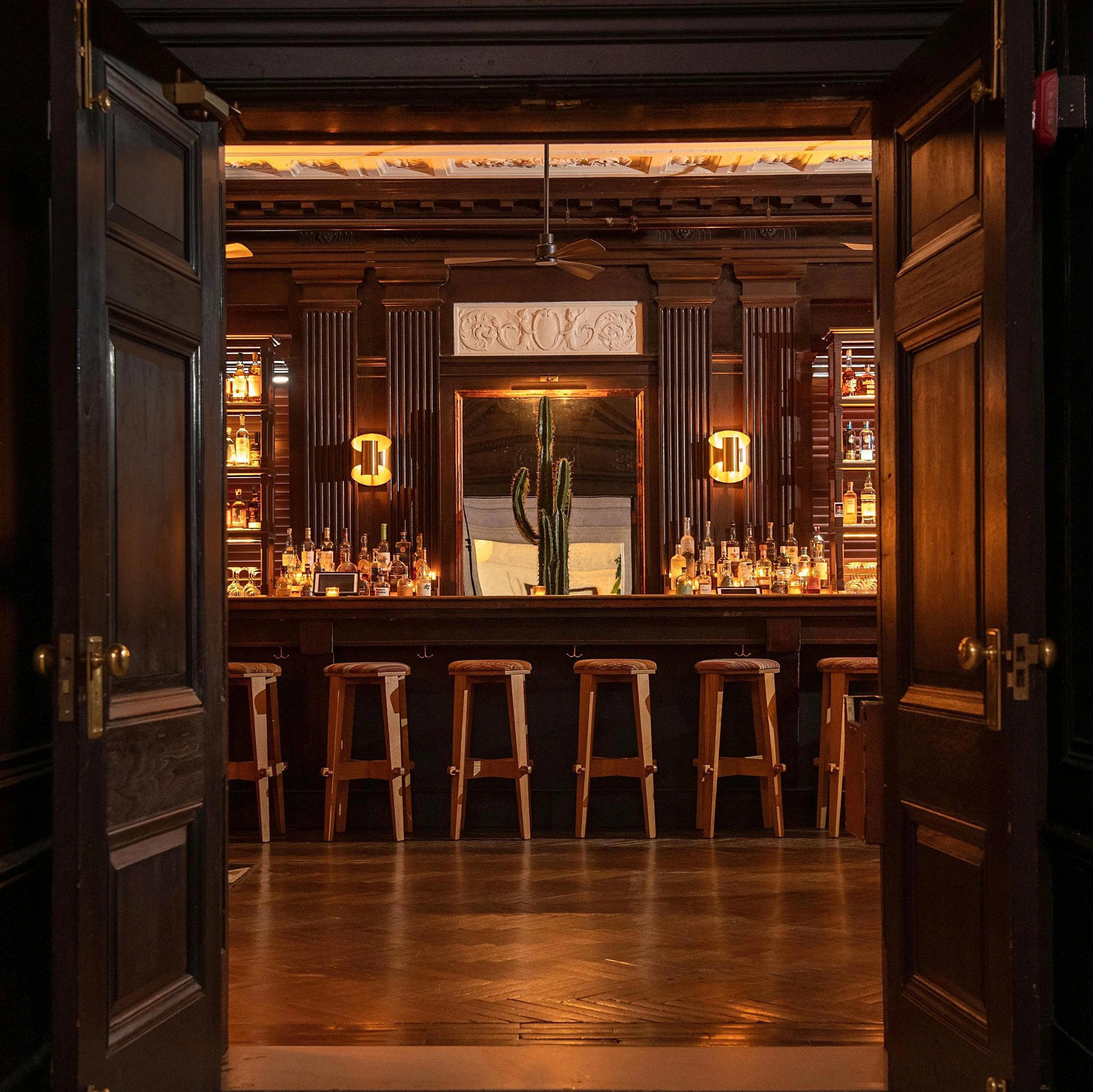
Upstairs drinking in a city that usually sells the room first
Second-floor bars in New York ask for a different kind of attention. The street does not do all the work; the approach is vertical, quieter, and more deliberate. Bar Calico is listed at 23 Lexington Ave, 2nd floor, New York, NY 10010, placing it near the Gramercy and Flatiron overlap, a part of Manhattan where hotel bars, neighborhood restaurants, private-feeling lounges, and destination cocktail rooms sit within a short evening circuit. That address matters because this stretch of Lexington is not a neon cocktail strip. It is a useful area for drinkers who want a bar to feel chosen rather than stumbled into.
The spirits-collection question in New York has changed. A decade ago, a deep back bar often meant visual abundance: shelves packed with rare Japanese whisky, old Chartreuse, vintage vermouth, and bottles used as status markers. The stronger contemporary programs use bottles as grammar. Agave, amaro, brandy, rum, fortified wine, and whisky are not simply displayed; they define how a menu thinks. That absence should not be covered with invented detail. It sets the frame for how to read the place: as an upstairs New York bar whose appeal depends on what is confirmed in the room, not on an awards trail or a public menu file.
Where Bar Calico fits in New York’s cocktail map
New York’s serious cocktail culture now runs on several models at once. There are high-volume, personality-led rooms; technical counters where dilution, clarification, carbonation, and glassware carry the argument; and smaller bars built around bitterness, vintage spirits, or a focused category. The city’s drinking public has become fluent enough to notice the difference. A bar can no longer rely on dim lighting and a heavy coupe to signal intent.
That is why the address is the first useful anchor here. Gramercy and Flatiron sit between the downtown cocktail axis and the hotel-heavy center of Manhattan. The area works well for a pre-dinner drink, a second stop after a restaurant reservation, or a more measured late evening than the Lower East Side often provides. For a broader city read, Our full New York City restaurants guide maps the restaurant side of that same urban pattern: compact neighborhoods, high rent, short walks, and sharp differences between rooms that may sit only a few blocks apart.
Comparison helps more than praise. Superbueno represents the louder, culturally referential side of New York cocktail drinking, where flavor memory and energy carry much of the appeal. Amor y Amargo sits closer to the bitter, bottle-driven school, a useful reference point for drinkers who care about amari and the architecture of low-sugar cocktails. Angel's Share belongs to the city’s intimate Japanese-influenced lineage, where restraint and room etiquette shape the experience as much as the drink. Attaboy NYC remains a reference for bartender-led improvisation and the post-menu approach. Bar Calico should be judged against those modes, not against generic lounge standards.
The back bar is the real test
For a bar framed through spirits, the bottle selection is not decoration. It is the operating system. A serious collection should show decisions: which mezcal producers are carried, how rum is divided by style rather than country cliché, whether brandy appears beyond Cognac, how much space is given to bitter liqueurs, and whether whisky selection is built for cocktails, sipping, or both. The meaningful question for Bar Calico is not whether it has rare bottles. The question is whether the collection, once seen, explains the drinks.
In New York, rare-bottle culture can become a trap. Scarcity alone does not make a bar better; a back bar full of expensive bottles can still produce cautious, dull drinks. The better model is curation with consequences. If a bar stocks multiple vermouths, the Martini program should reveal why. If it emphasizes agave, the menu should distinguish roasted, mineral, grassy, and smoked profiles without flattening them into spectacle. If amaro is central, bitterness should be handled with structure rather than novelty. This is the standard that matters for an upstairs Manhattan bar asking drinkers to seek it out.
Other American cities sharpen the comparison. Café La Trova in Miami ties cocktails to Cuban cantinero tradition and live-room rhythm. Jewel of the South in New Orleans draws power from historic drinks culture and a city where cocktail lineage is part of civic identity. Bar Leather Apron in Honolulu shows how a focused spirits program can become a destination format without relying on Manhattan density. These are not replicas of the New York model; they show how much context changes the meaning of a bottle list.
What the missing data says, and why it matters
That is not a flaw to hide. For a reader making a decision, it changes the planning logic. With no published price band in the record, budgeting should be handled with New York cocktail-bar assumptions rather than a fixed figure. With no hours listed, same-day verification is sensible. With no booking method listed, the safer plan is to treat availability as uncertain rather than build an evening around a guaranteed table.
This is also where editorial discipline matters. Many bar write-ups fill gaps with invented atmosphere, named drinks, or secondhand menu claims. That is how a profile becomes unreliable. The stronger approach is to separate what is known from what belongs to the room itself. Known: the bar is in New York City, at a second-floor Lexington Avenue address in the 10010 zip code. For a premium reader, that split is more useful than decorative certainty.
The absence of awards also affects peer comparison. In a city where cocktail bars often trade on rankings, major media placements, or named bartenders, no listed award trail means Bar Calico should be assessed through execution, collection depth, and fit within an evening rather than trophy evidence. That does not diminish the possibility of a serious bar. It simply means the burden shifts from external validation to what can be verified before and during the visit.
How to plan a drink around 23 Lexington Avenue
The practical case for Bar Calico starts with geography. A second-floor address on Lexington Avenue works for a drink before dinner near Gramercy, Flatiron, NoMad, or Union Square, and it also suits a two-stop evening where the first venue supplies the cocktail focus and the second supplies the meal. The record also does not list a dress code, so the safest read is not formalwear, but New York evening polish: the kind of clothing that can move from a cocktail bar to a dining room without adjustment.
Price is also unlisted. In Manhattan cocktail terms, that means the bill can vary sharply depending on whether the order stays with house drinks, moves into neat pours, or explores rare spirits. The back bar can change the economics of a visit faster than the food menu does at a restaurant. A rare whisky, vintage digestif, or limited agave pour may shift the evening from casual stop to serious spend. Ask before ordering from the higher shelves if pricing is not printed clearly.
The better timing strategy is to avoid making the bar carry too many jobs at once. Use it for a focused spirits-led stop rather than a catch-all venue for a large group, dinner replacement, and late-night plan in the same booking. Upstairs bars often work better at smaller scale, especially when the point is conversation with a bartender or a careful read of the bottle list. If the room is busy, a shorter order with one well-chosen drink can tell more than a long stay spent fighting noise and pacing.
Reading the drinks without a published signature
That does not prevent a useful order strategy. In a spirits-forward bar, start by asking what category the program is strongest in, then choose within that category rather than defaulting to a fashionable call drink.
This is especially relevant in New York, where guest expectations can flatten bar programs into the same few orders: Martini, Negroni, Old Fashioned, Margarita. Those classics are still useful tests, but the point is not to order them automatically. The point is to see how the bar handles balance, temperature, glassware, dilution, and the base spirit. A room with a meaningful collection should be able to explain why one gin, mezcal, rye, rum, or amaro belongs in the drink instead of another.
Nationally, the same question appears in different forms. Julep in Houston has a Southern cocktail lens that makes category and place inseparable. Kumiko in Chicago shows how Japanese technique and service tempo can shape a bar into a precise drinking experience. Raised by Wolves in San Diego demonstrates how retail, collection, and theatre can intersect. The Parlour in Frankfurt on the Main widens the frame beyond the United States, where cocktail culture often expresses itself through a different relationship to hotel bars, private rooms, and spirits heritage. Against that field, Bar Calico’s strongest potential lies in whether its collection has a clear editorial point.
The EP Club read
The reason to go is the combination of New York City location, second-floor format, and the possibility of a spirits-led room in a neighborhood that rewards compact evening planning. The reason to verify first is equally clear: no listed hours, no listed website, no listed phone, no listed price range, no listed awards, and no listed signature drink.
That combination makes it better suited to flexible drinkers than to travelers who need every detail fixed in advance. It belongs on an evening plan when Gramercy or Flatiron is already in play, when a smaller upstairs room sounds preferable to a street-level scene, and when the back bar, not the selfie wall, is the thing being judged. In New York, that is a serious enough brief.
How Bar Calico New York City compares with similar nearby venues.
| Venue | Cuisine |
|---|---|
| Stone & Soil | Japanese-leaning cocktails; sustainability/omotenashi |
Continue exploring
More in New York City
Bars in New York City
Browse all →
Restaurants in New York City
Browse all →
Hotels in New York City
Browse all →




At a Glance
- Cozy
- Intimate
- Sophisticated
- Trendy
- Elegant
- Date Night
- After Work
- Late Night
- Group Outing
- Celebration
- Special Occasion
- Private Event
- Design Destination
- Hotel Bar
- Seated Bar
- Lounge Seating
- Booth Seating
- Private Rooms
- Craft Cocktails
- Whiskey
- Mezcal
- Tequila
- Zero Proof
Current opening hours
- Monday
- Closed
- Tuesday
- 5 PM–12 AM
- Wednesday
- 5 PM–12 AM
- Thursday
- 5 PM–1 AM
- Friday
- 5 PM–2 AM
- Saturday
- 5 PM–2 AM
- Sunday
- Closed
Hours can change for holidays and private events. Last verified .
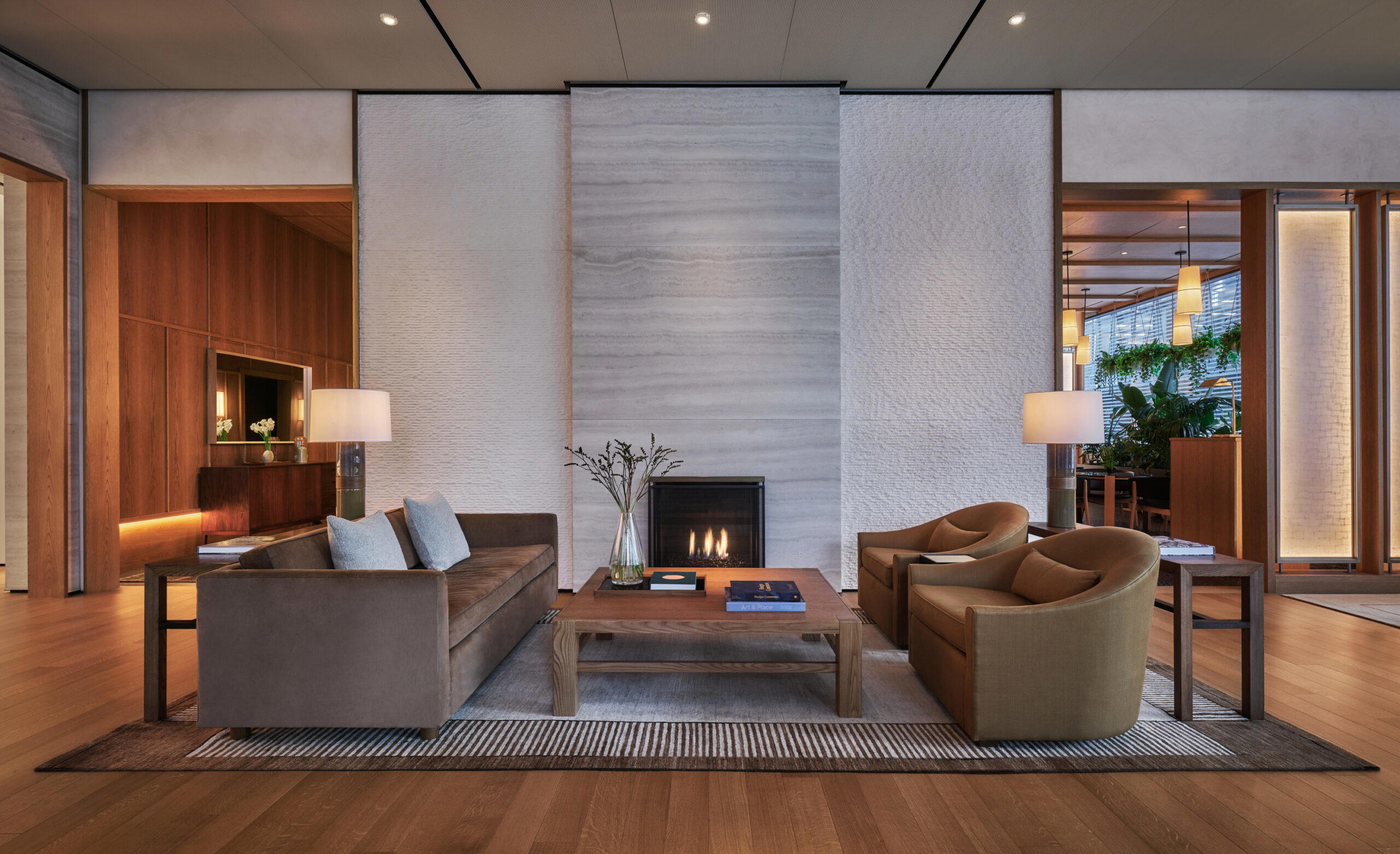
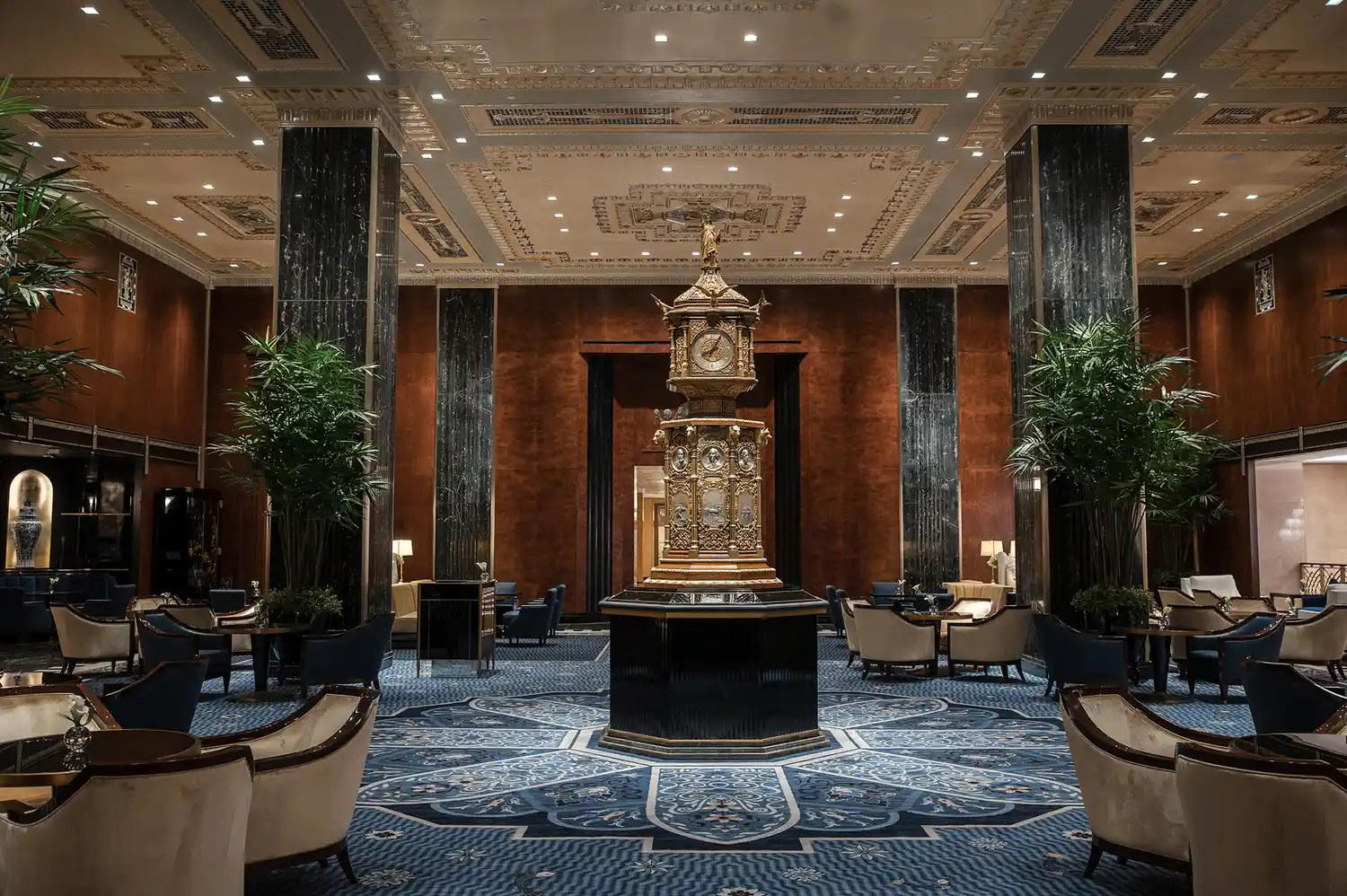
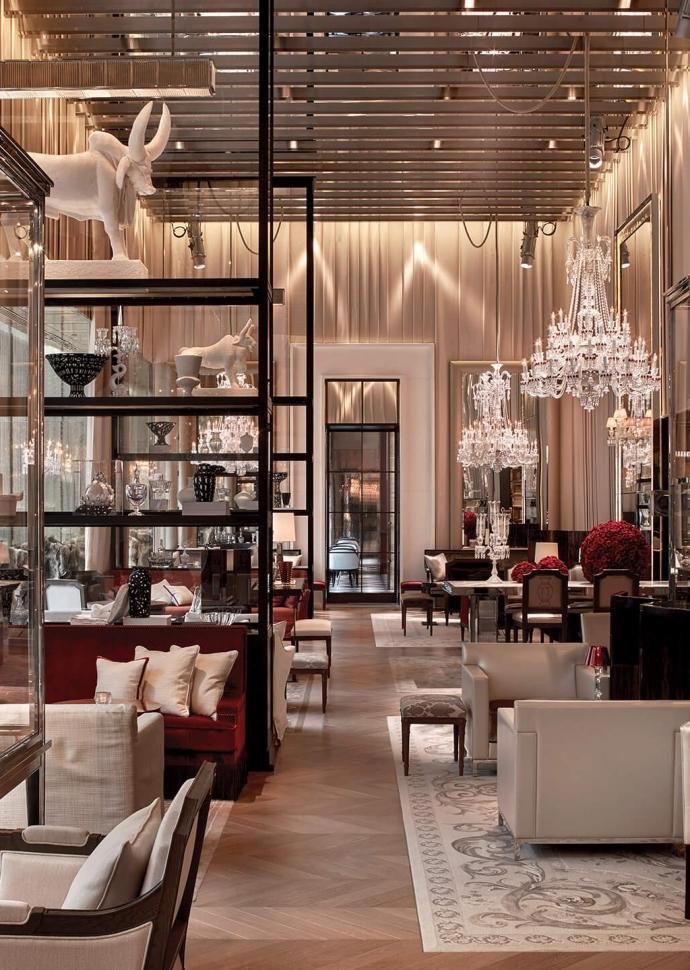
Dimly lit and candlelit with a warm, intimate lounge feel, Bar Calico pairs Southwestern-influenced decor with a refined yet relaxed hotel-bar atmosphere that feels like a cozy retreat above the city.
Know Before You Go
- Getting there
- 23 Lexington Ave 2nd floor, New York, NY 10010