Bad Idea
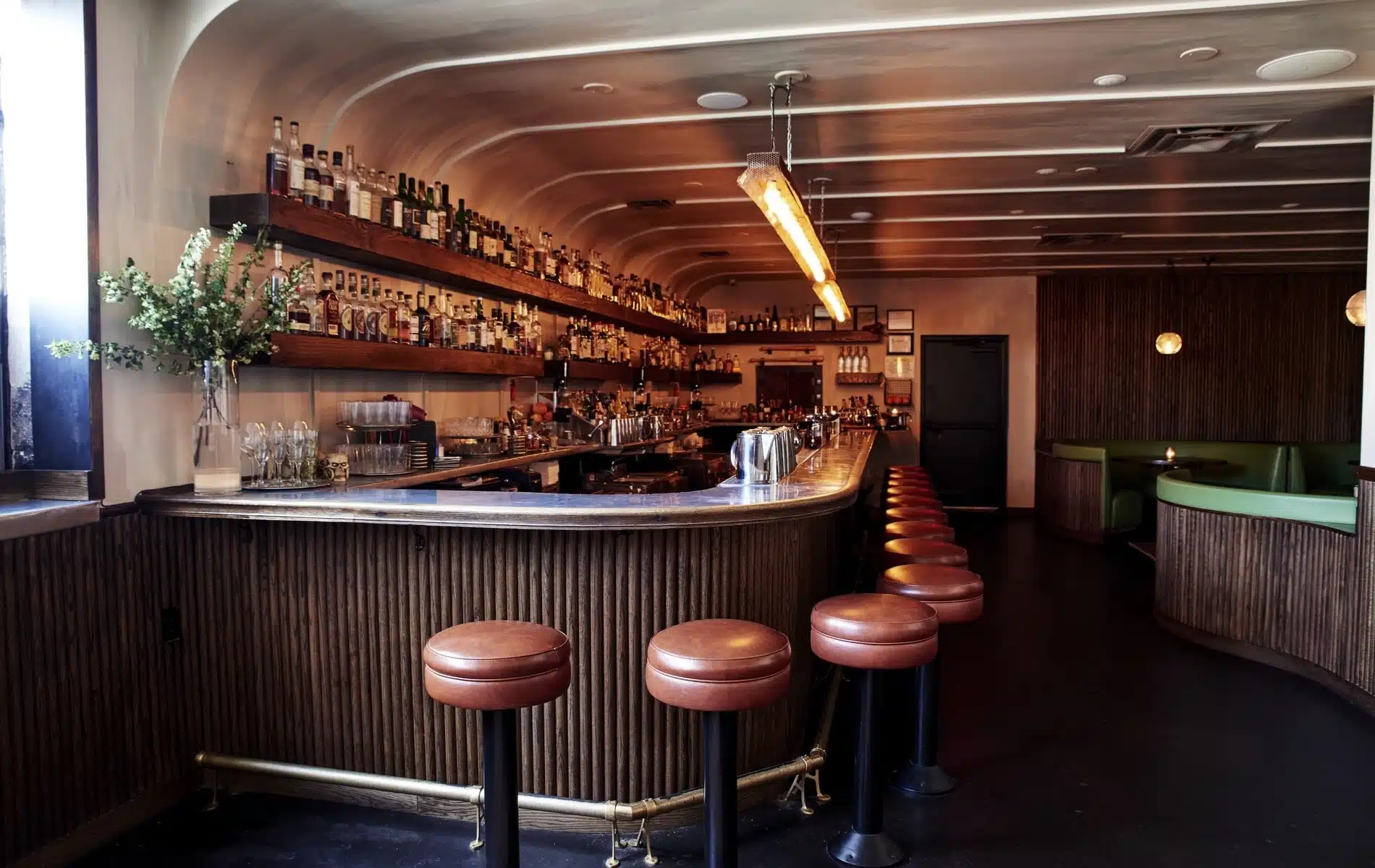
Bad Idea occupies a corner of East Nashville's Russell Street that rewards the curious rather than the casual. The bar fits into a broader East Side shift toward low-key, craft-serious drinking rooms that position themselves against the neon-and-honky-tonk circuit downtown. Expect a neighbourhood-bar sensibility applied to a considered drinks program.
 Discover on Pearl
East Nashville's Quieter Argument for Serious Drinking
East Nashville has spent the better part of a decade sorting itself into two registers: the venues chasing the bachelorette trail and the ones that have quietly decided not to. The drinking rooms that belong to the second category tend to cluster along corridors like Gallatin Avenue and Russell Street, where the foot traffic is neighbourhood-driven rather than tourist-directed, and where a bar can build a regular clientele without competing on spectacle. Bad Idea, at 1021 Russell Street in East Nashville's 37206 zip code, occupies that second register. The address alone signals intent: this is not a destination engineered to photograph well from the sidewalk, but a room designed around what happens once you're inside it.
That distinction matters in Nashville's current drinking culture. The city's bar scene has historically been defined by the Lower Broadway strip, where volume and novelty drive foot traffic. But a secondary tier has developed in East Nashville, Germantown, and 12South, where a different kind of bar operator has taken root: one more interested in product depth and repeat visitors than in one-night conversion. Bad Idea reads as part of that secondary tier, a neighbourhood-scale operation on a street that rewards the sort of wandering that downtown Nashville increasingly discourages. For a broader map of where that pattern plays out across the city, the full Nashville restaurants and bars guide traces the geography in more detail.
The Cultural Logic of the Neighbourhood Bar
The neighbourhood cocktail bar is a format with a specific cultural lineage in American drinking. It sits between the destination craft bar, which asks visitors to make a deliberate journey, and the dive, which asks almost nothing of them. The neighbourhood cocktail bar asks for something in between: a degree of attention, the willingness to return, and a tolerance for a room that does not try too hard to impress on first contact. Cities like New Orleans have long understood this format. Jewel of the South in New Orleans operates in a different bracket entirely, with a historically-grounded cocktail program, but it demonstrates how a serious bar can anchor itself in neighbourhood identity rather than tourist geography. Houston's Julep does something similar in its own Southern register.
Nashville's East Side is still developing fluency in this format. The bars that do it well tend to operate with a low-profile exterior and a considered interior, where the emphasis falls on the drinks list rather than on the room's theatrics. The name Bad Idea carries a particular kind of self-aware wit that has become a vernacular of its own in American craft-bar culture: bars that name themselves with a wink understand that their customer already knows what they're doing and doesn't need to be sold on it. That register of irony is worth noting because it signals an assumed audience, people who can take the joke because they're already in on the premise.
Where Bad Idea Sits in Nashville's Craft Bar Cohort
Nashville's serious cocktail bars form a small but distinct peer group. Attaboy Nashville, operating on the no-menu, bartender-choice format imported from the New York original, represents one pole of the city's craft bar identity. 417 Union occupies a more formal downtown position, while 5th & Taylor threads cocktails through a full dining context in Germantown. 12 South Taproom and Grill handles the neighbourhood-bar brief in a different part of the city. Bad Idea on Russell Street occupies a position that is geographically and temperamentally distinct from all of them: East Nashville, walk-up scale, and an identity built more on the experience of being a regular than on a single high-concept hook.
Nationally, the bars that this format most resembles include ABV in San Francisco, which pairs a low-key exterior with a wine-and-spirits program of real depth, and Kumiko in Chicago, which anchors its identity in Japanese ingredients and a quietly serious approach to the drinks list. Neither is a perfect analogue, but both illustrate what a neighbourhood-scale bar can achieve when it operates without the pressure of tourist footfall. Further afield, Bar Leather Apron in Honolulu and The Parlour in Frankfurt demonstrate that this format translates across cities and continents when the program is strong enough to carry the room. Superbueno in New York runs a different kind of neighbourhood identity built on Latin spirits, but the underlying logic is consistent: know your customer, build for return visits, and let the drinks justify the address.
Getting There and What to Expect
Russell Street sits in East Nashville's residential grid, east of the Cumberland River and a reasonable rideshare from downtown. The address, 1021 Russell Street, Suite 101, puts Bad Idea in a low-rise commercial pocket of the East Side rather than on one of the neighbourhood's more prominent retail corridors, which reinforces the sense that it operates for people who are already looking rather than for people passing by. For coffee before an evening out in the area, 8th & Roast handles the daytime end of East Nashville's independent hospitality circuit.
Because the venue database carries no confirmed hours, booking method, or price data for Bad Idea, the standard practical advice applies: check directly before visiting, assume that weekend evenings in a small East Nashville room can fill quickly, and treat walk-in availability as variable. The format and scale of the address suggest this is not a reservation-driven operation, but that is an inference from neighbourhood norms rather than confirmed policy. The absence of a public website or phone number in available records means your leading approach is to check current social channels or Google Maps for operating hours before making the trip across the river.
The Case for East Nashville Over Downtown
The argument for drinking in East Nashville rather than on Lower Broadway is essentially an argument about what you want the evening to cost you in noise and crowd friction. The honky-tonk strip offers something genuine: live country music in a format that has its own cultural weight and historical legitimacy. But it has also been scaled to a volume that makes quiet conversation and careful tasting difficult. East Nashville's smaller bars offer a different transaction. The rooms are quieter, the pours get more attention, and the clientele skews toward people who live nearby rather than people who landed that afternoon. Bad Idea, by address and apparent format, fits the East Side version of that bargain.
How It Stacks Up
A quick look at comparable venues, using the data we have on file.
| Venue | Cuisine | Price | Awards | Notes |
|---|---|---|---|---|
| Bad Idea | This venue | |||
| Green Hour Cocktail & Absinthe Lounge | ||||
| Attaboy Nashville | ||||
| Robert's Western World | ||||
| Skull's Rainbow Room | ||||
| The Fox Bar & Cocktail Club |
Continue exploring