A long-standing address in downtown Cancun's Parque de las Palapas neighbourhood, Restaurante La Habichuela draws locals and visitors seeking regional Yucatecan and Mexican cuisine in a garden setting a short distance from the Hotel Zone. Its food and drink programme places it in a different tier from the resort-circuit venues that dominate Cancun's dining conversation, offering a more grounded alternative for those who want to eat where the city actually eats.
 Discover on Pearl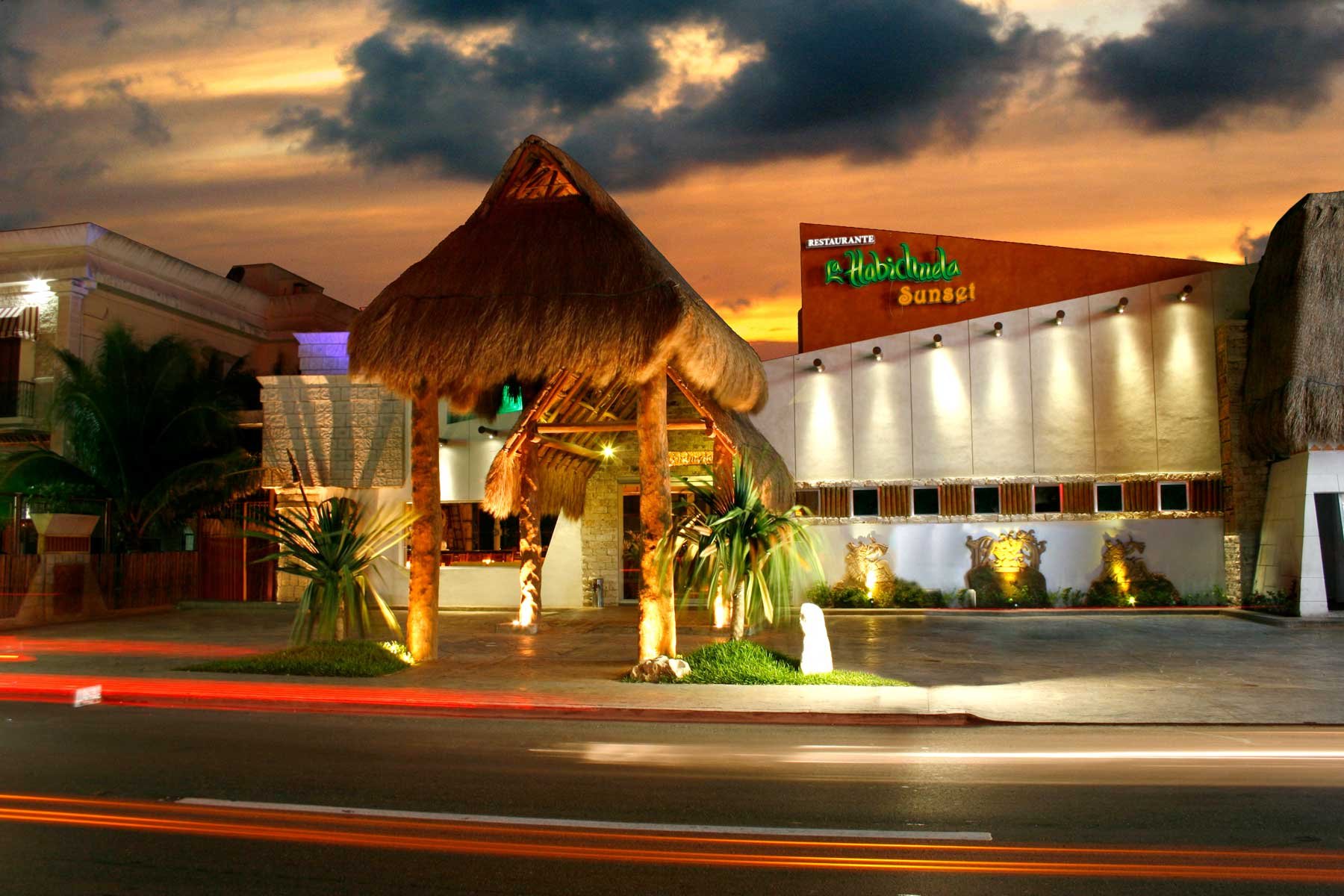
Downtown Cancun's Dining Register, and Where La Habichuela Sits In It
Cancun's dining scene operates on two largely separate tracks. The Hotel Zone corridor — its nightclubs, sports bars, and resort restaurants — runs on spectacle and volume. Addresses like Coco Bongo, Carlos'n Charlie's, and Av. Bonampak represent one end of that spectrum: high-energy, entertainment-forward, built around the tourist economy. Downtown Cancun runs quieter and, for food, often more seriously. The neighbourhood around Parque de las Palapas functions as a kind of civic dining room , where residents eat on weekday evenings and where out-of-towners who know to ask locals end up. Restaurante La Habichuela, on Calle Margaritas, has occupied that register for decades, operating as one of the more enduring references in the area's restaurant ecosystem.
That longevity is itself an editorial point. In a city where the dining market reshuffles continuously around tourism cycles, a restaurant that maintains a multi-decade presence in a specific neighbourhood is making a sustained argument about its relevance. La Habichuela's address , C. 10 Margaritas 25-20, a short walk from the Parque de las Palapas square , situates it firmly in the downtown residential fabric rather than the resort strip, which shapes both its clientele and its offer.
The shortlist, unlocked.
Hard-to-book tables, cellar releases, and concierge-planned trips.
Get Exclusive Access →The Garden Setting and What It Signals
Approaching La Habichuela from the street, the shift in atmosphere from the Hotel Zone is immediate. Downtown Cancun moves at a different pace, and the restaurant's outdoor garden format reinforces that register. Open-air dining in the Yucatan carries its own logic: the garden functions as a social environment as much as a dining room, where the pace of a meal stretches rather than compresses. The physical environment , terracotta surfaces, tropical planting, ambient lighting that softens after sunset , belongs to a tradition of Mexican restaurant design that prioritises conviviality over efficiency.
That design approach has implications for how food and drink interact here. A garden format favours drinks that work across multiple courses and multiple hours: long cocktails, agave-based pours that open up slowly, drinks with enough structure to accompany both lighter preparations and richer, sauce-driven plates. This is a different brief from the high-velocity cocktail formats at venues like D'Cave, where the drink is the event. At La Habichuela, the drink supports a longer, food-anchored occasion.
Food and Drink as a Single Programme
The editorial angle worth pursuing at La Habichuela is how its food and drinks function together rather than in parallel. Yucatecan cuisine provides a demanding pairing context: the region's cooking is built around recados (spice and chili pastes), citrus-heavy marinades, slow-cooked proteins, and preparations like cochinita pibil that carry significant acidity and earthiness simultaneously. A drinks list that engages seriously with that flavour range needs range of its own.
Mexican agave spirits occupy the obvious pairing territory here. Tequila and mezcal both carry qualities , smoke, vegetal bitterness, bright agave sweetness , that perform well against the citrus and chili frequencies in Yucatecan cooking. A margarita built with a reposado tequila and a restrained hand on sweetener can cut through the fat in a slow-cooked pork preparation while reinforcing the lime notes already present in the achiote marinade. That structural relationship between drink and dish is what separates a thoughtful bar programme from a generic one, and it is the standard against which La Habichuela's drinks offer should be read.
The broader Mexican cocktail scene has moved in this direction with some force. Addresses like Baltra Bar in Mexico City and El Gallo Altanero in Guadalajara have formalised the relationship between regional spirits and local ingredient logic. At Arca in Tulum, the drinks programme is explicitly structured around the food menu's botanical and fermentation character. La Capilla in Tequila, one of Mexico's most-cited agave bars, demonstrates how a single-spirit focus can anchor an entire food and drink identity. Bekeb in San Miguel de Allende approaches similar territory from a mezcal-forward position. La Habichuela operates at a different scale and with different ambitions than any of these, but the underlying logic , that the drinks should be in conversation with the food rather than indifferent to it , applies across the category.
Seasonal Timing and the Cancun Calendar
For those planning a visit, the dry season window between November and April offers the most consistent conditions for outdoor dining in Cancun. The summer and early autumn months bring heat, humidity, and the risk of Caribbean weather disruptions that make an exposed garden format less reliable. November through February in particular represents a cooler, lower-humidity window when the open-air setting at La Habichuela operates at its most comfortable. The December holiday period tends to increase covers and reservation pressure across downtown Cancun, so earlier-week visits during that stretch are more practical. The shoulder months of March and April offer a reasonable balance between weather reliability and lower crowd density.
Visiting the Yucatan Peninsula during the dry season also aligns with the broader regional logic of the food: some of the peninsula's traditional ingredients and preparations have seasonal dimensions, and kitchens operating within local supply chains will reflect that. For context on the fuller Cancun dining and drinking picture, our full Cancun restaurants guide maps the city's different dining tiers and neighbourhoods in more detail.
Planning a Visit
La Habichuela sits in downtown Cancun at C. 10 Margaritas 25-20, walkable from the Parque de las Palapas area and accessible by taxi or rideshare from the Hotel Zone in roughly fifteen to twenty minutes depending on traffic. The restaurant operates in the mid-range tier of Cancun's downtown dining market, positioning it well below the resort-hotel price points but above the street-food and casual taqueria category. For travellers using Cancun as a base for wider Yucatan Peninsula exploration, the downtown location fits naturally alongside visits to markets, local cultural sites, and other neighbourhood restaurants that the Hotel Zone's geography makes harder to reach. Booking in advance is advisable for weekend evenings and the high season months of December through February; weekday visits during shoulder season carry less pressure. Comparable international pairing-forward experiences worth cross-referencing include Aruba Day Drink in Tijuana and, further afield, Bar Leather Apron in Honolulu, both of which approach the food-drink relationship with similar structural seriousness.
The shortlist, unlocked.
Hard-to-book tables, cellar releases, and concierge-planned trips.
Get Exclusive Access →Frequently Asked Questions
Similar Picks
Comparable venues for orientation, based on our database fields.
| Venue | Cuisine | Price | Notes |
|---|---|---|---|
| Restaurante La Habichuela | This venue | ||
| Coco Bongo | |||
| D'Cave | |||
| Carlos'n Charlie's | |||
| Mandala Nightclub | |||
| Av. Bonampak |
Need a Table?
Our members enjoy priority alerts and concierge-led booking support for the world's most difficult bars and lounges.
Get Exclusive AccessThe shortlist, unlocked.
Hard-to-book tables, cellar releases, and concierge-planned trips.
Get Exclusive Access →