Andina
Andina occupies a specific position in Portland's Pearl District dining scene, drawing on Peruvian culinary tradition in a neighbourhood better known for its galleries and boutiques. The restaurant at 1314 NW Glisan St sits closer to a community anchor than a destination-only address, attracting regulars alongside first-timers exploring the Northwest Portland corridor.
Pearl is the En Primeur Club membership app — saves, bookings, and concierge access live there. Same editors, same standards.
- Address
- 1314 NW Glisan St, Portland, OR 97209
- Phone
- +1 503 228 9535
- Website
- andinarestaurant.com
- Directions
- Get directions
 Saves & bookings on Pearl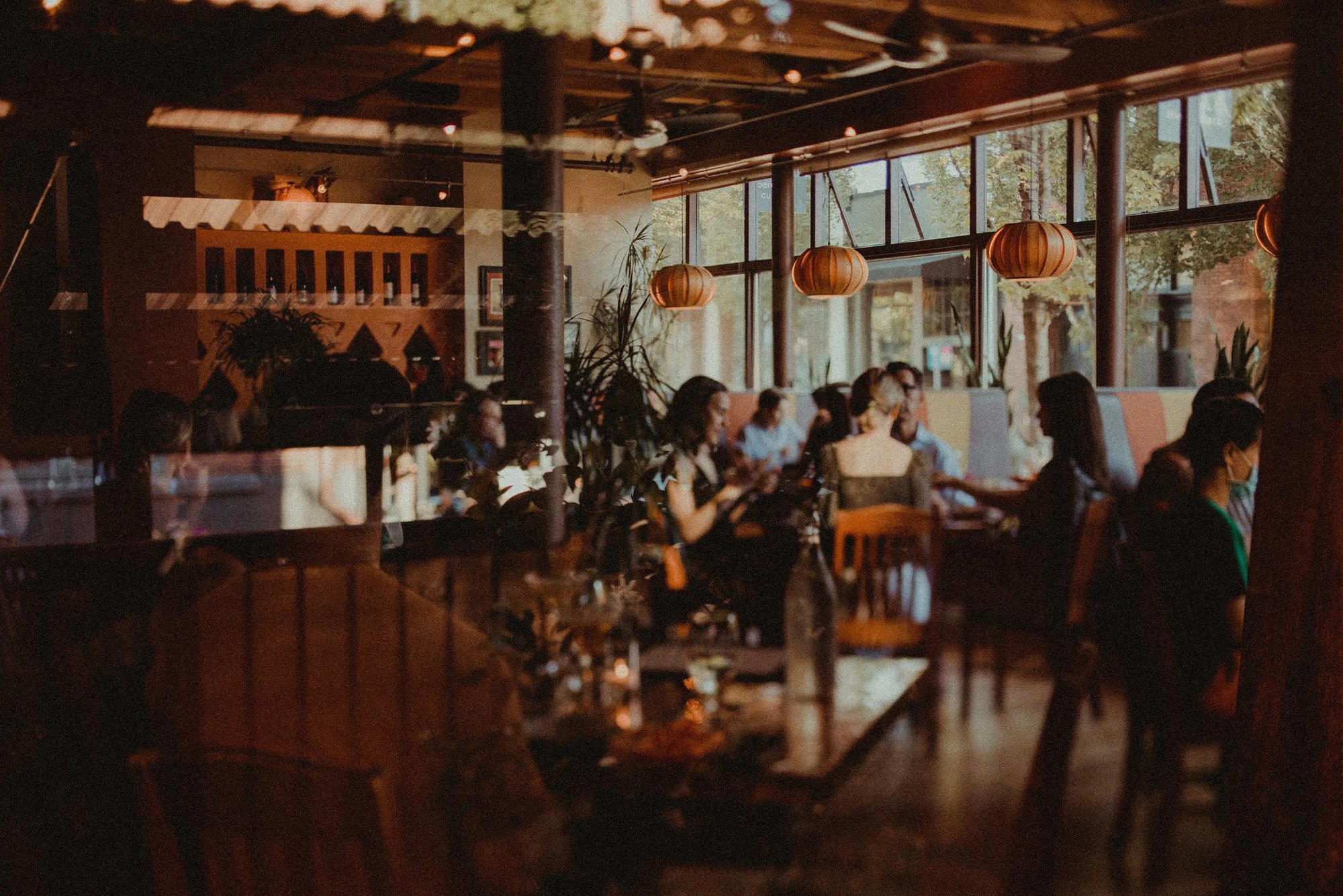
Where the Pearl District Meets the Andes
The Pearl District has a particular relationship with its restaurants. Unlike Portland's inner east side, where dining rooms tend to skew casual and neighbourhood-facing, the Pearl built its food identity around larger, polished spaces that could absorb the foot traffic of gallery openings and weekend browsing. Andina, at 1314 NW Glisan St, is a bar in Portland, Oregon. It draws on Peruvian culinary tradition, a cuisine that sits far outside the Pacific Northwest's default registers of farm-to-table new American and Asian fusion, and it has held its ground in a neighbourhood that cycles through restaurant concepts with some regularity.
Peruvian cooking has attracted sustained critical attention in North American cities over the past decade, partly because it resists easy categorisation. It is not a single-ingredient cuisine or a technique-forward movement in the modernist sense. Instead, it layers Andean staples, Japanese technique imported through the Nikkei community, Chinese influences carried in by the Tusán wave, and coastal cevicheria traditions into a cooking culture that rewards both casual and serious engagement. A restaurant working in that tradition has more tonal range than most, and how a given room interprets it says something about who the kitchen is cooking for.
A Room That Functions as a Local Anchor
The Pearl District's residential density has grown considerably since the early 2000s, and with it has come demand for the kind of restaurant that serves both the celebratory dinner and the Tuesday-night regular. Andina has positioned itself to serve that dual function. The address on NW Glisan puts it within walking distance of much of the Pearl's apartment stock, which matters for repeat business in a way that a purely destination-facing room cannot replicate.
Across Portland, the bars and restaurants that develop genuine community weight tend to share a few characteristics: consistent staffing, a format that works across different party sizes and occasions, and a food or drink program with enough depth to sustain multiple visits without exhausting itself. The Peruvian framework gives Andina structural range here. Ceviche and tiradito at the bar, larger shared formats for group tables, pisco-based cocktails that provide a through-line from aperitivo to evening, all of these pull from the same culinary vocabulary without narrowing the room's audience.
For a sense of how that neighbourhood-anchor model plays out in Portland's bar scene specifically, Teardrop Lounge in the Pearl offers a useful comparison. It has built a loyal local following through technical rigor and consistent hospitality rather than novelty. Andina operates in a different register, food-led rather than cocktail-led, but the underlying logic of earning regular business through depth rather than spectacle connects the two.
Peruvian Cuisine in a Portland Context
Portland's dining identity has long been shaped by proximity to agricultural abundance, and that has created a city where local sourcing is a baseline expectation rather than a selling point. A Peruvian kitchen operating in that environment faces an interesting calibration challenge. The canonical ingredients of the cuisine, aji amarillo, huacatay, Andean potato varieties, chicha de jora, are not Oregon pantry staples. How a kitchen resolves that tension between culinary tradition and local sourcing philosophy reveals a lot about its priorities.
The Nikkei dimension of Peruvian cooking is particularly relevant in a city with Portland's Japanese culinary heritage. Tiradito, which applies Japanese sashimi technique to Peruvian flavour profiles, sits comfortably in a city where seafood literacy is high and knife work is appreciated. It also provides a point of access for diners who might approach Peruvian cuisine with less familiarity than they would Japanese or Mexican food.
For comparison across the US, restaurants working at the intersection of South American culinary tradition and serious cocktail programming include Superbueno in New York City, which has built recognition around Latin American-influenced drinks, and Jewel of the South in New Orleans, a room that draws on Caribbean and South American spirit traditions. Neither maps directly onto Andina's format, but they illustrate how Latin American culinary traditions are finding sustained critical traction in major US markets.
The Pisco Question
Any Peruvian restaurant of serious intent has to take a position on pisco. The spirit is central to Peru's national identity in a way that goes beyond menu decoration, and the gap between a well-constructed pisco sour and a perfunctory one signals immediately how seriously the drinks program has engaged with the tradition. Across the US, pisco remains less distributed than mezcal or cachaça, which means that a bar program built around it requires active sourcing and staff education rather than reliance on category familiarity.
Cocktail bars in other cities have demonstrated that Latin American spirit categories can sustain a focused program at the highest level. Julep in Houston has done this with American whiskey; Kumiko in Chicago with Japanese spirits and liqueurs; ABV in San Francisco with a broad-spectrum technical approach. In Portland's own bar scene, 10 Barrel Brewing Portland anchors one end of the drinking spectrum, while spaces like 3808 N Williams Ave and 7316 N Lombard St reflect the city's range across different neighbourhoods. Andina operates closer to the food-led, spirit-educated middle of that spectrum. Further afield, Bar Leather Apron in Honolulu and The Parlour in Frankfurt on the Main show how international cocktail bars have built identities around geographic specificity in their spirit selections, a model that applies directly to what a serious pisco program at a Peruvian restaurant can accomplish.
Planning Your Visit
Andina is located at 1314 NW Glisan St in Portland's Pearl District, reachable by the Portland Streetcar NW loop or a short walk from the central Pearl. The neighbourhood is most active on weekend evenings when gallery traffic combines with restaurant demand, making a reservation the sensible approach for dinner. The room's dual function as both a local regular's address and a destination for visitors means the atmosphere shifts depending on the night and the table. First-time visitors with genuine curiosity about the breadth of Peruvian cooking will find more to engage with than those approaching it as a novelty. For context on how Andina fits into the wider Portland dining picture, our full Portland restaurants guide maps the city's neighbourhoods and current dining strengths.
The Short List
Comparable venues nearby, for context on price, style, and recognition.
| Venue | Cuisine | Price | Notes |
|---|---|---|---|
| AndinaThis venue — the venue you are viewing | Not listed | $$$ | Not listed |
| The Xport Rooftop Lounge | Not listed | $$$ | Downtown, rooftop_bar |
| Rum Club | Not listed | $$$ | Central Eastside Industrial District, cocktail_bar |
| After Ours | Not listed | $$ | Northeast Portland, cocktail_bar |
| Flying Fish Company LLC | Kerns, Bar | $$ | Not listed |
| Parallel Restaurant & Wine Bar | Not listed | $$$ | Kerns, wine_bar |
Continue exploring
More in Portland
Bars in Portland
Browse all →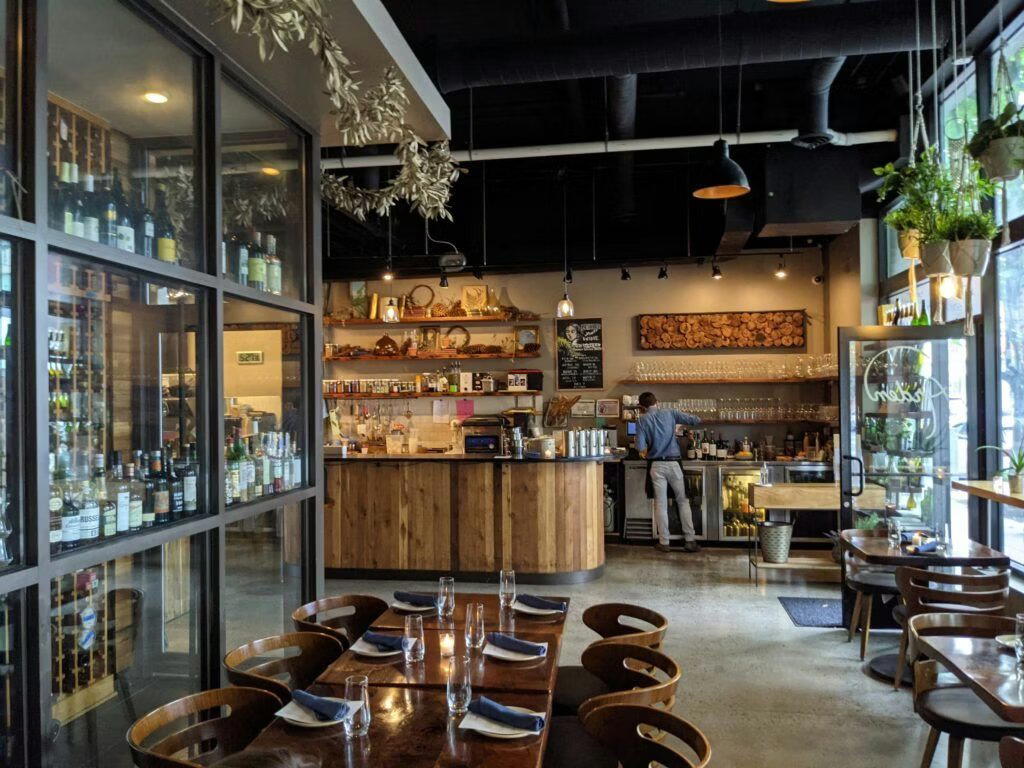
Restaurants in Portland
Browse all →
Hotels in Portland
Browse all →
At a Glance
- Elegant
- Sophisticated
- Date Night
- Special Occasion
- Standalone
- Lounge Seating
- Classic Cocktails
- Craft Cocktails
Current opening hours
- Monday
- 4–9 PM
- Tuesday
- 4–9 PM
- Wednesday
- 4–9 PM
- Thursday
- 4–9 PM
- Friday
- 4–9 PM
- Saturday
- 10 AM–2 PM, 4–9 PM
- Sunday
- 10 AM–2 PM, 4–9 PM
Hours can change for holidays and private events. Last verified .
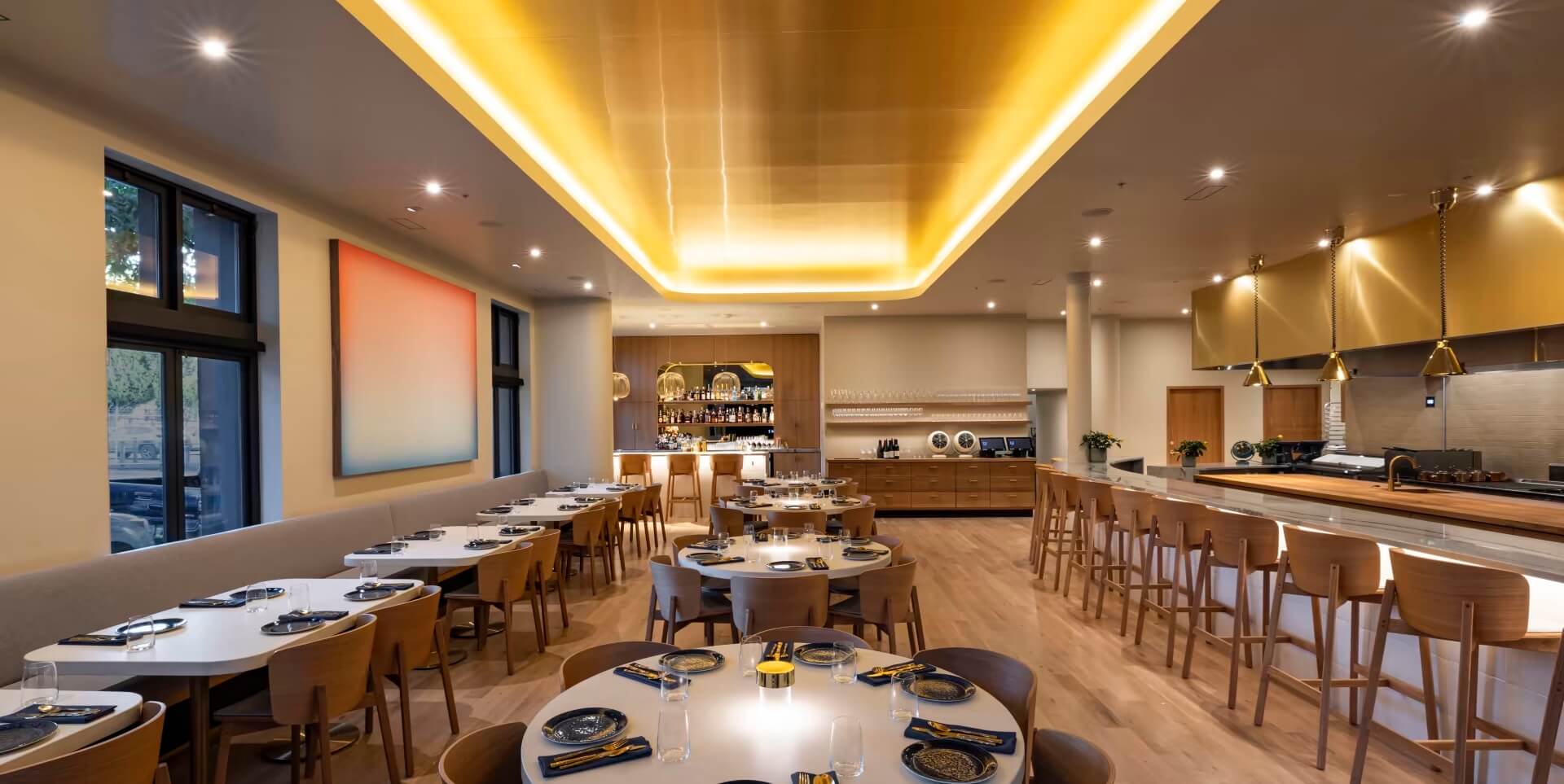
Moderate noise level with an elegant and sophisticated atmosphere in the lounge and dining spaces.