Alchemy Bar
London's cocktail scene has grown more technically ambitious over the past decade, and Alchemy Bar sits within that shift, a bar where the drink program is shaped by environmental thinking as much as flavour logic. Expect a considered approach to ingredients, format, and waste that places it in a different register from the city's more theatrical cocktail venues.

Pearl is the En Primeur Club membership app — saves, bookings, and concierge access live there. Same editors, same standards.
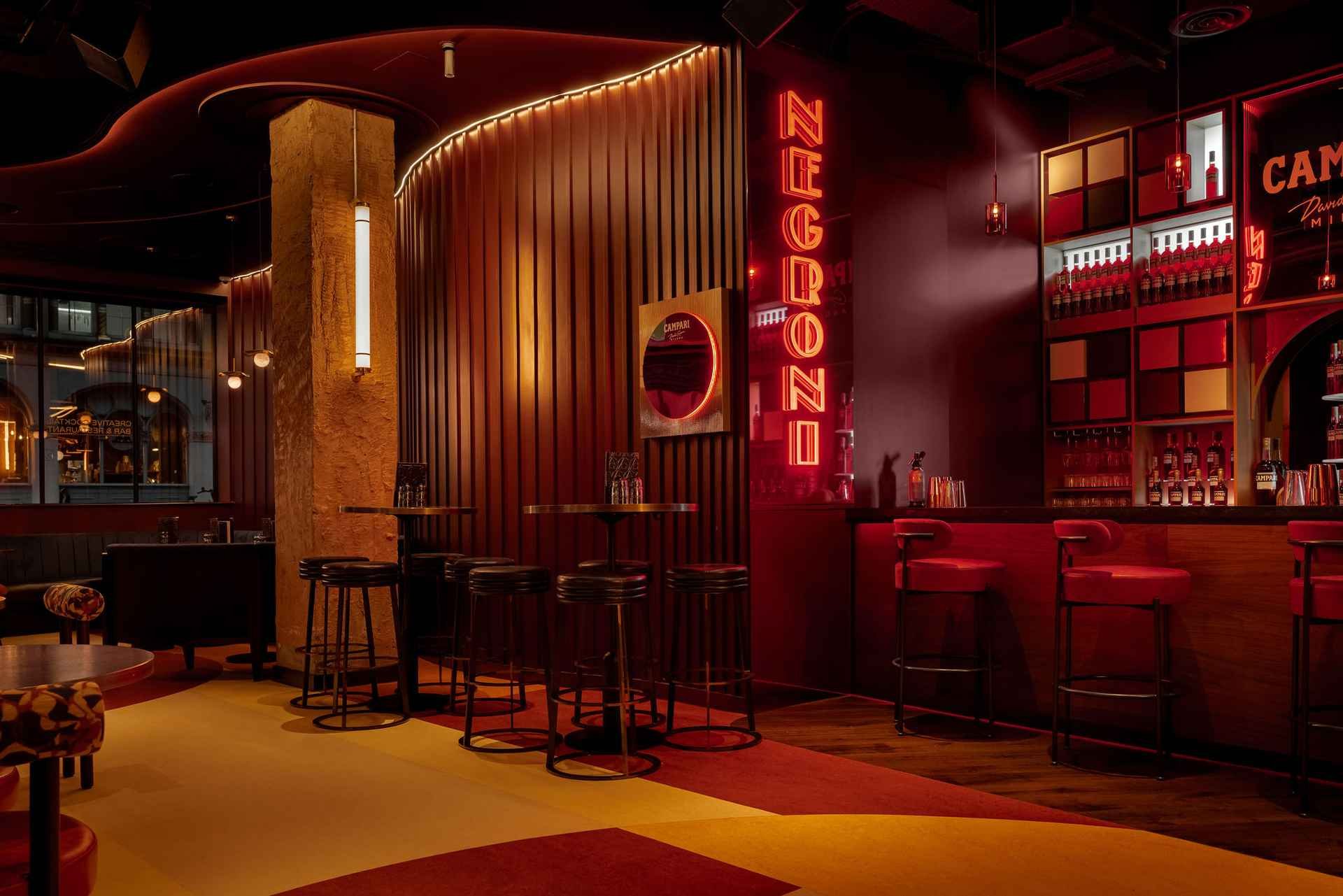
Where the Drink Starts Before the Glass
There is a particular quality to bars where the thinking behind the drink is as considered as the drink itself. London has developed a coherent tier of these venues over the past fifteen years, moving from the hidden-door speakeasy format that defined the 2010s toward something more transparent and, in the more interesting cases, more principled. Alchemy Bar occupies a position within this shift, where the question of what goes into a cocktail extends backward into sourcing and forward into what happens to what's left over.
The name carries its own implication: transformation, precision, the conversion of base materials into something refined. In the context of London's current cocktail conversation, that framing maps onto a broader movement in which bars are measuring their credentials not just by the complexity of the finished drink but by the discipline applied at every stage of production. For readers exploring the city's bar scene more fully, our full London restaurants and bars guide maps the wider picture.
The Environmental Logic Behind the Menu
Sustainability in cocktail bars has passed through several phases in London. The early version was largely cosmetic: paper straws, a line on the menu about local producers. The more developed version, which a smaller number of bars have reached, involves structural decisions about ingredient selection, waste reduction, and how the program is built from the ground up.
Bars operating at this level typically share a few characteristics: menus built around whole-ingredient use, fermentation or preservation techniques that extend the life of seasonal produce, and sourcing relationships with suppliers whose own practices hold up to scrutiny. The result, when done well, is a drinks list that tells you something about the season and the supply chain without requiring the menu to explain itself at length. The drink carries the argument.
This approach also tends to produce more disciplined menus. When waste is a design constraint, the temptation to overload a list with novelty ingredients narrows. What remains is a tighter, more purposeful set of choices, where each element has been selected because it belongs rather than because it impresses on paper. London bars like A Bar with Shapes For a Name have demonstrated that rigorous conceptual frameworks and genuinely enjoyable drinking are not in tension with each other.
Where Alchemy Bar Sits in the London Cocktail Tier
London's cocktail scene now operates across several distinct tiers. At one end, volume-led bars with broad menus designed for accessibility and throughput. At the other, counter-format or reservation-only venues where the experience is closer to a tasting menu than a night out. Between those poles sits a cohort of bars that combine serious technical programs with an environment that still functions as a social space rather than a performance.
Venues in this middle tier are often where the most interesting work happens. 69 Colebrooke Row established the benchmark for science-led cocktail thinking in London; Academy and Amaro each represent distinct editorial positions within the contemporary bar conversation. Alchemy Bar draws from this same tradition of intentional programming, where the sustainability angle is not a marketing layer but a structural commitment that shapes what appears on the menu and what does not.
For comparison across the UK's broader cocktail geography, Schofield's in Manchester and Bramble in Edinburgh each anchor their respective cities' premium bar tiers, while Merchant Hotel in Belfast maintains one of the most formally structured cocktail programs outside London. The standard of technical ambition across British cities has risen considerably since 2015, which makes London's position as the reference point less automatic than it once was.
The Atmosphere: What to Expect
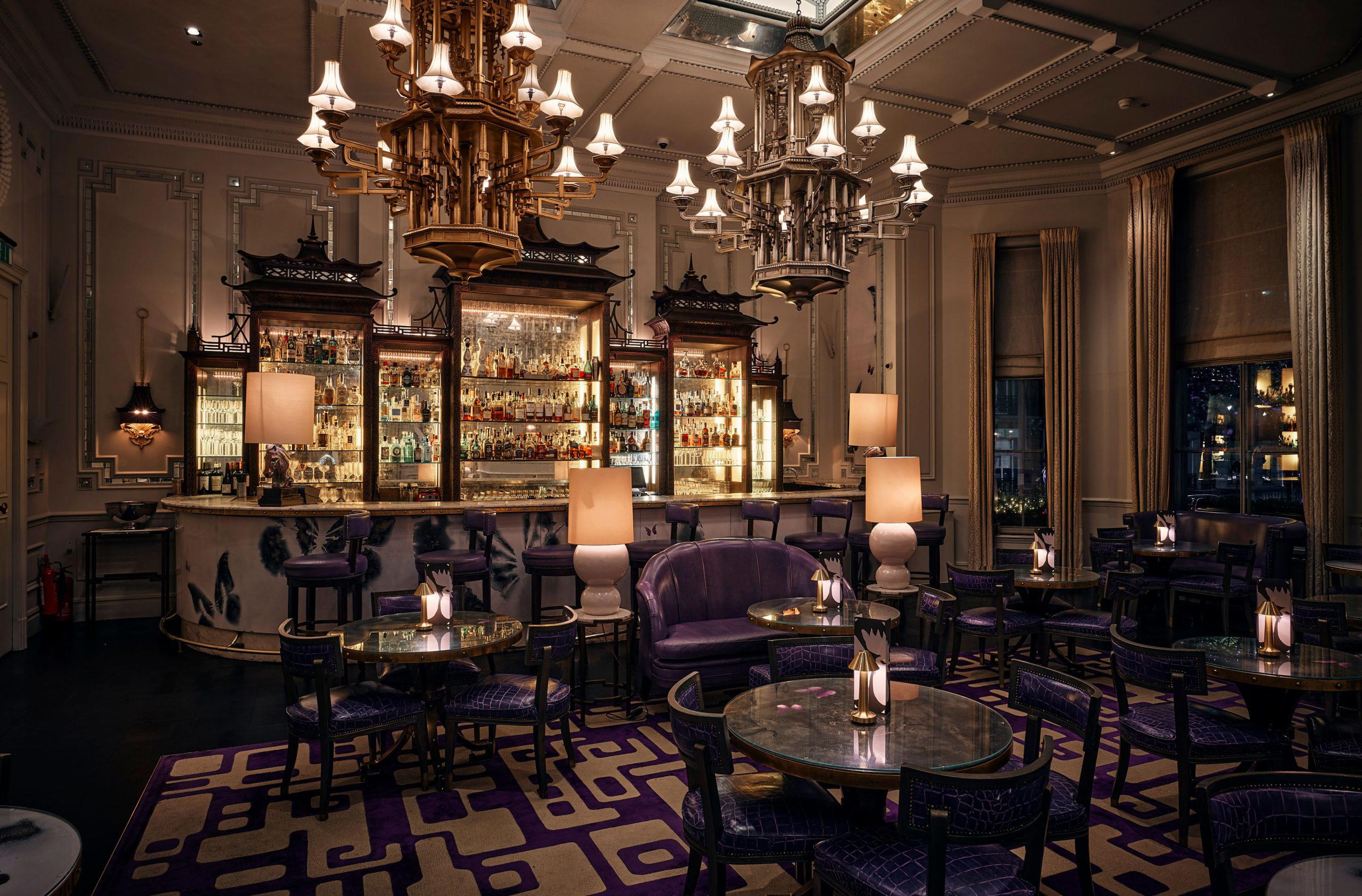
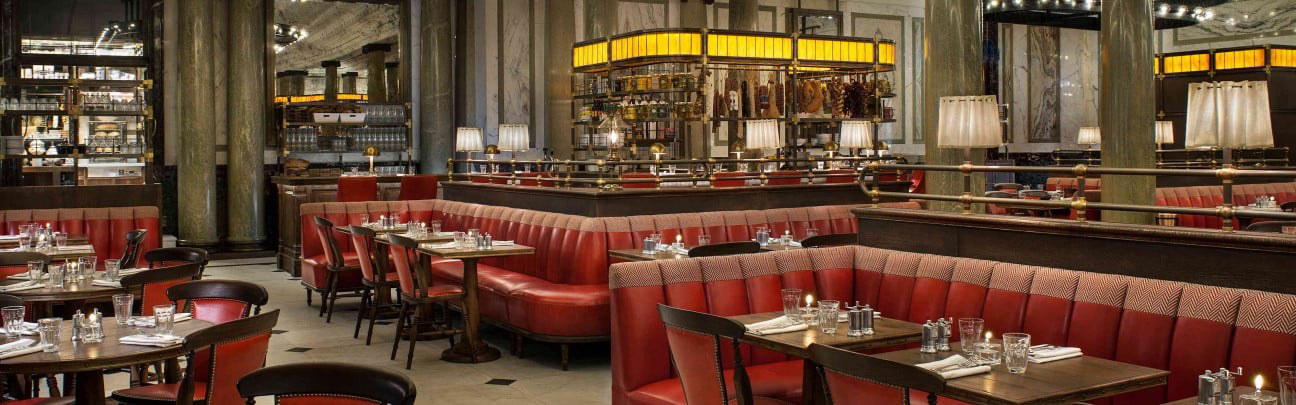
Bars committed to environmental principles tend to make that commitment legible in the physical space without being didactic about it. Materials sourced locally or reclaimed, lighting that reads as considered rather than designed to generate social media content, a general restraint that signals the priorities lie elsewhere. The atmosphere is one that rewards attention: quieter energy that allows conversation, a format built around the drink rather than around spectacle.
This places Alchemy Bar in a different register from the theatrically inclined end of London's bar scene, where the experience is constructed around arrival moments and visual drama. The comparison with venues like A Bar with Shapes For a Name is instructive: both operate with conceptual seriousness, but the atmosphere in each reflects the particular set of values the program is built around.
Internationally, the sustainability-led bar format has produced some of the most genuinely interesting drinking experiences in recent years. Bar Leather Apron in Honolulu and Mojo Leeds each illustrate, in their different contexts, that a principled approach to programming does not require sacrificing warmth or welcome. The atmosphere at bars like these tends to be quieter but denser in terms of the actual experience of drinking well.
Planning Your Visit
For bars operating in this tier of the London scene, it is worth arriving with some knowledge of what the program is built around, as the menu tends to reward engagement rather than defaulting to familiar categories. Approaching the list with curiosity about the ingredients and their provenance typically produces a better experience than ordering to a pre-formed preference.
London's more considered bars rarely require a reservation in the same way that a tasting-menu restaurant does, but capacity at smaller venues can be limited on weekend evenings. Arriving earlier in the evening, particularly if you want to engage properly with the program, tends to produce a different and often more rewarding experience than arriving at peak service. For broader context on where Alchemy Bar sits within London's bar geography, the EP Club London guide covers the full range of the city's drinking scene by neighbourhood and category.
Style and Standing
A quick snapshot of similar venues for side-by-side context.
| Venue | Price | Awards |
|---|---|---|
| Alchemy BarThis venue — the venue you are viewing | $20–30 | Not listed |
| Bar Termini | $20–30 | World's 50 Best #6 · Falstaff Bar - 93 Falstaff Points |
| Callooh Callay | $30–50 | World's 50 Best #48 · Top 500 Bars Best Bars #137 |
| Happiness Forgets | $20–30 | World's 50 Best #40 · Top 50 Cocktail Bars UK #44 |
| Nightjar | $30–50 | World's 50 Best #43 · Falstaff Bar - 91 Falstaff Points |
Continue exploring
More in London
Bars in London
All bars in London →
Restaurants in London
All restaurants in London →

Alchemy Bar
The drinks
- Craft cocktails
- Classic cocktails
- Zero-proof drinks
Signature drinks: Shroom Boom, Hokus without pokus.
Details
- Lively
- Modern
- Trendy
- Whimsical
- Intimate
- After Work
- Late Night
- Date Night
- Celebration
- Special Occasion
- Live Music
- Design Destination
- Standalone
- Seated Bar
- Lounge Seating
- Craft Cocktails
- Classic Cocktails
- Zero Proof
- Low Abv
- Gin
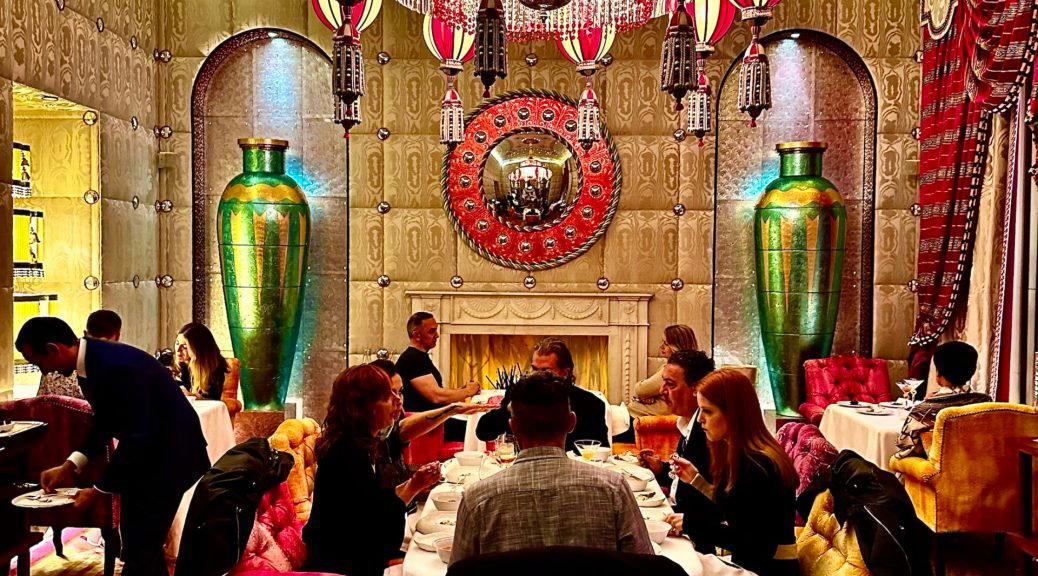
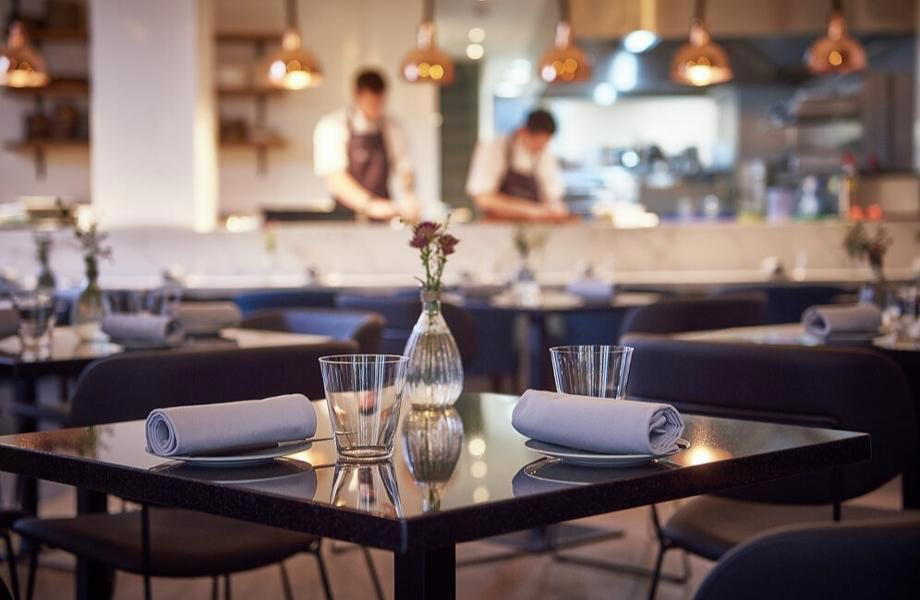
Dark, moody, and quirky with a contemporary underground-apothecary feel, featuring widely spaced tables, sofas, and a lively late-night atmosphere.