Mandarin Asian Bistro
Mandarin Asian Bistro at 24 Market St occupies a corner of Lowell's downtown dining scene where Asian-inflected cooking meets an accessible neighbourhood format. The address places it within walking distance of Lowell's broader Market Street corridor, a stretch that rewards those who read its restaurants as a collective portrait of the city's pan-Asian food culture rather than isolated stops.

Pearl is the En Primeur Club membership app — saves, bookings, and concierge access live there. Same editors, same standards.
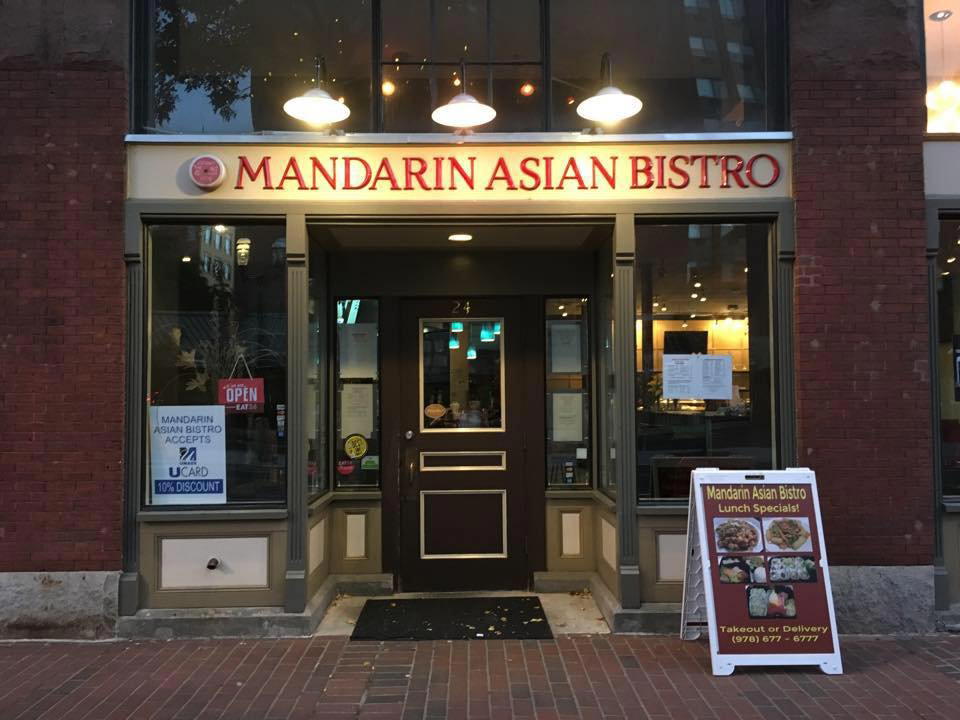
Market Street and the Shape of Lowell's Asian Dining Scene
Lowell's relationship with Asian cuisine is not decorative — it is structural. The city holds one of the largest Cambodian-American communities in the United States, and that demographic weight has pushed Asian cooking into the mainstream of local restaurant culture in a way that few mid-sized Massachusetts cities can match. Market Street, where Mandarin Asian Bistro operates at number 24, sits inside that broader current. The stretch functions less like a dining destination built for visitors and more like a working neighbourhood food corridor where the audience is largely local and the competition is genuine.
In that context, a bistro format with Asian positioning is not a novelty act. It is a market response to a city that already knows this food, has opinions about it, and can tell the difference between kitchens that understand their material and those that approximate it. That competitive pressure is worth naming before anything else, because it shapes what a restaurant at this address has to be to hold its ground.
The Cocktail Programme in Context
American Asian restaurants have historically undersold their bar programmes, treating the drinks list as an afterthought to the food. That pattern has been shifting in cities with more developed cocktail cultures — venues like Kumiko in Chicago and Superbueno in New York City have demonstrated that Asian flavour systems and serious bar craft are entirely compatible, building menus around umami-forward spirits, fermented ingredients, and regional Asian botanicals. The model is now mature enough that it has spread well beyond major coastal markets.
At the other end of the formality register, neighbourhood bistros have their own cocktail logic. The goal is rarely technical exhibition, it is repeatability, accessibility, and drinks that work alongside food rather than demanding attention on their own terms. The contrast is instructive: where Bar Leather Apron in Honolulu or Jewel of the South in New Orleans operate as destination bar programmes where the drink is the primary event, a bistro on Market Street is more likely to succeed by making its bar list useful, drinks that support a table of people ordering food rather than drinks that pull focus away from it.
Asian-inflected cocktail approaches that work in a bistro setting tend to draw on familiar flavour bridges: lychee, ginger, citrus, and lighter rice-based spirits that don't compete with delicate broths or sauce-driven dishes. The question for any bar programme operating inside an Asian restaurant in a city like Lowell is whether it reflects the culinary identity of the kitchen or treats the two programmes as entirely separate departments. The more coherent approach, where the drinks list and the food menu share vocabulary, tends to produce a more satisfying experience for the table as a whole.
Lowell's Wider Dining Orbit
Mandarin Asian Bistro sits inside a neighbourhood where several distinct restaurant formats are operating in parallel. 1981 Ramen Bar represents the single-format specialist approach, a kitchen that has staked its identity on one dish family and built depth within it. Hong Cuc Grand Eatery and Jade Lowell Restaurant cover different registers of the city's Chinese and Vietnamese traditions. Blue Taleh adds another cultural layer to a scene that is not monolithic but genuinely plural.
A bistro format with pan-Asian positioning sits differently from all of those. It is not making a claim of regional specificity, it is making a claim of breadth and accessibility, which is a different kind of ambition. That format works when the kitchen has enough range to deliver across multiple cuisines without losing coherence, and when the room has an energy that makes it feel like a first choice rather than a fallback. In cities with strong specialist competition, the generalist bistro has to work harder to hold its position.
For a fuller picture of where Mandarin Asian Bistro sits within this ecosystem, the full Lowell restaurants guide maps the city's food culture at neighbourhood level, which is the most useful frame for understanding how individual addresses relate to the broader scene.
What the Format Implies for the Drinker
Across the American bar landscape, the most instructive comparisons for what a neighbourhood bistro bar programme can achieve come from venues that have found a middle path between destination bar and afterthought. ABV in San Francisco built a reputation on high-quality cocktails in a format that remained genuinely accessible. Julep in Houston demonstrated that a strong drinks identity can coexist with a full food programme without either side losing ground. The Parlour in Frankfurt on the Main shows that the model travels across markets and cultural contexts.
The common thread in all of these is intentionality: the bar programme knows what it is trying to do and does it consistently. For an Asian bistro on Market Street, that consistency matters more than ambition. Drinks that arrive promptly, work with the food, and are priced in line with the neighbourhood's expectations will serve the room better than a technically complex menu that slows service and confuses ordering.
Planning Your Visit
Mandarin Asian Bistro is located at 24 Market St in downtown Lowell, within walking distance of the Lowell MBTA Commuter Rail station, which connects directly to Boston's North Station on a journey that typically runs around 45 minutes. Market Street is accessible by car with street and garage parking available nearby.
Frequently Asked Questions
Fast Comparison
| Venue | Cuisine | Price |
|---|---|---|
| Mandarin Asian BistroThis venue — the venue you are viewing | This venue | $20–30 |
| 1981 Ramen Bar | Not listed | $20–30 |
| Hong Cuc Grand Eatery | Not listed | $10–20 |
| Jade Lowell Restaurant | Not listed | $20–30 |
Continue exploring
More in Lowell
Bars in Lowell
All bars in Lowell →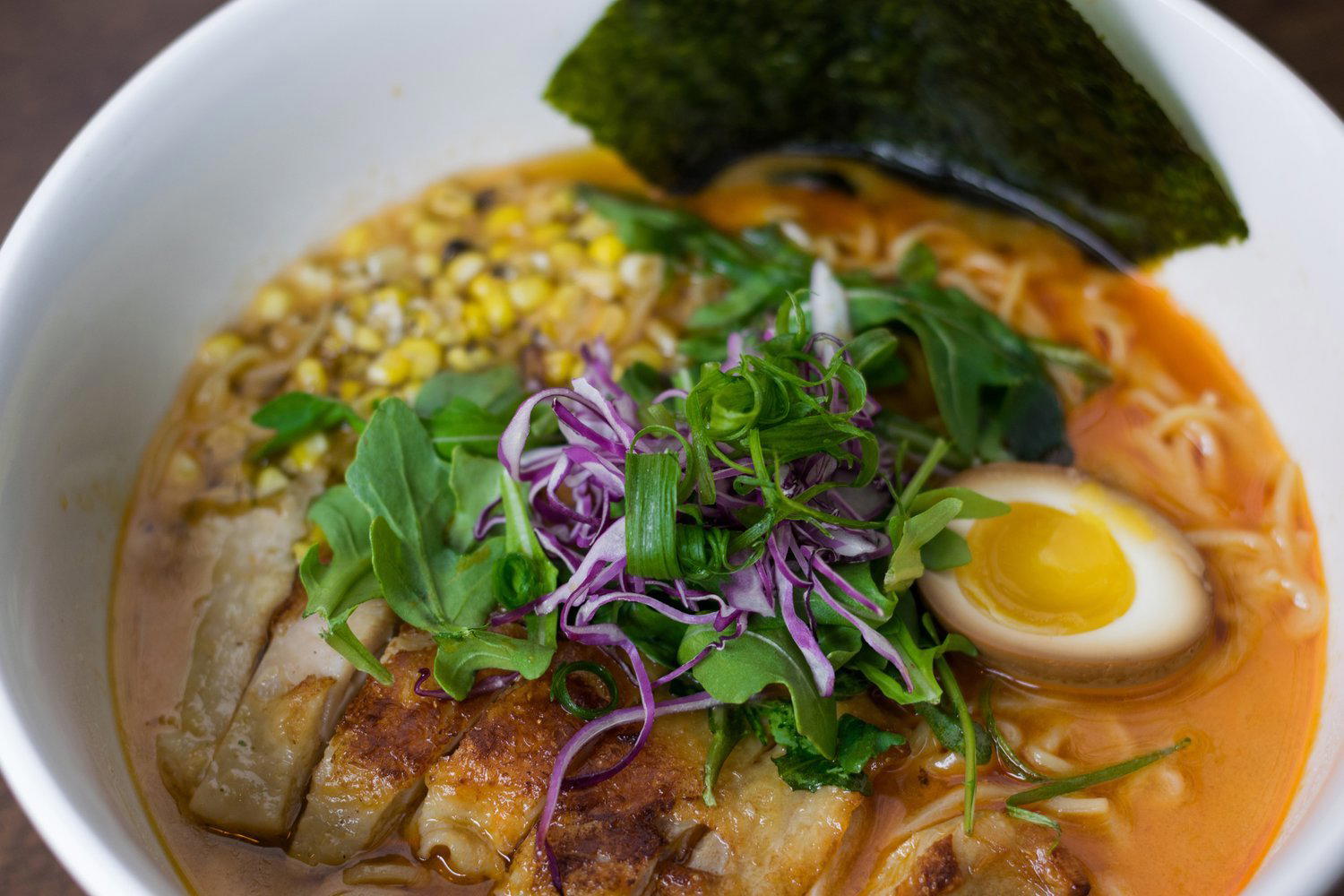
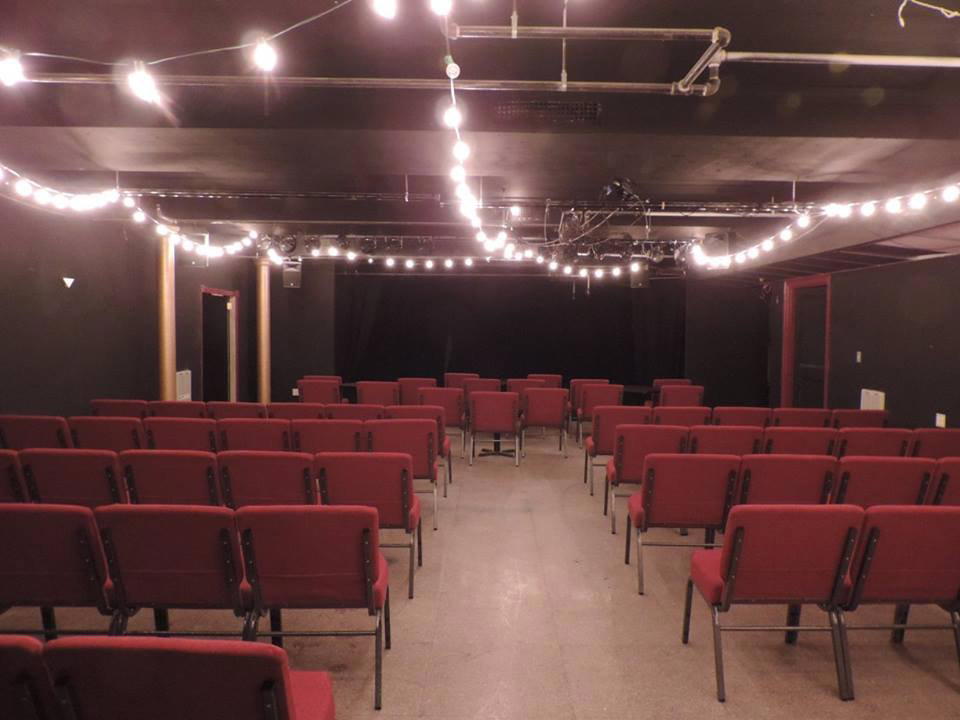
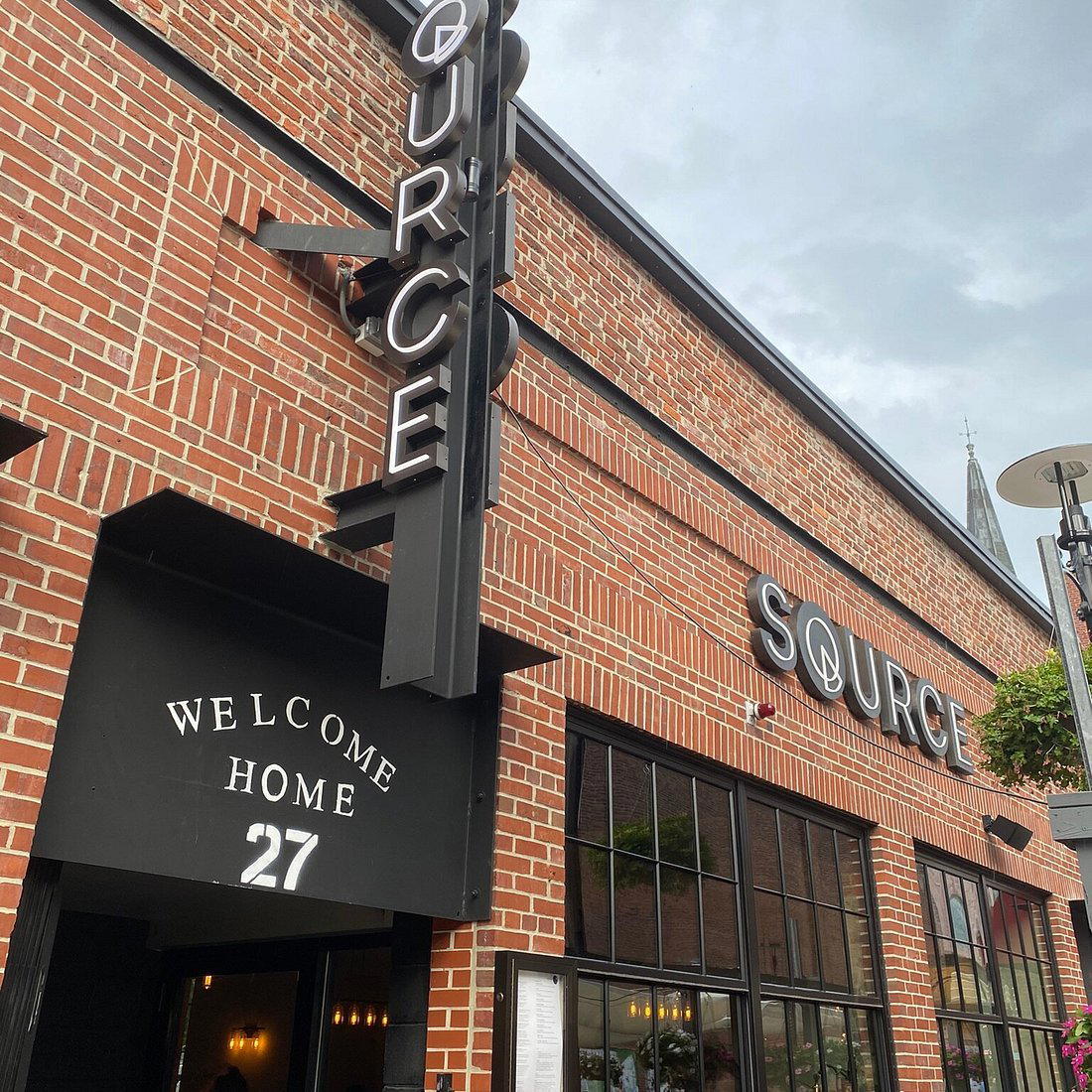
Restaurants in Lowell
Browse all →
Hotels in Lowell
Browse all →
Wineries in Lowell
Browse all →

Details
- Modern
- Lively
- Late Night
- Casual Hangout
- Live Music
- Seated Bar
Current opening hours
- Monday
- Closed
- Tuesday
- 11:30 AM–10 PM
- Wednesday
- 11:30 AM–10 PM
- Thursday
- 11:30 AM–10 PM
- Friday
- 11:30 AM–1 AM
- Saturday
- 1 PM–1 AM
- Sunday
- 1–10 PM
Hours can change for holidays and private events. Last verified .
Modern decor with a welcoming and friendly atmosphere.