Zululand Distilling Co. (Tapanga Rum)

Zululand Distilling Co. produces Tapanga Rum from the sugarcane heartland of KwaZulu-Natal's north coast, earning a Pearl 2 Star Prestige award in 2025. The operation sits well outside South Africa's established Western Cape spirits circuit, making it a useful reference point for understanding how raw agricultural geography shapes rum character. It is one of the few craft distilleries operating from the Zululand cane belt.
 Discover on Pearl
Pearl is the En Primeur Club membership app — saves, bookings, and concierge access live there. Same editors, same standards.
- Address
- Gingingdlovu, 3800, KwaGingindlovu
- Phone
- +27 35 004 0007
- Website
- tapangarum.com
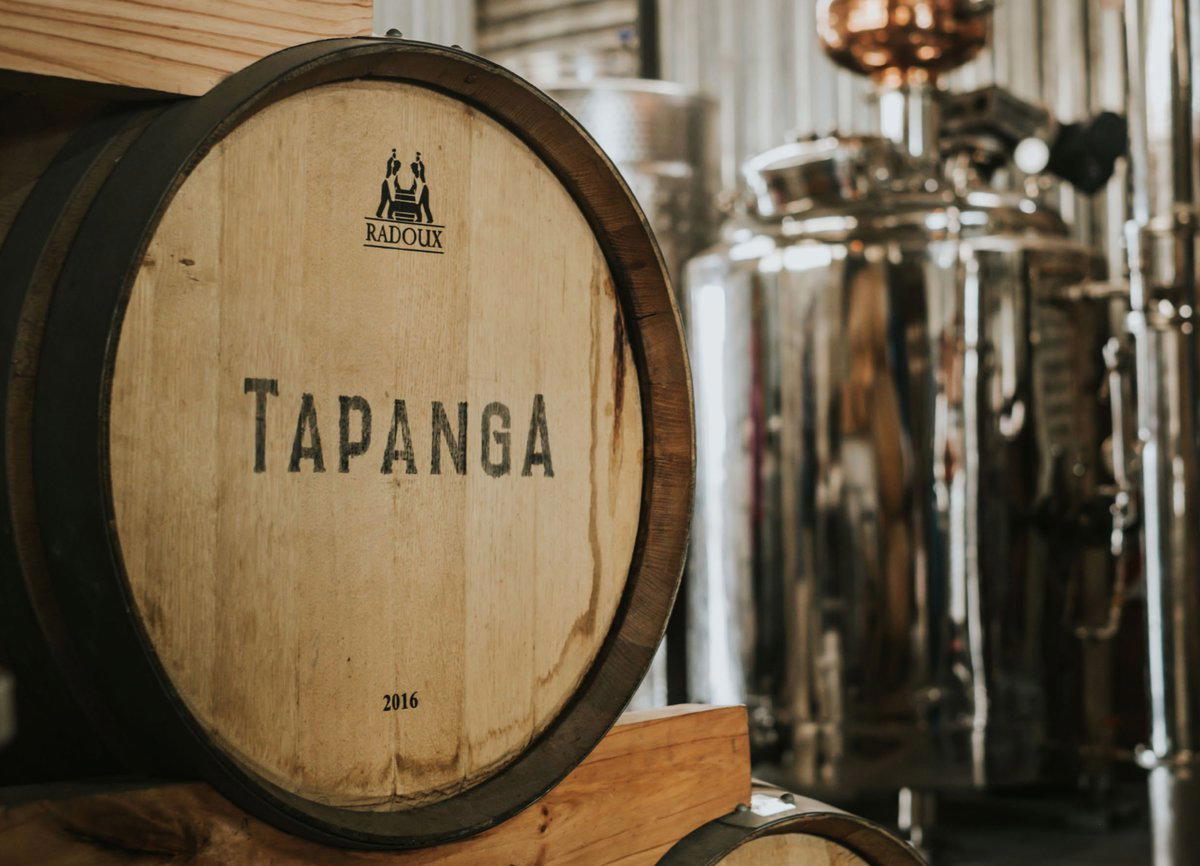
Cane Country: Rum From South Africa's North Coast
South Africa's distilling conversation has long been dominated by the Western Cape, where brandy houses like Oude Molen Distillery in Grabouw and port-style producers such as Boplaas Winery and Distillery in Calitzdorp anchor a recognisable spirits geography. Rum sits outside that tradition almost entirely. The country's craft rum category is young, and most of its producers are scattered across regions that lack the name recognition of Stellenbosch or Robertson. Gingindlovu, a small town on the KwaZulu-Natal north coast roughly midway between Durban and Richards Bay, is not a name that appears in South African spirits guides.
The KwaZulu-Natal coast is sugarcane territory. The region's subtropical climate, heavy summer rainfall, and coastal humidity create conditions that are essentially calibrated for Saccharum officinarum. Large commercial mills have processed cane from this corridor for generations, feeding South Africa's industrial sugar trade. Craft rum production emerging from the same raw material base follows a different set of priorities, but the terroir context is the same: high-sucrose cane grown under intense solar radiation in red clay soils that retain heat and moisture in ways that no Western Cape wine-producing district can replicate. Zululand Distilling Co., through its Tapanga Rum label, is working with that specific agricultural DNA.
What a 2025 Pearl 2 Star Prestige Award Signals
The Pearl awards programme assesses South African craft spirits with a peer-reviewed judging structure, and a 2 Star Prestige result for 2025 places Tapanga Rum in a tier that signals technical discipline rather than novelty appeal. A 2 Star rating is not the programme's ceiling, but it represents meaningful external validation for a producer operating outside the established industry clusters. For reference, producers in far more resourced and scrutinised categories, including Cape brandy and Western Cape gin, compete in the same assessment environment. Tapanga Rum's 2025 recognition from a coastal KwaZulu-Natal operation puts it in a narrower and more specific field than the broader South African craft spirits market.
South Africa's craft spirits tier has expanded considerably since 2018, with gin leading that growth before rum and whisky distilleries followed. The category now includes producers drawing on diverse agricultural inputs, but few are positioned as directly as Tapanga in terms of field-to-glass sugarcane provenance. Distilleries like Bezalel Wine and Brandy Estate in Upington demonstrate how South African producers outside the Cape winelands can build distinct product identities around regional raw material, and Tapanga follows that same logic from a different geography.
Terroir Expression in Sugarcane Spirits
The concept of terroir, widely applied to wine and increasingly discussed in whisky circles, applies meaningfully to agricultural rum. Rhum agricole traditions from Martinique and Guadeloupe codified this relationship through appellation frameworks, but the principle extends wherever cane variety, soil type, and microclimate intersect in measurable ways. KwaZulu-Natal's north coast has a specific flavour profile available in its cane: the combination of high heat, reliable rainfall, and coastal humidity produces cane with particular sugar concentrations and fermentable compound profiles that differ from cane grown in drier, cooler inland conditions.
What this means in the glass depends on distillation choices the producer makes with that raw material, but the starting point is genuinely distinct. Compare that to how wine producers in different South African appellation zones express their geography: Sadie Family Wines in Swartland and Creation Wines in Hermanus both work with cool-climate influences that are structurally unavailable to a producer at 29 degrees south latitude on the Indian Ocean coast. The agricultural specificity of Gingindlovu is the kind of regional differentiation that serious spirits buyers are increasingly willing to pay attention to, even when the name on the map is unfamiliar.
This is also the context in which producers like Beaumont Family Wines in Bot River or Val de Vie Estate in Paarl have built regional identity arguments in wine: the specificity of place, rather than the weight of historical branding, carries the credential. For a rum producer in Zululand, that argument is available and, given the Pearl award result, appears to be connecting with assessors who look past the address.
Situating Tapanga in the South African Craft Spirits Picture
South Africa's most recognised producers by international measure remain in Western Cape wine districts. Estates like Babylonstoren in Franschhoek, Constantia Glen in Cape Town, Vergelegen Wine Estate in Somerset West, and Neethlingshof Estate in Stellenbosch operate in a well-mapped, award-dense environment. Graham Beck Wines in Robertson shows how even producers outside Stellenbosch's gravitational pull can achieve sustained international recognition. These are producers with established distribution, export histories, and brand visibility that Zululand Distilling Co. does not yet share.
That gap, however, is a function of category age and geographic isolation rather than product quality, and the Pearl 2 Star Prestige rating is evidence that independent assessment can cut through both. The craft spirits tier in South Africa at the premium end is still small enough that a strong award cycle can shift a producer's visibility meaningfully. The more useful comparison for Tapanga Rum is not against Cape wine estates but against other craft spirit producers working in overlooked agricultural regions, where the product argument relies on raw material provenance and distillation transparency rather than inherited category prestige.
Planning a Visit to Gingindlovu
The town of Gingindlovu sits on the N2 corridor between Durban and Empangeni, making it accessible as a stop on a north coast drive rather than a standalone destination, though the surrounding Zululand interior has its own draw for visitors interested in game reserves and coastal heritage. Anyone planning a broader KwaZulu-Natal itinerary that includes spirits-focused stops will find that this part of the north coast operates on different logistics from the well-signposted wine routes of Franschhoek or Stellenbosch.
Fast Comparison
Comparable venues nearby, for context on price, style, and recognition.
| Venue | Cuisine | Price | Awards | Notes |
|---|---|---|---|---|
| Zululand Distilling Co. (Tapanga Rum)This venue — the venue you are viewing | Winery | $$ | 1 recognition | |
| Copper Republic Distilling Co. | Cape | $$ | 1 recognition | Johannesburg |
| Distillery 031 | Durban | $$ | 1 recognition | Berea |
| Monks Gin Distillery | Winery | , | 1 recognition | Wilderness |
| Lions River Craft Distillery | Western Cape | $$ | 1 recognition | Leeukloof valley |
| Mhoba Rum Distillery | Nkomazi | $$$ | 1 recognition | Malelane |
Continue exploring
More in Gingindlovu
Restaurants in Gingindlovu
Browse all →
At a Glance
- Rustic
- Scenic
- Hidden Gem
- Group Outing
- Wine Education
- Special Occasion
- Barrel Room
- Estate Grounds
- Private Tasting
- Sustainable
Industrial yet welcoming craft distillery atmosphere with wood-fired production processes and planned tasting lounge.