Google: 5.0 · 263 reviews
Whitby Distillery
<strong>Whitby Distillery</strong> belongs to a <strong>coastal spirits</strong> culture shaped by <strong>North Sea</strong> weather, maritime trade memory, and Yorkshire’s appetite for small-batch production. With a base at 8 <strong>Botany Wy</strong>, it gives Whitby a spirits address beyond the harbour-facing postcard view, placing gin, rum, and <strong>vodka</strong> in conversation with the town’s salt air, abbey silhouette, and working-port character.
 Discover on Pearl
Pearl is the En Primeur Club membership app — saves, bookings, and concierge access live there. Same editors, same standards.
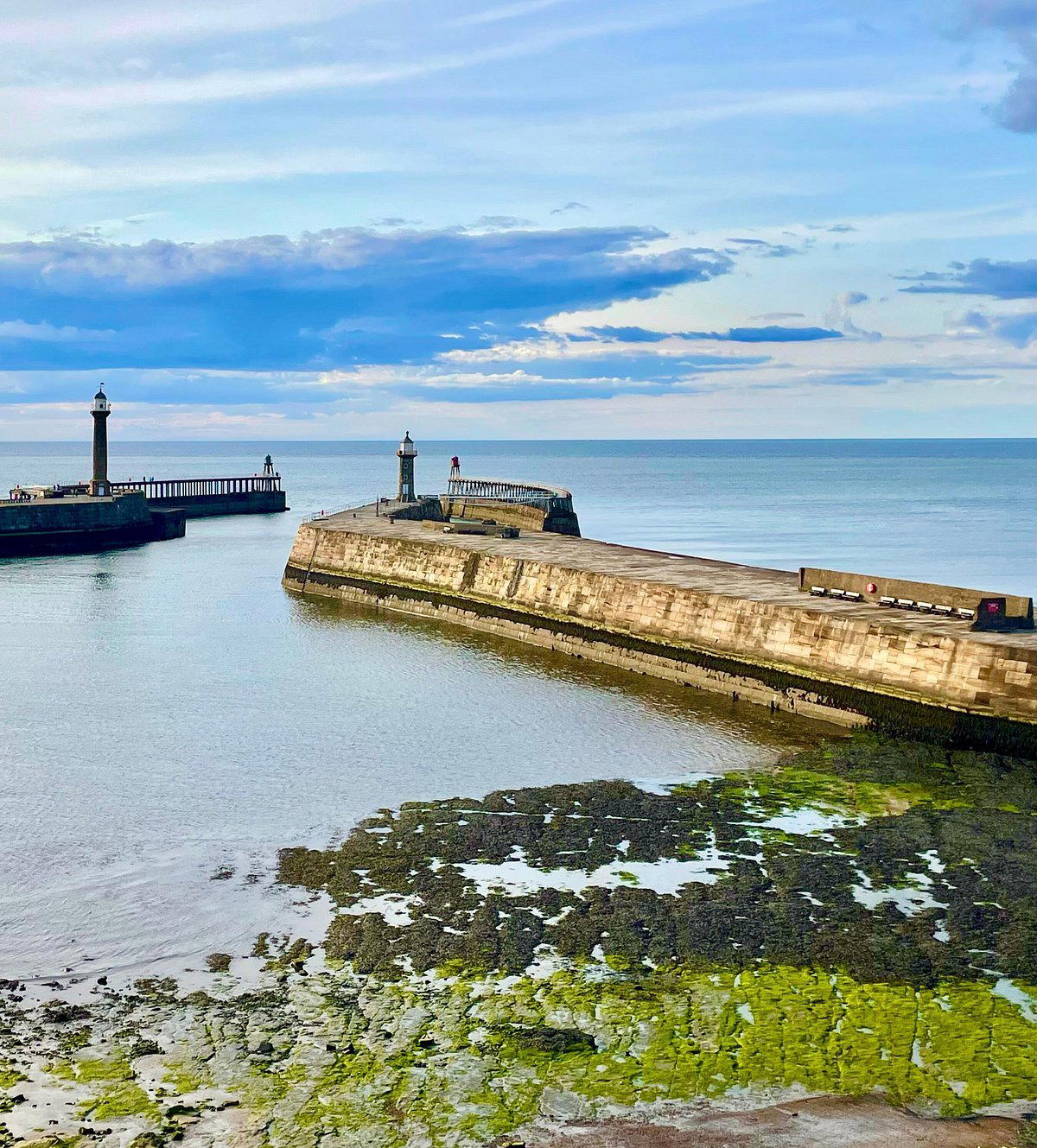
Salt air, stills, and the North Sea frame
Whitby’s drinking culture begins before a glass is poured. The town rises sharply from the harbour, with gulls over the piers, the abbey above the east cliff, and weather that can move from pale sunshine to sea fret in minutes. A distillery here is never just an inland production room transplanted to the coast. The North Sea sets the mood: mineral air, maritime history, and a local palate used to smoke, salt, malt, and strong tea rather than decorative sweetness. Whitby Distillery, based at 8 Botany Wy, sits inside that coastal logic, working in spirits, specifically gin, rum, and vodka, rather than the restaurant-led hospitality that defines much of the town’s visitor economy.
The useful way to read this address is through place. British spirits have spent the past decade moving away from anonymous neutrality and toward regional signals: coastal botanicals, local water narratives, small production spaces, and tasting-room formats that treat distillation as a cultural visit rather than a factory tour. Whitby gives that movement a sharper edge because the town already has a strong identity. The abbey ruins carry Gothic association, the harbour carries fishing-town pragmatism, and the surrounding North York Moors add heather, bog, stone, and wind to the regional imagination. Without inventing a recipe or a house style, the setting alone explains why a Whitby spirits producer reads differently from a city-centre gin brand.
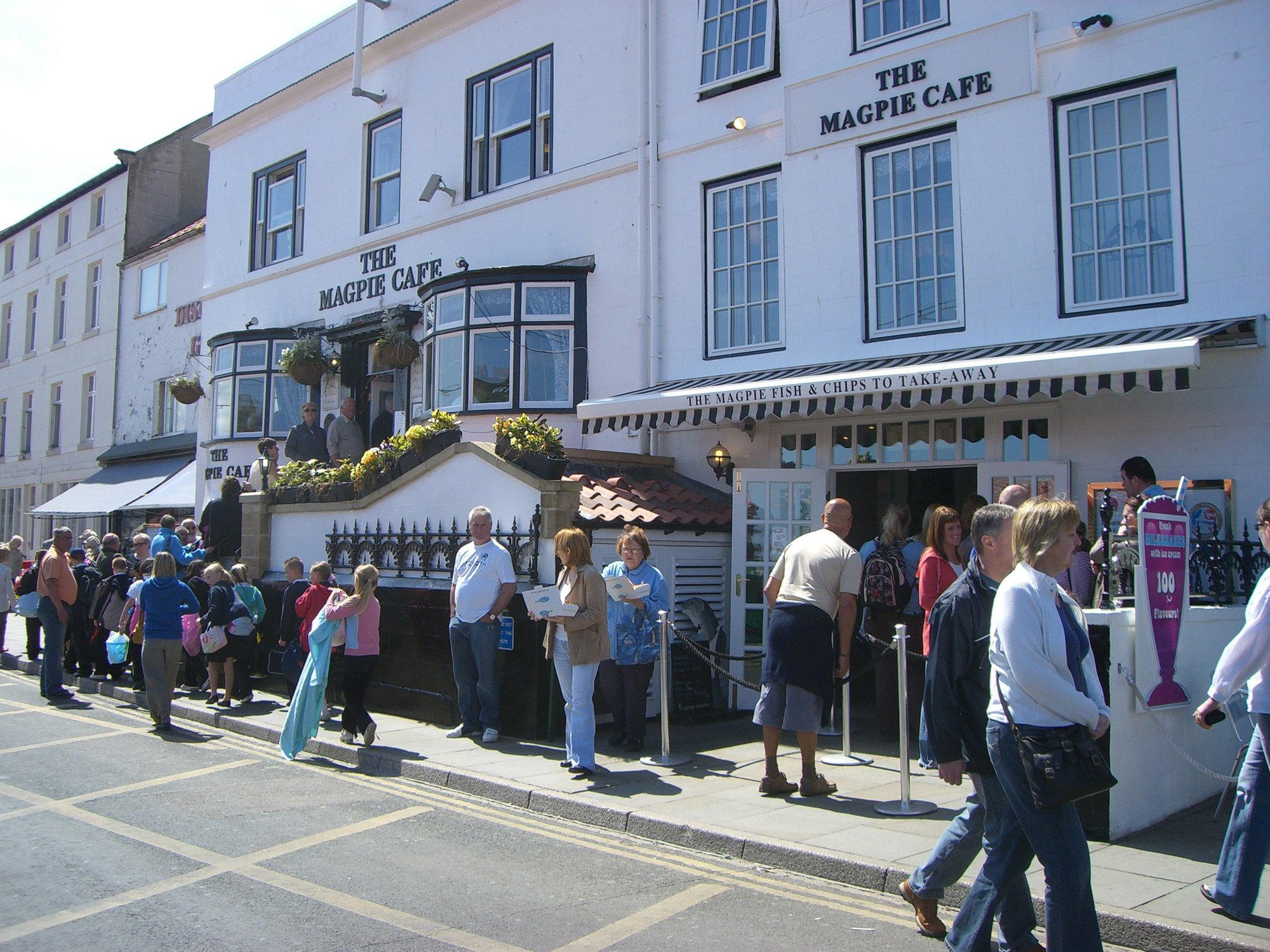
That distinction matters for travellers building a day around food and drink. Whitby has fish-and-chip queues, old pubs, seafood counters, and tearooms, but a distillery visit shifts the rhythm from consumption to production. For broader planning, the useful companion pages are Our full Whitby restaurants guide, Our full Whitby bars guide, and Our full Whitby experiences guide. Those categories tell different versions of the same town: one plate-led, one drink-led, one built around time and attention.
Terroir, translated from vineyard language to spirits
Terroir is a wine word, but it has become useful in spirits when applied with discipline. In wine, soil, slope, rainfall, and temperature shape fruit before fermentation. In spirits, the connection is less direct unless a producer controls grain, cane, fruit, botanicals, water, maturation site, or smoke source. The safer editorial point is not that every bottle tastes of the exact street where it is made, but that regional identity can be built through ingredients, atmosphere, production choices, and the cultural expectations around a place. Whitby has unusually strong raw material for that kind of identity.
The Yorkshire coast brings maritime humidity, brisk wind, and a long association with seafaring commerce. Rum in a town like this carries a different set of associations from rum sold in a landlocked retail unit, because ports have always shaped the movement of sugar, spice, barrels, and naval drinking culture. Gin also fits the coastal conversation: contemporary British gin often uses botanicals to signal region, while coastal towns add an expectation of salinity, herbal lift, and dry refreshment. Vodka, usually judged by texture and clarity rather than aromatic drama, can be the harder category through which to express place, yet it also gives a producer a baseline for distillation precision.
Whitby Distillery’s category spread, gin, rum, and vodka, places it in a flexible modern-spirits tier rather than a single-tradition model. That separates it from Scotch whisky houses where age statements, cask policy, and regional whisky law dominate the discussion. Compare that with Strathisla in Keith, Mortlach Distillery in Dufftown, or Glengyle (Kilkerran) in Campbeltown, where place is read through malt, cask maturation, regional whisky history, and long continuity. Whitby’s spirits scene is younger in tone and more directly tied to contemporary coastal travel.
Whitby's spirits identity beyond the postcard harbour
The town’s visitor image is powerful enough to flatten it: abbey steps, Dracula associations, fish suppers, jet jewellery, and the swing bridge. A spirits producer helps widen that frame. The address on Botany Way places the experience away from the tight historic core, which matters. Many British coastal towns now divide into two visitor zones: the heritage-facing centre, where walking routes and food queues cluster, and the working or light-industrial edges, where brewers, roasters, bakers, and distillers can actually operate. Whitby Distillery belongs to the second pattern.
That location gives practical context without overromanticising it. The venue is listed at 8 Botany Wy, Whitby YO22 4QX, United Kingdom. Public details in the available record do not include opening hours, phone, website, booking method, price range, seat count, or awards, so planning should not depend on assumed tasting times or walk-in policies. The useful move is to treat it as a production-led spirits stop within a Whitby itinerary rather than as a guaranteed late-night bar or full-service hospitality venue. Travellers comparing food, accommodation, and drinks can cross-reference Our full Whitby hotels guide, Our full Whitby wineries guide, and Our full Whitby bars guide before deciding how to structure the day.
Within Whitby itself, the closest editorial comparison is Abbey Lands Distillery, another coastal spirits address that helps define the town as more than a seafood-and-pub destination. The presence of more than one distillery-style venue changes the category from novelty to local pattern. It suggests a town using its atmospheric capital, port memory, and visitor flow to support bottle-led craft production. For a small coastal destination, that is a meaningful shift.
Gin, rum, vodka: three ways to read a coastal producer
The category mix is the main evidence available, and it is revealing. Gin is the natural language of the contemporary British micro-distillery: legally flexible, quick to market compared with aged whisky, and responsive to botanicals. Rum points toward maritime imagination and a broader drinking history, especially in a port town. Vodka suggests a cleaner technical register, where neutrality, texture, and filtration matter more than overt regional storytelling. Together, those three spirits create a portfolio that can speak to different drinkers without requiring the long capital cycle of whisky maturation.
This is where Whitby’s climate and setting matter editorially. Coastal spirits often carry the expectation of dryness and clarity, even when sweetness or spice appears in the category. The town’s food culture also shapes how bottles are read. A gin poured near the coast is mentally paired with shellfish, fried fish, sea air, and lemon rather than with hotel-lobby glamour. Rum in Whitby has a darker narrative pull because the town’s maritime past makes imported-sugar history feel less abstract. Vodka has to earn attention through exactness, because it lacks the built-in botanical storytelling of gin or the colonial-trade baggage and barrel associations of rum.
The wider spirits map helps sharpen the point. Oban Distillery in Oban and Jura Distillery in Isle of Jura show how coastal whisky houses can build identity through island or harbour context, while Rosebank Distillery in Falkirk carries a different set of associations around Lowland whisky revival and historic production memory. Whitby Distillery operates in another lane: not a Scotch house, not a grand cellar, but a modern coastal spirits producer where immediacy and place cues do much of the work.
How it compares with wine and cellar destinations
Wine regions teach travellers to ask better questions of distilleries. In a cellar, the first questions are usually about origin, vintage, grape, soil, altitude, and élevage. At a distillery, equivalent questions concern base material, botanical sourcing, still type, proof, water, maturation, and bottling choices. Whitby Distillery’s public record does not provide those production specifics, so the responsible reading stays at category and context level. The address, city, and spirits focus are firm data; the exact taste profile is not.
That restraint is part of serious travel writing. A page can place a venue in a scene without pretending to have tasted unavailable details. Comparisons with wine destinations also show why Whitby is interesting. Haute Cabrière in Franschhoek belongs to a region where mountain slopes, méthode cap classique, and cellar tourism are part of a mature visitor grammar. Pommery in Reims sits within Champagne’s chalk-cellar and grande-marque tradition. Terre Rouge and Easton Wines in Plymouth speaks through Sierra Foothills wine culture, varieties, and Californian regional positioning. Whitby’s version is smaller in scale and more coastal-British in tone: production close to a tourism town, spirits rather than wine, and place identity carried by weather, harbour memory, and the abbey skyline.
The comparison also guards against a common mistake. Not every drinks destination needs the architecture of a grand estate or the ceremonial gravity of an old whisky house. Some places matter because they show how a town’s drinking culture is changing at ground level. Whitby’s distillery scene belongs to that category. It gives visitors a way to connect the coast with production rather than only with consumption.
Planning a Whitby Distillery visit
The confirmed practical detail is the address: 8 Botany Wy, Whitby YO22 4QX, United Kingdom. The available record does not list public hours, a phone number, website, tasting format, booking method, price range, or dress code. That absence should shape expectations. Treat the visit as something to verify through current local channels rather than as a fixed drop-in bar stop. In a town where weather can alter walking plans and seasonal visitor numbers can crowd the harbour, building flexibility into the day is sensible.
For travellers staying overnight, the distillery works better as part of a wider Whitby circuit than as an isolated destination. A morning or early afternoon can be built around the abbey side of town, the harbour, and the older streets, with food and drinks added according to opening patterns. The planning pages for Our full Whitby restaurants guide, Our full Whitby hotels guide, Our full Whitby experiences guide, and Our full Whitby wineries guide are useful because Whitby rewards sequencing: cliff walks, harbour time, meals, and production-led visits all compete for daylight and weather windows.
There are no awards listed in the supplied venue record, so its trust signal comes from verifiable category and location rather than external rankings. That matters for reader expectations. This is not being presented as an award-chasing destination with published accolades in the available data. It is being framed as a coastal spirits address in a town whose identity gives extra meaning to gin, rum, and vodka production.
Where Whitby Distillery fits in the city's drinking culture
Whitby is not a large city with a dense cocktail grid; it is a compact coastal town with strong seasonal rhythms. That makes production-led drinking more visible. In London, Manchester, or Edinburgh, a small distillery can disappear into a thick field of bars and restaurants. In Whitby, a spirits producer carries more interpretive weight because it joins a shorter list of serious drink addresses and helps define how the town is evolving beyond heritage tourism.
The strongest reason to pay attention is not a chef name, an award count, or a luxury fit-out, none of which appears in the record. It is the alignment between category and place. Gin, rum, and vodka are flexible enough to absorb coastal signals, and Whitby supplies those signals with unusual clarity: a working harbour, North Sea weather, abbey drama, and a visitor culture already primed to connect taste with setting. That is a cleaner editorial argument than claiming grandeur without data.
For readers comparing British distillery visits, the distinction is useful. Historic whisky sites such as Strathisla in Keith or Mortlach Distillery in Dufftown speak through lineage and category depth. Coastal and island names such as Oban Distillery in Oban and Jura Distillery in Isle of Jura speak through maritime whisky identity. Whitby Distillery speaks through a newer coastal craft-spirits vocabulary, one that is easier to fit into a weekend itinerary and less bound to age statements or formal cellar conventions.
Continue exploring
More in Whitby
Restaurants in Whitby
Browse all →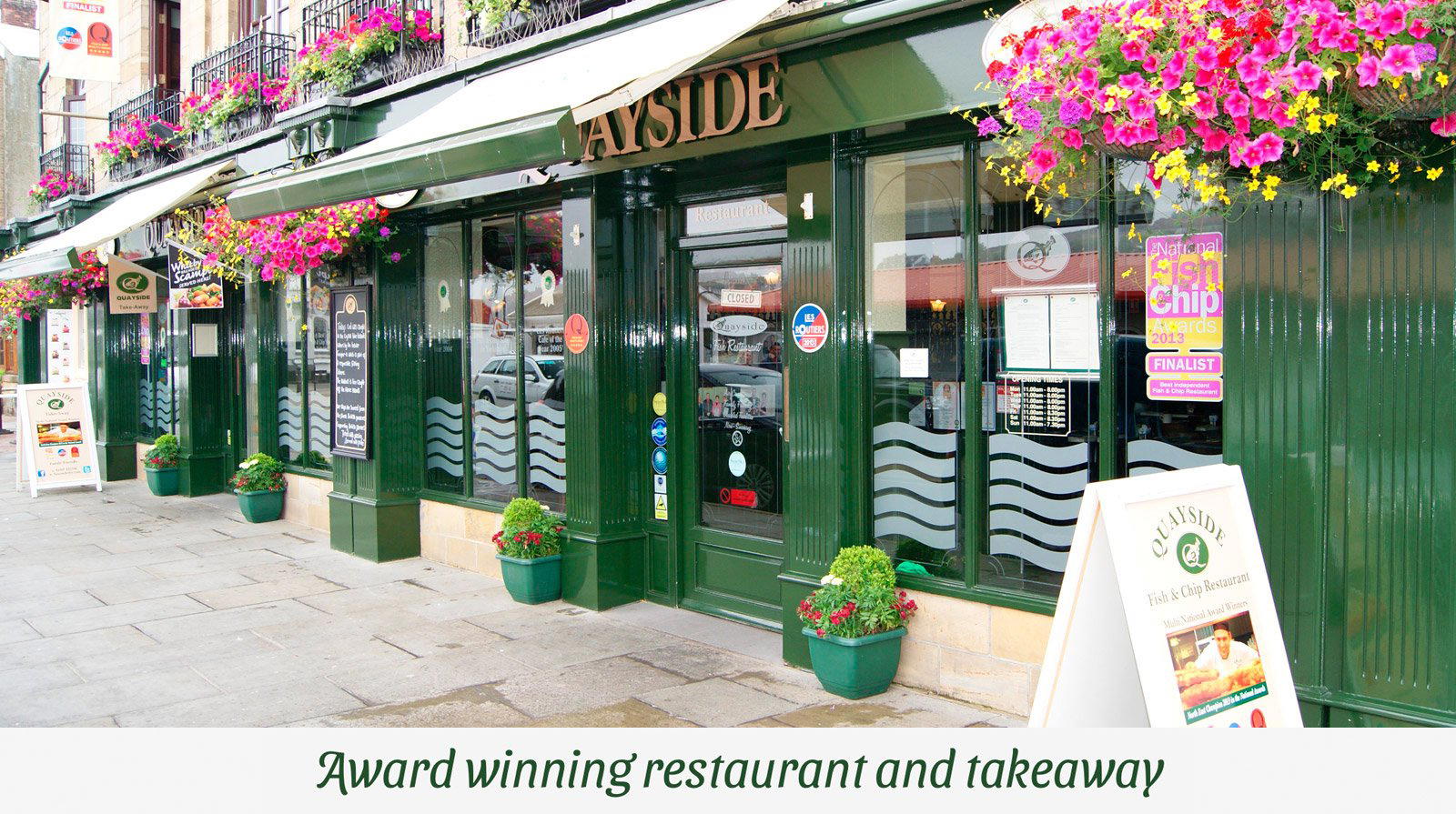

At a Glance
- Cozy
- Rustic
- Scenic
- Intimate
- Group Outing
- Solo Exploration
- Wine Education
- Special Occasion
- Estate Grounds
- Waterfront
- Historic Building
- Design Destination
- Private Tasting
- Sustainable
- Waterfront
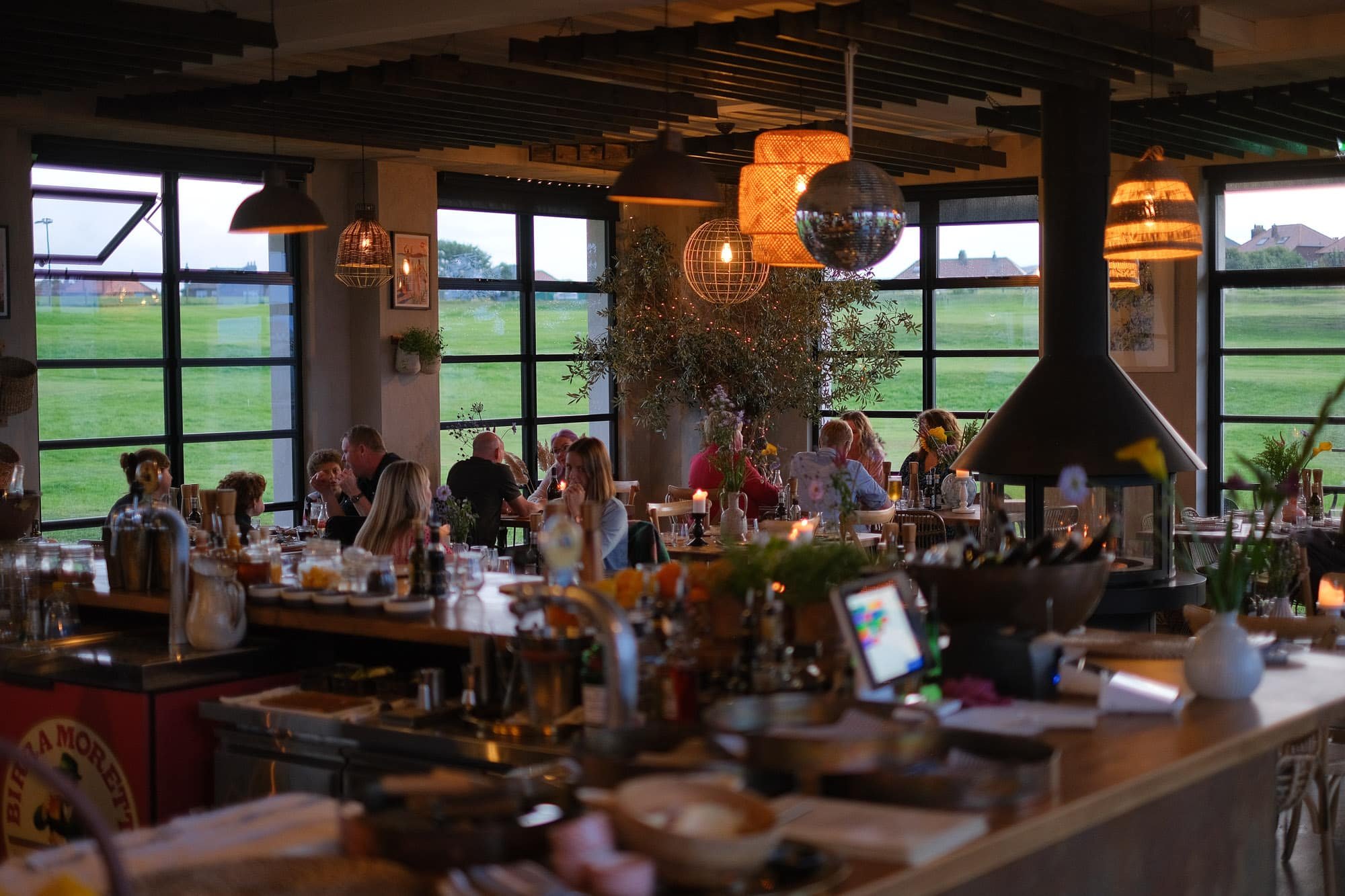
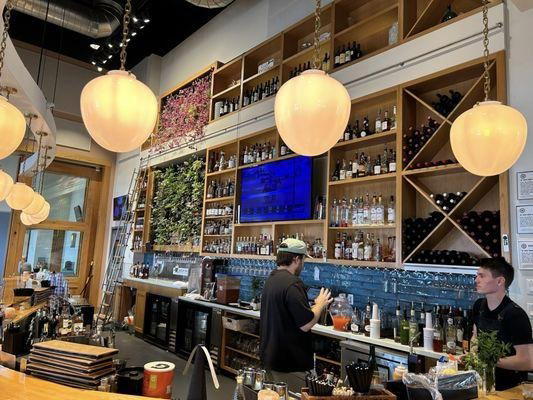
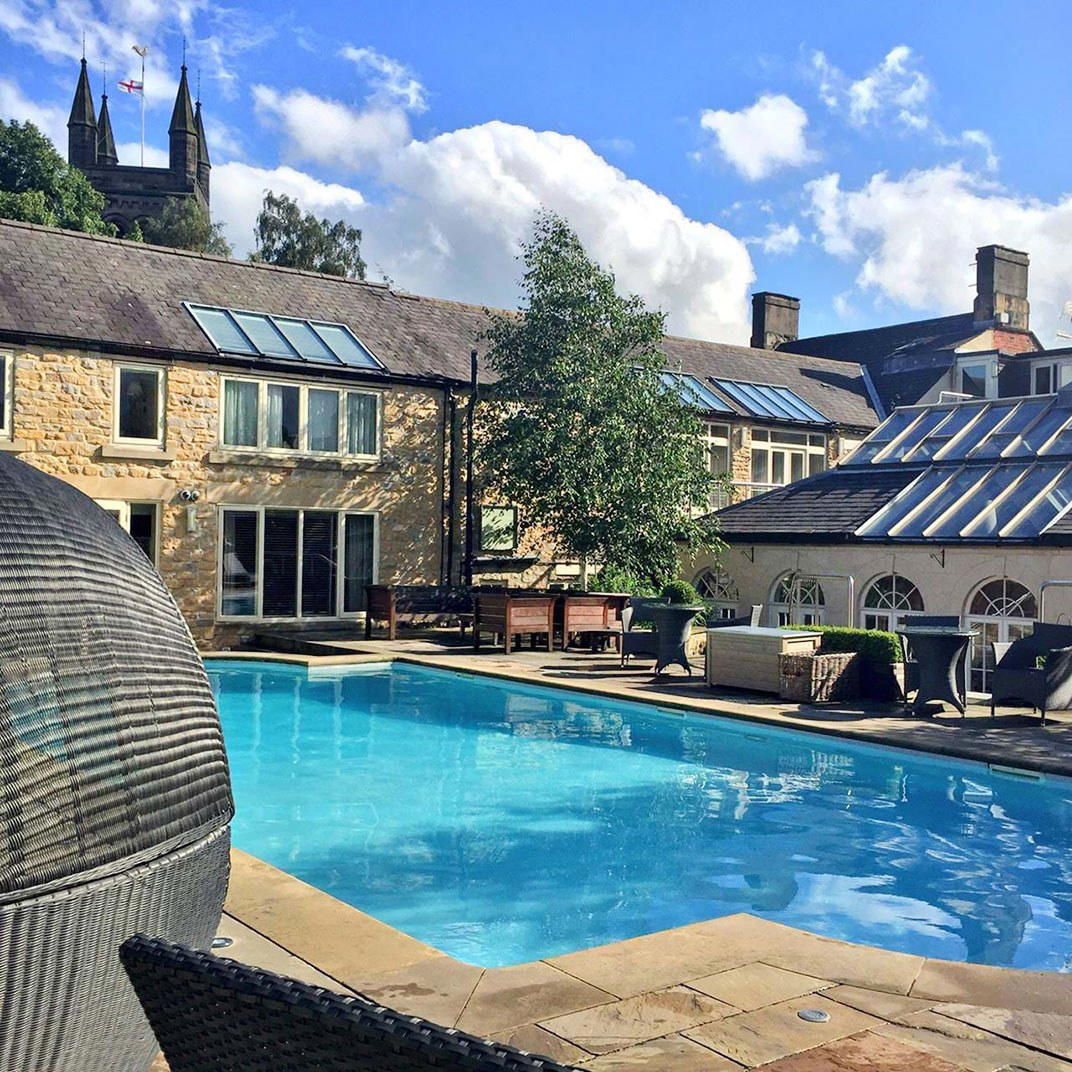
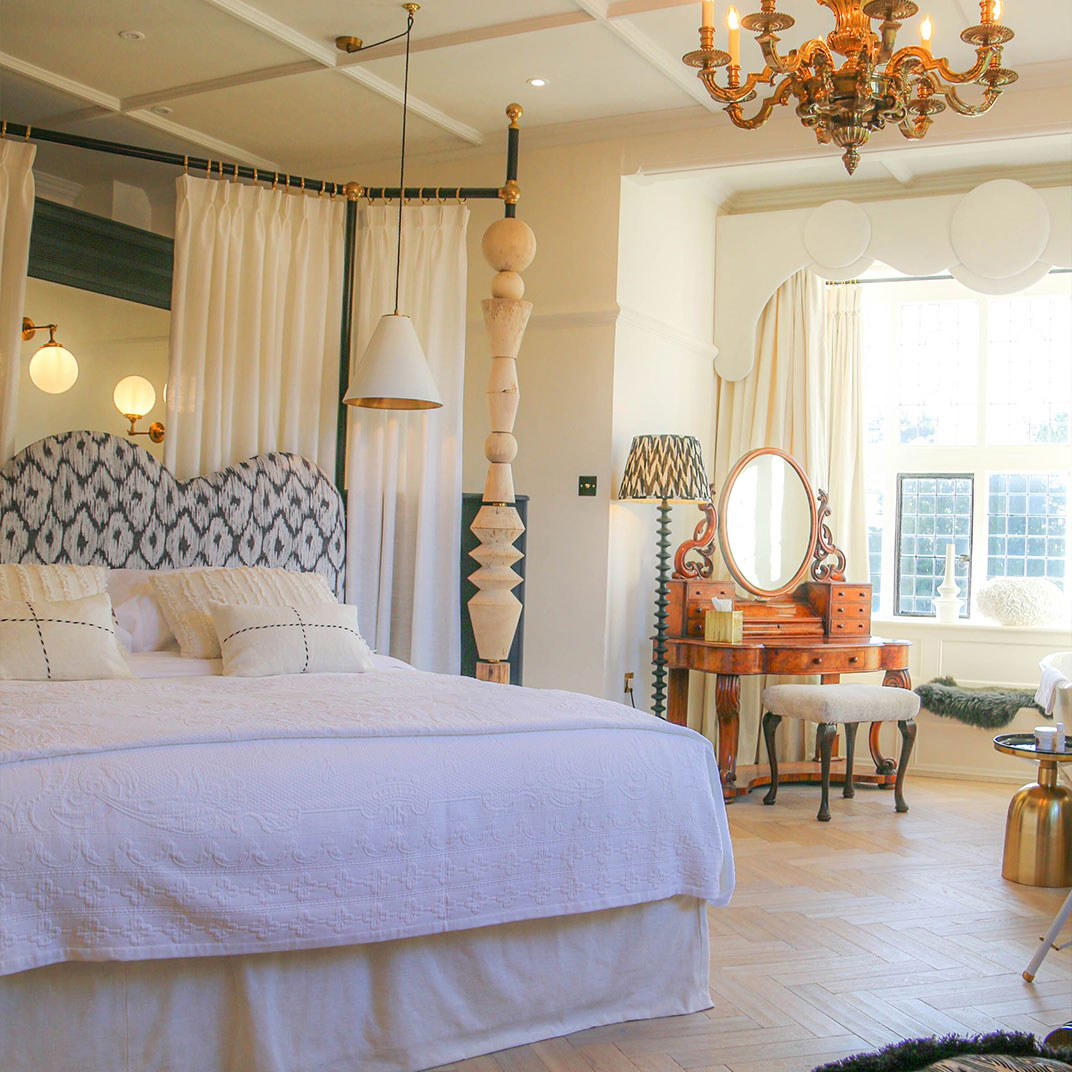
Warm, welcoming and intimate, with a strong sense of place rooted in Whitby’s rugged coastline and moors; the experience focuses on storytelling, craftsmanship and coastal character rather than a formal bar setting.