Weingut Wöhrle

Weingut Wöhrle is a quiet Pfalz estate in Bockenheim, shaped by limestone soils, still white and red wines, and a protected historic property rather than visitor-center spectacle. The emphasis is on calm tasting, vineyard context, and a portfolio that includes Riesling, Spätburgunder, Weißburgunder, and Grauburgunder.
Pearl is the En Primeur Club membership app — saves, bookings, and concierge access live there. Same editors, same standards.
- Address
- Bockenheim, Pfalz (Palatinate), Rhineland-Palatinate, Deutschland
- Directions
- Get directions
 Saves & bookings on Pearl
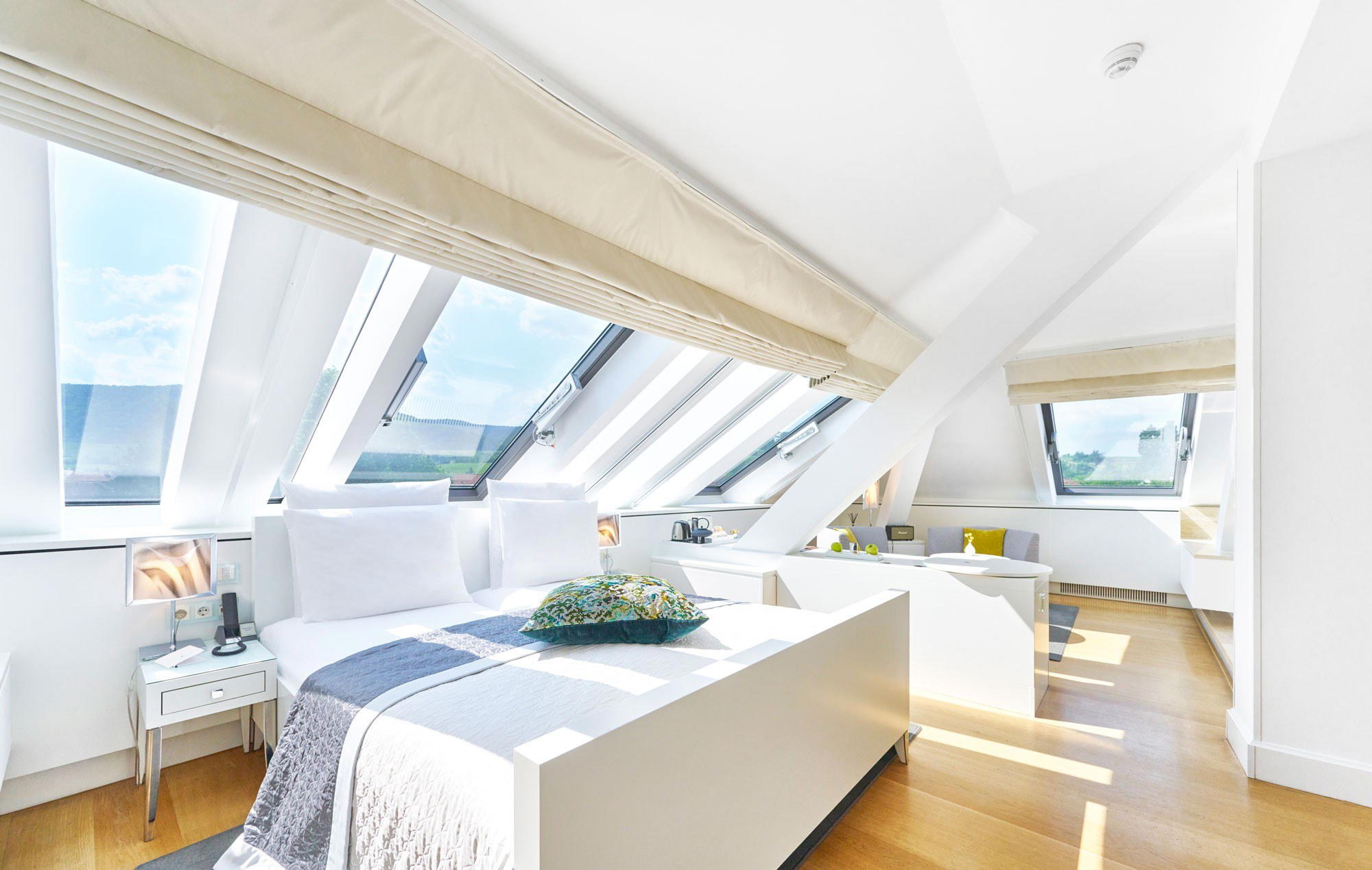
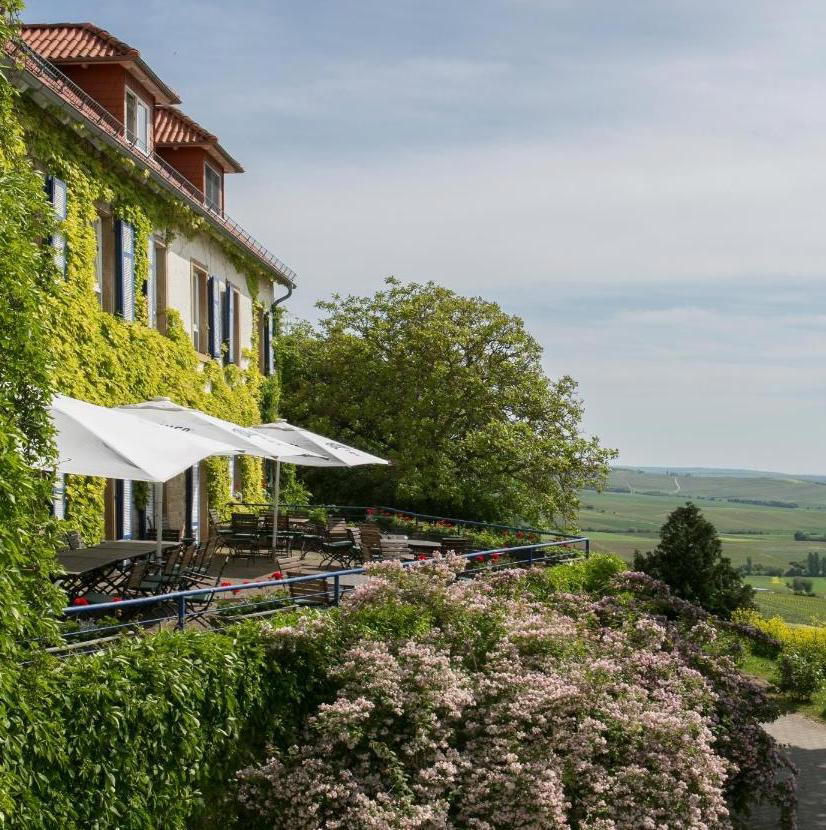
Weingut Wöhrle in Bockenheim is best approached as a quiet estate experience rather than a venue defined by a long public checklist of services. The picture is deliberately simple: a heritage-driven property, a picturesque historic setting, and a strong relationship to the surrounding limestone landscape. For EP Club readers, that makes the appeal less about spectacle and more about atmosphere, place, and a calm sense of arrival.
The useful way to read this venue is through mood and context. It is listed in the $$ price tier, with an overall feel that is quiet, scenic, classic, cozy, and somewhat hidden-gem in character. Those details matter because they set expectations before any visit is planned. This is not a page where confirmed information supports claims about specific varieties, tasting formats, food service, opening hours, ownership, awards, or a detailed cellar program. What is is the estate identity and the setting: Weingut Wöhrle belongs to Bockenheim, and its character is closely tied to the surrounding limestone landscape.
Limestone gives the estate its editorial center
The strongest confirmed theme is the limestone context. The ground truth for Weingut Wöhrle describes a strong connection to the surrounding limestone landscape, and that is one reliable lens for understanding the venue. Limestone is not being used here as a decorative travel phrase; it is the defining environmental cue available in the record. It gives the estate page a clear center without needing to invent a technical wine profile or list unconfirmed bottlings.
That distinction is important. Many winery profiles become overloaded with unsupported specifics: named grapes, cellar methods, tasting structures, scores, or award claims. For the winery, the responsible description is more restrained. Readers should treat the limestone setting as the confirmed point of orientation, not as proof of any specific tasting note or portfolio claim.
In practical editorial terms, this makes the winery a place to consider when the setting itself is part of the reason for visiting. The historic-property feel and landscape connection are the story. The page should not imply confirmed information about grape varieties, guided formats, private tastings, food pairings, take-out, delivery, allergy accommodations, seat counts, or awards, because those details are not part of the record supplied.
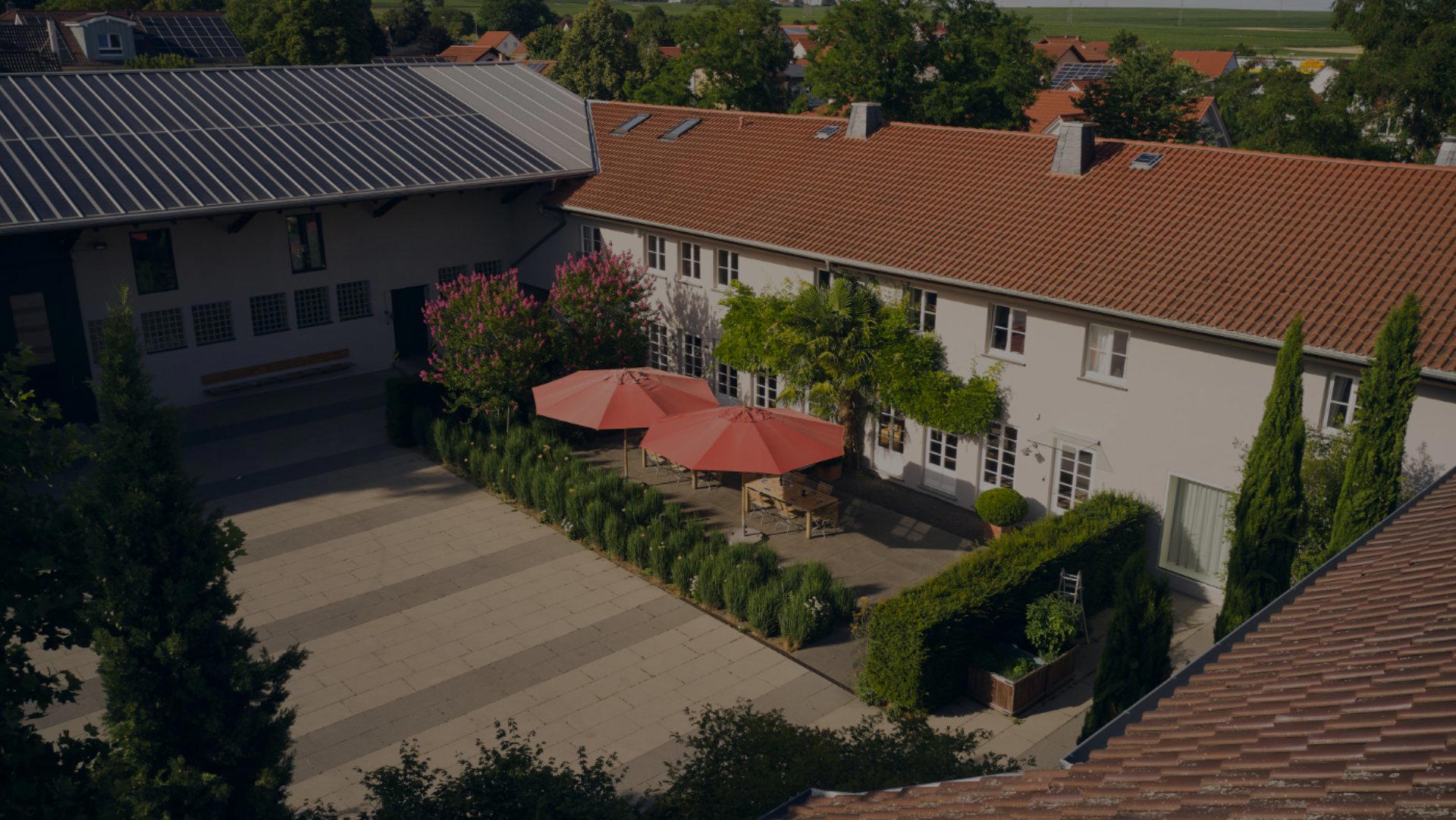
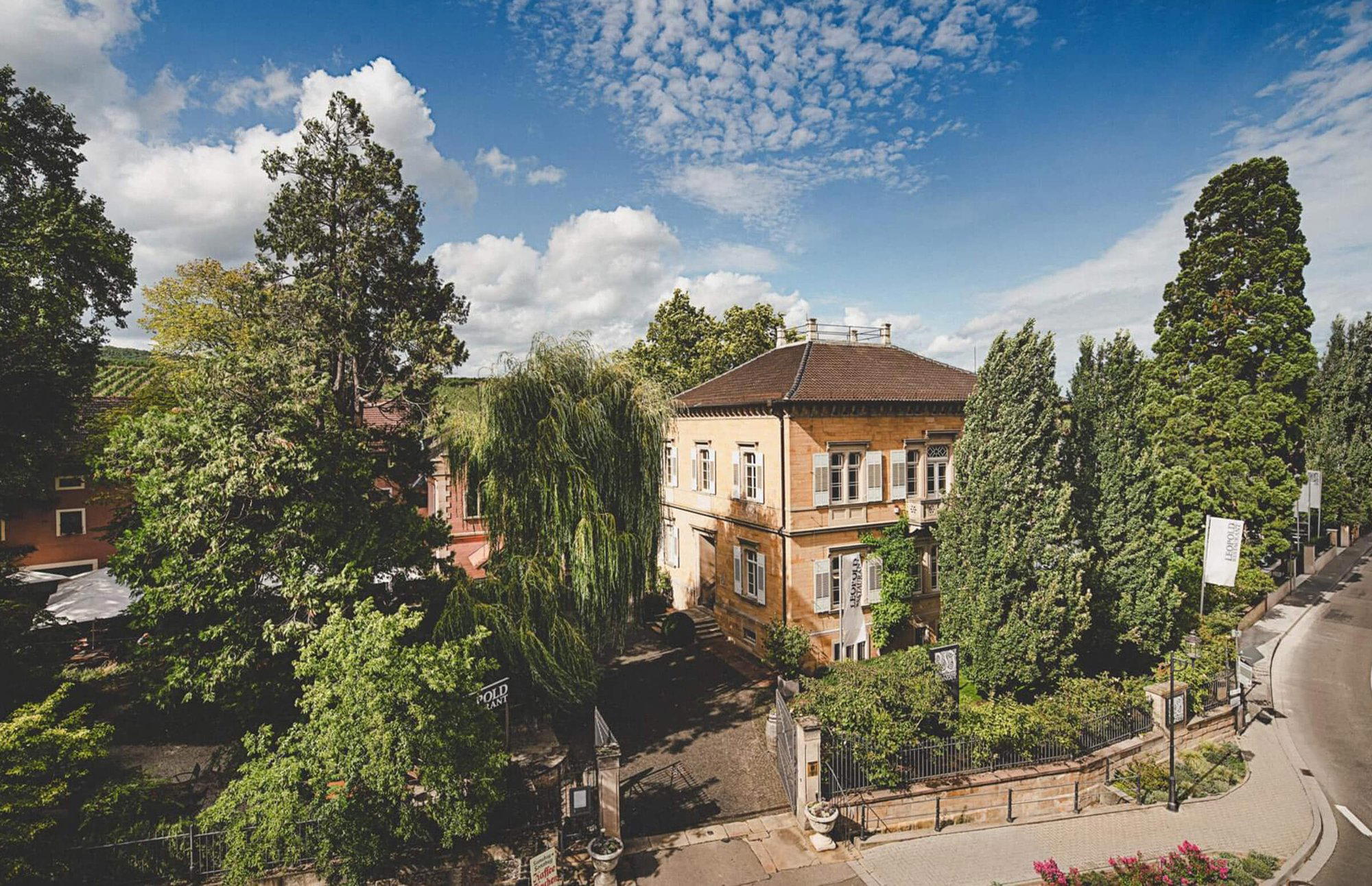
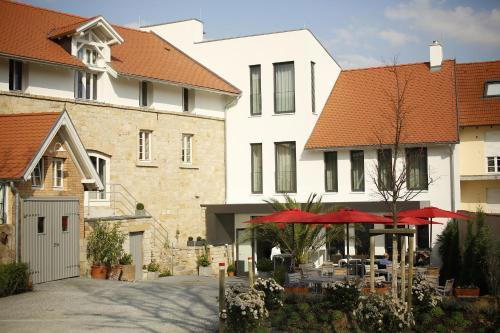
A picturesque historic estate setting
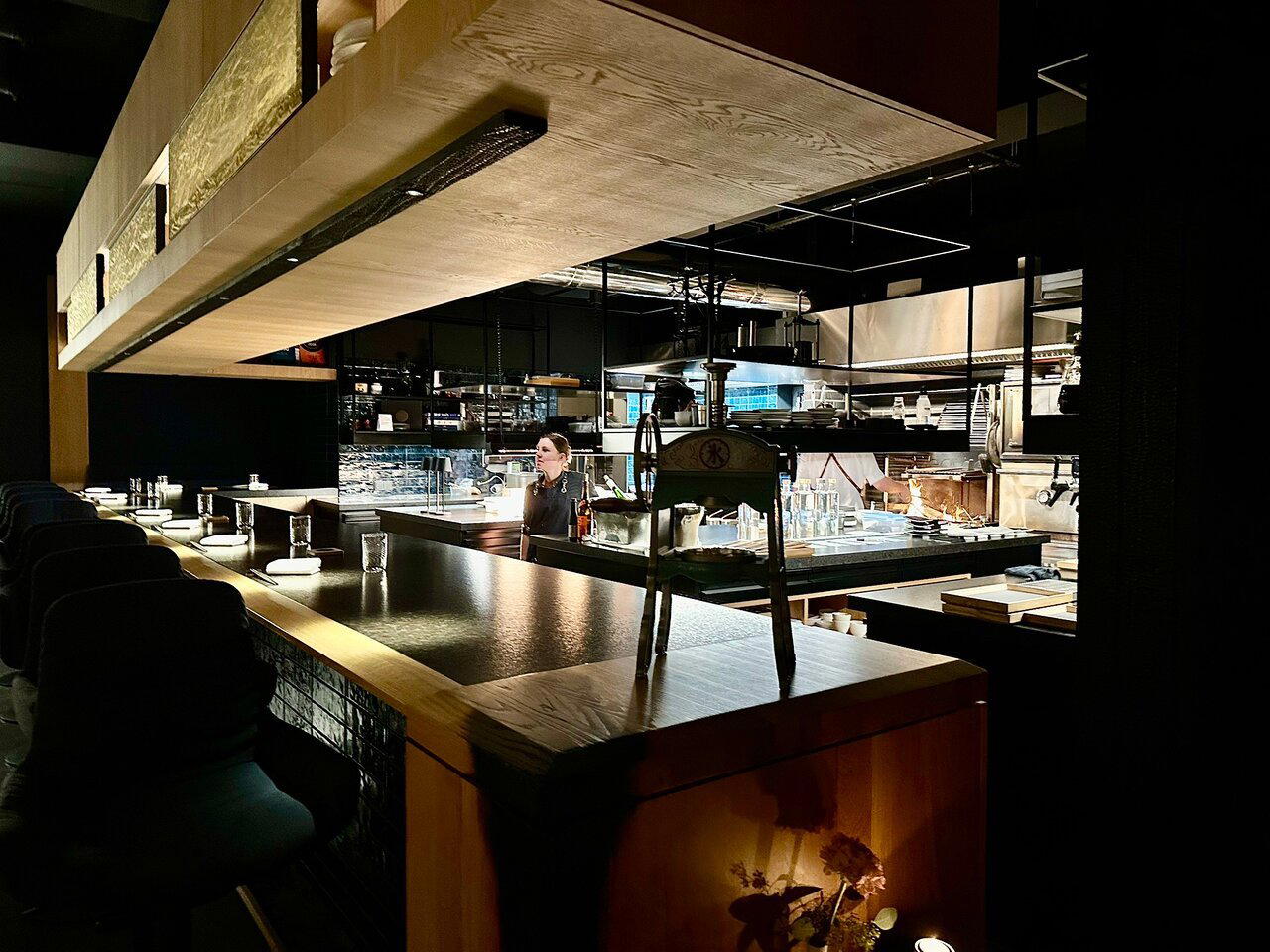
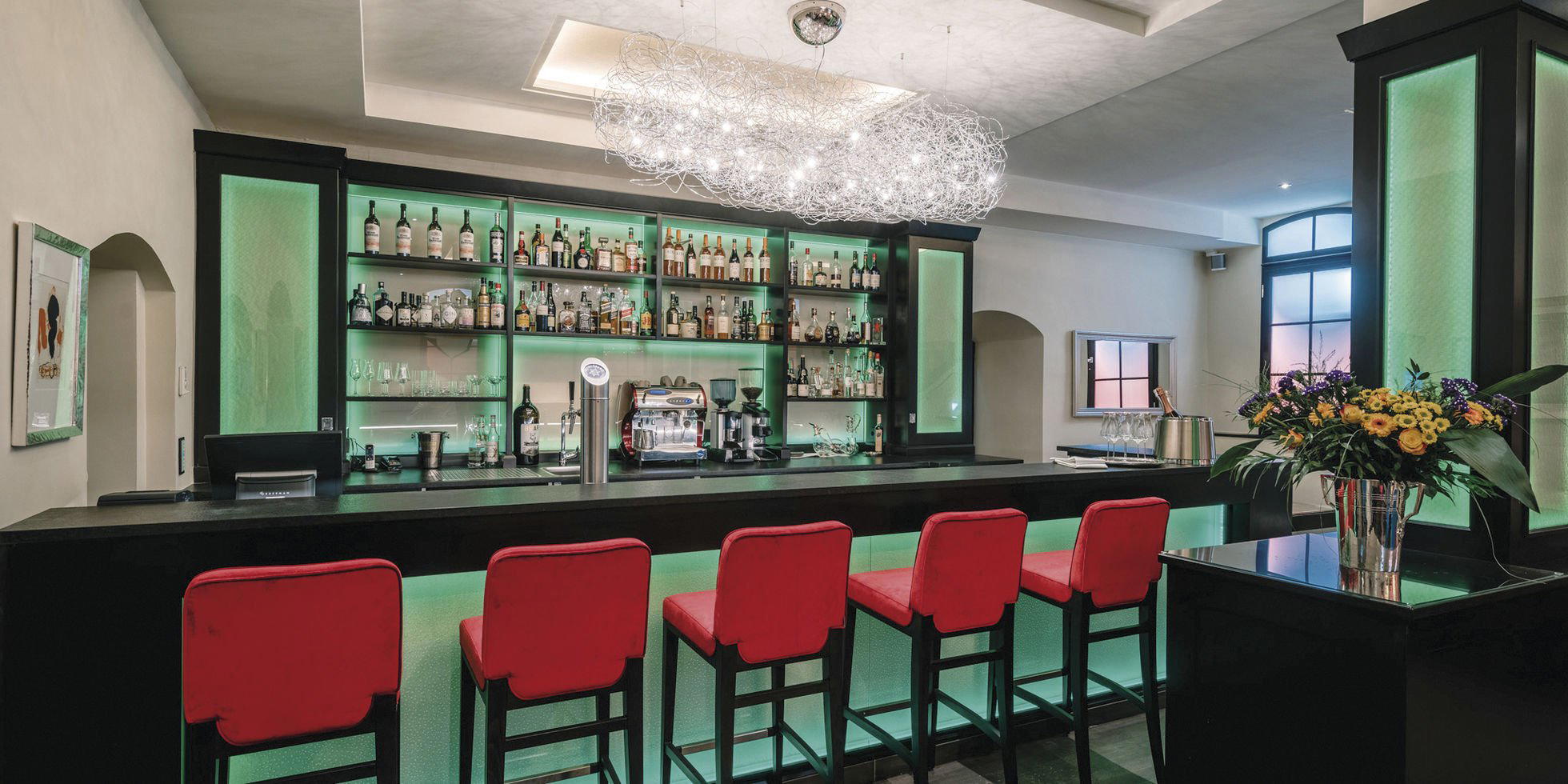
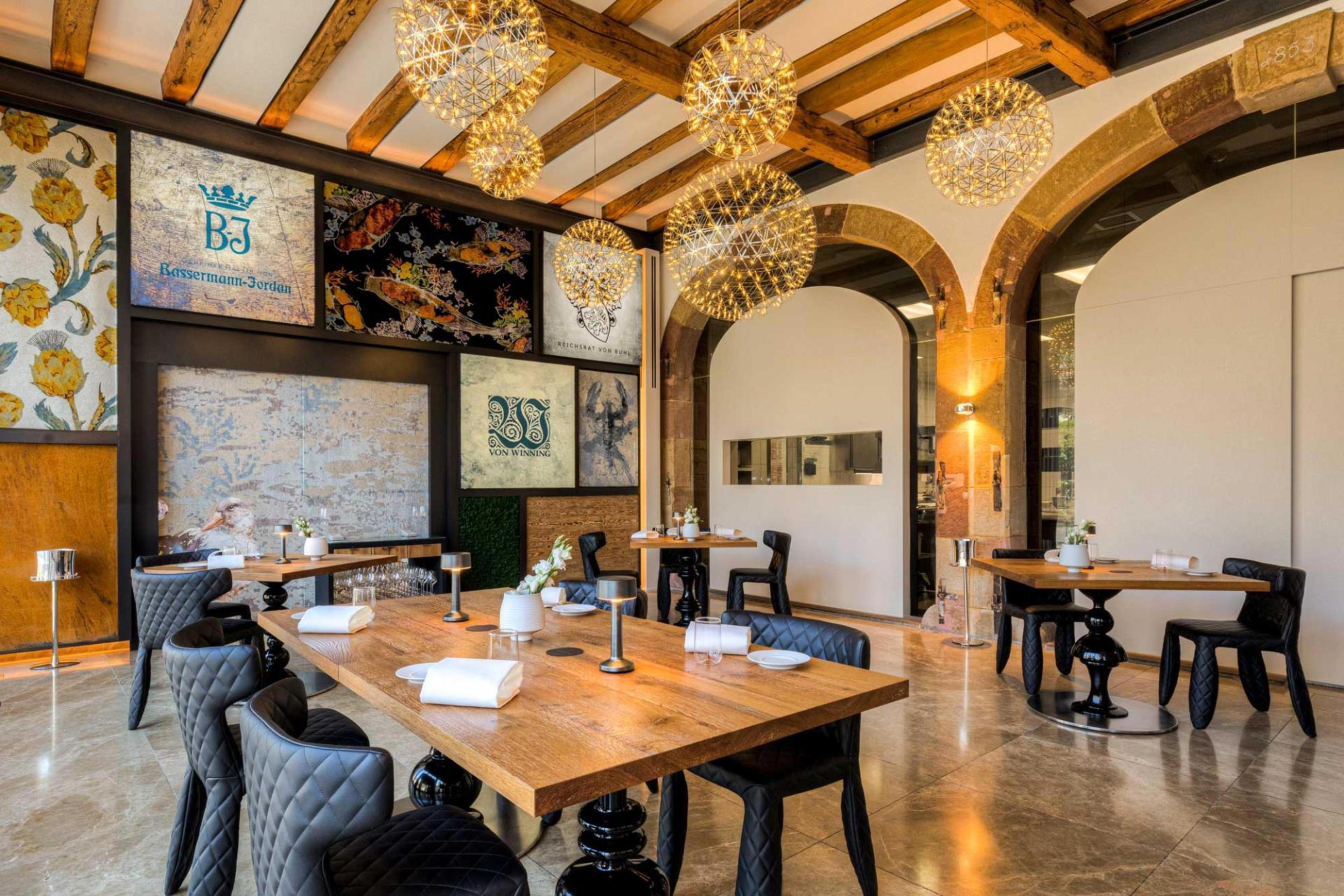
The atmosphere is calm and heritage-driven. The winery is associated with a picturesque historic property, which gives the venue a classic and scenic frame. That does not require embellishment. A calm historic estate in Bockenheim already gives travelers a clear sense of the kind of experience to expect: slower, quieter, and more place-led than trend-led.
The descriptor “cozy” is also useful, but it should be kept at the level of ambiance rather than converted into unsupported operational claims. Cozy does not confirm the number of rooms, the size of a tasting area, the presence of a fireplace, a courtyard, outdoor seating, or any particular hosting format. It simply signals a softer and more intimate mood. Likewise, “” should be understood as an impression of discovery, not as a claim about rankings, scarcity, allocation, or insider-only access.
Because the confirmed information is limited, the safest recommendation is to plan with flexibility and verify practical details directly before going. The page can responsibly say that winery is in Bockenheim, that it sits in a heritage-rich estate context, that the surrounding limestone landscape is central to its identity, and that its price tier is $$.
How to place it within a Bockenheim itinerary
Within Bockenheim, the winery is best framed as a quiet, scenic estate stop for travelers who value setting and atmosphere. The more accurate hook is simpler: a historic estate in Bockenheim, connected to limestone landscape, with a calm and classic feel.
That simplicity can be a strength. Some venues need elaborate programming to justify attention; others are compelling because they express place clearly. It gives an itinerary a quieter note and a sense of local continuity, especially for travelers who want their Bockenheim planning to include a heritage-driven estate rather than only anonymous stops.
For broader planning, compare the winery with other dining or wine-related options in Bockenheim generically rather than assuming the same format, service, or level of available detail. The confirmed reason to keep the winery on the list is not an award, a named wine lineup, or a documented tasting program. It is the combination of Bockenheim location, $$ pricing, historic-property atmosphere, and a strong connection to limestone landscape.
Recognition history
Dated appearances from independent guides and award organizations, with the underlying list record or original source where available.
Falstaff Winery - Listed
Falstaff
Continue exploring
More in Bockenheim
Wineries in Bockenheim
Browse all →
Bars in Bockenheim
Browse all →
Restaurants in Bockenheim
Browse all →
At a Glance
- Quiet
- Scenic
- Classic
- Cozy
- Solo Exploration
- Wine Education
- Special Occasion
- Historic Building
- Estate Grounds
- Private Tasting
- Vineyard
- Pfalz
- Riesling
- Spätburgunder
- Weißburgunder
- Grauburgunder
- Still White
- Still Red
- Walk In Tasting
- Guided Tasting
A calm, heritage-driven estate setting with a picturesque historic property and a strong connection to the surrounding limestone landscape.