Weingut Vollenweider

Falstaff Winery - Listed
Weingut Vollenweider is a small Mosel Riesling estate in Traben-Trarbach shaped by steep slate parcels, organic cultivation, and old ungrafted vines. The draw is not broad hospitality theatre but a close reading of Wolfer Goldgrube and its sub-parcels, where slope, water retention, exposure, and cellar patience define the wines.

Pearl is the En Primeur Club membership app, where members save venues, book tables and use the concierge.
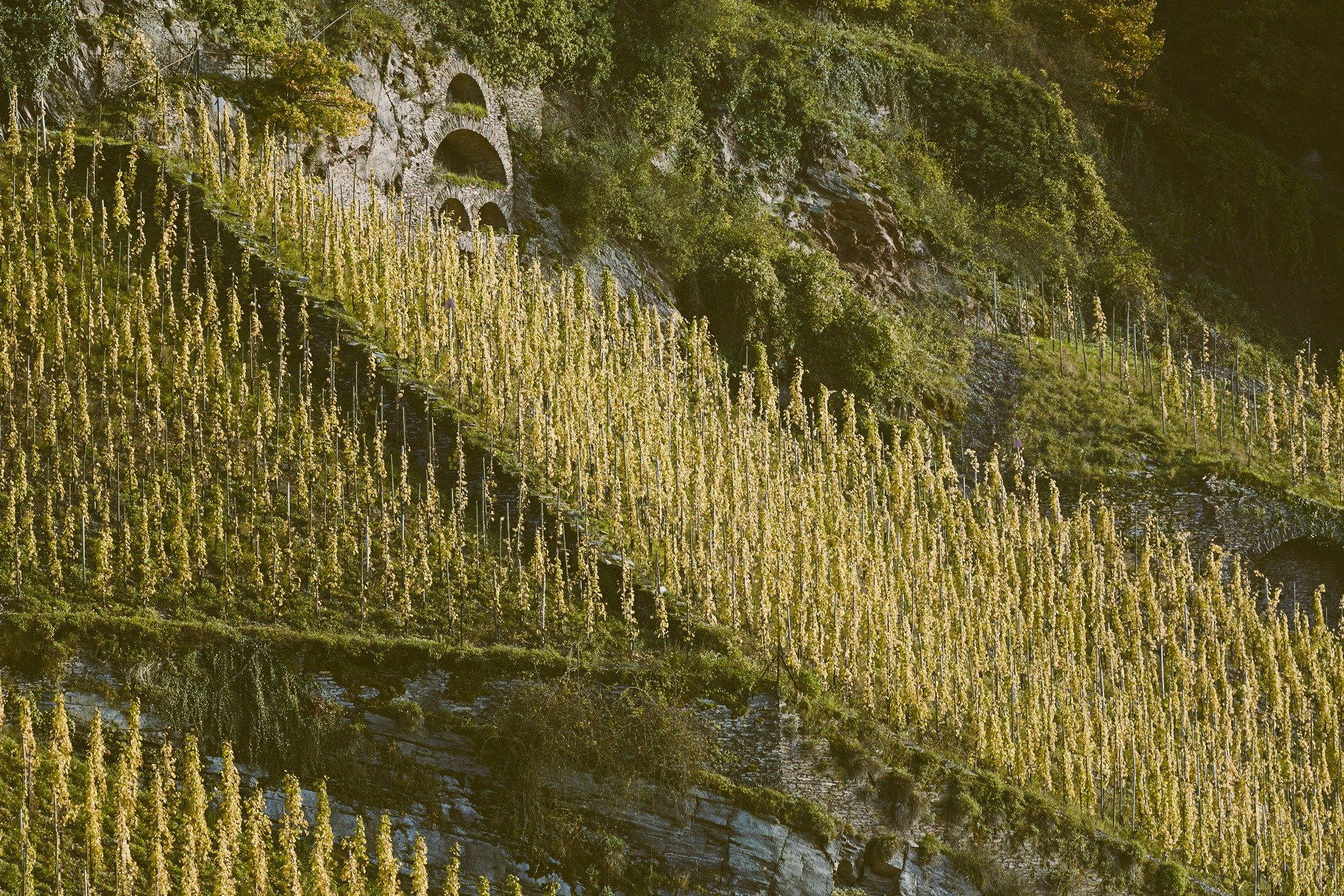
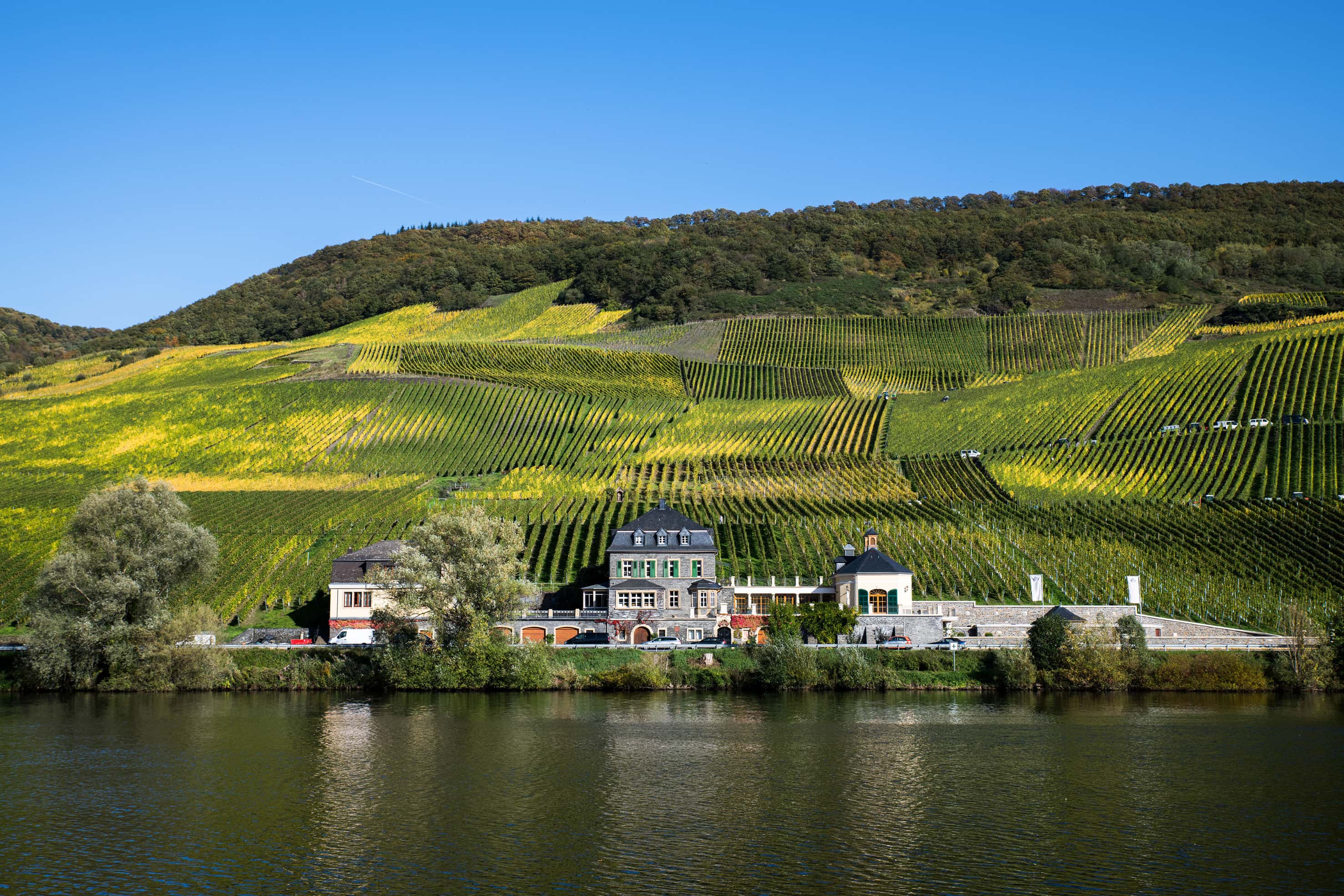
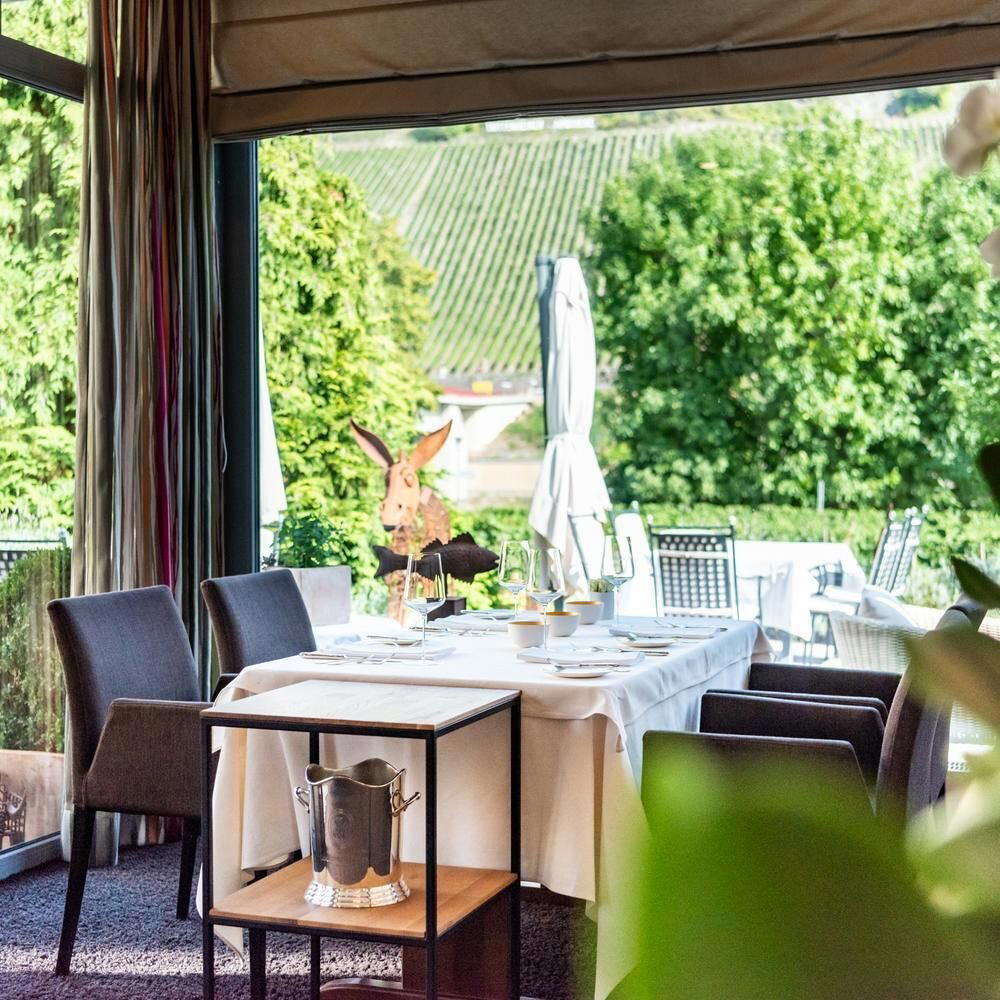
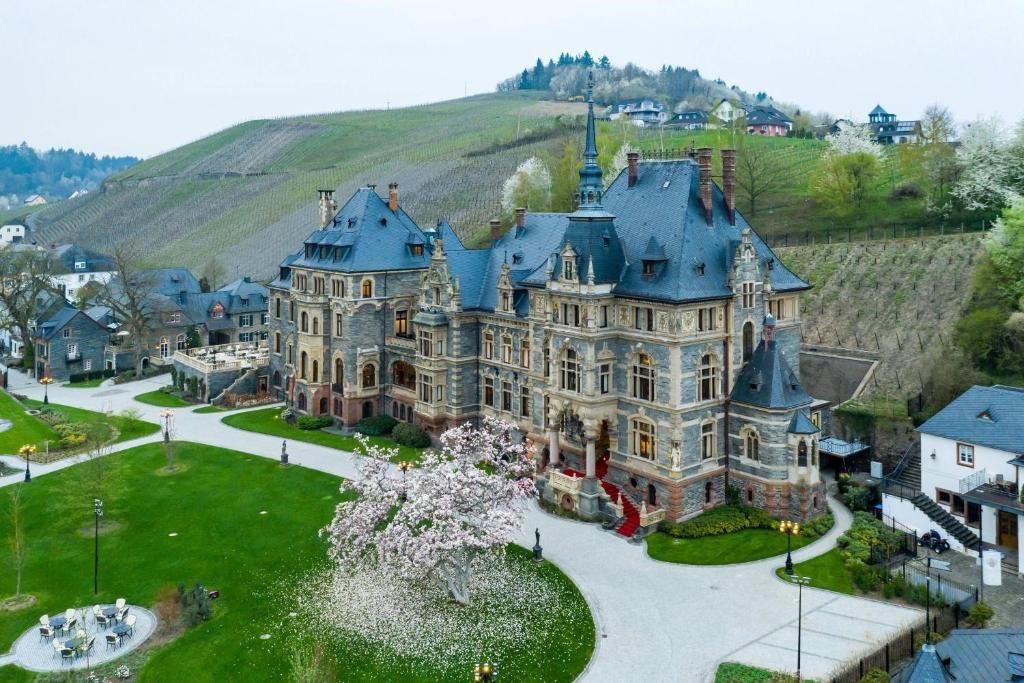
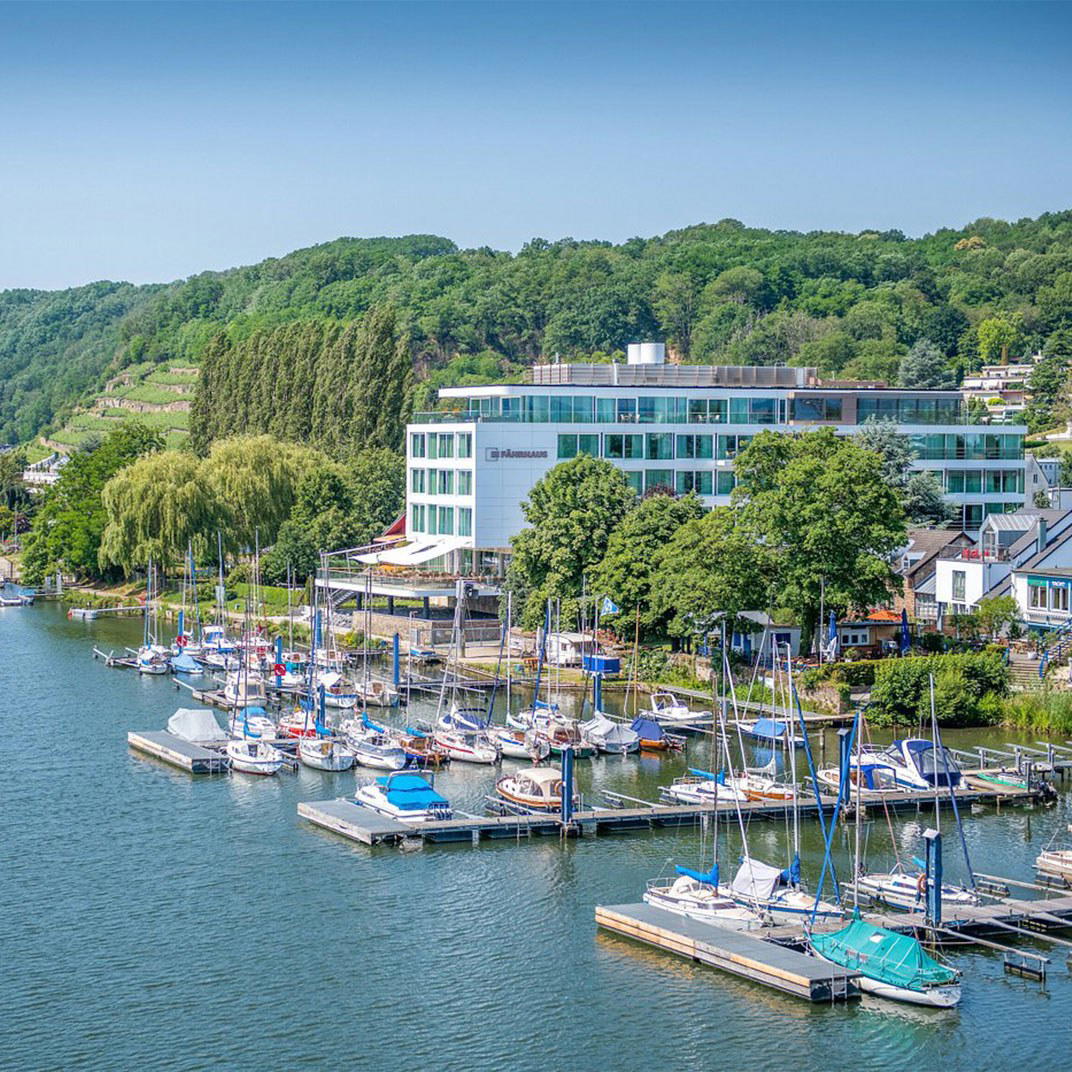
The Mosel announces itself vertically around Traben-Trarbach: steep vineyard lines, river light, and a sense that the hillsides matter as much as the room in which a glass is poured. Weingut Vollenweider is best understood through that setting.
That makes the estate a fit for drinkers who are less interested in spectacle and more interested in how a Mosel winery communicates place. The mood is quiet, classic, rustic, scenic, and slightly hidden-gem rather than showy. On a premium itinerary, the useful way to frame Weingut Vollenweider is not as a restaurant substitute or a broad leisure venue, but as a focused winery stop in Traben-Trarbach where the main subject is Riesling grown in demanding terrain.
Steep-slope Mosel terroir is the core of the story
For Weingut Vollenweider, the grounded point is simple and important: the estate’s identity is tied to steep-slope Mosel terroir. That phrase should not be treated as generic scenery. In the Mosel, slope, exposure, stone, river influence, and handwork shape how Riesling is understood. What can be said confidently is that the winery’s appeal rests on a serious reading of Mosel hillside character.
This is why the venue belongs on an itinerary for people who want a quieter wine experience in Traben-Trarbach. It is not presented here as a high-volume tasting operation, a dining room, or a venue with a documented menu format. The better expectation is contemplative: a winery atmosphere where the landscape and the cellar-driven approach carry the visit. If your interest in Mosel Riesling is mainly geological, historical, or textural, that restrained framing is part of the appeal.
Many winery pages are tempted to fill in the gaps with parcel names, production numbers, agricultural claims, visitor rules, or tasting logistics. The result is a thinner but more reliable portrait: Weingut Vollenweider is a Traben-Trarbach winery associated with old ungrafted Riesling vines, steep-slope Mosel terroir, and a handcrafted, cellar-driven production style.
Old ungrafted Riesling vines give the estate its authority
The strongest anchor is the reference to old ungrafted Riesling vines. In a Mosel context, that matters because vine age and continuity are part of how serious Riesling estates build identity. The page should not turn that into unsupported claims about exact vine age, vineyard size, yield, certification, or specific cuvées. Still, the essential point is meaningful: the estate’s reputation is linked to Riesling material with age and heritage, handled in a way that emphasizes craft over scale.
The atmosphere follows from that. Weingut Vollenweider is described as quiet, classic, rustic, scenic, and hidden-gem in feel. Those are not claims about luxury design, seat count, or a formal tour structure; they describe the tone a visitor should expect. The winery is better read as a focused cellar-and-terroir address than as a broad hospitality complex. Its price category is listed as $$, placing it in a moderate band for guide purposes without implying a specific tasting fee, bottle price, or package.
Travelers should plan meals separately and treat Weingut Vollenweider as a wine-focused stop. That separation is useful in Traben-Trarbach, where a day can combine wineries, local dining, lodging, bars, and experiences without requiring every venue to do every job.
How to read the visit in Traben-Trarbach
Approach Weingut Vollenweider with a calm itinerary and the right expectations. The picture points to a contemplative Mosel winery centered on old ungrafted Riesling vines and steep-slope terroir, not to a venue defined by publicized awards, a named chef, a set menu, or a documented tasting format.
For a broader Traben-Trarbach plan, keep the winery layer separate from dining and lodging. EP Club’s city rails are useful for that split: see Our full Traben-Trarbach wineries guide, then cross-check meals through Our full Traben-Trarbach restaurants guide, hotels through Our full Traben-Trarbach hotels guide, bars through Our full Traben-Trarbach bars guide, and local programming through Our full Traben-Trarbach experiences guide. Other local dining and hospitality options can round out the trip, but Weingut Vollenweider itself should be valued for its quiet winery character rather than for amenities.
Against a wider field of German-speaking wine travel, Weingut Vollenweider’s appeal is narrow in the right way. It is a Traben-Trarbach address for drinkers drawn to Riesling, old ungrafted vines, steep Mosel slopes, and a handcrafted, cellar-driven sensibility. That is enough to make it compelling without adding unsupported claims. The honest hook is not a trophy list or a detailed visitor script; it is the chance to engage with a classic, scenic, hidden-gem Mosel winery on its own terms.
Recognition history
Dated appearances from independent guides and award organizations, with the underlying list record or original source where available.
Falstaff Winery - Listed
Falstaff
Continue exploring
More in Traben-Trarbach
Wineries in Traben-Trarbach
All wineries in Traben-Trarbach →
Bars in Traben-Trarbach
All bars in Traben-Trarbach →
Details
- Quiet
- Classic
- Rustic
- Scenic
- Wine Education
- Solo Exploration
- Special Occasion
- Group Outing
- Estate Grounds
- Historic Building
- Design Destination
- Organic
- Dry Farmed
- Vineyard
- Riesling
- Still White
- Tasting
Quiet, contemplative winery atmosphere centered on steep-slope Mosel terroir, old ungrafted Riesling vines, and a handcrafted, cellar-driven production style.