
Weingut Tim Thesen is a small Mosel winery in Schweich with an informal, reservation-led tasting format and a focus on terroir-driven wines. The appeal is not polished spectacle but a compact regional cellar culture: Riesling, Chardonnay, Pinot Blanc and Spätburgunder framed through lees aging, event tastings and a conversational winery setting.
Pearl is the En Primeur Club membership app — saves, bookings, and concierge access live there. Same editors, same standards.
- Address
- Schweich, Moselle, Rhineland-Palatinate, Deutschland
- Directions
- Get directions
 Saves & bookings on Pearl
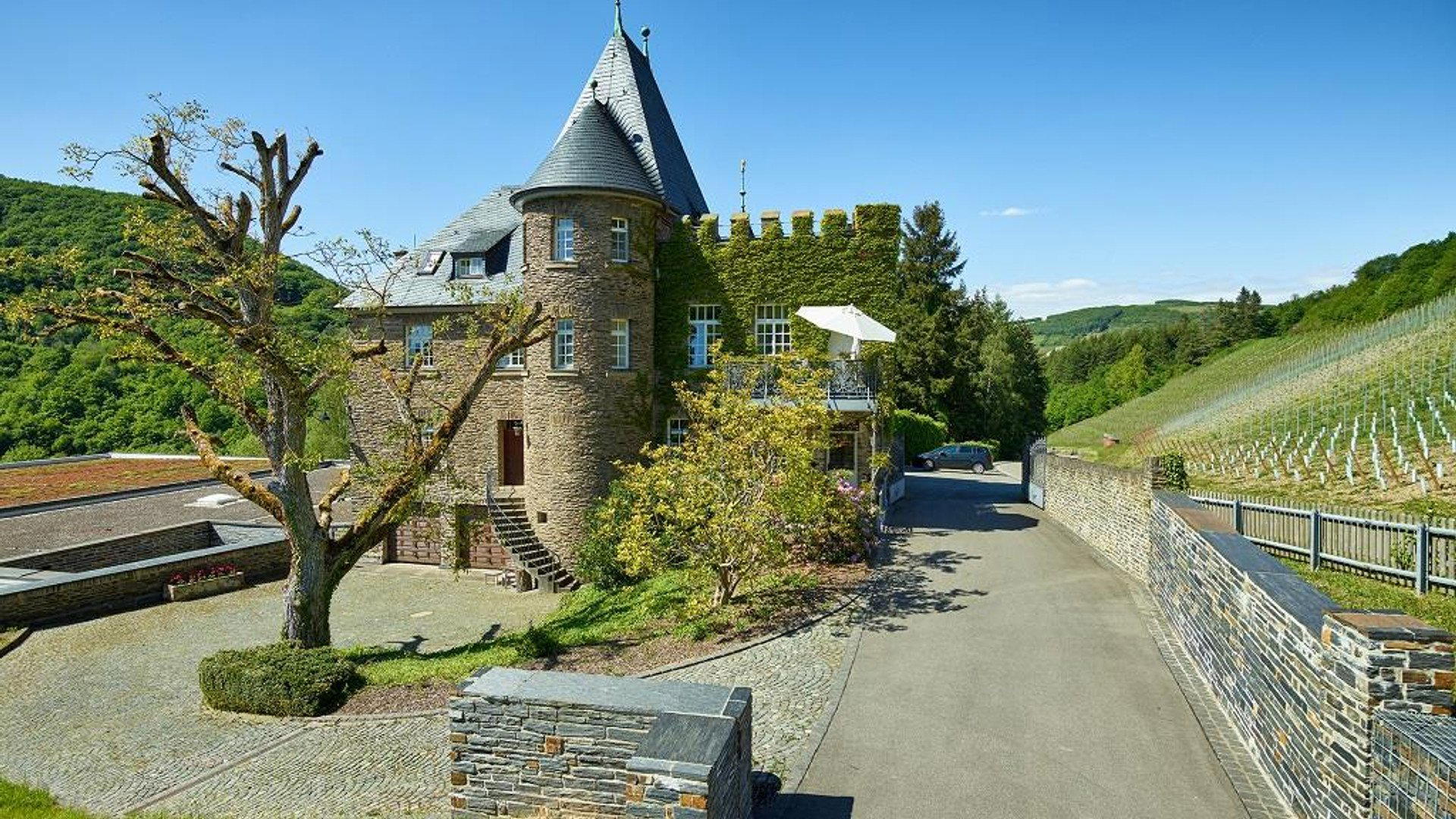
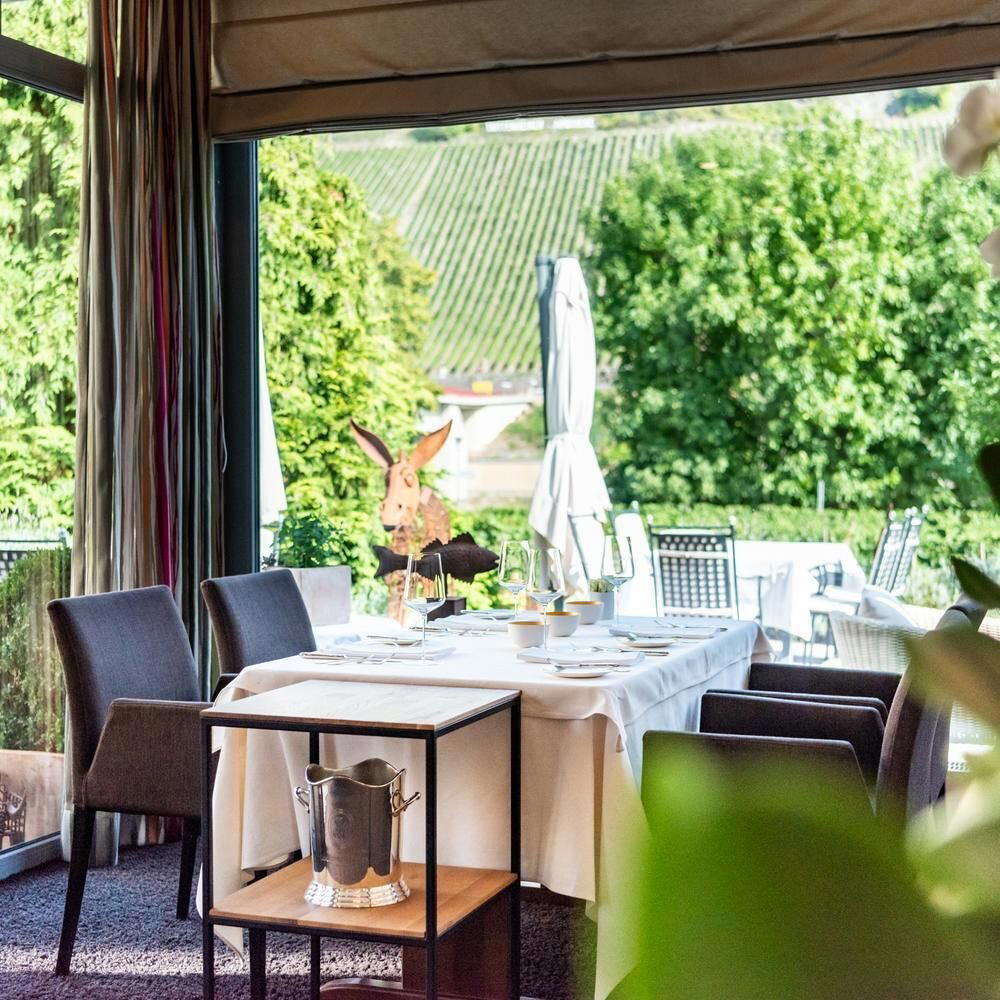
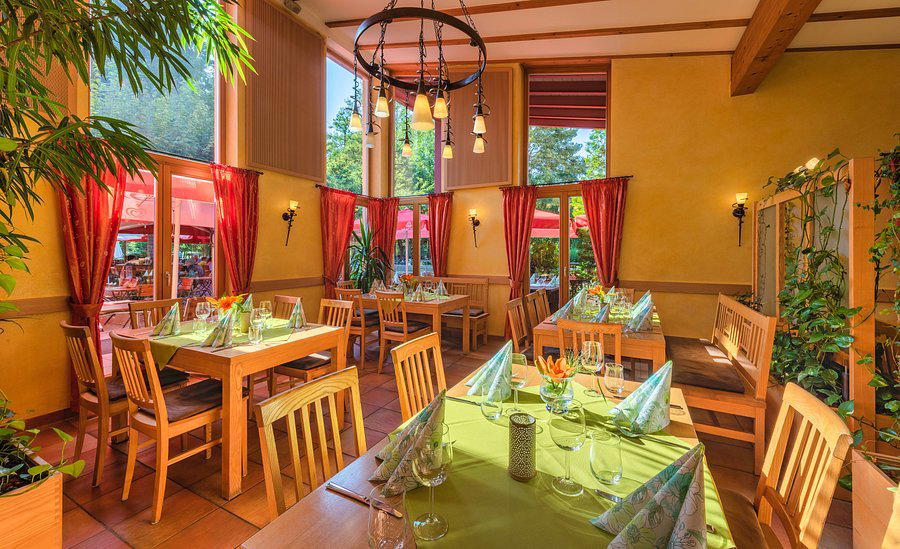
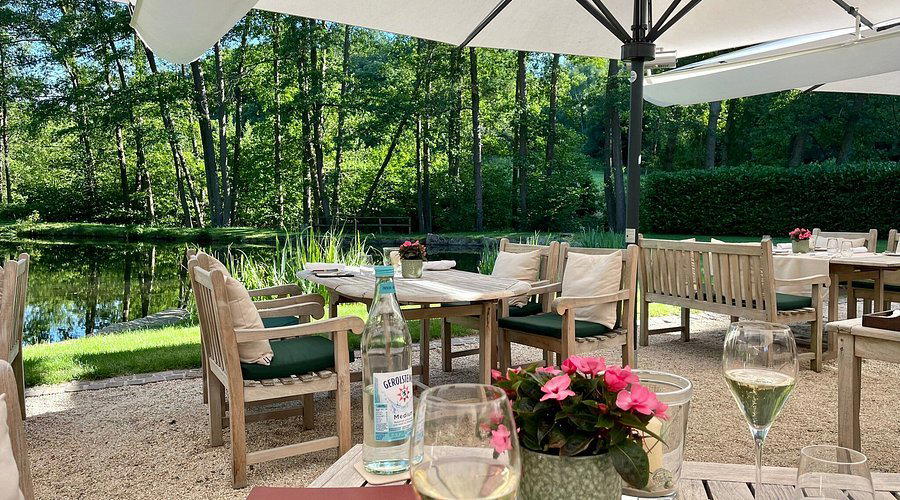
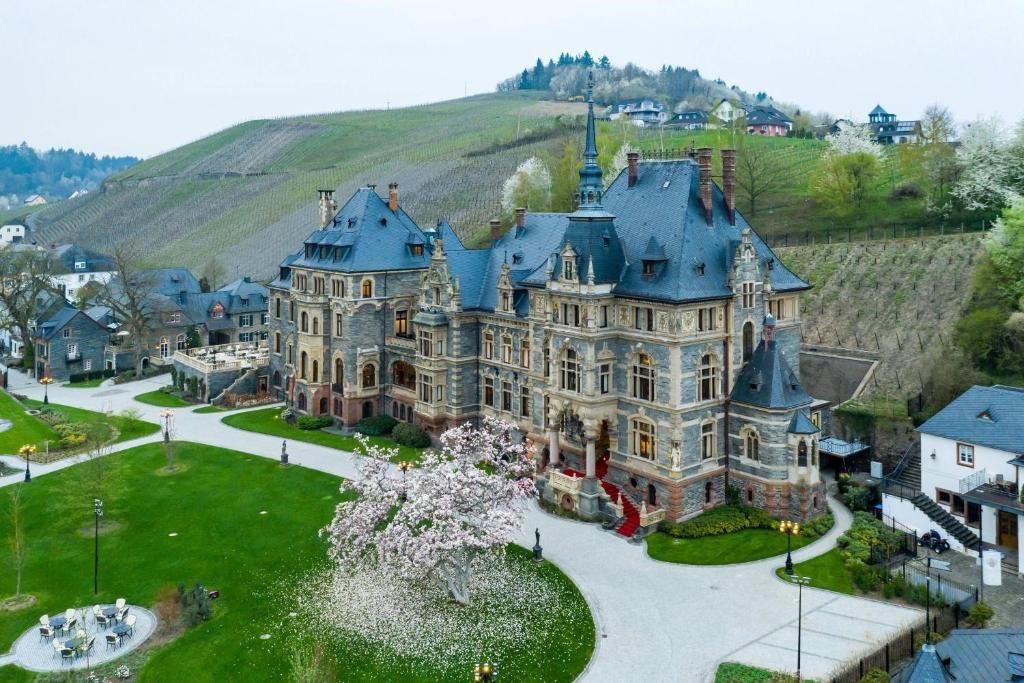
Schweich sits in the Mosel’s working wine country, where hospitality can feel most persuasive when it stays close to the relationship between village, cellar and glass. At Weingut Tim Thesen, the picture is an informal Mosel winery atmosphere rather than a staged luxury setting: rustic, cozy, classic and quietly focused on wines that point back to place.
A reliable way to read the estate is through that modest frame. What they do support is a clear identity: Weingut Tim Thesen is a Schweich winery associated with terroir-driven, lees-aged wines and guest events. That is enough to distinguish the tone of the venue without overstating what is publicly confirmed.
Small-scale Mosel character with lees aging at the center
The defining clue is not a trophy cabinet, a formal dining format or a large visitor complex. It is the production emphasis. Weingut Tim Thesen is best described as an informal Mosel winery whose wines are framed around terroir and lees aging. In practical wine terms, that points to a style conversation about place, texture and maturation rather than spectacle.
Lees aging matters because it can influence how a wine feels as well as how it tastes. Without inventing bottle names or grape lists, the editorial point is direct: this is a venue where the wine identity is linked to texture and site expression. For visitors who care about the Mosel beyond postcard scenery, that is a useful lens. The attraction is not a scripted luxury performance; it is the possibility of encountering a compact, place-conscious winery in Schweich.
That also makes the page’s boundaries important. Rather than filling those gaps with assumptions, it is more honest to say that winery should be approached through the confirmed elements: Mosel winery atmosphere, terroir-driven wines, lees aging and guest events.
Guest events rather than polished wine-tour choreography
The hospitality cue is the presence of guest events. That does not prove a fixed schedule, a particular booking policy or a named event format, so those details should be checked directly with the winery before planning around them. What it does suggest is that winery is not only a production name but also a place where the winery atmosphere is part of the experience.
The tone is important. The venue is described as informal, rustic, cozy and classic, with a hidden-gem quality. Those words create a different expectation from a grand architectural tasting room or a high-gloss hospitality complex.
Because the confirmed details are selective, the safest recommendation is to plan flexibly. Treat the winery as a Schweich winery with a clear Mosel identity, not as a venue with confirmed restaurant-style service, confirmed lunch, confirmed tasting packages or confirmed private capacity. If any of those operational details matter, confirm them through the winery’s own channels before visiting.
How to place it within a Schweich wine itinerary
Schweich rewards travelers who care about regional specificity. In that context, the winery works as a terroir-led stop rather than a checklist attraction. The price level is listed as $$, and the atmosphere is informal rather than formal. Those two points are useful for setting expectations: the venue reads as approachable, but still centered on a serious Mosel wine identity.
For a wider local plan, keep the comparison general rather than forcing unsupported claims. Other dining and wine options in Schweich can round out the day, but the winery’s particular draw is its combination of Mosel setting, rustic-cozy feel, guest-event potential and lees-aged, terroir-driven wines. If you are choosing between stops, this is the kind of place to prioritize when you want a grounded winery atmosphere over a more anonymous or highly staged experience.
The editorial verdict is narrow but clear: the winery is a Schweich winery for travelers who value informal Mosel character, textural winemaking and a sense of place. Its strongest confirmed signals are terroir-driven, lees-aged wines, guest events, a $$ price level and a rustic, cozy, classic atmosphere. Treat it as a planned wine stop whose appeal comes from restraint and regional focus, while confirming practical details directly before you go.
Recognition history
Dated appearances from independent guides and award organizations, with the underlying list record or original source where available.
Falstaff Winery - Listed
Falstaff
Continue exploring
More in Schweich
Wineries in Schweich
Browse all →
Bars in Schweich
Browse all →
Restaurants in Schweich
Browse all →
At a Glance
- Rustic
- Cozy
- Classic
- Group Outing
- Celebration
- Wine Education
- Private Tasting
- Historic Building
- Vineyard
- Mosel
- Riesling
- Chardonnay
- Pinot Blanc
- Spätburgunder
- Still White
- Still Red
- Winery Tasting
- Event Tasting
Informal Mosel winery atmosphere with an emphasis on terroir-driven, lees-aged wines and guest events.