Weingut Sutter

Falstaff Winery - 3 Stars
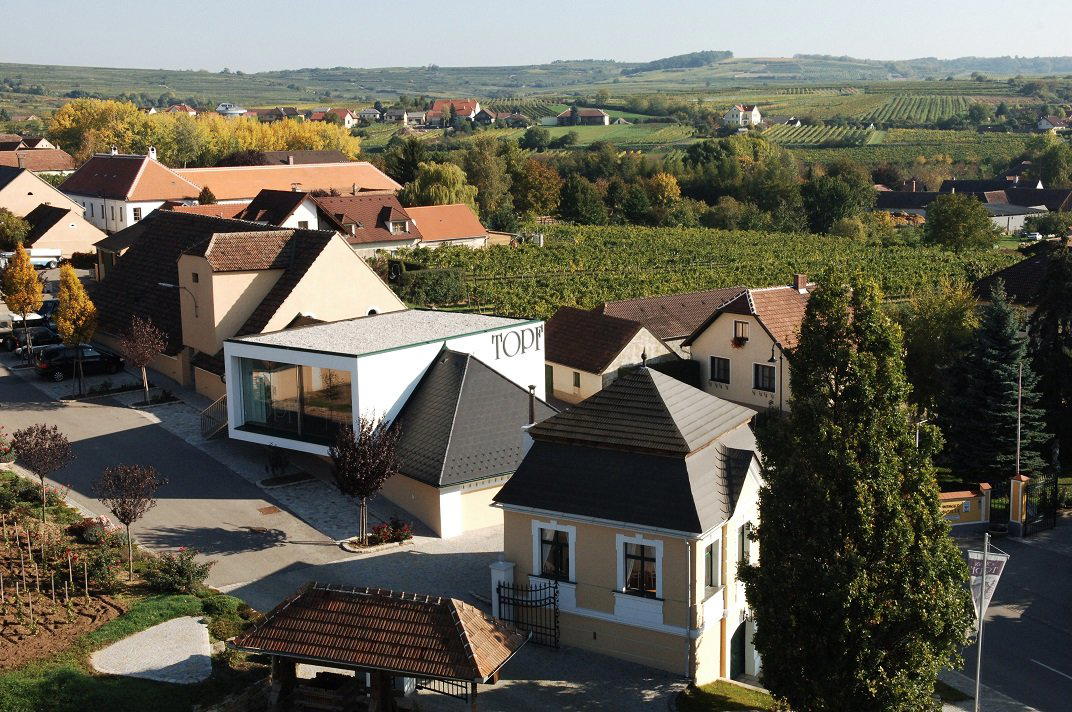
Weingut Sutter is a family-run Weinviertel estate in Hohenwarth, working from a restored winery house dated to 1671. Its appeal rests on Veltliner-led white wines, sandy loess and gravel soils, a cool maturation cellar, and a visitor format that keeps the focus on vineyard, grape and place rather than spectacle.

Pearl is the En Primeur Club membership app, where members save venues, book tables and use the concierge.

Approach the Hohenwarth wine scene through old houses, wind and pale soils rather than grand château theatre. Weingut Sutter belongs to Austria’s quieter tradition: a family estate in a historic winery house dated to 1671, where the setting speaks before a glass is poured. In this part of Lower Austria, wine is less architectural display than village continuity, vineyard discipline and the grammar of Veltliner.
Hohenwarth sits in the southwestern Weinviertel, a region internationally shorthand for Grüner Veltliner, though better producers treat that grape as a starting point, not a finish line. The village’s wine culture reaches at least the 10th century, with Hohenwarth first documented in 1150; that depth explains the estate’s emphasis on place over branding. Doris and Leopold Sutter are the named figures, but the broader point is regional: small and medium Austrian wineries increasingly compete by making soil, climate and restrained cellar work legible to visitors.
Veltliner as a regional language, not a single style
The portfolio is built around the Veltliner family: Grüner Veltliner, Roter Veltliner and Frühroter Veltliner, alongside Riesling, Sauvignon Blanc, Gemischter Satz, Blauer Burgunder and Blauer Zweigelt. That list places Weingut Sutter firmly inside the Weinviertel conversation without reducing the cellar to one variety. Weinviertel DAC appears in the range, tying the wines to the region’s quality framework and Grüner Veltliner’s local benchmark role.
The key detail is that classic Grüner is described across six styles. That signals a cellar interested in gradation: freshness, weight, origin and maturation can be separated within one grape rather than collapsed into a single house label. For travelers used to tasting Austrian white wine as a category, the educational value is clear: the Veltliner family can show difference without an encyclopedic flight of obscure varieties.
Estate also makes white, red, rosé and sparkling wines, with sweet and fortified categories noted in broader production. The center of gravity remains white wine, and the property’s strongest argument is its Veltliner-led structure rather than breadth for its own sake. In a region too quickly summarized as peppery Grüner, Sutter points to a more granular Weinviertel identity.
Loess, gravel, lime and wind shape the house style
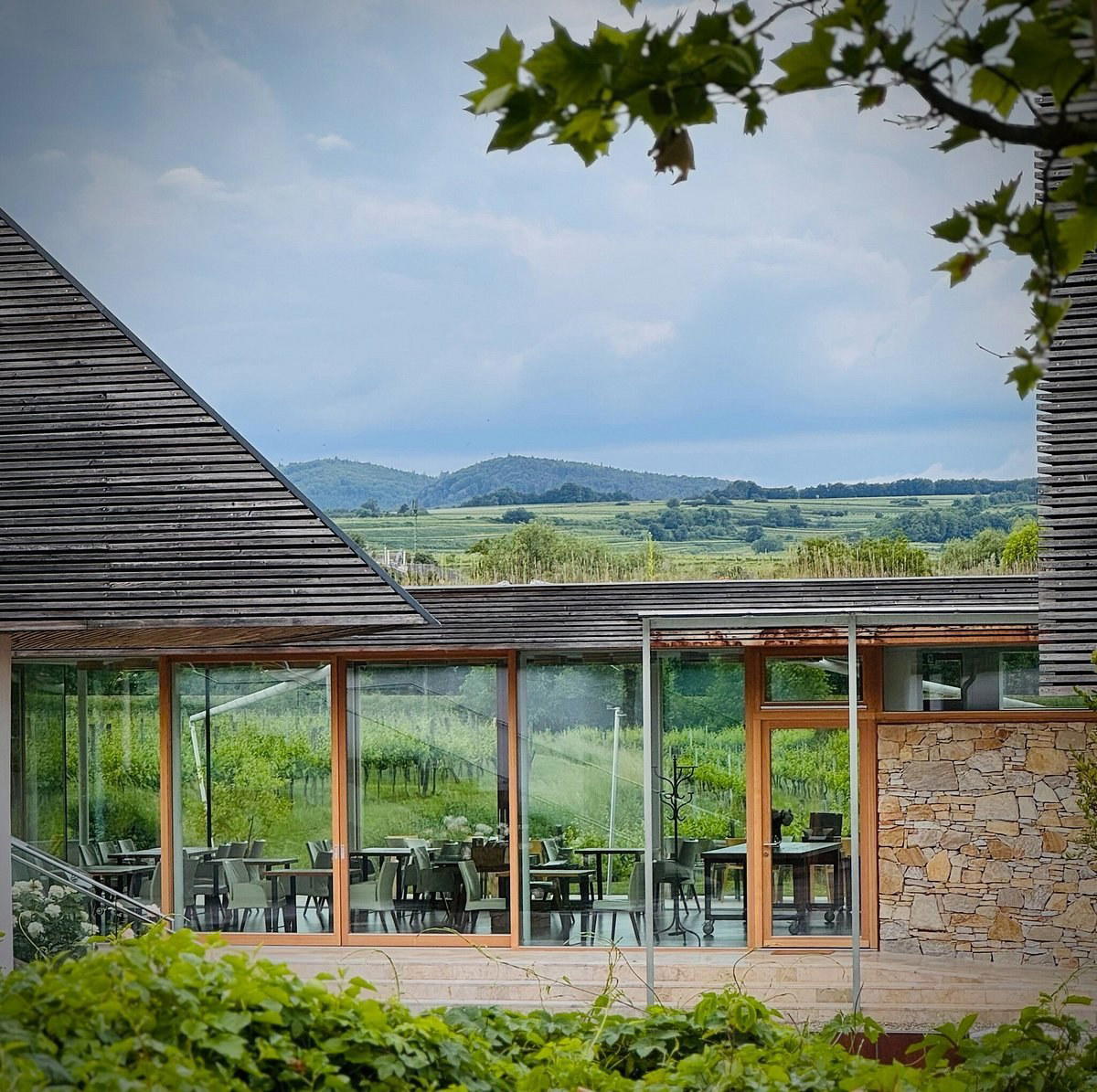
Terroir story is unusually specific for a small family winery. Vines are described across light sandy loess and loam, terraced gravel vineyards, and poorer gravel soils with lime content linked to the ancient Danube. Warm days, cool nights, low precipitation and steady Manhartsberg winds support aromatic whites with fresh acidity and defined fruit. These are not decorative details; they are the technical basis for why Veltliner performs here.
Deep rooting in poorer lime-influenced gravel soils is a familiar serious white-wine argument, linking vine stress to concentration and mineral expression. The cellar follows the same logic. Wines mature in a naturally cool cellar held at 8 to 10 degrees Celsius, using steel tanks and wooden barrels. Steel protects brightness and varietal outline; wood, when used, brings slower development and texture. The language is minimal-intervention, but the more useful phrase is controlled restraint: the estate uses technique to clarify site rather than impose a glossy house signature.
Sustainability enters through careful pruning, controlled foliage, water-efficient soil treatment and gentle manual labor. This is not a certified-organic narrative, and the estate is not presented as organic. Its stewardship claim is practical: adapt farming to a dry, windy, lime-marked place and keep cellar intervention measured enough for the vineyard to remain audible.
For readers mapping Hohenwarth as a wine stop, the village context helps. EP Club’s local winery index includes Weingut Hofbauer-Schmidt, Weingut Schwinner, Weingut Setzer, Weingut Zeilinger and Weingut Zeilinger-Wagner, showing how concentrated the local wine culture is. For wider planning, use our full Hohenwarth wineries guide, then cross-check the town through our full Hohenwarth restaurants guide, our full Hohenwarth hotels guide, our full Hohenwarth bars guide and our full Hohenwarth experiences guide.
A guided tasting format built around vineyard context
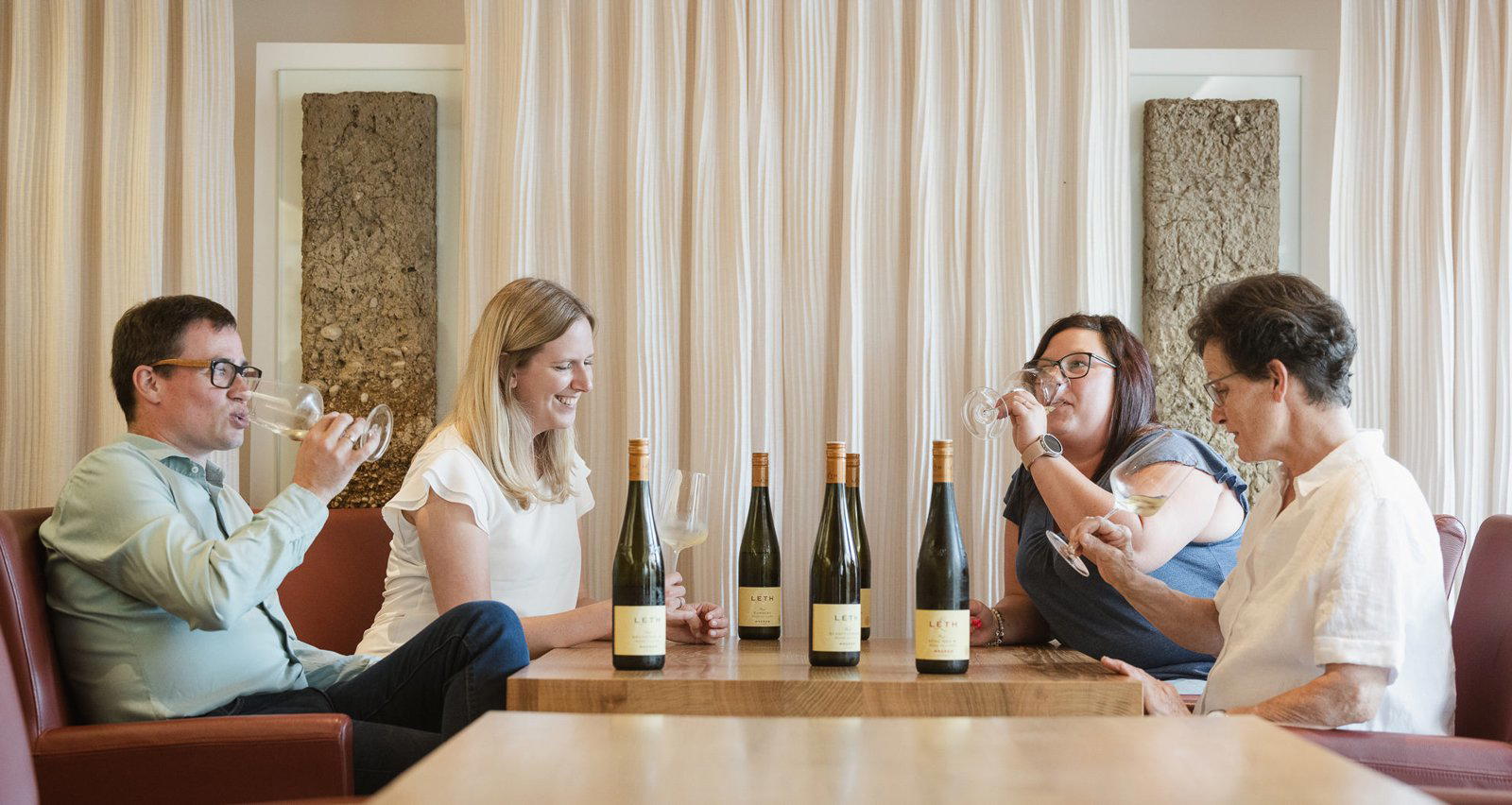
The visitor experience centers on guided tasting and vineyard interpretation rather than hospitality production. A Lower Austria Veltliner vineyard tour and tasting is listed as a 60-to-90-minute format, with German and English available. The estate also signals practical accessibility through wheelchair access, step-free entry and accessible parking, while remaining relaxed enough for children, dogs and groups. In rural wine travel, serious content need not mean severe hospitality.
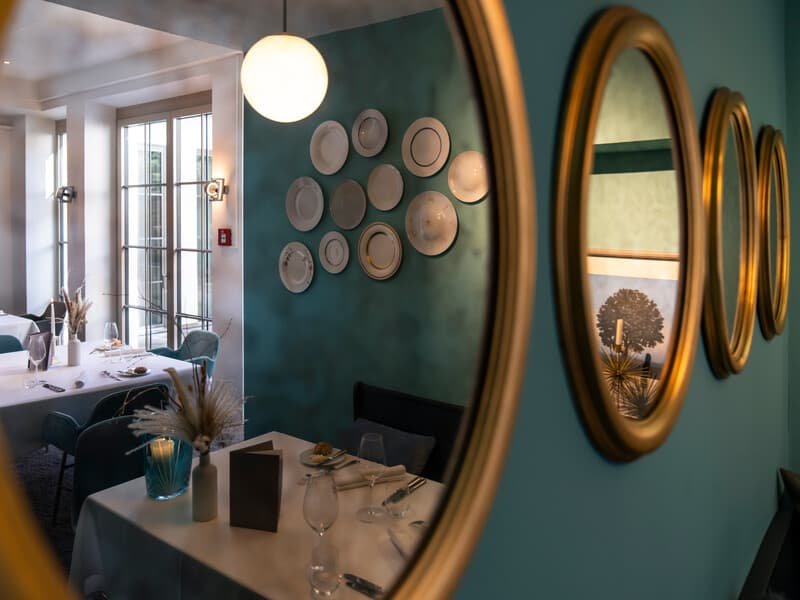
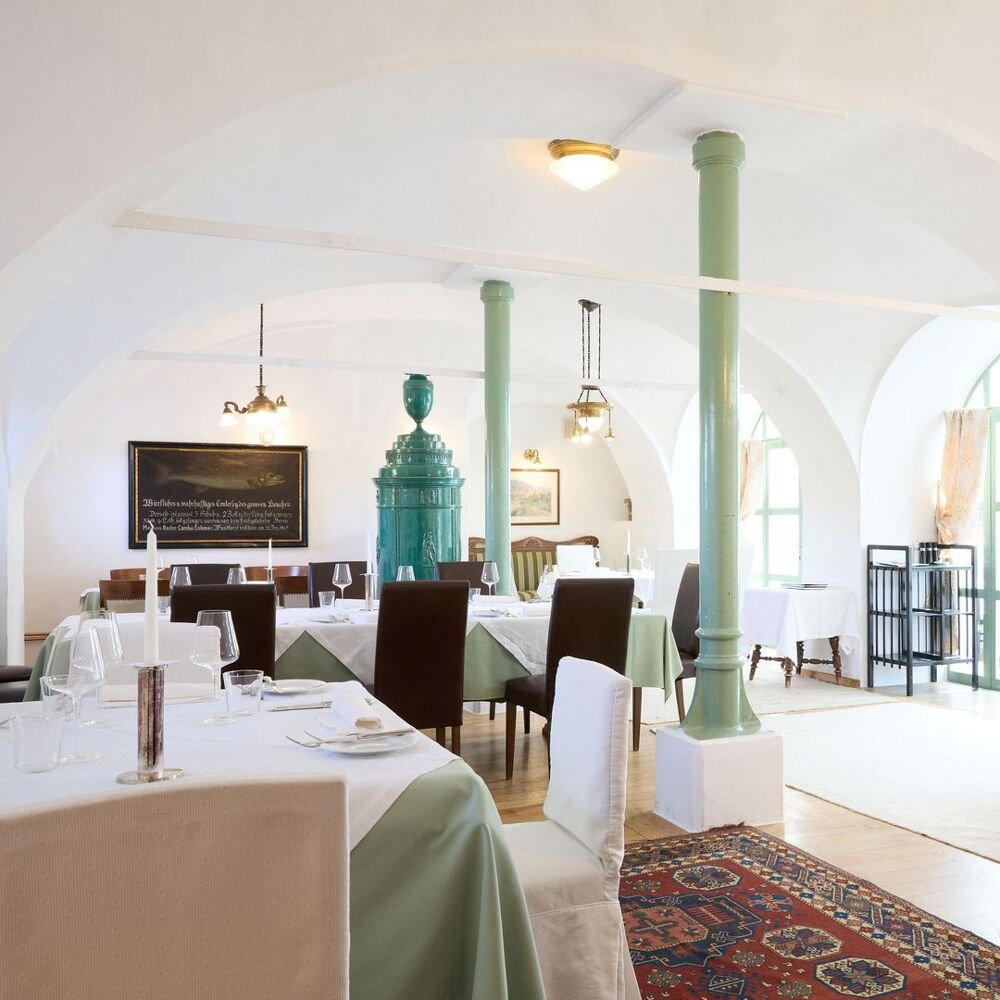
The atmosphere is quiet, rustic and classic, with the restored 1671 house giving the tasting continuity rather than staged nostalgia. There is no food-pairing program, so the draw is the wine itself: vineyard context, grape differentiation and a direct reading of Weinviertel soils. For solo travelers, it is educational; for groups, the vineyard-tour structure gives the visit enough shape to avoid becoming a casual counter tasting.
Recognition is hospitality-led rather than award-led. The strongest public signal is a 5.0 Winetourism rating from four reviews, a small sample but a useful indication of satisfaction around wine quality, friendliness and guidance. In editorial terms, Weingut Sutter suits travelers who want the Weinviertel explained through Veltliner, climate and cellar discipline rather than trophy labels. It is a grounded Austrian wine visit: historically framed, regionally specific and more persuasive through soil than spectacle.
For broader wine-travel context beyond Hohenwarth, EP Club also indexes Austrian and international cellar stops including »der Steiner« Hans Steiner in Podersdorf am See, ®walzer in Gneixendorf Bei Krems, 1516 Brewing Company Distillery in Vienna, & Handwein in Mannheim and 00 Wines in Carlton.
Recognition history
Dated appearances from independent guides and award organizations, with the underlying list record or original source where available.
Falstaff Winery - 3 Stars
Falstaff
Continue exploring
More in Hohenwarth
Wineries in Hohenwarth
All wineries in Hohenwarth →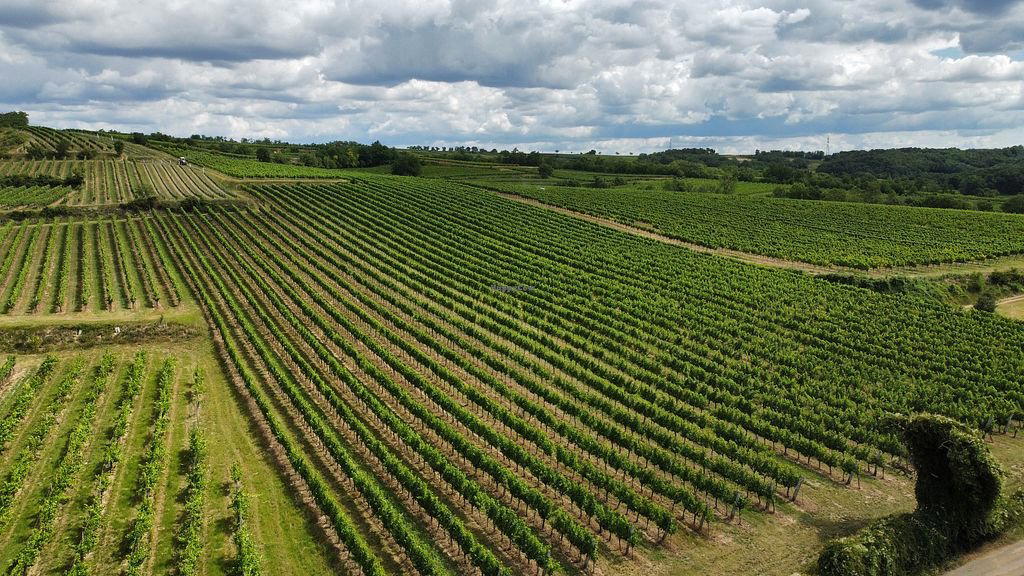
Details
- Rustic
- Classic
- Cozy
- Scenic
- Wine Education
- Solo Exploration
- Group Outing
- Special Occasion
- Vineyard Tour
- Historic Building
- Design Destination
- Private Tasting
- Sustainable
- Vineyard
- Grüner Veltliner
- Roter Veltliner
- Frühroter Veltliner
- Riesling
- Sauvignon Blanc
- Still White
- Still Red
- Sparkling
- Still Rosé
- Guided Tasting
- Vineyard Tour Tasting
- German
- English
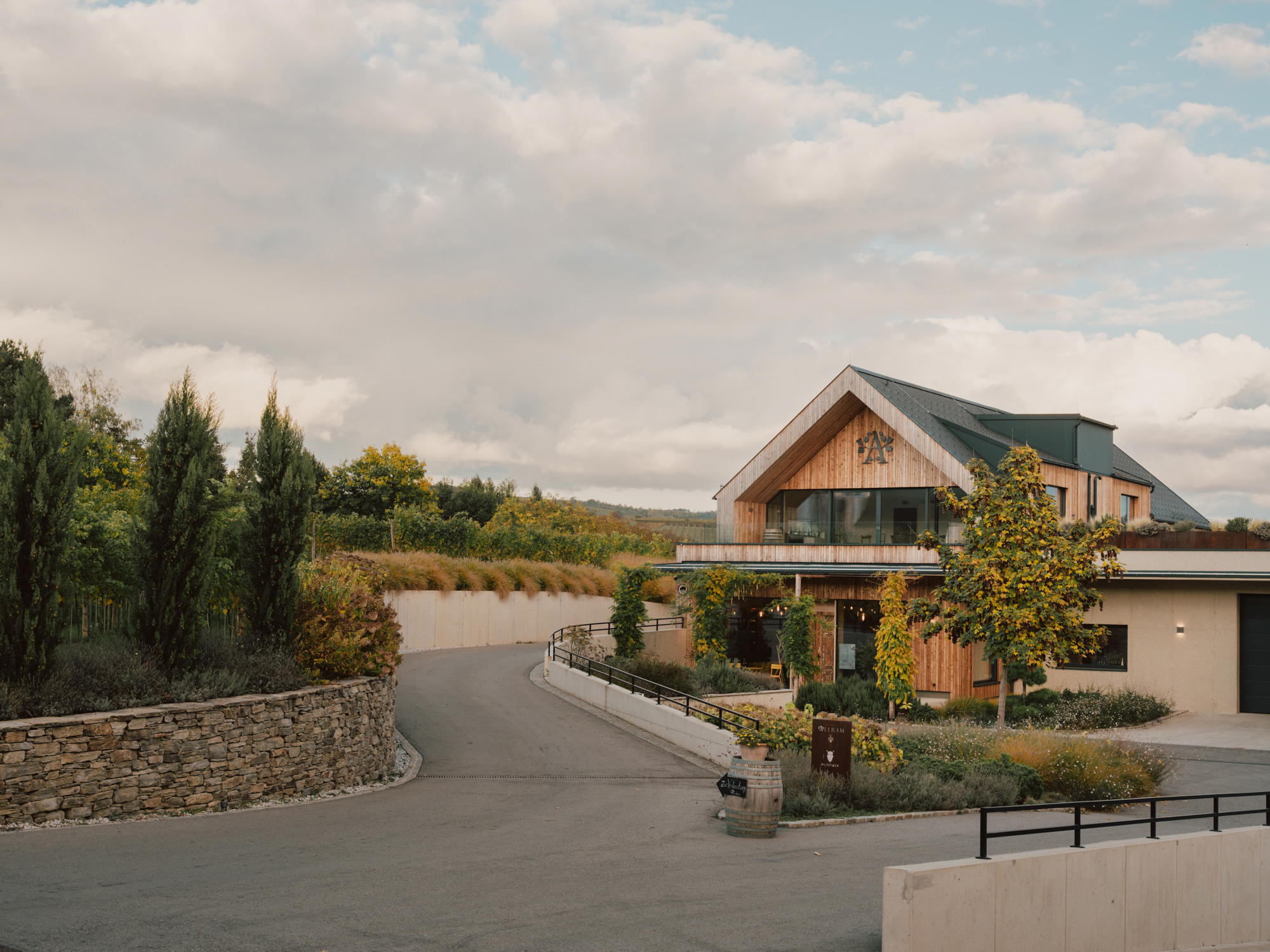
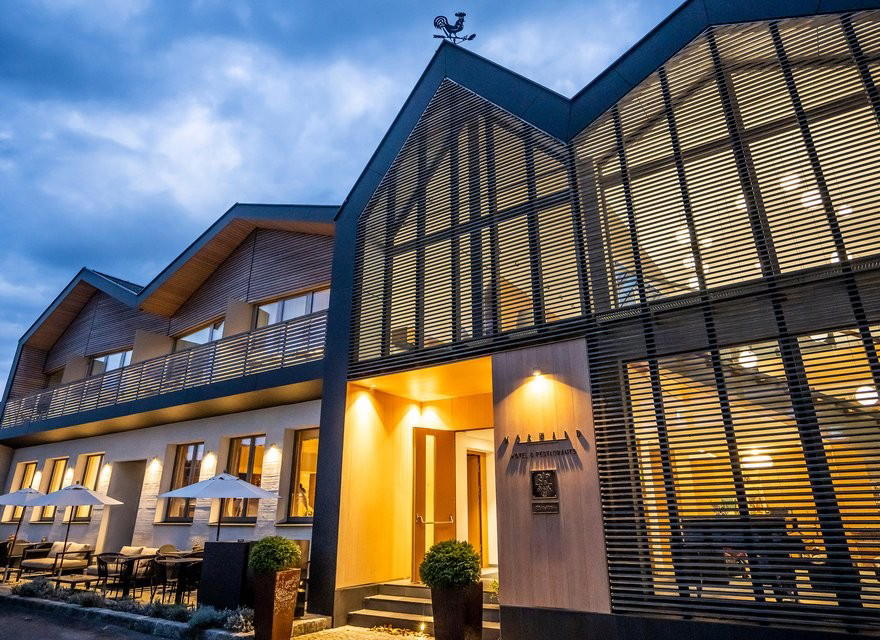
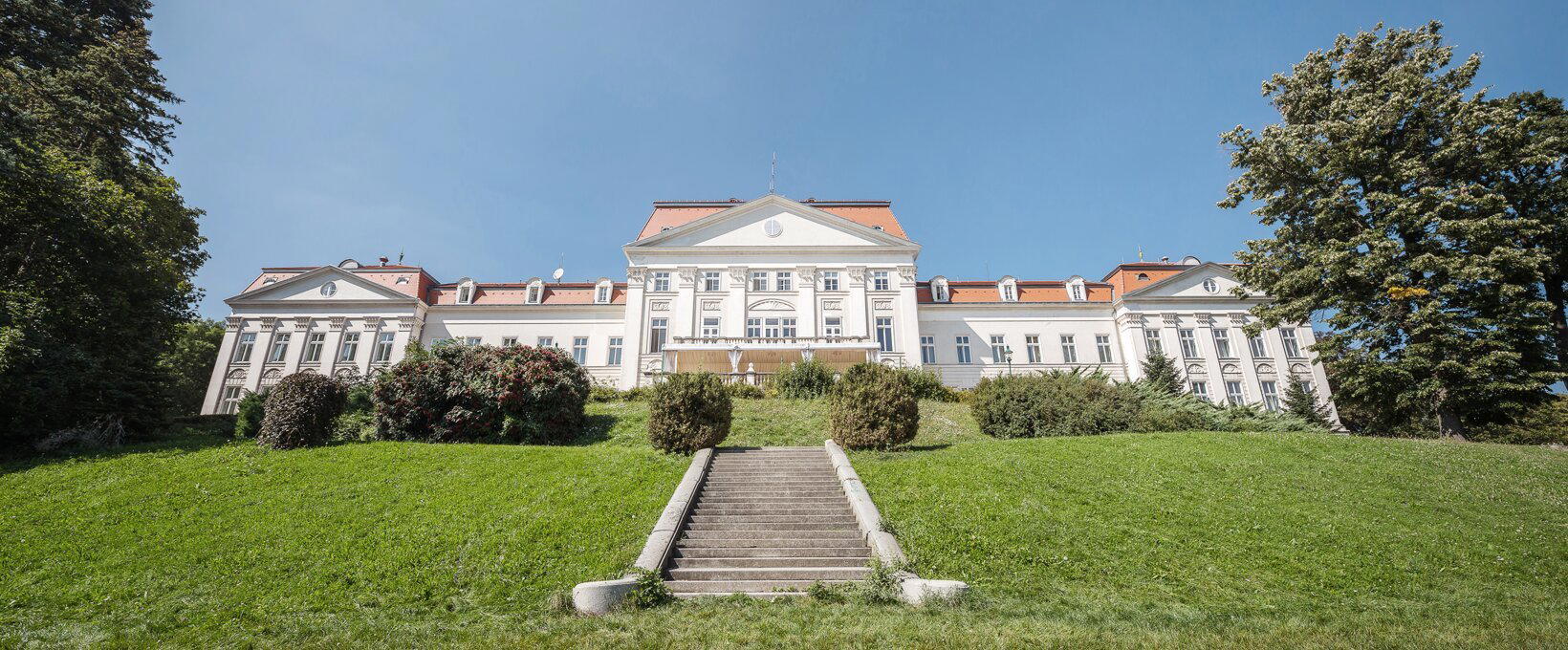
A lovingly restored historic winery house from 1671 creates a distinctive, characterful atmosphere that blends tradition with a refined, terroir-driven production setting.