Weingut Robert Herbst

A small certified-organic Kamptal winery in Langenlois, Weingut Robert Herbst works with three hectares of Grüner Veltliner, Riesling, and Burgundy varieties. Its interest lies in the method: hand-harvested fruit, whole-cluster pressing, spontaneous fermentation, still wines only, and tea-based non-alcoholic alternatives drawn from local ingredients.
Pearl is the En Primeur Club membership app — saves, bookings, and concierge access live there. Same editors, same standards.
- Address
- Langenlois, Kamptal, Lower Austria, Österreich
- Directions
- Get directions
 Saves & bookings on Pearl
In Langenlois, Weingut Robert Herbst is best understood as a quiet, small-scale winery stop rather than a glossy destination built around spectacle. The profile is deliberately modest: a low-intervention, hands-on production style; an organic winery atmosphere; and a rustic, cozy feel that reads more like a local than a high-polish hospitality address. That restraint is the point. Visitors should expect the appeal to sit in the mood of the place and the way it presents its work, not in a long list of published claims about menus, scores, awards, or formal service formats.
Because the confirmed information is narrow, it is worth being precise about what can and cannot be said. The venue is in Langenlois, and its listed price category is $. Its character is described as quiet, rustic, cozy, small-scale, and local. Beyond that, specific claims about grape varieties, production volumes, tasting formats, opening hours, food service, reservations, visitor capacity, or awards are not part of the record here. A useful guide to Weingut Robert Herbst should therefore avoid overbuilding the story and focus on the grounded experience: a low-key winery environment with a natural, hands-on sensibility.
Kamptal varieties handled at small scale
The safest way to describe Weingut Robert Herbst is not through an invented list of varieties or technical cellar details, but through its scale and atmosphere. It presents as a small, local-feeling winery in Langenlois, with a low-intervention attitude and an organic atmosphere. That combination will appeal most to visitors who prefer restrained, personal-feeling wine stops over larger venues with more formalized visitor infrastructure.
Small-scale does not need to mean specific vineyard size, production count, or seat count unless those details. Here, the confirmed takeaway is simpler: the venue’s identity is tied to a hands-on production style and a quiet, rustic setting. For travelers, that means the visit should be approached as a compact local winery experience rather than a destination defined by trophies, architecture, or an elaborate hospitality program.
It can also sit naturally within a broader day of Langenlois dining and wine exploration. The comparison should remain general: other local dining rooms and wine addresses may offer different moods, levels of polish, or service formats, while the winery is best framed around its cozy, low-intervention character. The value is not in ranking it against other places, but in recognizing the kind of stop it be.
Natural wine without the usual performance
Low-intervention language is often used loosely, so it is important not to attach unsupported technical claims to it. For the winery, the description supports a natural, hands-on production style and an organic winery atmosphere. The more accurate reading is atmospheric and practical: this is a winery with a restrained, grounded, local feel.
That can be more useful than a dramatic sales pitch. A quiet winery does not need to be framed as exclusive, famous, or award-winning to be worth a stop. Its appeal may lie in the opposite direction: a rustic setting, a cozy mood, and a sense that the experience is close to the work of the place. For visitors who enjoy low-key venues, that can be more compelling than a highly staged tasting environment.
The price marker also reinforces the accessible profile. With a listed price category of $, the winery is not positioned here as a luxury splurge. That does not define exact bottle prices, tasting fees, or what a visit will cost on a given day, but it does place the venue on the more modest end of the guide’s pricing shorthand. Anyone planning around budget should still confirm current details directly before going.
How to place it in a Langenlois wine day
For a Langenlois itinerary, the winery works well for travelers who like understated places. The language points to quiet, rustic, cozy, and hidden-gem rather than high-energy, formal, or scene-driven. It is the kind of stop to consider when the goal is to experience a smaller local winery atmosphere and a low-intervention sensibility without needing the visit to carry a long checklist of amenities.
Planning should remain practical. That caution is not a weakness of the venue; it is simply the honest boundary of the available confirmed information.
The critical read is direct: the winery in Langenlois is a small-feeling, quiet winery with a rustic, cozy atmosphere, a low-intervention and hands-on production style, and a $ price category. It is well suited to visitors who value local character over polish and who are comfortable confirming practical details before they go. Kept to those facts, the venue’s appeal is clear without needing inflated claims.
Recognition history
Dated appearances from independent guides and award organizations, with the underlying list record or original source where available.
Falstaff Winery - Listed
Falstaff
Continue exploring
More in Langenlois
Wineries in Langenlois
Browse all →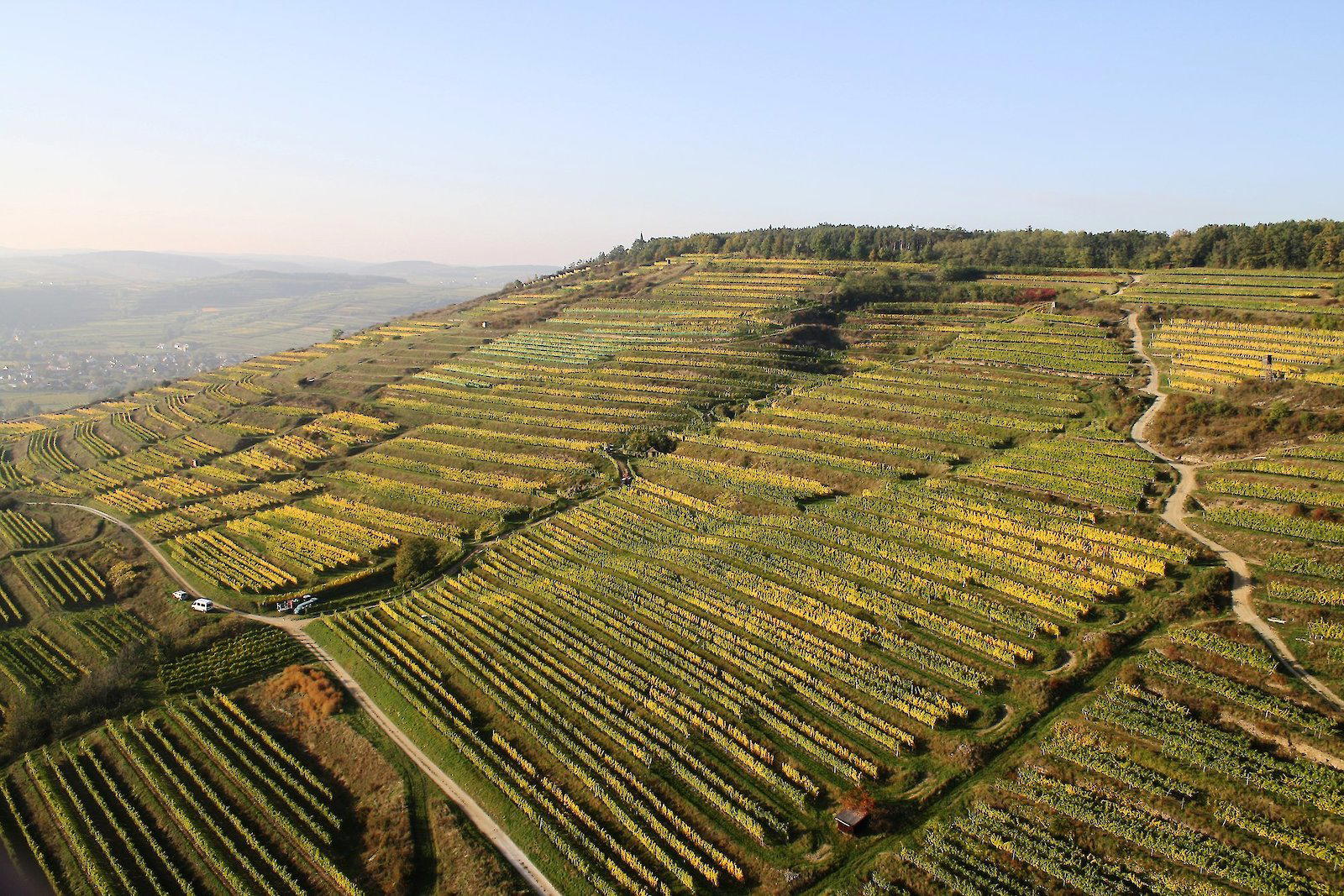
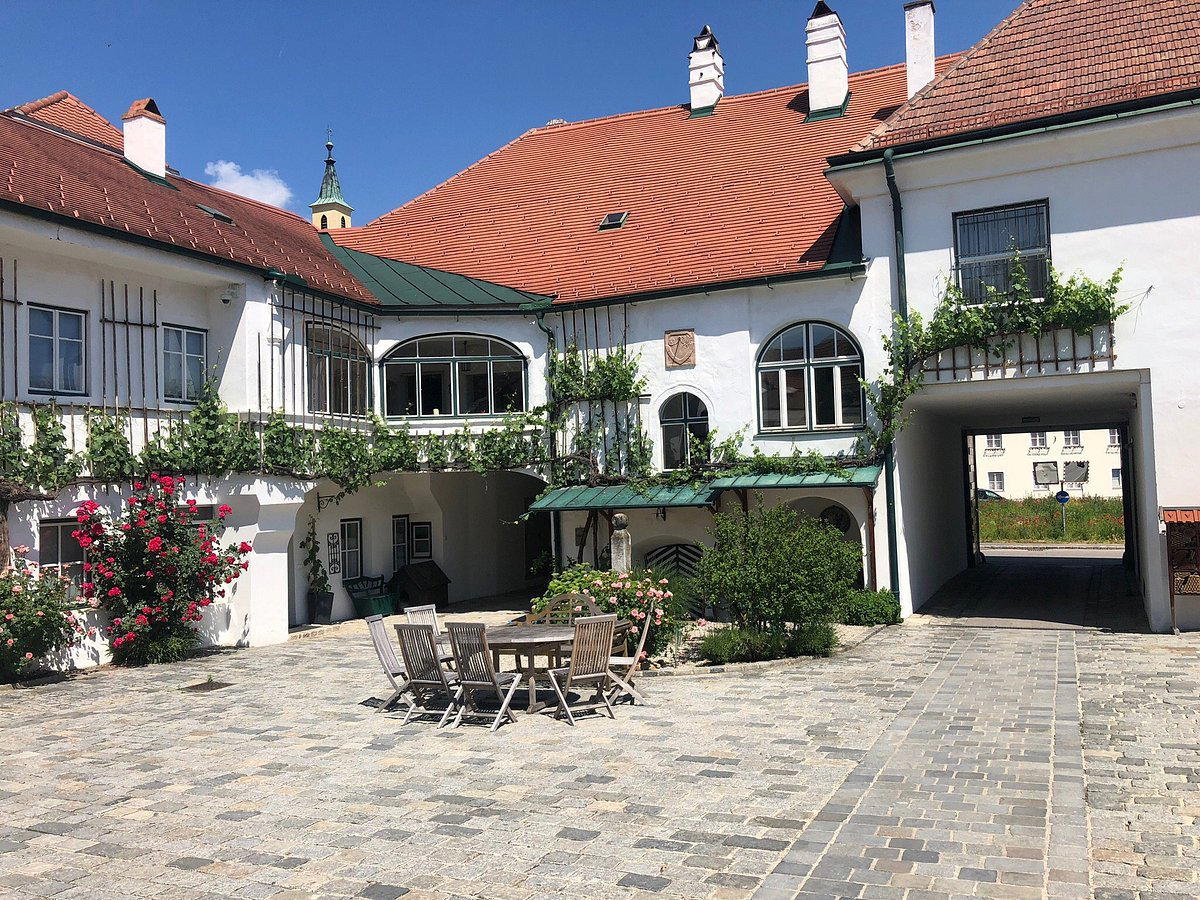
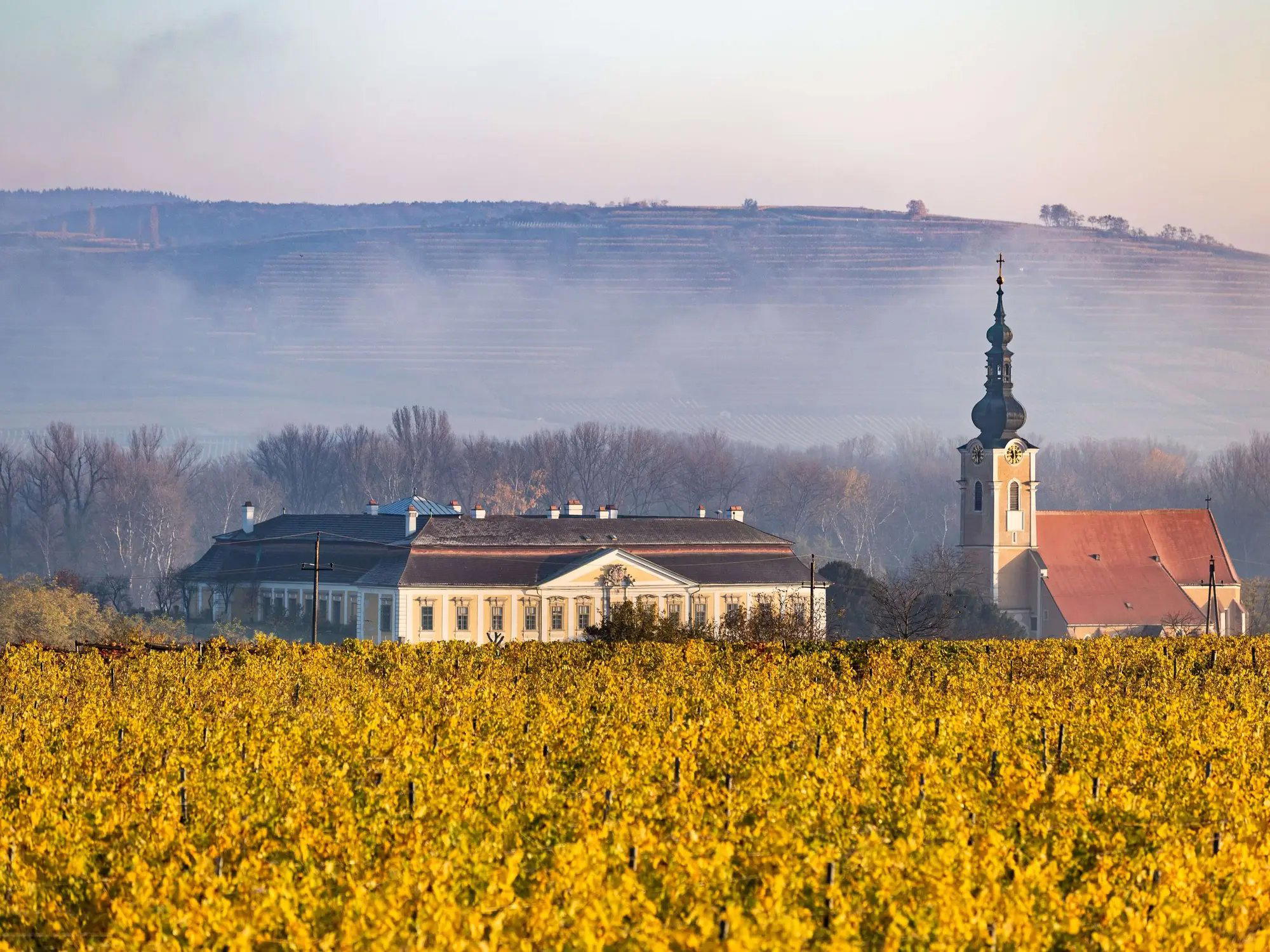
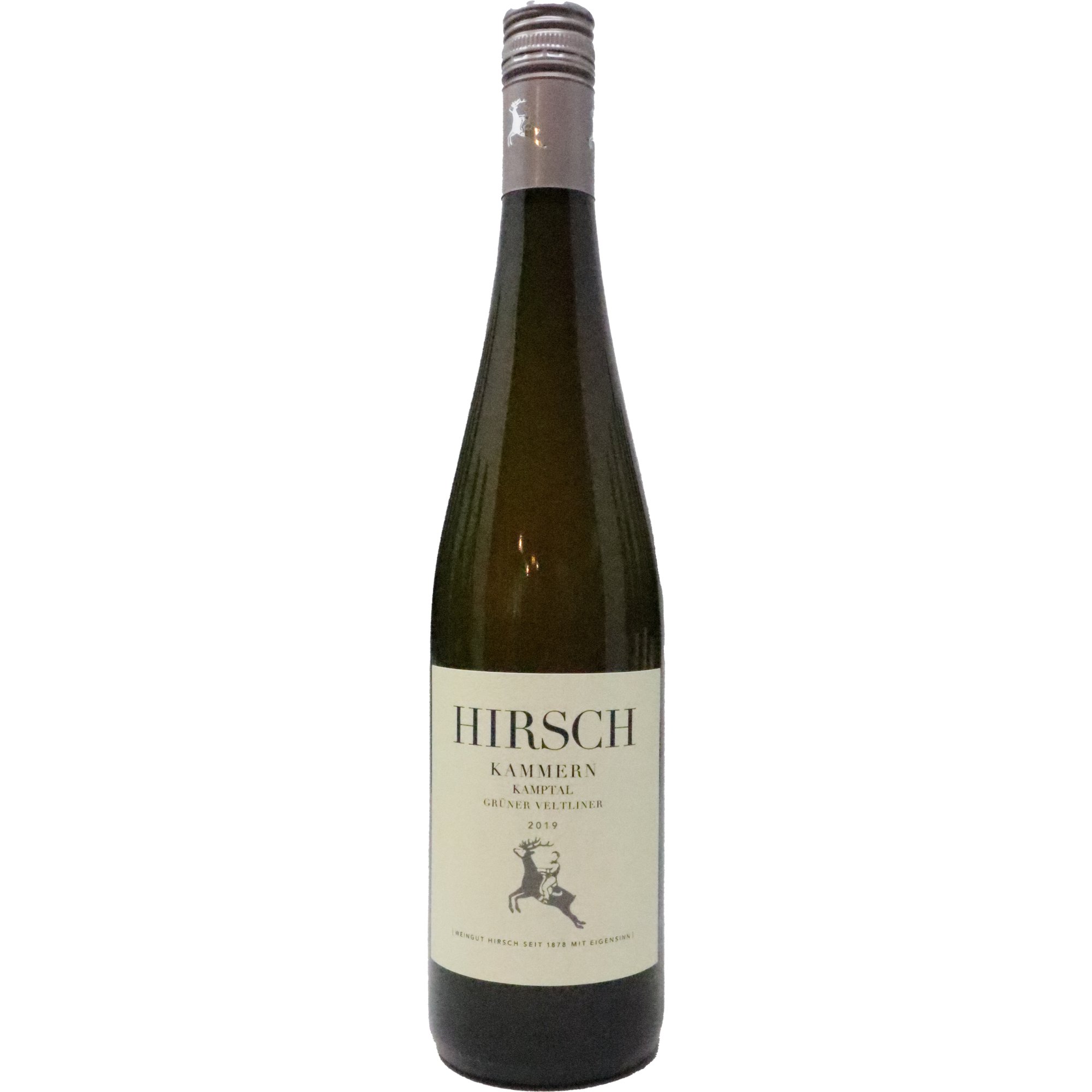
Bars in Langenlois
Browse all →
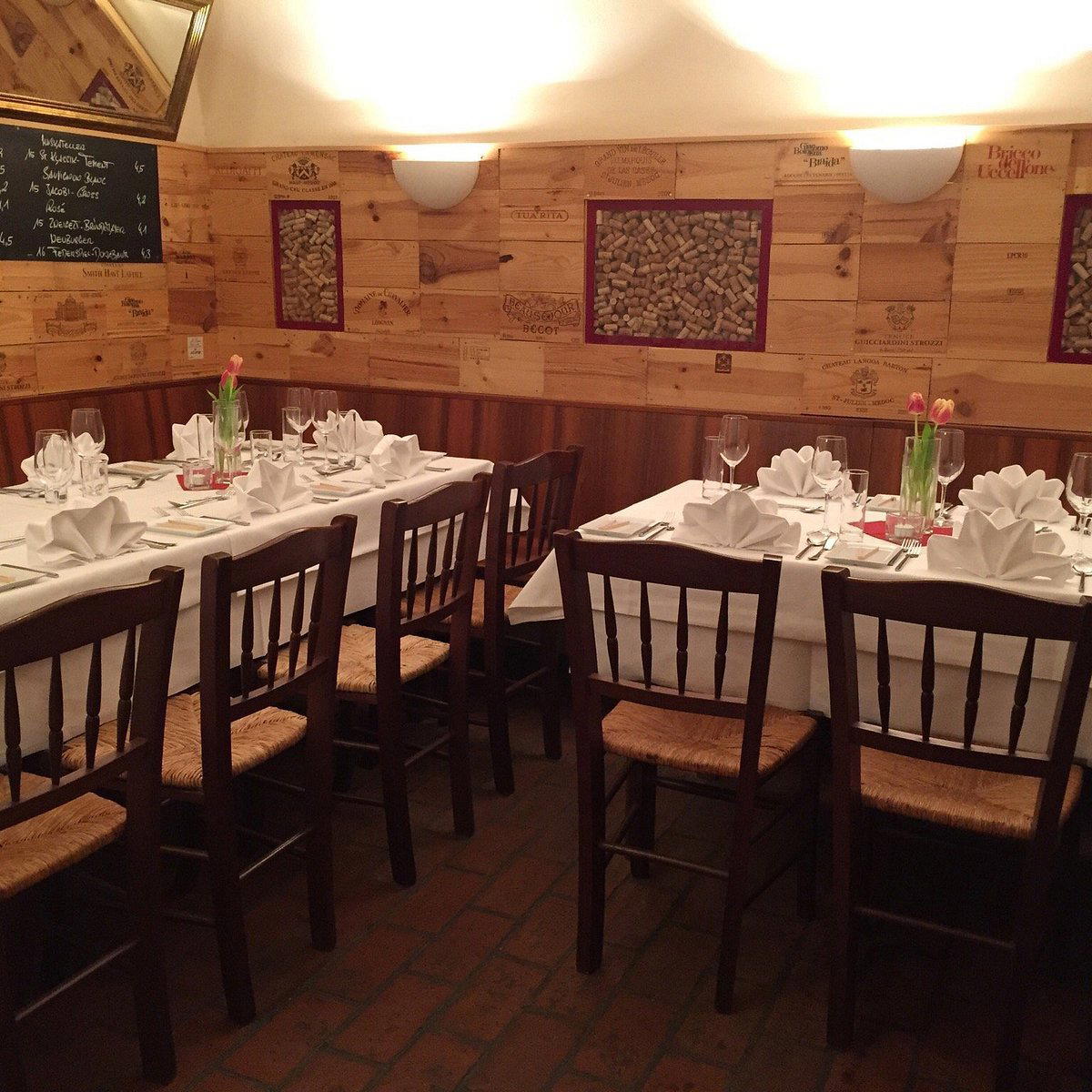
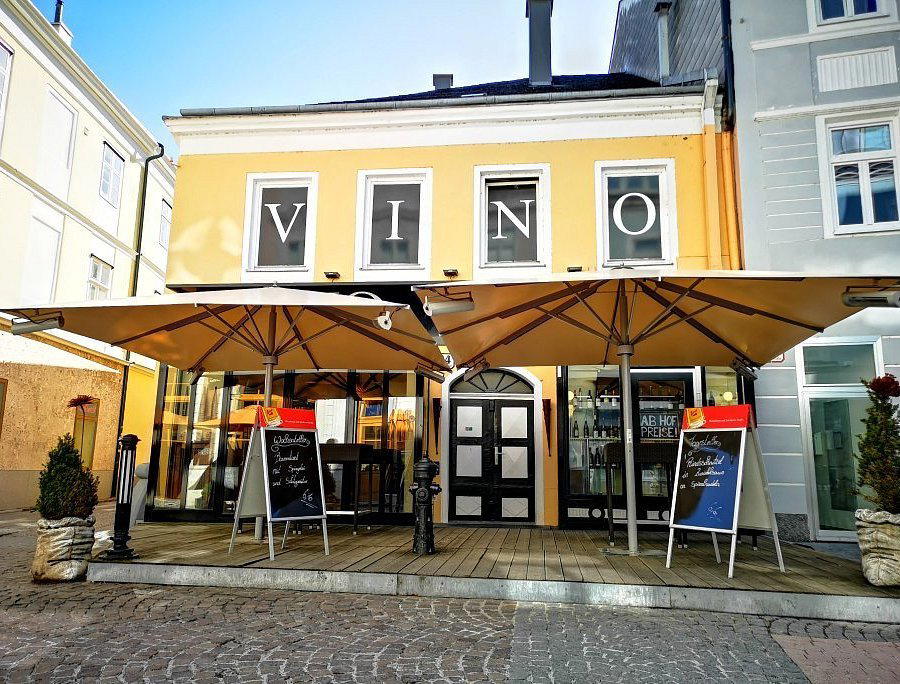
Restaurants in Langenlois
Browse all →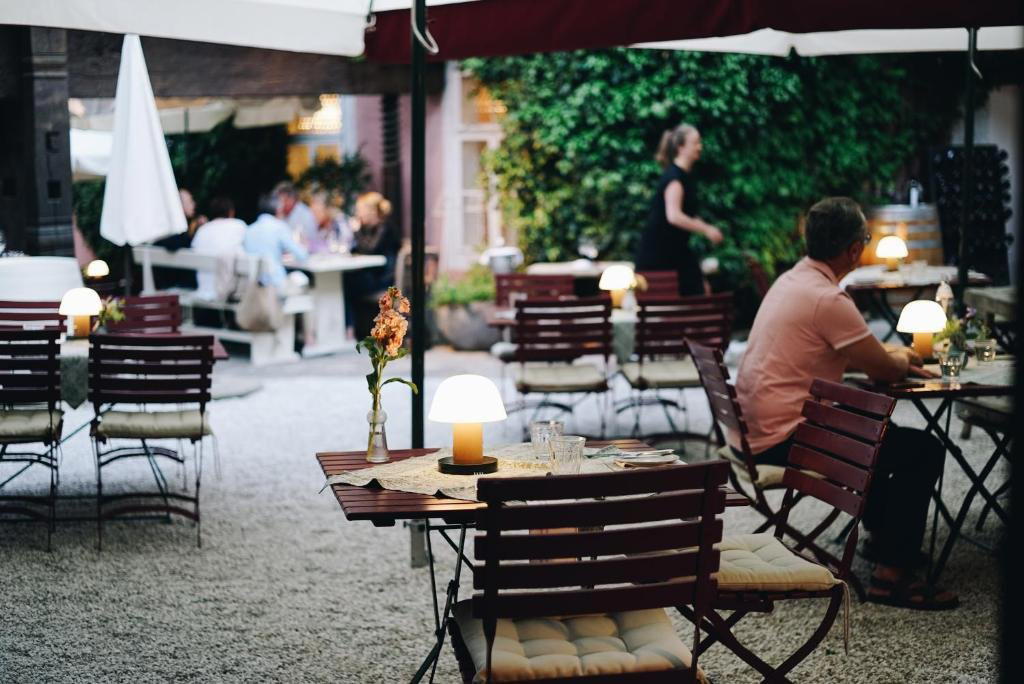
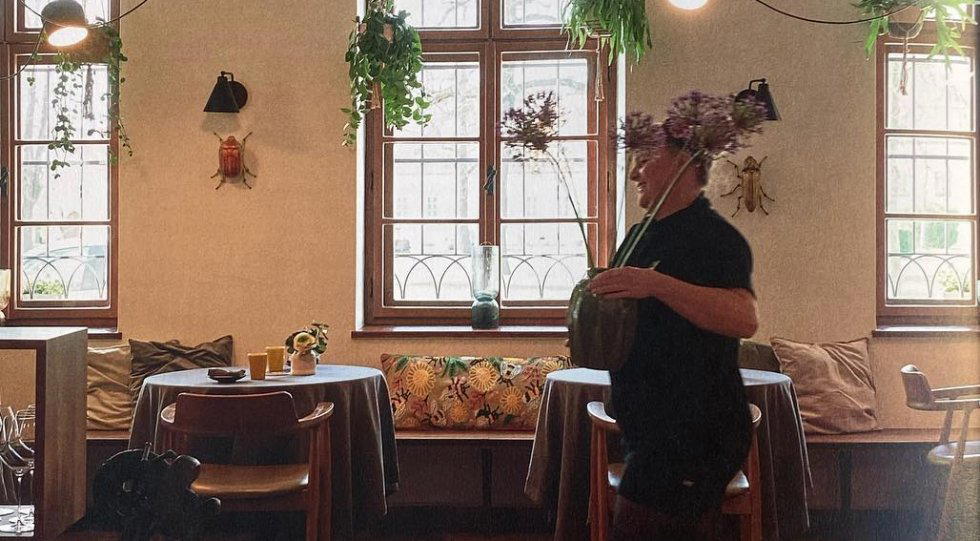
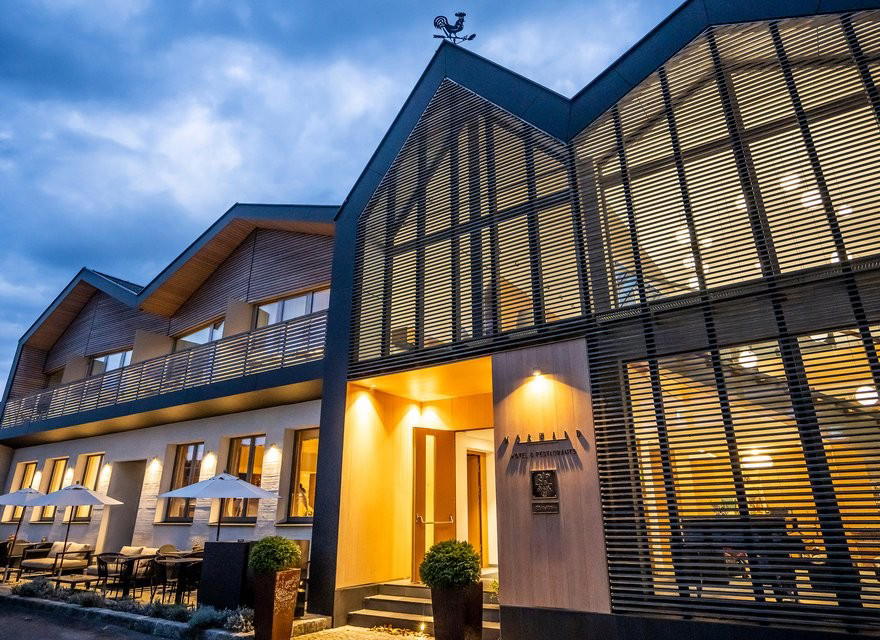
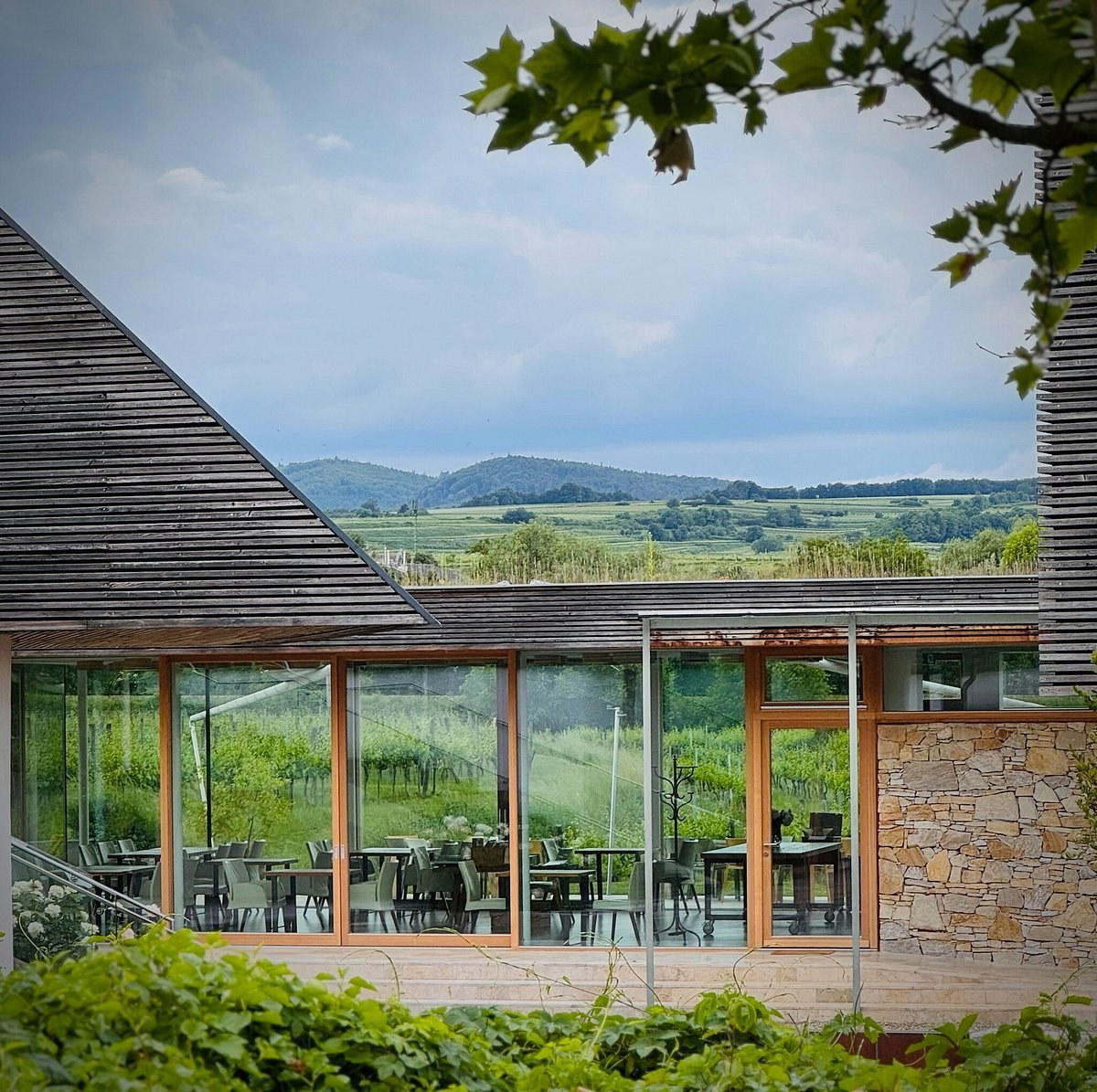
At a Glance
- Quiet
- Rustic
- Cozy
- Solo Exploration
- Wine Education
- Organic
- Vineyard
- Kamptal
- Grüner Veltliner
- Riesling
- Burgundy Varieties
- Still White
- Still Red
Low-intervention, organic winery atmosphere with a natural, hands-on production style and a small-scale, local feel.