
Falstaff Winery - Listed
Weingut Jonas Kiefer is a family wine estate in Worms with roots dating to 1900 and a fifth-generation identity shaped by Rheinhessen loess soils. The draw is not trophy culture but terroir, historical grape varieties, and a contemporary street-art label collaboration that gives the portfolio a sharper visual language than many traditional estates.

Pearl is the En Primeur Club membership app — saves, bookings, and concierge access live there. Same editors, same standards.
- Address
- Worms, Rhine Hesse, Rhineland-Palatinate, Deutschland
- Directions
- Get directions

Weingut Jonas Kiefer is a family-run wine estate in Worms. The picture is deliberately simple: this is a winery rather than a restaurant-led venue, with a character that brings together traditional winemaking, modern cellar craft, and an artistic contemporary note through the Buja street-art label collaboration. In other words, the venue is best read through the lens of place, producer identity, and presentation, rather than through the expectations that would normally attach to a full restaurant profile.
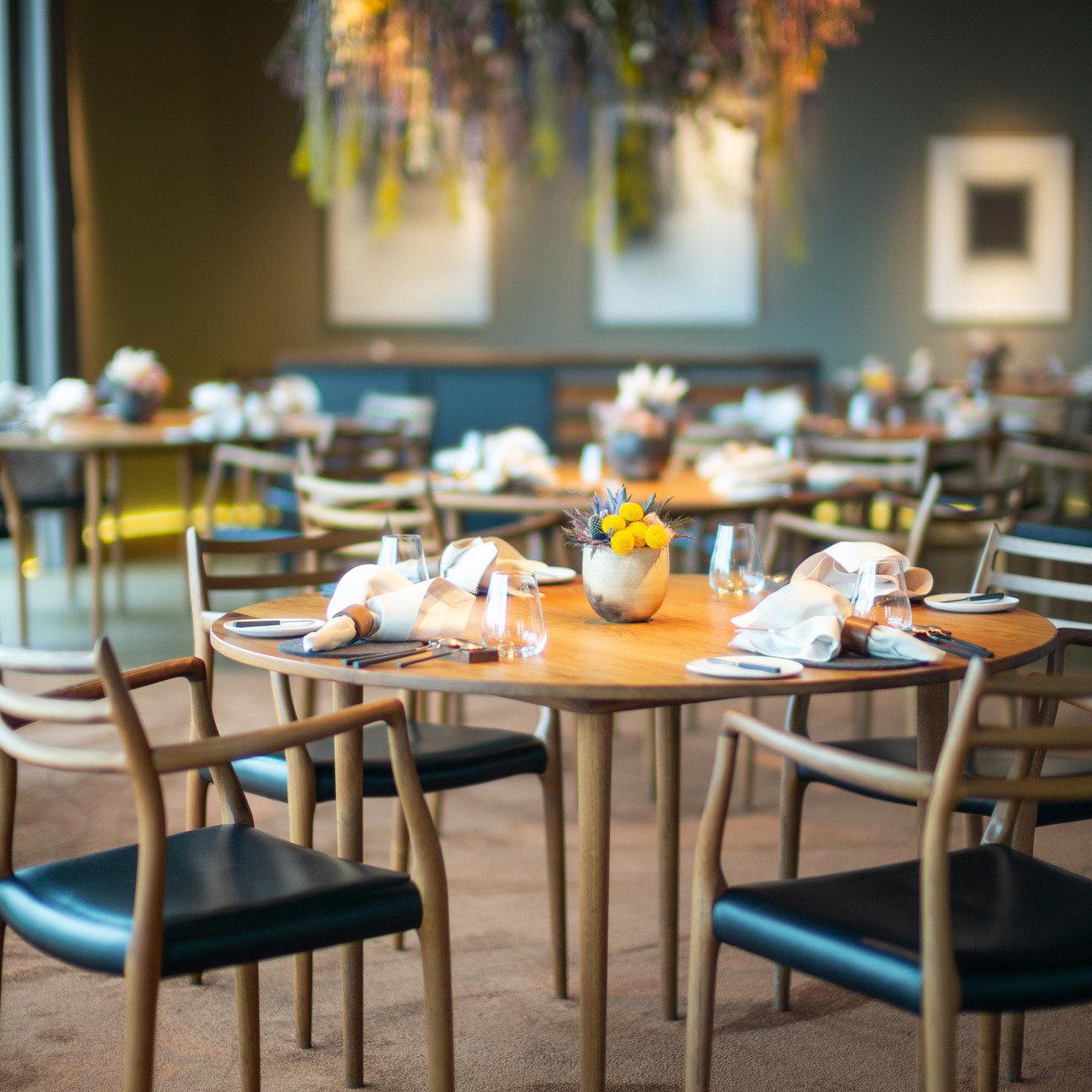
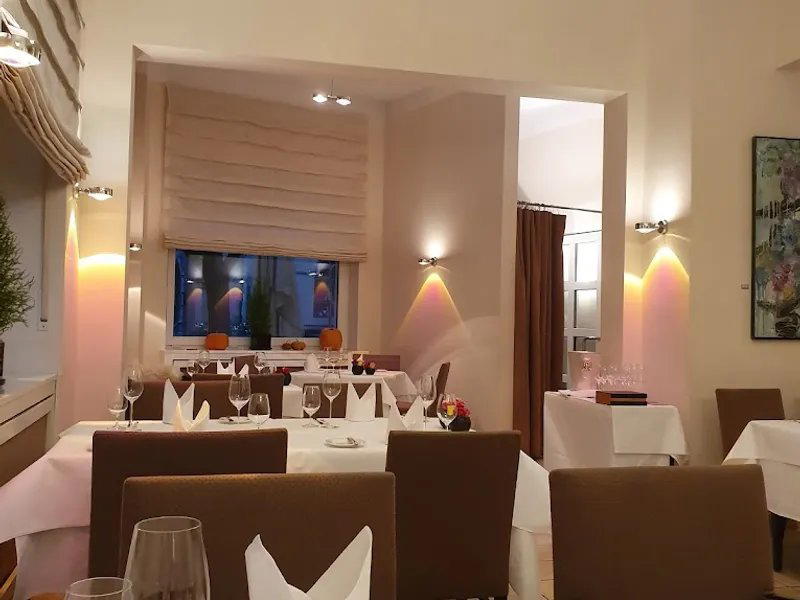
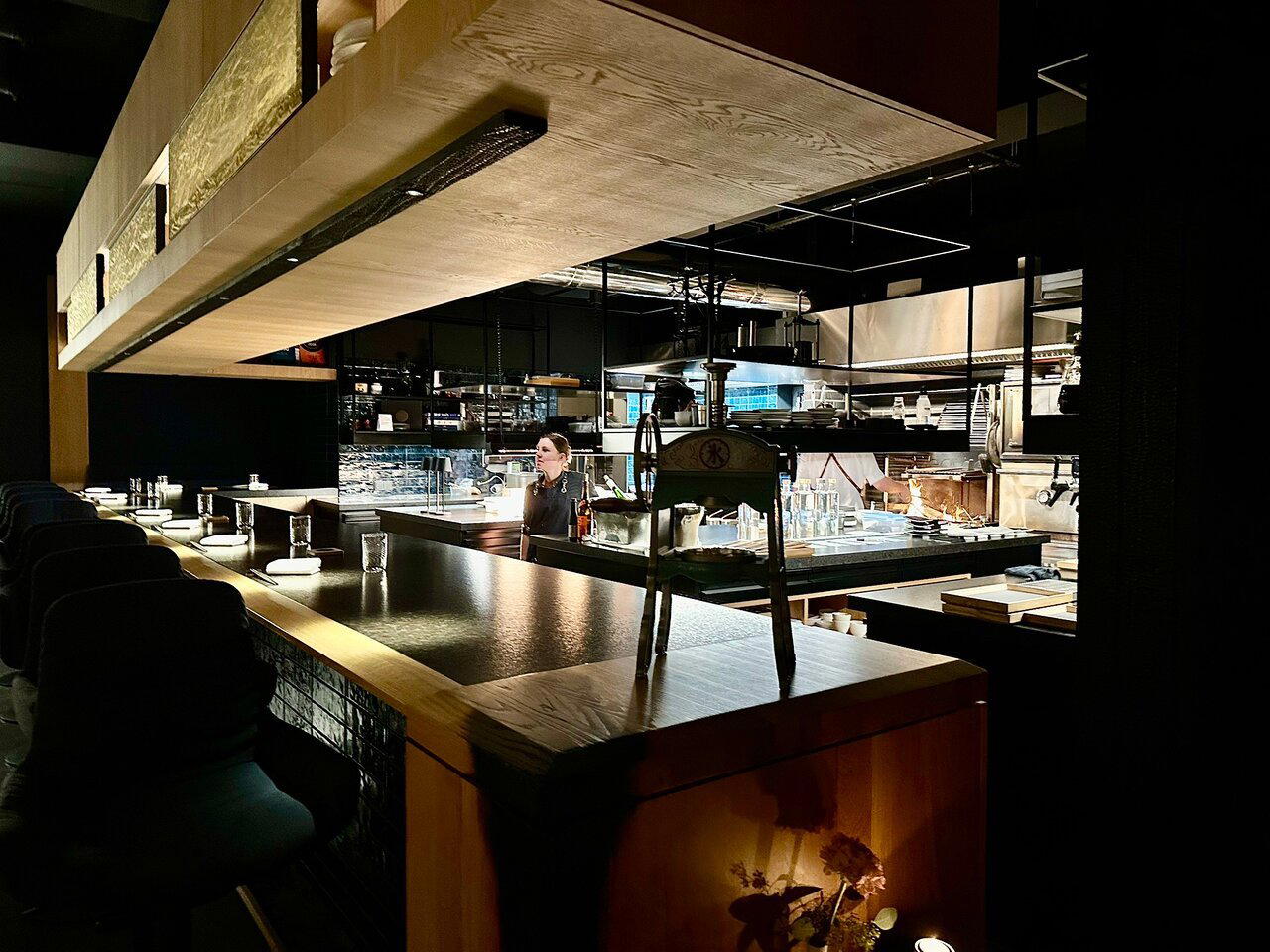
For EP Club readers, the most useful way to approach the estate is as a quiet, classic, modern, rustic, and artistic stop in Worms. Those words do not need to be stretched into a grand claim; they are enough to give the listing its shape. The appeal sits in the combination: a family-run estate atmosphere, a traditional winery foundation, a modern sense of cellar work, and a visual identity that makes the estate feel more contemporary than a purely conventional wine address.
A family-run wine estate in Worms
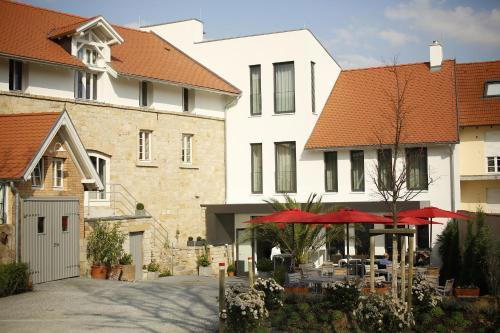
The core identity of Weingut Jonas Kiefer is its family-run winery setting. That matters because it frames the experience more as a producer visit than as a conventional dining reservation. A family-run estate carries a different editorial meaning from a venue built primarily around table service: the focus moves toward the winery itself, the sense of continuity behind it, and the way the estate presents its wines and its own personality. The description points to a blend of traditional winemaking and modern cellar work, which suggests a venue rooted in estate practice while still presenting itself with a contemporary sensibility.
This balance is the most useful anchor for the profile. “Traditional” gives the estate its grounding, connecting it to the familiar language of winery craft and rural production. “Modern” adds the counterpoint, indicating that the estate is not being presented only as an old-fashioned address. The cellar identity is described as a meeting point between the two, so the venue should not be flattened into either a purely rustic image or a purely design-led one. Its character comes from the overlap.
It is better understood as a wine estate listing for Worms, with the main confirmed appeal lying in its winery identity, family-run character, and balance between traditional and modern presentation. For a reader planning around food and drink, that distinction is important: the confirmed story is not a menu, a chef, a dining-room concept, or a list of specific bottles. It is the estate itself, and the way its family-run, wine-focused identity gives it a clear place within a Worms itinerary.
Artistic identity through the Buja collaboration
The most distinctive detail is the artistic layer created through the Buja street-art label collaboration. That collaboration gives Weingut Jonas Kiefer a contemporary visual identity without requiring unsupported claims about particular bottles, vintages, awards, or production methods. It is a compact but useful detail, because it adds a recognisable creative dimension to a profile that might otherwise rest only on the broad language of family, winery, and tradition.
The importance of the Buja element is not that it turns the estate into an art venue, but that it sharpens the way the wine estate is perceived. Street-art language brings a more urban, graphic, and present-day note into conversation with the classic winery setting. That contrast is editorially valuable: it explains why “artistic” belongs alongside “rustic” and “classic” rather than replacing them. The collaboration works as a layer of identity, not as a reason to make claims beyond the information given.
In practical editorial terms, this means the venue can be described as classic and rustic in its estate setting, but also modern and artistic in the way it presents itself. The Buja element is a confirmed part of the story, and it helps distinguish the estate from a generic winery profile while staying within the available facts. It gives the listing texture: not more detail than is known, but a clearer sense of how the confirmed details fit together.
How to read the visit: quiet, classic, modern, rustic, artistic
The atmosphere terms are useful for setting expectations. “Quiet” suggests a lower-key wine-estate mood rather than a loud nightlife venue. “Classic” and “rustic” point toward a traditional winery sensibility. “Modern” and “artistic” reflect the contemporary touch associated with the Buja collaboration. Taken together, the words suggest an address that is understated rather than flashy, grounded rather than generic, and visually more current than a purely traditional description might imply.
That is also why the listing should be handled with some restraint. The confirmed facts support a tone of calm confidence, not exaggeration. A visitor should expect the central subject to be wine and winery identity, with the family-run setting and the artistic label collaboration forming the main points of interest. The profile does not support assumptions about a broader hospitality programme, a particular tasting format, or a dining offer.
What should not be inferred is just as important. If those details matter for planning, they should be checked directly with the estate before visiting. This is especially relevant because a wine estate profile can be mistaken for a restaurant or bar listing when it appears in a broader city guide. Here, the safest reading is the clearest one: Weingut Jonas Kiefer is presented as a wine-focused estate in Worms, not as a confirmed restaurant-led venue.
For wider planning in Worms, treat Weingut Jonas Kiefer as a wine-focused stop rather than a confirmed dining room. Other dining and drinking options in Worms can be considered separately, but this profile is centered only on the facts for Weingut Jonas Kiefer itself: a family-run wine estate, a traditional-meets-modern cellar identity, a quiet and rustic-modern atmosphere, and an artistic label collaboration through Buja. That is enough to make the estate legible for EP Club readers without overclaiming: a simple, grounded Worms winery profile with a contemporary visual edge.
Recognition history
Dated appearances from independent guides and award organizations, with the underlying list record or original source where available.
Falstaff Winery - Listed
Falstaff
Continue exploring
More in Worms
Wineries in Worms
Browse all →
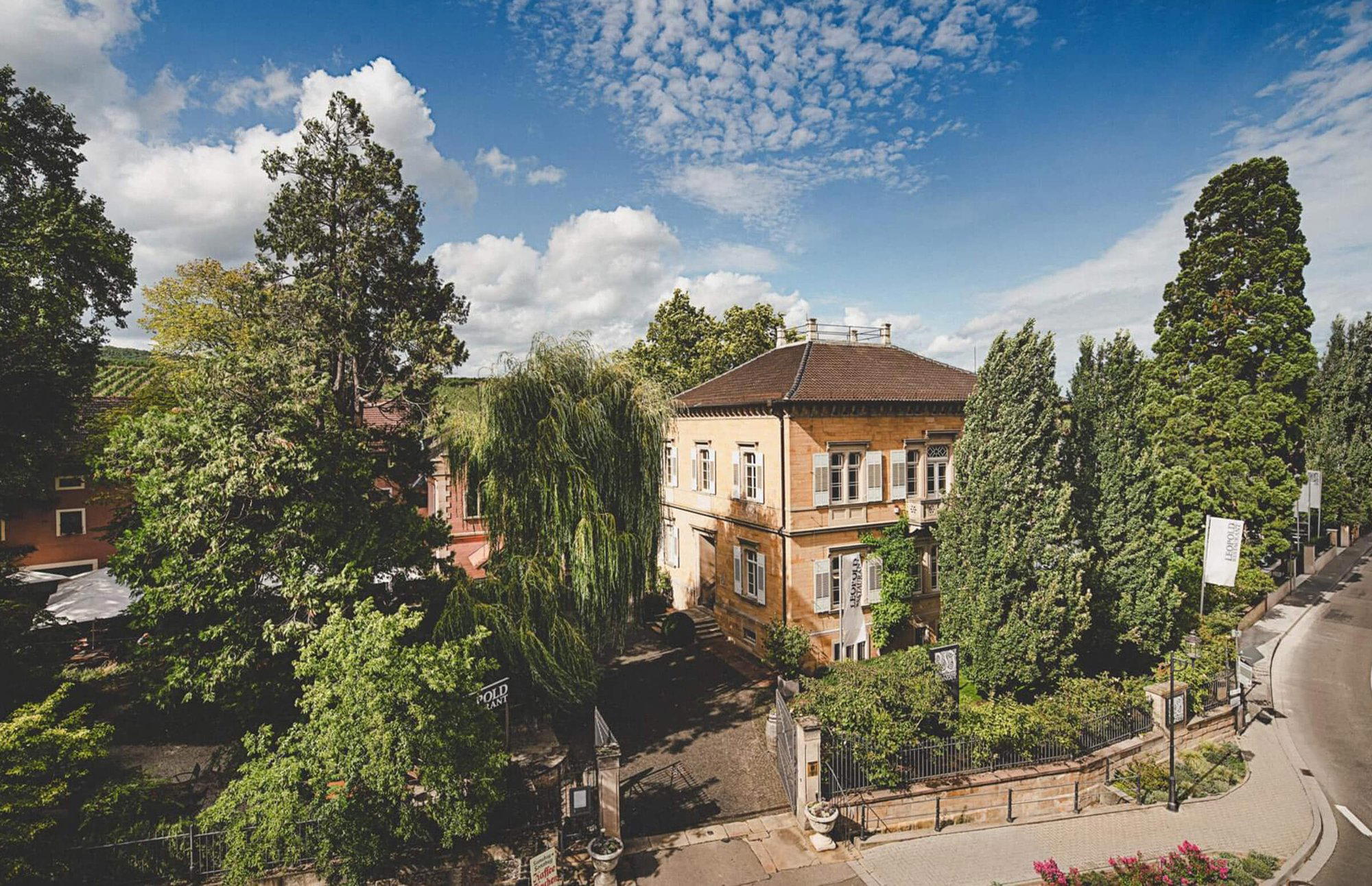
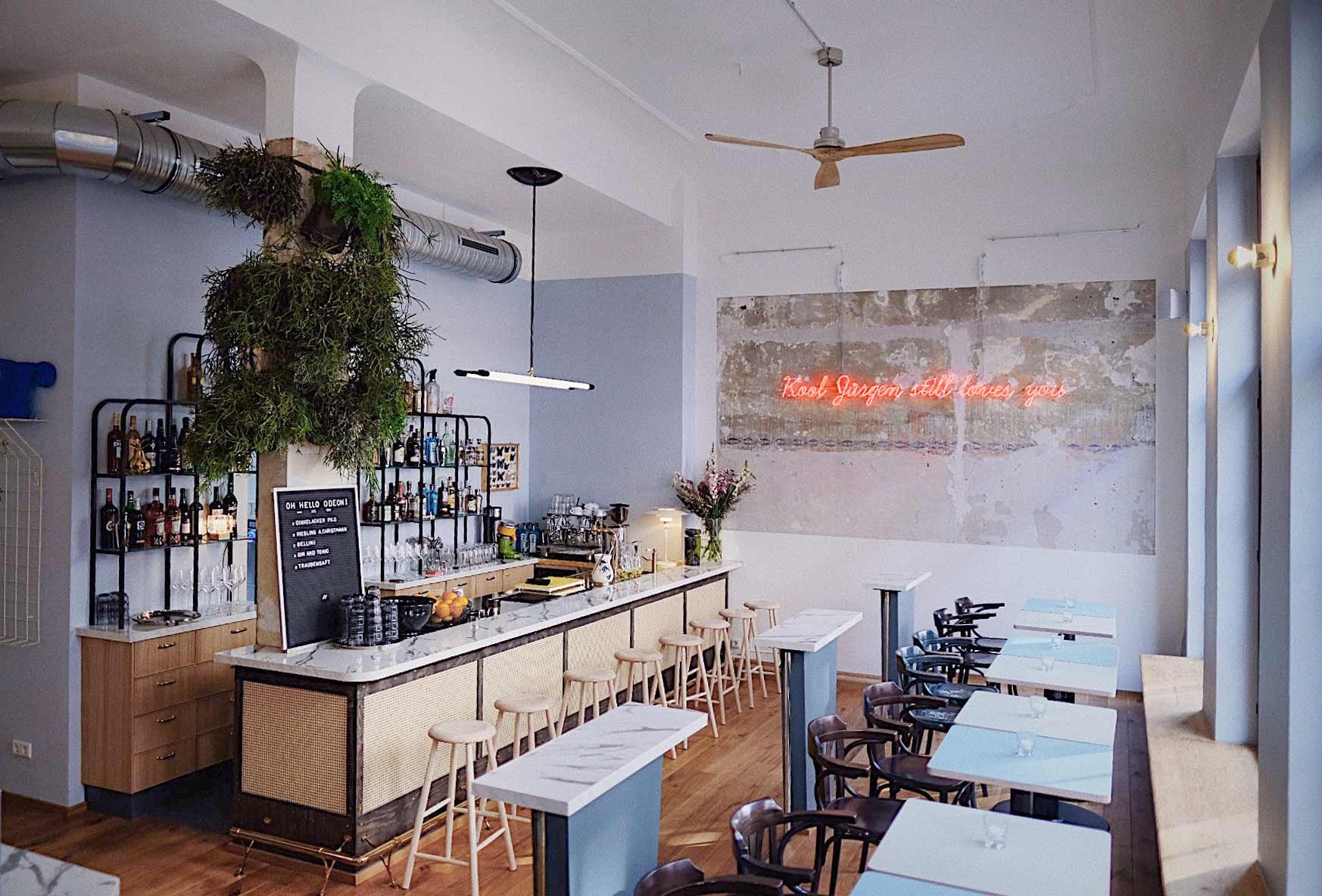
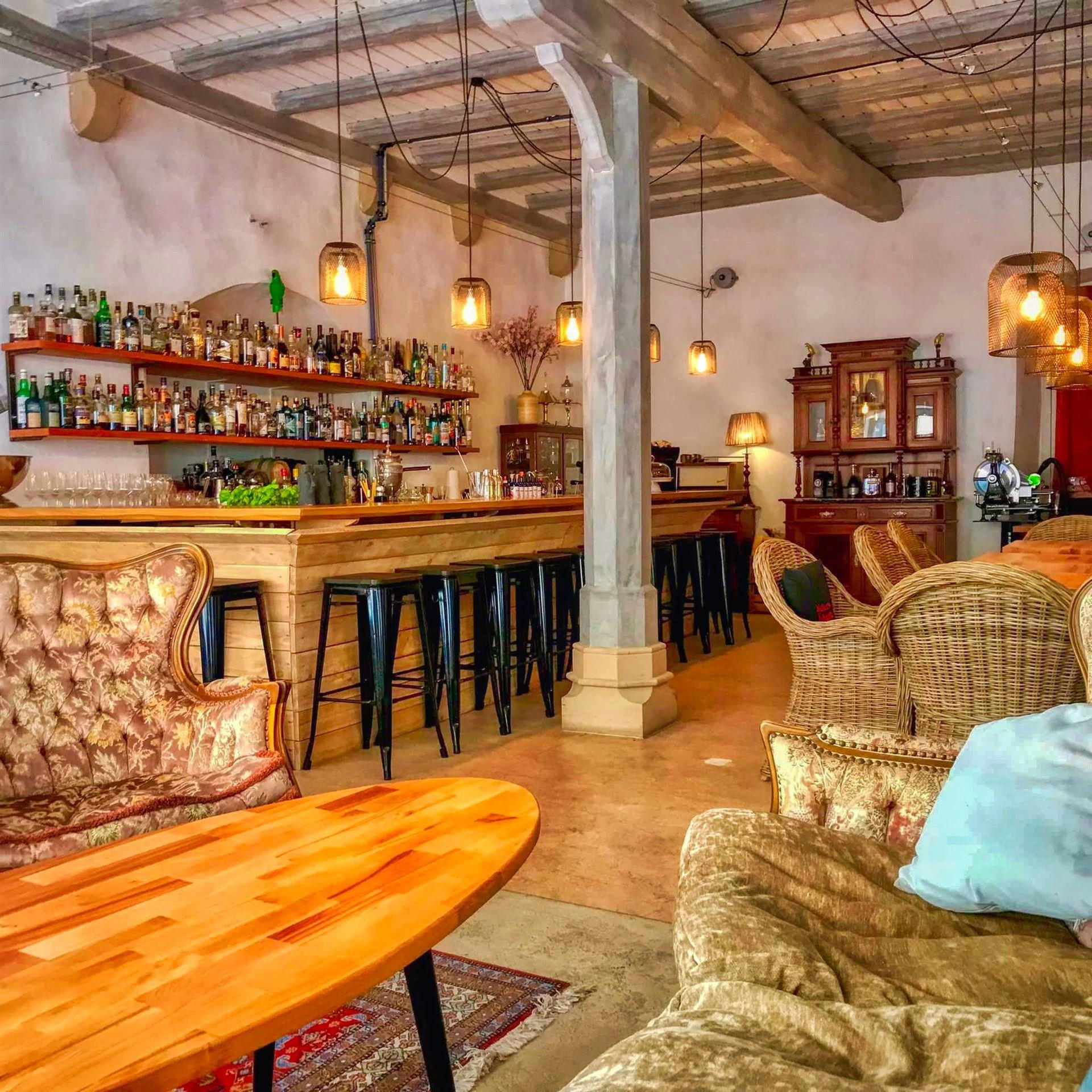
Bars in Worms
Browse all →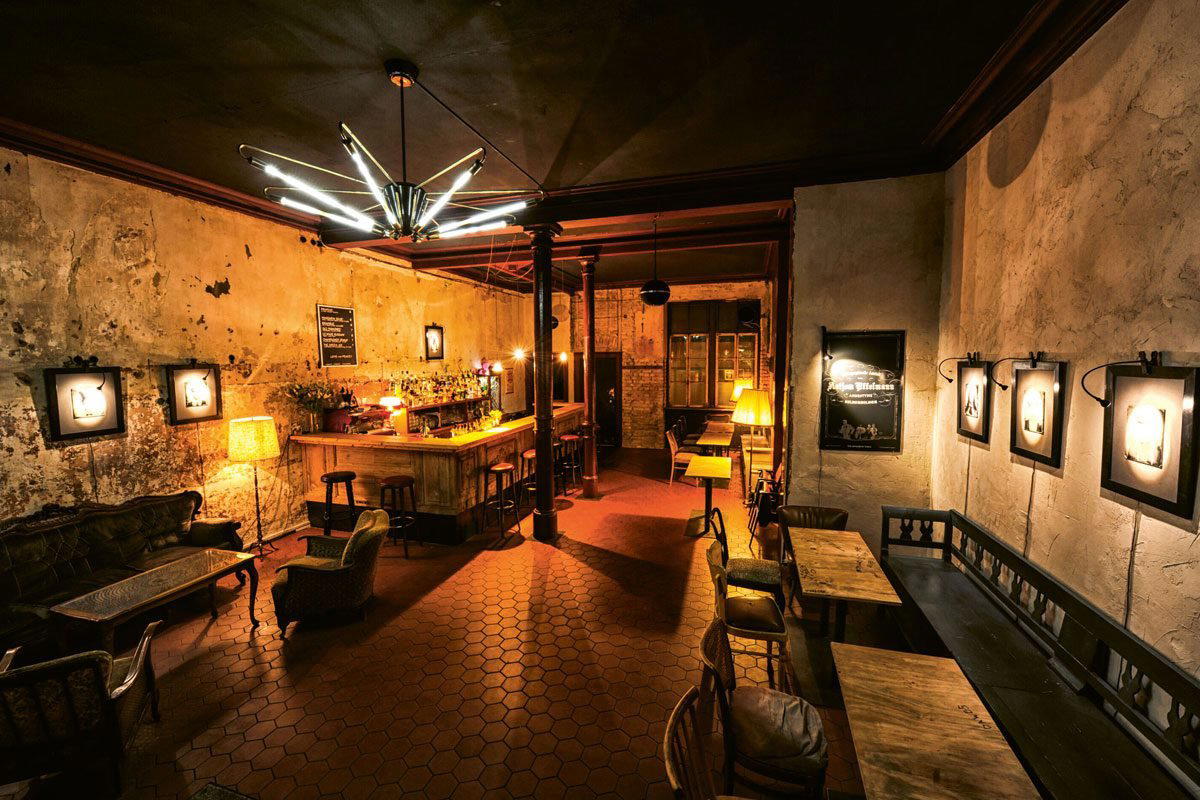
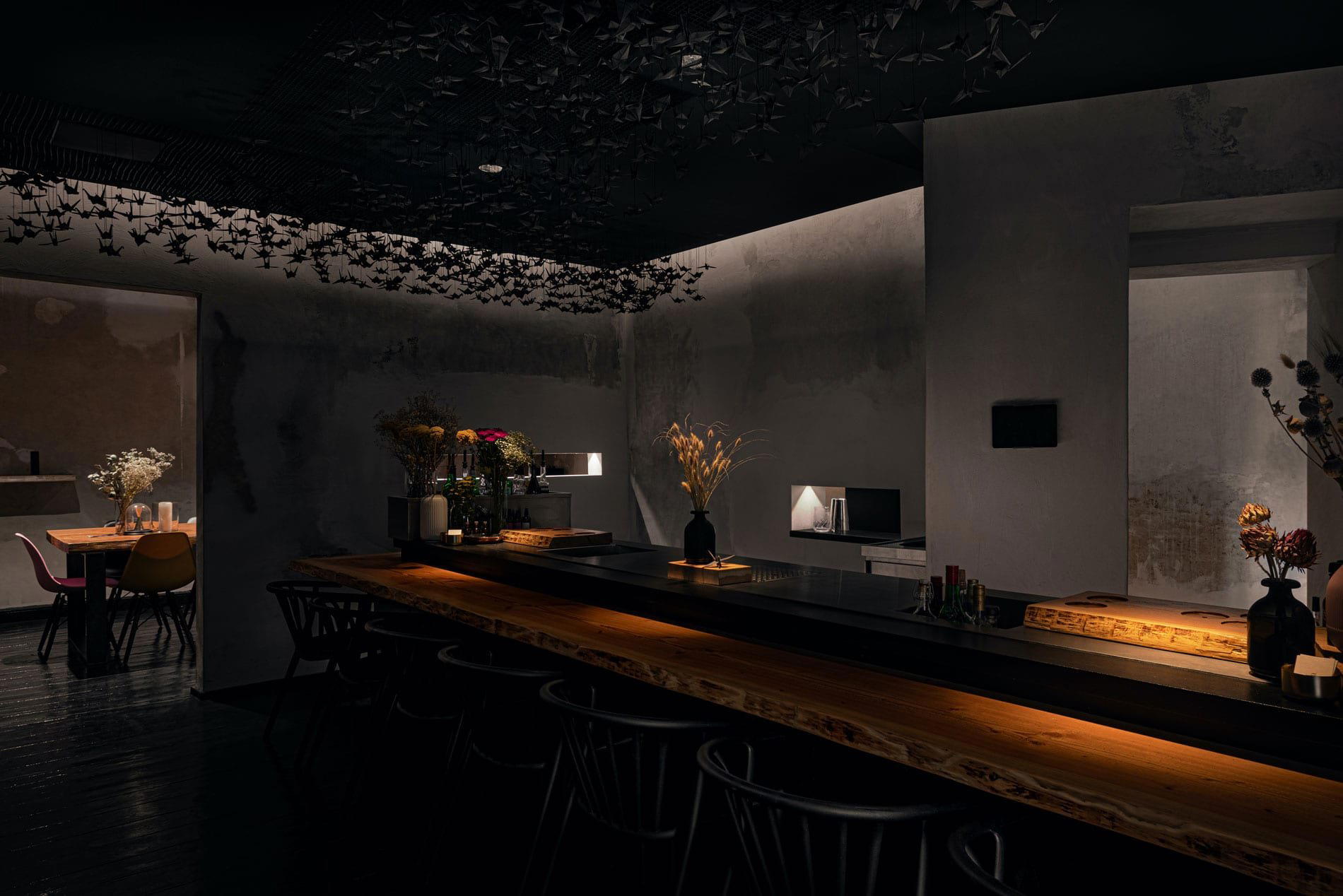
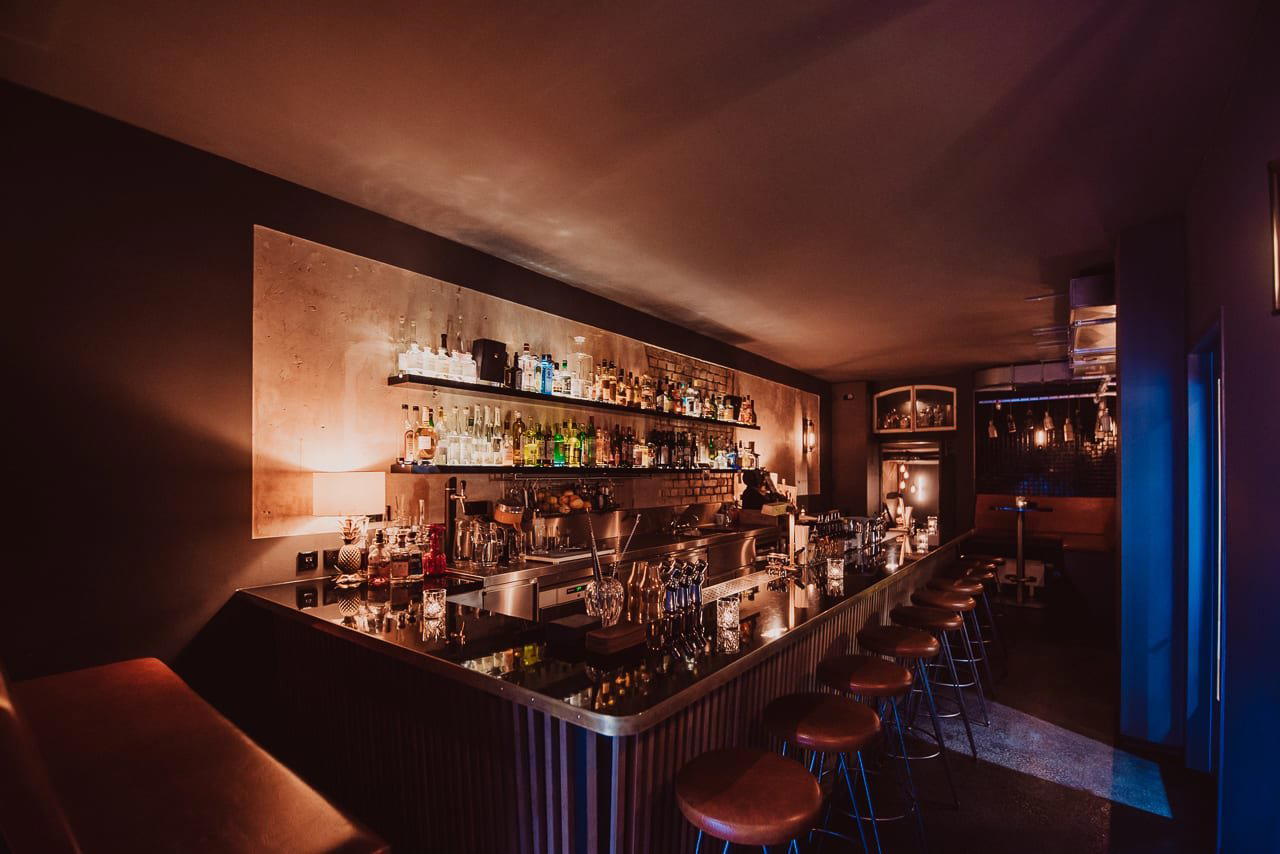
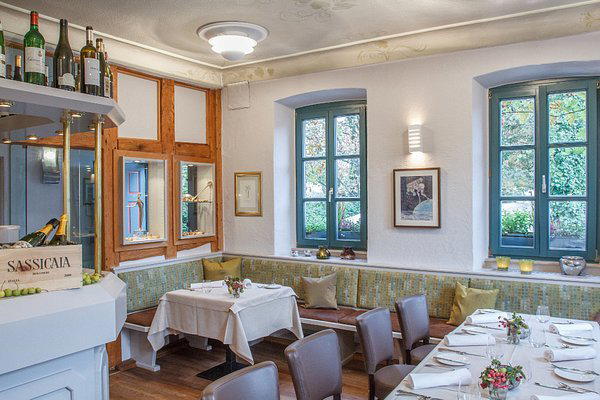
Restaurants in Worms
Browse all →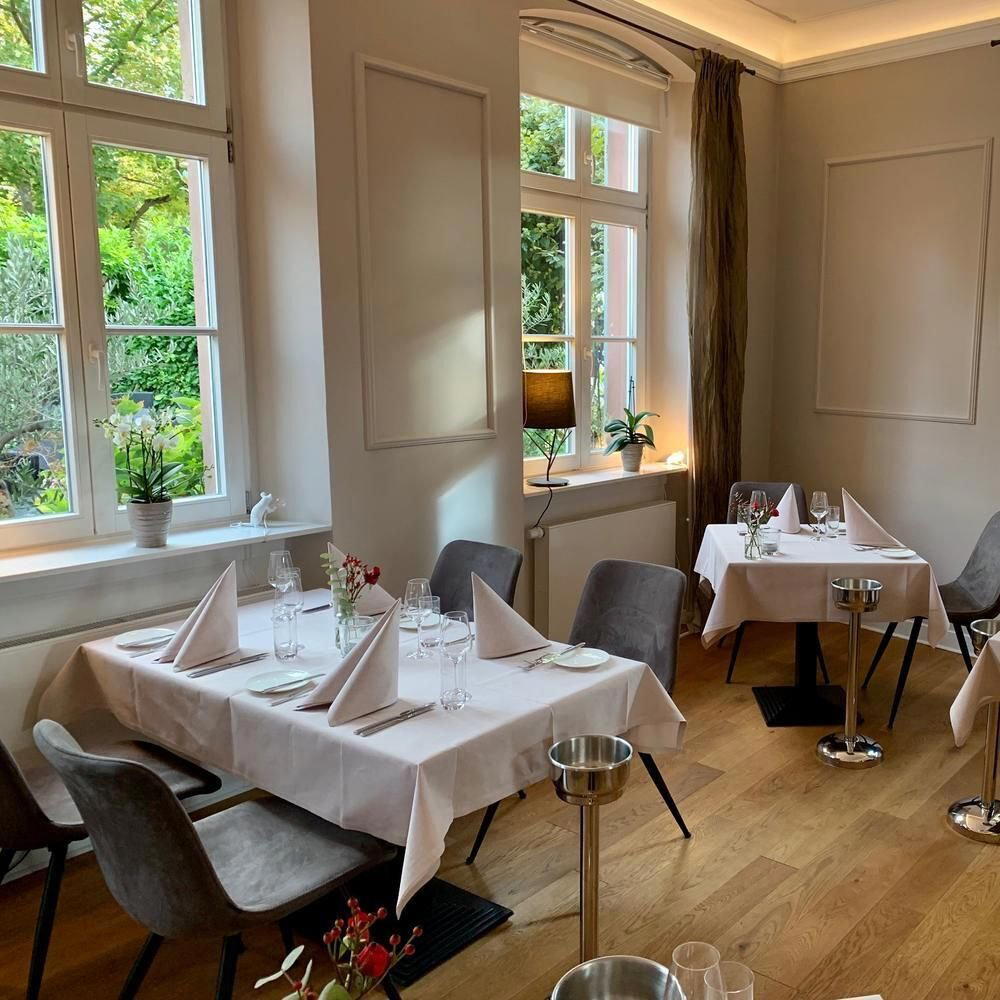

Details
- Quiet
- Classic
- Modern
- Rustic
- Solo Exploration
- Wine Education
- Group Outing
- Private Tasting
- Estate Grounds
- Design Destination
- Vineyard
- Riesling
- Weißburgunder
- Grauburgunder
- Goldmuskateller
- Scheurebe
- Merlot
- Roter Veltliner
- Grünfränkisch
- Still White
- Still Red
- Sparkling
- Private Tasting
- Winery Tasting
A family-run wine estate with a blend of traditional winemaking and modern cellar craft, plus an artistic, contemporary touch through the Buja street-art label collaboration.