
Falstaff Winery - Listed
Weingut Janz is a small family-run Rheinhessen estate outside Mainz-Ebersheim, working 10 hectares across sunny sites around Ebersheim, Zornheim, and Lörzweiler. Its interest lies in regional range rather than trophy positioning: Riesling, Burgunder varieties, Sylvaner, Secco, rosé, red cuvées, and alcohol-free Verjus-Schorle all point to a producer built for local drinking culture as much as cellar tasting.

Pearl is the En Primeur Club membership app, where members save venues, book tables and use the concierge.
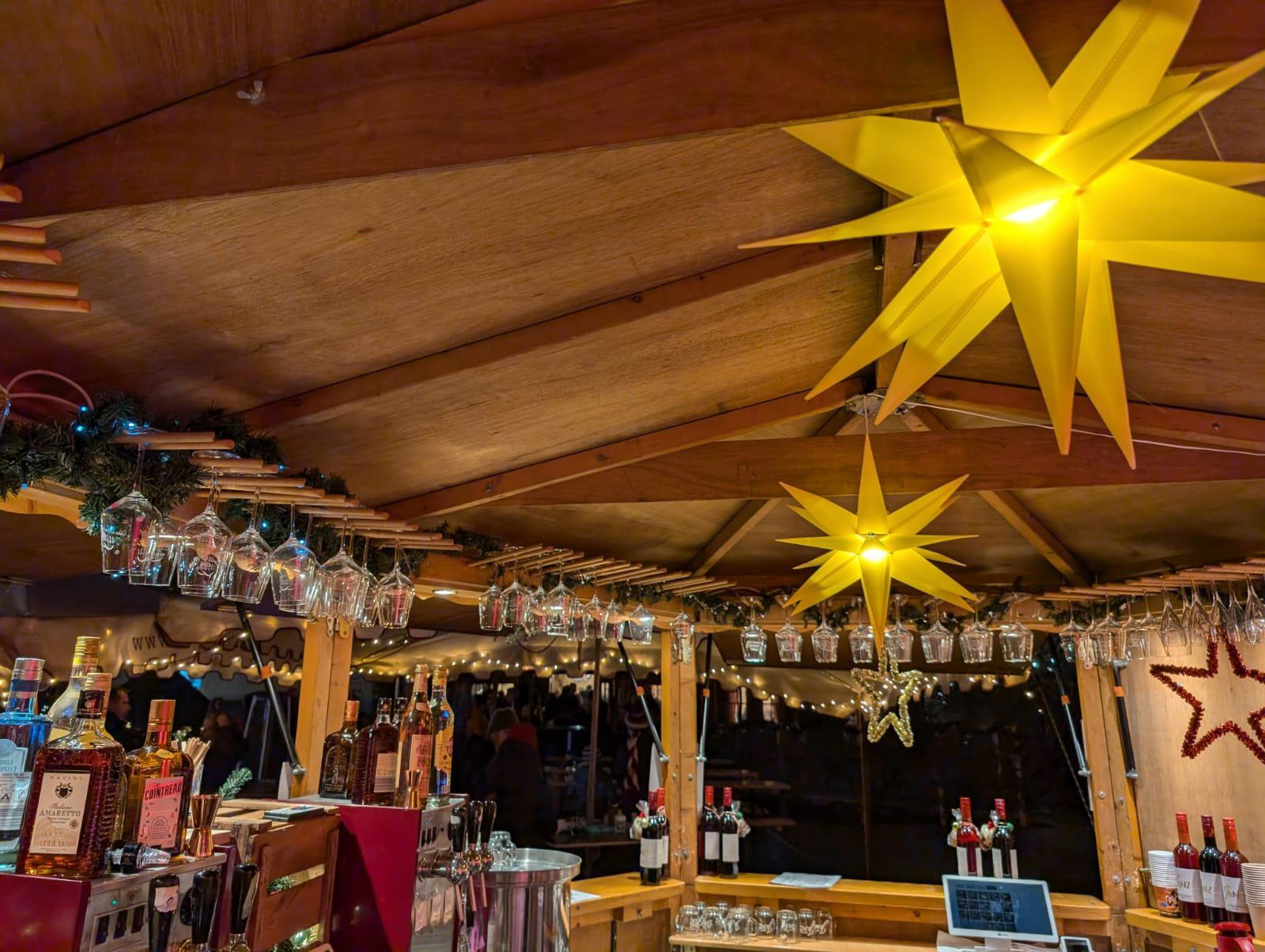
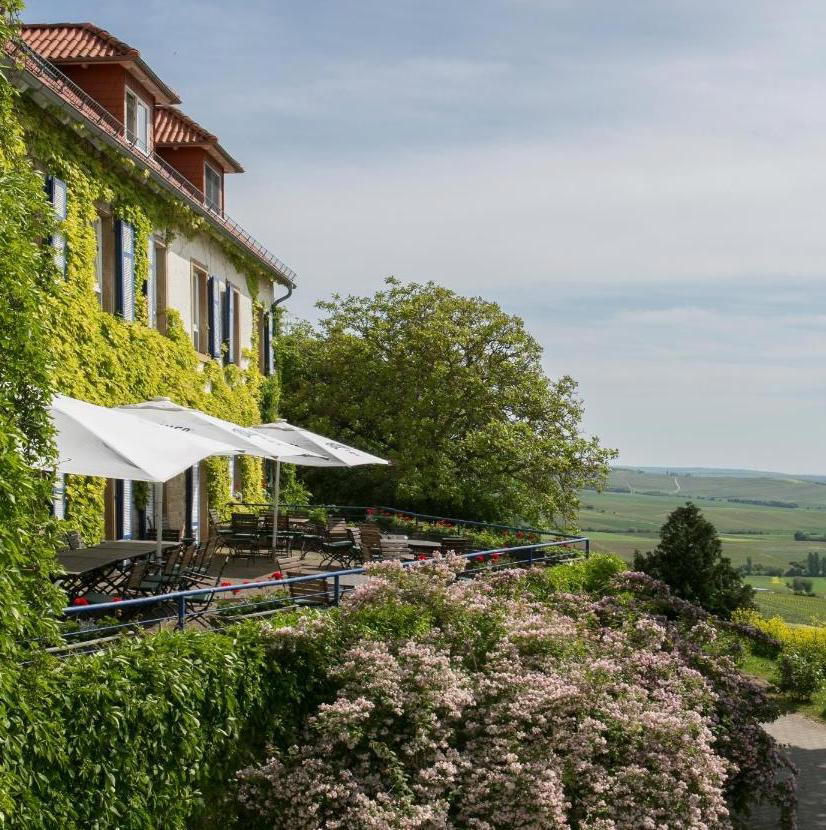
Approaching Rheinhessen wine through Mainz means looking beyond postcard shorthand and toward a quieter world of family estates, agricultural landscapes, and cellar doors that operate on a more local rhythm. Weingut Janz fits that register: rustic rather than theatrical, calm rather than showy, and shaped by estate wines grown around Ebersheim, Zornheim, and Lörzweiler. The point here is not spectacle. It is the way a family-run Rheinhessen winery can express a traditional yet creative identity through a modest, grounded tasting-room experience.
That matters because Rheinhessen can be misunderstood from outside Germany. The region is broad, and its producers are not all best read through luxury cues, famous rankings, or a single prestige script. For Weingut Janz, the picture is simpler and more useful: a Mainz winery with a family-run identity, a poetic sense of tradition, and a calm, appointment-style feel. Rather than inventing detail about production scale, ownership history, specific bottles, or awards, the clearest way to frame it is as an accessible estate whose atmosphere and regional footing are the story.
Rheinhessen terroir expressed through a local estate identity
The estate’s strongest editorial signal is its multi-place footing. The vineyard context points to wines grown around Ebersheim, Zornheim, and Lörzweiler, giving Weingut Janz a Rheinhessen identity built from nearby places rather than from a single named trophy parcel. For visitors using Mainz as a base, that is a useful lens: this is not a venue to approach primarily as a grand architectural destination or a headline-driven tasting stop, but as a family-run winery connected to the surrounding wine country.
What can be said is that the estate’s public character is traditional yet creative, with a poetic sensibility rather than a purely commercial one. That combination gives the venue a softer appeal: it suggests a place where the regional story, the family context, and the estate’s own tone matter as much as any single product claim.
For readers comparing Mainz wine options, that distinction is important. Some trips are built around famous labels, fixed tasting formats, or highly structured hospitality. Weingut Janz is better understood through the cues of calm, rustic atmosphere and family-run Rheinhessen identity. The experience is not documented here as a restaurant, bar, or full-service dining venue; it should be treated as a winery visit, with expectations shaped accordingly.
A cellar-door mood closer to local discovery than luxury theatre
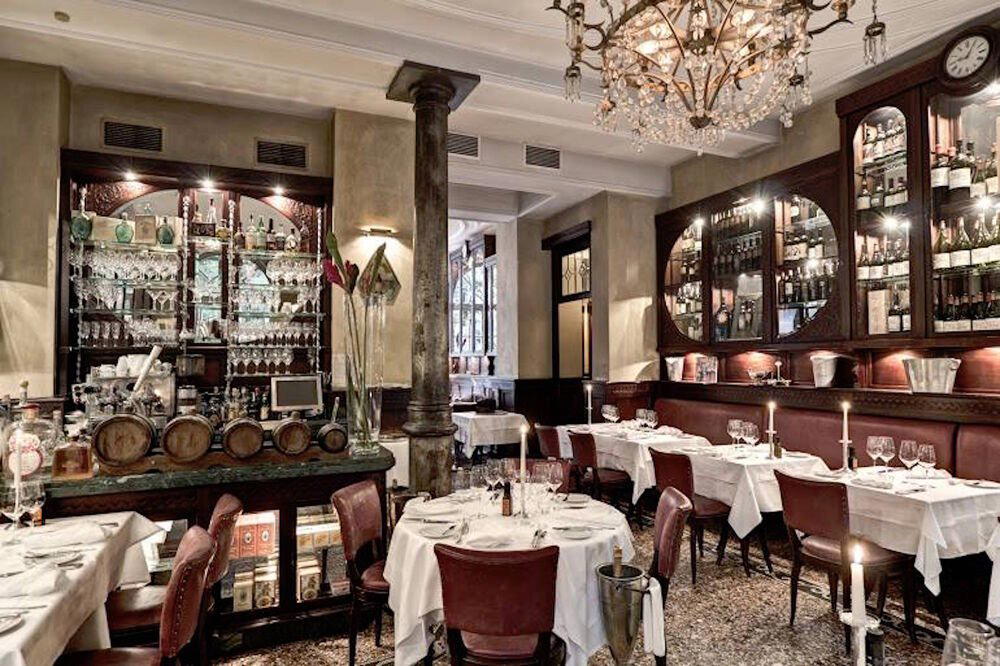
Small Rheinhessen wineries often reward a different kind of attention than grand destination estates. The tasting-room feel at Weingut Janz is described as calm and appointment-style in tone, with a quiet, rustic atmosphere rather than a hospitality machine built around high-volume visitors. That is the most reliable hospitality cue available: plan for a low-key winery setting, not a scripted luxury production.
The price level is also part of the picture. Weingut Janz is listed at $, which positions it as an accessible option within a Mainz wine itinerary. Any more precise claim about tasting fees, package pricing, discounts, or bottle costs would go beyond what is known.
The same restraint applies to service details. The information supports an appointment-style tasting-room feel, but it does not confirm walk-in availability, opening hours, food service, delivery, take-out, seating count, dietary accommodations, or a fixed tasting menu. Visitors should therefore treat the venue as a winery where advance planning is sensible. The appeal lies in the calm setting and the estate’s Rheinhessen identity, not in extras.
How to place it within a Mainz wine itinerary
For a Mainz-focused wine day, Weingut Janz makes sense when the brief is family-run Rheinhessen character, quiet atmosphere, and a grounded cellar-door mood. It is better framed as part of a regional wine circuit than as a standalone luxury pilgrimage. Within Mainz, travelers can also consider other local dining and drinking options generically, but the clearest comparison point remains Weingut Janz itself: a calm, rustic estate experience with wines tied to the surrounding Rheinhessen landscape.
Mainz also works better when wine is not isolated from the rest of the trip. Restaurant, hotel, bar, and experience choices in the city can shape how a winery visit lands, especially for travelers using Rheinhessen as a day’s focus rather than a full rural stay. The important planning point is to keep expectations accurate: Weingut Janz is here as a family-run winery with a quiet, appointment-style feel, not as a restaurant or a venue with confirmed dining services.
For readers extending the theme beyond Mainz, the useful comparison is not prestige but producer character: small-scale atmosphere, regional specificity, and the difference between polished destination hospitality and quieter local discovery. Weingut Janz belongs on the latter side of that divide. Its identity is calm, rustic, poetic, and rooted in Rheinhessen, with estate wines connected to areas around Ebersheim, Zornheim, and Lörzweiler.
The critical read is simple: Weingut Janz is strongest when approached as an expression of Rheinhessen’s everyday wine culture rather than as a place defined by awards, rankings, elaborate food-pairing theatre, or named luxury cues. Visitors looking for a high-gloss destination should keep searching. Those interested in a family-run Mainz winery with a traditional yet creative identity and a quiet tasting-room feel have a more accurate reason to pay attention.
Recognition history
Dated appearances from independent guides and award organizations, with the underlying list record or original source where available.
Falstaff Winery - Listed
Falstaff
Continue exploring
More in Mainz
Wineries in Mainz
All wineries in Mainz →
Bars in Mainz
All bars in Mainz →
Details
- Quiet
- Rustic
- Classic
- Solo Exploration
- Wine Education
- Special Occasion
- Design Destination
- Private Tasting
- Vineyard
- Sylvaner
- Riesling
- Grauburgunder
- Weißburgunder
- Chardonnay
- Still White
- Still Rosé
- Still Red
- Sparkling
- Tasting Room
- German
A family-run Rheinhessen winery with a poetic, traditional-yet-creative identity and a calm, appointment-style tasting room feel; the atmosphere is shaped by estate wines grown around Ebersheim, Zornheim, and Lörzweiler.