Weingut Höpler

Weingut Höpler sits in Breitenbrunn on the western shore of Lake Neusiedl, a Burgenland address that places it squarely within one of Austria's most compelling wine zones. For visitors tracing the Pannonian wine corridor, it represents a serious stop.
Pearl is the En Primeur Club membership app — saves, bookings, and concierge access live there. Same editors, same standards.
- Address
- Heideweg 1, 7091 Breitenbrunn
- Phone
- +43 2683 239070
- Website
- hoepler.at
- Directions
- Get directions
 Saves & bookings on Pearl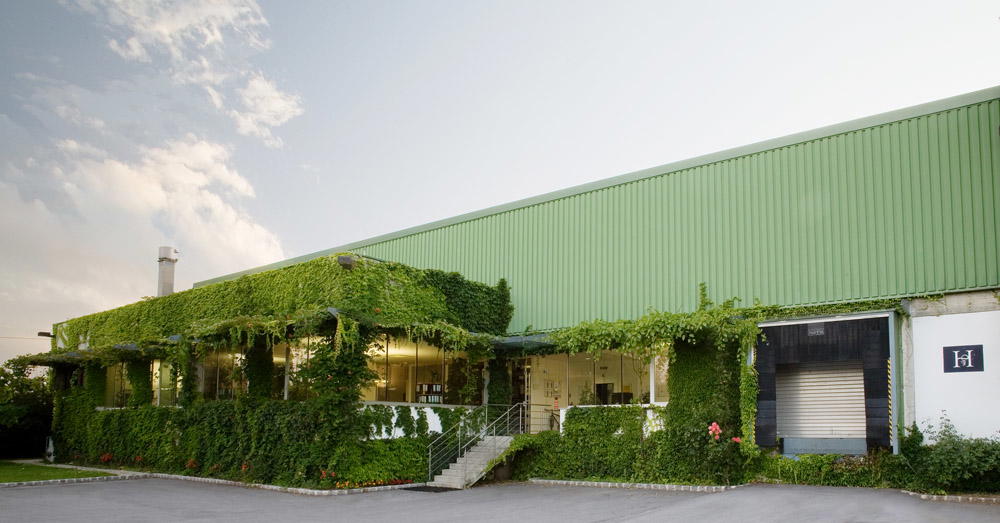
Where the Pannonian Plain Meets the Vine
Breitenbrunn sits on the western edge of Lake Neusiedl, and the landscape here does something unusual to the senses before you ever open a bottle. The lake, broad, shallow, and reed-fringed, acts as a thermal reservoir, moderating temperatures across the growing season in ways that no amount of cellar technique can replicate. The light arriving from the water is flat and silver in the morning, and by afternoon the reeds hold heat like a low oven. This is Pannonian climate in its most concentrated local form, and it shapes what every serious Burgenland producer is working with. Weingut Höpler, at Heideweg 1 on the edge of the village, draws from that environment as its primary raw material.
The broader Neusiedlersee wine zone has spent the past two decades clarifying its identity. Early international attention focused almost entirely on the region's botrytis-affected sweet wines, which reached their most celebrated expression in estates closer to Illmitz, producers like Weingut Kracher in Illmitz, whose Trockenbeerenauslesen set the benchmark for that style in Austria. But the western Neusiedl shore, where Breitenbrunn sits, has increasingly asserted a different case: that the same Pannonian heat accumulation and the same mineral-loaded soils can produce dry wines with real structural authority. The distinction between the zone's subregions is now a live conversation among producers and buyers, and Höpler operates within that evolving argument.
Terroir Under the Pearl Standard
It positions Höpler alongside a cohort of Burgenland wineries that have moved beyond local reputation into the kind of scrutiny that attracts international wine buyers and serious collectors.
The soils around Breitenbrunn are characteristically Pannonian: gravel and loam over deeper mineral subsoils, with proximity to the lake adding humidity that extends hang time without sacrificing acidity. These are conditions that reward grape varieties suited to warmth, Blaufränkisch in particular, which performs across much of Burgenland as a medium-to-full-bodied red with distinctive spice and dark fruit, and which requires the right combination of heat accumulation and elevation to retain freshness. The Neusiedl shoreline estates working at this level tend to produce Blaufränkisch with more structural tension than those from flatter, hotter inland sites. Zweigelt, another Burgenland staple, appears across the region in both direct and serious guises; at premium producers, the distinction between the two is usually traceable back to vineyard selection and yield management. White varieties, including Welschriesling and Chardonnay, also appear in the Neusiedl zone, where the lake's moderating influence can produce wines with more aromatic lift than the region's heat profile might suggest.
Burgenland's Pannonian identity is distinct from both: heavier soils, warmer nights, and a lake that functions as a climatic instrument rather than a scenic backdrop.
The Burgenland Context and Where Höpler Sits in It
Austria's wine quality structure has consolidated around a set of estates that maintain serious vineyard holdings, consistent critical recognition, and clear regional expression. In Burgenland specifically, the comparable set around the Neusiedlersee includes producers working across multiple styles, from the dry reds of Gols (where Weingut Pittnauer has built a reputation for biodynamic Blaufränkisch and Zweigelt) to the ambitious single-vineyard projects emerging from younger estates across the western shore. Weingut Heinrich Hartl in Oberwaltersdorf represents another point of reference in the broader Lower Austrian and Burgenland quality conversation.
Breitenbrunn itself is a small village, and its wine identity is less loudly branded than Gols or Rust, the latter being associated with the prestigious Ruster Ausbruch sweet wine tradition. That relative quietness has allowed estates on this stretch of the shore to develop without the commercial pressure that fame brings too early. For the visitor or buyer approaching Höpler, the address implies a certain directness of focus: fewer tourist amenities, more winery.
For those mapping a broader Austrian wine itinerary, the Neusiedlersee corridor connects logically to Styria in the south, where Weingut Wohlmuth in Kitzeck works with white varieties in a cooler, higher-altitude context that represents the opposite end of Austria's climatic range. The contrast is instructive: Pannonian warmth against Styrian elevation, body against acidity, red-wine dominance against white-wine precision. Austria's wine geography is compact enough that both can be experienced in a single multi-day circuit.
Planning a Visit
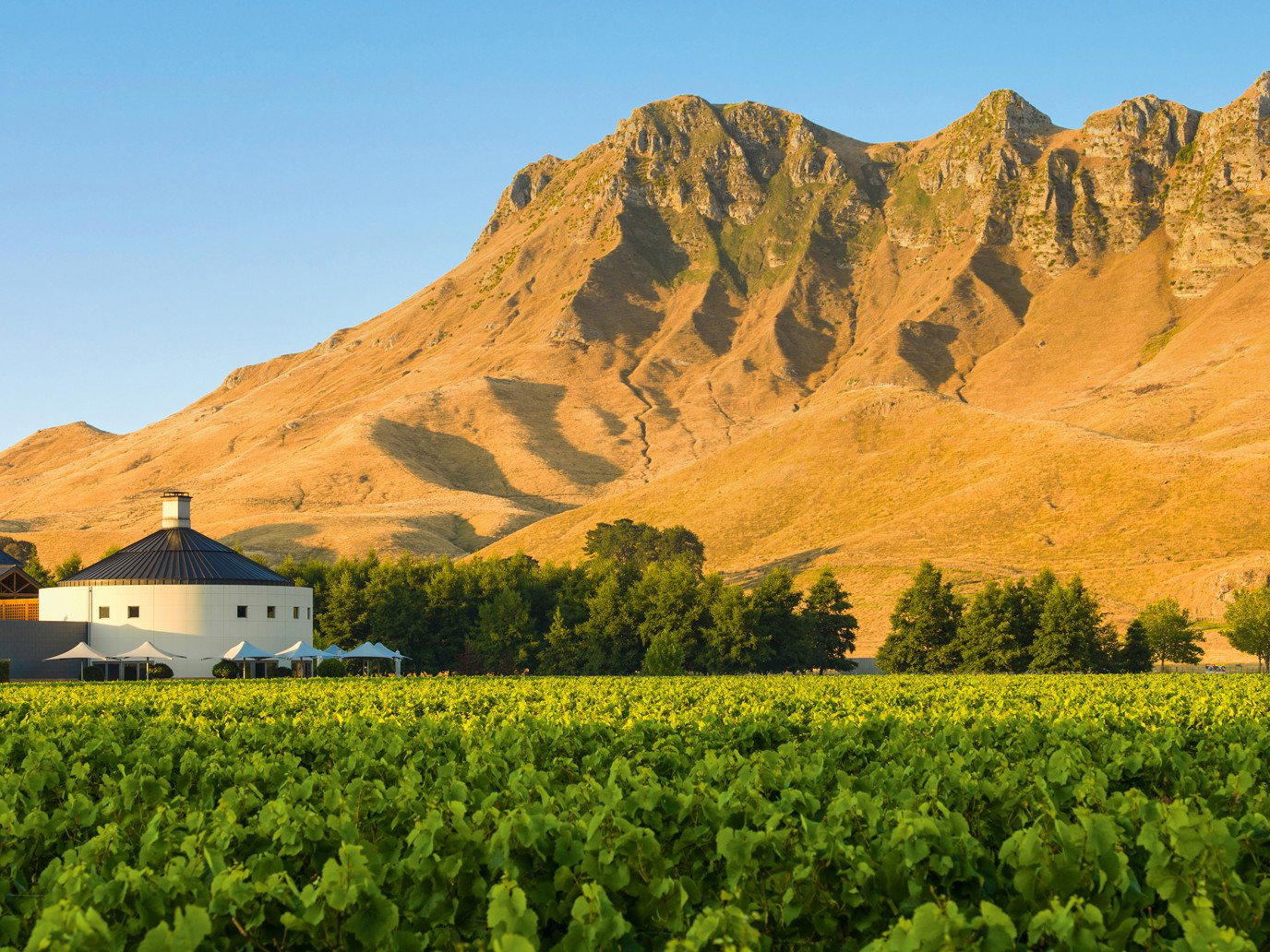
Weingut Höpler is located at Heideweg 1, 7091 Breitenbrunn, on the western shore of Lake Neusiedl in Burgenland. Breitenbrunn is accessible by car from Vienna in under an hour, and the village sits within the broader Neusiedlersee wine route that connects estates along the lake's perimeter. The leading period to visit the region is late summer through autumn, when the harvest is underway and the vineyards are at their most active, the Pannonian light at this time of year has a particular quality, amber and low, that makes the lake and vine rows worth seeing for reasons beyond the wine itself.
Side-by-Side Snapshot
Comparable venues nearby, for context on price, style, and recognition.
| Venue | Cuisine | Price | Notes |
|---|---|---|---|
| Weingut HöplerThis venue — the venue you are viewing | Grüner Veltliner, Pinot Noir | $$ | Not listed |
| Brennerei Schwarzenberger | Winery | Not listed | Haiming |
| Koskij Distillery | Winery | Not listed | Vienna |
| Franz Bauer Distillery | Winery | Not listed | Graz |
| Weingut Markus Altenburger | Blaufränkisch, Chardonnay | $$ | Jois |
| Weingut Netzl | Zweigelt, St. Laurent | $$ | Göttlesbrunn |
Recognition history
Dated appearances from independent guides and award organizations, with the underlying list record or original source where available.
Falstaff Winery - Listed
Falstaff
Continue exploring
More in Breitenbrunn
Wineries in Breitenbrunn
Browse all →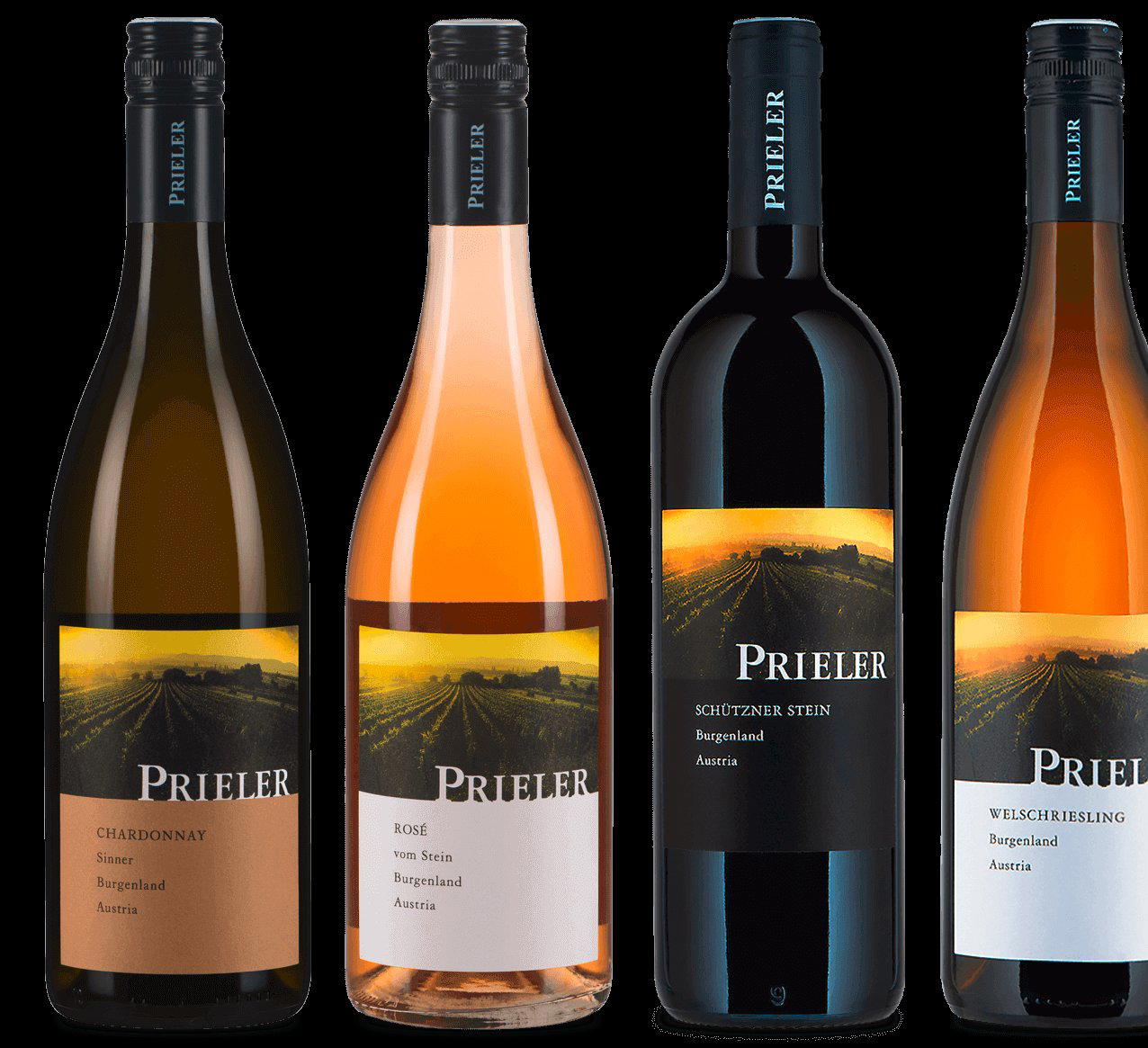
Bars in Breitenbrunn
Browse all →

Restaurants in Breitenbrunn
Browse all →
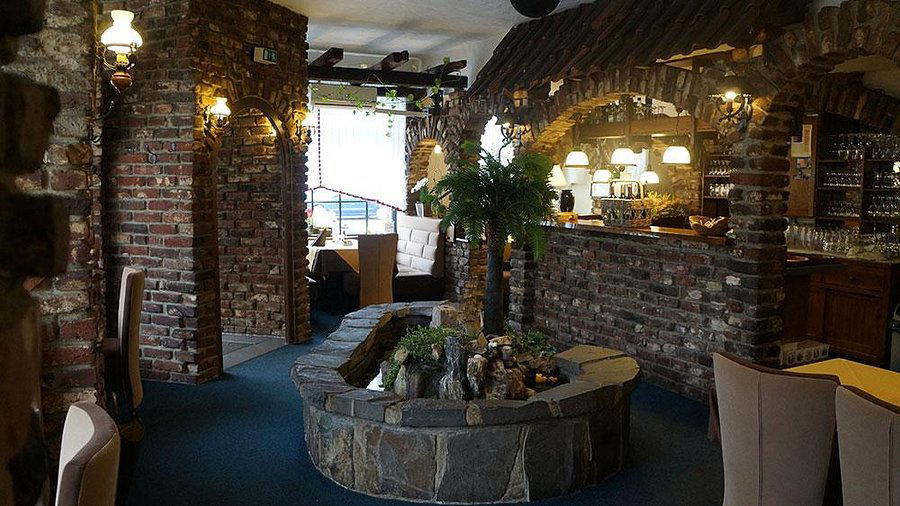
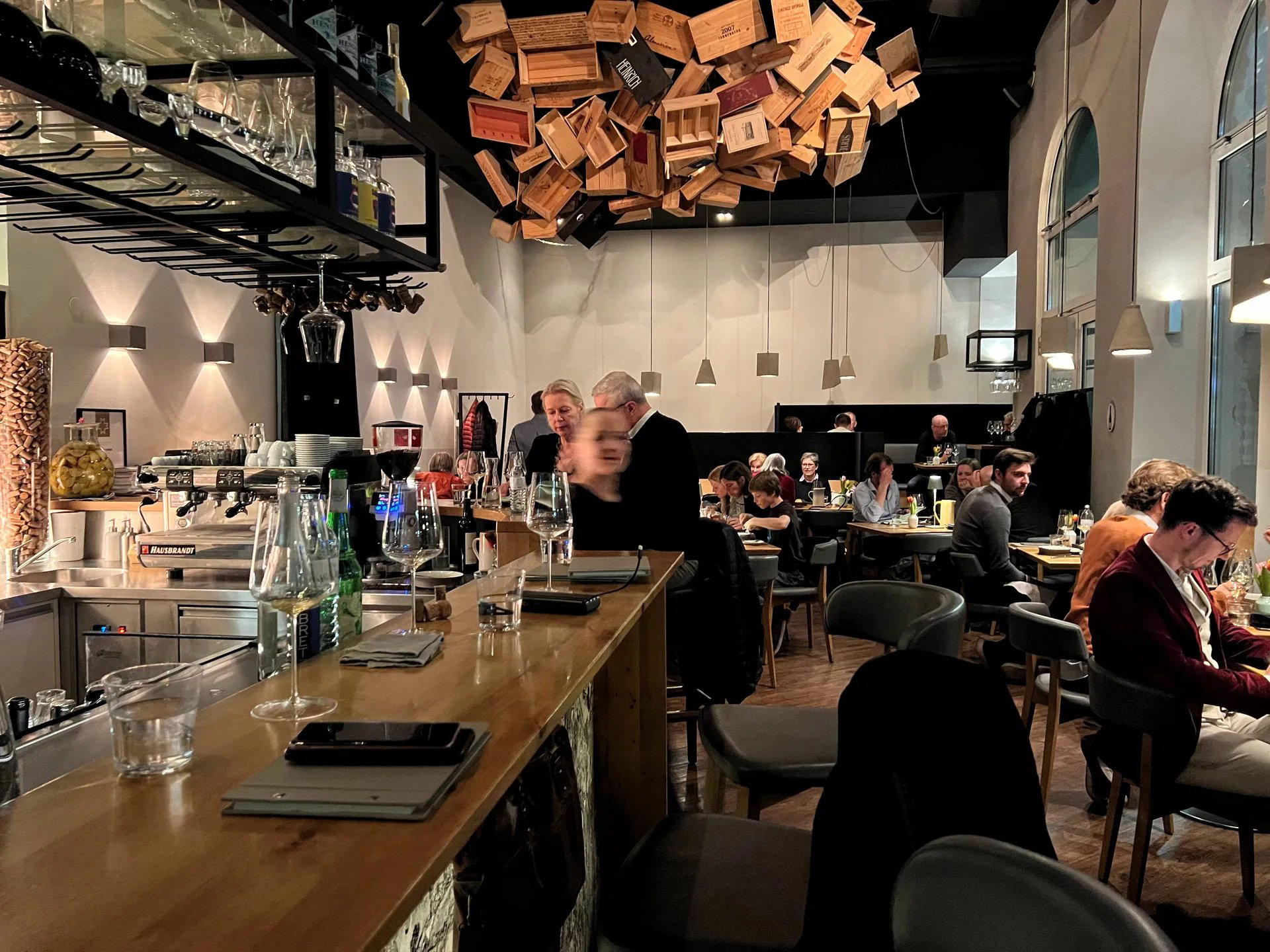
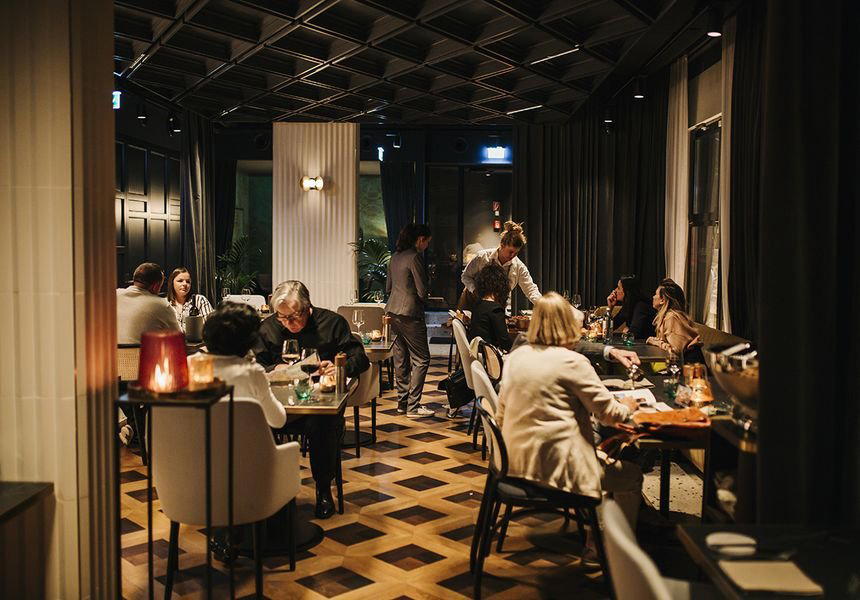
At a Glance
- Scenic
- Rustic
- Elegant
- Wine Education
- Solo Exploration
- Estate Grounds
- Panoramic View
- Sustainable
- Vineyard
- Mountain
- Leithaberg DAC
- Grüner Veltliner
- Pinot Noir
- Blaufränkisch
- Pinot Blanc
- Sauvignon Blanc
- St. Laurent
- Merlot
- Chardonnay
- Riesling
- Zweigelt
- Still White
- Still Red
- Still Rosé
- Single Vineyard
- Estate Tasting
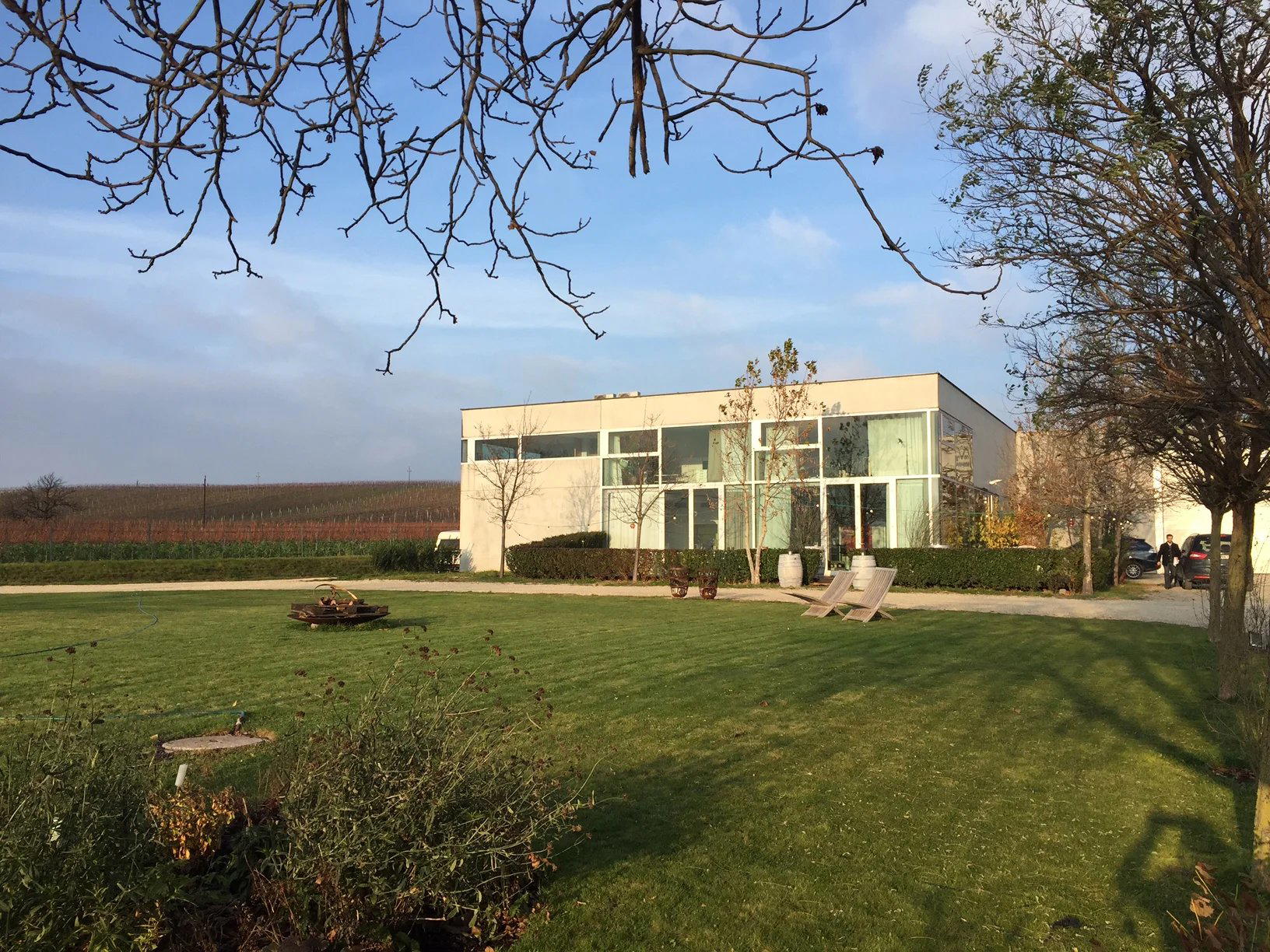
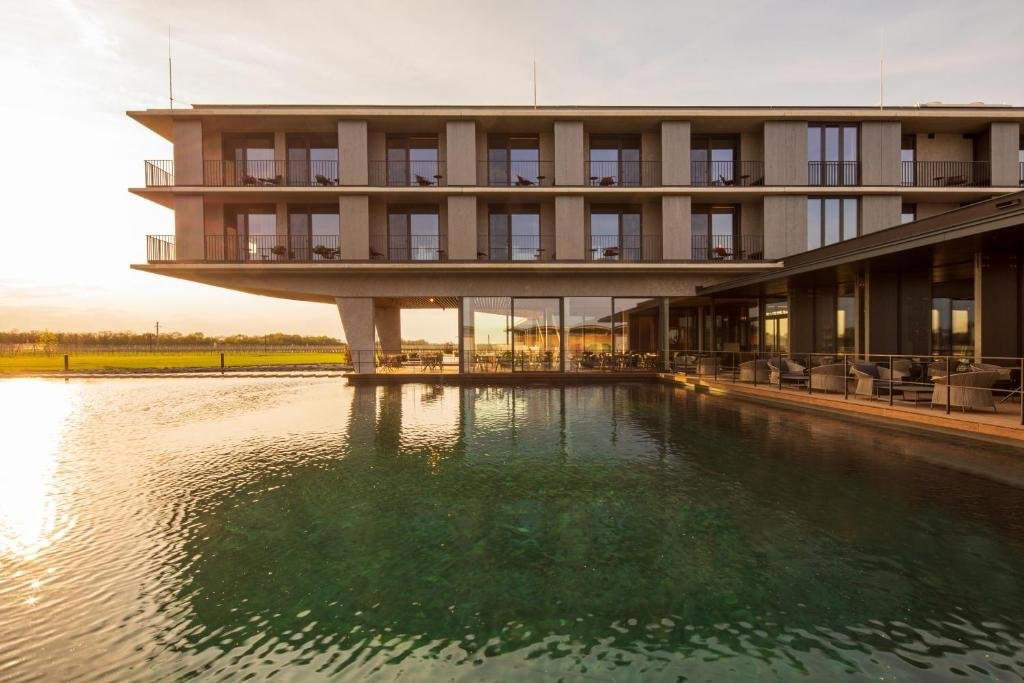
Light and airy modern winery facility powered by solar energy, providing a great working environment.