
Weingut Hess-Hautt is a small, third-generation family winery in Winningen, framed by the Mosel’s terraced slate-vineyard culture rather than by luxury-winery theatre. The draw is its compact four-hectare scale, quiet traditional setting, and direct local feel: a sensible stop for travelers who want the village-level texture of Mosel wine country in a low-key $$ format.
Pearl is the En Primeur Club membership app — saves, bookings, and concierge access live there. Same editors, same standards.
- Address
- Winningen, Mittelrhein, Rhineland-Palatinate, Deutschland
 Saves & bookings on Pearl
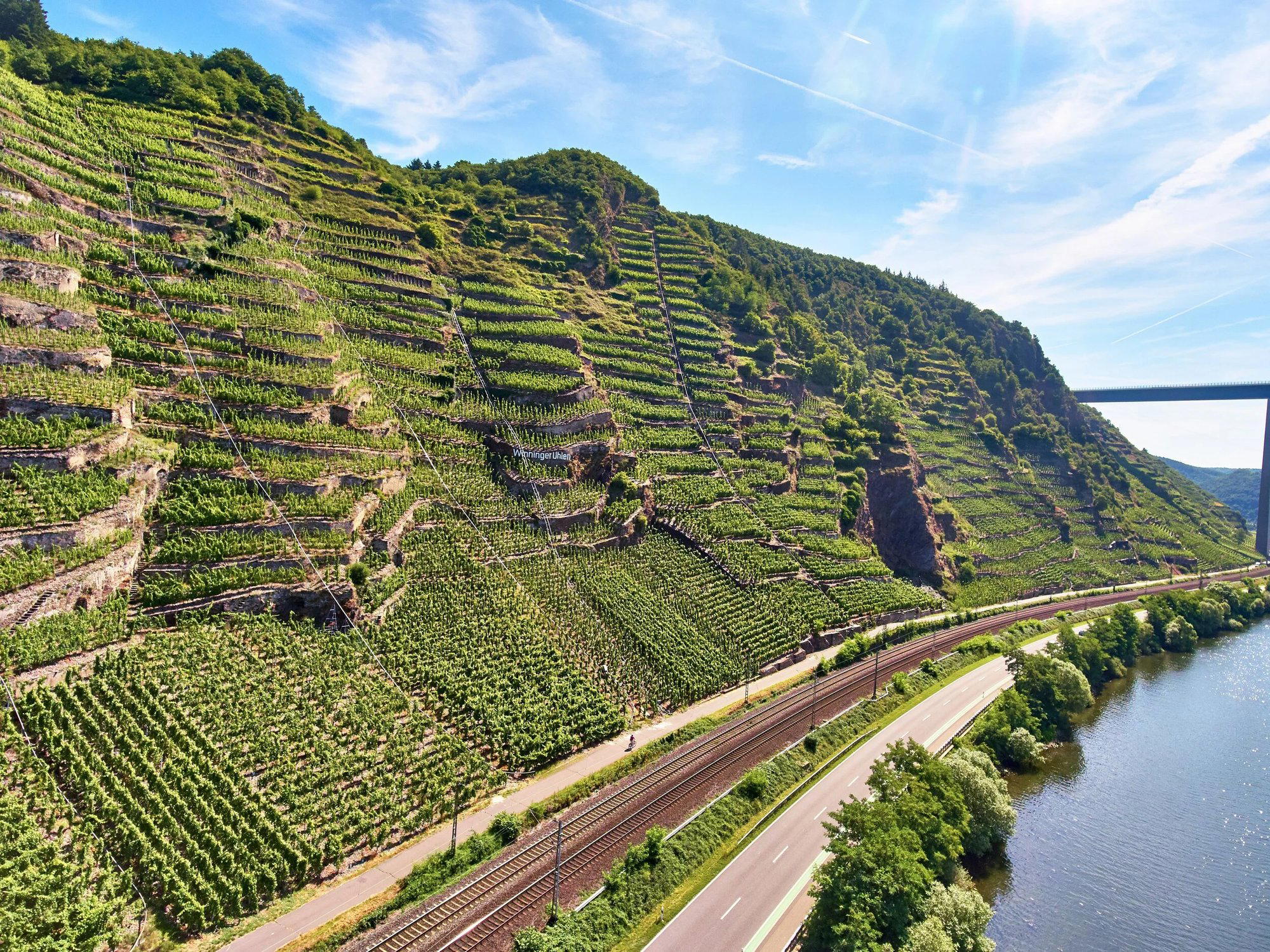
Winningen changes the tempo before a glass is poured. The village sits within Mosel wine country, where terraced vineyard surroundings help define the atmosphere around a traditional estate. In that setting, Weingut Hess-Hautt reads as a quiet, classic, rustic stop: a family-run Mosel winery in Winningen with a small, established-estate feel rather than a glossy destination-winery script.
A reliable way to understand Weingut Hess-Hautt is through that setting and mood. The picture is not built on a detailed public dossier of service formats, vineyard size, awards, menus, opening hours, or named hospitality features. Instead, the grounded appeal is simpler: a traditional winery atmosphere in Winningen, surrounded by terraced vineyards, with the understated character of a local Mosel estate. For travelers, that makes it a useful address to treat carefully and realistically. Expect the identity to come from place, scale, and quietness, not from a long list of confirmed extras.
A small Mosel estate in terraced vineyard surroundings
Mosel wine travel is often shaped by landscape as much as by what is poured. Around Winningen, terraced vineyards give the village a strong visual connection to the wider wine region, and Weingut Hess-Hautt fits that context as a traditional family-run winery. The description points to a classic and rustic atmosphere, with a hidden-gem quality that will appeal to visitors who prefer modest, place-led estates over high-design hospitality rooms.
Because the confirmed information is intentionally limited, it is best not to overread the venue. That does not make the estate less useful to a Winningen itinerary; it simply means the page should be read as a concise guide to the known character of the venue rather than a complete operational profile. The strongest confirmed facts are the Winningen location, the Mosel winery setting, the terraced vineyard surroundings, the family-run atmosphere, and the $$ price marker.
That makes the winery especially relevant for travelers who are building a slower day around the village. It belongs to the quieter side of wine-country planning: the kind of stop where the surrounding slopes, local pace, and traditional estate atmosphere matter more than a scripted experience. If your priority is a calm, classic setting in Winningen, the venue has a clear reason to be on the list. If your priority is a highly specified program, confirmed opening windows, food service, or a formal tasting structure, those details should be checked directly before making plans.
A cellar-door mood, not a spectacle
The contemporary wine-travel market often splits between staged hospitality and modest producer context. It is described through quietness, rusticity, and an established small-estate atmosphere rather than through spectacle. That is the useful framing: a traditional family-run Mosel winery in Winningen, set among terraced vineyard surroundings, with a classic tone that suits low-key exploration.
The $$ price signal also keeps the address in an approachable bracket, although no specific bottle prices, tasting fees, or menu prices are here. Treat the price marker as a broad guide rather than a guarantee of what any particular visit will cost. The same caution applies to practical details: without hours, reservation rules, parking information, or service format, the safest approach is to confirm directly with the estate before relying on a spontaneous visit.
For a fuller day, pair the winery with Winningen rather than treating it as a single-purpose stop. The village setting is part of the value: terraced vineyards nearby, a quieter Mosel pace, and other dining in Winningen available to round out the itinerary. The winery is best understood as a grounded, traditional waypoint in that local context. Its appeal is not a checklist of amenities, but the combination of Winningen, a family-run winery atmosphere, rustic calm, and the sense of a within the Mosel landscape.
Recognition history
Dated appearances from independent guides and award organizations, with the underlying list record or original source where available.
Falstaff Winery - Listed
Falstaff
Continue exploring
More in Winningen
At a Glance
- Quiet
- Classic
- Rustic
- Solo Exploration
- Special Occasion
- Wine Education
- Historic Building
- Vineyard Tour
- Vineyard
- Mosel
- Still White
- Still Red
- Wine Tasting
Traditional family-run Mosel winery setting in Winningen with terraced vineyard surroundings and a small, established estate atmosphere.