
Falstaff Winery - 2 Stars
Weingut Hees is a low-key Nahe estate in Auen, rooted in steep, cool vineyards and a Riesling-led portfolio that favors mineral clarity over volume. The draw is terroir expression: Römerstich bottlings, spontaneous fermentation, hand-worked vineyard language, and a family history reaching back to 1824.

Pearl is the En Primeur Club membership app — saves, bookings, and concierge access live there. Same editors, same standards.

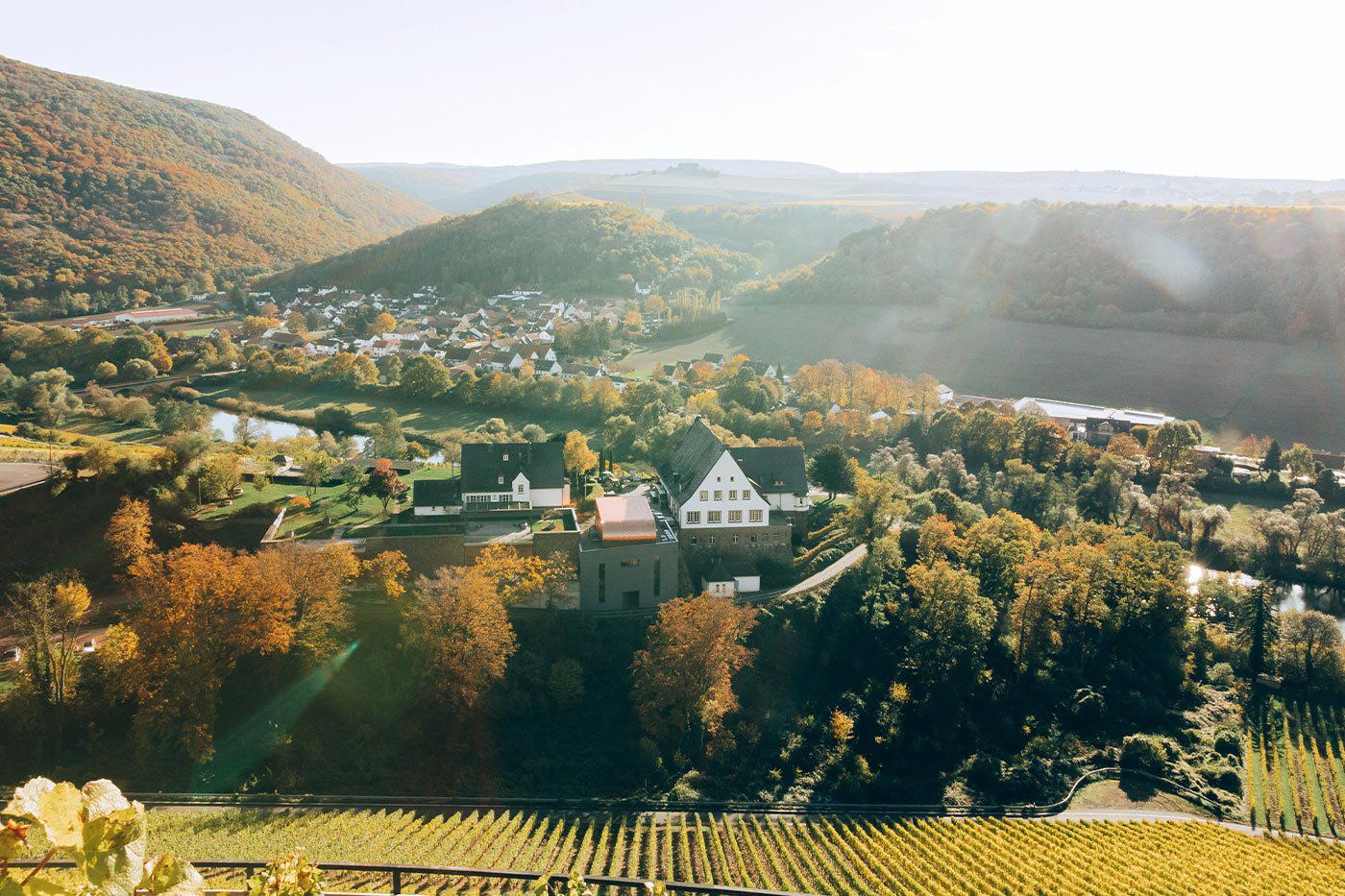
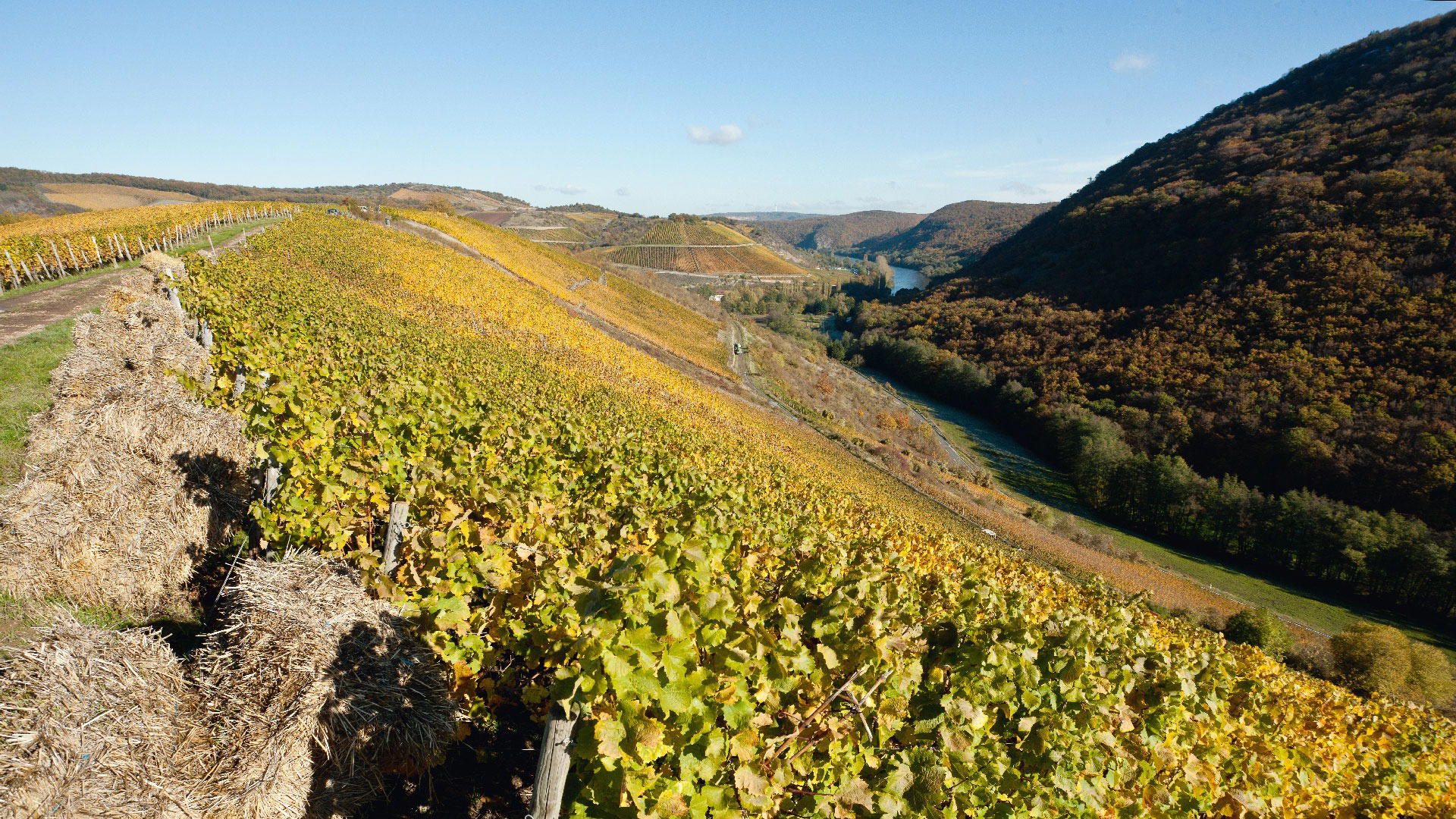
Approaching wine in Auen means adjusting to a quieter register. The Nahe here is not presented through grand cellar architecture or spectacle; it is read through steep vineyards, cool air, poor soils, and the kind of rural side-valley setting where the land does not need much staging. Weingut Hees belongs to that tradition: small-scale, family-run, rooted in Riesling, and more persuasive when judged by precision than by volume.
The estate’s history reaches back to 1824, a useful anchor in a German wine region where continuity matters but does not automatically guarantee seriousness. What gives the address its editorial weight is the alignment between place and method. Around Auen, steep slopes and low-fertility soils naturally push vines toward deeper rooting; in the glass, that usually translates into tension, freshness, and mineral drive rather than broad fruit or cellar polish. For travelers using our full Auen wineries guide, this is the kind of estate that explains the local terrain more clearly than a polished visitor-center tasting ever could.
Auen's cool slopes set the tone for Riesling with restraint
The Nahe can be misunderstood by visitors who treat German Riesling as a single style. It sits between extremes: not as stark as some Mosel expressions, not as broad as warmer-region dry whites, and often prized for a mineral line that comes from geological variety and marginal sites. At Weingut Hees, the emphasis falls on wines described as honest, characterful, and never loud, language that points to a house style built around clarity rather than extraction.
Riesling is the main lens. The named bottlings include Riesling Kabinett Römerstich 2024, Riesling Steingewann 2024 Gutswein, Riesling Römerstich 2024, and Riesling Auener Höhe 2024 Ortswein. That range matters because it shows origin-level differentiation rather than a single catch-all estate white. Römerstich is the clearest quality signal: the Kabinett has been described with a 95-point score, while Riesling Römerstich 2024 carries 98 points from James Suckling, with depth, tension, cool minerality, and clear fruit attached to its public tasting note.
The rest of the portfolio keeps the frame tight. Weissburgunder brings Pinot Blanc into the conversation, while Pinot Sekt Brut extends the estate’s white-wine focus into sparkling form. That is not an attempt to cover every category; it reads as a compact Nahe program, still and sparkling, built around freshness and drinkability. Travelers planning broader food and drink days in town can pair this with our full Auen restaurants guide, our full Auen bars guide, and our full Auen experiences guide without turning the winery visit into an overproduced itinerary.
Hand work, spontaneous fermentation, and a cellar that avoids showmanship
Production details are unusually useful here because they support the terroir argument rather than decorate it. Vineyard work is described as mostly manual, with grapes harvested only at full ripeness. In steep, cool vineyards, that is not a romantic flourish; it is a practical requirement if the estate wants maturity without losing the acidity and cut that define the Nahe’s better white wines.
In the cellar, the wines are handled gently, given time, and fermented spontaneously. Native-yeast fermentation is not a quality guarantee on its own, but in a site-sensitive Riesling estate it signals a willingness to let vineyard character remain audible. The point is not rusticity for its own sake. The stronger reading is discipline: fewer cosmetic gestures, more reliance on fruit, acidity, mineral structure, and the year’s conditions.
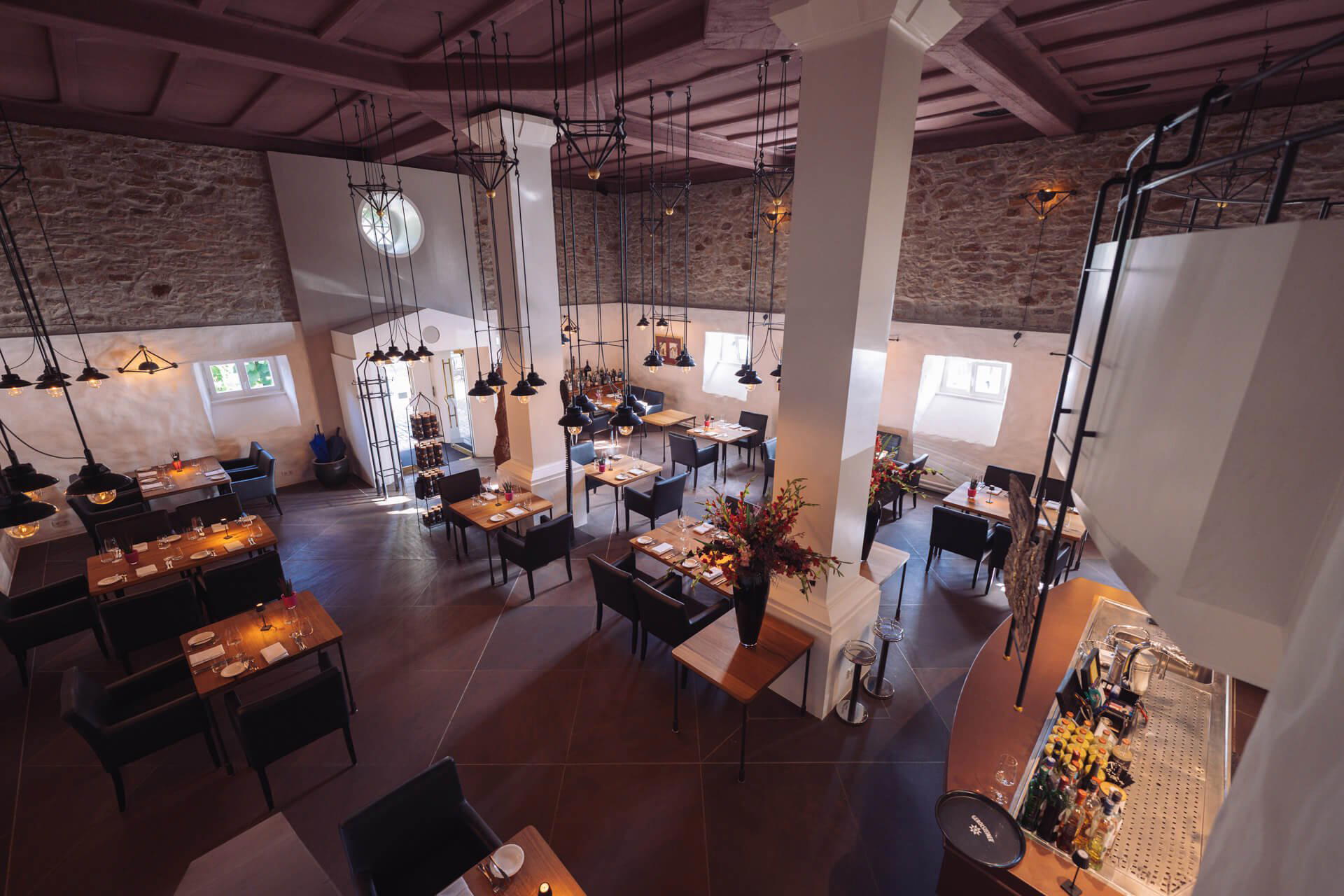
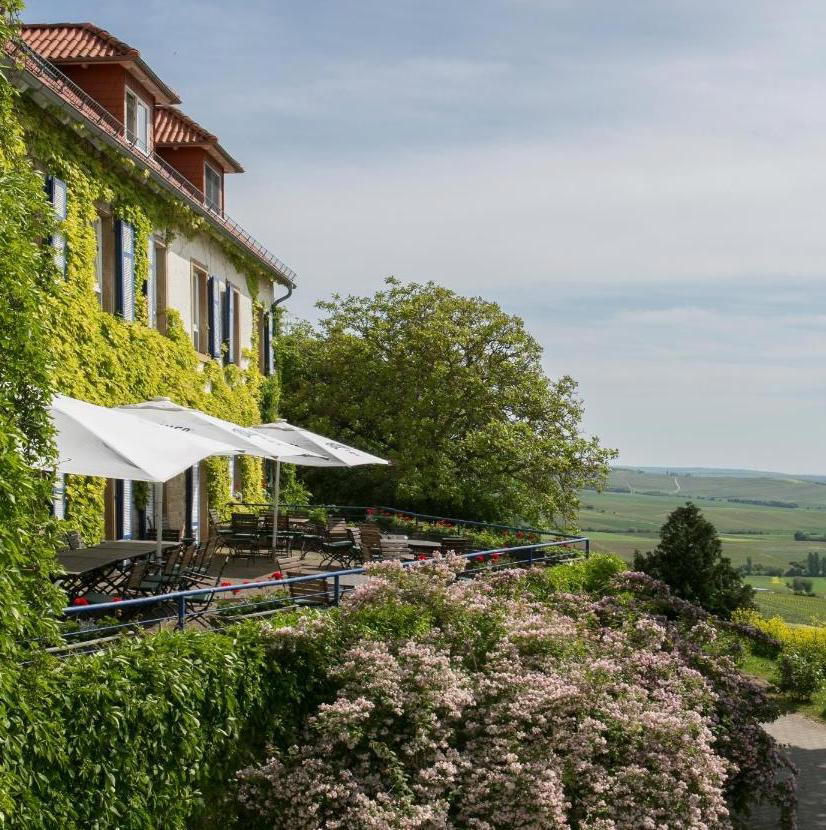
That restraint also shapes the experience. The setting is quiet, classic, and rural rather than high-energy. A standard tasting or cellar tasting here is better suited to drinkers who want to compare vineyard names, ripeness levels, and texture than to visitors looking for a broad hospitality production. Marcus Hees is named as winemaker, but the more useful story is not personal mythology; it is how a long-established family estate in Auen uses hand work, spontaneous fermentation, and a narrow varietal focus to keep the Nahe’s cool-climate signature intact.
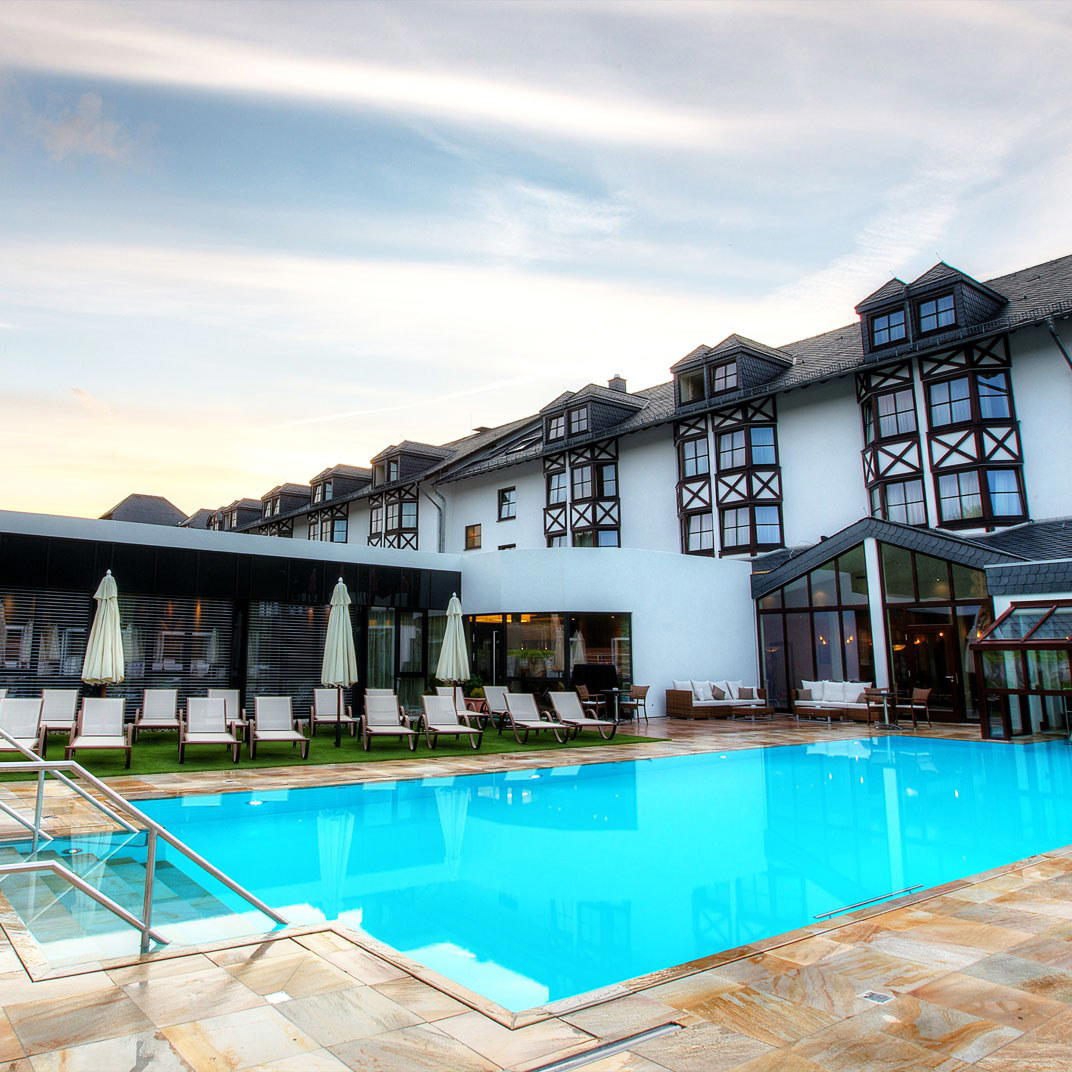
The estate also includes a restaurant and guesthouse, which places it in a different rhythm from wineries built only for quick sampling. For travelers sleeping locally, our full Auen hotels guide can help frame whether Auen works as a base or as a focused stop within a wider Nahe route.
How to read Weingut Hees within a wider German wine trip
Weingut Hees is not the address to choose for high-volume wine tourism. Its strength is narrower and more useful: it gives a clear view of how Auen’s steep, cool, soil-poor vineyards can translate into Riesling with precision, Pinot Blanc with freshness, and Sekt that keeps the estate’s white-wine identity intact. The price level sits in the moderate bracket, but the recognition attached to Römerstich places the vineyard wines above a casual village-bottle reading.
As a travel decision, this is a strong pick for wine education, solo exploration, and small-group tasting built around place. The estate is quiet, child-free in positioning, dog-free, and casual in dress, with a small-capacity feel and reservation-led visit type. Payment is listed as cash, and shipping is available, details that matter for travelers who treat wine buying as part of the route rather than an afterthought.
For a broader map of German and Central European wine addresses, use the city guides as navigation rather than comparison: & Handwein in Mannheim, 2 Naturkinder in Kitzingen, 3 Winner in Bechtheim, 49Point9 in Geisenheim, 532 Riesling in Rüdesheim am Rhein, 70469! in Stuttgart Feuerbach, 746 - Route du Brut in Ettlingen, Achkarrer Winzer am Schlossberg eG in Vogtsburg Achkarren, »der Steiner« Hans Steiner in Podersdorf am See, and ®walzer in Gneixendorf Bei Krems. Weingut Hees should be read on its own terms: a Nahe estate where the land, not the room, provides the main argument.
Recognition history
Dated appearances from independent guides and award organizations, with the underlying list record or original source where available.
Falstaff Winery - 2 Stars
Falstaff
Continue exploring
More in Auen
Wineries in Auen
All wineries in Auen →
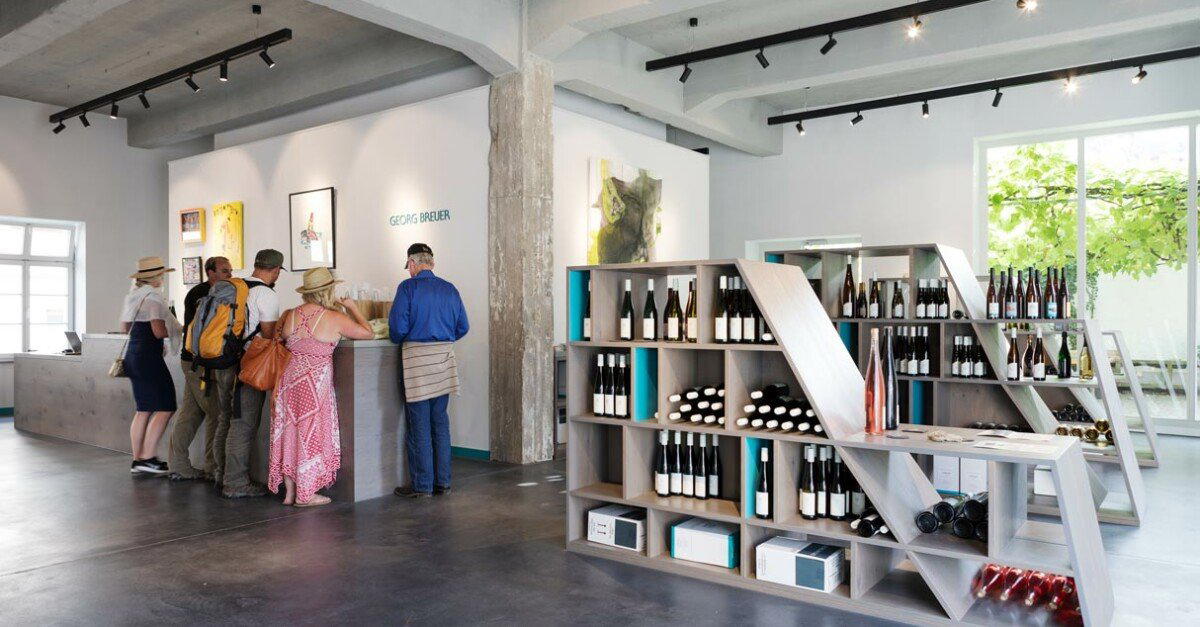
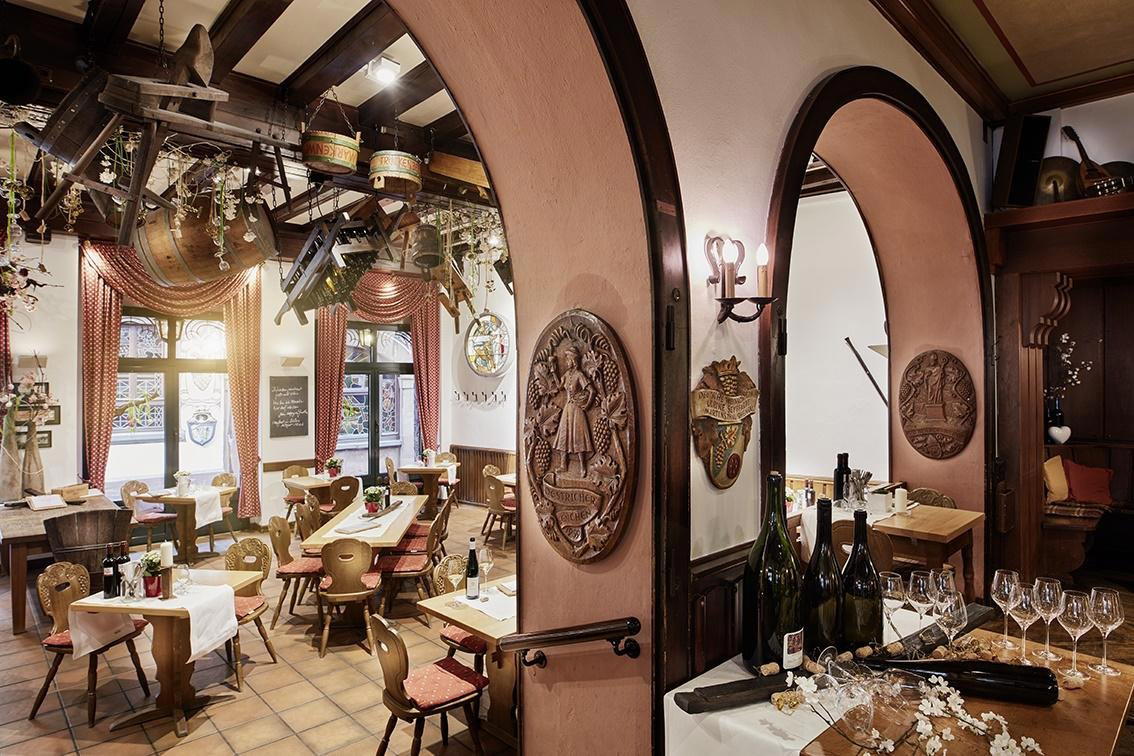
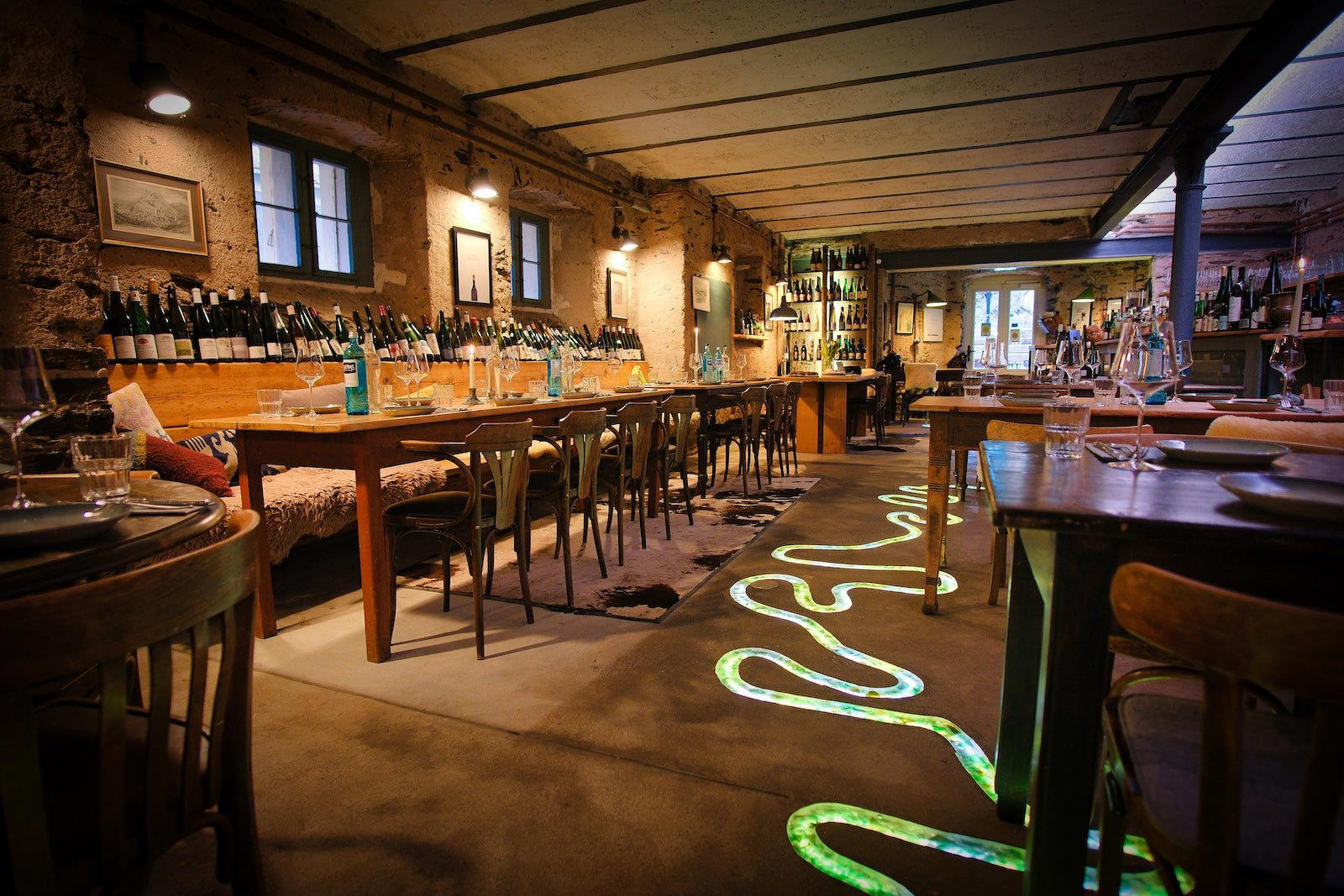
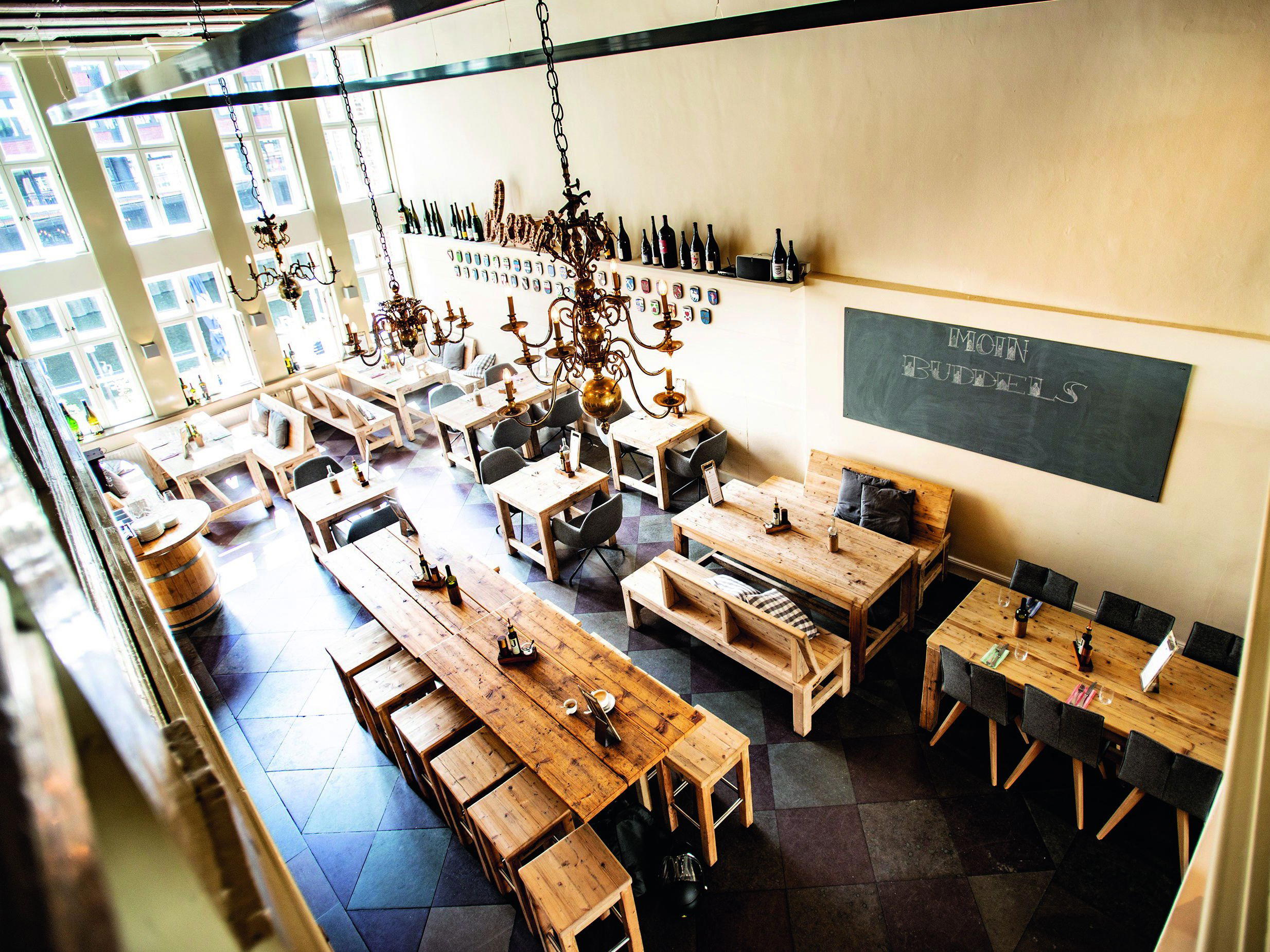
Details
- Quiet
- Classic
- Rustic
- Scenic
- Wine Education
- Solo Exploration
- Group Outing
- Estate Grounds
- Historic Building
- Sustainable
- Vineyard
- Mountain
- Riesling
- Pinot Blanc
- Still White
- Sparkling
- Standard Tasting
- Cellar Tasting
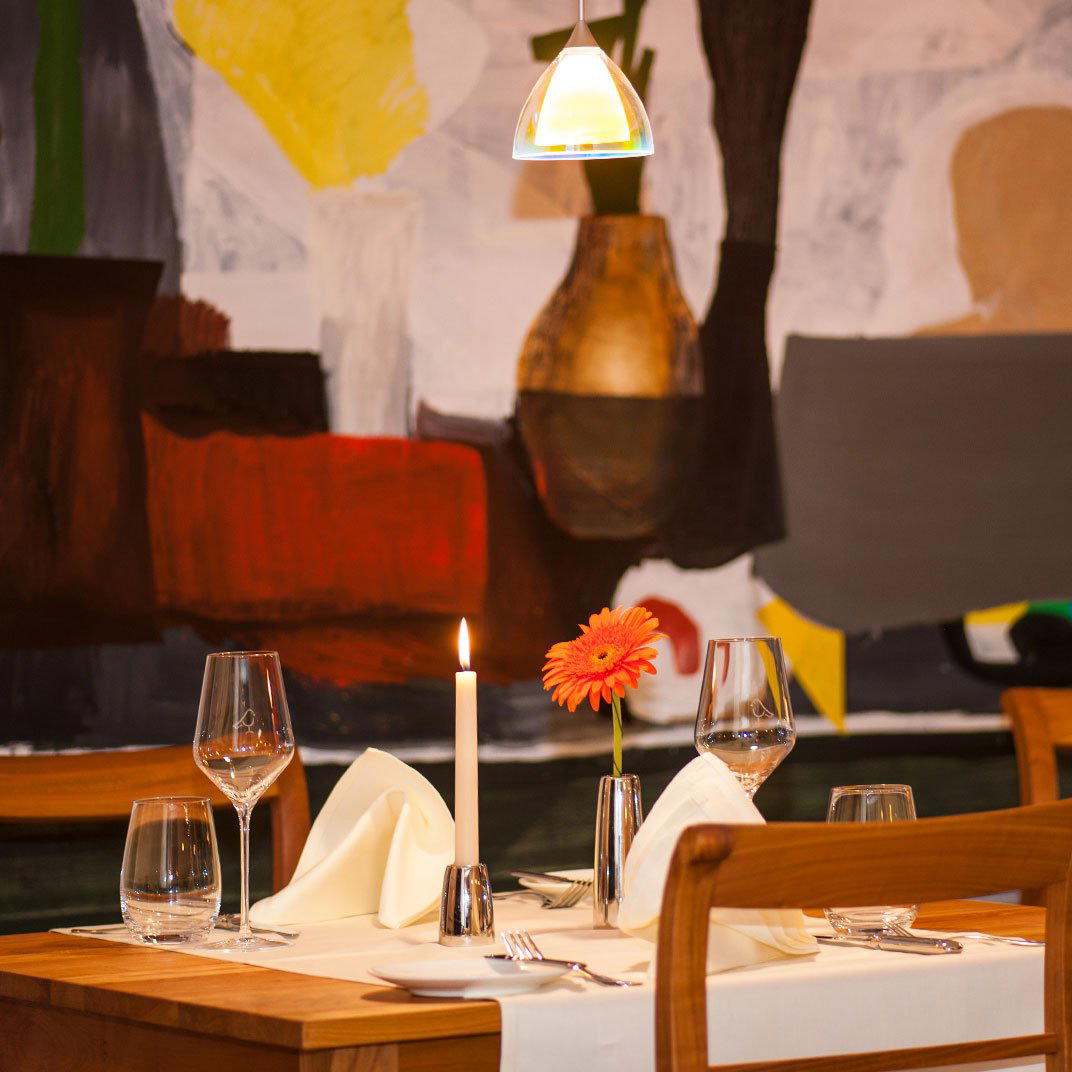
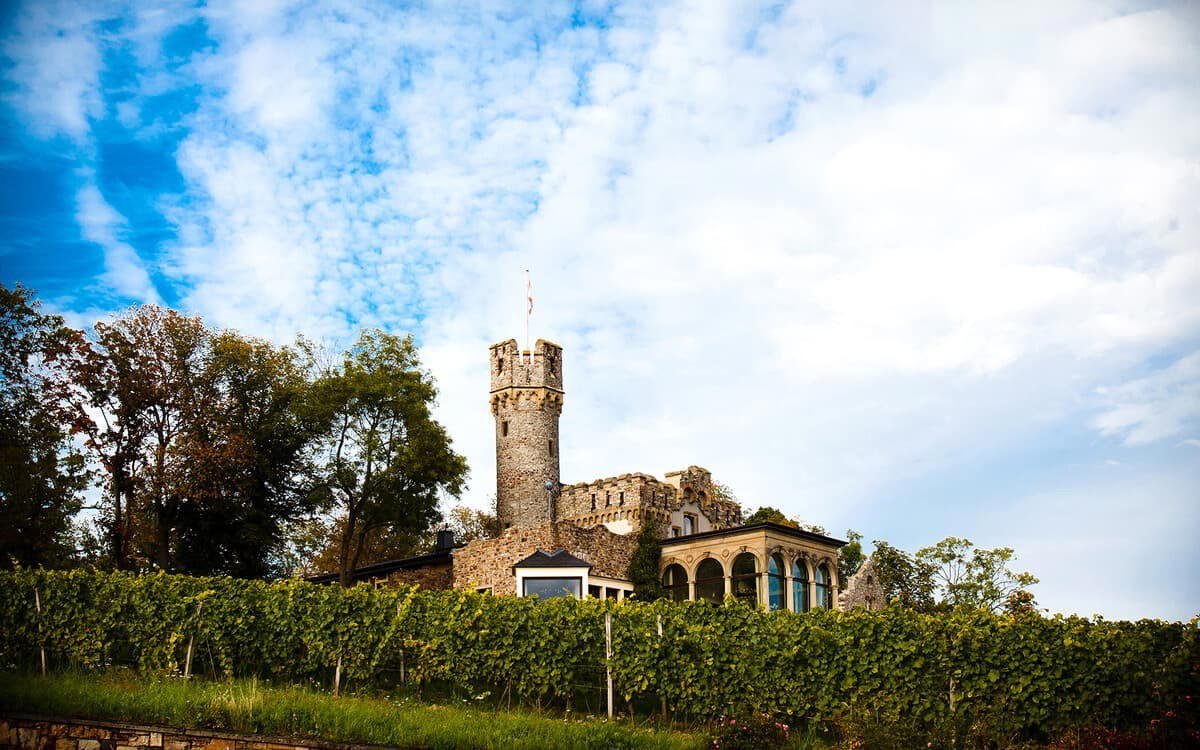
A classic, family-run wine estate with a calm, authentic atmosphere; the wines are described as honest, characterful, never loud, and the setting is a quiet side valley in the Nahe surrounded by steep vineyards and natural scenery.