Weingut Franz Sauerstingl

Weingut Franz Sauerstingl is a small family winery in Fels am Wagram with roots dating to 1794 and a clear focus on Wagram DAC loess soils. Grüner Veltliner anchors the cellar, including four Löss bottlings, with Roter Veltliner, Riesling, Blauer Zweigelt, Pinot Blanc, and Pinot Noir rounding out a quiet, terroir-led Austrian wine address.
Pearl is the En Primeur Club membership app — saves, bookings, and concierge access live there. Same editors, same standards.
- Address
- Fels am Wagram, Wagram, Lower Austria, Österreich
- Directions
- Get directions
 Saves & bookings on Pearl
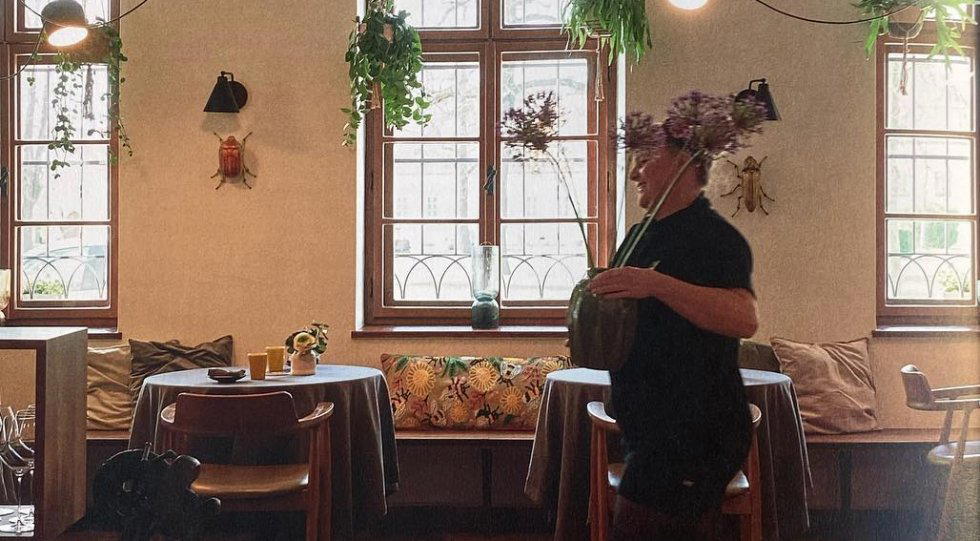
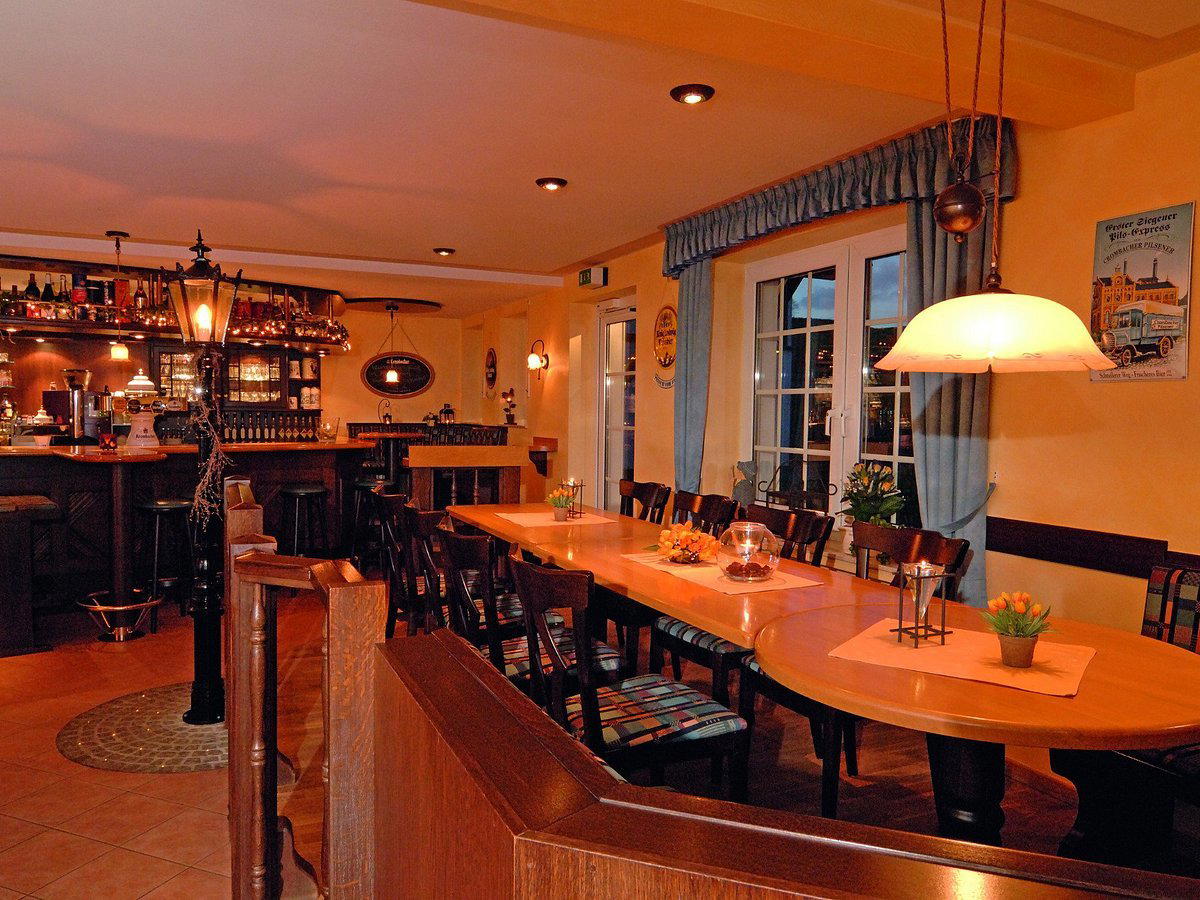
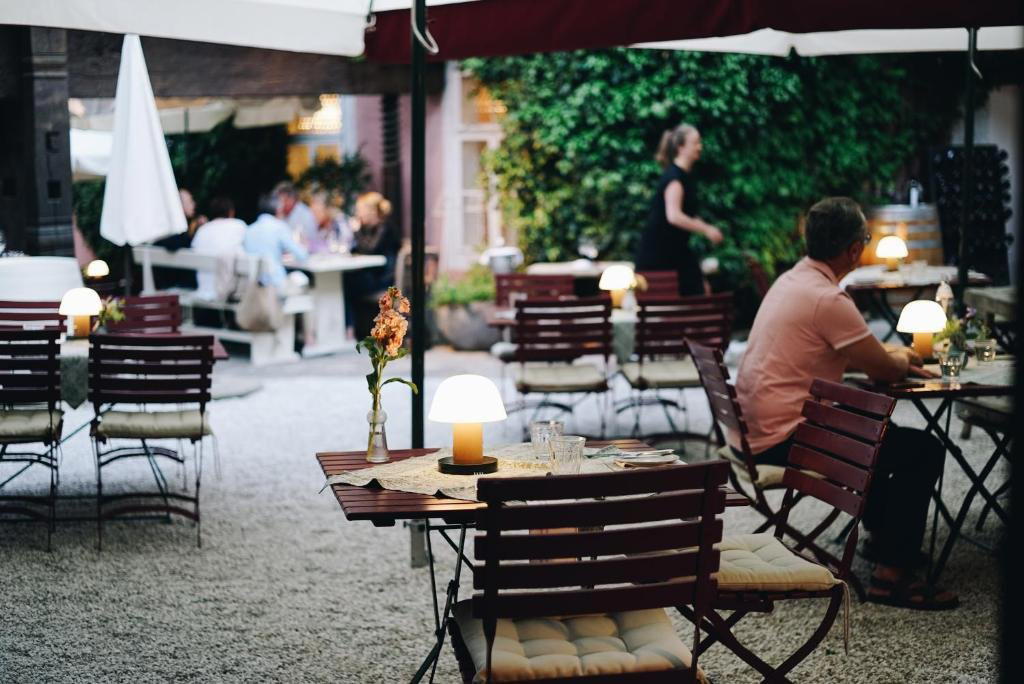
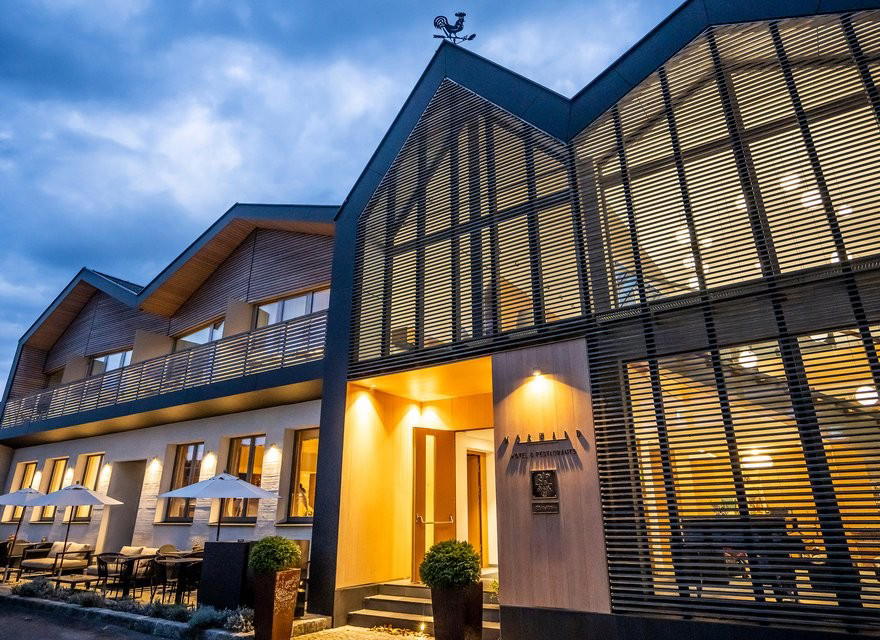
Weingut Franz Sauerstingl is a winery in Fels am Wagram with a profile that is best understood through restraint rather than spectacle. The picture is deliberately simple: a traditional, quality-focused winery atmosphere, shaped by meticulous vineyard and cellar work, loess soils, and a long family heritage. For EP Club planning, that makes it a quiet and classic stop rather than a venue defined by restaurant-style service, elaborate amenities, or a highly publicized hospitality format.
The price level is listed as $$, placing Weingut Franz Sauerstingl in a moderate bracket. Beyond that, the dependable facts are more atmospheric than operational. The winery is described as rustic, quiet, and something of a, with its identity tied to Fels am Wagram and the local wine landscape. Specific details about tastings, opening hours, grape varieties, individual bottlings, food service, reservations, shipping, or visitor capacity are not confirmed here, so they should not be treated as part of the guaranteed experience.
Loess soils and a traditional winery setting
One useful way to frame Weingut Franz Sauerstingl is through place. Fels am Wagram is associated here with loess soils, and the winery’s identity emphasizes careful work in vineyard and cellar. That does not require an inflated description of a tasting program or a list of wines that has not been verified. Instead, the draw is the quieter promise of a producer whose atmosphere is rooted in land, family continuity, and craft.
For travelers, that matters because not every worthwhile winery stop needs to be built around a dramatic public-facing concept. Some addresses are better approached as calm, traditional places where the value lies in the seriousness of the work and the feel of the setting.
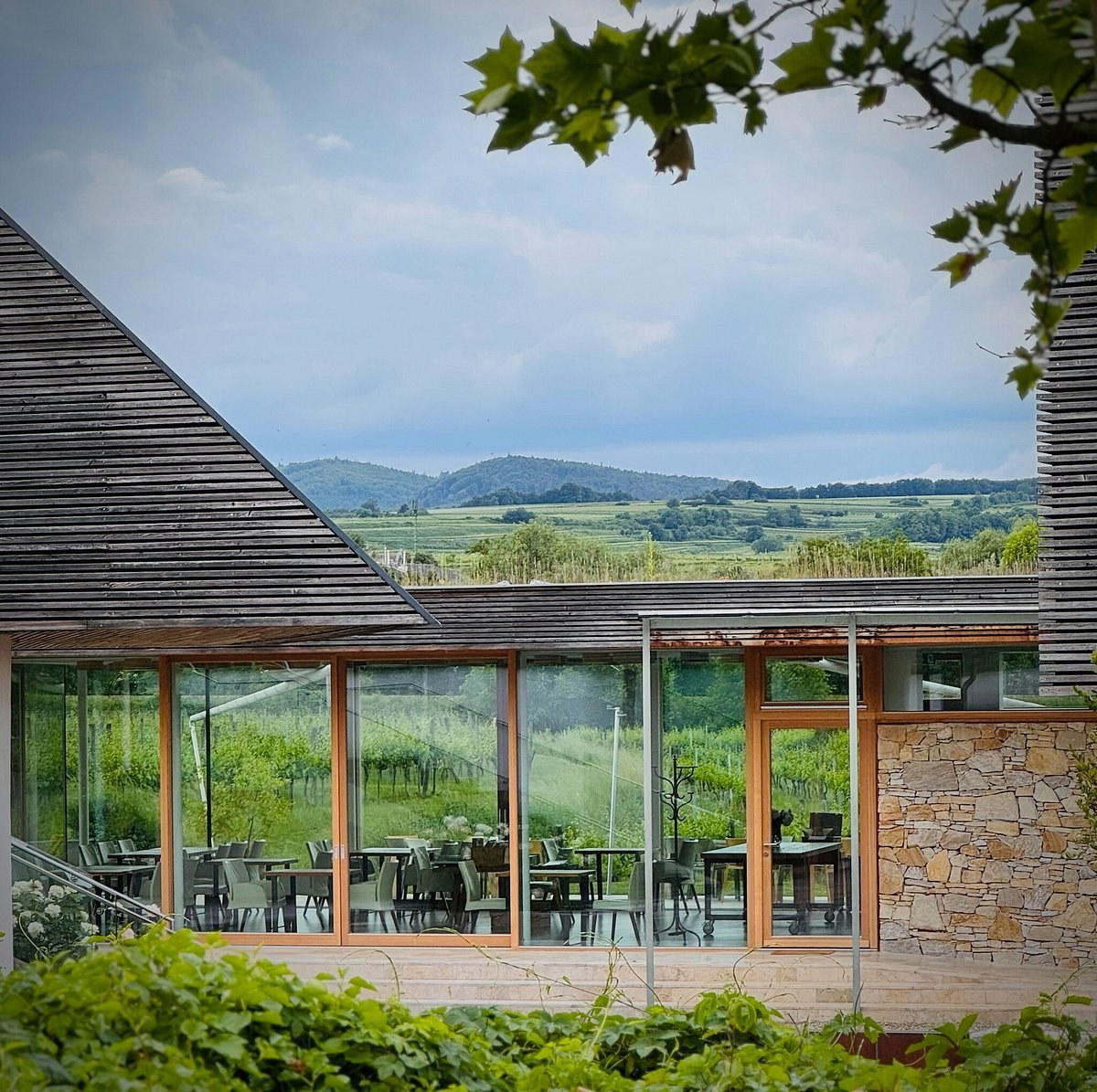
The available facts also support a measured expectation of style. This is not presented as a flashy venue, a nightlife address, or a high-energy social hub. It is better described as a quiet winery in Fels am Wagram, suited to visitors who appreciate a more understated atmosphere. The “” description should be read in that spirit: not as proof of rarity, awards, or exclusivity, but as shorthand for a low-key place with a traditional character.
A family heritage rather than a staged format
The winery’s identity is also tied to long family heritage. That is a meaningful distinction, but it should be kept precise. The information supports the idea of continuity and tradition; it does not confirm a founding year, named current operators, production scale, or a specific ownership structure. The safest and most useful reading is that the winery’s atmosphere is shaped by family history and by careful vineyard and cellar practice.
Because the confirmed data is focused rather than expansive, planning should stay practical. Treat the winery as a wine-led stop in Fels am Wagram with a moderate price level and a quiet, rustic mood. Do not assume lunch, dinner, outdoor seating, takeout, delivery, special dietary accommodations, a particular reservation policy, or a formal guided format unless those details are confirmed directly before visiting.
This narrower framing is not a weakness. For a premium guide, it is often more helpful to separate what is known from what is merely plausible. The known profile is strong enough on its own: a classic Fels am Wagram winery, connected to loess soils and a long family heritage, with quality-focused work in the vineyard and cellar. That gives the venue a clear place in a regional itinerary without inventing details about services or accolades.
How to place it in a Fels am Wagram itinerary
In a Fels am Wagram day, the winery is best positioned as a quiet winery stop for travelers interested in local wine culture and a traditional setting. The safest approach is to confirm practical arrangements directly and build the rest of the day around other dining in Fels am Wagram generically.
The comparison set is intentionally narrow. The winery should be evaluated on its own terms rather than forced into a list of unrelated venues.
For visitors who like polished drama, the available facts may feel spare. For visitors who value atmosphere, place, and a sense of continuity, that spareness is part of the appeal. The winery’s confirmed profile points to a hidden-gem winery mood: modest in presentation, rooted in loess soils, and shaped by the patient work of vineyard and cellar rather than by claims of awards, elaborate programs, or destination-restaurant features.
Recognition history
Dated appearances from independent guides and award organizations, with the underlying list record or original source where available.
Falstaff Winery - 3 Stars
Falstaff
Continue exploring
More in Fels am Wagram
Wineries in Fels am Wagram
Browse all →
Bars in Fels am Wagram
Browse all →
Restaurants in Fels am Wagram
Browse all →
At a Glance
- Classic
- Quiet
- Rustic
- Solo Exploration
- Special Occasion
- Historic Building
- Estate Grounds
- Wagram DAC
- Grüner Veltliner
- Roter Veltliner
- Riesling
- Blauer Zweigelt
- Pinot Blanc
- Pinot Noir
- Still White
- Still Red
- Wine Tasting
Traditional, quality-focused winery atmosphere shaped by meticulous vineyard and cellar work, loess soils, and a long family heritage.