
Weingut Finkenauer-Franz is a young Rheinhessen producer in Bubenheim shaped by a 2022 merger and a clear soil contrast between Bubenheim and Appenheim. The draw is not grand estate theatre, but a compact, terroir-led reading of Riesling, Sauvignon Blanc, Pinot Blanc, Chardonnay, Silvaner and Spätburgunder through loess-loam and calcareous sites.
Pearl is the En Primeur Club membership app — saves, bookings, and concierge access live there. Same editors, same standards.
- Address
- Bubenheim, Rhine Hesse, Rhineland-Palatinate, Deutschland
- Directions
- Get directions
 Saves & bookings on Pearl
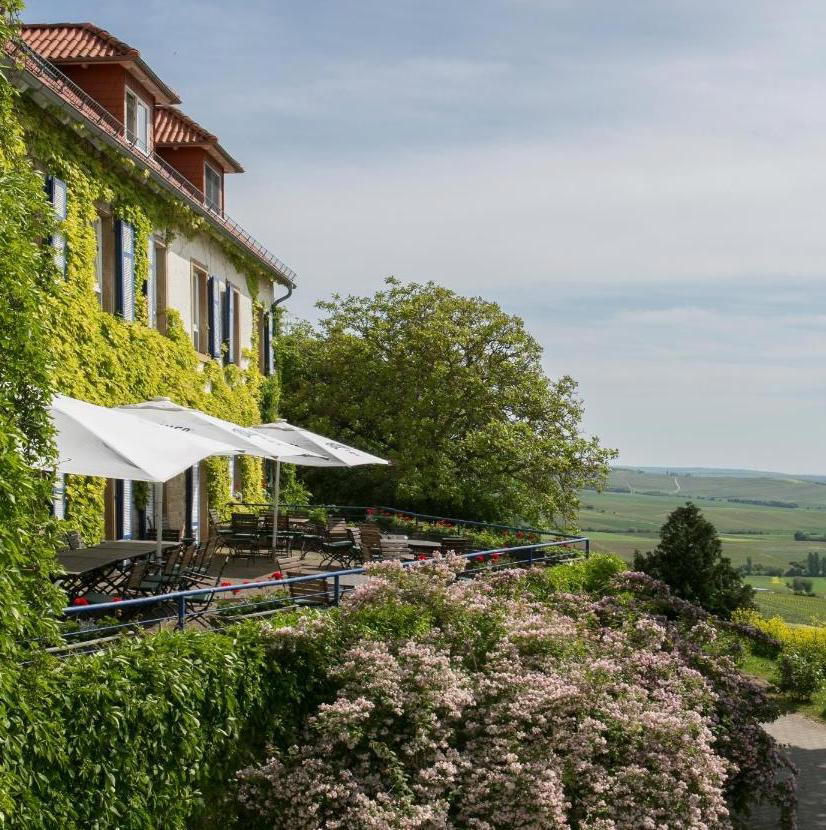
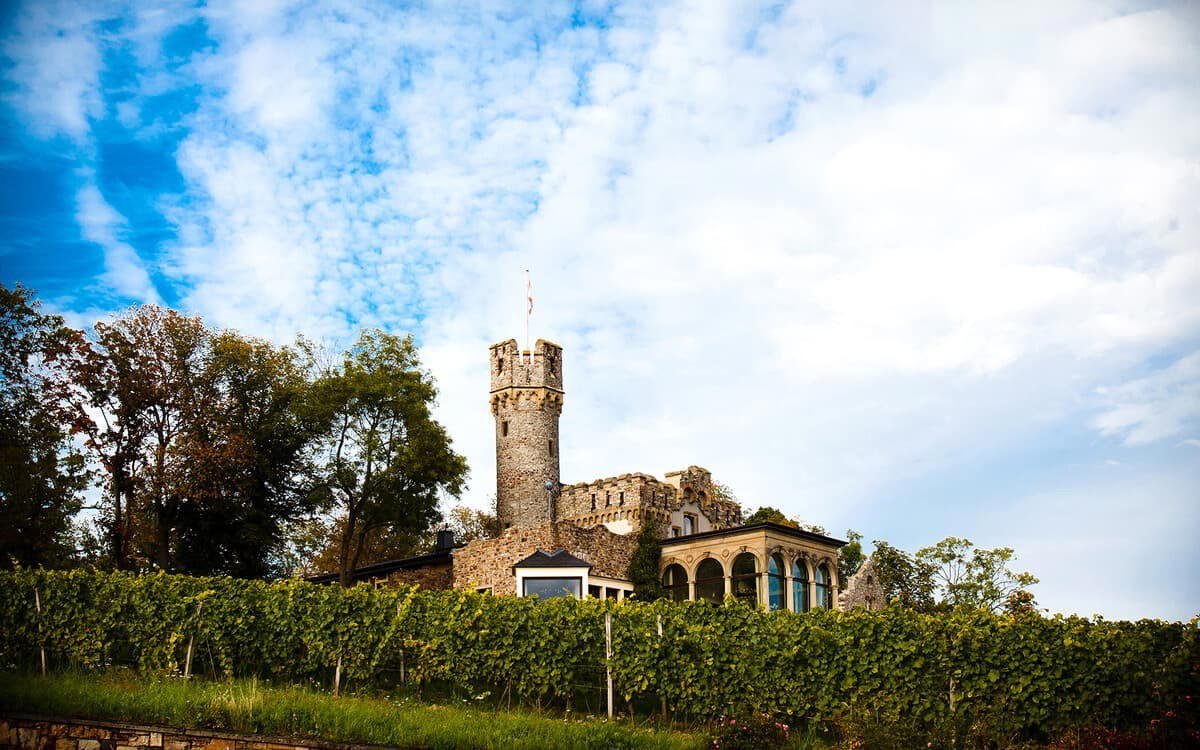
Weingut Finkenauer-Franz in Bubenheim is best approached as a quiet Rheinhessen winery with a contemporary sense of place. The picture is deliberately modest rather than showy: a dual-estate producer whose identity brings together two distinct vineyard sites and wine styles under one regional frame. That makes the estate less about spectacle and more about how a small wine address can express contrast, landscape and agricultural character.
For visitors researching Bubenheim, the important confirmed point is not a long list of services, exact tasting formats or individual bottlings. What is is the overall character: nature-focused, sustainable, terroir-driven, rustic and low-key. In other words, Weingut Finkenauer-Franz reads as a hidden-gem winery rather than a high-gloss hospitality venue.
Two nearby Rheinhessen soil profiles drive the estate's identity
The estate’s core idea is the combination of two distinct vineyard sites and wine styles. Without relying on technical specifics, that still gives travelers a useful way to understand the place. The appeal is comparative: one producer, two site identities, and a contemporary Rheinhessen perspective that treats vineyard origin as central to the story.
That terroir-first identity is one reliable lens for the estate. Rheinhessen is a broad region, and broad regional labels can hide important differences between individual sites.
The description also points to a nature-focused and sustainable sensibility. Because no specific certification, farming method or technical vineyard practice is here, those claims should be read at the level of identity rather than as a checklist. The grounded takeaway is that the winery presents itself through landscape, restraint and place-conscious winemaking.
The portfolio is white-led, but not one-dimensional
What can be said safely is broader: Weingut Finkenauer-Franz is described as blending two distinct vineyard sites and wine styles, which suggests that variety and contrast are part of how the estate is understood.
That matters for the kind of visitor who prefers a winery with a clear point of view over one defined only by fame or awards. Its strength, as verified, is more atmospheric and conceptual: quiet, rustic, sustainable in tone and rooted in Rheinhessen terroir.
The price level is listed as $, which places it in an accessible bracket. That does not confirm bottle prices, tasting fees, menus or hospitality packages, but it does help set expectations. The venue should be framed as approachable rather than luxury-coded, with the main value lying in its regional character and the dual-estate story.
How to place it in a Bubenheim wine itinerary
For a Bubenheim itinerary, the winery works well as a focused wine stop for travelers interested in place, calm and local identity. The feel is quiet and rustic, so it is better suited to visitors who want a grounded Rheinhessen experience than to those seeking a large, entertainment-driven venue.
Confirm practical arrangements directly before building a day around a visit. The reliable location information is simply Bubenheim, and the reliable positioning is as a contemporary, terroir-driven Rheinhessen winery.
Within local planning, it is fair to compare the winery with other dining or wine options in Bubenheim only in a general way. The estate itself remains the relevant named venue here. If you are building a broader stay, use Bubenheim as the anchor and treat this winery as a quiet, nature-focused stop rather than as a place defined by amenities.
The critical read is simple: the winery is strongest when understood as a dual-estate Rheinhessen winery with a clear sense of place. Its appeal comes from the blend of two vineyard identities, an accessible price category and a rustic, sustainable, hidden-gem feel. That is enough to make it worth noting for travelers who value terroir and regional character, even without relying on unconfirmed details about grapes, awards, owners or service format.
Recognition history
Dated appearances from independent guides and award organizations, with the underlying list record or original source where available.
Falstaff Winery - 1 Stars
Falstaff
Continue exploring
More in Bubenheim
Wineries in Bubenheim
Browse all →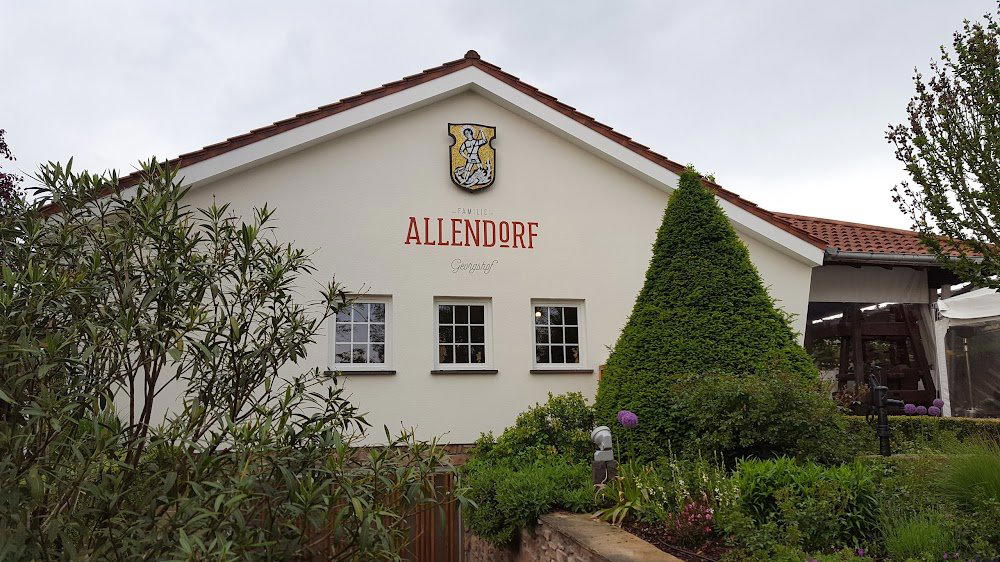
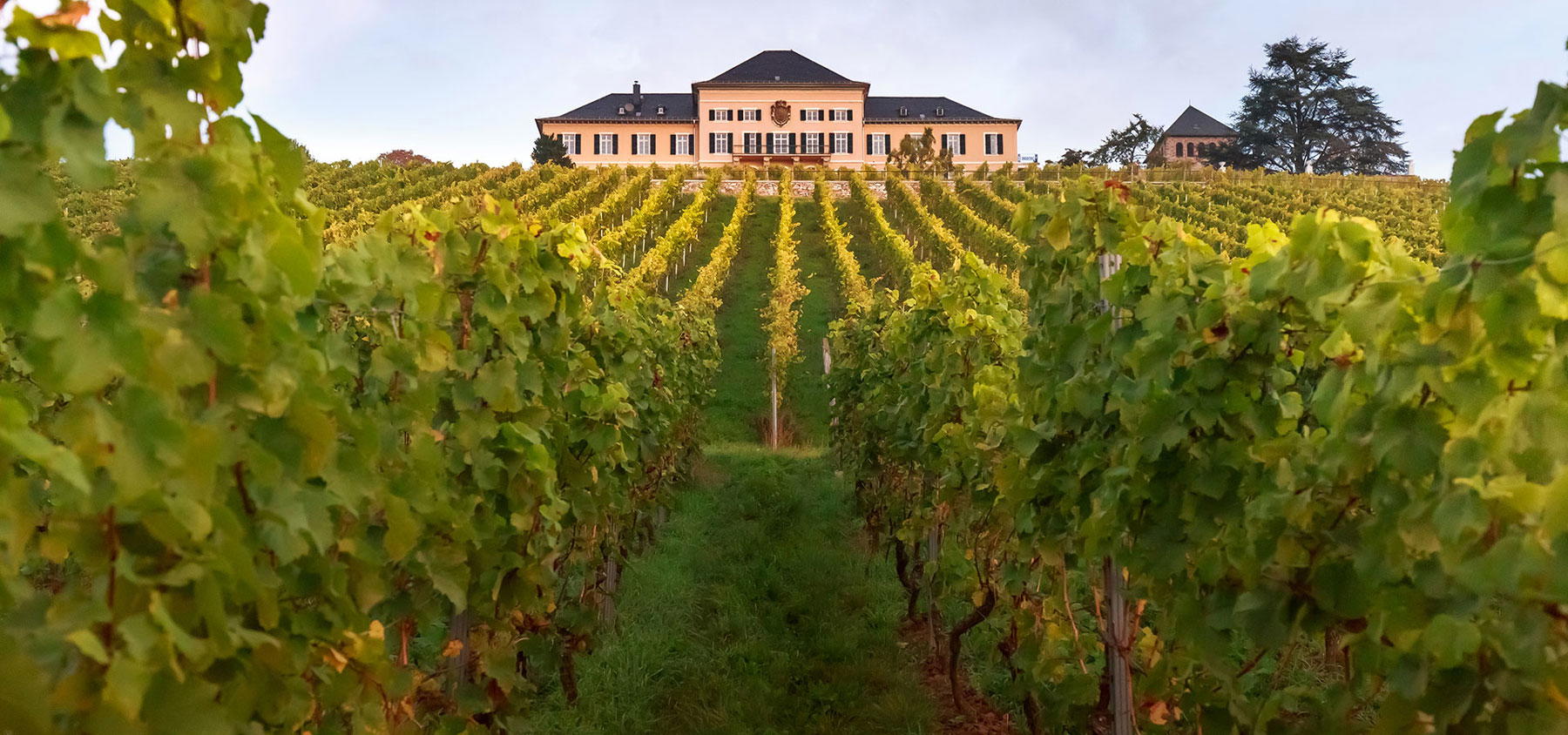
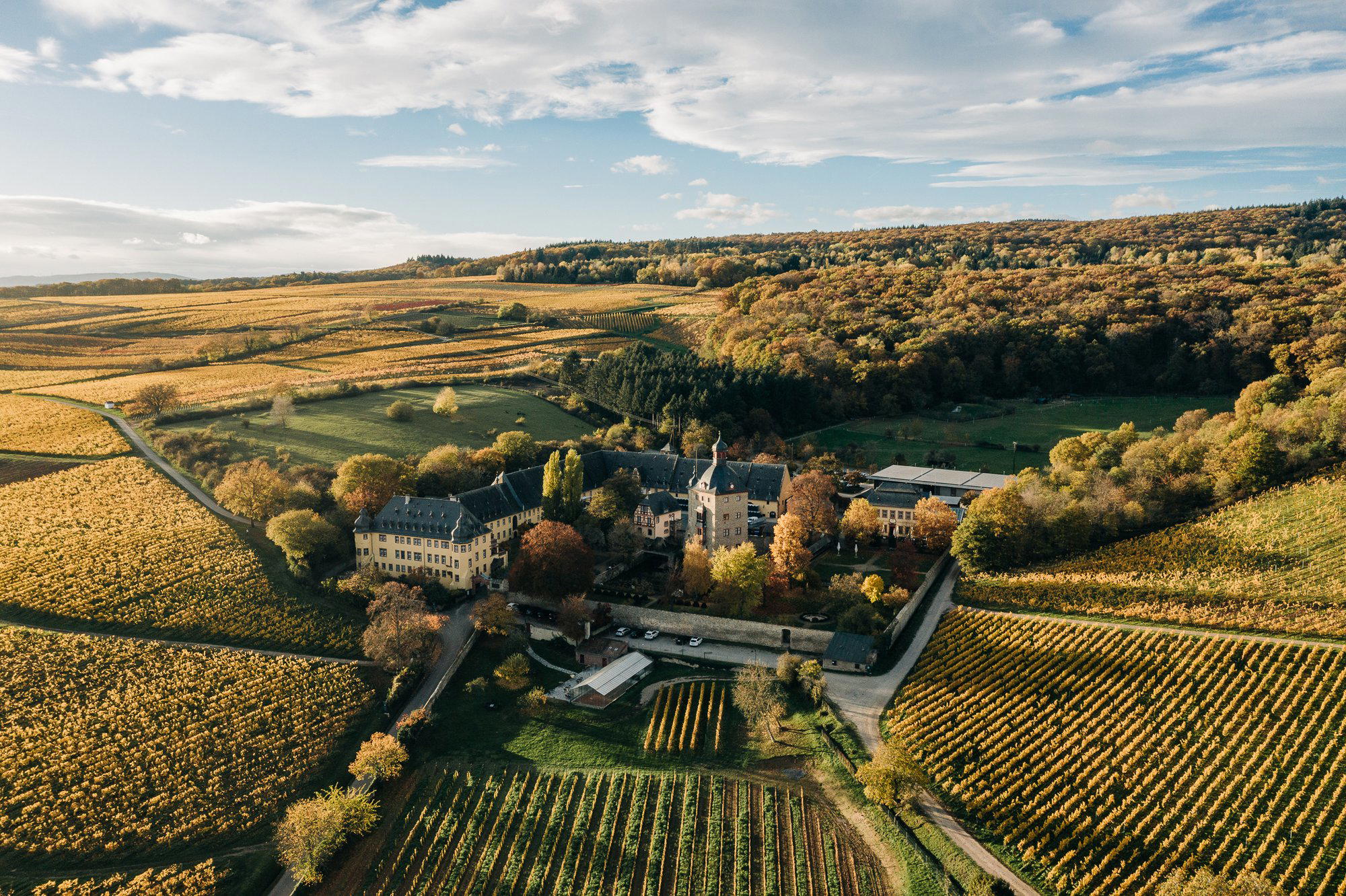
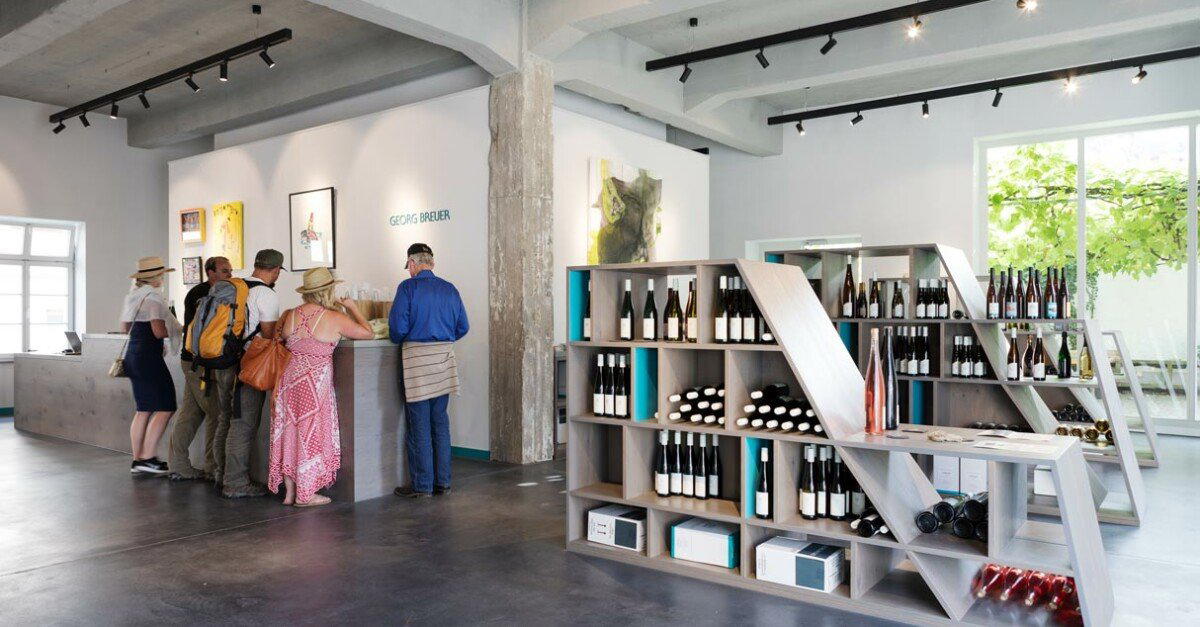
Bars in Bubenheim
Browse all →



Restaurants in Bubenheim
Browse all →
At a Glance
- Quiet
- Rustic
- Sophisticated
- Solo Exploration
- Wine Education
- Sustainable
- Vineyard
- Bingen
- Riesling
- Sauvignon Blanc
- Pinot Blanc
- Chardonnay
- Silvaner
- Spätburgunder
- Still White
- Still Red
- Sparkling
A dual-estate Rheinhessen winery with a contemporary, regionally rooted identity that blends two distinct vineyard sites and wine styles; the overall feel is nature-focused, sustainable, and terroir-driven.