
Falstaff Winery - Listed
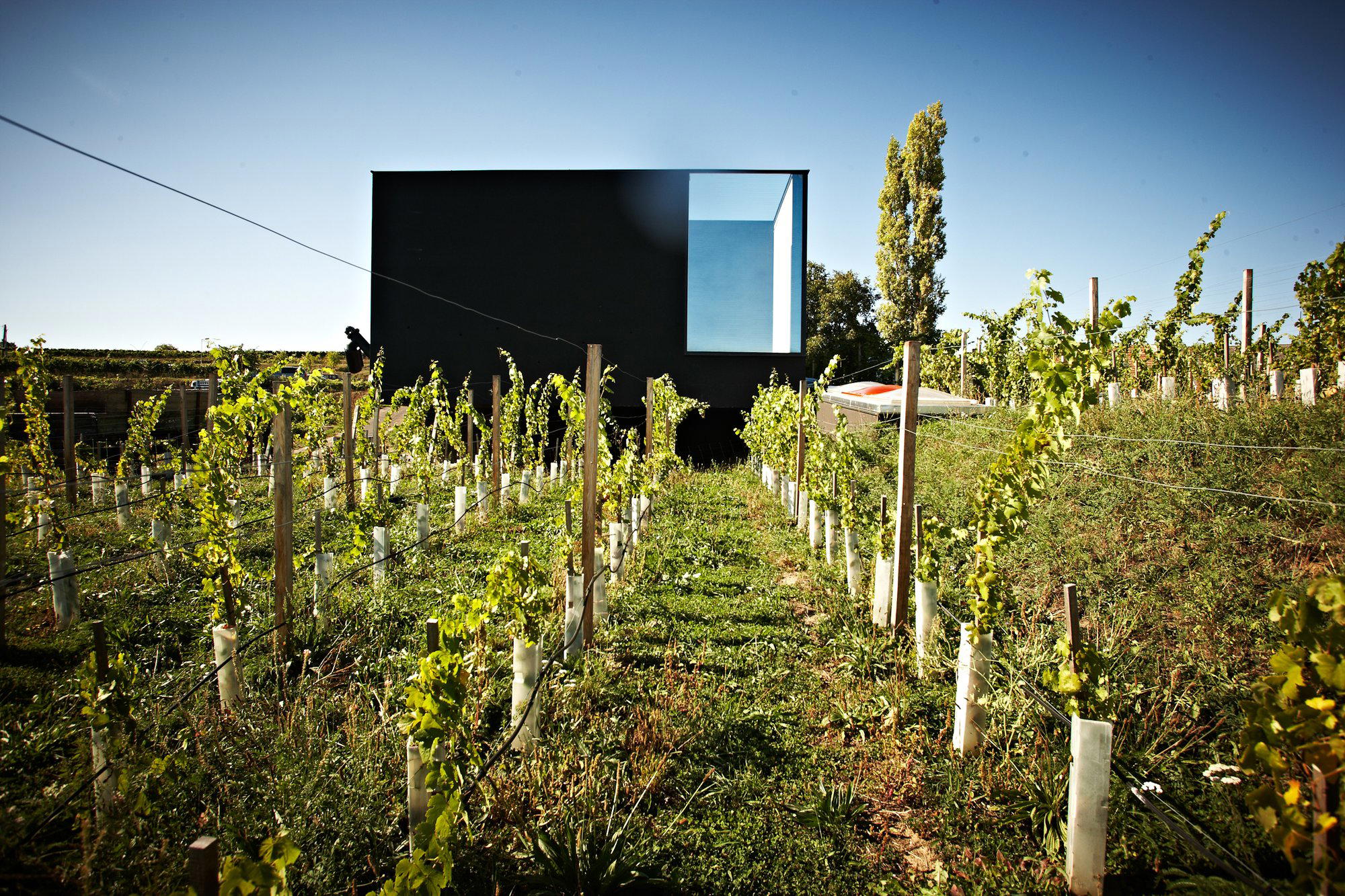
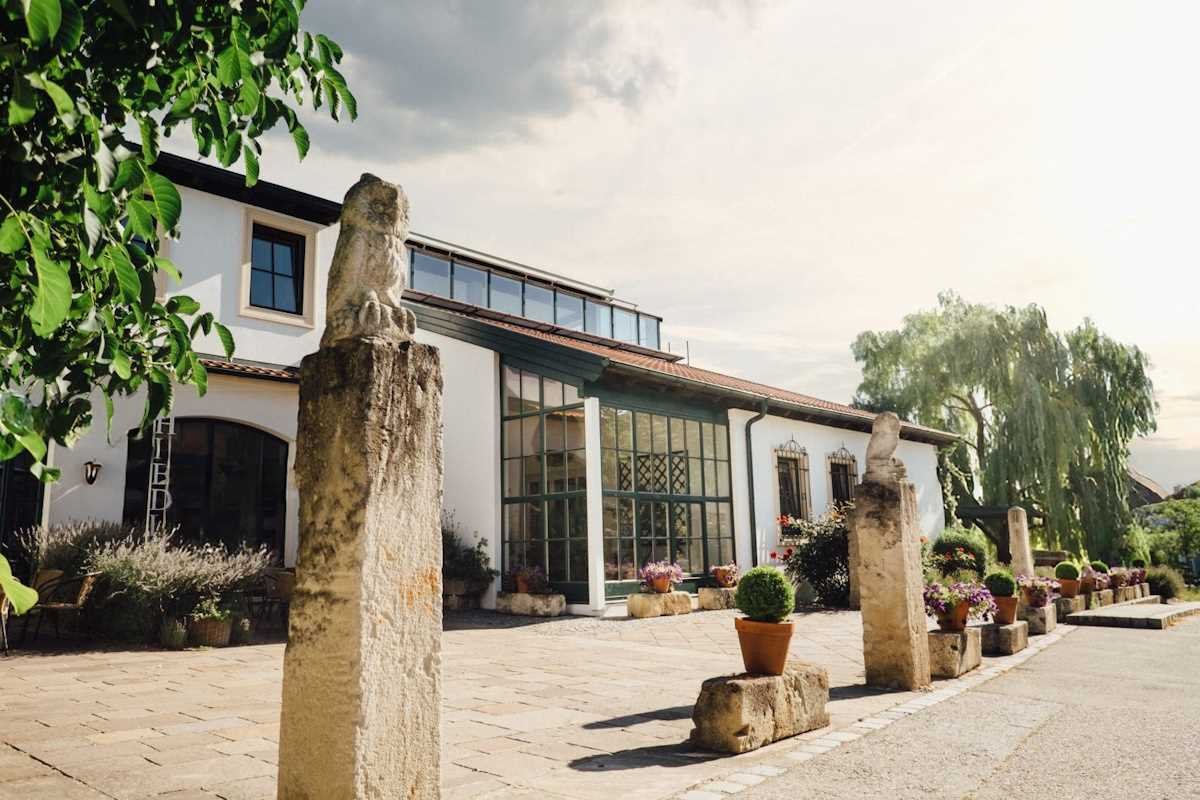
Weingut Beyer is a small, appointment-only winery in Röschitz, in the Weinviertel, with roots dating to 1876 and a production identity built around land, craft, and quiet cellar work. Matthias Beyer’s name is attached to the winemaking, and the estate’s focus sits on still white and still red wines shaped by a sustainable, vineyard-first philosophy.

Pearl is the En Primeur Club membership app, where members save venues, book tables and use the concierge.
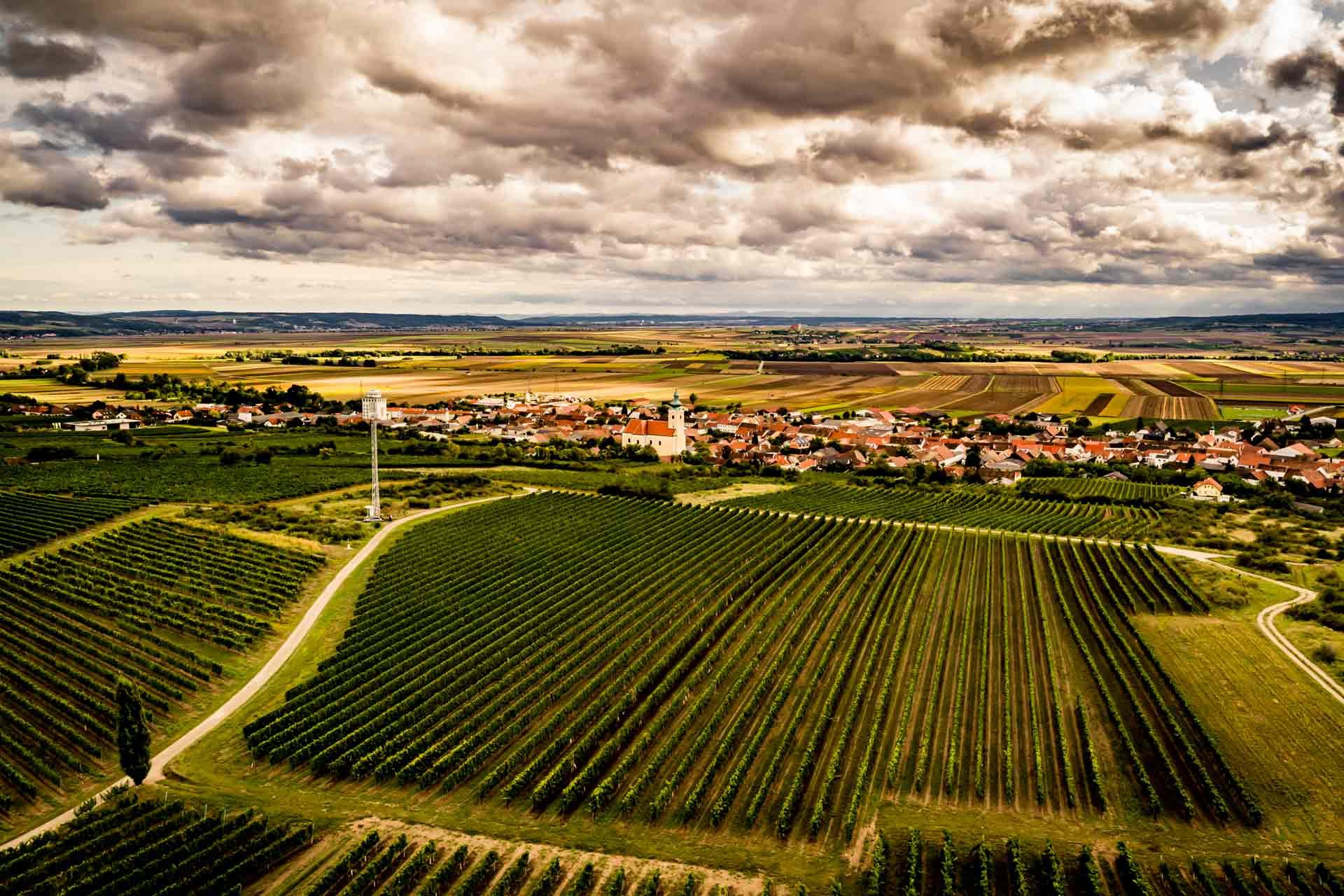
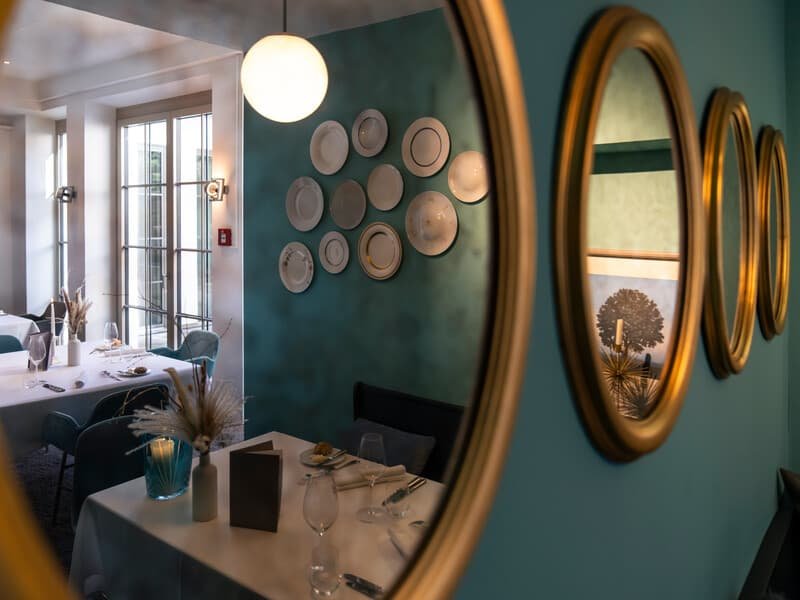
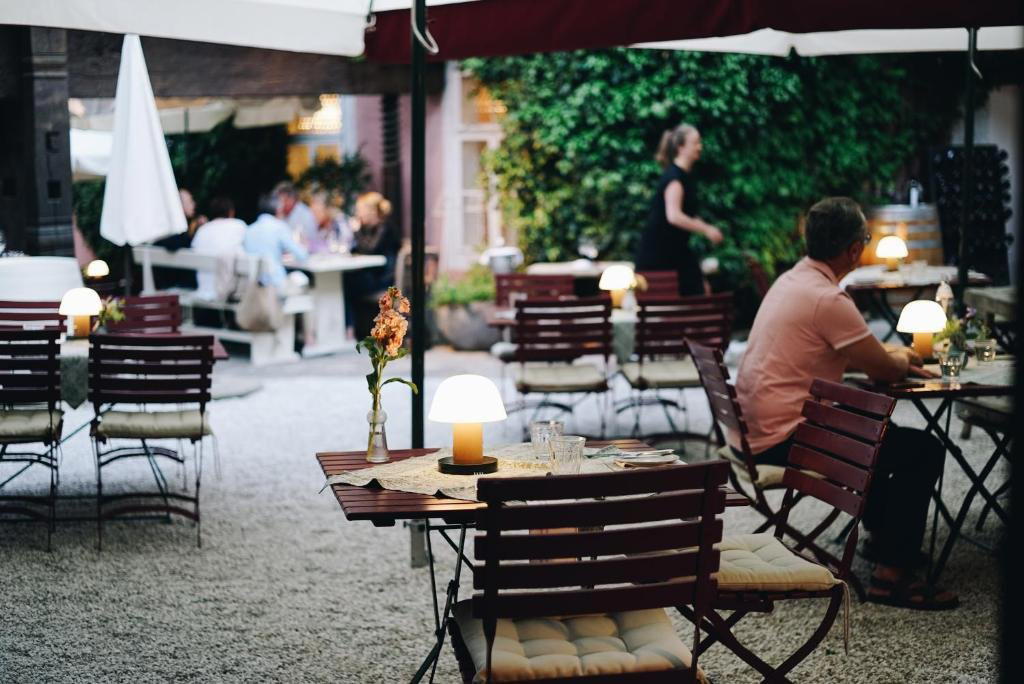
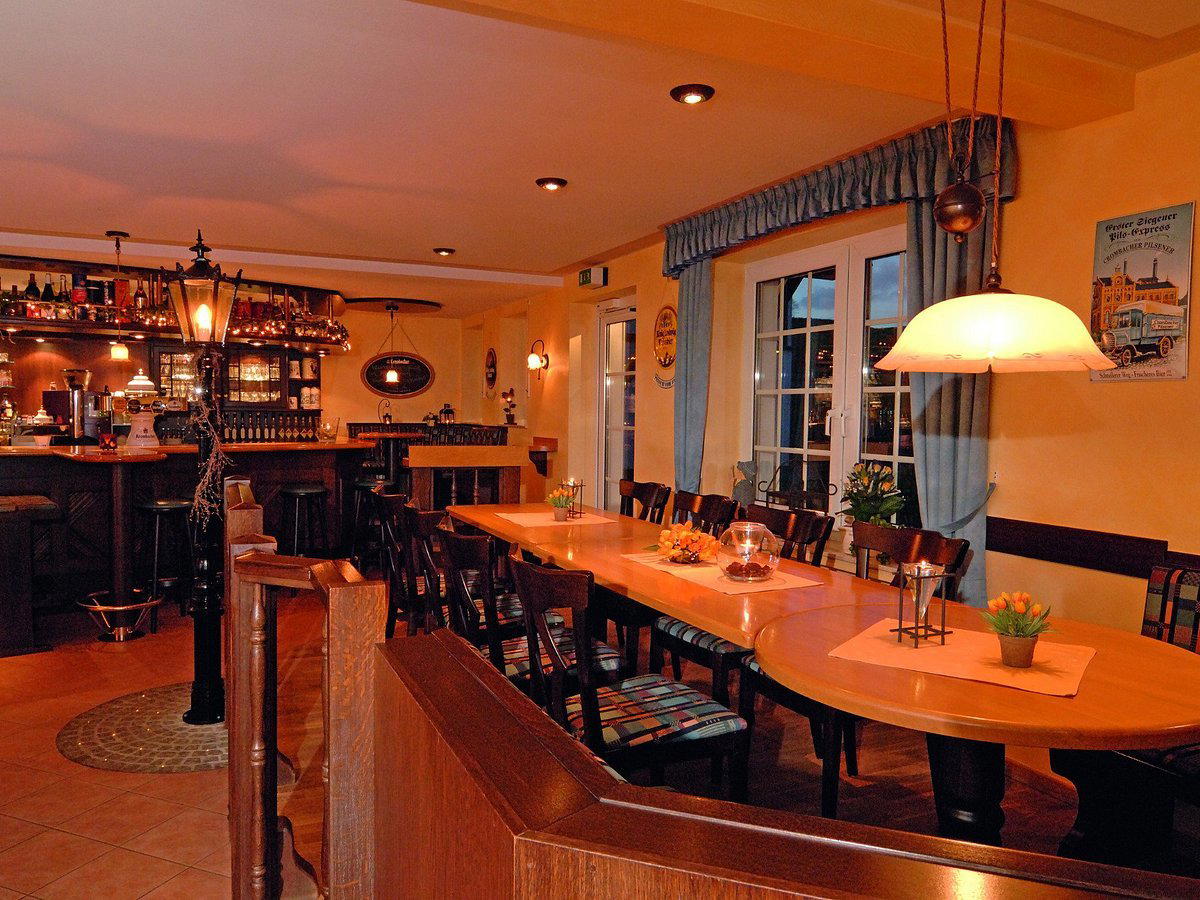
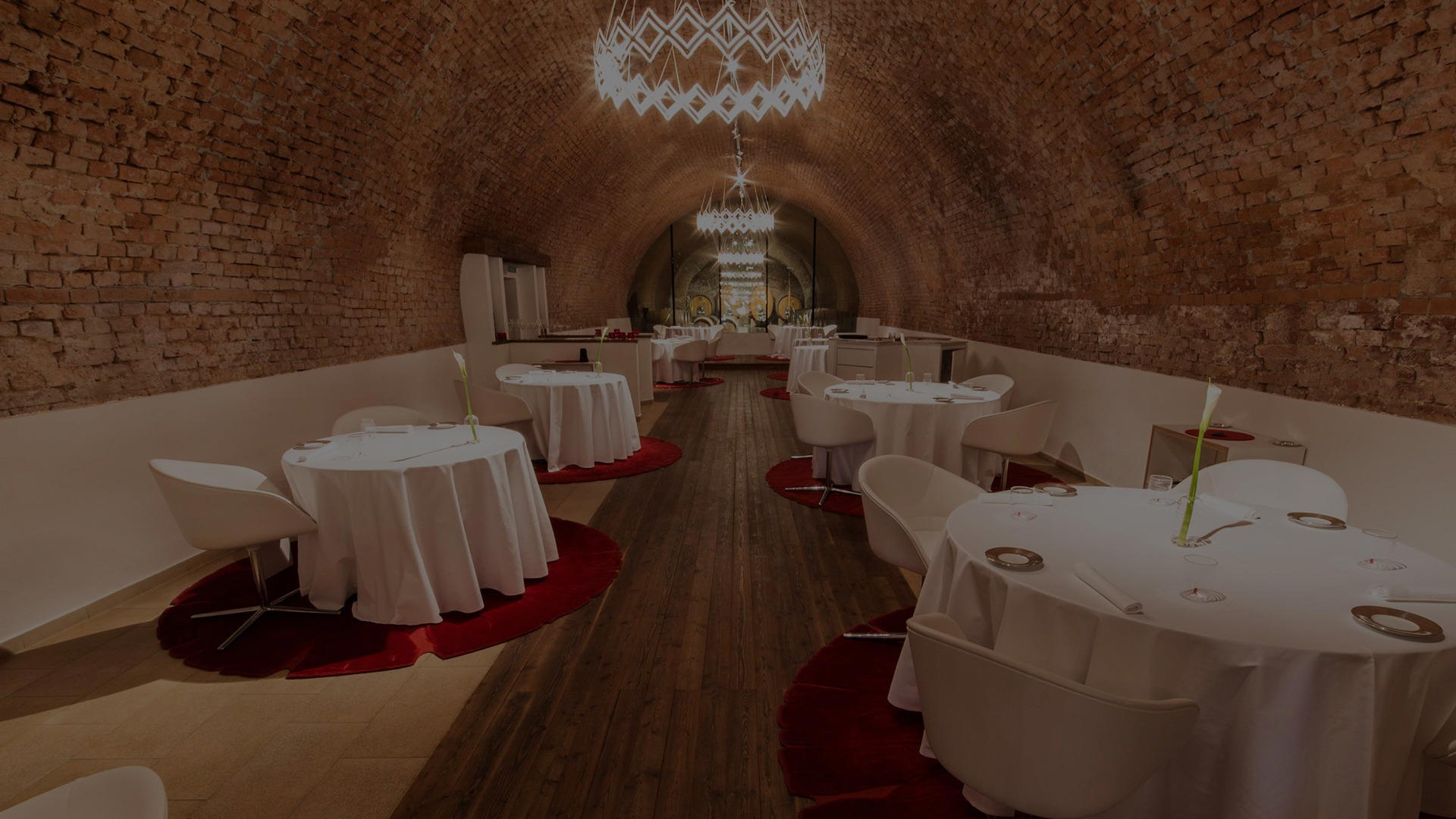
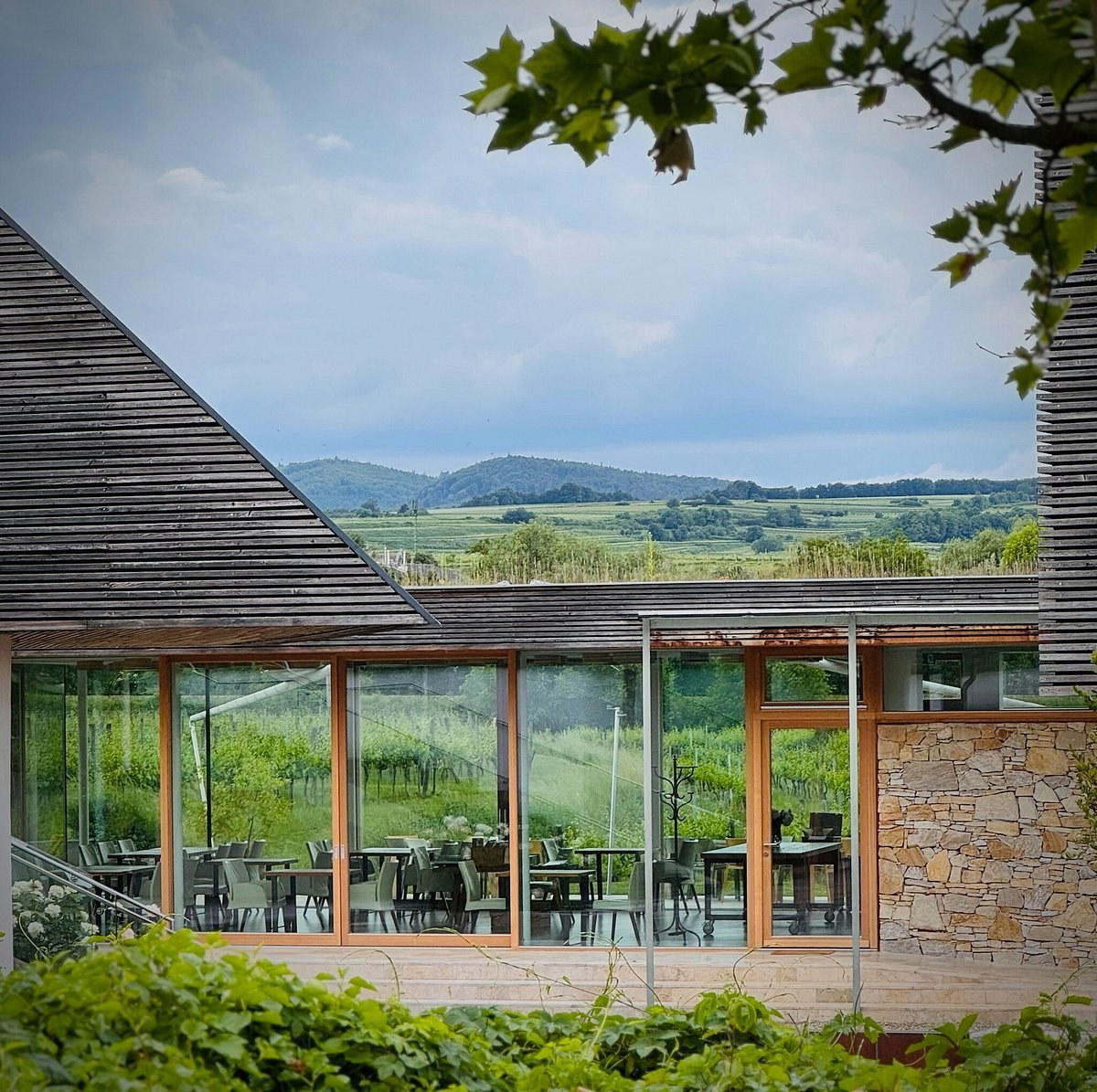
Röschitz does not need to be described with spectacle to make sense as the setting for Weingut Beyer. The picture is quieter and more grounded: a winery atmosphere shaped by tradition, nature, careful vineyard work, and craftsmanship. Rather than presenting the place through claims about visitor formats, named bottles, awards, founding dates, or hospitality extras, the safest way to understand it is through its stated character: rustic, quiet, cozy, classic, and a little hidden-gem in feeling.
That restraint is important. Weingut Beyer is best framed as a Röschitz winery where the appeal lies in a reflective tasting experience and in the sense that wine is connected to the land and to the work behind it. What it does support is a clear mood: tradition-forward, nature-connected, and focused on craft rather than display.
Röschitz wine culture, read through land and cellar
Weingut Beyer’s strongest signal is its relationship to vineyard work and craftsmanship. That may sound simple, but it is a useful distinction for visitors choosing between places on atmosphere rather than on unsupported rankings or elaborate promises. It is as a Röschitz winery whose identity is tied to careful work, a classic sensibility, and a reflective way of presenting wine.
That makes the language around the venue matter. Rather than leaning on unconfirmed details, the experience should be described in terms of tone: rustic, quiet, cozy, and grounded in nature. Those words do not turn the winery into a luxury destination or a heavily programmed attraction. They point instead to a more modest kind of appeal, where the interest is in how the place communicates land, patience, and craft.
For readers comparing options, Weingut Beyer should be considered on its own terms. Other dining or hospitality choices in Röschitz may suit different needs, but the description here is not about a restaurant-style outing or a broad entertainment format. It is about a winery atmosphere with a classic, tradition-forward identity. That is a narrower claim, but it is also the more reliable one.
A reflective winery experience suits the scale
The price level for Weingut Beyer is $$, which places it in an approachable middle range rather than in a luxury-only category. Visitors should therefore approach planning with the usual practical caution: confirm current arrangements directly before making a trip.
What can be said is that the setting is described as quiet and cozy, with a hidden-gem quality. That makes the winery sound more suited to people who value calm surroundings and a thoughtful encounter with wine than to those looking for a loud, highly staged, or nightlife-driven experience. The dress-code and atmosphere cues are also relaxed in spirit: tradition-forward, rustic, classic, and nature-connected, with the emphasis on craft rather than formality.
This is also why it is better not to overstate the venue. Weingut Beyer can be presented as a focused Röschitz winery without adding claims about private tastings, family operation, named winemakers, historic dates, sustainability programmes, or awards. The reliable editorial line is simpler: a quiet winery setting where vineyard work, craftsmanship, and reflective tasting define the appeal.
Why the philosophy matters more than the packaging
Weingut Beyer’s appeal rests on atmosphere and philosophy rather than on a long list of confirmed amenities. The language points to a winery that values nature, careful work, and craft. That gives visitors a useful expectation: the point is not spectacle, but attention. The experience is best imagined as calm and grounded, with wine presented as something connected to place and practice.
Because the confirmed data is limited, the most responsible guide language avoids invented precision. What remains is still meaningful: Weingut Beyer in Röschitz is a $$ winery with a rustic, quiet, cozy, classic atmosphere and a tradition-forward, nature-connected identity. For visitors drawn to that kind of understated wine experience, those grounded facts are enough to set expectations clearly.
Recognition history
Dated appearances from independent guides and award organizations, with the underlying list record or original source where available.
Falstaff Winery - Listed
Falstaff
Continue exploring
More in Röschitz
Wineries in Röschitz
All wineries in Röschitz →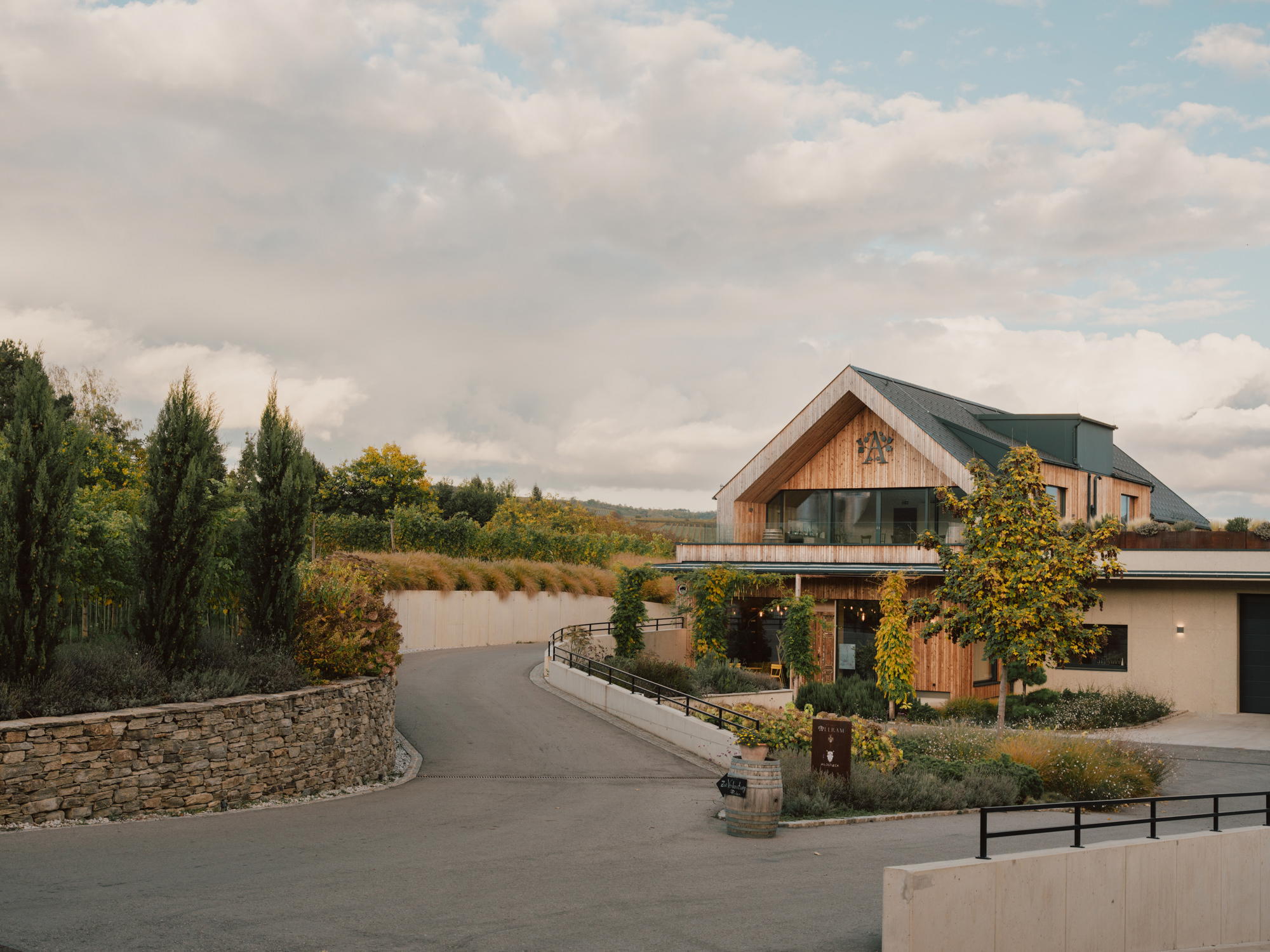
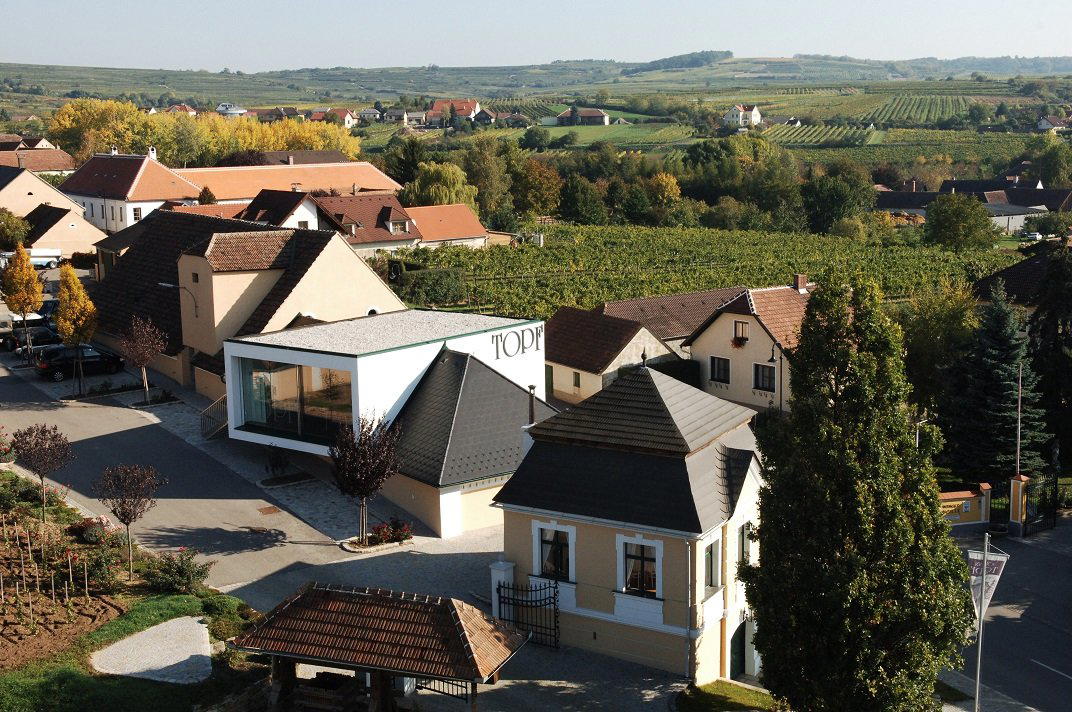
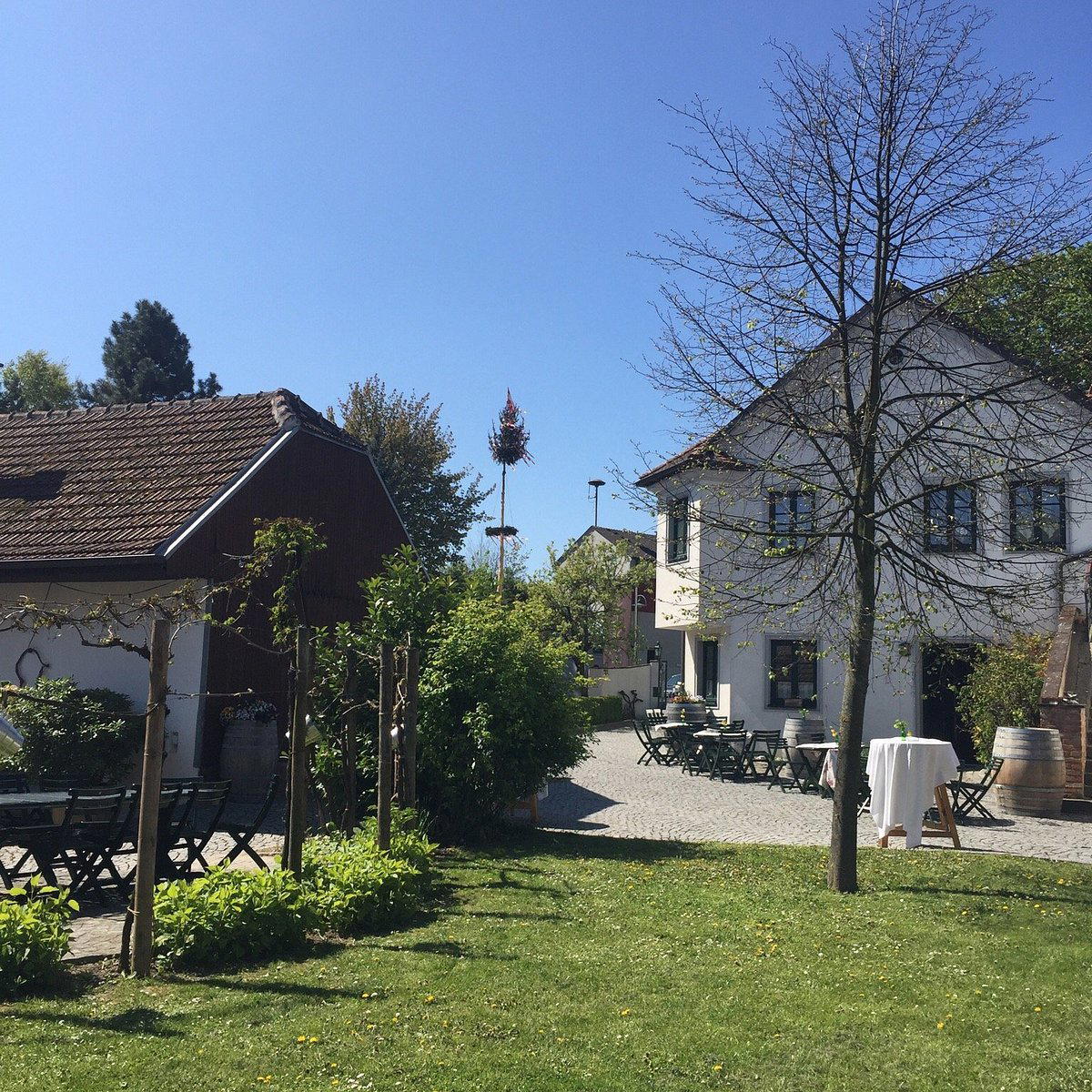
Bars in Röschitz
Browse all →
Restaurants in Röschitz
All restaurants in Röschitz →

Details
- Rustic
- Quiet
- Cozy
- Classic
- Solo Exploration
- Special Occasion
- Wine Education
- Historic Building
- Private Tasting
- Sustainable
- Vineyard
- Still White
- Still Red
- Private Tasting
A tradition-forward, nature-connected winery atmosphere that emphasizes careful vineyard work, craftsmanship, and presenting wines as a reflective tasting experience.