Varaldo Rino

Varaldo Rino is a small, family-run Barbaresco cellar with a focused Langhe portfolio built around Nebbiolo, Barbera, and Dolcetto. Its interest lies in the combination of third-generation stewardship, a compact 7-hectare vineyard footprint, and cellar work that uses short, intensive maceration before extended aging.
Pearl is the En Primeur Club membership app — saves, bookings, and concierge access live there. Same editors, same standards.
- Address
- Barbaresco, Piedmont, Italien
 Saves & bookings on Pearl
Varaldo Rino in Barbaresco is best understood through the limited information: it is presented as a traditional, family-run cellar with a heritage-driven, craft-focused character. The tone is described as classic, rustic, quiet, and somewhat hidden-gem in feel, rather than as a high-gloss or heavily staged venue. That makes the venue easier to understand as a place defined by atmosphere and continuity, not by a long checklist of public-facing amenities or elaborately described services.
What can be said with confidence is narrower but still useful: the appeal is the atmosphere of a family-run Barbaresco cellar, with an emphasis on tradition, quietness, and craft. Strong reading is deliberately modest, because the available description points to a restrained cellar identity rather than to a fully documented hospitality concept.
Barbaresco through a traditional cellar lens
Varaldo Rino fits a quieter reading of Barbaresco: less about spectacle and more about a classic cellar atmosphere. The description points to a venue that feels rustic and heritage-minded, the kind of place where the setting itself is part of the experience. It should not be presented as a luxury showpiece, a restaurant, or a venue defined by elaborate hospitality claims unless those details are confirmed directly. In this sense, particularly useful emphasis is not on embellishment, but on the calm, traditional frame already attached to the place.
For readers planning time in Barbaresco, a reliable way to frame Varaldo Rino is as a traditional family-run cellar with a craft-focused character. That phrasing matters because it keeps expectations grounded. The page should not imply a particular tasting structure, menu, wine list, production method, or reservation policy without support. It can, however, help readers understand the likely style of the stop: simple in presentation, rooted in local cellar culture, and better approached with curiosity than with fixed assumptions.
Beyond that, no specific tasting fee, bottle price, package, or service charge is here, so those details should be checked directly before visiting. The $$ marker is useful for broad orientation, but it should not be treated as a substitute for current, practical confirmation.
Family continuity without turning heritage into theatre
The strongest identity signal for the winery is not a numerical accolade or a detailed technical program, but its traditional family-run cellar atmosphere. That is a meaningful distinction. Many venue pages become less useful when they overstate precision, attaching unconfirmed dates, names, awards, or production details to create a fuller story than the facts support. For the winery, the honest profile is more restrained, and that restraint is part of the editorial value of the listing.
That restraint can still be valuable. A classic, rustic, quiet cellar atmosphere is a clear positioning cue for travelers who prefer a low-key Barbaresco stop over a highly polished venue. The phrase “” should be read as a mood descriptor rather than as proof of rarity, critical ranking, or insider status. The wording should therefore remain suggestive, not definitive, describing the feeling of the venue rather than making a claim about its standing.
In practical terms, visitors should treat the winery as a venue to confirm directly before making plans. The available facts do not establish opening hours, walk-in availability, tasting arrangements, group policies, food service, delivery, accessibility details, or dietary accommodations. This is especially important for a cellar-style venue, where the experience may depend on direct communication rather than standardized public information.
How to read the visit in a serious wine itinerary
For an itinerary in Barbaresco, the winery’s role is atmospheric and place-based: a traditional, family-run cellar with a heritage-driven and craft-focused character. It is well suited to readers who value quiet, rustic settings and who are comfortable confirming operational details directly rather than relying on a fully specified public profile. In a serious wine itinerary, that can be a strength, provided expectations remain aligned with what is actually known.
The responsible editorial approach is to keep the guide focused on the confirmed essentials: Barbaresco, $$ pricing, and a classic family-run cellar atmosphere. Those elements are enough to give the venue a clear identity without overstating the case.
Compared with other dining or hospitality options in Barbaresco, the winery should be framed according to what is actually known. It is not useful to force it into a restaurant-style template, a tasting-menu format, or a luxury travel narrative. Its appeal, as verified, is quieter: traditional, rustic, and craft-focused. That makes the listing most helpful when it remains precise about its limits and generous in explaining the kind of mood those limits suggest.
The editorial case is therefore simple. The winery is a Barbaresco venue with a family-run cellar identity and a classic, hidden-gem feel. Readers interested in that style should consider it, while checking all practical details directly before committing to a visit. The right expectation is a grounded one: a traditional cellar profile, not an overbuilt promise.
Recognition history
Dated appearances from independent guides and award organizations, with the underlying list record or original source where available.
Falstaff Winery - Listed
Falstaff
Continue exploring
More in Barbaresco
Wineries in Barbaresco
Browse all →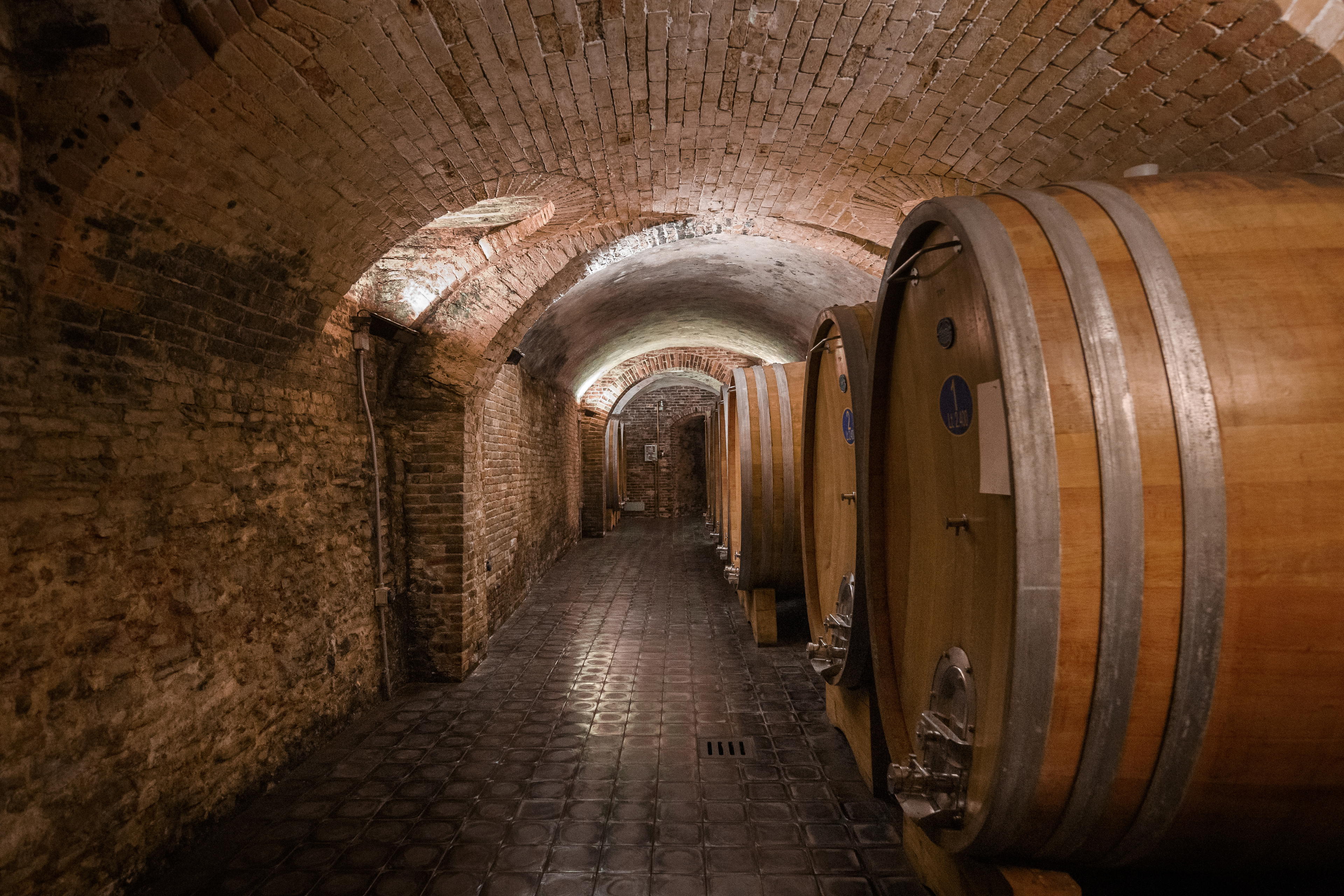
Bars in Barbaresco
Browse all →
Restaurants in Barbaresco
Browse all →
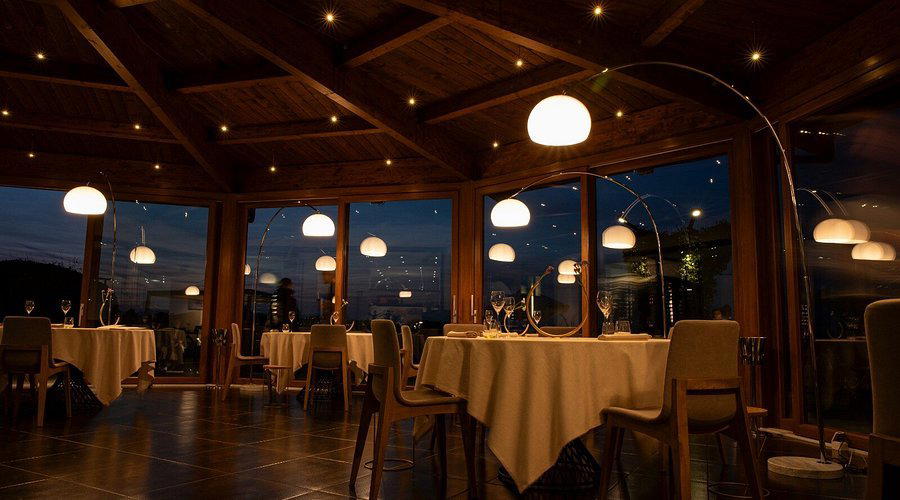
At a Glance
- Classic
- Rustic
- Quiet
- Solo Exploration
- Special Occasion
- Wine Education
- Private Tasting
- Historic Building
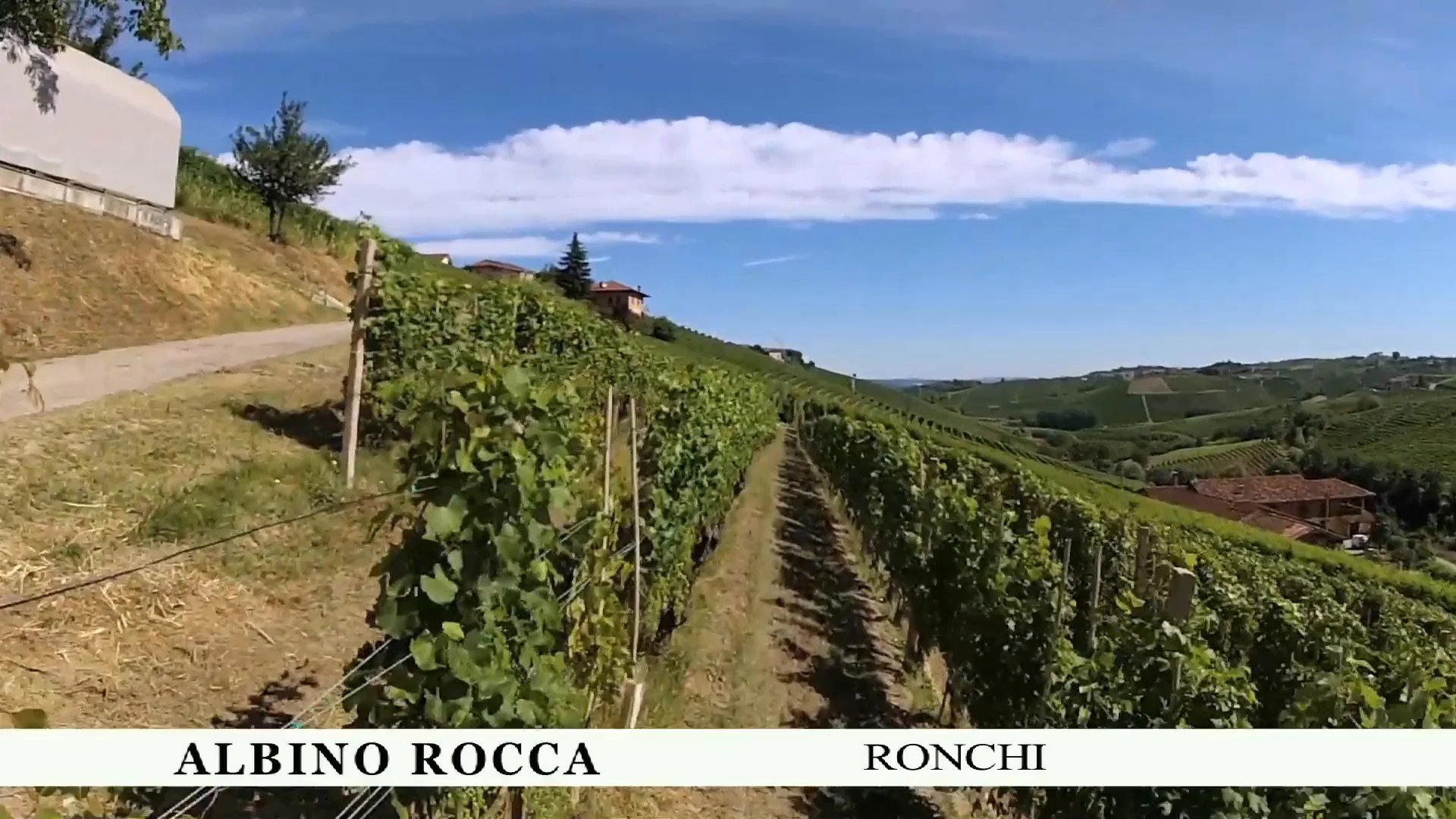
- Vineyard
- Barbaresco DOCG
- Nebbiolo
- Barbera
- Dolcetto
- Still Red
- Tasting
Traditional, family-run cellar atmosphere with a heritage-driven, craft-focused character.