
1 Michelin Key
Selected by the Michelin Guide Hotels 2025, The Largo occupies a 19th-century address on Largo de São Domingos in central Porto, positioning it within a small cohort of character-led properties that trade on architectural heritage rather than corporate scale. For travellers who treat accommodation as part of the city's story, this address makes a considered case for itself.

Pearl is the En Primeur Club membership app, where members save venues, book tables and use the concierge.

Stone, Silence, and the Square Outside
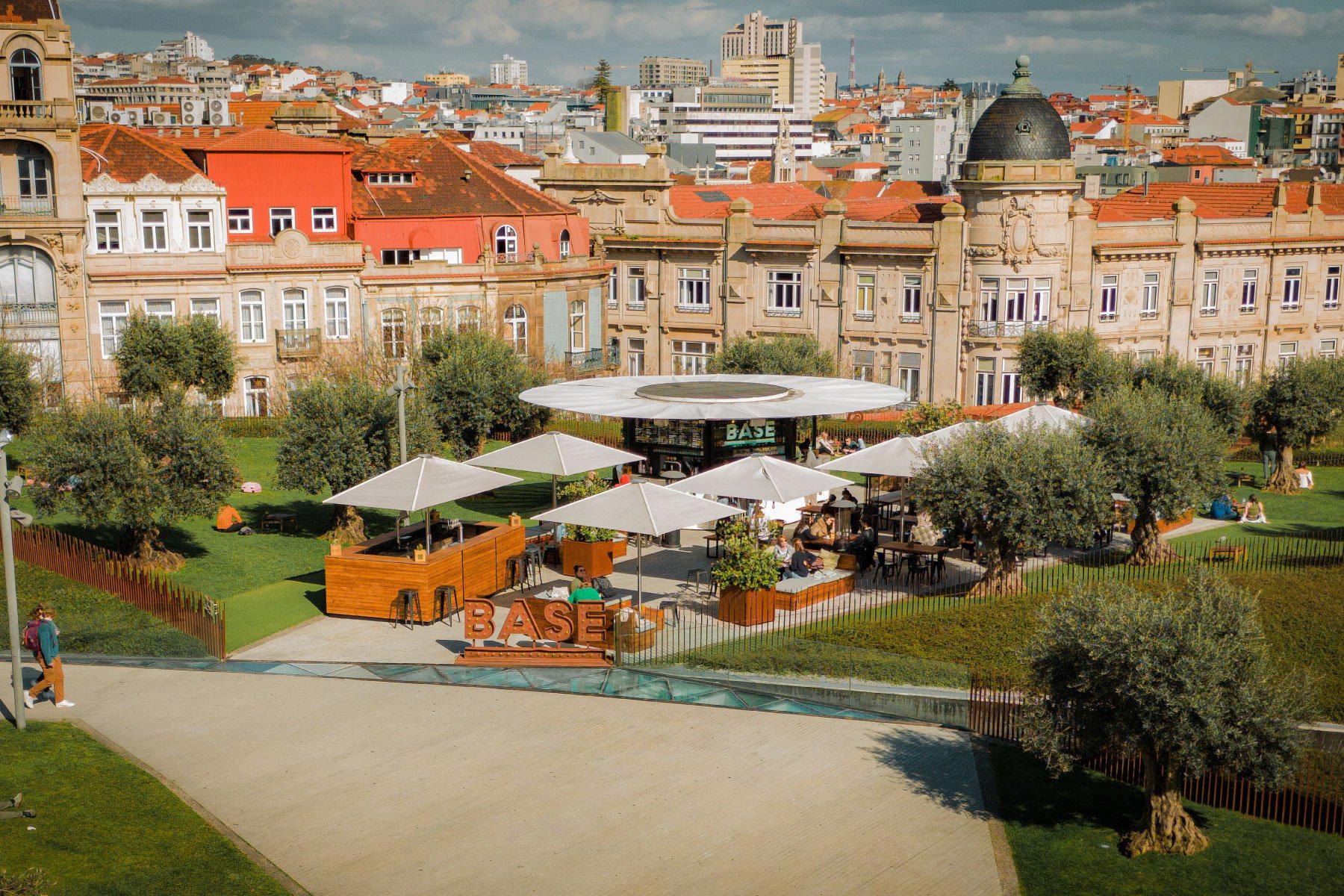
Porto's premium hotel market has split cleanly over the past decade. On one side, large international brands occupy the city's grand palaces and converted civic buildings, offering the full-service infrastructure their loyalty programmes demand. On the other, a smaller cohort of architecturally distinctive, low-key properties has grown around the idea that the building and its neighbourhood are the amenity. The Largo sits in that second group, planted on Largo de São Domingos, a square in the historic Batalha district where the city's layered stonework is not decoration but structure. Arriving here, you are not walking into a hotel lobby that could have been built anywhere; the address itself is the first thing you register.
The Michelin Guide's 2025 hotel selection includes The Largo, a designation that places it alongside properties recognised for character, setting, and quality of hospitality rather than star count alone. Michelin's hotel programme evaluates properties across Europe on criteria that extend well beyond room size, and inclusion signals that The Largo meets a threshold of considered design and guest experience that many technically adequate properties do not reach.
The Retreat Logic of a City-Centre Address
Wellness in urban hotels rarely means spa suites and treatment menus alone. More often, it comes down to how effectively a property allows a guest to decompress within a city rather than simply stopping in it. Porto's historic core is dense, loud in patches, and leading absorbed slowly, and The Largo's position on a named square rather than a through-road gives it a structural advantage that many central addresses cannot claim. The square functions as a buffer, offering a measure of acoustic separation from the heavier pedestrian and traffic corridors that run closer to the waterfront and the commercial Aliados axis.
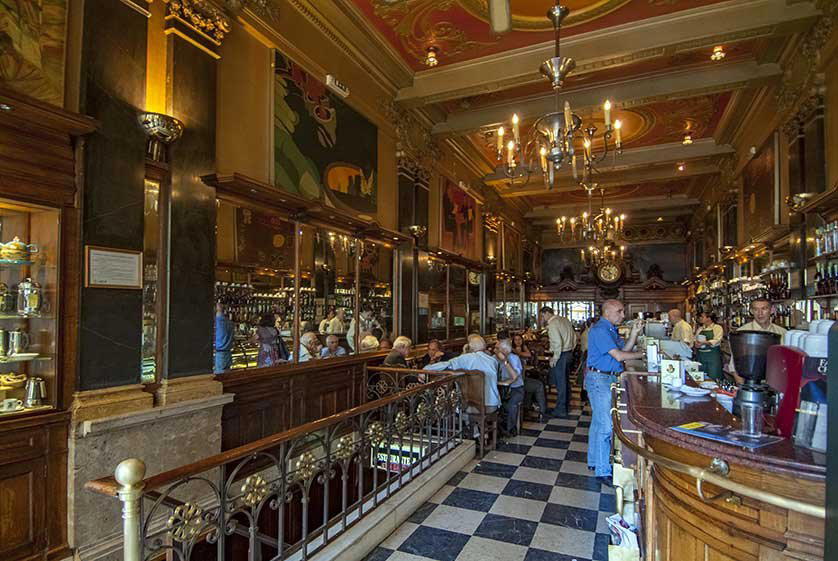
For travellers whose version of retreat involves walking into a neighbourhood that rewards attention, the Batalha and Bonfim corridors immediately east of São Domingos offer exactly that. The area holds azulejo-tiled churches, independent wine bars, and the kind of mid-century café furniture that does not arrive as a styling decision but as simple fact. That texture, walkable from the door, is part of what a property like The Largo is implicitly offering when it chooses not to build a standalone resort amenity package. The city is the programming.
Porto's hotel cohort at this level includes properties with a similar philosophy. Casa do Conto and Casa da Companhia both work with converted historic fabric in similar price and character tiers, while Hospes Infante Sagres Porto and the InterContinental Porto Palacio das Cardosas occupy the grander civic palace format. The Largo reads closer to the first group: modest in footprint, specific in location, and anchored to a particular street address rather than a category of amenity.
Porto as a Wellness Destination in Its Own Right
The city's hospitality character has shifted meaningfully since 2015. Porto was for years treated as a weekend extension of Lisbon, but independent travellers increasingly treat it as a primary destination, and the hotel stock has followed. Properties like GA Palace Hotel & SPA have introduced full spa programming to the Porto market, while the Altis Porto Hotel and Exmo Hotel by Olivia have broadened the contemporary mid-to-upper tier. The result is a city where premium travellers have genuine choice across different formats, and where a Michelin-selected property like The Largo occupies a specific niche rather than a default category.
For guests who plan around recovery and pacing rather than structured spa schedules, Porto offers its own circuit. The Douro riverfront is a 20-minute walk from São Domingos, practical for morning movement without requiring a hotel gym. The city's wine culture, anchored in the Port lodges of Vila Nova de Gaia directly across the river, provides the kind of slow afternoon programming that sits between tourism and genuine rest. Porto's thermal bath tradition is thinner than Lisbon's, but the broader northern Portugal wellness corridor extends quickly: Vidago Palace in the Norte region carries a full spa and thermal water programme for guests who want to extend a Porto stay into dedicated retreat territory, and The Lince Braga offers another node an hour north.
Planning a Stay
The Largo's address at Largo de São Domingos, 60 places it in the Batalha quarter, within walking distance of the São Bento railway station, the Clérigos tower, and the main Aliados boulevard. For guests arriving by air, Francisco Sá Carneiro Airport connects to the city centre via the Metro's Violet line, with journey times typically under 35 minutes to the central stations. Booking contact details and current rate information are best confirmed directly through the Michelin Guide Hotels listing, where The Largo appears under the 2025 selection. For broader context on where The Largo fits within Porto's dining and neighbourhood offer, the EP Club Porto guide maps the city's hospitality across food, drink, and accommodation categories.
Travellers who want to combine a Porto base with other parts of Portugal will find the country's geography compact enough to use the city as a hub. Hotel Casa Palmela in Setúbal, Sheraton Cascais Resort in Cascais, and Hotel Britania Art Deco in Lisbon are all reachable within three hours by road or rail. For those extending into the Douro Valley wine country east of Porto, Ventozelo Hotel & Quinta in Ervedosa do Douro is the obvious continuation. The Azores are a separate proposition entirely, but Octant Furnas in Furnas and Aqua Pópulo in Ponta Delgada both operate in the wellness-led category for guests whose itinerary extends that far.
Awards and Standing
Comparable venues nearby, for context on price, style, and recognition.
| Venue | Cuisine | Price | Awards | Notes |
|---|---|---|---|---|
| The LargoThis venue (the venue you are viewing) | Residential-style boutique retreat blending Portuguese heritage with contemporary Scandinavian design | Not listed | 1 Michelin Key | Not listed |
| Torel 1884 | Historic 19th-century palace restored with modern luxury and exploration-themed interiors. | $100–200 | 1 Michelin Key | Baixa |
| M Maison Particulière Porto | Owner-managed luxury boutique hotel blending historical authenticity with contemporary comfort in a UNESCO-listed heritage district. | Not listed | Not listed | Vitória |
| Canto de Luz | Restored historic townhouse with modern extensions including garden villas. | Not listed | Michelin Selected · Mr & Mrs Smith Seal of Approval | Cedofeita |
| Altis Porto Hotel | Contemporary wellness boutique | $100–200 | Condé Nast Johansens Best New Hotel · Preferred Hotels L.V.X. Collection | Miragaia |
| Torel Avantgarde | Avant-garde design hotel celebrating early 20th-century artistic movements with contemporary luxury | $300–500 | 1 Michelin Key | Ribeira |
Recognition history
Dated appearances from independent guides and award organizations, with the underlying list record or original source where available.
Michelin 1 Key
Michelin
Full recognition history (2 entries)
Michelin Selected
Michelin
Continue exploring
More in Porto
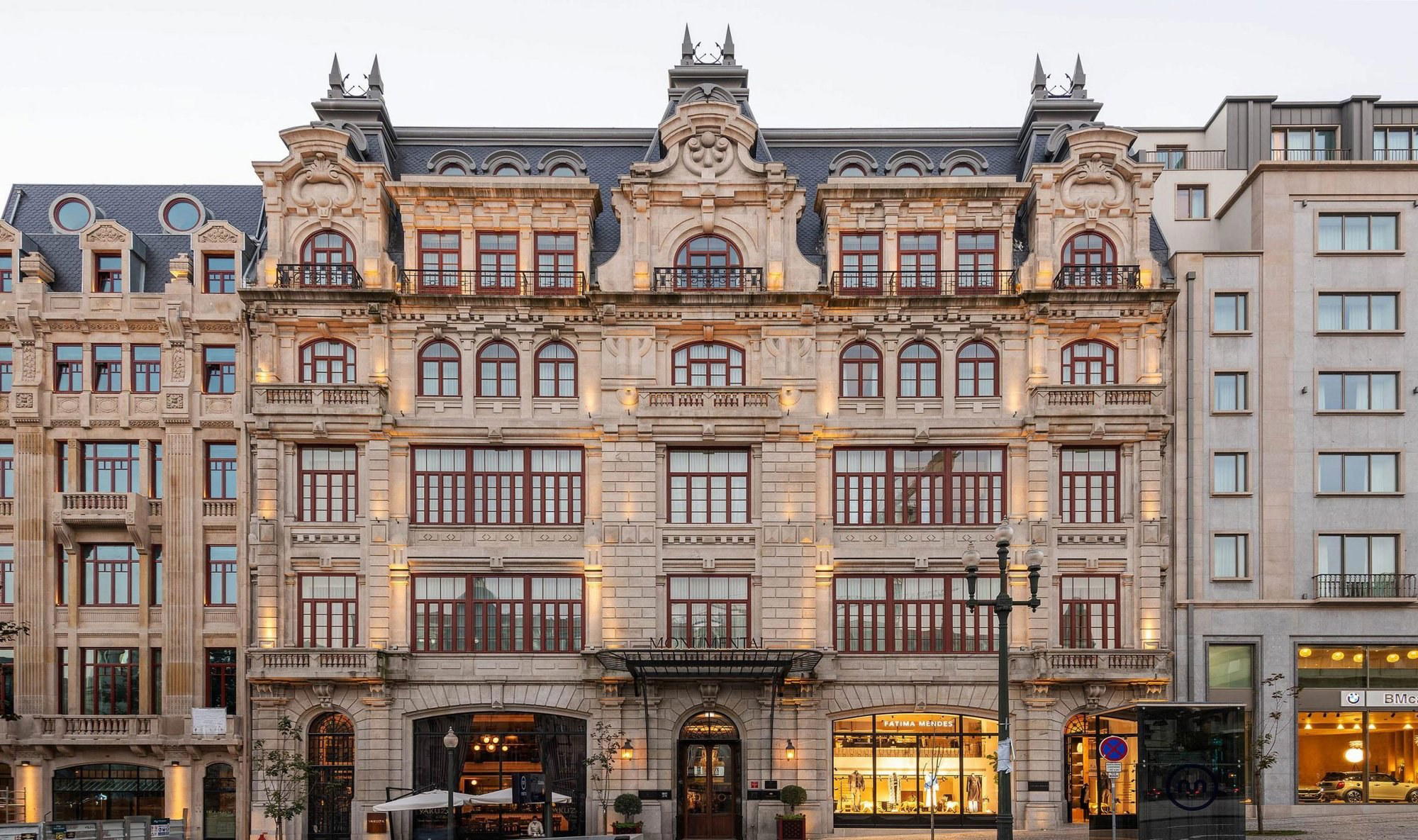
Hotels in Porto
All hotels in Porto →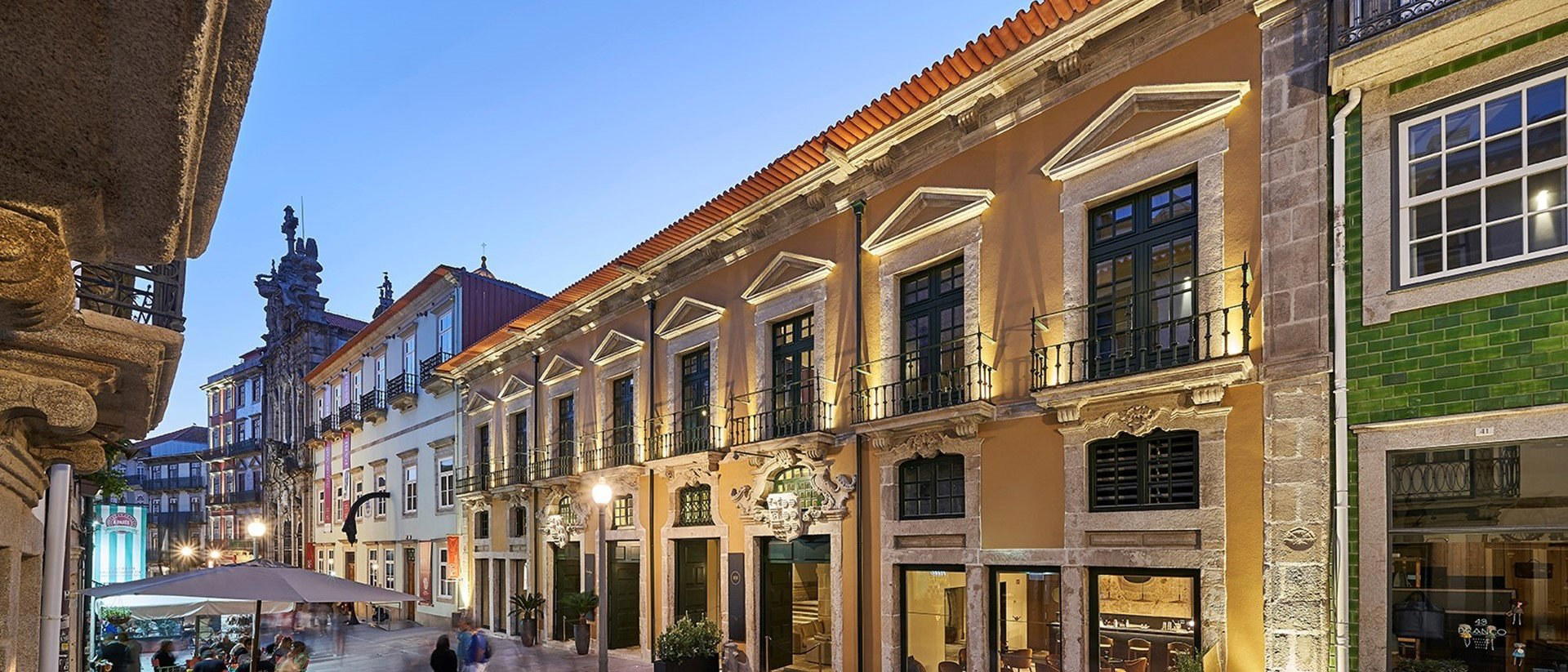
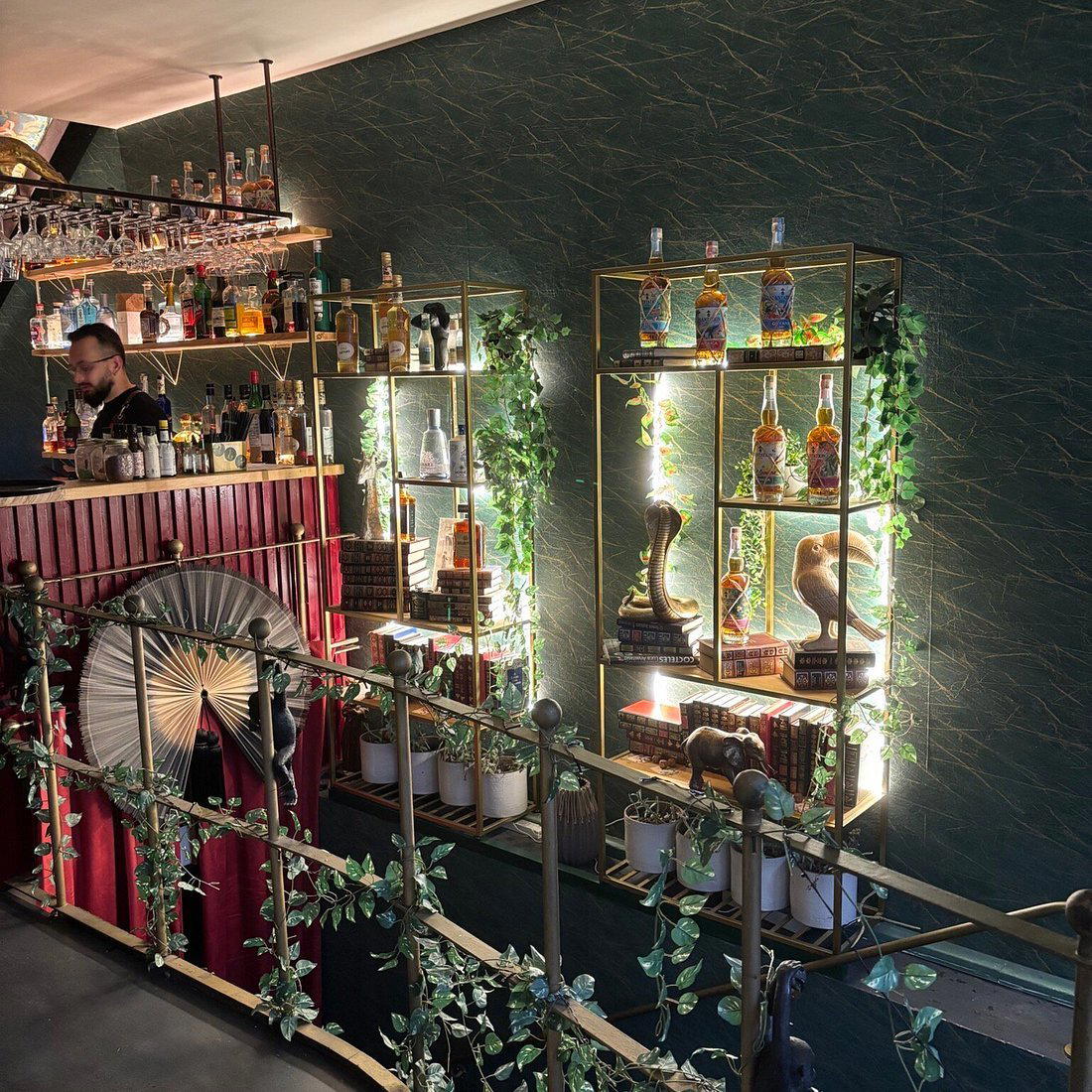
Bars in Porto
All bars in Porto →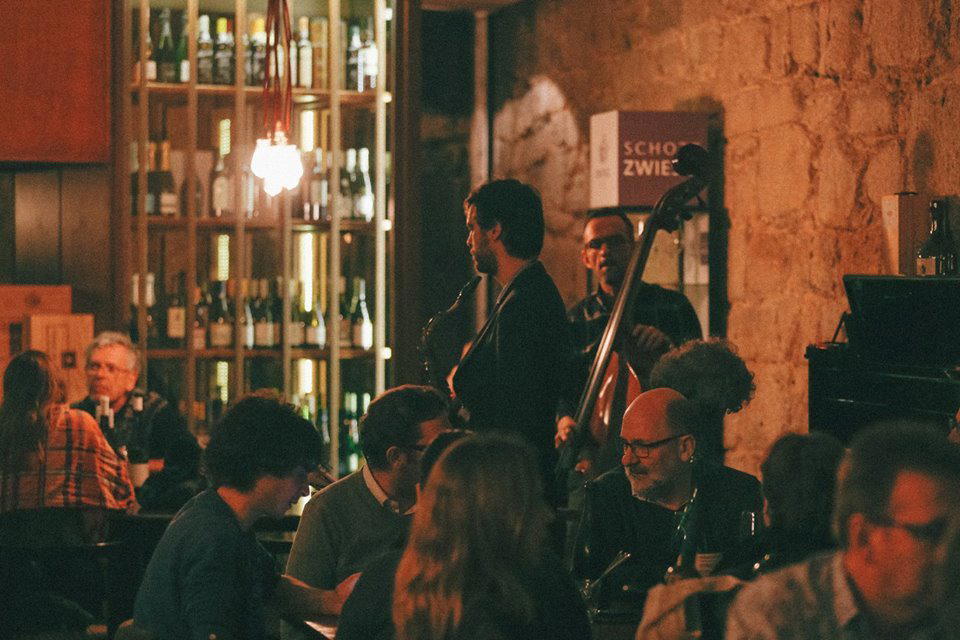
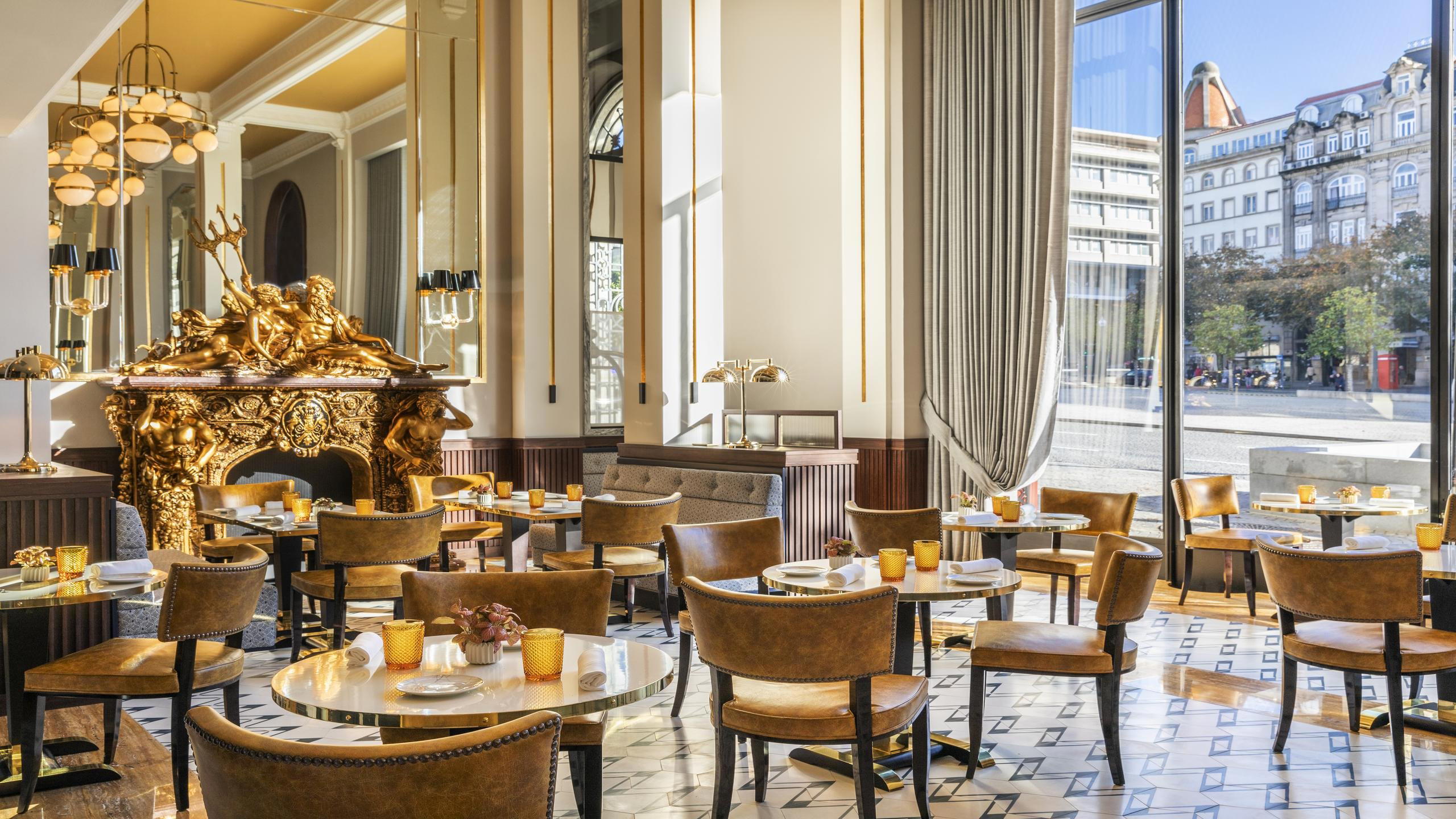
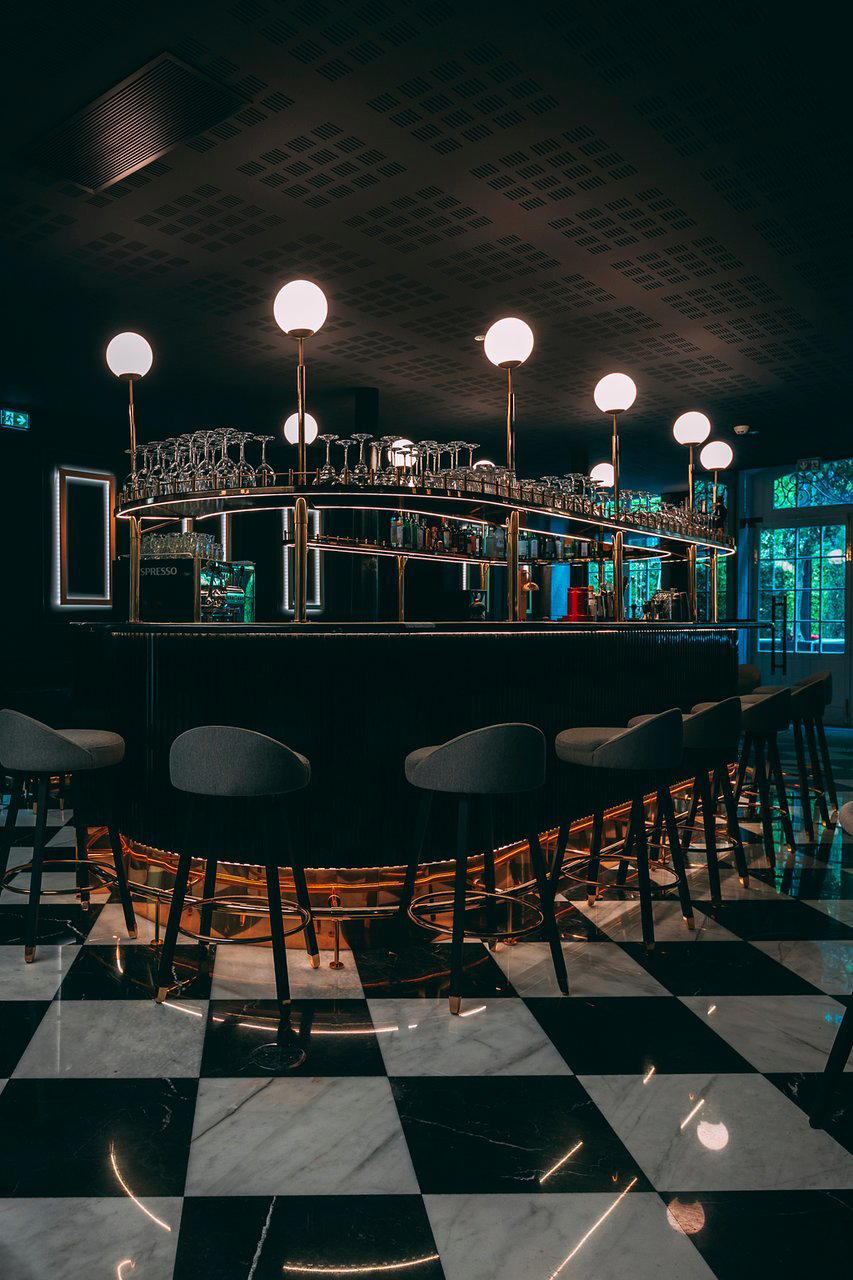
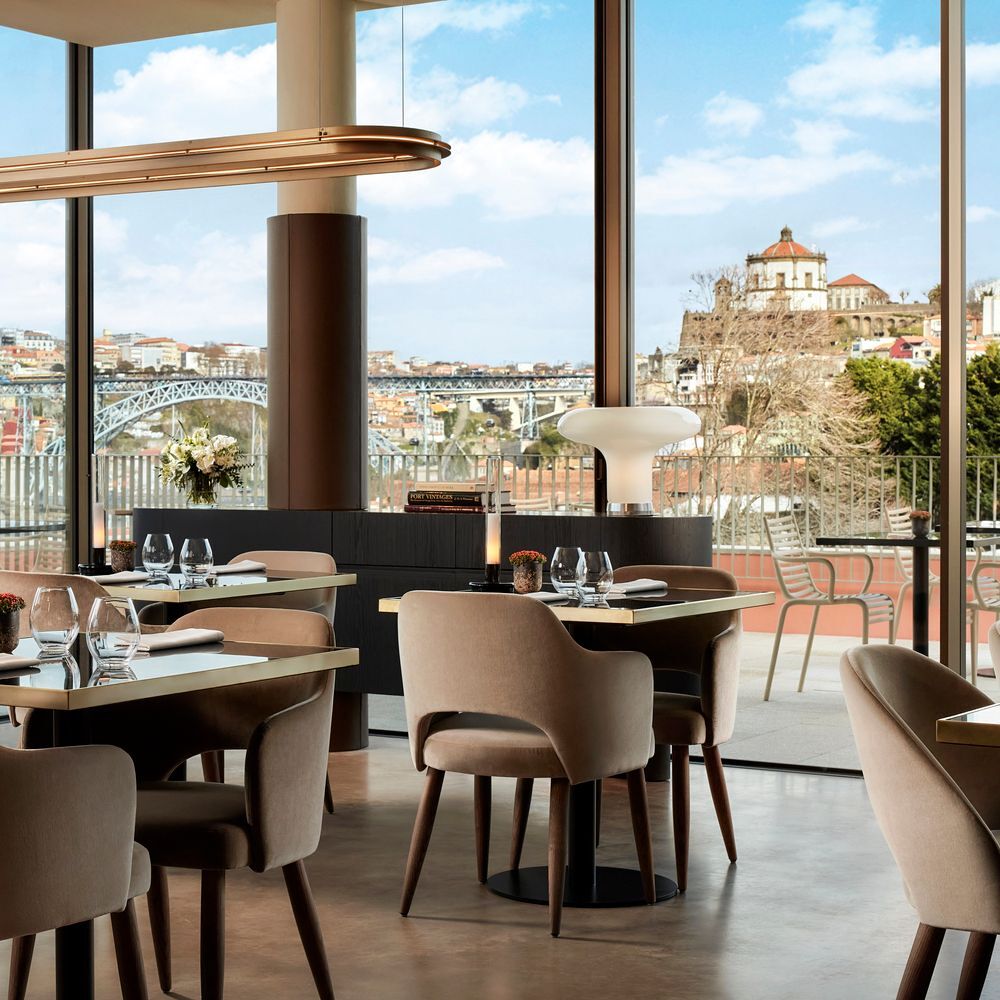

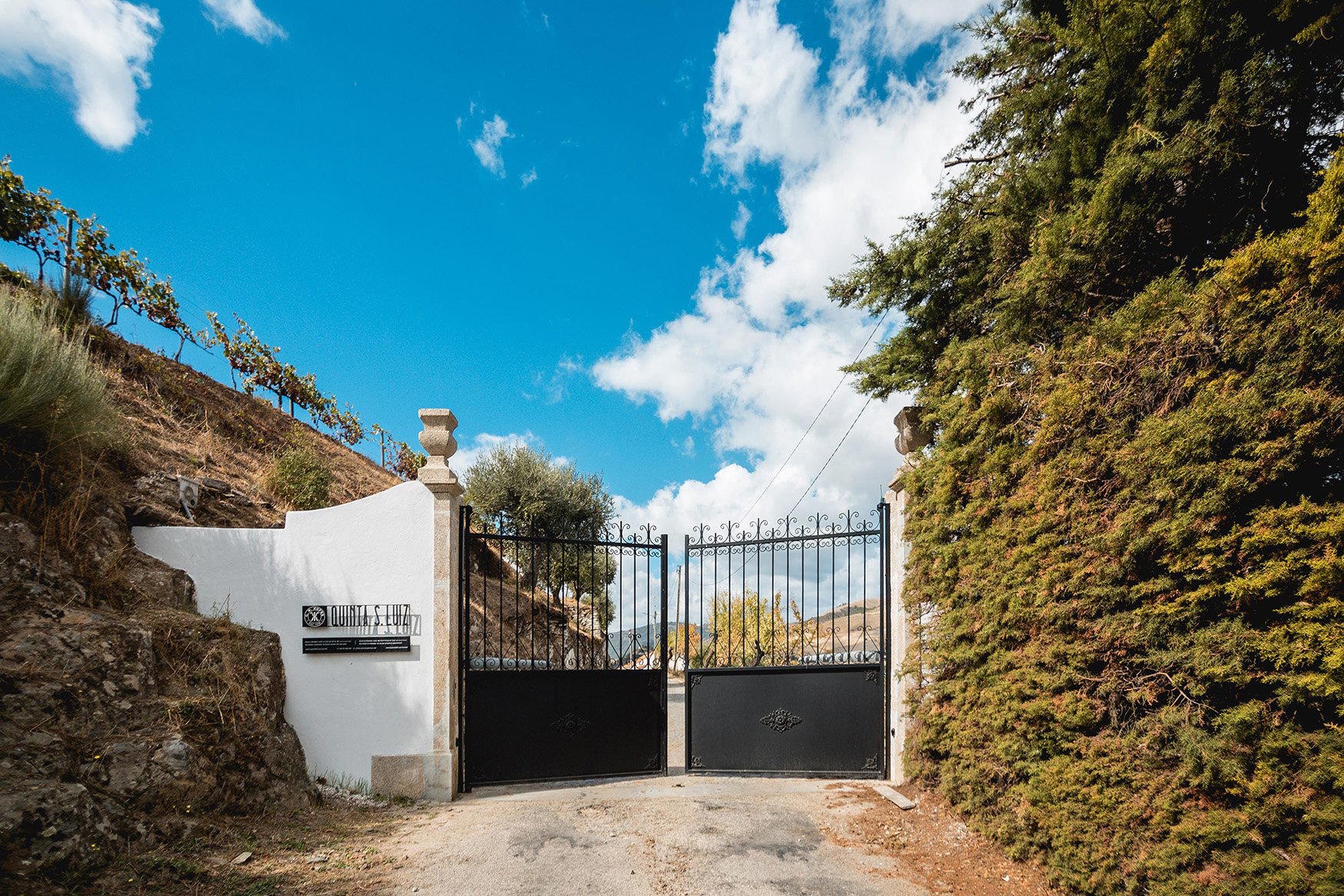
Details
- Sophisticated
- Intimate
- Elegant
- Modern
- Quiet
- Romantic Getaway
- Weekend Escape
- Historic Building
- Design Destination
- Terrace
- Private Dining
- Wi Fi
- Pool
- Fitness Center
- Concierge
- Room Service
- Valet Parking
- Street Scene
- Elevator
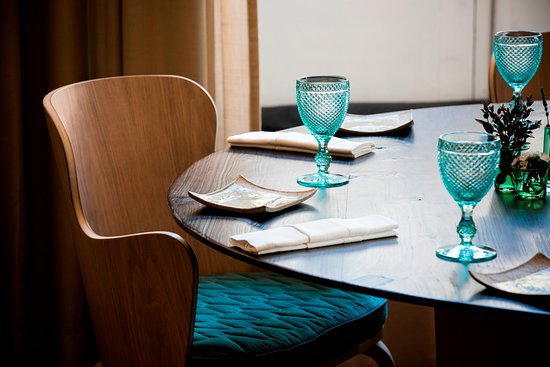
Serene and understated with muted neutral tones, clean lines, layered tactile materials, and soft lighting that encourages guests to slow down; a calm Scandinavian sensibility woven through centuries-old Portuguese architecture.