Tenute Niccolai - Podere Bellarina

Tenute Niccolai - Podere Bellarina belongs to the quieter side of Montalcino: a small Tuscan estate identity shaped around Brunello di Montalcino DOCG rather than broad hospitality spectacle. Its story is strongest when read through terroir, Sangiovese, limited production and the Castelnuovo dell’Abate area, with a price positioning that sits in the premium Brunello conversation.

Pearl is the En Primeur Club membership app — saves, bookings, and concierge access live there. Same editors, same standards.

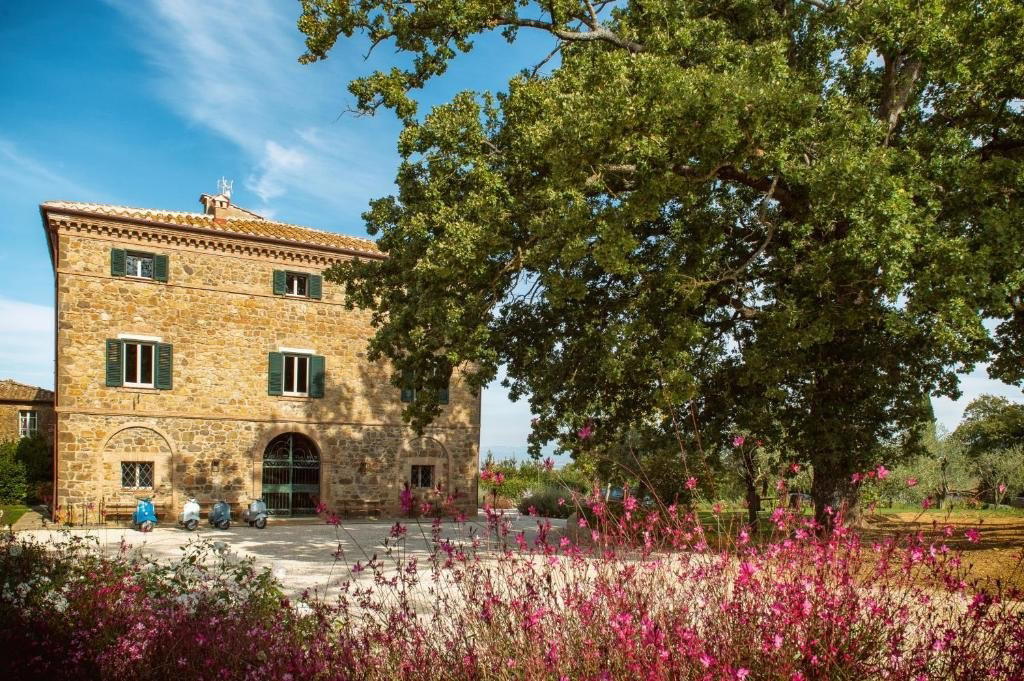
The approach to Brunello is rarely loud. Around Montalcino, the language of value is place, patience and the discipline of a Tuscan wine culture that rewards structure over immediacy. Tenute Niccolai - Podere Bellarina fits that quieter register: a traditional Tuscan winery setting centered on Brunello production, with a small estate feel and a strong connection to the Montalcino terroir.
This is not a page to read as a broad lifestyle promise or a detailed service listing. The picture is narrower and more useful: Tenute Niccolai - Podere Bellarina is best understood as a rustic, classic and quiet Montalcino wine address, priced at $$$, with its identity tied to Brunello rather than to a wider hospitality concept. That makes the estate relevant for readers who are trying to understand the character of Montalcino through small, terroir-driven producers rather than through spectacle.
Montalcino gives the estate its most useful context
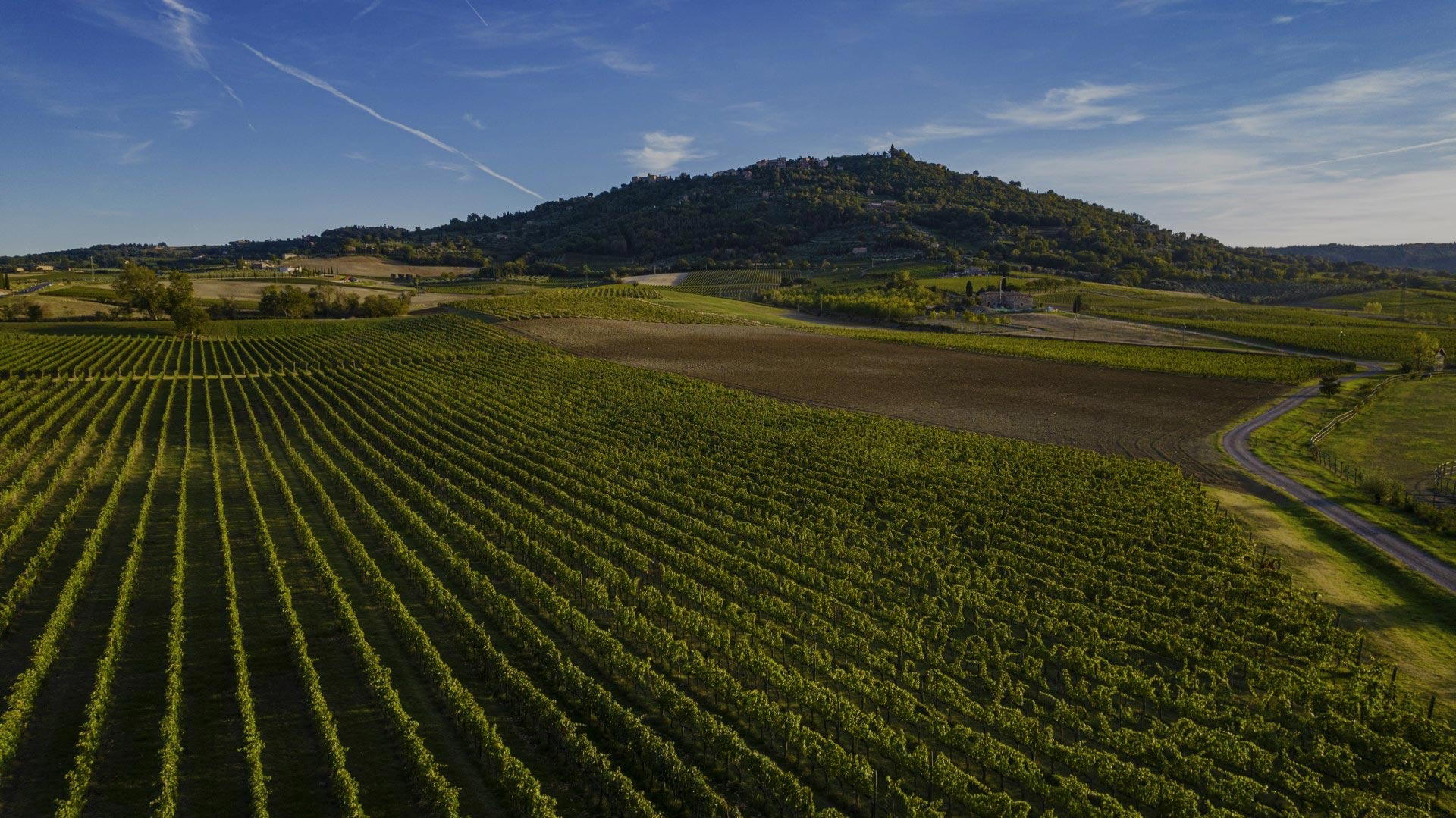
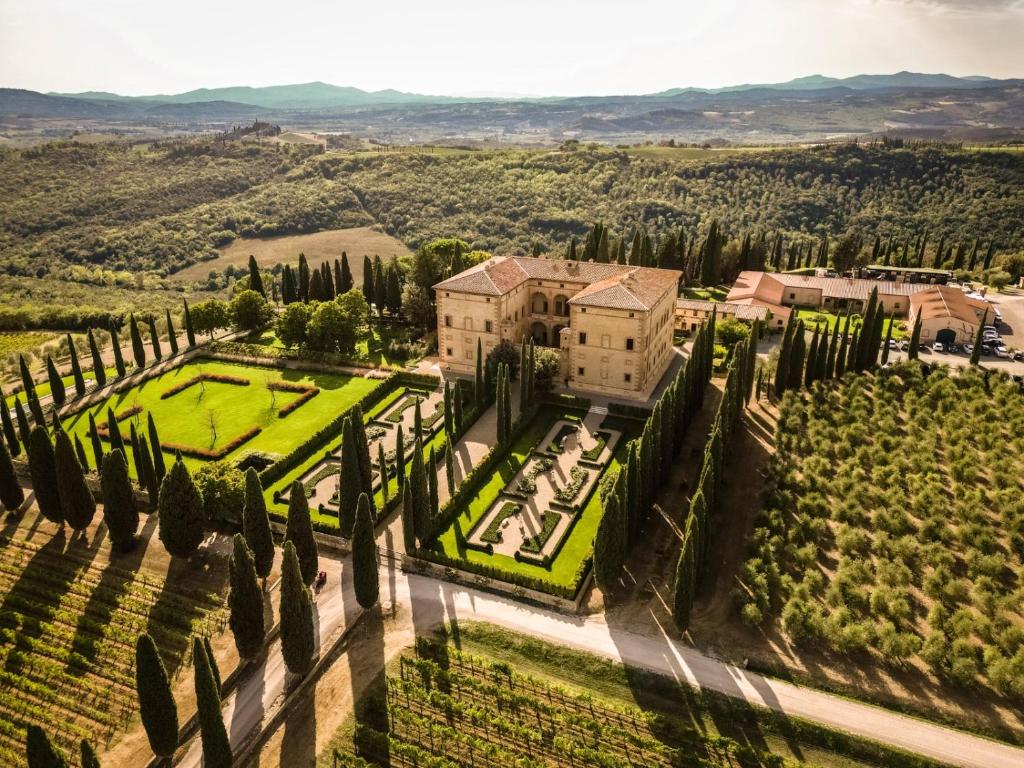
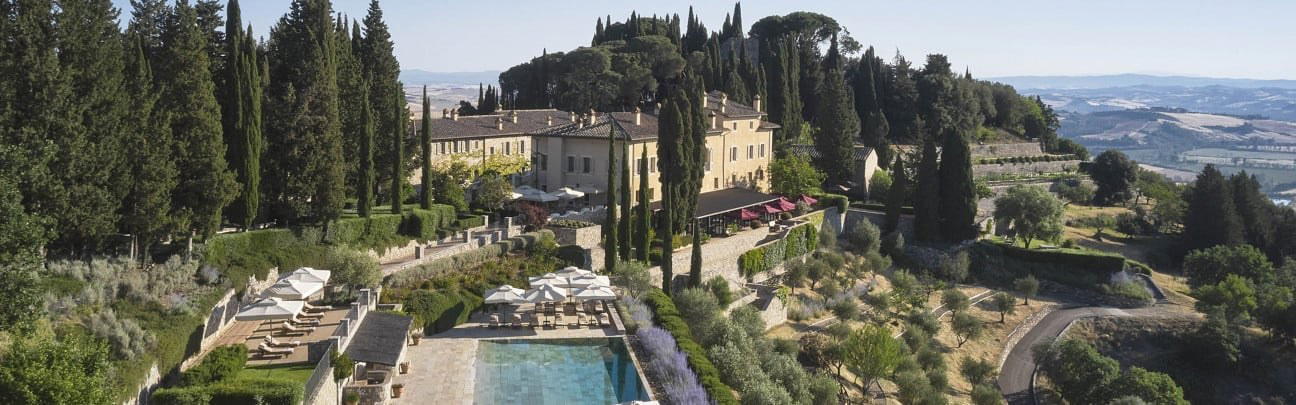
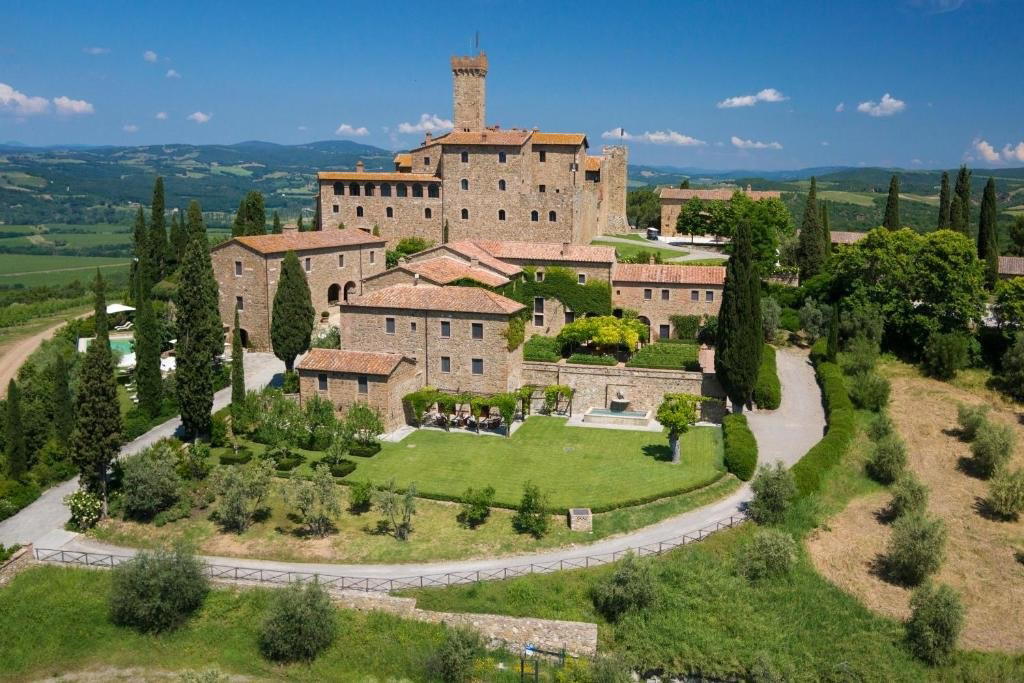
One meaningful way to read this address is through place rather than personality. Montalcino is one of Tuscany’s defining wine names, and its best-known identity is inseparable from Brunello. For Tenute Niccolai - Podere Bellarina, the context is clear enough without adding unsupported detail: it is a Tuscan winery setting, rooted in Brunello production and described by a small-estate tone rather than by scale, celebrity or resort-style presentation.
That matters because Montalcino can be approached in different ways. Some visitors arrive for famous labels, some for countryside atmosphere, and some for a more focused sense of how Brunello producers express the local terrain. The winery belongs most naturally in that last frame. Its appeal is not an invented list of services, dishes, awards or visitor amenities; it is the quieter proposition of a rustic winery tied to the Montalcino terroir.
The price level is listed as $$$, which places it in a premium bracket without needing to claim a specific bottle price, tasting fee or menu format. Readers should treat this as a serious Montalcino wine stop rather than as a restaurant, bar or general-purpose hospitality venue with confirmed dining, delivery, allergy, seating or group-service information.
Small-estate character keeps the focus on Brunello rather than spectacle
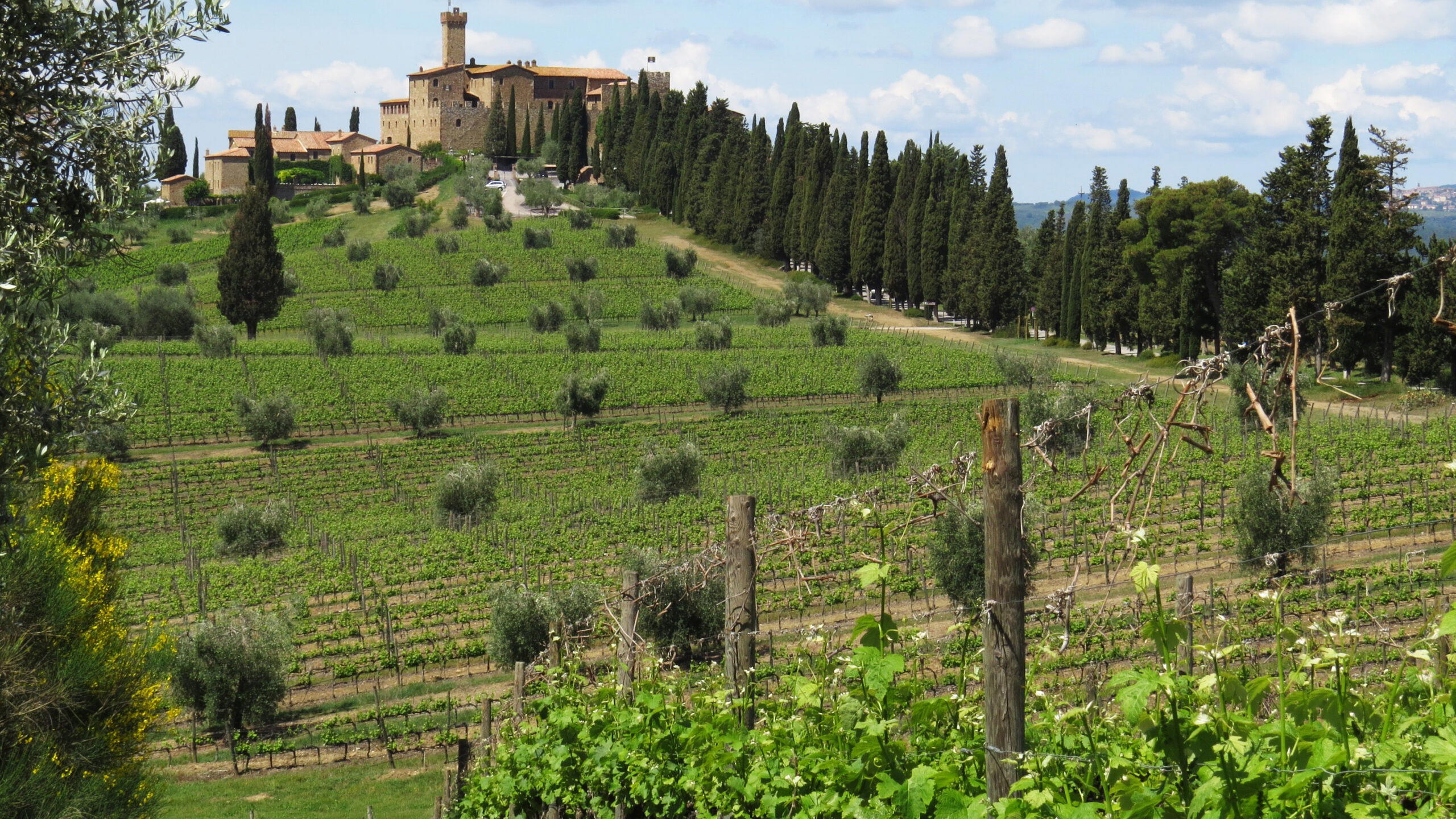
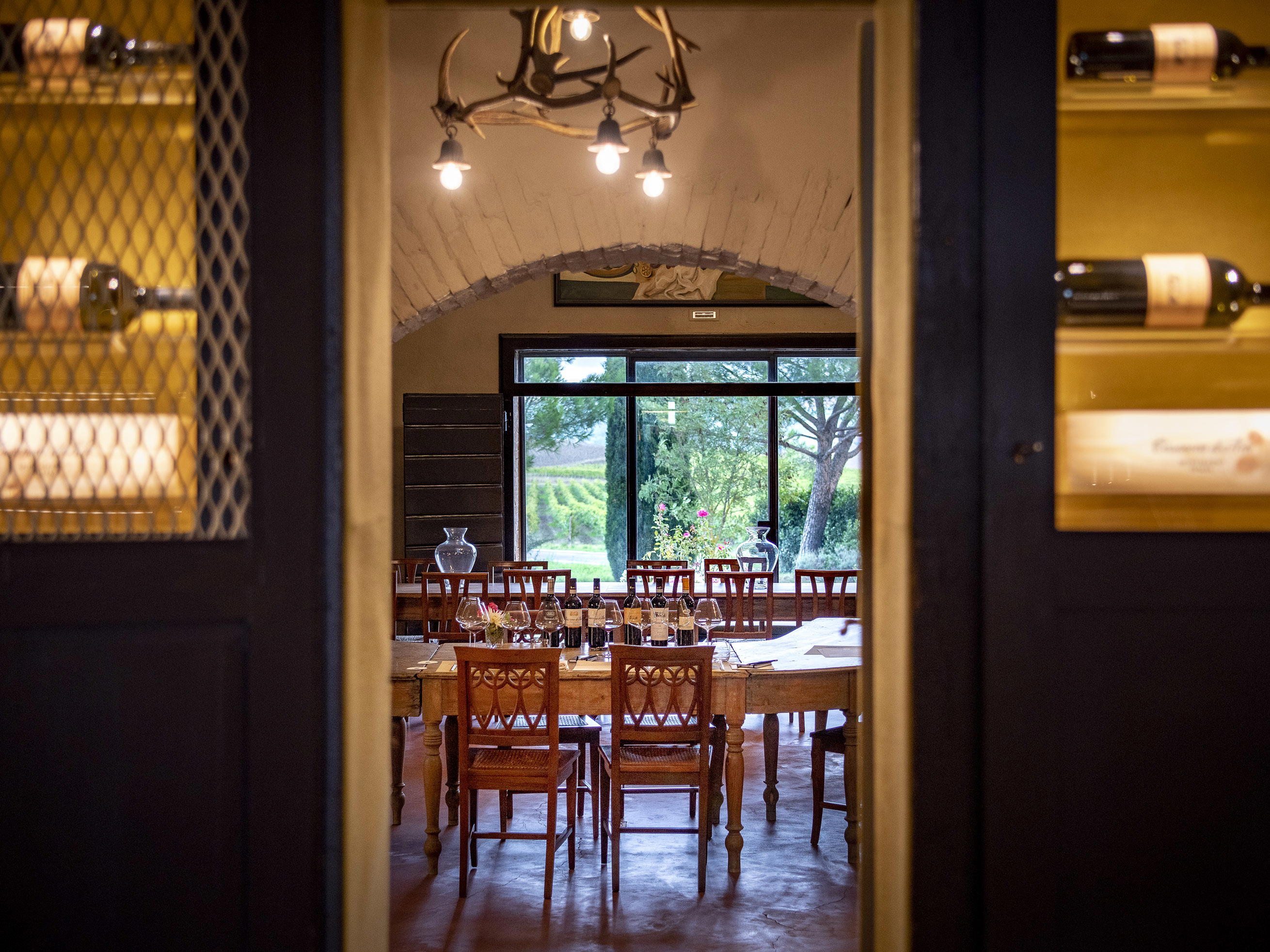
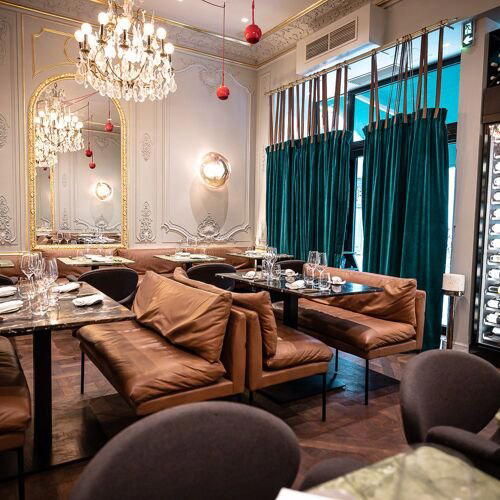
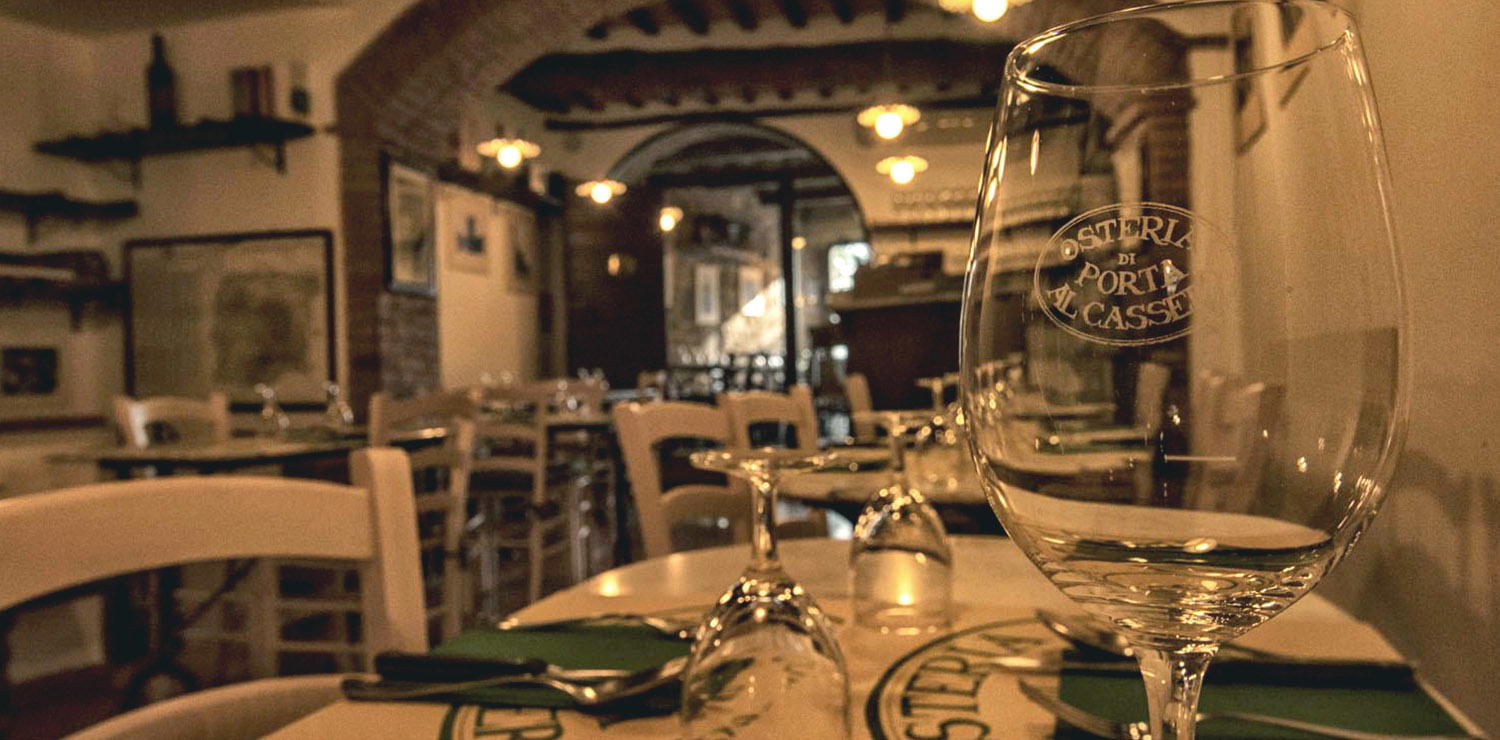
The strongest grounded description of the winery is atmospheric: quiet, classic, rustic and somewhat hidden-gem in feel. Those words are useful because they set expectations without overpromising. They suggest a place whose value comes from the traditional Tuscan winery setting and its relationship to Brunello production, not from a highly documented public program of events, food pairings or curated visitor formats.
That restraint is important for accuracy. The honest editorial position is therefore to keep the focus on what is known: Montalcino, Brunello, a small estate feel, rustic classicism and a $$$ price level.
In a region where scores, medals and critic language can easily dominate the conversation, that quieter framing is still meaningful. It tells the reader what kind of experience to expect without turning thin data into false certainty.
How to place it within a Montalcino wine itinerary
A strong Montalcino itinerary benefits from contrast. The area can include more formal dining, town-based stops, rural wine addresses and slower countryside time. The winery fits the part of that itinerary where the goal is to understand Brunello through a small, traditional estate atmosphere. It is better framed as a focused wine stop than as a confirmed restaurant, hotel, bar or event venue.
For planning, the safest approach is to treat the listing as a starting point rather than a complete visitor manual. Anyone building a day around the estate should confirm practical arrangements directly before traveling. That caveat is not a weakness; it is the accurate way to handle a venue whose reliable public profile is centered on identity and terroir rather than on operational specifics.
Within the local wine map, the winery helps illustrate why Montalcino remains compelling beyond headline names. The appeal of the area is not only the presence of Brunello as a famous label, but the way different producers express the same broader place through scale, tradition and setting. Here, the key notes are quietness, rusticity, classic Tuscan character and a small-estate sensibility. Readers comparing it with other dining or wine options in Montalcino should keep those traits in mind: this is the sort of address to consider when the desired mood is understated and place-driven rather than busy or theatrical.
Recognition history
Dated appearances from independent guides and award organizations, with the underlying list record or original source where available.
Falstaff Winery - Listed
Falstaff
Continue exploring
More in Montalcino
Wineries in Montalcino
Browse all →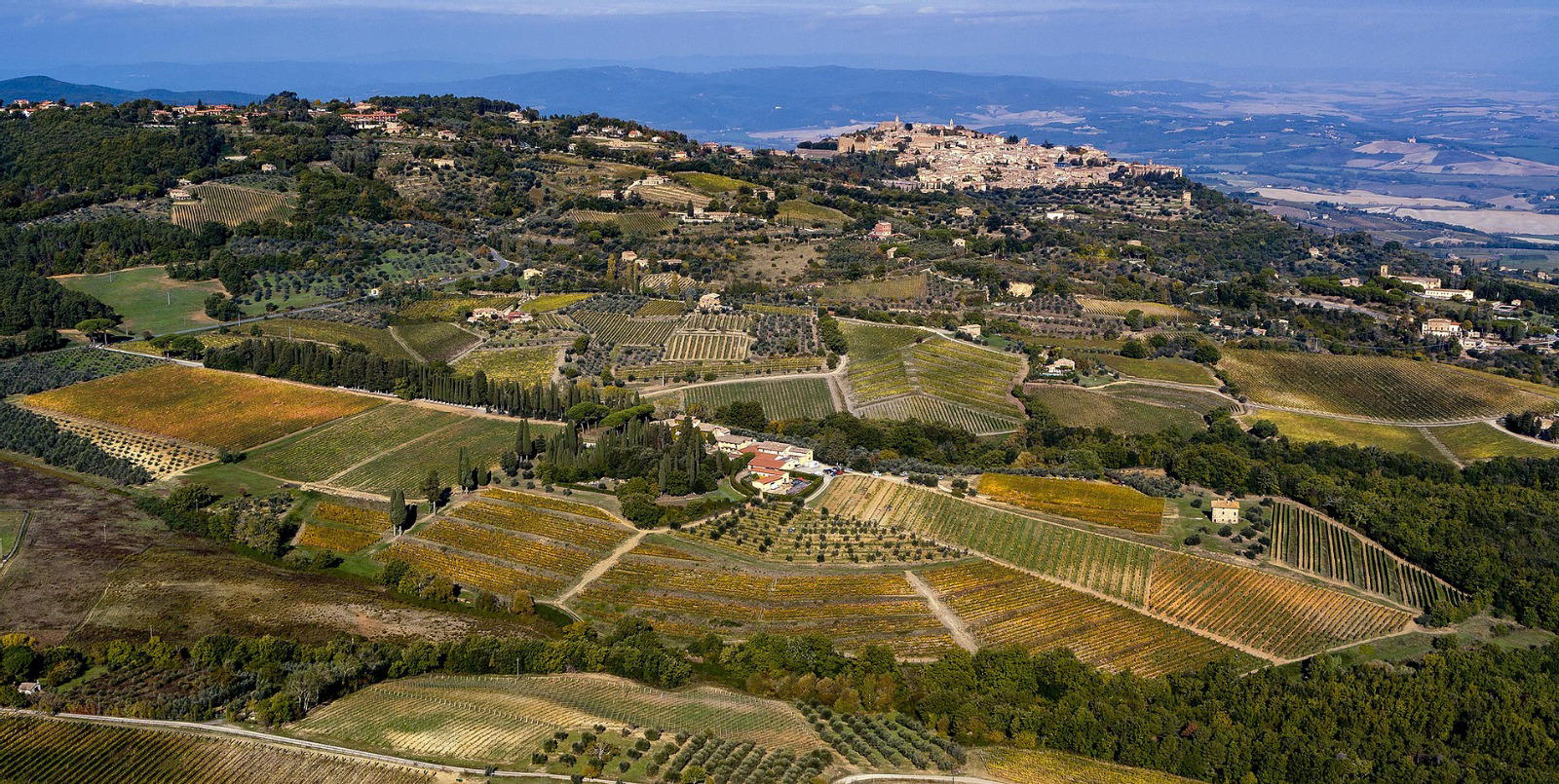
Bars in Montalcino
Browse all →
Restaurants in Montalcino
Browse all →
At a Glance
- Quiet
- Classic
- Rustic
- Solo Exploration
- Special Occasion
- Wine Education
- Vineyard
- Brunello Di Montalcino DOCG
- Sangiovese
- Still Red
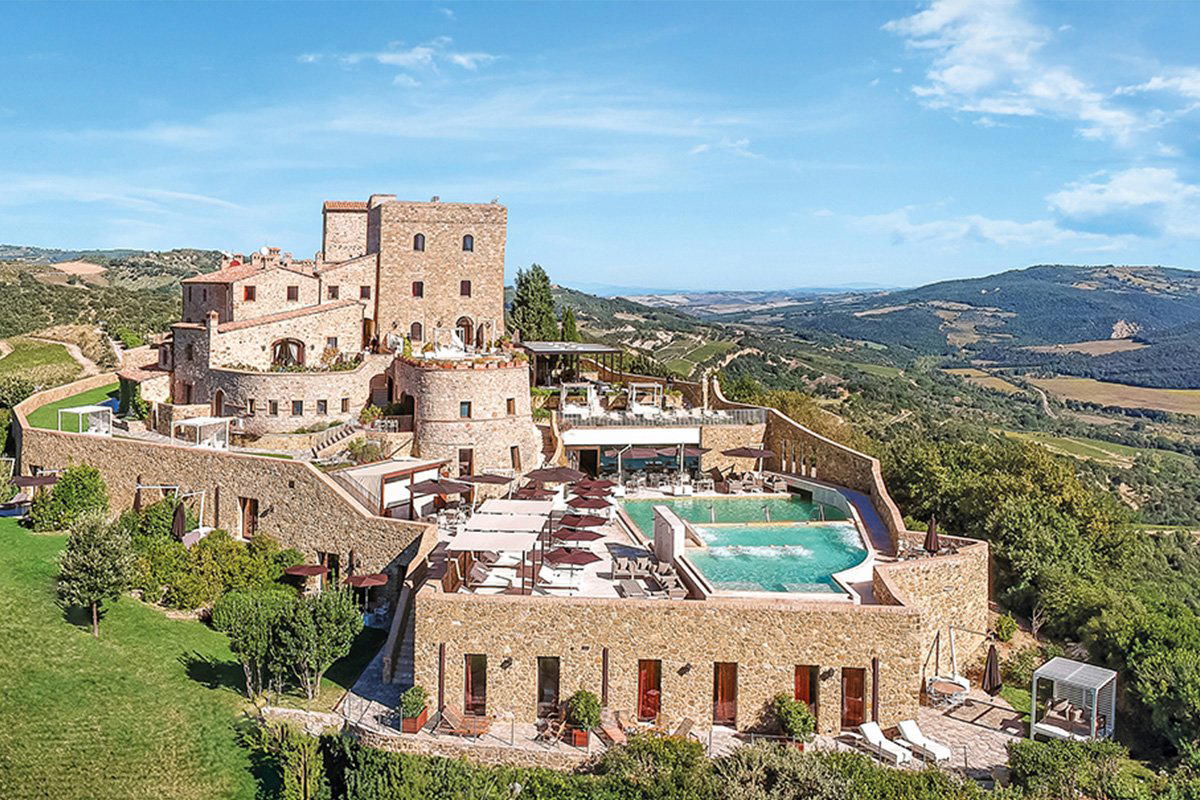
A traditional Tuscan winery setting centered on Brunello production, with a small estate feel and a strong connection to the Montalcino terroir.