Tenuta Querciarossa

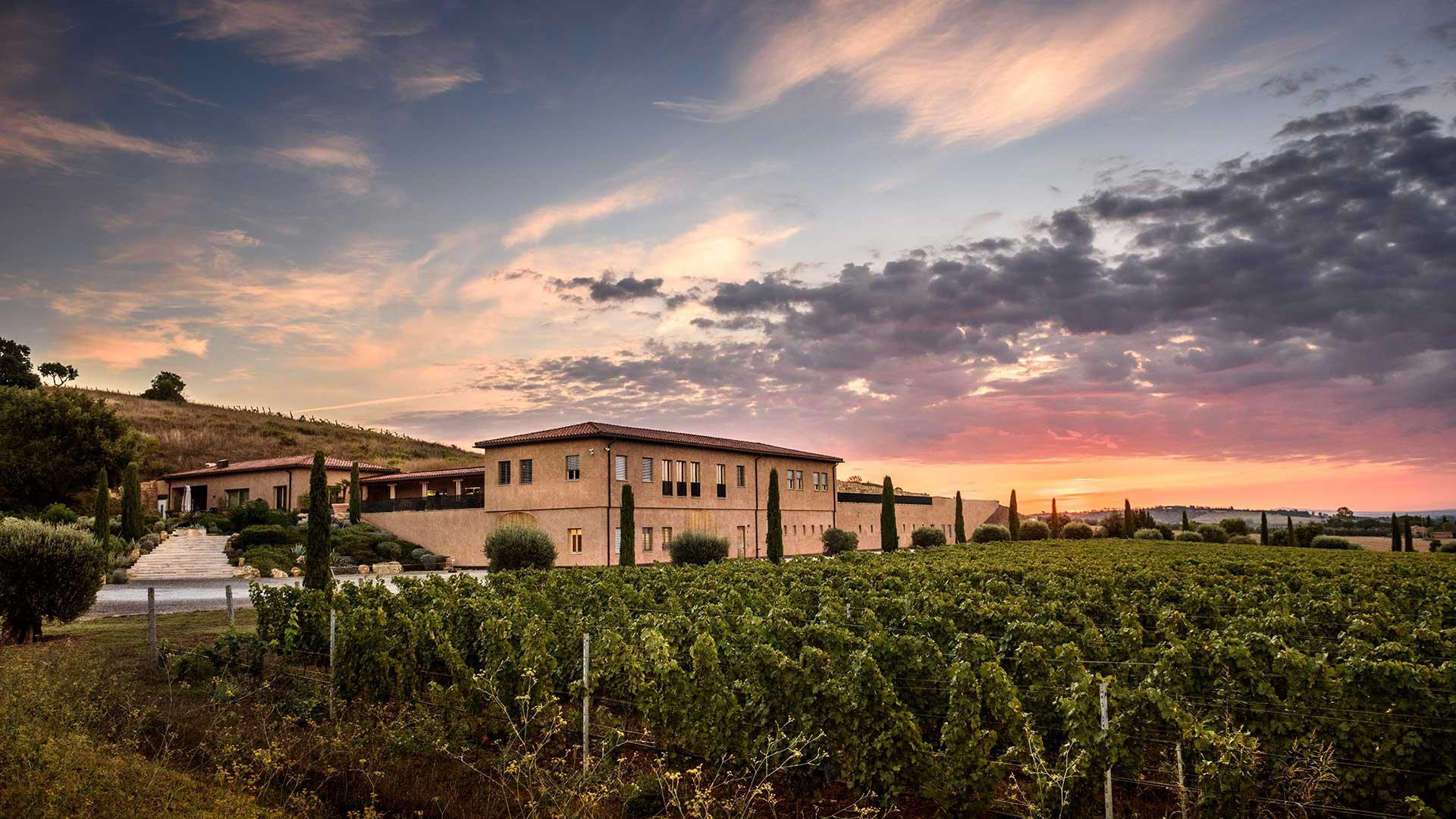
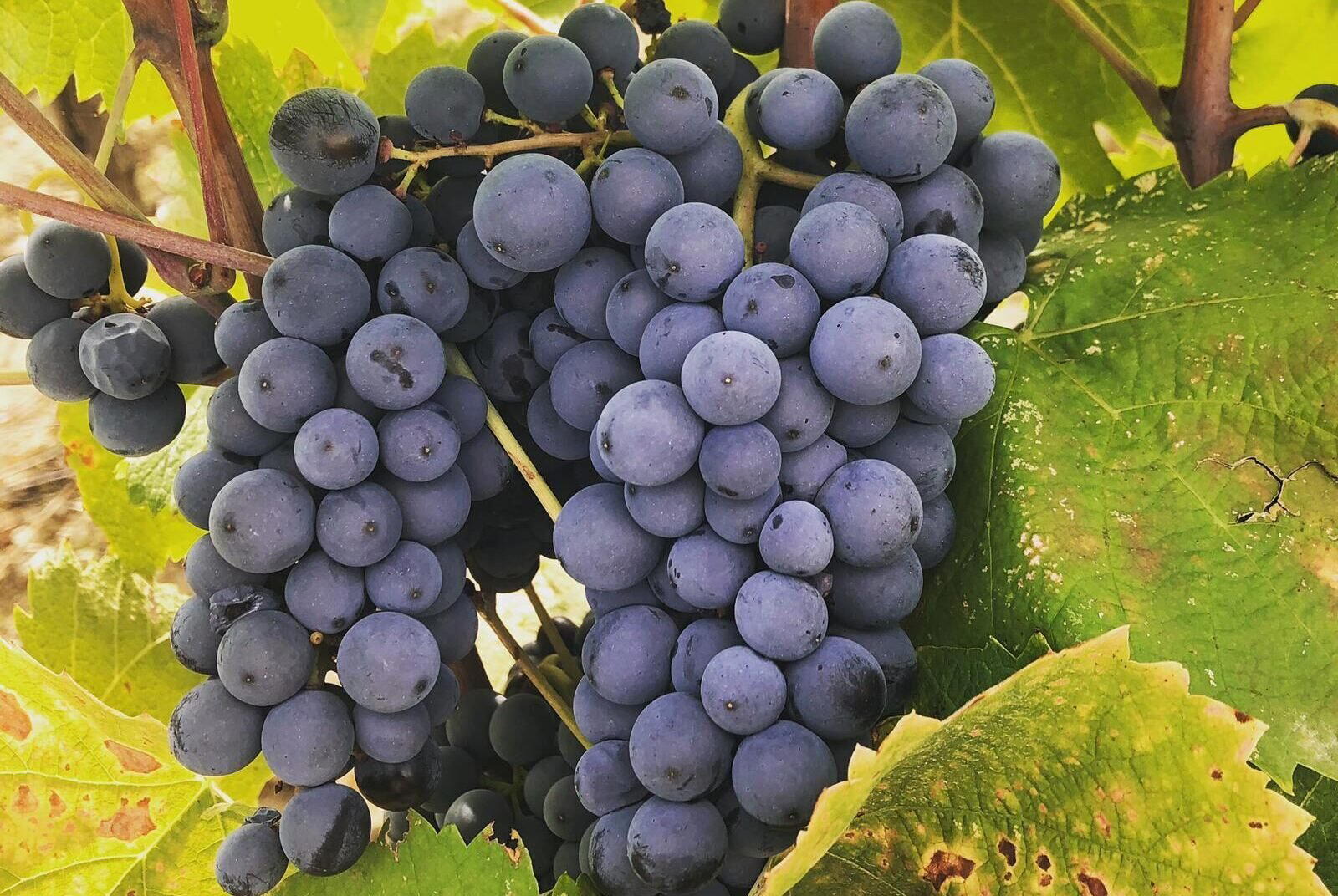
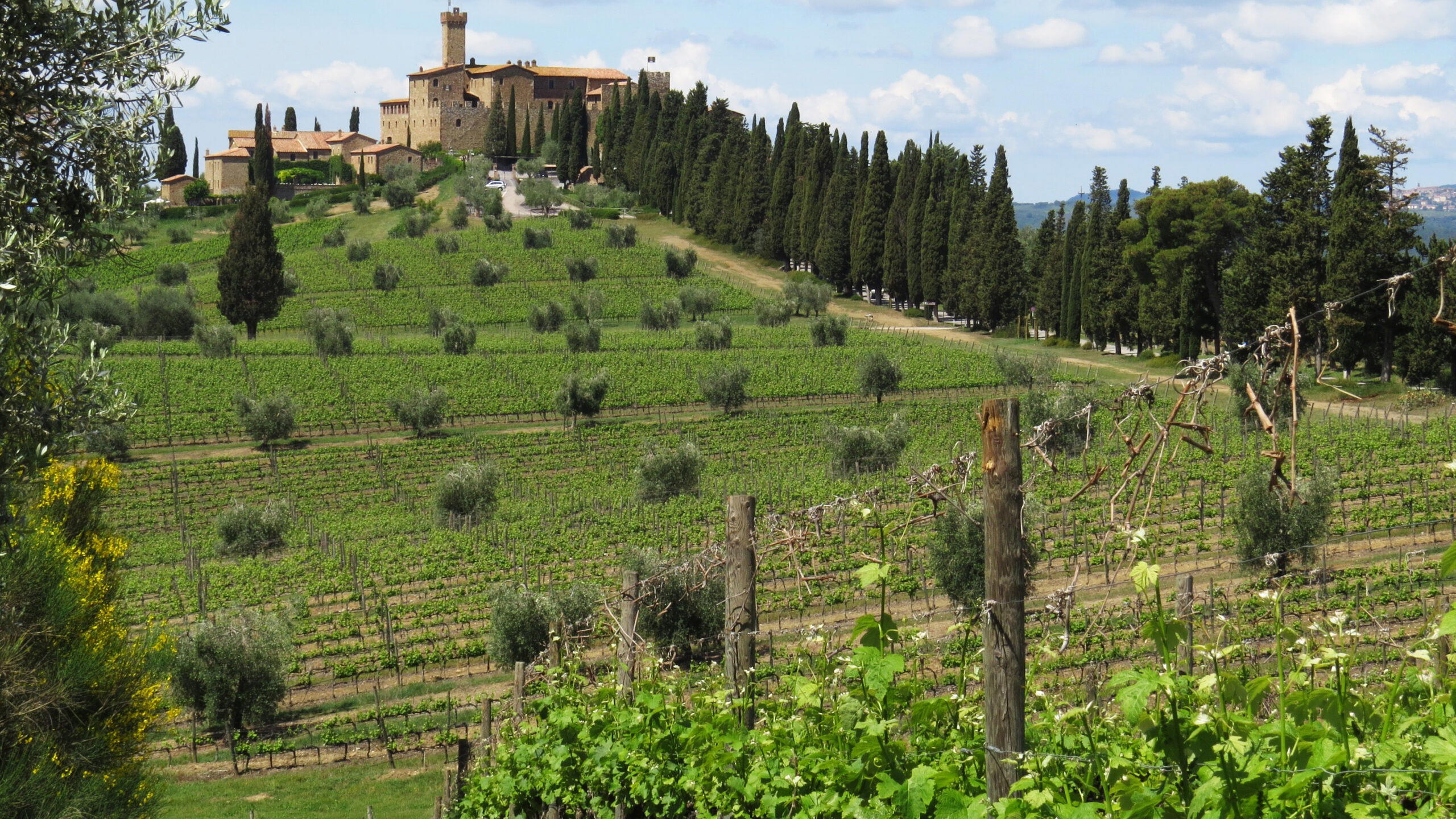
Tenuta Querciarossa is a small-production Maremma estate in Montalcino territory, shaped less by trophy culture than by a dense archaeological setting. Its wine range spans Vermentino, Sangiovese and Trebbiano across white, rosé, red and sparkling styles, with the estate’s hilltop vineyards framed by Bronze Age, Etruscan and Roman memory.
Pearl is the En Primeur Club membership app — saves, bookings, and concierge access live there. Same editors, same standards.
- Address
- Montalcino, Tuscany, Italien
- Directions
- Get directions
 Saves & bookings on Pearl
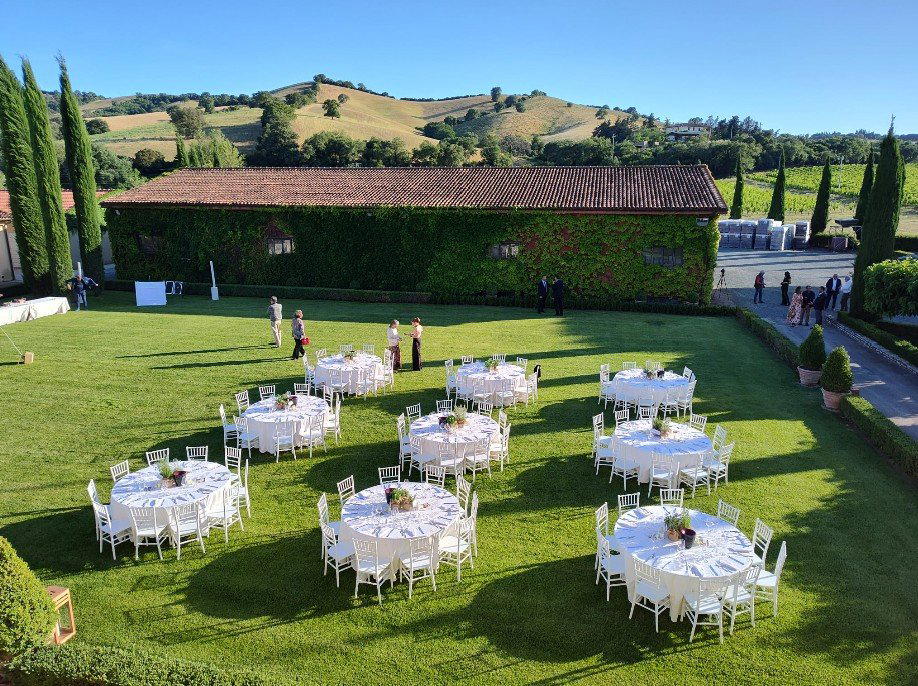
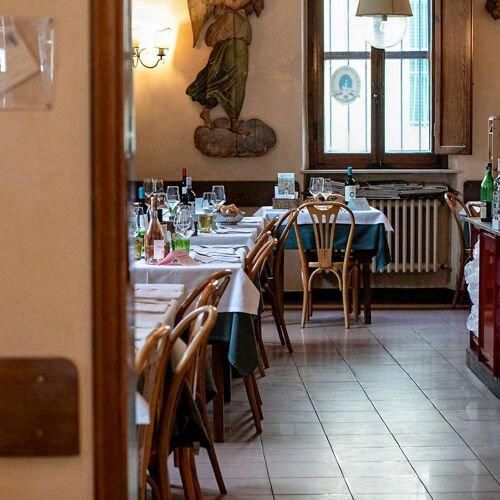
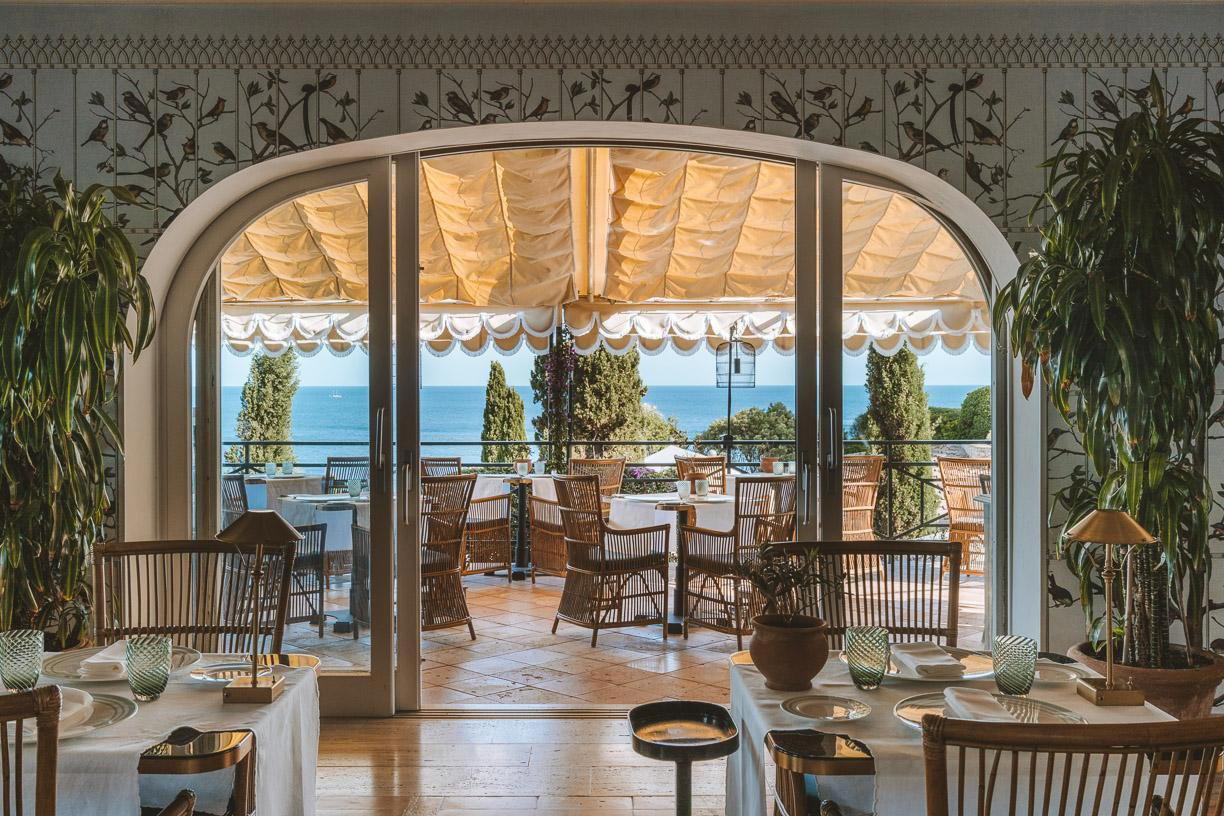
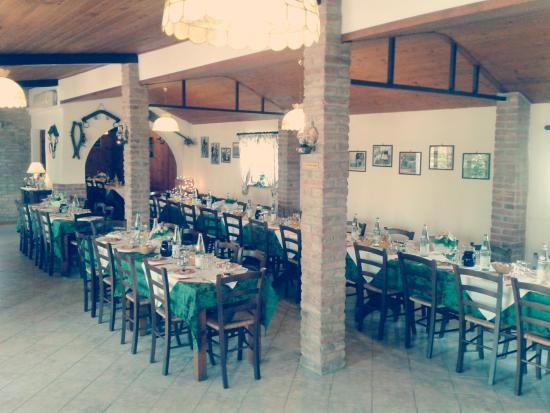
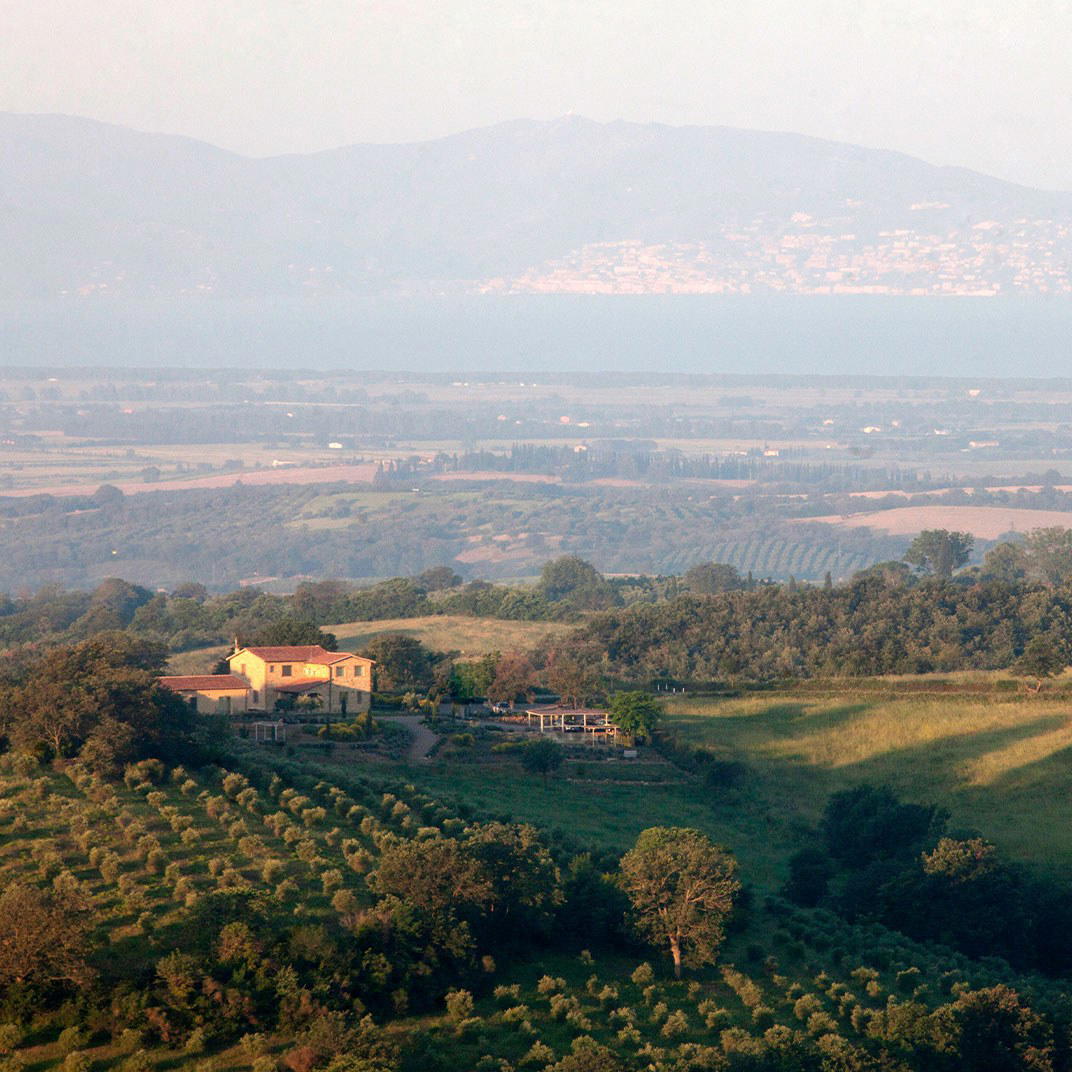
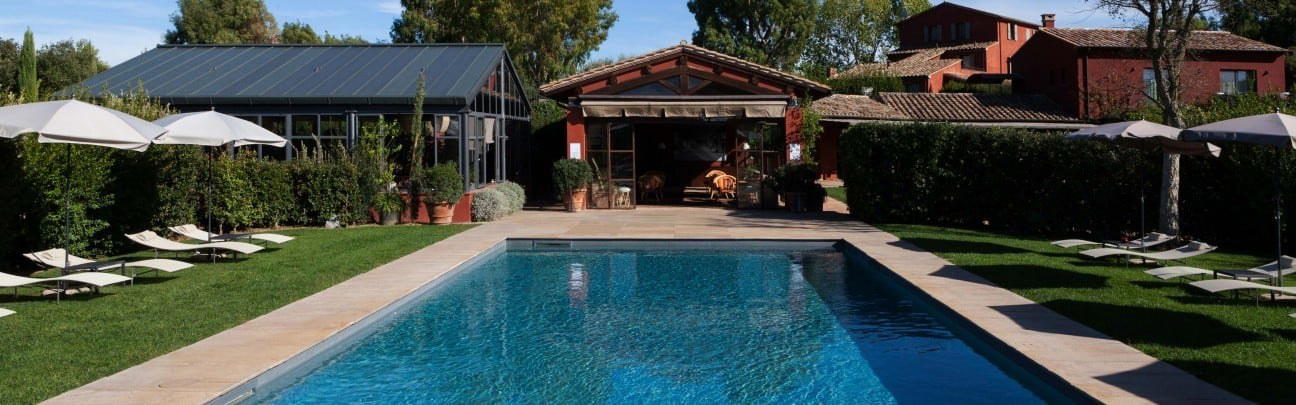
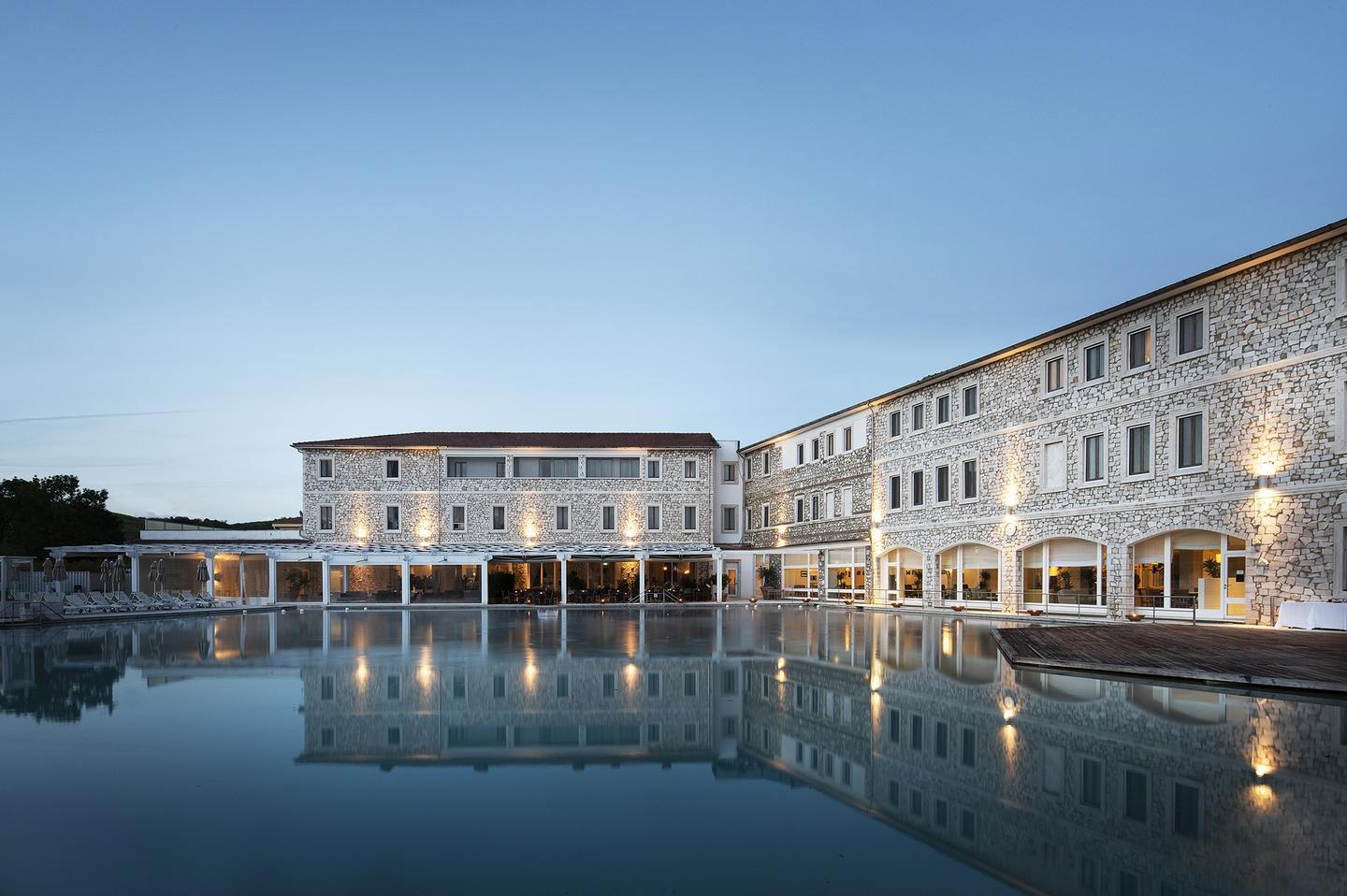
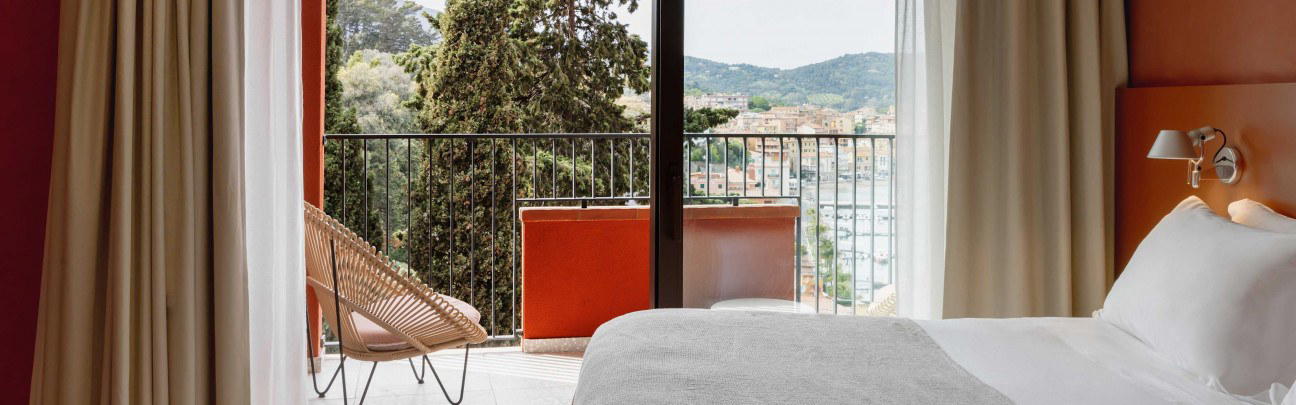
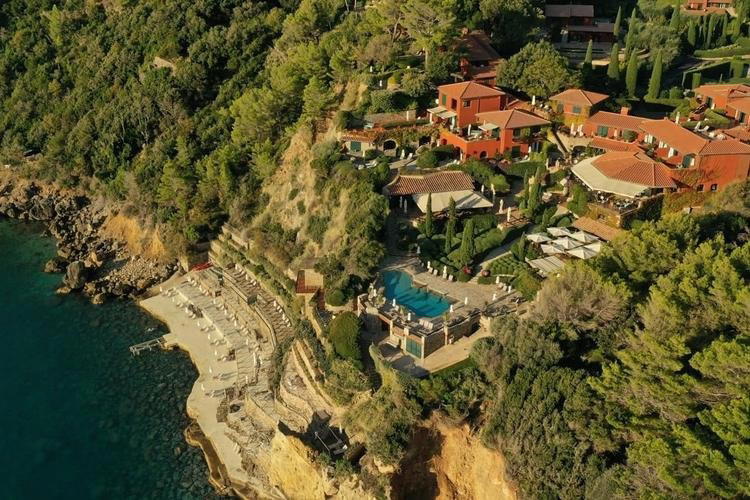
Tenuta Querciarossa in Montalcino is best understood through its setting rather than through claims about a menu, cellar program, service format, or formal accolades. The picture is of a historic, light-filled Maremma estate with a landscape shaped by vineyards, archaeological memory, and a distinctive hilltop position near the coastline. That is enough to give the place a clear identity: scenic, rustic, quiet, and more hidden-gem than showpiece.
It is a Montalcino estate whose appeal rests on atmosphere and place. For readers planning a visit, one reliable frame is the estate’s landscape: Maremma light, vineyard surroundings, historic texture, and a hilltop setting that gives the property a sense of remove.
A Maremma estate where terroir is cultural as well as agricultural
Tenuta Querciarossa’s strongest feature is not a named dish, a chef, a score, or a detailed hospitality package. It is the way the estate’s identity connects agricultural land with archaeological memory. In many Tuscan settings, the language of terroir can become narrowly technical, focused on soil, exposure, grape variety, or appellation. Here, the description points to something broader: a historic estate where vineyards and memory sit together in the landscape.
That distinction matters for visitors who are trying to understand why the property feels different from a generic countryside stop. The Maremma setting suggests openness, light, and a relationship to the coast, while the hilltop position adds a sense of perspective and quiet. The result is not an urban dining room or a polished hotel-lobby experience, but a rural estate whose character is tied to terrain and history.
There is no confirmed basis here for naming specific wines, grape varieties, production methods, tasting lengths, reservation rules, or special tour formats. Those details should be checked directly with the venue before making plans. What can be said with confidence is that Tenuta Querciarossa presents as a scenic, rustic, quiet Maremma estate in Montalcino, with vineyards and archaeological memory central to its sense of place.
The cellar range reads broader than a single-variety Tuscan stop
Rather than inventing a portfolio, it is more accurate to keep the focus on the estate’s broader context. Montalcino is strongly associated with wine travel, and the winery sits within that wider expectation, but the confirmed facts do not allow a precise description of what is poured, how visits are structured, or whether particular bottles are always available.
For that reason, visitors should avoid assuming a specific tasting format, lunch option, private visit, vineyard tour, or wine-education program unless it has been confirmed directly with the winery. The venue’s profile supports a more general expectation: a historic Maremma estate whose landscape, vineyards, quiet mood, and archaeological resonance form the core of the experience.
This is also why the winery may appeal to travelers who value setting as much as formal programming. A distinctive hilltop estate near the coastline can offer a different kind of memory from a place defined only by labels, rankings, or famous names. The draw is atmospheric and geographical: light, history, vineyards, rustic calm, and a sense of being slightly apart from particularly obvious routes.
How to place it within a Montalcino wine itinerary
For travelers using Montalcino as a base, the winery works well as a place-led stop. It should not be described as a confirmed restaurant, a confirmed appointment-only tasting room, or a venue with a documented specialty service unless current information from the estate says so. The reliable planning point is simpler: it is in Montalcino, and its identity is that of a historic Maremma estate with vineyards, archaeological memory, and a quiet hilltop setting.
That makes it useful for an itinerary built around contrast. Other dining and wine options in Montalcino can provide different expressions of the local scene, while the winery offers a more landscape-driven reference point. Its appeal is not based on a confirmed score, a named chef, a specific bottle list, or a publicized award. It is based on the feeling of the estate itself: scenic, rustic, hidden away, and shaped by Maremma’s combination of countryside, history, and coastal light.
Before going, confirm practical details directly with the venue, especially opening arrangements, visit availability, accessibility, and any tasting or hospitality format. The price level is $$, but no more detailed cost structure is confirmed here. Treat the winery as a quiet Montalcino estate to research carefully rather than as a venue with a fully documented public offer.
Recognition history
Dated appearances from independent guides and award organizations, with the underlying list record or original source where available.
Falstaff Winery - Listed
Falstaff
Continue exploring
More in Montalcino
Wineries in Montalcino
Browse all →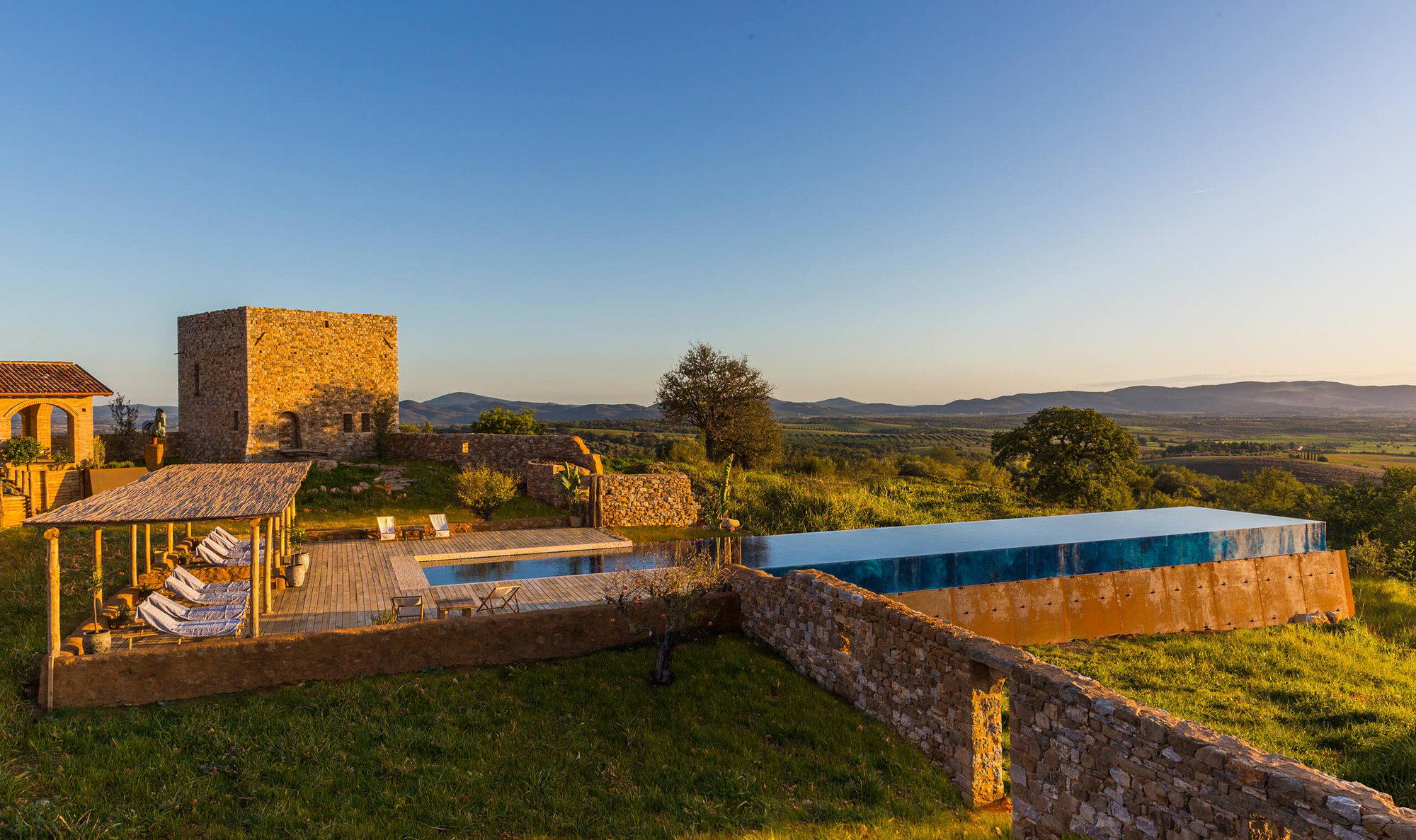
Bars in Montalcino
Browse all →
Restaurants in Montalcino
Browse all →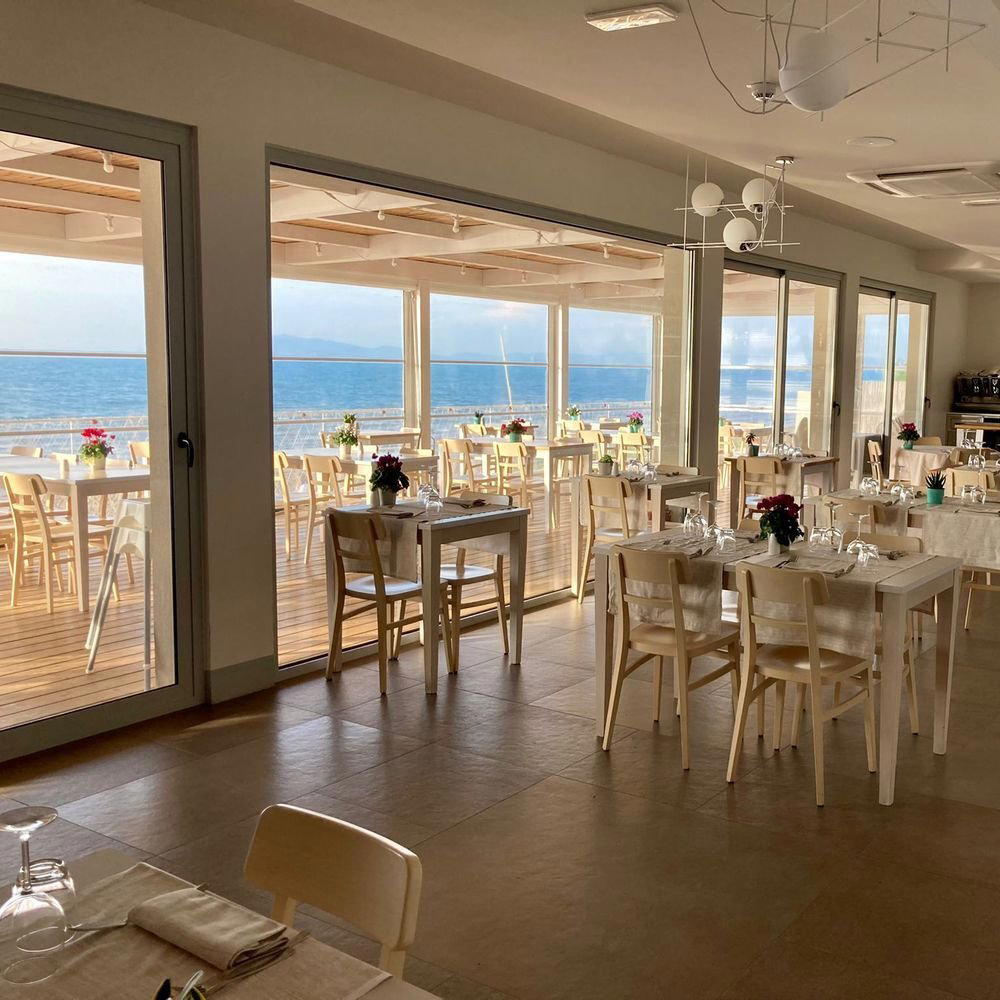
At a Glance
- Scenic
- Rustic
- Quiet
- Solo Exploration
- Special Occasion
- Wine Education
- Estate Grounds
- Vineyard Tour
- Historic Building
- Private Tasting
- Vineyard
- Vermentino
- Sangiovese
- Trebbiano
- Still White
- Still Rosé
- Still Red
- Sparkling
- Guided Tasting
- Wine Tasting
A historic, light-filled Maremma estate with a landscape shaped by vineyards, archaeological memory, and a distinctive hilltop setting near the coastline.