Takamaka Rum

Takamaka Rum sits at Pointe Au Sel in Anse Royale, on the quieter southern end of Mahé, where sugarcane cultivation and tropical climate combine to produce spirits with a distinctly Seychellois character. The distillery holds a Pearl 3 Star Prestige rating (2025), placing it among the Indian Ocean's most recognised rum producers. For visitors drawn to terroir-driven spirits rather than resort-strip experiences, it represents one of the Seychelles' more substantive stops.
Pearl is the En Primeur Club membership app — saves, bookings, and concierge access live there. Same editors, same standards.
- Address
- Pointe Au Sel
- Phone
- +248 4 283 737
- Website
- takamakarum.com
 Saves & bookings on Pearl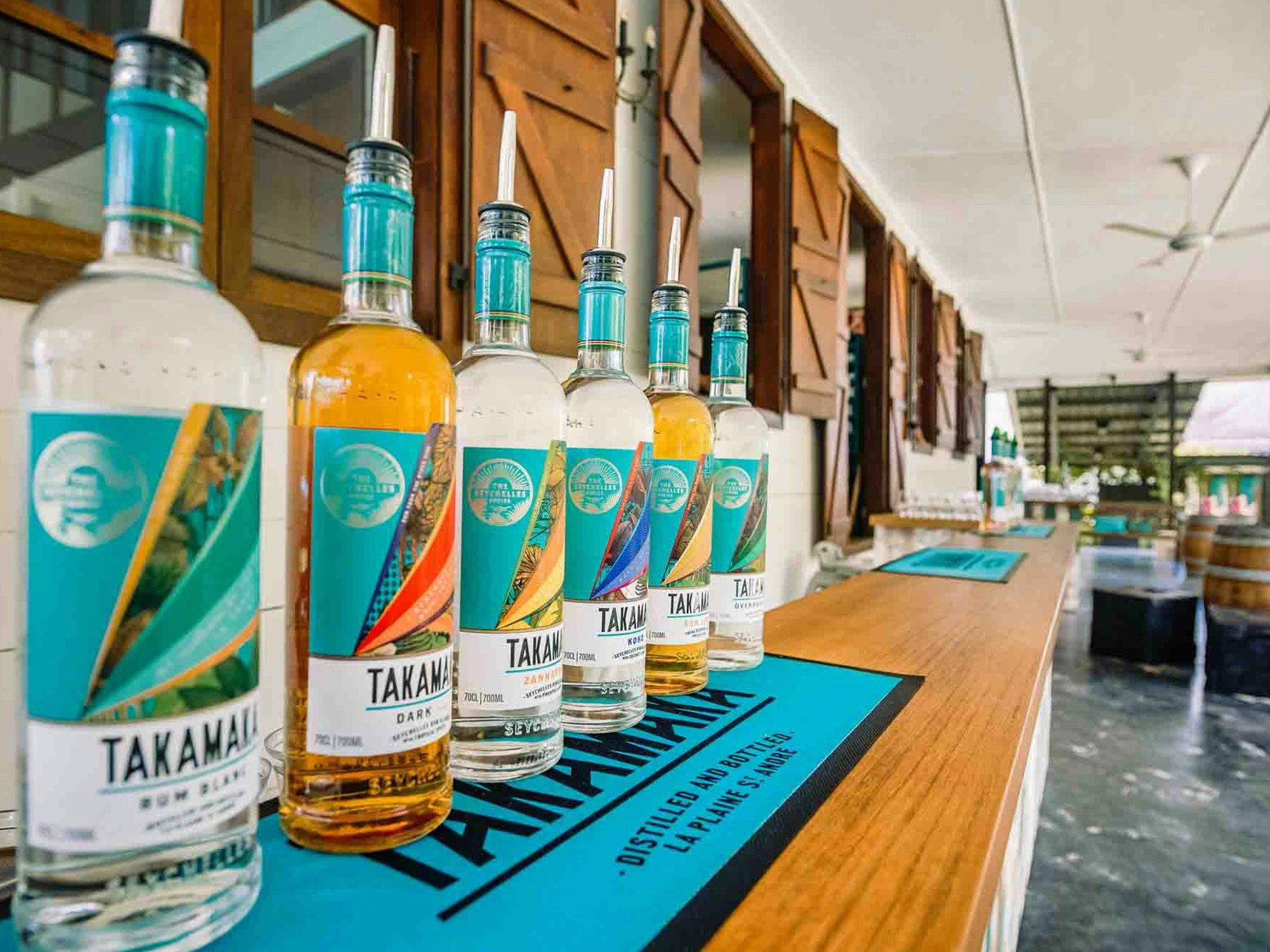
Where the Indian Ocean Shows Up in a Glass
Terroir is a word borrowed from wine, but it applies with unusual precision to rum. The sugarcane that feeds a distillery absorbs the specific mineral character of its soil, the salinity of coastal air, and the particular rhythm of tropical wet and dry seasons. At Pointe Au Sel on the southern coast of Mahé, those conditions are not incidental to what Takamaka Rum produces, they are the argument for its existence. The Seychelles sits in the western Indian Ocean, and the island climate shapes fermentation rates, barrel aging behaviour, and ultimately flavour in ways that distinguish Seychellois rum from Caribbean or Latin American equivalents. That environment shapes fermentation rates, barrel aging behaviour, and ultimately flavour in ways that distinguish Seychellois rum from Caribbean or Latin American equivalents.
Anse Royale, where the distillery is located, sits away from the tourist concentration around Victoria and the northwest coast. The drive south along the coastal road brings you past fishing villages and market stalls before the landscape opens toward Pointe Au Sel. The setting is functional and genuine, this is a working production site, not a heritage attraction retrofitted for tourism, and the distinction matters.
Terroir in a Tropical Register
The concept of terroir expression in spirits has gained serious analytical traction over the past decade, largely as the whisky world has started mapping regional character more rigorously. Distilleries in Scotland, India, and Japan have made the case that geography leaves a measurable signature. Amrut in Bengaluru is a useful comparison point: a tropical distillery working with local grain, where the climate accelerates maturation in ways that European distillers cannot replicate. Takamaka operates within a comparable logic, though the raw material is sugarcane rather than barley, and the ocean setting introduces its own set of atmospheric variables.
Rum produced in island environments tends to carry aromatic markers that reflect both agricultural practice and ambient conditions. The specific character of Seychellois sugarcane, grown in volcanic-influenced soil with significant rainfall, is not the same as Bajan molasses-based rum or Martinican agricole, and the distillery's identity rests on that distinction. The Pearl 3 Star Prestige rating awarded in 2025 confirms that independent evaluation has placed this production in a credible tier.
Reading the 2025 Pearl 3 Star Prestige Award
Awards in the spirits world carry varying weight depending on the evaluating body, but the Pearl 3 Star Prestige designation represents a substantive quality signal. Within the EP Club framework, Prestige-tier recognition indicates a venue or producer operating at a level that justifies targeted travel, not just opportunistic visiting. For Takamaka, a 2025 award is current, not a legacy credential from a period when competition was thinner, but a contemporary assessment against the present field of rum producers.
The significance of that for the visitor is practical: it sets a quality floor. When a producer holds credible third-party recognition, the experience of visiting carries less uncertainty than it would for an unrated alternative. The question shifts from whether the product justifies attention to how to structure the visit to extract full value from it.
Adelaida Vineyards in Paso Robles, Alban Vineyards in Arroyo Grande, and Albert Boxler in Niedermorschwihr share: a commitment to specific place as the primary argument for their product, independent of trend or marketing. Takamaka operates within the same logic, with the Seychelles providing the geographic anchor.
The Indian Ocean Rum Category
The Indian Ocean is not a recognised appellation in the way that Cognac or Champagne carries protected geographic status, but it functions as an emerging reference point in spirits criticism. Réunion, Mauritius, and the Seychelles each produce rum under meaningfully different conditions, and serious spirits buyers have begun treating these as distinct sub-categories rather than a single regional bloc. Mauritius has historically dominated the region's export profile, but Seychellois production occupies a smaller, more specialised tier, lower volume, more dependent on the visitor economy, and consequently more directly connected to the specific conditions of Mahé.
That positioning is not a weakness. Low-volume island distilleries with verifiable terroir conditions and current award recognition occupy a comparable niche to what small-production wine estates occupy in regions like Burgundy or the Willamette Valley. Adelsheim Vineyard in Newberg or Aldo Conterno in Monforte d'Alba derive credibility precisely from their specificity of place and restrained output. Takamaka's position in the Seychelles rum scene follows that structural logic.
Planning the Visit
Takamaka Rum is located at Pointe Au Sel in Anse Royale, accessible by road from Victoria in roughly 30 to 40 minutes depending on traffic along the coastal route. The distillery operates as a production facility with a visitor component, and the southern Mahé location means it pairs naturally with a half-day that includes Anse Royale's beach and market area. Given the Pearl 3 Star Prestige recognition and the growing profile of Indian Ocean spirits among serious collectors, advance planning is worthwhile for visitors with limited time on the island, particularly those whose itineraries are compressed into three to five days.
The distillery is a standalone production site. That means the visit is defined primarily by the production context itself, which is appropriate for the category: this is a spirits-first destination, and the surroundings at Pointe Au Sel reinforce rather than distract from that.
Context Within the Broader Spirits Map
For visitors building a travel itinerary around serious spirit producers, Takamaka occupies a useful reference point in the Indian Ocean that parallels what credentialed distilleries represent in other regions. Just as Aberlour in Aberlour, Achaia Clauss in Patras, or All Saints Estate in Rutherglen each represent regional production with documented heritage and current quality signals, Takamaka provides a Seychellois anchor for travellers whose interest extends beyond beaches and resort dining.
Alpha Omega Winery in Rutherford, Alexander Valley Vineyards in Geyserville, or Accendo Cellars in St. Helena have built visitor programmes around production transparency and place-based storytelling. The most substantive distillery and winery visits share that quality: they teach you something about where you are, not just what you are drinking. At Pointe Au Sel, the geography does that work clearly. The Indian Ocean is present in every stage of production, from the cane fields shaped by volcanic soil and equatorial rain to the barrel rooms where the island's humidity dictates the pace of maturation. That is what a Pearl 3 Star Prestige designation ultimately points toward: a producer whose output is legible as a product of somewhere specific, assessed against a serious field, and found to hold.
Continue exploring
More in Anse Royale
Restaurants in Anse Royale
Browse all →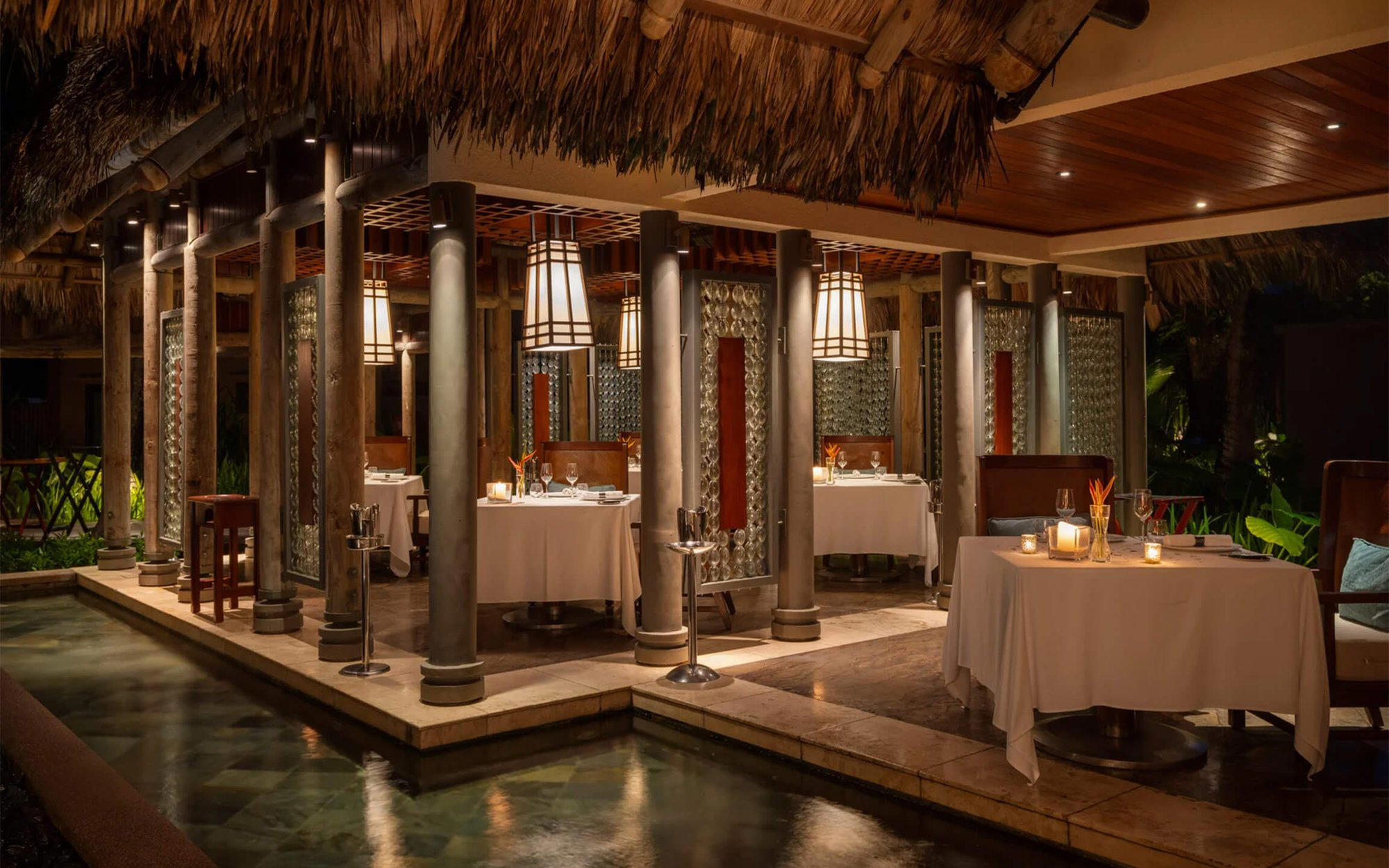
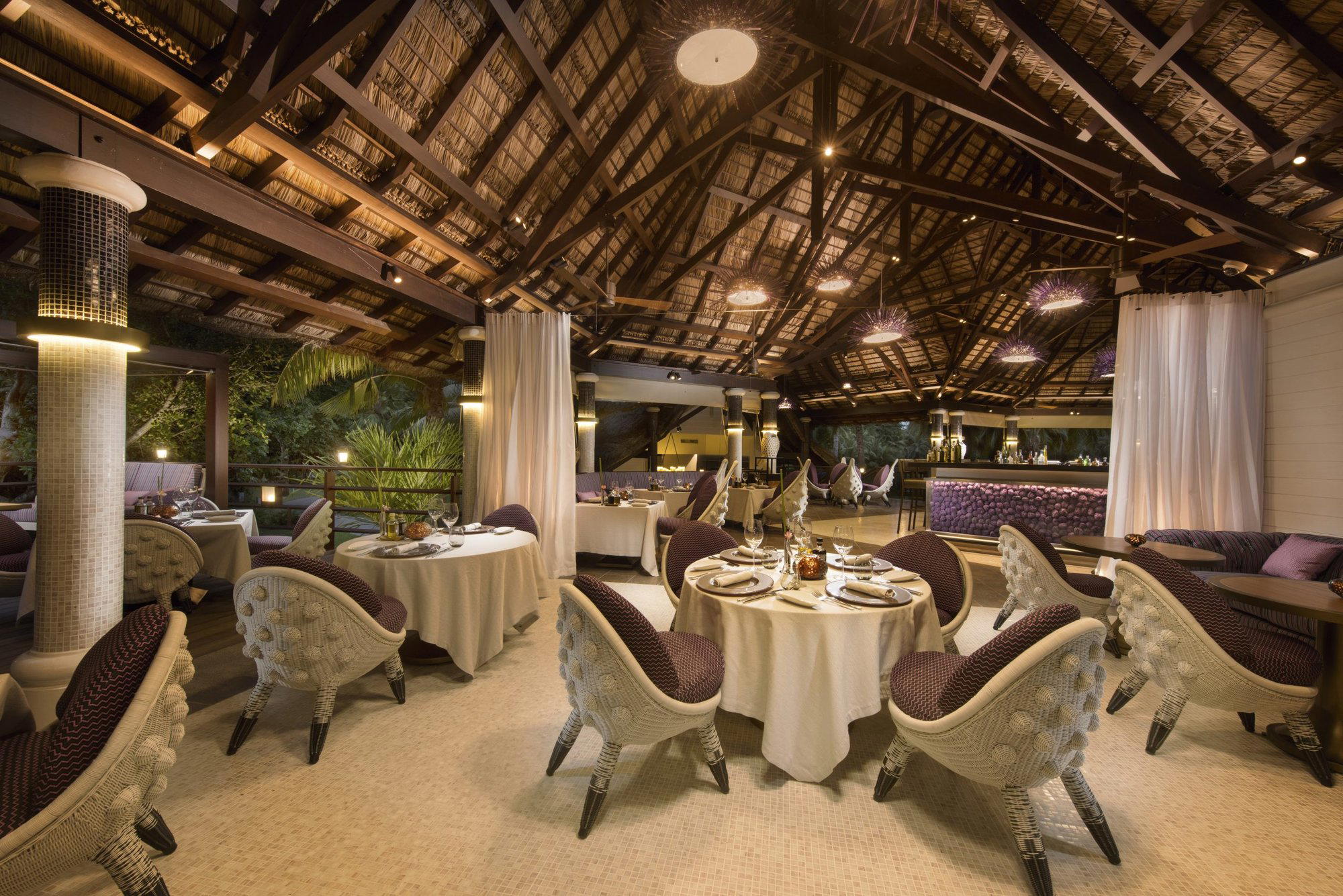
At a Glance
- Scenic
- Rustic
- Lively
- Group Outing
- Celebration
- Solo Exploration
- Estate Grounds
- Garden
- Historic Building
- Sustainable
- Garden
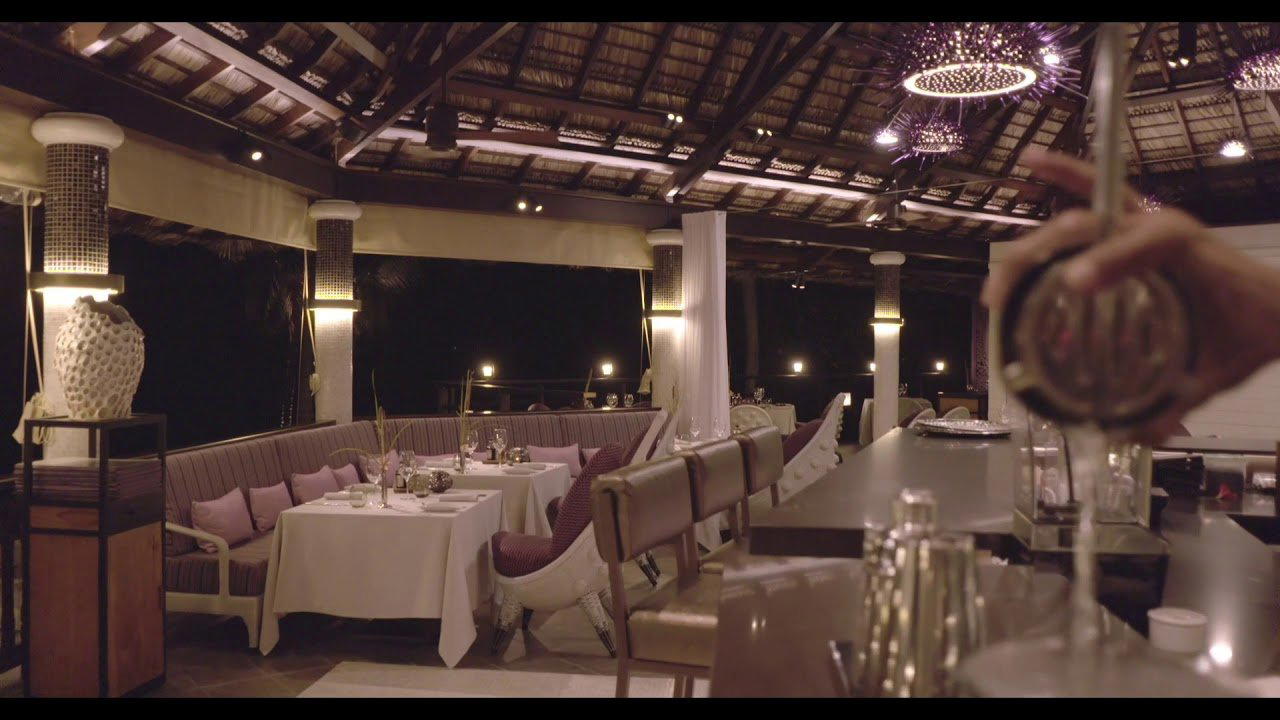
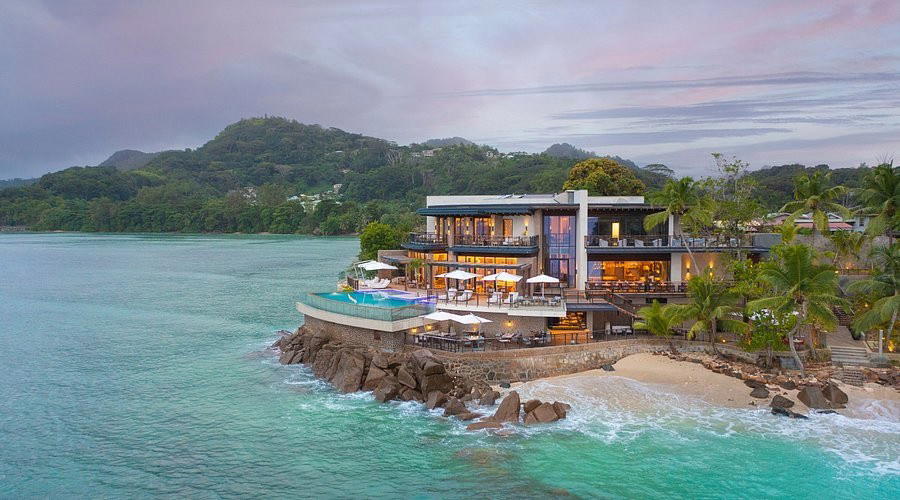
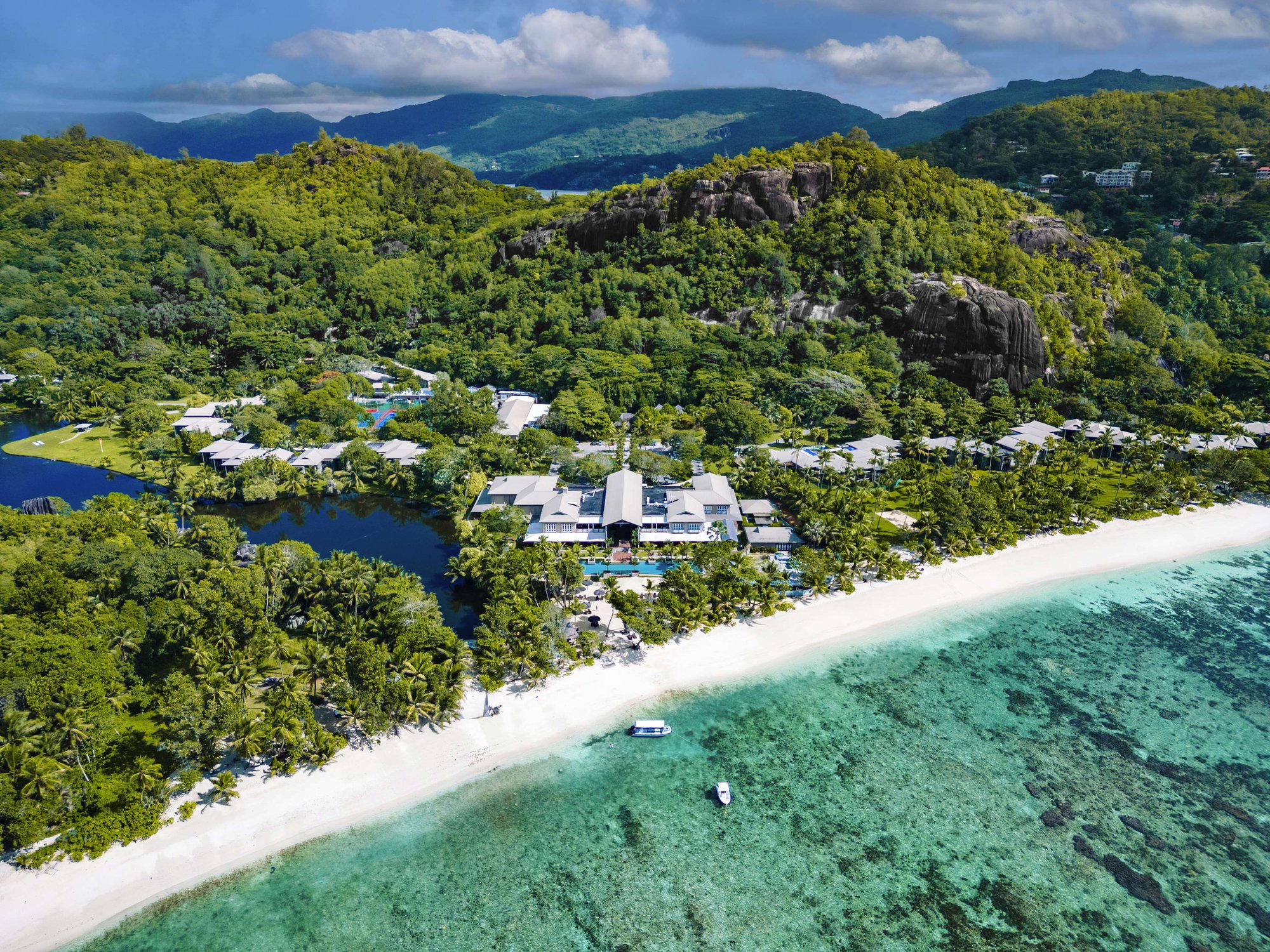
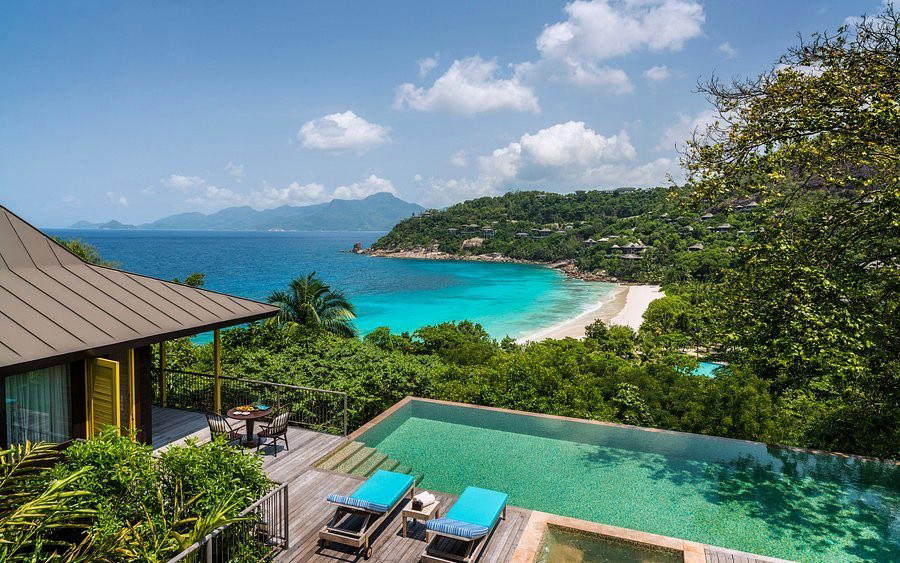
Relaxed tropical atmosphere with beautiful gardens, historic ruins, and lively Friday evening parties featuring cocktails and local music.