
Stefania Barbot belongs to the quieter side of Irpinia wine: small-scale, organic, and tied to the hills around Avellino rather than to a polished cellar-door circuit. The focus is Fiano and Aglianico, with Xoros Fiano di Avellino giving the clearest signal of a producer working through Campania’s inland white-wine tradition.
Pearl is the En Primeur Club membership app — saves, bookings, and concierge access live there. Same editors, same standards.
- Address
- Avellino, Campania, Italien
- Directions
- Get directions
 Saves & bookings on Pearl
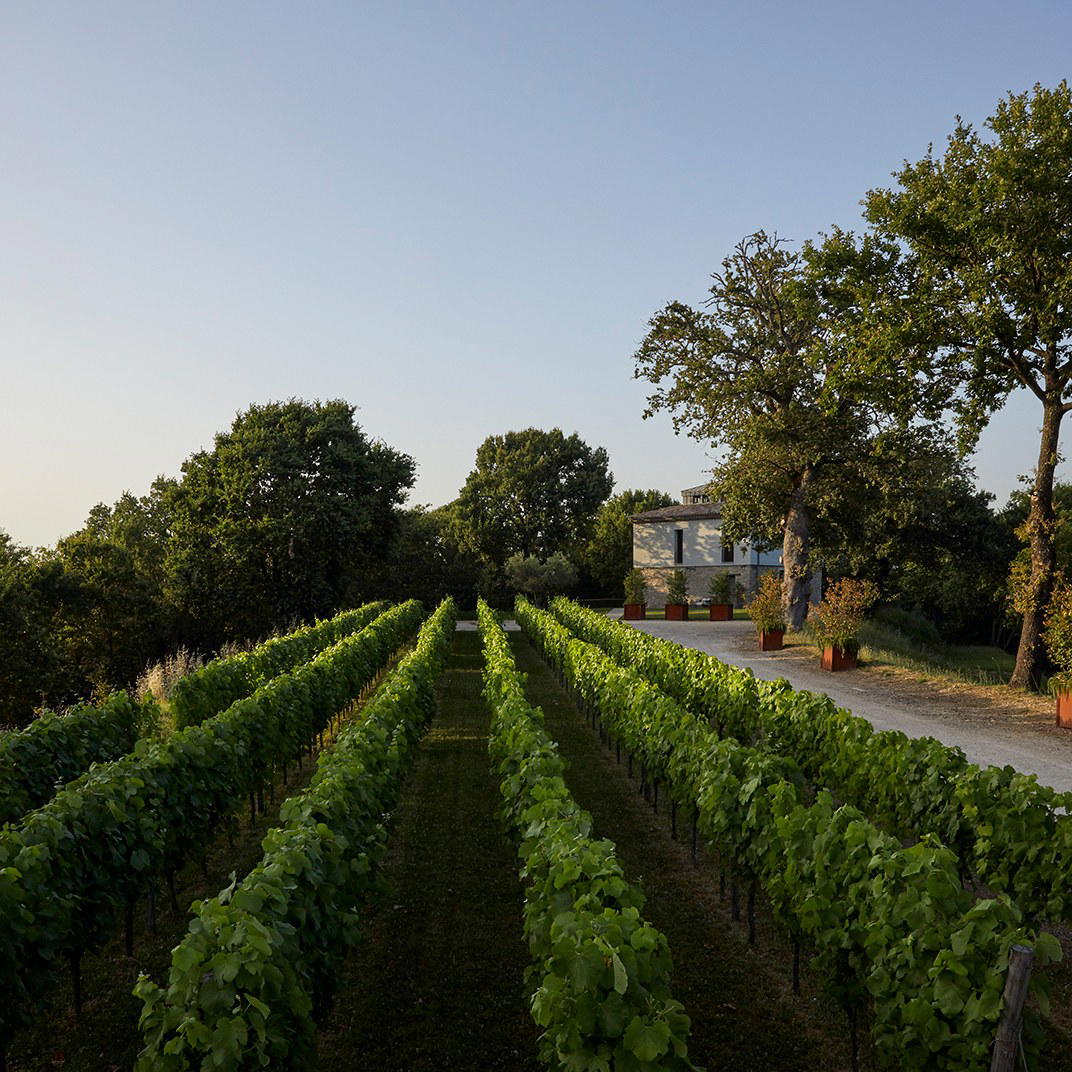
Stefania Barbot in Avellino is best understood as a quiet Irpinia wine estate rather than as a broad hospitality venue. The picture is deliberately simple: an artisanal, terroir-driven estate in the countryside, with a rustic character and a setting shaped by woods, olive groves, chestnut trees, and hazelnut trees. That landscape is central to the appeal. It places the venue in inland Campania, away from the more familiar coastal imagery, and gives it the feel of a for travelers who are interested in rural wine culture.
Because the confirmed information is limited, one accurate way to frame Stefania Barbot is through place and atmosphere. What is known is enough to set expectations: this is a countryside wine estate in Irpinia with an artisanal identity, a quiet mood, and a terroir-led orientation.
Irpinia countryside gives the estate its frame
Avellino sits within one of Campania’s most distinctive inland wine landscapes. For Stefania Barbot, the setting matters more than any invented list of amenities. The estate is described as surrounded by woods, olive groves, chestnut trees, and hazelnut trees, which gives the page its clearest editorial anchor: this is a rural Irpinia address where the countryside is not background decoration but part of the experience.
That does not require overstating the venue. There is no need to claim a particular appellation focus, vineyard elevation, cellar-door format, bottle name, or production style beyond what is confirmed. The useful point for readers is simpler: the winery belongs to the quieter side of Avellino wine travel, where the interest comes from landscape, terroir, and the feel of an artisanal estate rather than from a heavily staged visitor experience.
The rustic quality is also important. “Rustic” here should be read as a cue about mood: countryside, unshowy, and grounded in place. Travelers looking for polished luxury language may find that the description points in another direction. The winery is better positioned for people who appreciate a slower rural setting and who are drawn to Irpinia as a wine region rather than to a venue built around spectacle.
Terroir-driven, not over-specified
The strongest phrase for the winery is “artisanal, terroir-driven wine estate.” That gives a clear but careful way to understand the venue. It indicates a wine-focused estate where place matters, while avoiding unsupported claims about exact varieties, certifications, tasting menus, opening rules, or the scale of production. For a premium guide, that distinction matters: a page can be useful without filling gaps with specifics that have not been verified.
Readers should therefore approach this listing as a grounded introduction rather than a technical winery profile. The confirmed facts do not support detailed promises about what will be poured, how visits are organized, whether food is served, or what services are available. They do support a strong sense of atmosphere: quiet, rural, hidden, and tied to the Irpinia countryside around Avellino.
The estate’s appeal is not in a long checklist. It is in the combination of a countryside setting and a terroir-led identity. In practical terms, that means the winery is most naturally suited to travelers who already want to understand Avellino through its surrounding wine country. It is less useful to imagine it as a generic bar, restaurant, or leisure stop; the profile points instead to a rural wine estate with a calm, place-focused character.
How to place it on an Avellino wine itinerary
For an Avellino itinerary, the winery works well as part of a slower Irpinia plan. The city gives the destination its anchor, while the surrounding countryside supplies the mood: wooded hills, agricultural textures, olive groves, chestnut trees, and hazelnut trees. That setting helps explain why the estate reads as a rather than as a high-visibility urban venue.
The rest of the day should be planned with the same restraint. The safer expectation is simply that this is a countryside wine estate in Avellino with a rustic and quiet identity. Any operational details should be checked directly before arranging a visit.
Compared with other dining and drinking options in Avellino, the winery occupies a narrower category. It is not being presented here as a restaurant, cocktail bar, hotel, or broad entertainment venue. Its confirmed identity is that of an artisanal, terroir-driven wine estate in Irpinia. That makes it especially relevant for travelers whose interest in Avellino is tied to landscape and wine culture, and less relevant for those seeking a fully specified hospitality program.
Recognition history
Dated appearances from independent guides and award organizations, with the underlying list record or original source where available.
Falstaff Winery - Listed
Falstaff
Continue exploring
More in Avellino
Wineries in Avellino
Browse all →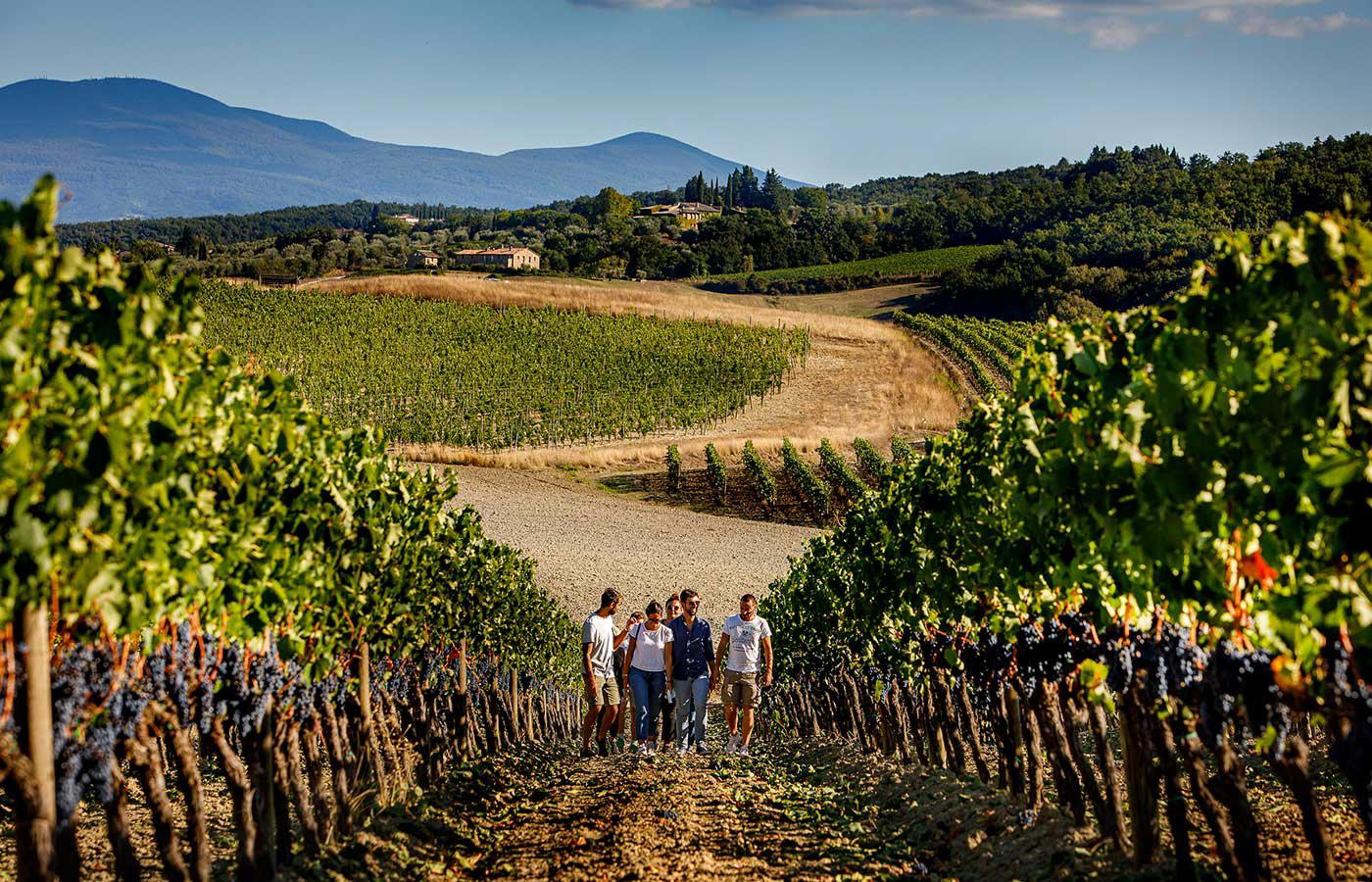
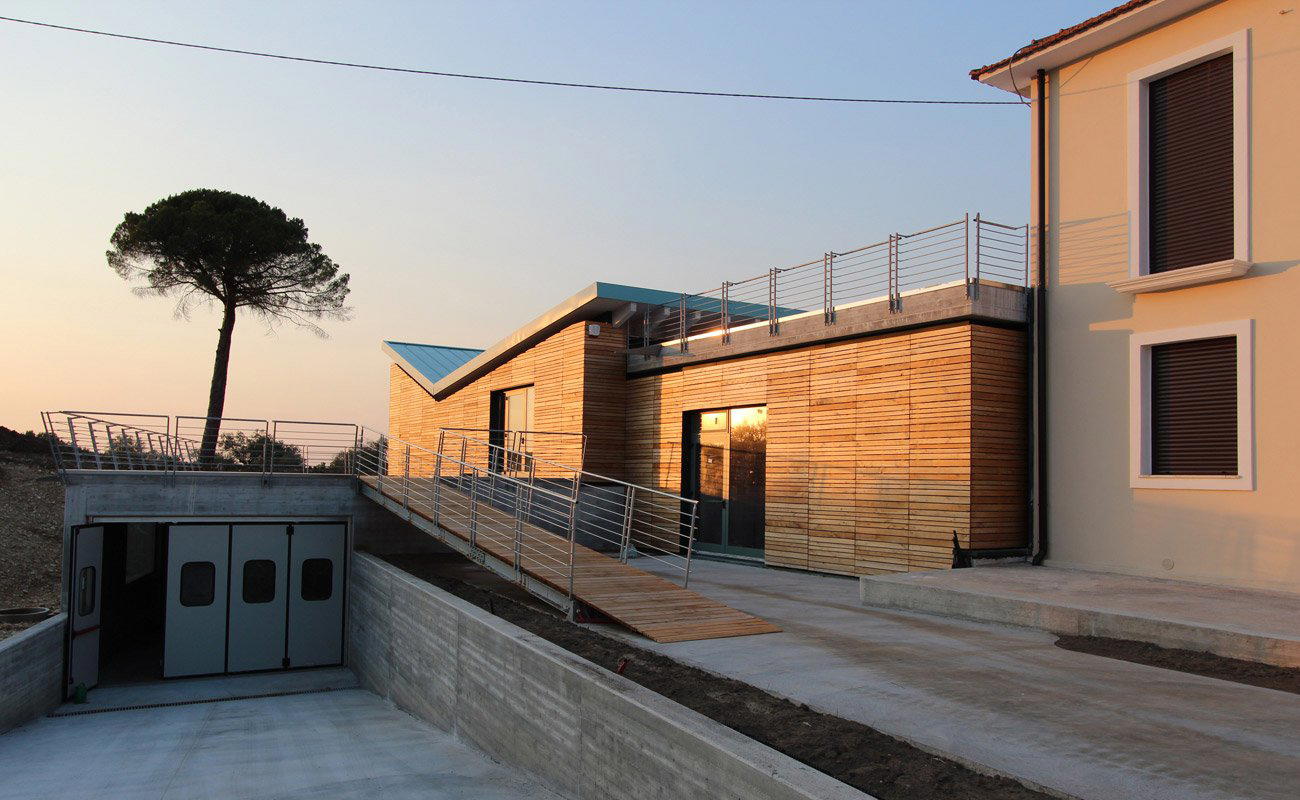
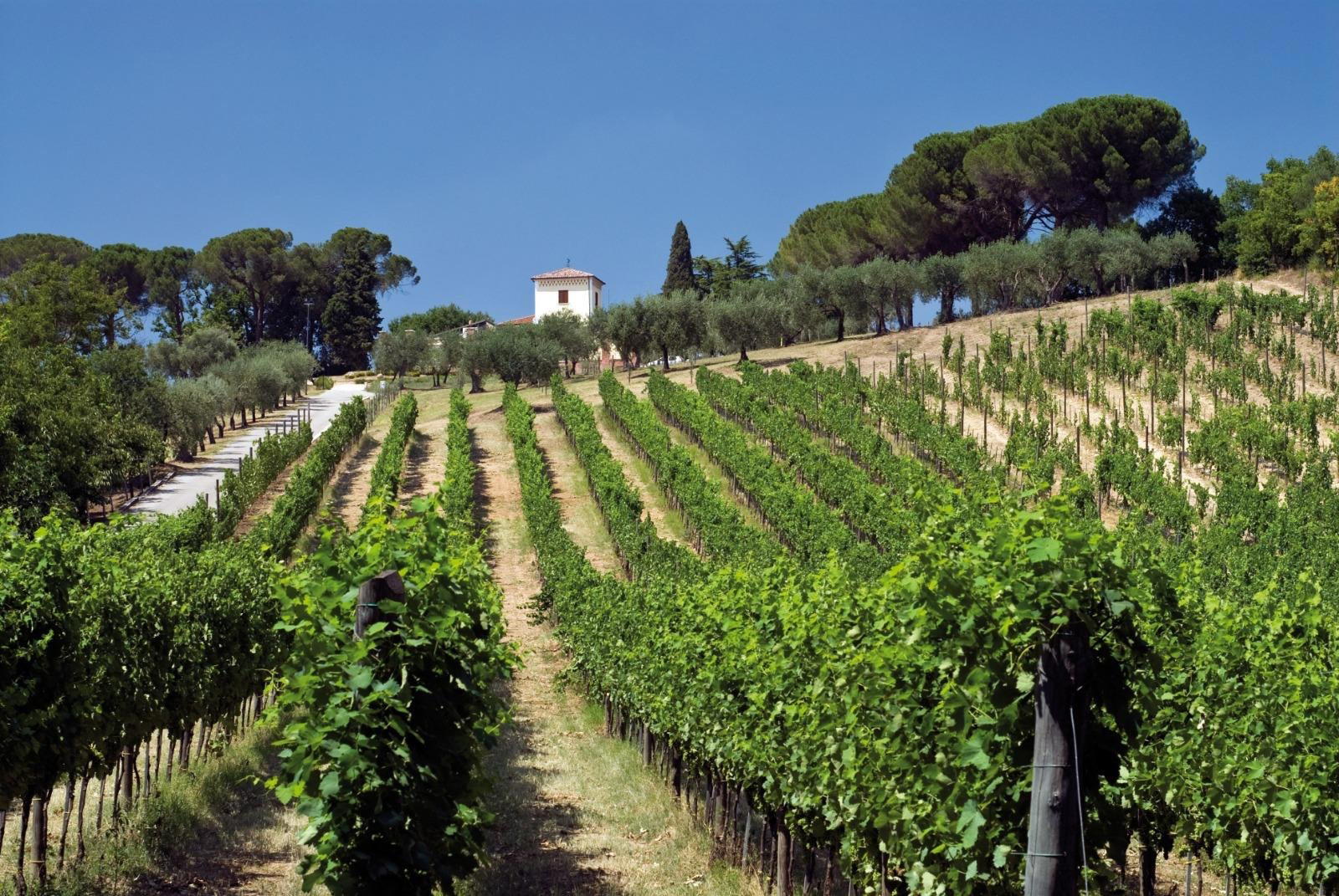
Bars in Avellino
Browse all →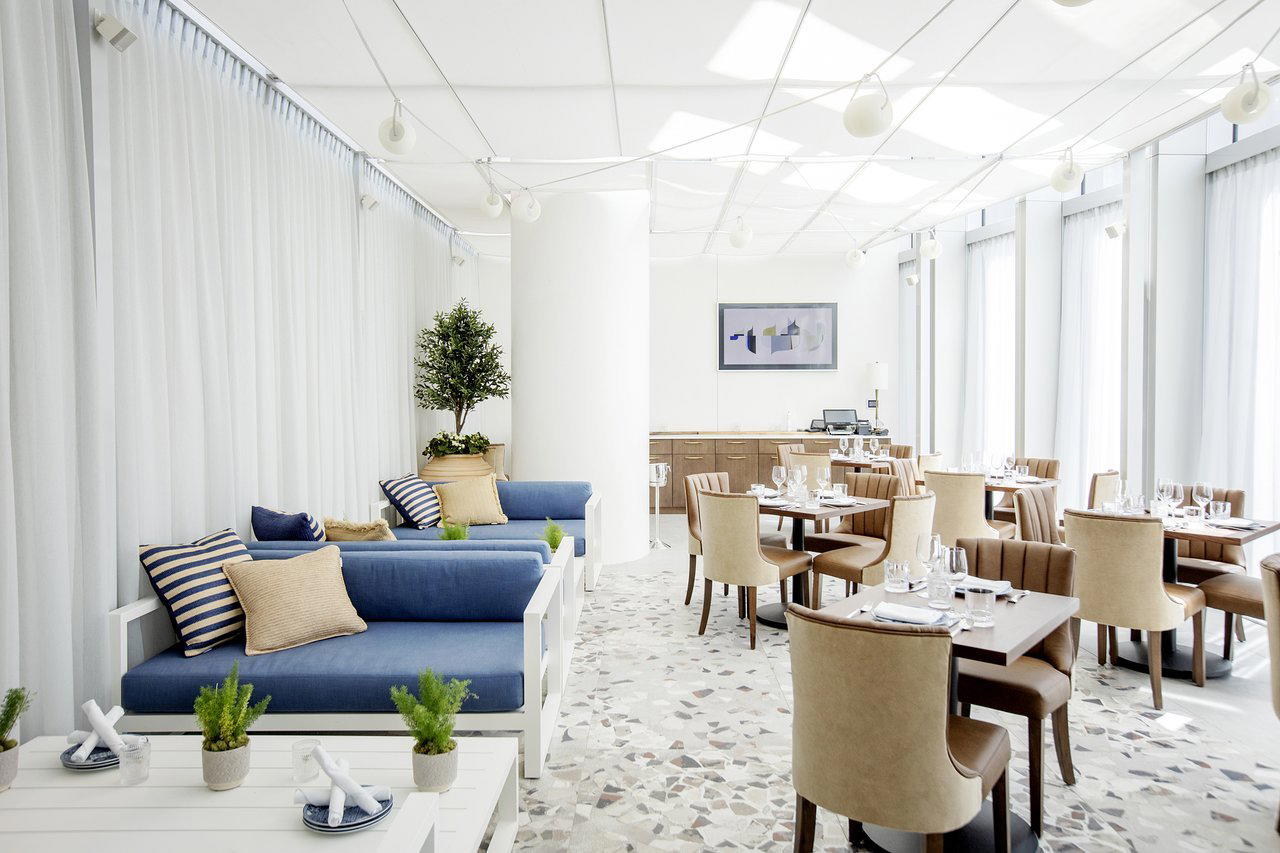
Restaurants in Avellino
Browse all →
At a Glance
- Rustic
- Quiet
- Solo Exploration
- Special Occasion
- Design Destination
- Organic
- Vineyard
- Taurasi DOCG
- Fiano
- Aglianico
- Still White
- Still Red
An artisanal, terroir-driven wine estate with a countryside setting in Irpinia; the estate is described as being surrounded by woods, olive groves, chestnut trees, and hazelnut trees.