Sinestesia Destilería

Sinestesia Destilería occupies a specific niche within Buenos Aires's growing craft spirits scene, earning a Pearl 2 Star Prestige rating in 2025. The operation sits inside the smaller, more disciplined tier of Argentine distilleries where process transparency and raw material sourcing carry more weight than volume. For those tracing the city's artisanal production culture, it is a relevant and credentialed stop.
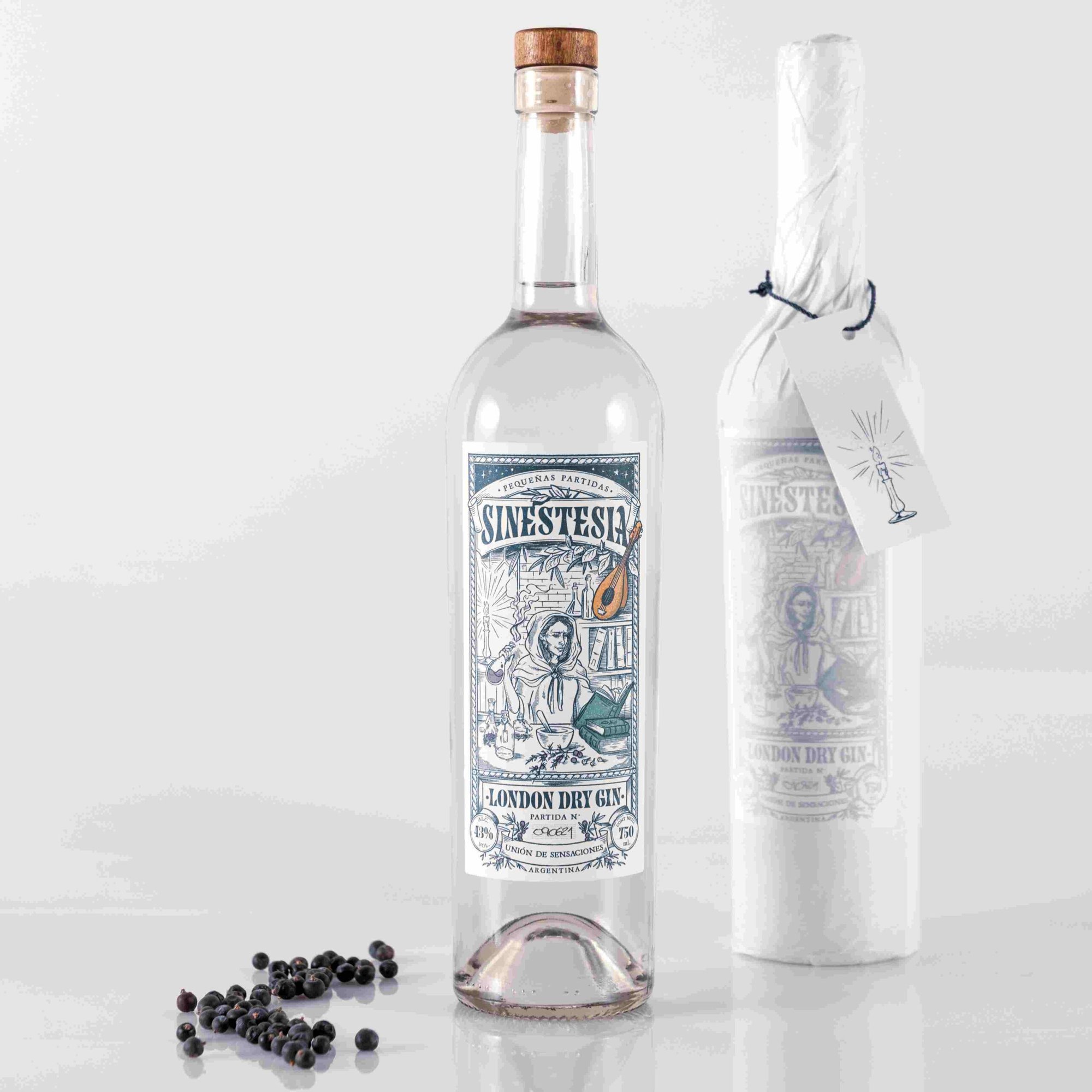
Where Buenos Aires Distilling Gets Serious
The craft distilling movement arrived in Buenos Aires later than in other South American capitals, but it has consolidated quickly. What began as a loose cluster of experimental producers has split into two recognizable tiers: high-volume operations built for supermarket shelf presence, and a smaller cohort of process-led distilleries where botanical sourcing, fermentation control, and low-intervention production methods define the work. Sinestesia Destilería sits in that second tier, recognized with a Pearl 2 Star Prestige rating in 2025, a credential that places it among the more scrutinized addresses in the city's artisanal spirits category.
That distinction matters more in Buenos Aires right now than it might in an established distilling city. Argentina's craft spirits infrastructure is still maturing, which means the gap between producers who take raw material provenance seriously and those who prioritize speed to market is wider here than in, say, Scotland or Burgundy. Walking into a space like Sinestesia, you are entering a setting shaped by that tension, where the decisions made before the first bottle is filled are the ones being argued over.
The Sustainability Question in Argentine Distilling
Argentine viticulture has spent the last two decades building a credible organic and biodynamic story, largely through Mendoza and Salta producers who recognized that altitude, aridity, and low disease pressure made chemical-free farming achievable at scale. The distilling world is following a similar path, if more slowly. The question of where raw ingredients come from, how they are farmed, and what that means for the final spirit has moved from niche concern to active differentiator among the producers earning serious recognition.
For context on how the upstream agricultural conversation plays out at the estate level, properties like Bodega Colomé in Molinos and Bodega El Esteco in Cafayate have spent years demonstrating that Andean terroir carries genuine information about place, information that survives into the glass. The better Buenos Aires distilleries are beginning to apply similar reasoning: the botanical or grain source is not incidental, it is argument. Bodega DiamAndes in Tunuyán represents another reference point in this shift toward transparent, territory-grounded production philosophy.
Sinestesia's 2025 Prestige rating signals that the operation has passed a threshold of scrutiny on these questions. Among Buenos Aires distilleries receiving independent recognition this cycle, that positioning aligns it with the process-first producers rather than the style-first ones.
Buenos Aires Distilling in Competitive Context
The city now has enough credentialed distilleries to make meaningful comparison possible. Fratelli Branca Distillery operates at a scale and with a heritage lineage that places it in a different peer set entirely, its reputation built over generations and tied to an international brand architecture. The more instructive comparisons are among the city's newer, independent operations. Destilería Dellepiane, Destilería Demian, Destilería Spiritu Santo, and Destilería Moretti collectively represent the emerging independent tier, each making different bets on format, spirit type, and production philosophy.
Within that group, award recognition in 2025 is a useful sorting mechanism. Sinestesia's Pearl 2 Star Prestige rating is a specific data point in a market where credentialing is still arriving. It positions the distillery in the upper bracket of independently recognized Buenos Aires producers, comparable in standing to operations in other craft-distilling cities that have earned specialist-press attention before achieving mainstream visibility.
The international reference set is also worth considering. Producers like Aberlour in Aberlour and estate-rooted operations like Abadía Retuerta in Sardón de Duero show what happens when a production philosophy is given time to mature into a coherent house style. Buenos Aires distilling is earlier in that arc, but the trajectory is legible.
Planning a Visit
Buenos Aires rewards the kind of itinerary that moves between its production culture and its broader hospitality scene. The city's drinks geography has become dense enough that a single afternoon can cover a distillery visit, a serious cocktail bar, and a wine-focused dinner without requiring significant travel between them. Our full Buenos Aires wineries guide maps the production addresses across the city and its accessible surroundings, while our full Buenos Aires bars guide covers the venues where the city's craft spirits actually appear in context.
For those building a wider stay, our full Buenos Aires hotels guide covers the accommodation tier that makes sense alongside this kind of itinerary, and our full Buenos Aires restaurants guide and full Buenos Aires experiences guide fill in the rest of the picture. Given that detailed operational data for Sinestesia, including confirmed hours, booking requirements, and current pricing, is not centrally published, confirming visit logistics directly with the distillery before arrival is advisable. Prestige-rated operations at this tier in Buenos Aires occasionally operate on appointment or limited public-session formats, which can catch visitors off guard.
Frequently Asked Questions
- What's the leading wine to try at Sinestesia Destilería?
- Sinestesia Destilería is a distillery operation, not a winery, so the primary focus is spirits production rather than wine. The 2025 Pearl 2 Star Prestige award recognizes the distillery's output within the craft spirits category. For Argentine wine across the broader regional spectrum, the Buenos Aires wineries guide covers the relevant addresses and producers.
- What makes Sinestesia Destilería worth visiting?
- The 2025 Pearl 2 Star Prestige rating places Sinestesia in the credentialed upper tier of Buenos Aires craft distilleries at a moment when the city's independent spirits scene is still consolidating. For visitors tracking Argentina's artisanal production culture, it represents one of the more scrutinized and recognized operations currently active in the city.
- Should I book Sinestesia Destilería in advance?
- Given the distillery's Prestige-level recognition and the general pattern among Buenos Aires's smaller craft producers, advance contact is advisable before visiting. Detailed booking information, including whether the operation runs open sessions or requires appointment, is not centrally published and should be confirmed directly. Arriving without prior confirmation risks finding the facility unavailable for walk-in access.
- When does Sinestesia Destilería make the most sense to choose?
- Sinestesia makes the most sense for visitors whose Buenos Aires itinerary is centered on the city's artisanal production culture rather than its wine or restaurant scene. The Pearl 2 Star Prestige award (2025) makes it a relevant reference point when comparing credentialed craft distilleries across the city, particularly for those building a structured drinks-focused visit rather than a single evening out.
- How does Sinestesia Destilería fit into Argentina's broader artisanal spirits movement?
- Argentina's craft distilling sector is roughly a decade behind its wine industry in terms of international recognition, but the 2025 wave of independent awards, including Sinestesia's Pearl 2 Star Prestige, suggests the category is reaching a maturation point. Sinestesia sits within the process-focused cohort of Buenos Aires producers, a peer group more interested in raw material provenance and production transparency than in rapid scale, which aligns it with the direction the serious end of the Argentine artisanal sector is moving.
Standing Among Peers
A short peer set to help you calibrate price, style, and recognition.
| Venue | Awards | Cuisine | Notes |
|---|---|---|---|
| Sinestesia Destilería | Pearl 2 Star Prestige (2025) | This venue | |
| Fratelli Branca Distillery | |||
| Destilería Dellepiane | |||
| Destilería Demian | |||
| Destilería Spiritu Santo | |||
| Destilería Moretti |
Access the Cellar?
Our members enjoy exclusive access to private tastings and priority allocations from the world's most sought-after producers.
Access the Concierge