
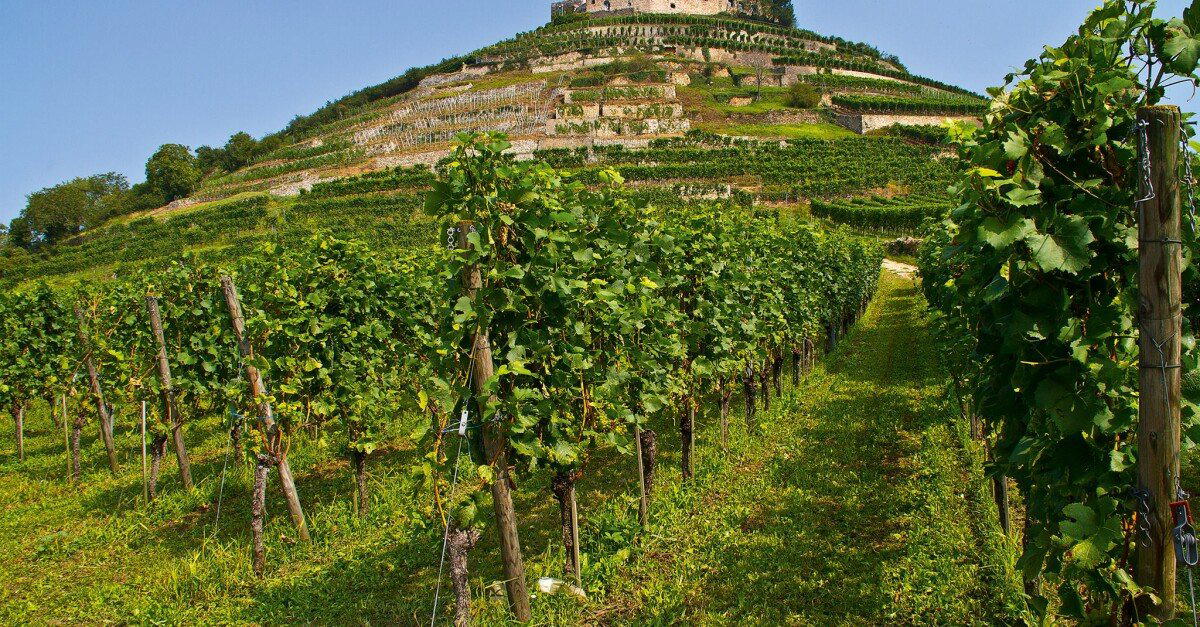
Schlossgut Istein is a small Baden estate winery shaped by the Kirchberg vineyard, where steep south-southwest exposures and calcareous soils define the house identity. The draw is not spectacle but site: Gutedel, Pinot varieties, Riesling and traditional-method sparkling wines tied to one historic viticultural setting in Istein.
Pearl is the En Primeur Club membership app — saves, bookings, and concierge access live there. Same editors, same standards.
- Address
- Istein, Baden, Baden-Wuerttemberg, Deutschland
- Directions
- Get directions
 Saves & bookings on Pearl
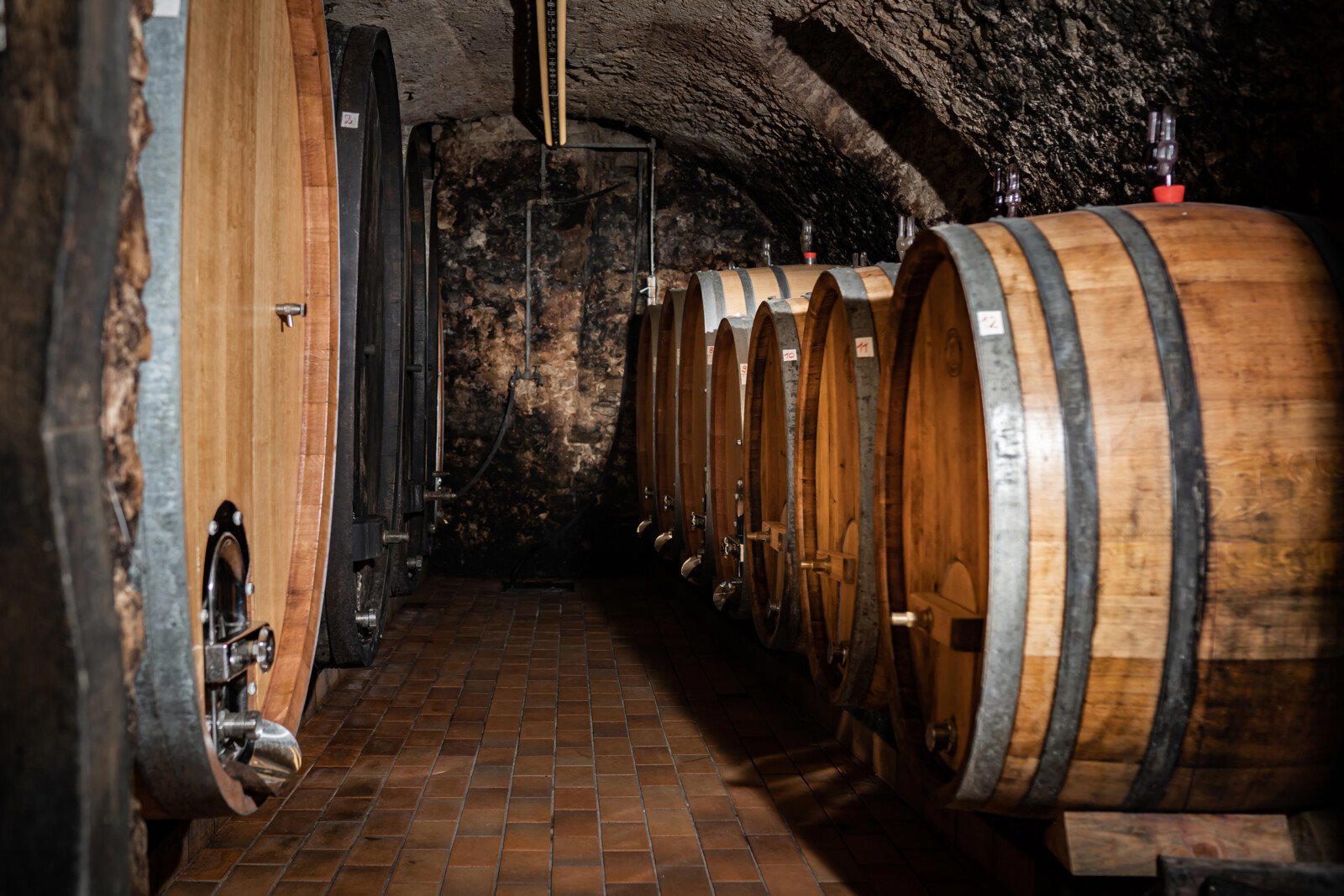
Schlossgut Istein is best understood as a place-led winery stop in Istein. The picture is not a restaurant-style profile or a detailed tasting-menu description, but a historic estate winery atmosphere with a strong sense of place. Its character is shaped by the old Schlossgut setting, steep south-southwest vineyard exposures, and a premium-cellar focus. Those are the firm anchors for understanding the venue, and they matter because they place the emphasis on landscape, setting, and cellar identity rather than on a broad hospitality checklist.
For planning, treat Schlossgut Istein as a quiet, scenic, rustic and classic hidden-gem venue in Istein. Specific details about visitor services, opening arrangements, wines, production methods, or food offerings should be confirmed directly before you go, because they are not part of the information here. That makes the venue best approached with clear expectations: come for the estate-winery mood and the Istein setting, and verify any practical detail that would affect the visit before building an itinerary around it.
The estate setting gives Schlossgut Istein its identity
Reliable reason to pay attention to the winery is its setting. The venue is grounded in a historic estate winery atmosphere rather than an urban bar, restaurant, or broad hospitality concept. The old Schlossgut context gives the place a sense of continuity and local character. In EP Club terms, this is the kind of venue where the frame is part of the experience: the estate context, the surrounding vineyard impression, and the quieter pace are central to how the stop should be read.
The landscape is also central to how the venue reads. notes point to steep south-southwest vineyard exposures, which support the impression of a site-specific winery shaped by slope, orientation, and a quiet environment. That kind of description is important not because it confirms a technical dossier, but because it explains why the winery feels tied to its location. The reference to exposure and slope reinforces the idea of a winery whose identity comes from place as much as from any listed visitor offer.
The winery’s appeal is therefore less about a long list of published specifications and more about atmosphere: scenic, quiet, rustic, classic, and strongly tied to Istein. It is a venue to understand through its setting first, with the old estate character doing much of the work. For travellers who prefer places with a clear local imprint rather than a heavily packaged concept, that simplicity is part of the point.
A premium-cellar focus, without overclaiming the program
The profile includes a premium-cellar focus. That supports positioning the winery as a winery where the cellar and estate context matter, but it does not verify a specific drinks list, tasting format, sparkling-wine method, tour structure, winemaker name, critic score, or award history. The distinction is useful: the venue can be understood as cellar-led and premium in orientation without turning that into unsupported detail about exactly what will be poured, how a visit is hosted, or what is currently available.
For an EP Club reader, the honest planning cue is simple: expect a historic estate winery atmosphere in Istein, with a quiet and place-specific feel. If you need practical details such as current visiting options, bottle availability, group arrangements, dietary accommodations, or service times, confirm them directly with the venue rather than relying on assumptions. This is especially important because the available profile is intentionally narrow. It gives enough to identify the mood and positioning, but not enough to guarantee the mechanics of a visit.
Compared with other dining or drinking options in Istein, the winery is distinctive for its estate-winery identity and scenic setting. It is not necessary to frame it through outside comparisons; the draw is the Schlossgut itself. The old estate atmosphere, the vineyard-facing context, and the premium-cellar note provide a clear reason to keep it on a short list when the desired experience is quieter, more place-specific, and less interchangeable than a standard stop.
A quiet Istein stop for atmosphere and sense of place
The winery is well suited to travellers who value setting, calm, and local character. The descriptors point to a scenic, quiet, rustic, classic rather than a high-energy venue. That does not make it complicated; it makes the visit proposition focused. A useful fit is someone looking for an Istein stop where the surrounding estate mood and sense of place are the main reasons to go.
The price level is listed as $$, which gives a broad planning signal without implying a specific menu, tasting price, bottle price, or package. It should be read as a general category only, not as a promise about what any particular visit will cost. As with the other practical points, exact arrangements should be checked directly if they matter to your plans.
Use the winery as a carefully chosen Istein stop when the goal is a historic estate winery atmosphere, a strong sense of place, and a premium-cellar orientation. It is most compelling when treated on those terms: not as a fully documented restaurant profile, and not as a venue defined by a list of confirmed services, but as a quiet, scenic, classic estate-winery address whose identity comes from the Schlossgut setting itself.
Recognition history
Dated appearances from independent guides and award organizations, with the underlying list record or original source where available.
Falstaff Winery - Listed
Falstaff

At a Glance
- Scenic
- Quiet
- Rustic
- Classic
- Wine Education
- Solo Exploration
- Group Outing
- Special Occasion
- Vineyard Tour
- Historic Building
- Private Tasting
- Vineyard
- Baden / Markgräflerland
- Gutedel
- Spätburgunder
- Riesling
- Pinot Blanc
- Pinot Gris
- Chardonnay
- Gewürztraminer
- Rivaner
- Still White
- Still Red
- Sparkling
- Guided Tasting
- Cellar Tour
Historic estate winery atmosphere with a strong sense of place, shaped by the old Schlossgut setting, steep south-southwest vineyard exposures, and a premium-cellar focus.