
Falstaff Winery - 2 Stars
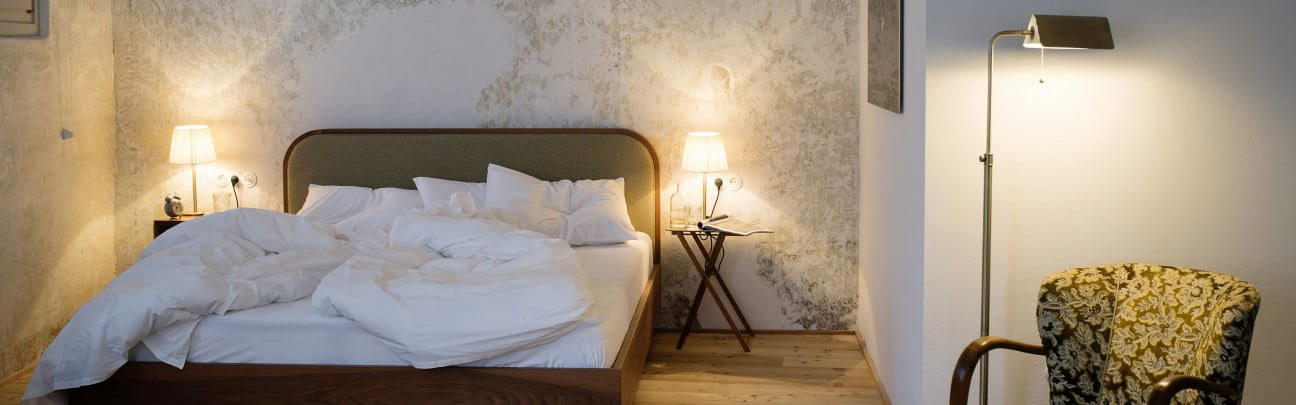
Schloss Plars is a South Tyrolean wine-and-suites property in Algund, set around a historic castle, its own vineyard, and a small-scale hospitality format. The draw is not a high-volume tasting room but the overlap of cultivated hillside, red and white estate wines, and 16 individually designed rooms and suites near Merano.

Pearl is the En Primeur Club membership app, where members save venues, book tables and use the concierge.

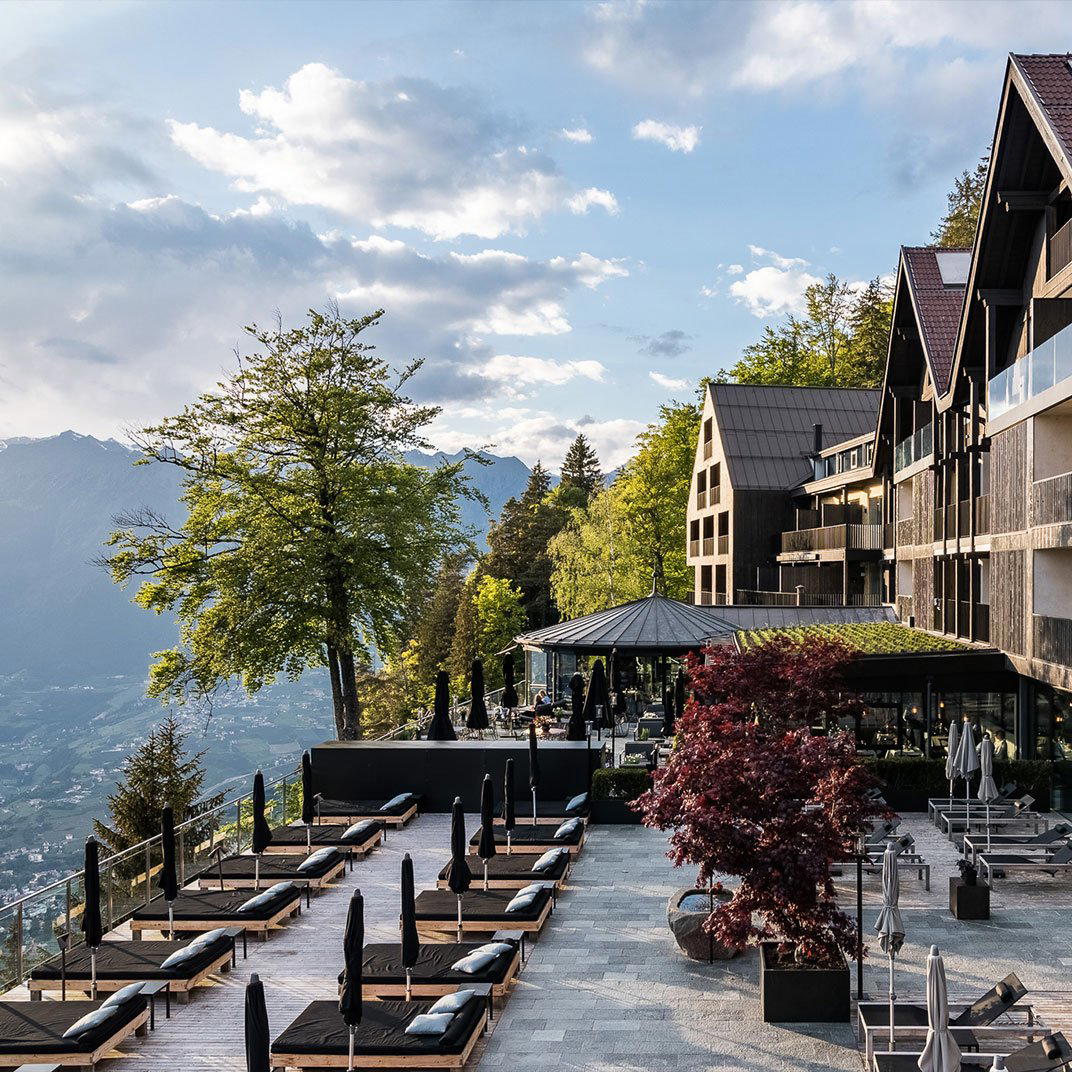
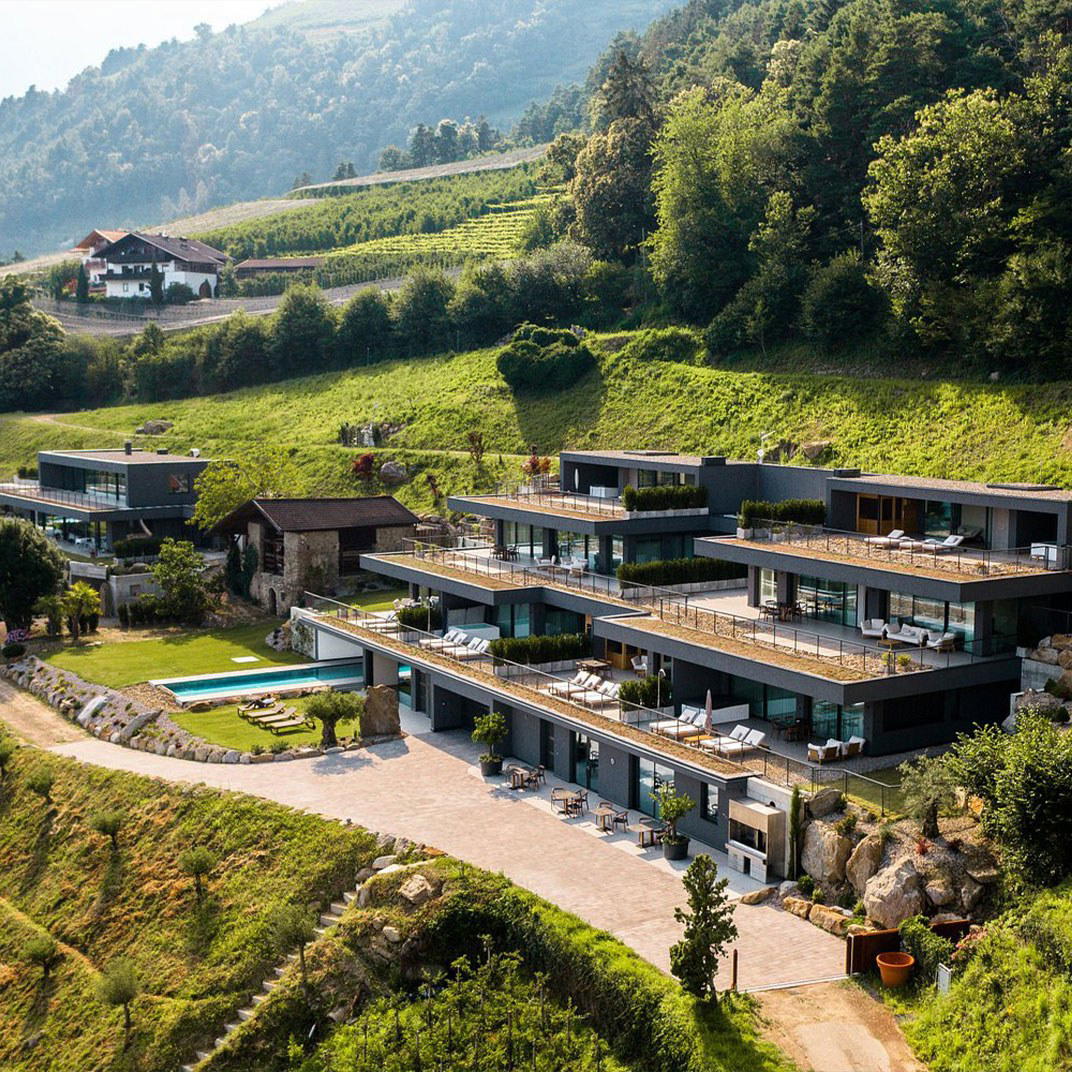
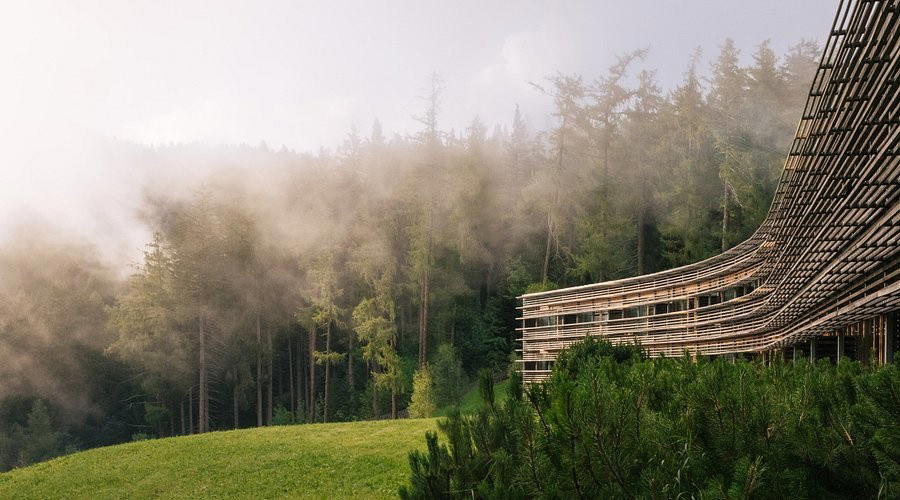
Approaching Schloss Plars means entering the cultivated side of South Tyrol: vineyards close to the building, orchards in the wider frame, pine trees above, and the Merano area’s Alpine-Mediterranean weather shaping the mood. The property belongs to a category that Italy handles well when it resists overproduction: the heritage wine stay, where the land is not decoration but the reason the hospitality exists.
In Algund, wine travel is less about grand tasting-room traffic than about proximity to slope, garden, and cellar. Schloss Plars fits that quieter model. Its identity is built around a castle hotel with its own winery, a vineyard setting, and a compact lodging scale of 16 rooms and suites. That size matters. It keeps the experience closer to a private estate stay than a resort circuit, and it aligns with the way South Tyrolean wine culture often works: agricultural, family-linked, and folded into everyday landscape rather than separated into spectacle.
For wider city planning, EP Club’s local pages are useful context: Our full Algund wineries guide, Our full Algund hotels guide, Our full Algund restaurants guide, Our full Algund bars guide, and Our full Algund experiences guide.
A castle vineyard in the Merano cultural climate
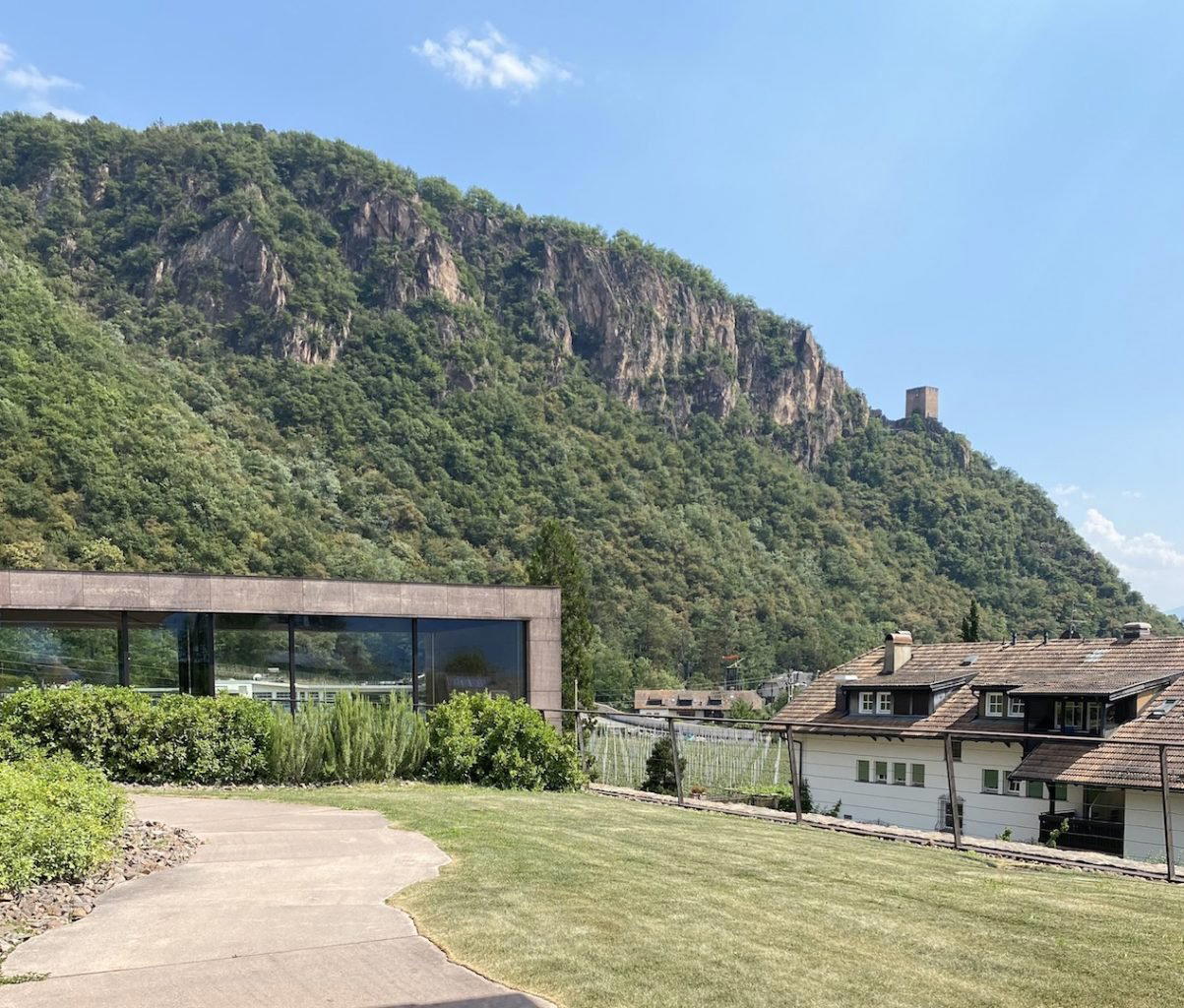
The strongest argument for Schloss Plars is terroir as a full-stay experience. The estate sits in Algund in the Merano and surroundings wine area, where the regional character is neither purely Alpine nor plainly Mediterranean. That hybrid climate is part of the broader South Tyrolean appeal: warm, orchard-lined valley influence below, mountain structure above, and a hospitality culture that often reads through both Germanic precision and Italian ease.
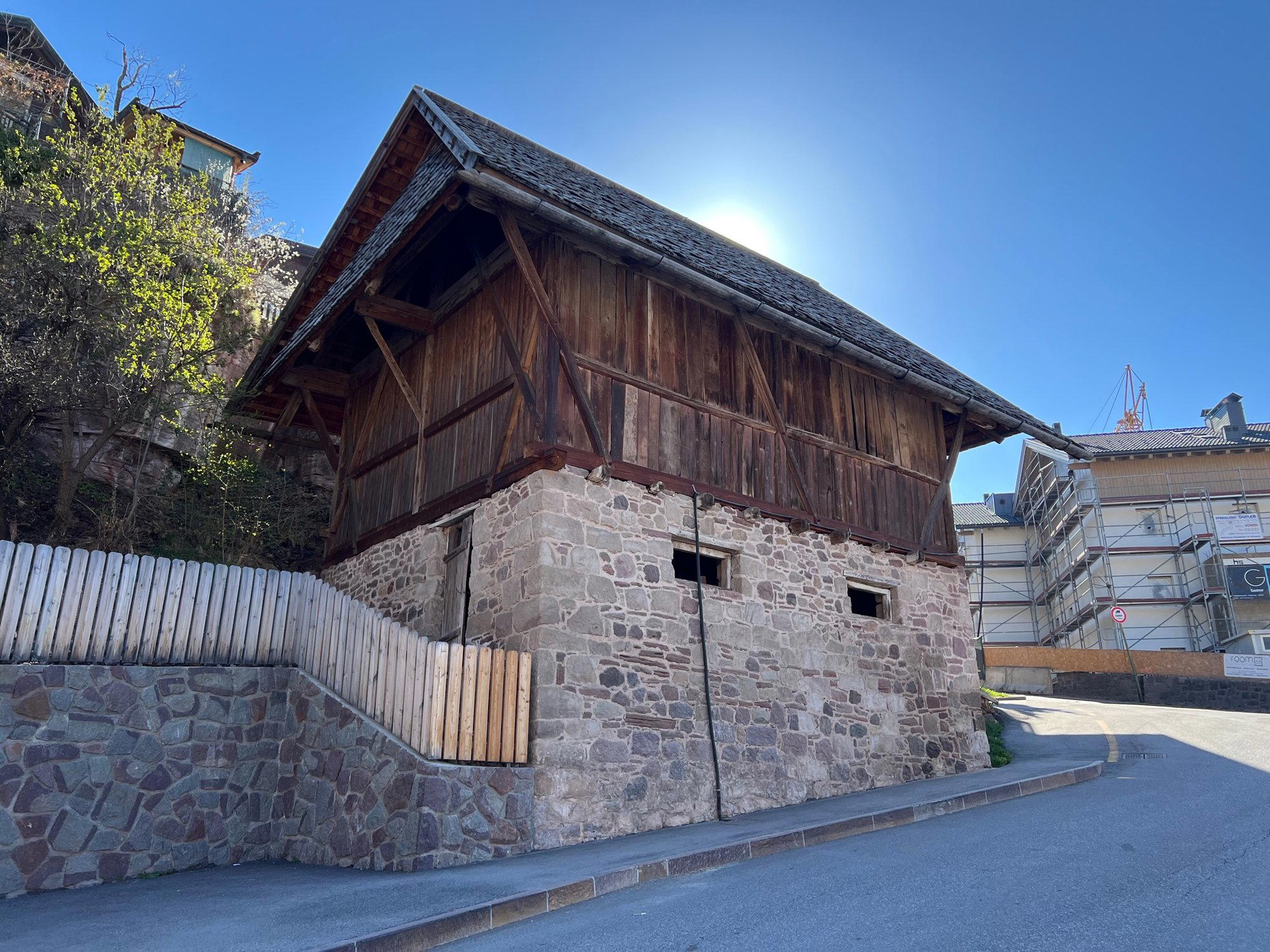
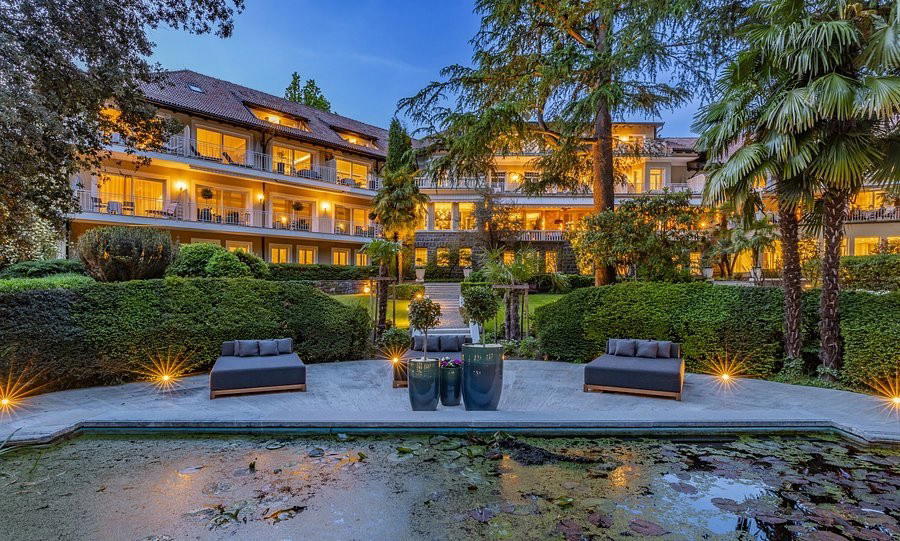
The castle was first mentioned in written documents in the 14th century, when it was known as Mairhof zu Torkel in Plairs or Torgglerhof. In 1880, Wilhelm D’Avignon bought the farm and rebuilt it into a castle with a park and villa. The Theiner family purchased the property in 1911, and family management remains part of its present identity, with a major renovation recorded in 1974. Those dates give the place a longer arc than the usual boutique-hotel conversion. The building was agricultural before it was romantic, which is exactly why the vineyard setting feels central rather than ornamental.
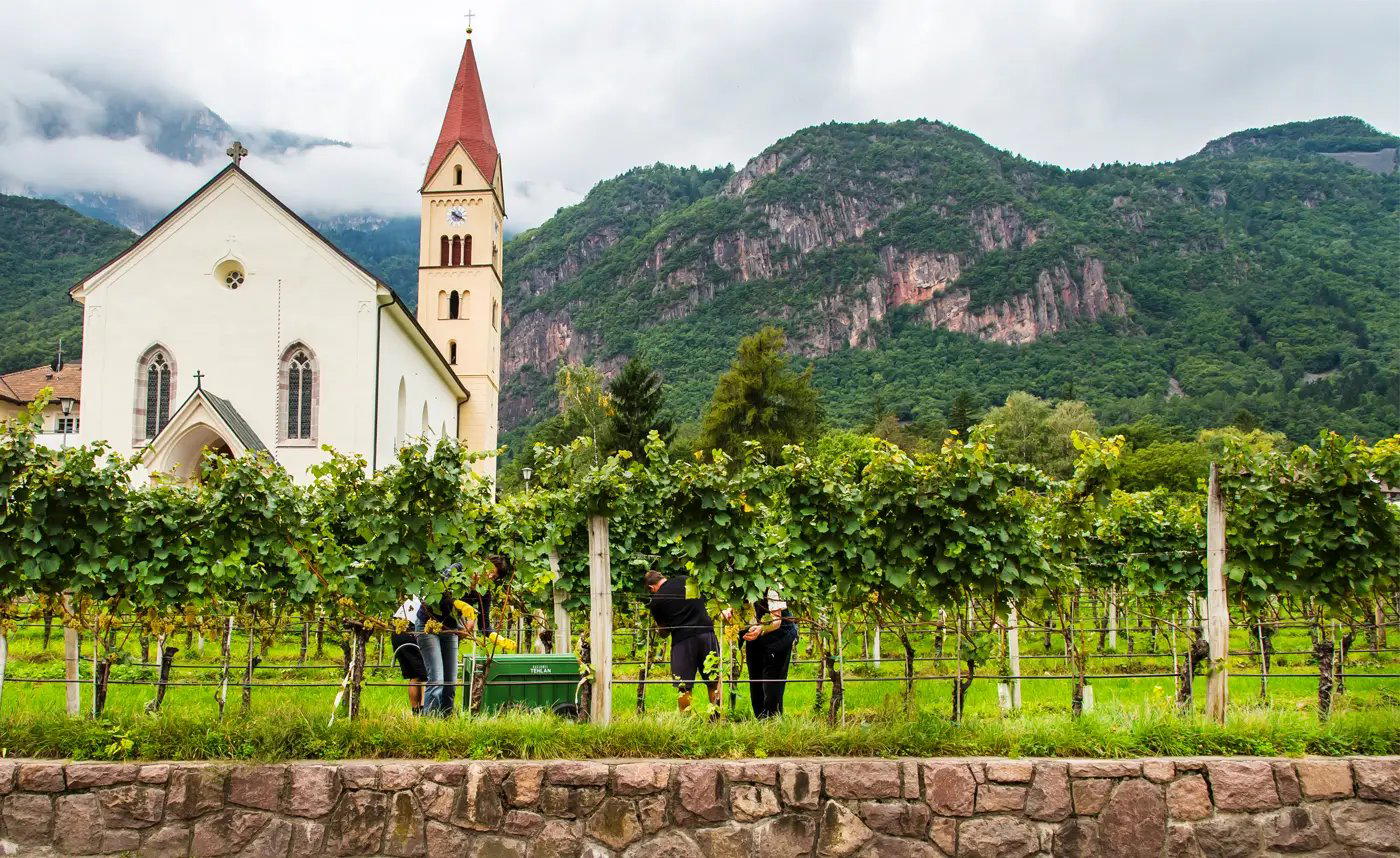
Vineyard produces red and white wines, with the listed varietal frame including Sauvignon Blanc, Chardonnay, Pinot Blanc, Vernatsch, Lagrein, and Merlot. That mix says something about South Tyrol’s dual register: fresh white-wine aptitude on one side, local red tradition and Bordeaux-linked varieties on the other. Schloss Plars does not need a long portfolio narrative to make the point. The credible signal is the estate link itself: castle, vineyard, cellar, and rooms operating within the same small property logic.
Wine-and-suites rather than cellar tourism at scale
Italy has plenty of wineries that treat hospitality as an add-on. The more interesting format is the reverse: a place where lodging, walking, tasting, and landscape form the visit. Schloss Plars sits in that second camp. Its tasting formats include wine tasting, private tasting, vineyard tour, and a guided hike with cellar tasting, with a stated duration of 60 to 90 minutes. That is a compact, experience-led structure, suitable for guests who want context without turning the day into a technical seminar.
The property’s production scale is small, its allocation status is open, and the wine focus is still red and still white. Food pairing is not part of the listed format, which is useful to understand before setting expectations. This is not a restaurant-led winery experience or a chef-driven tasting menu with bottles attached. It is a vineyard-and-heritage stay where the wine programme supports the place narrative.
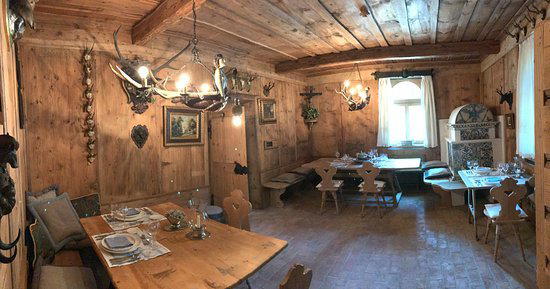
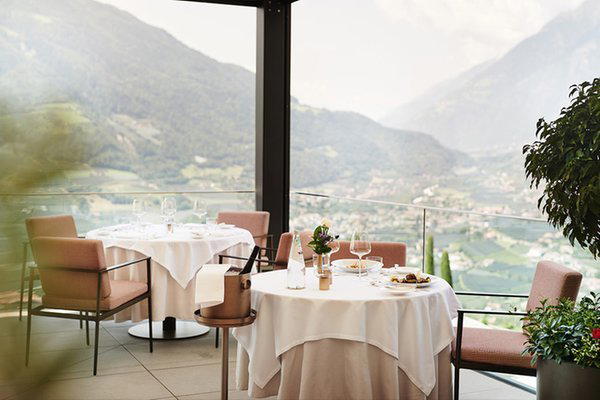
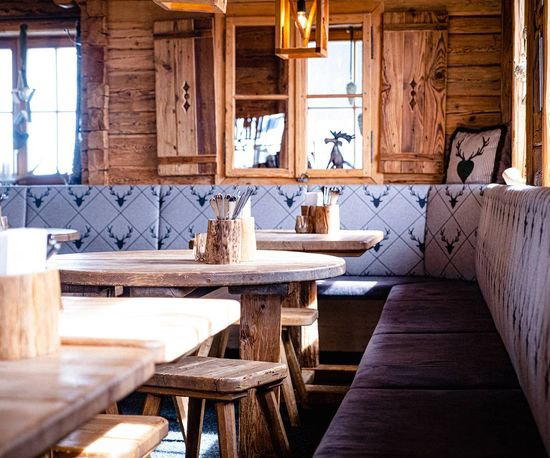
The atmosphere follows the same logic: quiet, intimate, romantic, scenic, and historic, with garden, mountain, and vineyard views shaping the visual field. It is also not designed for every travel pattern. The format is not flagged as good for groups or children, and dogs are not listed as part of the offer. That places Schloss Plars closer to couples, solo wine travelers, and special-occasion stays than to large-party wine touring.
Readers comparing Italian wine travel more broadly can place this against other EP Club winery pages outside Algund, including 3GP SRL in Treviso, 47 Anno Domini in Trebaseleghe, A Mano Wine in Noci, a6mani in Fragagnano, Abbadia Ardenga in Torrenieri, Abbazia di Crapolla in Neapel, Abbazia Monte Oliveto in Asciano, Abbazia Santa Anastasia in Castelbuono, »der Steiner« Hans Steiner in Podersdorf am See, and & Handwein in Mannheim.
Who should choose it
Schloss Plars makes sense for travelers who want wine to define the tempo of a stay rather than fill a single appointment. The setting supports walks, vineyard viewing, quiet rooms, and a slower Merano-area itinerary. The listed occasions, romantic getaway, special occasion, solo exploration, and wine education, are accurate signals. This is not a party property, and it is not trying to be a mass-market tasting stop.
The editorial case is strongest for guests who value land-linked hospitality over formal luxury metrics. There is no need to inflate the claim with awards language. The objective signals are clearer: a 14th-century documented site, family ownership from 1911, 16 rooms and suites, a working vineyard, named varietals across local and international grapes, and structured wine experiences by appointment. In a region where agriculture, architecture, and tourism often overlap, Schloss Plars is compelling because it keeps those elements close together.
Recognition history
Dated appearances from independent guides and award organizations, with the underlying list record or original source where available.
Falstaff Winery - 2 Stars
Falstaff
Continue exploring
More in Algund
Wineries in Algund
All wineries in Algund →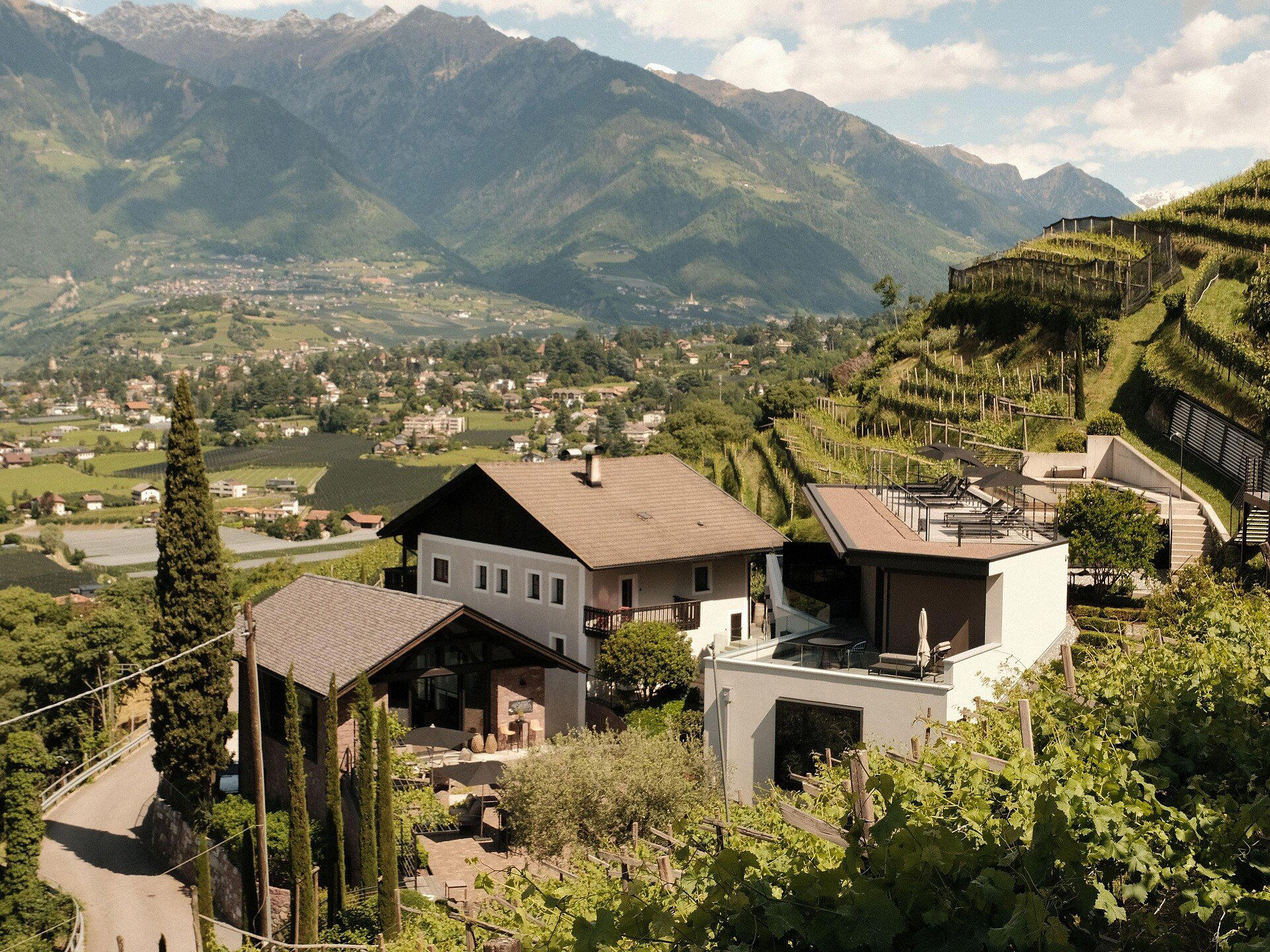
Details
- Romantic
- Quiet
- Scenic
- Intimate
- Elegant
- Historic
- Romantic Getaway
- Special Occasion
- Solo Exploration
- Wine Education
- Historic Building
- Vineyard Tour
- Panoramic View
- Private Tasting
- Design Destination
- Garden
- Mountain
- Vineyard
- White Wine
- Red Wine
- Sauvignon Blanc
- Chardonnay
- Pinot Blanc
- Vernatsch
- Lagrein
- Merlot
- Still Red
- Still White
- Wine Tasting
- Guided Hike With Cellar Tasting
- By Appointment
Quiet, intimate, and romantic, with a scenic castle-and-vineyard setting that blends historic charm with modern suites.