Rola Wines

Falstaff Winery - Listed
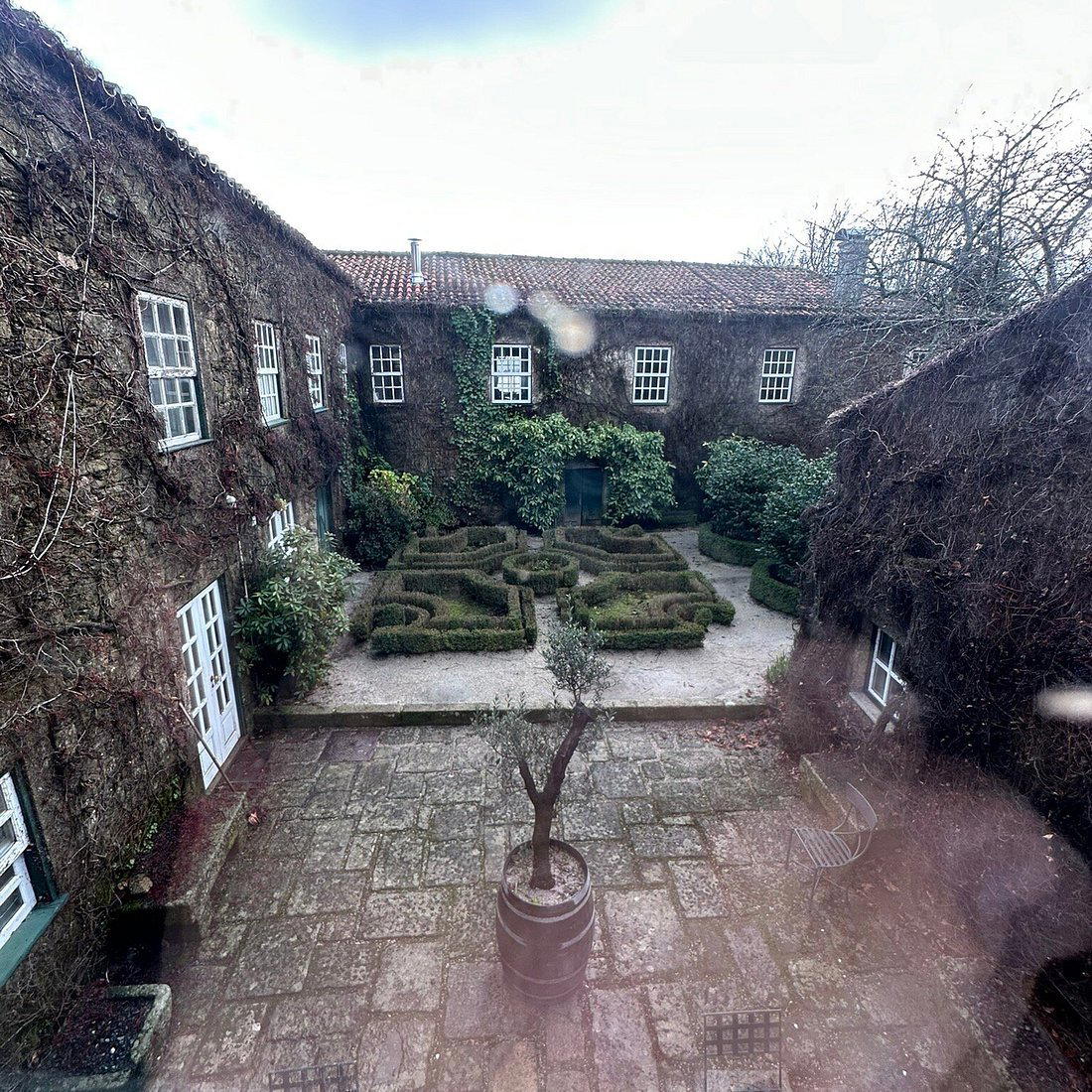
Rola Wines is a small Douro producer in Peso da Régua shaped around old vines, indigenous varieties, and Ana Rola’s low-intervention approach. The appeal is terroir rather than spectacle: DOC Douro whites from Viosinho, Rabigato, and Gouveio, reds from mature field blends, and a cellar-door format tied to Quinta de Remostias, an 18th-century estate close to the city.

Pearl is the En Primeur Club membership app — saves, bookings, and concierge access live there. Same editors, same standards.
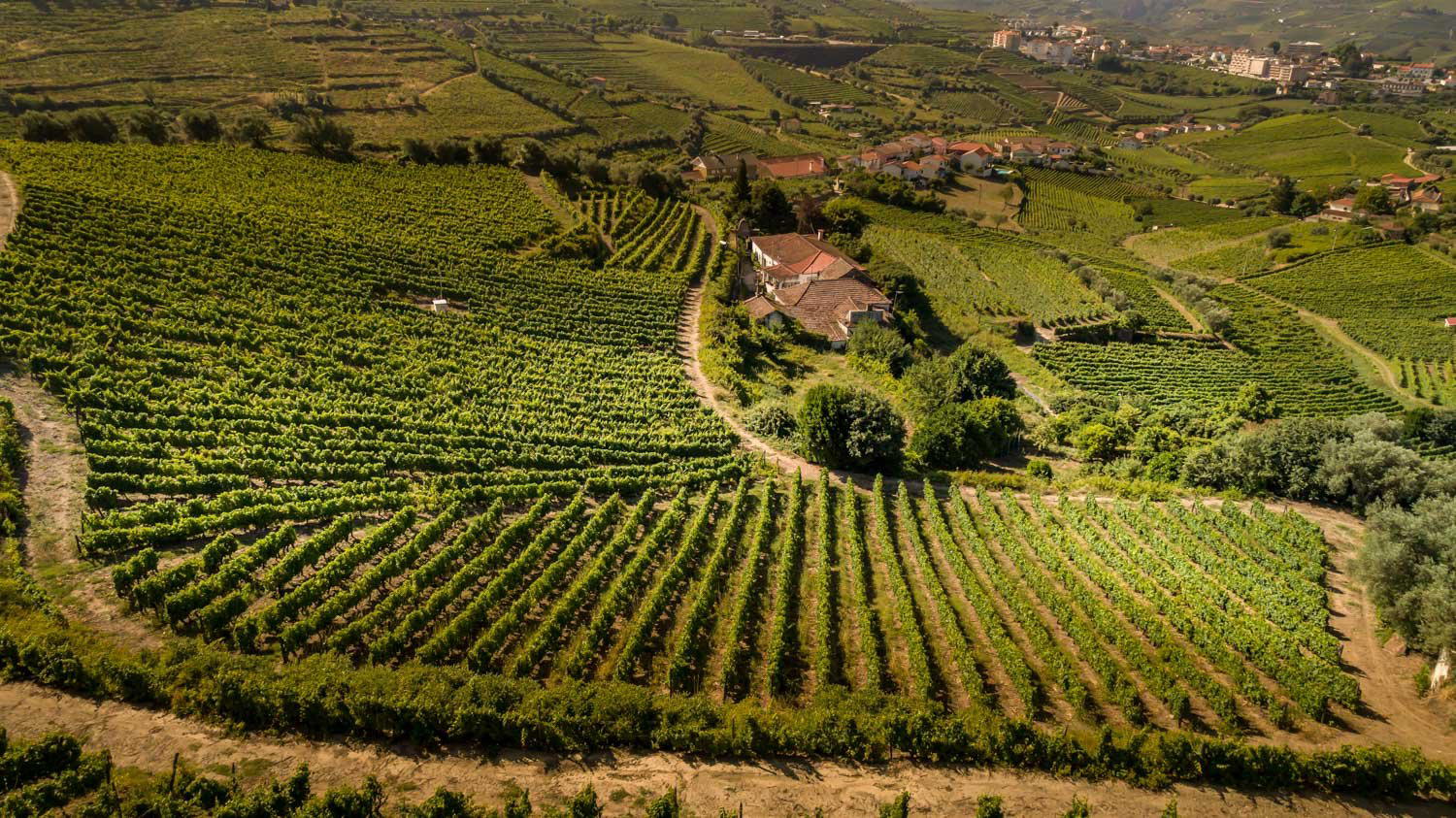
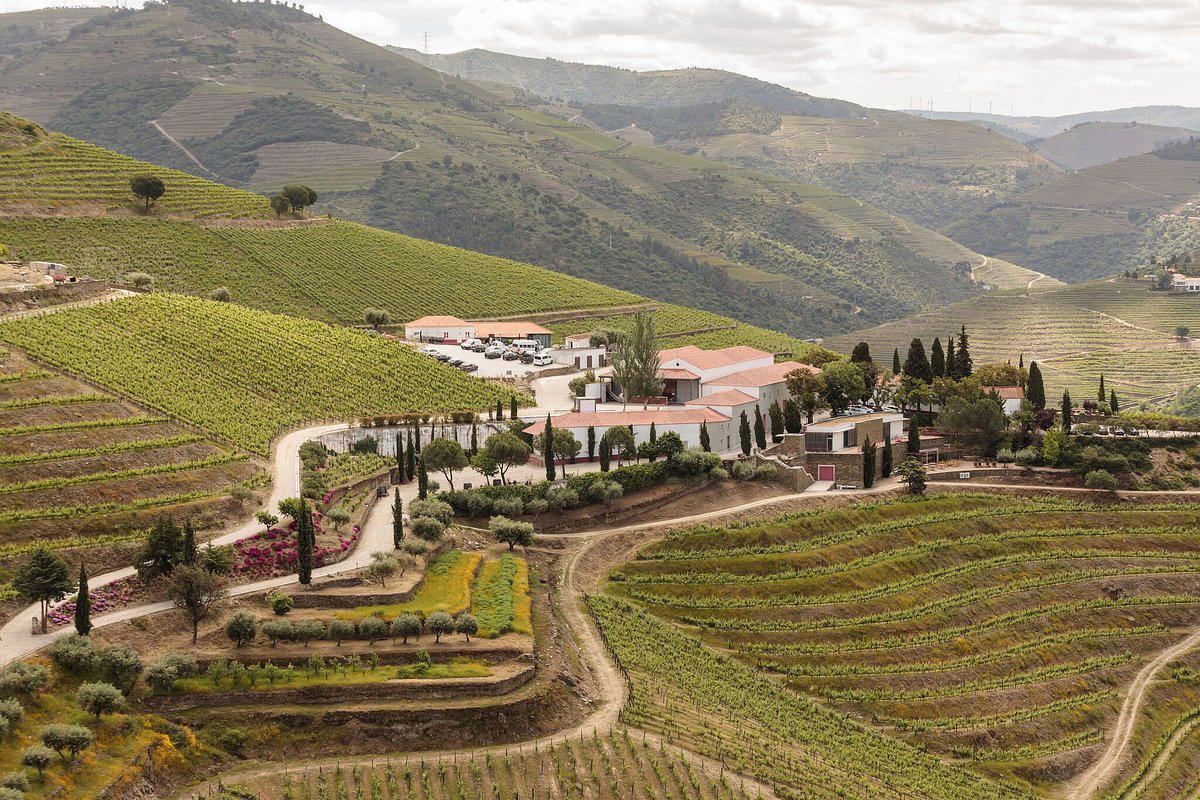
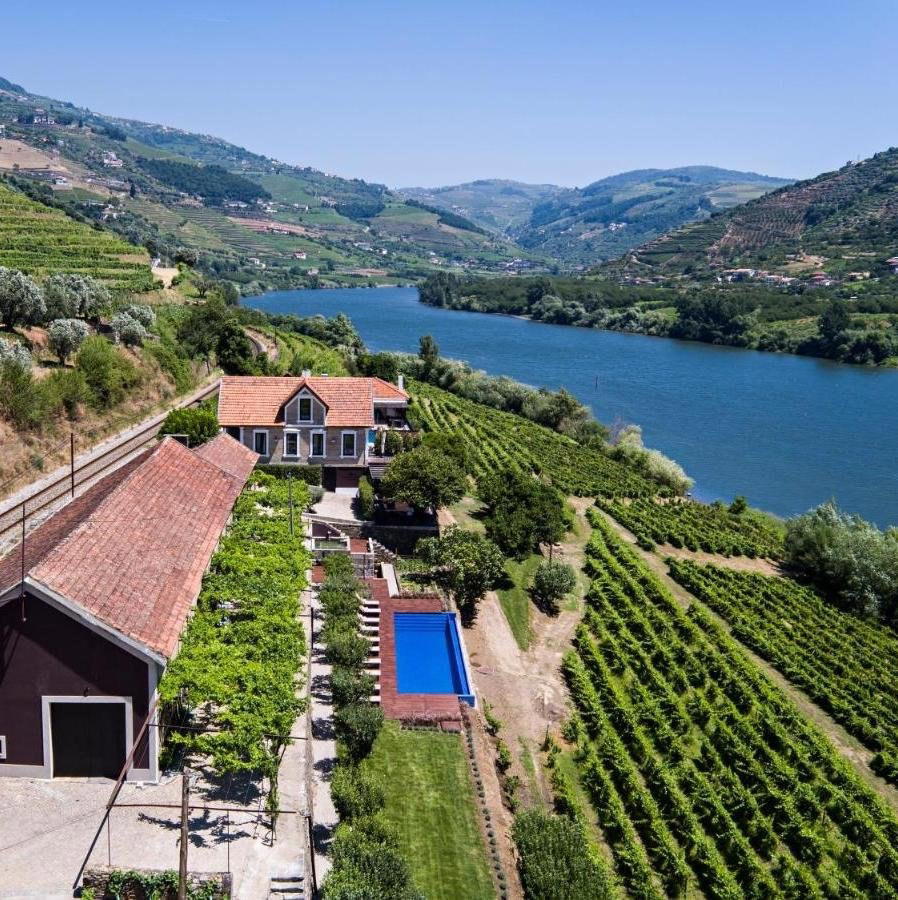
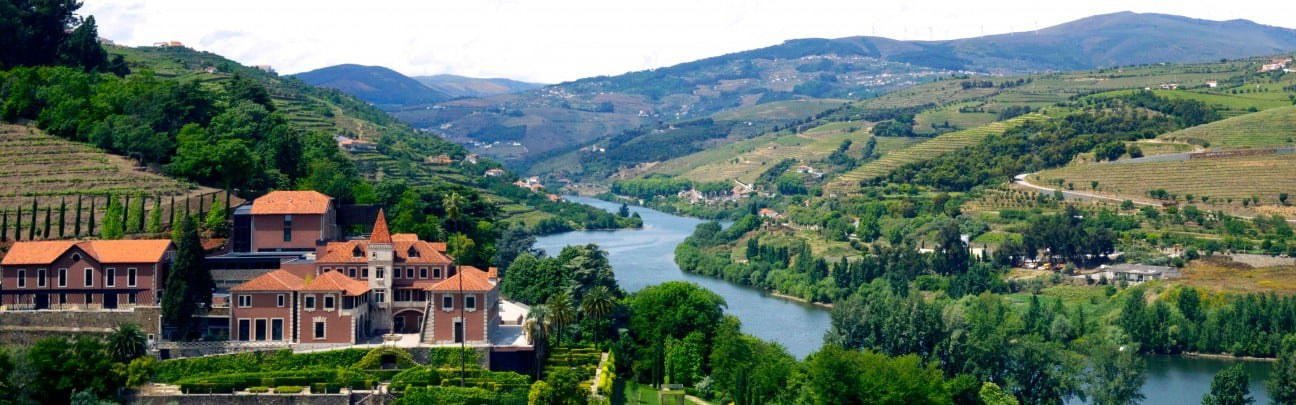
Approaching the Douro through Peso da Régua, wine is less a tasting-room accessory than the organising principle of the place: terraces, river bends, dry-stone walls, and estates that treat altitude and exposure as seriously as grape variety. Rola Wines belongs to the smaller, contemporary side of that tradition. It is not built around scale or trophy language; its case rests on old-vine material, indigenous grapes, a compact portfolio, and a hospitality format that keeps the vineyard close to the glass.
The setting matters because the Douro can be easy to misunderstand. Port history still dominates the region’s global image, but the modern table-wine conversation is increasingly about freshness, site definition, and restraint in a hot, dramatic valley. Rola Wines works within DOC Douro and leans into that newer reading of the region: white blends based on Viosinho, Rabigato, and Gouveio, reds shaped by Touriga Nacional, Touriga Franca, Tinta Roriz, and Tinto Cão, and reserva bottlings that use oak as structure rather than costume.
Old vines and Douro varieties carry the argument
The stronger part of the portfolio is its reliance on vineyard age and native varieties rather than international shorthand. The core white draws on Viosinho, Rabigato, and Gouveio from two plots selected for freshness, a useful signal in a region where heat can flatten lesser whites. The reserva white comes from vines around 40 years old, mainly Viosinho and Rabigato, with six months in second-use French barrels. That detail places it in the gastronomic register without pushing the wine into obvious oak display.
Reds make the Douro case more directly. Rola Red comes from field-blend old vines of more than 50 years, including Touriga Nacional, Touriga Franca, Tinta Roriz, and Tinto Cão. Only 30 percent of the wine is aged in barrel for nine to twelve months after fermentation stages, which points to a measured style rather than a cellar-dominant one. The reserva red follows a related pattern, again from old vines of more than 50 years, with Touriga Nacional, Touriga Franca, and Tinta Roriz leading the blend.
That restraint is the editorial point. In the Douro, concentration is easy to find; proportion is harder. A producer working with old vines, partial barrel ageing, and indigenous material is making a specific claim about place: that the valley has enough power of its own and does not need to be inflated. The rosé, made from Touriga Nacional, adds another reading of the region, while the late-harvest Little Sweet Rola shows the portfolio is not confined to the expected red-and-reserva axis.
A women-led Douro narrative without losing the vineyard
Ana Rola’s role gives the estate a clear authorial line, but the more interesting story is what that authorship says about the Douro now. The region has long been associated with family continuity, inheritance, and estates that carry memory in their names and parcels. Here, that inheritance is framed through a women-led identity, including the Marias / Douro Girls Collection, a project linked to family continuity and feminine strength rather than generic lifestyle branding.
That narrative would be thin without credible farming and cellar choices behind it. The project opened in 2015 and is tied to Quinta de Remostias, an 18th-century property in Peso da Régua. The production language favours minimal intervention, sustainable practice, vegan-friendly wines, and low sulphite positioning. Those claims do not replace formal certification, but they do align with the practical evidence in the wines: old-vine field blends, native varieties, limited oak proportions, and a small-scale cellar identity.
External recognition here is more trade-contextual than medal-driven. A Marta Vine tasting panel assessed 45 Douro wine samples with 35 participants ranging from novice drinkers to wine-shop owners, and Rola Wines performed strongly across labelling, quality, value, aroma, palate, and return appeal. That is not the same as a major competition trophy, but it is a useful trust signal for a producer whose reputation rests on coherence and drinkability rather than award accumulation.
How to place it in a Peso da Régua wine day
Rola Wines is a by-reservation visit, with guided tasting listed as part of the experience. The format suits travellers who want the Douro explained through varietal choices and vineyard age rather than a high-volume cellar circuit. Dress stays casual, the tone is quiet, and the occasion skews toward wine education, private tasting, solo exploration, and small group travel. Food pairing is not part of the listed format, so this is better planned as a focused winery stop than as a long lunch substitute.
For a wider Peso da Régua itinerary, use the city as a base rather than a single-stop destination. EP Club’s local wine coverage includes Poças, Quinta de São Domingos, Quinta de Valbom, Quinta do Vallado, and Quinta dos Murças - Esporão. For planning beyond cellar doors, see Our full Peso da Régua wineries guide, plus the city guides to restaurants, hotels, bars, and experiences.
Portugal’s wine map rewards cross-regional comparison. Travellers building a broader cellar itinerary can contrast Douro structure with 1912Winemakers LDA in Porto, Adega Cartuxa (Fundação Eugénio de Almeida) in Évora, and Adega Cooperativa de Borba in Borba. For a wider European lens, EP Club also covers »der Steiner« Hans Steiner in Podersdorf am See and & Handwein in Mannheim.
The reason to prioritise Rola Wines is not grandeur. It is the chance to read the Douro through a smaller, terroir-led producer where old vines, native grapes, and family narrative sit in the same frame. For travellers who already know the region’s big historical signals, that smaller scale is exactly the point.
Recognition history
Dated appearances from independent guides and award organizations, with the underlying list record or original source where available.
Falstaff Winery - Listed
Falstaff
Continue exploring
More in Peso da Régua
Wineries in Peso da Régua
All wineries in Peso da Régua →
Bars in Peso da Régua
All bars in Peso da Régua →

Restaurants in Peso da Régua
All restaurants in Peso da Régua →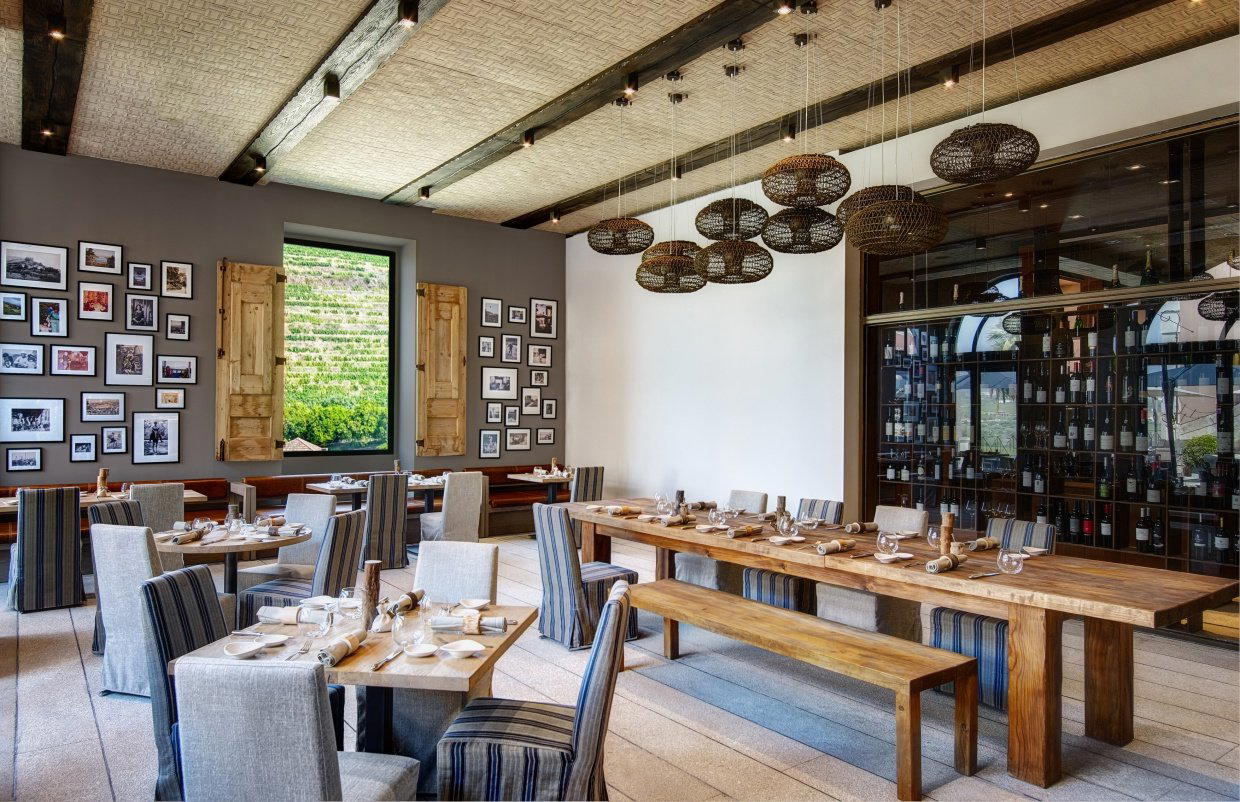
Details
- Elegant
- Sophisticated
- Rustic
- Intimate
- Wine Education
- Special Occasion
- Solo Exploration
- Group Outing
- Design Destination
- Historic Building
- Private Tasting
- Vineyard Tour
- Sustainable
- Vineyard
- Mountain
- Viosinho
- Rabigato
- Gouveio
- Touriga Nacional
- Touriga Franca
- Tinta Roriz
- Tinto Cão
- Still White
- Still Red
- Still Rosé
- Dessert
- By Appointment
- Guided Tasting
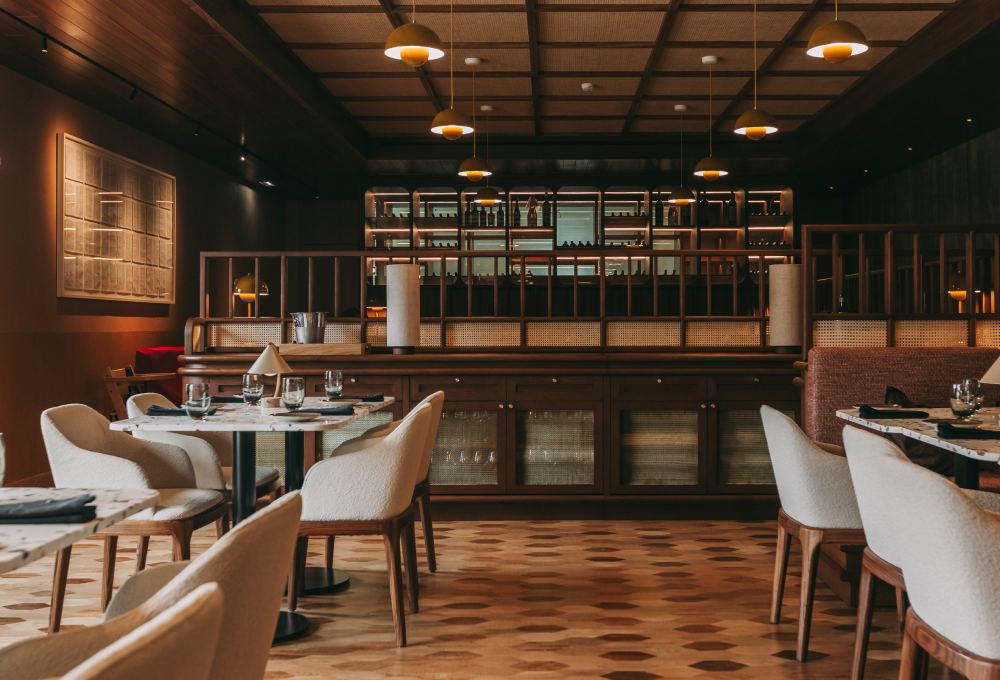
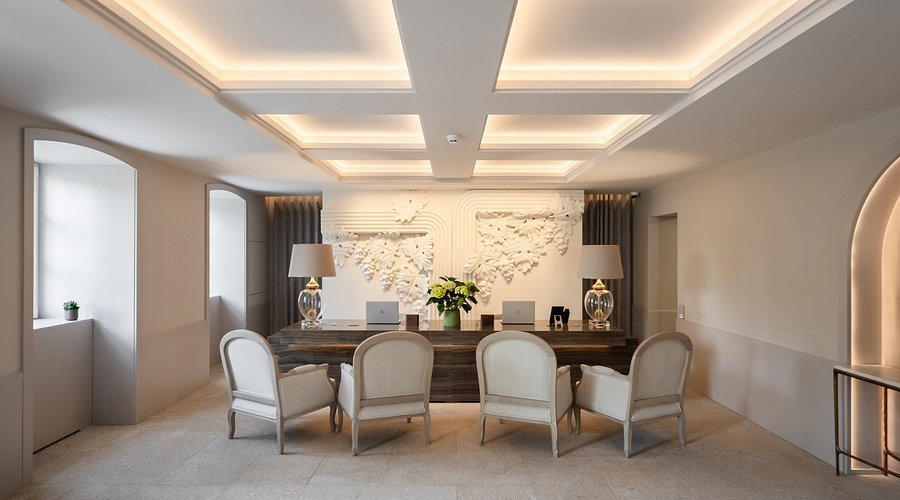
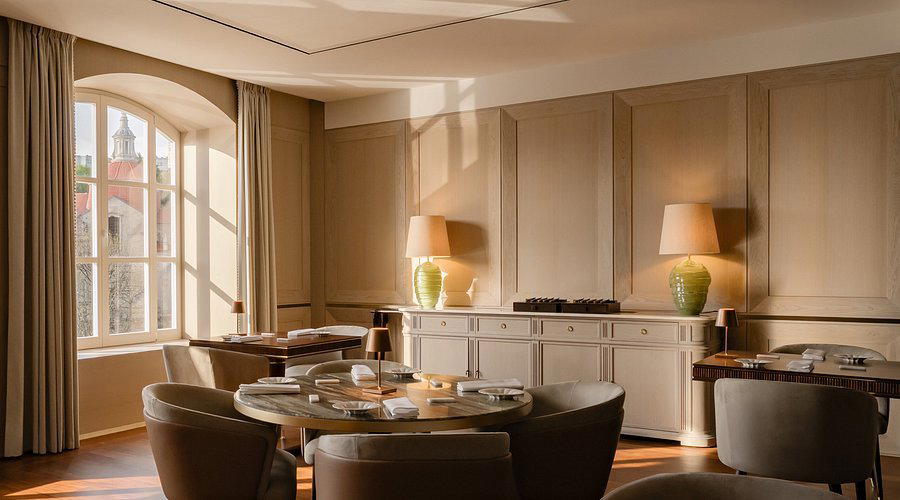
A small, modern winery and tasting space on a historic estate, presenting an authentic, elegant Douro atmosphere centered on terroir and the winemaker’s personal narrative.