
Falstaff Winery - 4 Stars
Rocca di Frassinello is the Maremma winery where site, architecture, and cultural history carry equal weight. The estate pairs a Renzo Piano-designed cellar with Sangioveto, Cabernet Sauvignon, Merlot, Syrah, and Vermentino grown in a sea-breeze corridor near Gavorrano, making it a strong choice for travelers who want wine tasting tied to land, design, and Etruscan context.

Pearl is the En Primeur Club membership app, where members save venues, book tables and use the concierge.
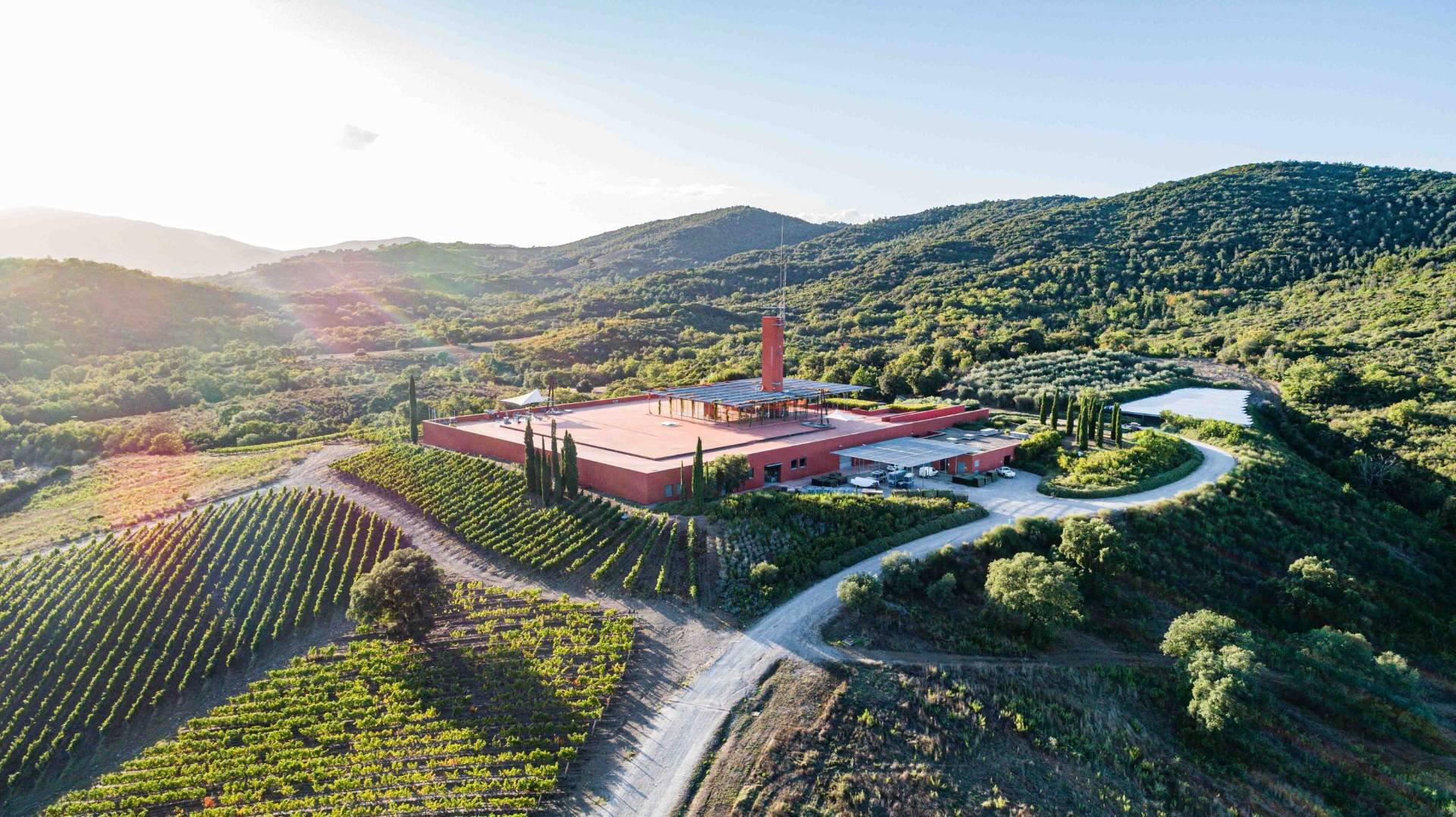
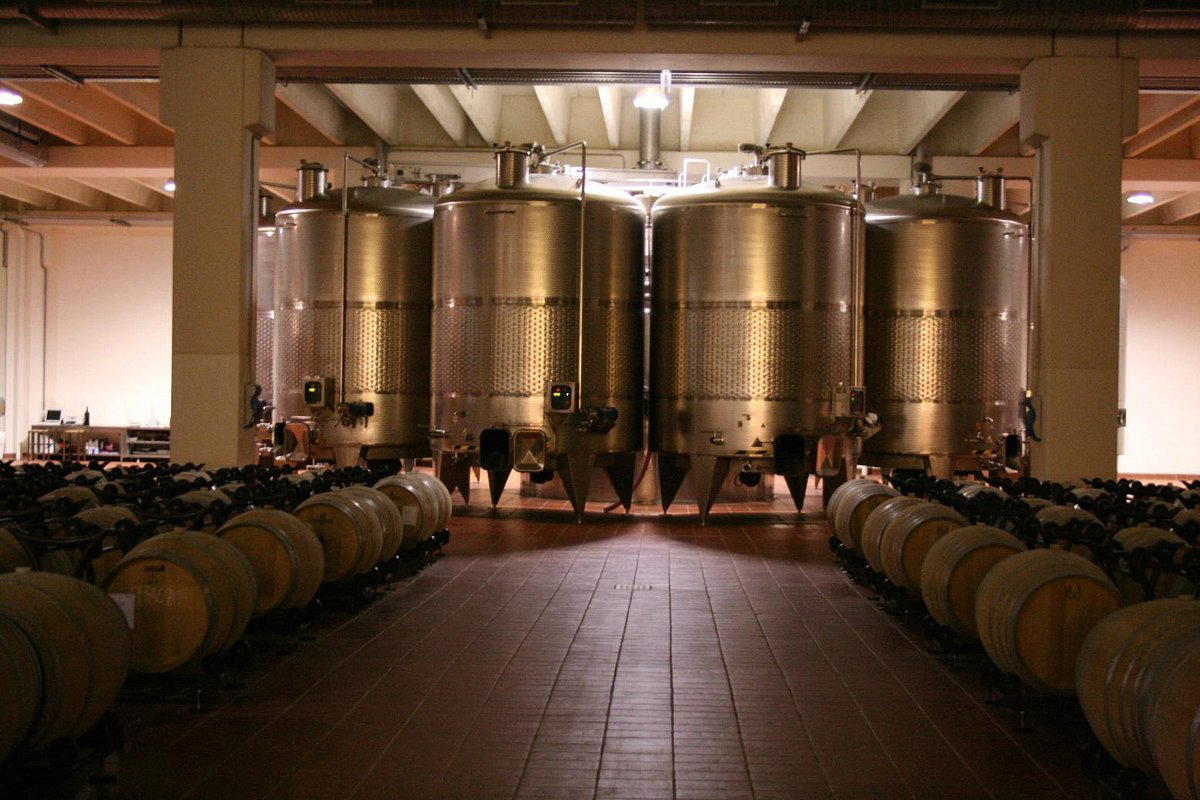
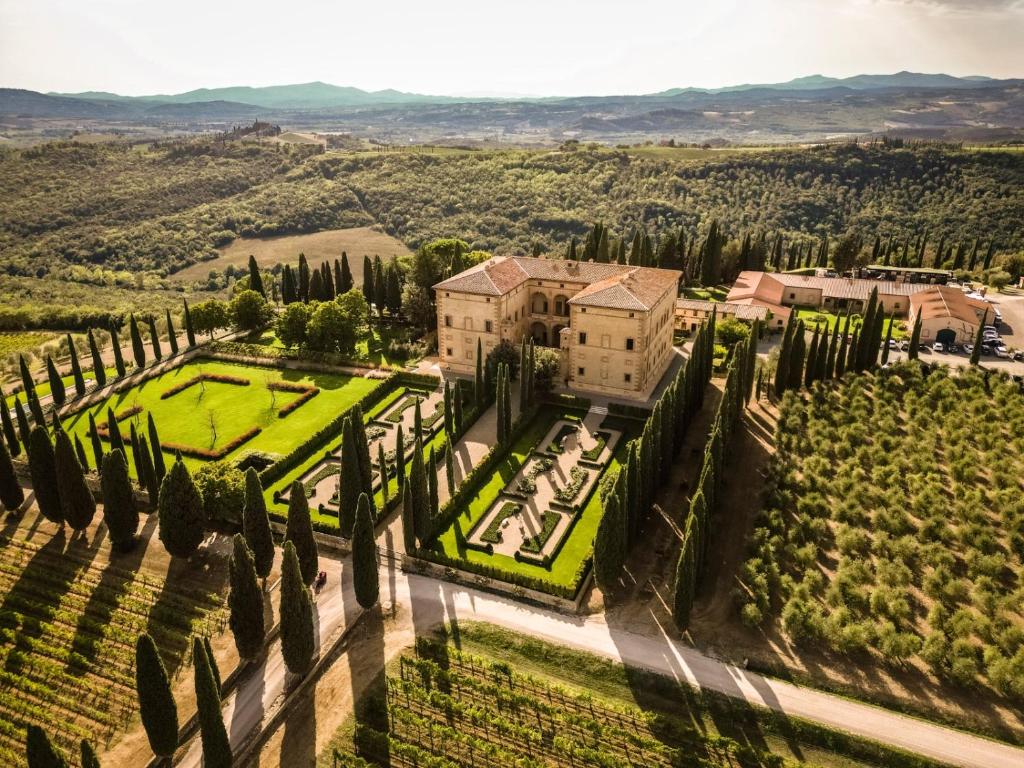
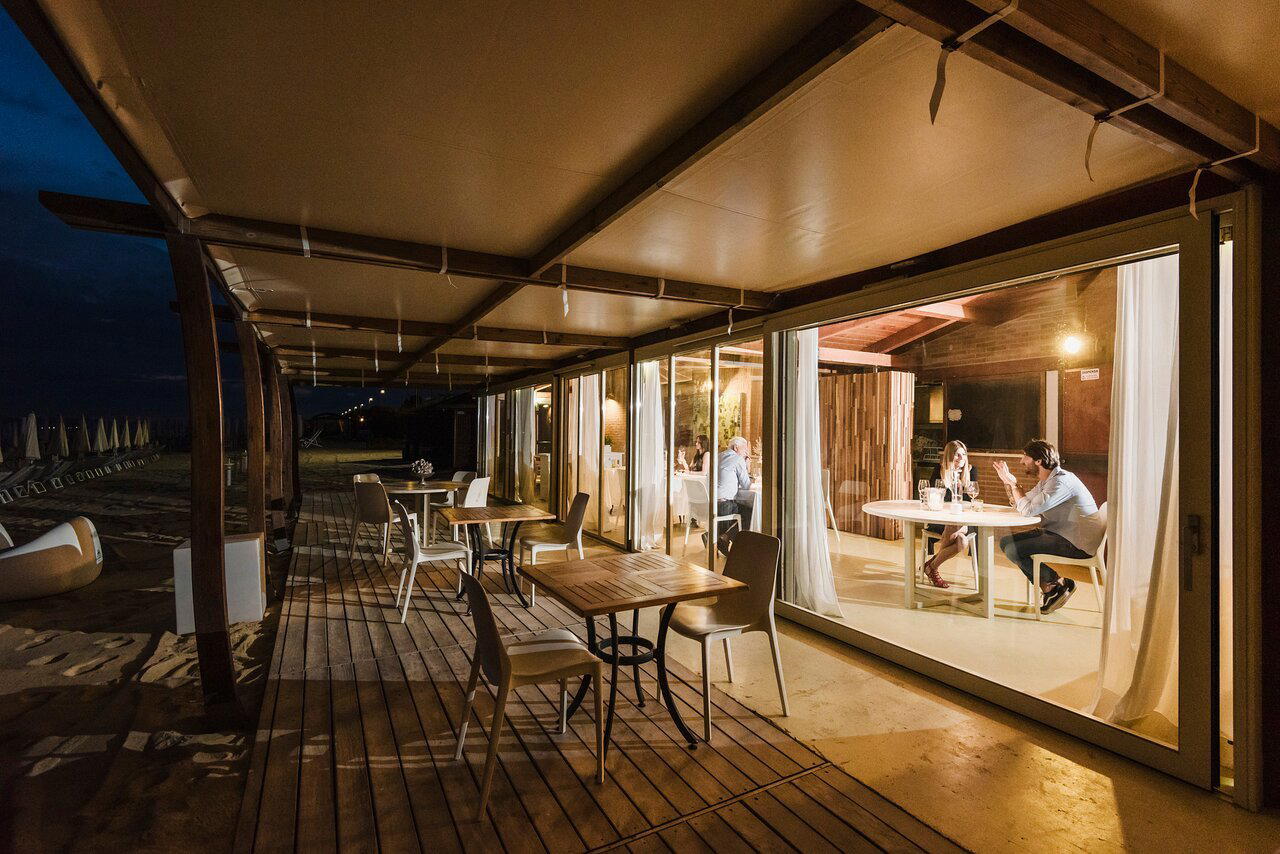
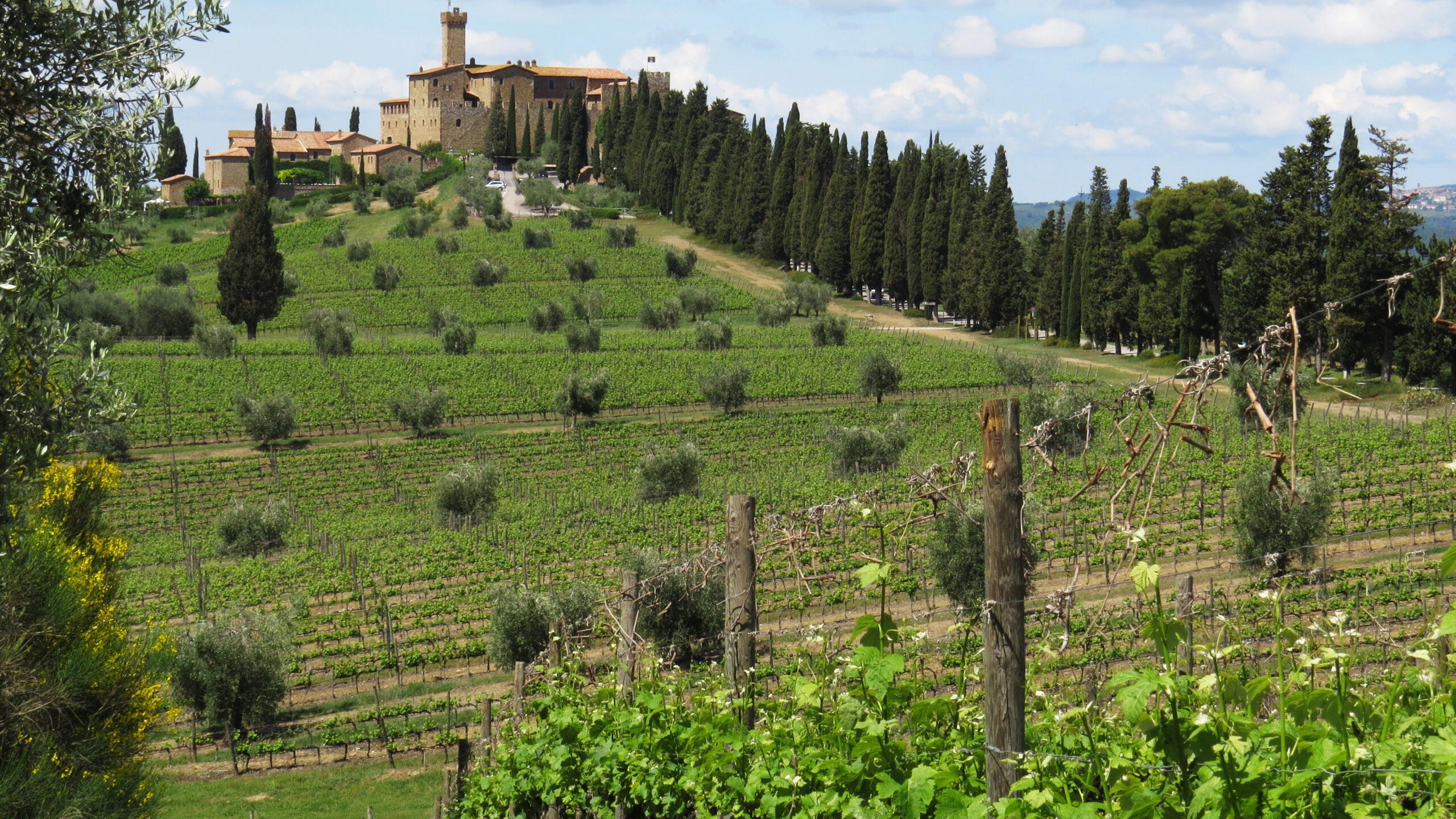
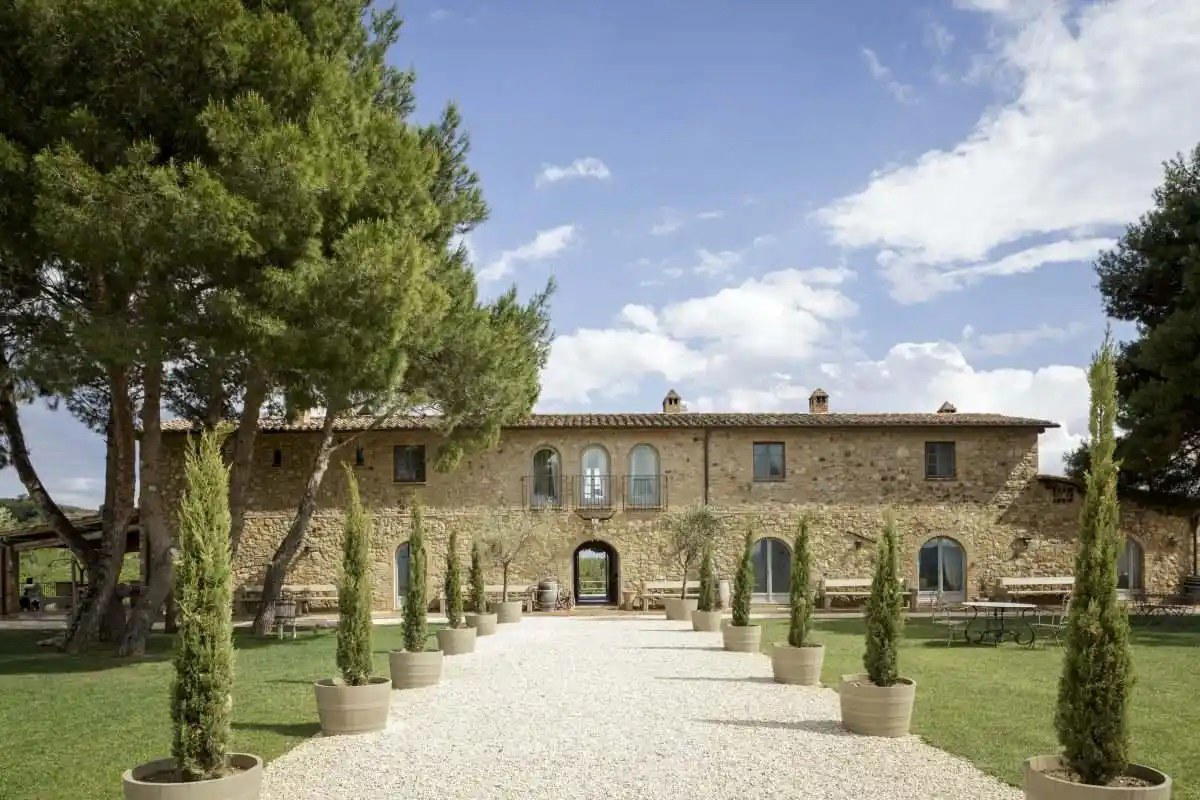
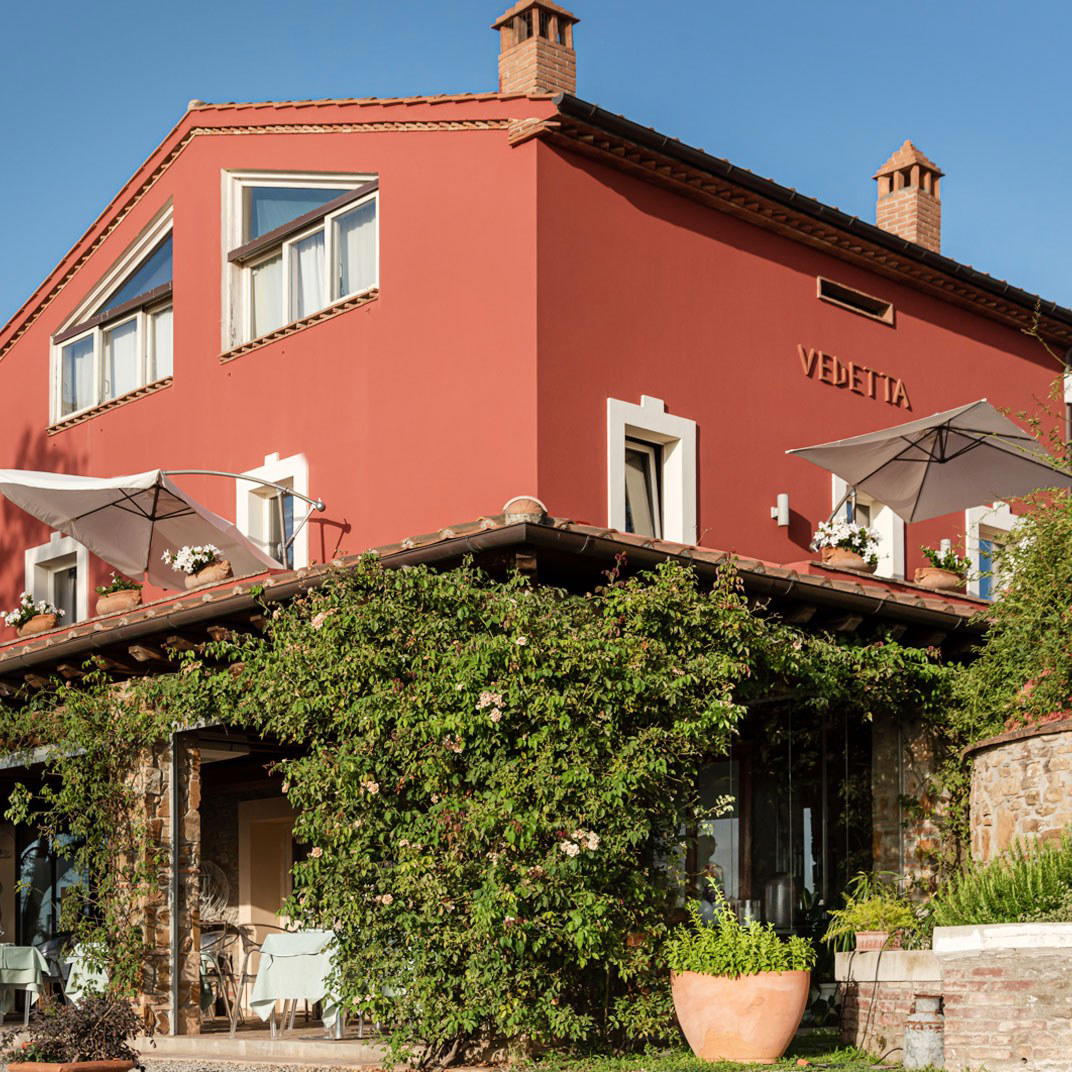
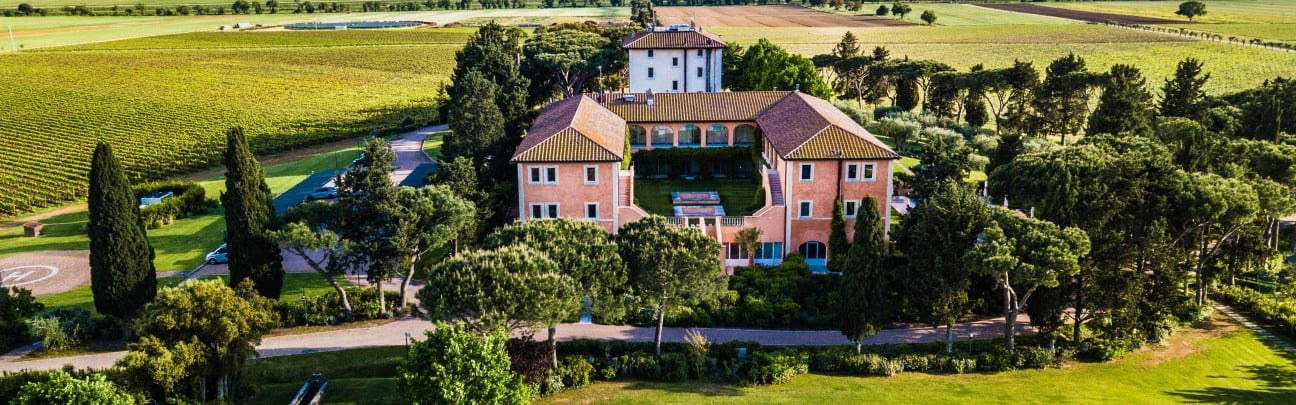
Approaching the Maremma by way of Gavorrano, the Tuscan wine story shifts from cypress-lined nostalgia to something more architectural and coastal. At Rocca di Frassinello, the cellar is not hidden behind rural romance: it is the argument. Renzo Piano’s modernist building sits within a natural amphitheater of vineyards and forest, using amber and red tones against the green hills rather than pretending to be an old farmhouse. The quiet is part of the experience, but so is the sense of intent; this is a working estate built to make the production cycle visible.
That matters in Maremma, a region often understood through its distance from the more codified prestige of central Tuscany. Here the climate is not an accessory to the wine narrative. The estate’s hill near Giuncarico benefits from sea winds moving inland, moderating heat and moisture across the growing season. For travelers used to thinking of Tuscan reds through inland structure alone, this coastal influence is the useful lens: ripeness remains important, but freshness and airflow shape the style just as decisively.
A Maremma estate built around wind, scale, and blended identity
The property runs on a large-estate model, with roughly 80 to 90 hectares under vine within a broader 500-hectare holding. Forest has been retained inside the estate boundaries, a practical stewardship signal in a region where monoculture can flatten both habitat and visual character. The scale also explains the breadth of production: this is not a tiny cellar making a handful of bottles for collectors, but a substantial Maremma Toscana DOC estate with annual production around 350,000 to 400,000 bottles.
The vineyard mix tells the story plainly. Sangiovese, or Sangioveto in the estate’s language, shares ground with Cabernet Sauvignon, Merlot, Syrah, and Vermentino. That 50/50 conversation between Italian and French varieties reflects the estate’s origin as a joint venture between Castellare di Castellina and Domaines Barons de Rothschild-Château Lafite. The credential matters less as name-dropping than as a signal of intent: Maremma is being treated here as a serious blending territory, not as a picturesque satellite of better-known Tuscan zones.
Portfolio follows that logic. Most wines are blends, with Baffonero as the important exception: a 100% Merlot positioned as the estate’s flagship. Le Sughere di Frassinello has appeared in Wine Spectator’s Top 100, giving the range a concrete recognition marker beyond architectural celebrity. Other bottlings, including Ornello, Poggio alla Guardia, Rosato, Vermentino, and newer San Germano releases, show how the estate moves between coastal white, rosé, red blends, and prestige labeling without abandoning the central Maremma premise.
Architecture is the hospitality format, not decoration
Many winery visits separate vineyard, cellar, tasting room, and cultural add-on into discrete gestures. Rocca di Frassinello compresses them into a single staged sequence: Renzo Piano’s cellar, the exhibition on Etruscans and wine, the pavilion with David LaChapelle’s “Rapture of the Grape,” and the guest house within the building. The result is closer to a cultural visit with wine at its center than a standard tasting counter with scenery attached.
The Etruscan thread is not ornamental. The estate ties its wine narrative to a local viticultural history stretching back roughly 3,000 years, and the on-site exhibition gives that claim a physical anchor. In a region where the past is often sold as atmosphere, this is a more useful arrangement: archaeology, landscape, and production are placed in sequence, allowing visitors to understand why the property frames modern design and ancient cultivation as related rather than contradictory.
Alessandro Cellai’s role as winemaker gives the technical side a clear voice. His stated emphasis on the vineyard before the cellar fits the site: harvest timing, fruit condition, and preservation of quality matter in a warm coastal zone where sea breeze can be an asset but not a substitute for disciplined farming. The production detail available points toward sustainable practice rather than a heavily certificated manifesto, with biodiversity and retained woodland doing much of the talking.
Condé Nast Traveler has also recognized the winery as a modernist destination for architecture-minded travelers and wine enthusiasts, which captures its real competitive position. The draw is not only what ends up in the glass; it is the way Maremma’s wind, scale, archaeological memory, and contemporary architecture are made legible in one visit. That is a narrower proposition than a casual cellar-door stop, and a stronger one.
How to place it in a Gavorrano wine itinerary
Gavorrano rewards travelers who treat winery visits as a study of Maremma rather than a checklist. Rocca di Frassinello is the design-led anchor, especially for visitors interested in how a large estate uses architecture to explain terroir. Nearby planning can branch into the wider local wine map through our full Gavorrano wineries guide, while adjacent estate research may include Le Falene, Querce Bettina, Rigoloccio, Sequerciani, and Tenuta Fertuna.
The visit format is guided and appointment-led, with seated tastings, estate tours, premium tasting options, English and Italian language availability, on-site parking, accessible parking, and a quiet atmosphere. The experience is better suited to adults focused on wine education, architecture, corporate hosting, or a slower countryside itinerary than to families looking for a casual drop-in. The stated tour duration is 60 minutes, though the cultural material rewards a less rushed schedule.
For the rest of a Gavorrano stay, the wine visit sits neatly beside broader local planning through our full Gavorrano restaurants guide, our full Gavorrano hotels guide, our full Gavorrano bars guide, and our full Gavorrano experiences guide. Travelers building a wider wine route beyond Tuscany can also look across EP Club’s winery coverage, from 3GP SRL in Treviso, 47 Anno Domini in Trebaseleghe, and A Mano Wine in Noci to »der Steiner« Hans Steiner in Podersdorf am See and & Handwein in Mannheim.
Recognition history
Dated appearances from independent guides and award organizations, with the underlying list record or original source where available.
Falstaff Winery - 4 Stars
Falstaff
Continue exploring
More in Gavorrano
Wineries in Gavorrano
All wineries in Gavorrano →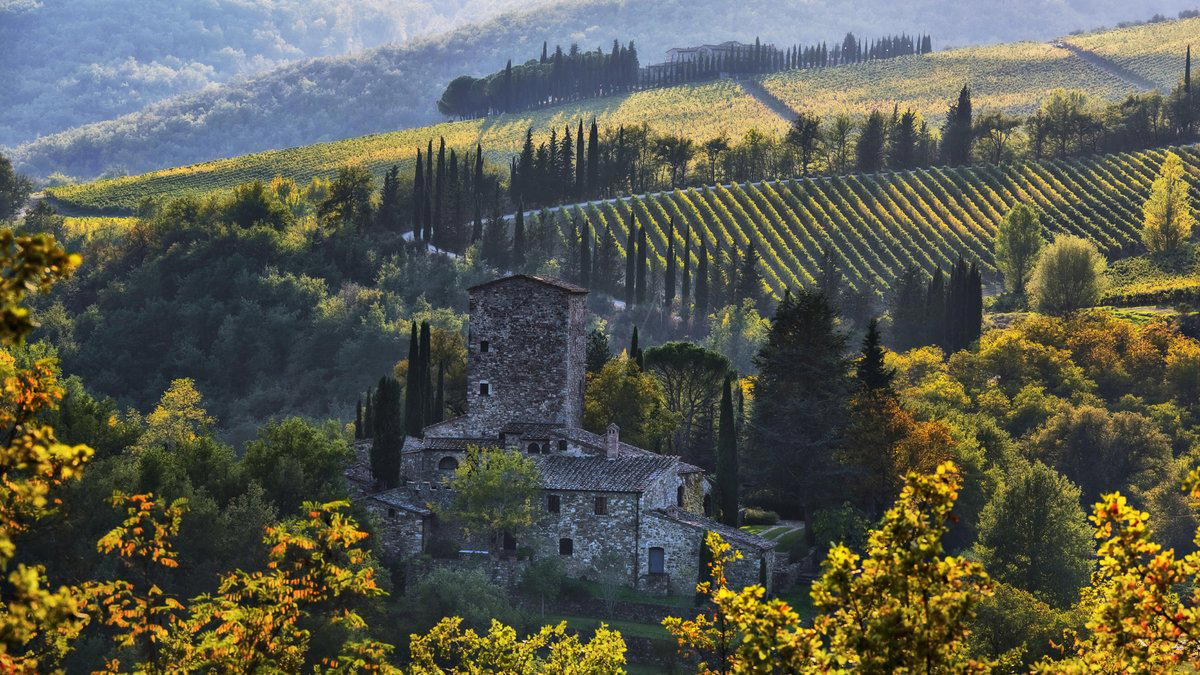
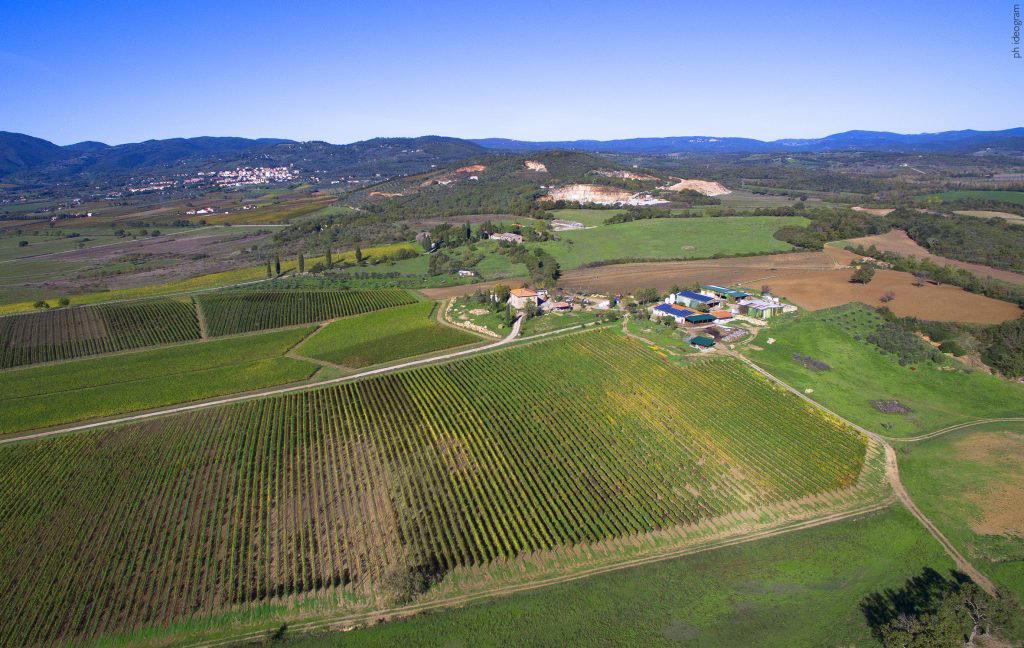
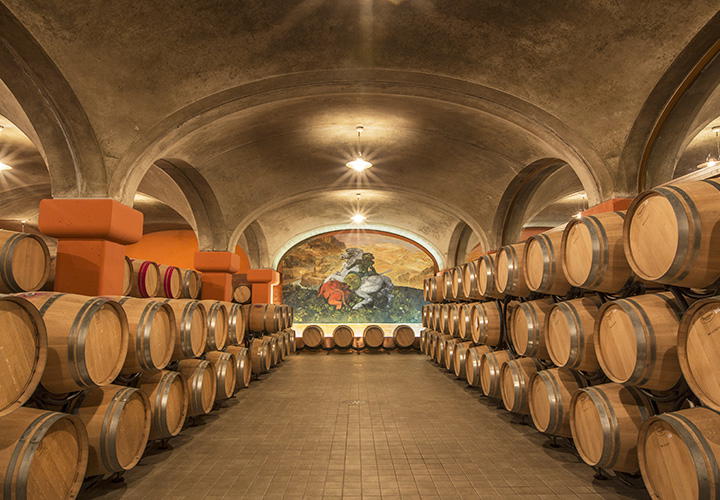
Bars in Gavorrano
Browse all →

Restaurants in Gavorrano
Browse all →
Details
- Modern
- Scenic
- Elegant
- Well Known
- Sophisticated
- Corporate Event
- Group Outing
- Special Occasion
- Romantic Getaway
- Wine Education
- Solo Exploration
- Barrel Room
- Vineyard Tour
- Estate Grounds
- Panoramic View
- Design Destination
- Private Tasting
- Sustainable
- Vineyard
- Sangiovese/sangioveto
- Cabernet Sauvignon
- Merlot
- Syrah
- Vermentino
- Still Red
- Still White
- Still Rosé
- Guided Seated Tasting
- Estate Tour Plus Tasting
- Premium Tasting
- English
- Italian
Striking, modernist architecture by Renzo Piano set in rugged Maremma countryside, with rich amber and red tones blending into the green hills, quiet surroundings, and an organized, professional team creating a polished yet relaxed atmosphere for architecture lovers and oenophiles.