Restinga Gin Distillery

Restinga Gin Distillery brings small-batch spirit production to Mar del Plata, earning a Pearl 2 Star Prestige recognition in 2025. The distillery sits within Argentina's growing artisanal gin scene, offering a tasting experience grounded in coastal Atlantic character. For those tracing the country's craft spirits circuit beyond the Mendoza wine corridor, Restinga is a reference point worth understanding.
 Discover on Pearl
Pearl is the En Primeur Club membership app — saves, bookings, and concierge access live there. Same editors, same standards.
- Address
- Mar del Plata, Argentina
- Phone
- +542235210484
- Website
- restingagin.com
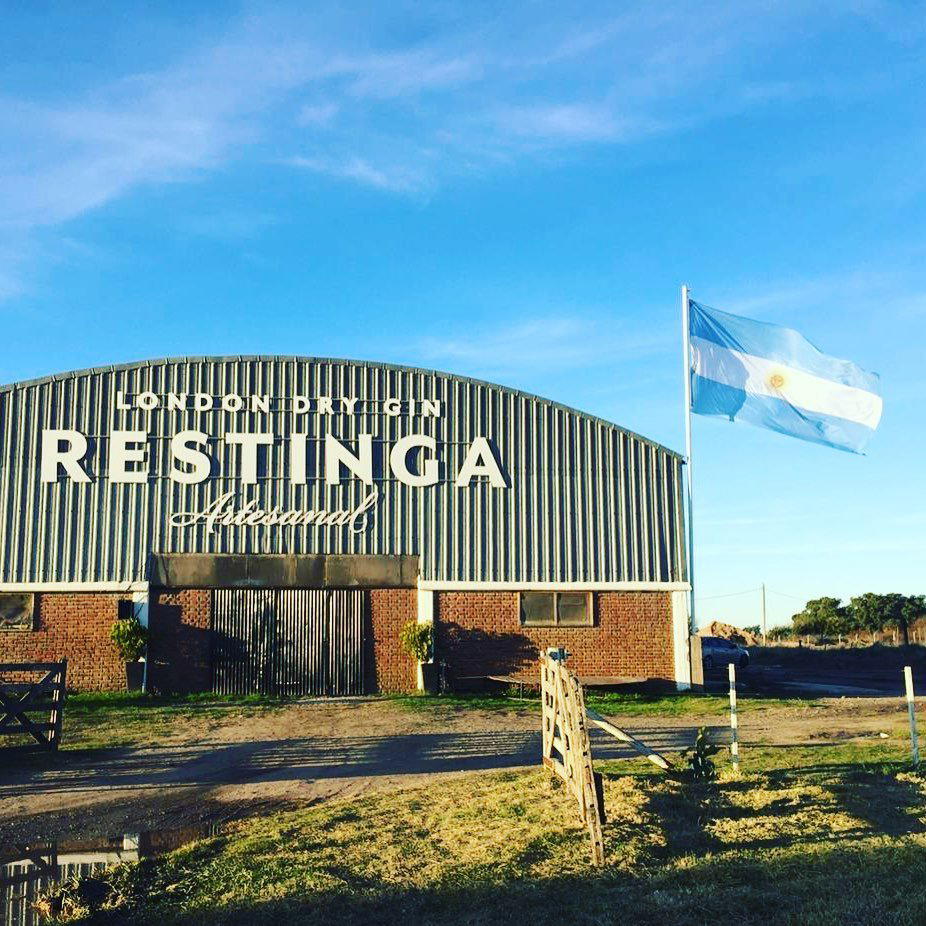
Craft Spirits on the Atlantic Coast
Argentina's artisanal gin movement has followed a trajectory familiar to anyone who tracked the craft beer wave a decade earlier: a handful of serious producers working in relative obscurity until recognition mechanisms catch up and the category earns legitimate standing. Mar del Plata, better known internationally for its beaches and its mid-century architecture than for spirits production, has quietly become part of that story. Restinga Gin Distillery earned a Pearl 2 Star Prestige rating in 2025, placing it within the upper tier of EP Club's evaluated producers in the region and signalling that what is happening here is not a hobby operation.
The Atlantic coastal setting matters more than geography alone suggests. Gin's character is partly botanical, and the plant palette available along the Buenos Aires province coastline differs meaningfully from the high-altitude Andean environments associated with Argentina's wine production. Where producers in Mendoza or Salta work with altitude and aridity as defining variables, a distillery in Mar del Plata contends with humidity, Atlantic winds, and a temperate seasonal range that shapes both ingredient sourcing and production conditions. For context on how Argentine producers across different regions build identity through terroir, the estates at Bodega Colomé in Molinos and Bodega El Esteco in Cafayate demonstrate how dramatically geography can define a producer's output even within a single country.
Where Restinga Sits in the Argentine Craft Spirits Scene
Argentina's artisanal gin category has expanded rapidly since the mid-2010s, with Buenos Aires province generating a disproportionate share of new producers relative to the country's wine-dominated spirits identity. Within Mar del Plata specifically, the distillery scene is still small enough that individual producers carry real weight in shaping how the city is perceived as a spirits destination. Restinga operates alongside peers like Destilería Kalmar and Destilería Thevenon, a cohort small enough that each contributes a distinct position to what is becoming a recognisable local craft corridor.
The 2025 Pearl 2 Star Prestige award positions Restinga above entry-level recognition and within a tier that implies consistent production quality and a defined product identity. In EP Club's rating structure, Prestige-level recognition at the 2 Star mark reflects a producer that has moved beyond novelty and into something more durable. That matters in a category where many small distilleries launch on enthusiasm and struggle to maintain quality through scale.
For comparison, the Argentine wine producers that have built international credibility, from Bodega Lagarde in Luján de Cuyo to Bodega DiamAndes in Tunuyán, did so by pairing genuine terroir expression with production discipline over time. The question worth asking of any newer category producer is whether the same patience is present. At Restinga, the 2025 recognition suggests it is.
The Tasting Experience
Craft distillery visits in Argentina operate quite differently from the cellar-door culture associated with Mendoza's wine estates, where infrastructure for receiving visitors has been built over decades. Gin distilleries in the Buenos Aires province coastal belt are working with a younger model, one where the tasting experience is still being defined by each producer independently. This places a higher premium on the quality of engagement at the point of visit: the format of the tasting, the knowledge of the staff presenting the spirits, and the clarity with which the distillery communicates its production approach.
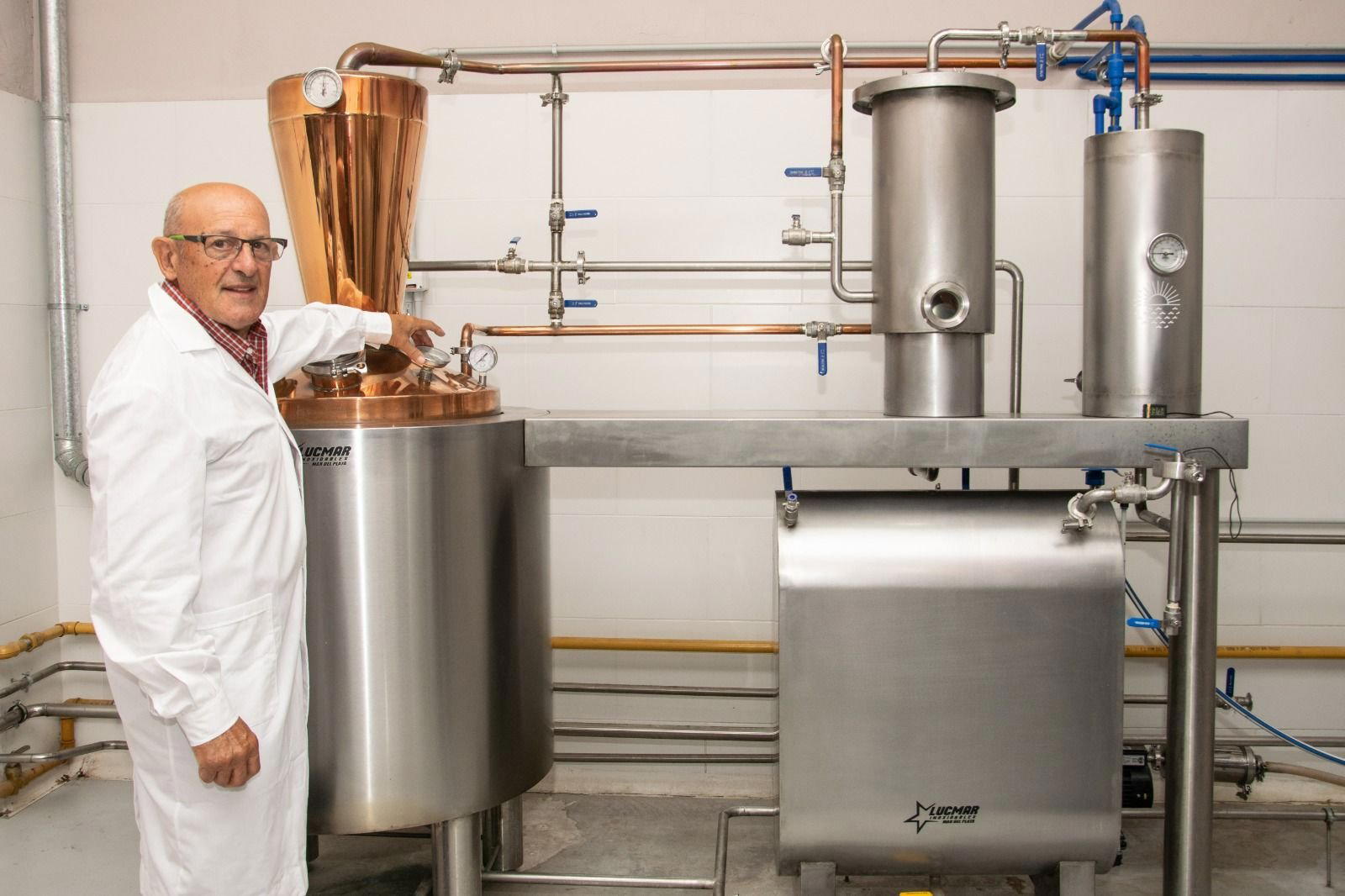
At operations of this profile, the distillery floor itself tends to be part of the experience rather than a separate back-of-house function. Small-batch gin production does not require the same spatial footprint as a winery, which means visitors often get closer proximity to the actual production process. Pot stills, botanical preparation areas, and blending stations are typically within the same physical environment as the tasting counter, giving the experience a transparency that larger industrial operations cannot replicate.
The spirits category also allows for a different kind of sensory exploration than wine. Botanical composition in gin is a variable the producer controls entirely, unlike grape-based spirits where the raw material carries its own history. A tasting at a craft gin distillery is partly a lesson in the producer's choices: which botanicals, in what proportion, processed by what method. That conversation tends to be more accessible to a general audience than technical wine discussion, making distillery visits a useful entry point for travellers who want producer-level engagement without the prerequisite knowledge base.
Planning a Visit to Mar del Plata's Spirits Circuit
Mar del Plata functions as a year-round destination for Argentine travellers but sees its highest volume of international visitors during the Southern Hemisphere summer, roughly December through March, when the coastal resort infrastructure is fully active. Visiting during shoulder season, particularly May through September, tends to mean smaller crowds and more attentive producer engagement, which matters for distillery visits where the quality of conversation is part of the value.
The distillery sits within a broader Mar del Plata producer scene worth mapping before a trip. For restaurants, bars, hotels, and additional experiences in the city, EP Club's guides cover each category: Mar del Plata restaurants guide, Mar del Plata bars guide, Mar del Plata hotels guide, Mar del Plata wineries guide, and Mar del Plata experiences guide provide the wider context for building a multi-day itinerary.
Travellers with a serious interest in Argentine spirits production more broadly might also consider how Mar del Plata fits within a longer Argentina circuit. The wine estates of Mendoza, including Bodega Trapiche in El Trapiche and Escorihuela Gascón in Godoy Cruz, remain the anchor for most itineraries, but the coastal gin producers represent a distinct and less-visited strand of what Argentine craft production has become. For those who want an international reference frame, the single malt tradition at Aberlour in Aberlour or the estate model at Abadía Retuerta in Sardón de Duero illustrates how producer visits in other categories have built their own distinct visit cultures over time.
Comparable Venues
Comparable venues nearby, for context on price, style, and recognition.
| Venue | Cuisine | Notes |
|---|---|---|
| Restinga Gin DistilleryThis venue — the venue you are viewing | Coronel Vidal, Mar del Plata | |
| Destilería Thevenon | Mar del Plata, Mar del Plata | |
| Destilería Kalmar | Mar del Plata, Winery | |
| Brightfield Distillery | Carlos Keen, Winery | |
| Bodega López | General Gutiérrez, Malbec, Cabernet Sauvignon | |
| Las Perdices | Agrelo, Malbec, Syrah |
Continue exploring
More in Mar del Plata
Wineries in Mar del Plata
Browse all →
At a Glance
- Modern
- Rustic
- Lively
- Solo Exploration
- Barrel Room
Well-mounted facility with a nice bar for gin tastings, occasional live music, and views into part of the distillery process.